博客

  • Tridents knocked out of WCPL at playoff stage

    Tridents knocked out of WCPL at playoff stage

    In a rain-disrupted semi-final clash at Kensington Oval on Wednesday, cricket history was made in the Women’s Caribbean Premier League: for the first time since the tournament’s 2022 inception, two-time defending champion Barbados Tridents will not feature in the title decider, after Guyana Amazon Warriors secured a dominant seven-wicket win to knock them out.

    Persistent wet weather forced significant alterations to the fixture, delaying the opening toss and trimming the contest to just eight overs per side — a format that turned every single delivery into a high-stakes moment, with no room for slow starts or mid-innings recovery. Sent into bat on a damp pitch by Guyana skipper Chloe Tryon, the Tridents struggled to find consistent rhythm, managing only 69 runs for the loss of four wickets from their allotted overs.

    Barbados’ innings was plagued by early setbacks: opener Qiana Joseph retired hurt after scoring just three runs from eight deliveries at the end of the third over, and all-rounder Kiran Navgire fell for a first-ball duck on the first delivery of the fourth over. The most damaging blow came in the sixth over, when Tridents captain and star batter Hayley Matthews was run out for 22 off 14 balls, leaving the lower order with too much work to do in the remaining overs. Maddy Green top-scored for the side with an unbeaten 30 from 16 deliveries, but Guyana’s bowling unit adapted expertly to the tricky wet conditions to keep the target well within reach.

    Chasing 70 for a place in the final, the Amazon Warriors faced only one minor early hiccup, losing opener Eboni Brathwaite for two runs in the first over. From there, the chase stayed firmly on track, powered by a match-winning performance from Player of the Match Tazmin Brits. Brits remained unbeaten on 35 off 23 deliveries, cracking three fours and two towering sixes to keep the run rate ticking over, while Shemaine Campbelle contributed a quickfire 22 from 12 balls. The Warriors crossed the finish line at 75 for three, with four deliveries left to spare, booking their spot in Thursday’s championship decider.

    They will go head-to-head with Trinbago Knight Riders in the final, a side they already defeated during the group stage of the tournament. Following the upset, Barbados Tridents Chief Operations Officer John Mumby told local outlet Barbados TODAY that the ultra-shortened format created an unlevel playing field that made results hard to predict.

    “We were just saying off camera that limited overs (in a T20 game) is always a bit of a lottery. It makes the toss really big and to have lost the toss and then be put into bat on a wet pitch with a wet ball is tricky,” Mumby explained. “I think we did pretty well [to set a 70-run victory target], but yeah, we came up just a little bit short.”

    Despite the disappointing early exit, Mumby praised the passionate local support that turned out for the side on home soil. A small but loud crowd cheered the Tridents through every over, and Mumby noted that public enthusiasm for the franchise has grown dramatically this year. “I think the nation has really gotten behind both the men’s and the women’s teams this year, with huge excitement in Barbados around the Tridents identity and the national colours. All through the game you heard ‘let’s go Tridents,’ which was amazing to hear from the school kids and I think that emphasises everything the franchise has tried to do this year,” he added.

  • Het Pinglu-kanaal: China’s nieuwe toegangspoort tot Zuidoost-Azië

    Het Pinglu-kanaal: China’s nieuwe toegangspoort tot Zuidoost-Azië

    On September 16, 2026, China officially opened the Pinglu Canal, a landmark infrastructure project that marks the country’s first nationally planned and constructed modern river-sea waterway. Stretching 134.2 kilometers across the Guangxi Zhuang Autonomous Region in southern China, the canal directly connects Nanning, the capital of Guangxi, to the Beibu Gulf, creating the closest access to the ocean for China’s landlocked southwestern interior and cutting more than 560 kilometers off the traditional trading route through Guangdong Province.

    With a total construction investment of 72.7 billion yuan (approximately 10.75 billion U.S. dollars), the project took just over four years to complete. Engineers overcame significant technical hurdles, most notably a 65-meter elevation difference across the canal’s length—roughly the height of a 20-story building—by building three double-chamber lock complexes to accommodate vessels up to 5,000 deadweight tons. The project set four global engineering records: the strongest shipping capacity among comparable canals worldwide, the fastest lock operation for similar waterways, the largest water level difference for a water-saving lock, and the world’s largest water-saving inland waterway lock. Environmental sustainability was integrated into construction from the start: more than 98% of the 315 million cubic meters of excavated earth and rock was reused, and the canal includes a 480-meter fish passage as well as a dedicated crossing for local terrestrial wildlife such as leopard cats and squirrels.

    The Pinglu Canal is a core component of China’s New International Land-Sea Trade Corridor, a strategic initiative linking China’s inland regions to ASEAN and global markets. On opening day, 30 cargo vessels transited the new waterway, and two new shipping routes were launched: the international Nanning-Can Tho (Vietnam) route and the domestic Nanning-Yangpu (Hainan) route. Four additional passenger routes were also opened alongside the cargo lanes, with initial shipments including containers, bulk construction materials, coal, ore, steel, and fertilizer.

    Ding Xuexiang, a member of the Standing Committee of the Political Bureau of the Communist Party of China Central Committee and Vice Premier of the State Council, attended the opening ceremony in Qinzhou and emphasized that the completion of the canal creates an opportunity to develop the Beibu Gulf Port into a world-class international trade gateway and expand opening-up in western China. As a critical multi-modal infrastructure hub integrating water transport, rail, and maritime shipping, Ding noted that the Pinglu Canal must leverage its unique advantages in coordinating land-sea connections and linking domestic and international markets to operate as a safe and efficient “golden waterway” between China’s interior and the ocean.

    The opening of the canal comes in the first year of China’s 15th Five-Year Plan (2026-2030), a period in which the world’s second-largest economy has prioritized more balanced regional development and expanded high-quality opening-up. For southwest China, a region that has long lagged behind the more prosperous eastern coast and faced high logistics costs for accessing ocean ports, the Pinglu Canal marks a transformative shift. It is projected to cut annual transportation costs by more than 5 billion yuan and reduce overall logistics costs by between 18% and 30% for regional trade.

    China-ASEAN trade has grown rapidly in recent years, surpassing 1 trillion U.S. dollars for the first time in 2025. In the first seven months of 2026 alone, bilateral trade reached 744.41 billion U.S. dollars, a 24.7% year-on-year increase that accounts for 21.8% of China’s total foreign trade. Industry analysts note that the value of the Pinglu Canal extends far beyond just reduced shipping distance.

    “The real impact lies in how much the canal can cut overall logistics costs, reduce travel time variability, and lower supply chain uncertainty across the entire China-ASEAN trade network,” explained Boonsub Panichakarn, a scholar from the Faculty of Logistics and Digital Supply Chain at Thailand’s Naresuan University. Lu Xinning, vice chairman of the Pinglu Canal project, added that the waterway creates a new direct connection between China’s 1.4-billion-consumer market and ASEAN’s nearly 700 million consumers, with benefits extending beyond just goods trade to encourage cross-border investment and deeper integration of regional supply chains.

    Looking ahead, the canal is expected to reshape regional trade flows in the near term, shifting some cargo volume from road and rail to water transport and redirecting traffic from the Pearl River Delta to the Beibu Gulf. Over the long term, lower access costs to ocean trade are projected to attract new investment to southwest China’s interior and reshape the industrial layout along the canal. The Beibu Gulf Port has already seen rapid growth in capacity, with container throughput rising from just 2.28 million TEU in 2017 to around 10 million TEU in 2025. Analysts project that the Pinglu Canal will add an estimated 3.5 million tons of additional cargo throughput in its early years of operation, rising to as much as 150 million tons annually over the long term.

  • Jawahir: Climate change already affecting Saint Lucia’s food, water

    Jawahir: Climate change already affecting Saint Lucia’s food, water

    For small island developing states across the Eastern Caribbean, climate change is not a distant hypothetical threat—it is a daily reality reshaping core industries and endangering the most vulnerable populations, according to Saint Lucia’s top agriculture official.

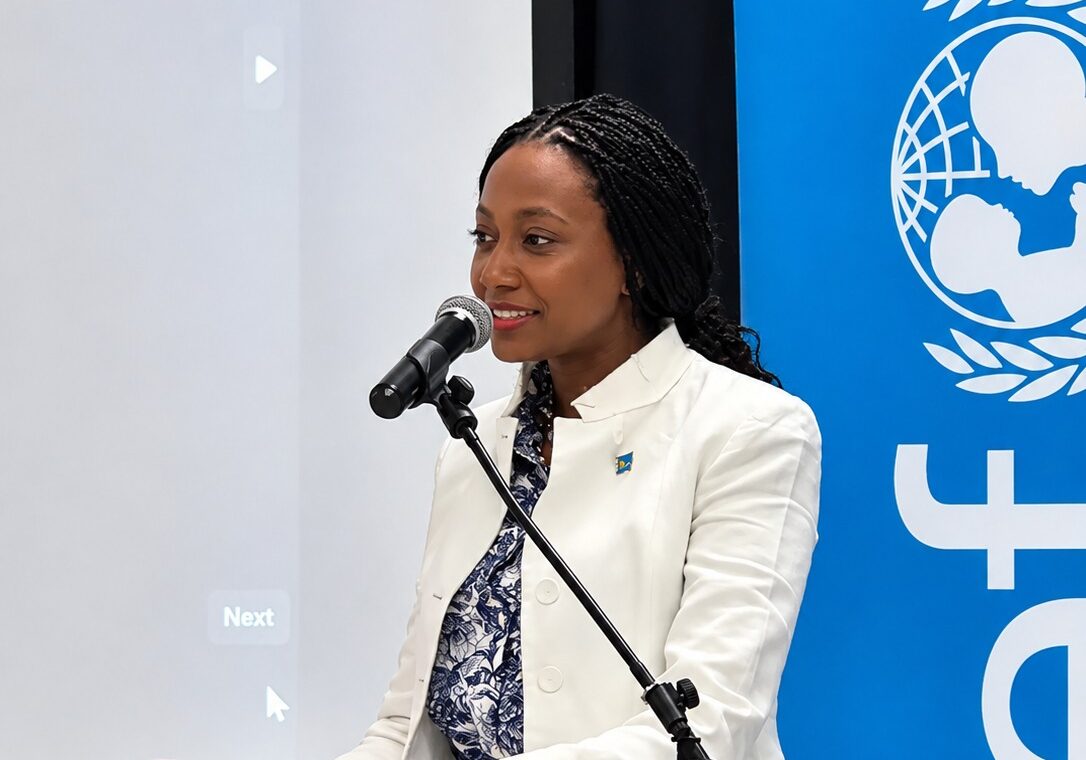
    At a Wednesday event held at Rodney Bay’s Bay Gardens Hotel, Agriculture, Fisheries, Food Security and Sustainable Development Minister Lisa Jawahir shared how shifting weather patterns have already upended local food systems, delivering stark warnings ahead of the launch of a groundbreaking UNICEF-commissioned climate resilience study. The new analysis, conducted by research firm Meru Labs, spans six Eastern Caribbean nations: Saint Lucia, Barbados, Dominica, Grenada, St Kitts and Nevis, and St Vincent and the Grenadines. It focuses on the understudied impact of climate hazards on children, a group disproportionately affected by rising global temperatures despite contributing the least to emissions.

    Jawahir outlined the cascading harms Saint Lucia is already facing: more intense extreme rainfall that triggers devastating flooding, longer and more severe dry spells that drain water reserves, accelerating coastal erosion that erodes critical marine habitat, and steadily climbing average temperatures. These shifts do not stay confined to environmental systems, she emphasized—they ripple through households and communities, hitting low-income families hardest. “When drought reduces agricultural production, the consequence can reach the dinner table of a family already struggling to make ends meet,” Jawahir said. “When water becomes scarce, households must make difficult choices about how that limited resource is being used.” Disruptions to climate-sensitive sectors from farming and fishing to tourism, she added, generate widespread economic pressure that destabilizes home life for generations. “Our vulnerability is therefore not only environmental, it is social, developmental, and intergenerational,” she noted.

    The groundbreaking Child-Centered Climate Analysis for Building Resilience paints a sobering picture of current and future risk for children across the region. The study cross-references climate hazard maps with local socioeconomic data to map how climate change impacts children, their schools, local health facilities, and household livelihoods. Right now, more than one-third of all children, schools and health clinics in the six study countries sit in zones exposed to at least three separate climate hazards. Under a high-greenhouse gas emissions scenario that follows current global emission trends, that proportion is projected to jump to more than 90 percent by the middle of this century.

    Jawahir explained that the child-centered framework used in the research fills a critical gap, making visible how climate vulnerability overlaps with existing systemic inequities across poverty, education, health care, food and water security, housing, livelihood support and social protection. “Climate resilience, food security, and sustainable development are inseparable,” she stressed. Investing in climate-smart agricultural practices, secure water infrastructure and climate-resilient public systems is not just about protecting national economic sectors—it is about protecting families, communities, and the future of the region’s children, she argued.

    The minister stressed that the research’s findings must not remain unused, gathering dust on government shelves. Instead, the data should be leveraged to pinpoint unaddressed gaps in existing resilience efforts, challenge outdated policy assumptions, strengthen national climate planning, and guide targeted investment from both national governments and international development partners. She doubled down on this call during a post-presentation question-and-answer session, noting that governments hold a particular responsibility to vulnerable children to act on the clear evidence the study provides. To turn these findings into tangible protection, Jawahir said, climate action priorities must be embedded in formal government strategies, policies, and annual national budget deliberations. “We need to make sure when there are budget discussions, some of these issues on climate are reflected as something that the Ministry of Finance should see the need to say, you know what, we need to put money now on a yearly basis so that we don’t get our children to that place,” she said.

    Using a simple, vivid metaphor to illustrate the urgency of pre-emptive investment, Jawahir compared proactive climate preparation to having an umbrella ready before a storm hits. “So that our children will have umbrellas when the rain starts, not buying the umbrella when it’s raining,” she explained.

    Beyond calling for targeted investment and policy change, Jawahir pushed for a shift in how children are positioned in climate action. Too often, she said, children are framed solely as vulnerable groups in need of assistance, but they have a critical role to play as active contributors to resilience building. “Our children must not be viewed only as vulnerable recipients of assistance. They must be recognised as participants, innovators, and partners in building resilience,” Jawahir said. “Their voices absolutely belong in this conversation.”

    Closing her remarks, Jawahir reaffirmed Saint Lucia’s commitment to collaborating with regional and international partners to boost climate resilience across the Eastern Caribbean. She emphasized that the new data now demands urgent translation into tangible action. “We must move from evidence to policy, from policy to investment, and from investment to measurable improvements in the lives of our people,” she said.

  • Flash Flood Advisory Issued for Antigua and Barbuda Until 8 p.m.

    Flash Flood Advisory Issued for Antigua and Barbuda Until 8 p.m.

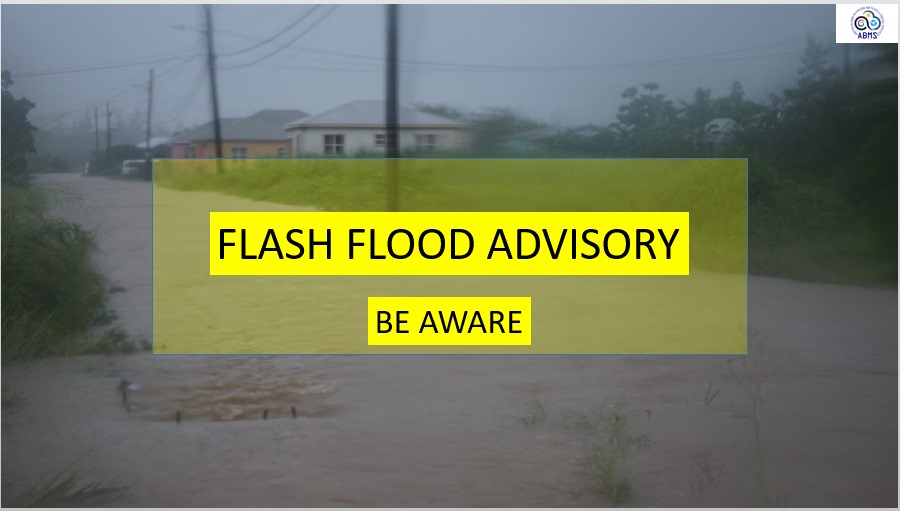
    On the evening of September 16, the national Meteorological Services of Antigua and Barbuda issued an official flash flood advisory that will remain active from 5 p.m. through 8 p.m. local time, putting the island nation on alert for potential low-level flooding across vulnerable geographic zones. Meteorological forecasters attribute the adverse weather conditions to an active tropical wave, which has brought increased atmospheric moisture and instability across the broader Leeward Islands region. These conditions have spawned repeated rounds of intense downpours that are projected to persist through the rest of the evening. According to the official advisory statement, natural watercourses including small streams and creeks, along with urban drainage systems, are at high risk of rising water levels and potential overflow onto public streets and other low-lying, flood-prone areas. While officials have cautioned residents and travelers to remain vigilant, they also noted that any structural or property damage from the expected flooding is forecast to be limited in scope. Traffic and public safety officials have issued clear guidance for motorists navigating the affected regions: all drivers are reminded to practice extra defensive driving, particularly during moderate to heavy rain events that can sharply cut down on road visibility. Most critically, authorities have issued a strong warning against attempting to cross roadways that are already submerged by floodwaters, a common cause of weather-related injuries during flash flood events. The Antigua and Barbuda Meteorological Services confirmed that it will maintain continuous monitoring of evolving weather conditions across the islands, and will issue updated public statements and revised advisories should conditions change unexpectedly. In the meantime, residents are encouraged to stay tuned to local radio and television broadcasts to receive the latest official updates as the event unfolds.

  • Years after Schneik Phillip vanished, DNA confirms remains are hers

    Years after Schneik Phillip vanished, DNA confirms remains are hers

    After months of lingering uncertainty following the discovery of unidentified human remains along Pigeon Point Beach, authorities in Saint Lucia have confirmed that the bones belong to 33-year-old Schneik Phillip, a man reported missing in late 2023. The Royal Saint Lucia Police Force (RSLPF) made the formal identification announcement this Wednesday, after weeks of waiting for results from forensic DNA analysis.

  • School Buses Back on the Road

    School Buses Back on the Road

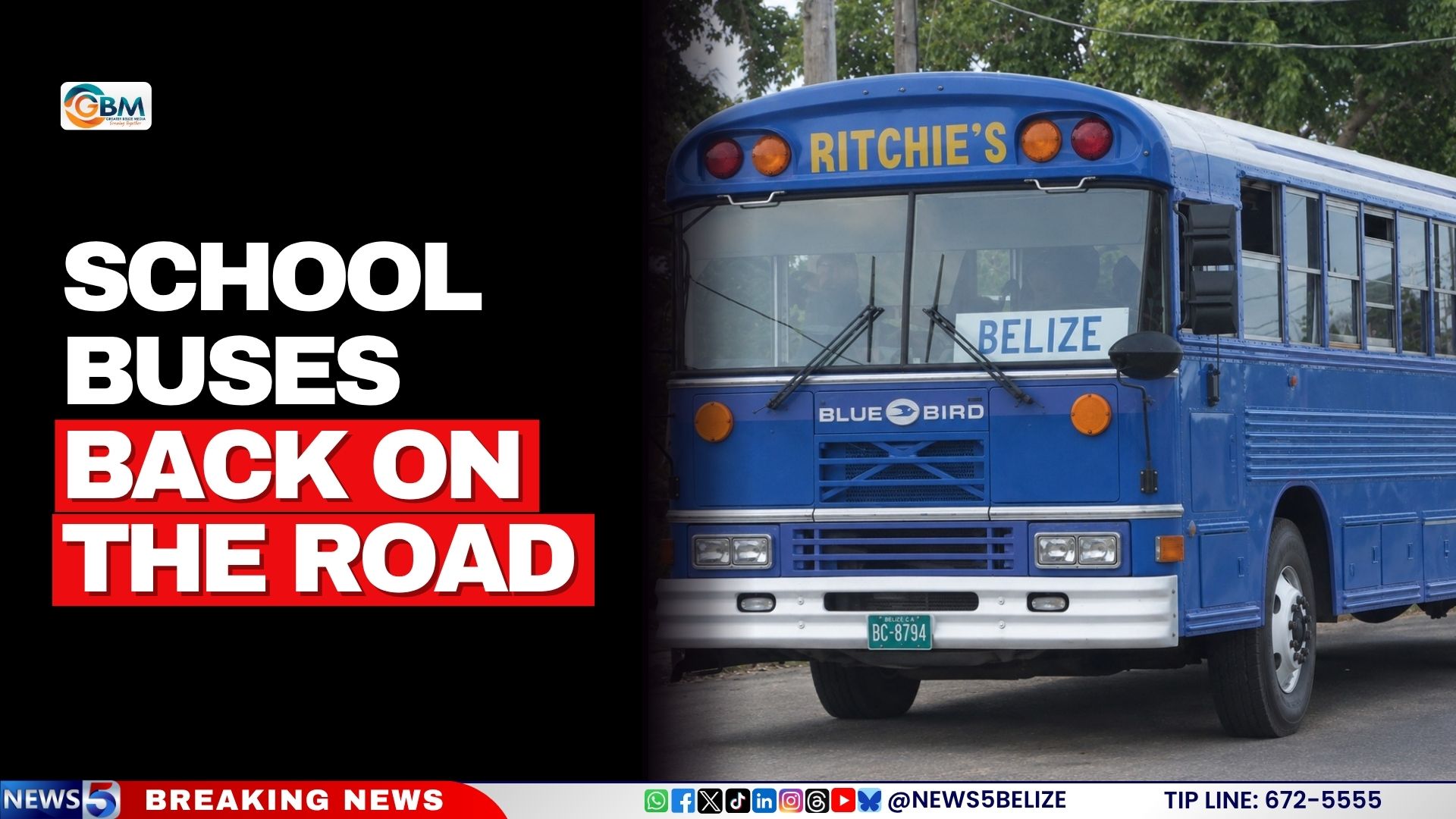
    After a days-long disruption that left thousands of students across Belize without guaranteed transit to classes, school bus transportation services have fully resumed operations across the country, according to an official confirmation from Belize’s Ministry of Education, Culture, Science and Technology (MOE).

    In a brief public statement released September 16, 2026, the ministry formally announced that all contracted school bus routes are once again running for students at all grade levels. The restoration of service follows a widespread suspension that began earlier that week, when multiple government-contracted bus operators pulled their vehicles off roads citing three consecutive weeks of missed government payments.

    The root of the disruption traces back to a new contractor vetting process implemented ahead of the 2026-2027 academic school year. Education Minister Francis Fonseca had previously explained that under the updated framework, all school bus contracts are required to undergo a mandatory review by the office of the Contractor General, a procedural change that created unanticipated delays in disbursing contracted funds to operators.

    Prior to the ministry’s announcement of restored service, local outlet News 5 first broke the story of the suspensions on Monday, reporting that operators had been forced to halt routes because they could no longer cover fuel, maintenance, and labor costs without the owed government payments. The disruption sparked widespread concern among parent and educator groups, who cited barriers to student attendance and safety risks for children forced to find alternative, unvetted transit.

    In its Wednesday statement, MOE acknowledged the new contracting process as the direct cause of the service interruption, and extended gratitude to all affected stakeholders – including parents, students, school leaders, teachers, and the bus operators themselves – for their patience as government teams worked through the backlog of contract reviews to resolve the payment delays.

  • NCCU Says Pointe Michel branch construction is three weeks ahead of schedule

    NCCU Says Pointe Michel branch construction is three weeks ahead of schedule

    Construction of the National Cooperative Credit Union (NCCU) Ltd.’s new La Salette Branch in Pointe Michel is moving at a faster pace than initially projected, with major milestones already achieved since the project broke ground earlier this year.

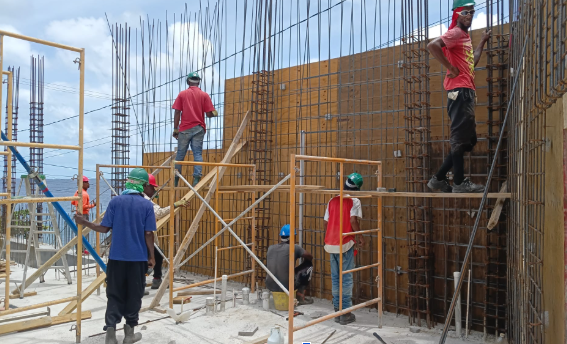
    In an official press statement, NCCU confirmed that construction has advanced beyond the foundational phase. Contractors have completed the erection of structural walls and reinforced concrete columns, and crews are currently placing steel reinforcement and formwork at the first-floor level. The project officially launched with a groundbreaking ceremony on January 7, 2026.

    NCCU Project Manager Hillarian Jules noted that the current build pace has the project outperforming the contractor’s original timeline. “When we compare our progress to the contractor’s scheduled milestones, we are still three weeks ahead of schedule. A tremendous amount of work has been completed, and we are extremely pleased with both the quality of work and the speed of delivery,” Jules said in the statement. “This building will stand as a flagship facility for NCCU, outfitted with cutting-edge modern amenities and aesthetic design.”

    Per NCCU’s current project roadmap, Phase One of construction is on track to wrap up by April 2027. The full two-storey facility is projected to be substantially completed by the end of 2027. Phase Two will cover electrical and plumbing infrastructure installation, alongside the full deployment of the building’s information technology systems, and NCCU expects these works will also stay aligned with the contractor’s adjusted timeline.

    Designed from the ground up to improve member access and convenience, the new branch will include several first-time amenities for the La Salette location. For the first time, the branch will host an on-site ATM and a night deposit safe for after-hours transactions. Solar panels will be installed to provide reliable backup power during outages.

    Additional accessibility-focused features include a dedicated member lobby, a lower-level service counter designed to accommodate senior citizens and people living with disabilities, and an on-site sick bay for staff use.

    NCCU officials emphasize that this new development brings the credit union one step closer to delivering a modern, member-centric facility to serve account holders in Pointe Michel and surrounding communities. RoyC Real Estate & Construction Company has been tapped as the general contractor for the project. For NCCU, the strong progress to date marks another key milestone in the organization’s ongoing effort to expand and upgrade its community-facing facilities across the region.

  • Police warn against false reports as two held in Auguste case

    Police warn against false reports as two held in Auguste case

    Amid a surge of unconfirmed circulating claims about missing persons and attempted kidnappings across social media and private messaging platforms, the Royal Saint Lucia Police Force (RSLPF) has issued a urgent public appeal urging citizens to refrain from sharing unvetted information. The police force emphasized that unfounded rumors not only trigger widespread unnecessary panic across the island nation, but also create significant barriers to active, ongoing criminal investigations.

    The official public statement, released Wednesday, addressed growing concerns about unregulated information spreading through digital channels, covering everything from unconfirmed reports of missing people to false allegations of kidnapping attempts. RSLPF underlined that only information officially confirmed and released by the department should be treated as fact by the public.

    Alongside the warning, police released a formal update on the status of missing persons reports filed between the start of August and September 14. In total, 11 missing person reports were submitted to the department over this six-week period. Nine of these cases have already been successfully closed, with all missing individuals located and returned to safety unharmed. Only one open case remains active: 59-year-old James Hunter Noel, commonly known by the nickname “Ti Jame” and a resident of Fond Joyeux in Vieux Fort, is still unaccounted for.

    Police also confirmed the identity of a body recovered along the Millennium Highway on September 11: the deceased was 21-year-old Merissa Auguste, who had been reported missing just 24 hours before the discovery. A post-mortem examination conducted on September 14 determined that Auguste’s cause of death was strangulation. To date, two people of interest have been taken into police custody, and are currently assisting the department’s Major Crimes Unit with their ongoing probe into the death.

    Beyond the case updates, RSLPF detailed the scope of the misinformation it has observed in recent days: unauthenticated voice notes, wildly exaggerated claims about criminal activity, and statements falsely presented as official police communications have all spread widely across local digital networks. The department explained that this unvetted sharing does more than stoke public fear: it can put community members at unnecessary risk and compromise the integrity of active investigations by compromising witness testimony or alerting suspects to investigative strategy.

    To curb the spread of harmful misinformation, police are urging all residents to cross-check any information related to crimes or missing persons with RSLPF directly before sharing it to personal or public networks. They also warned members of the public against confronting anyone suspected of criminal activity based solely on unconfirmed online claims, as this could put both the individual and the community in danger.

    The department also noted that some forms of false sharing may violate Saint Lucia’s Computer Misuse Act, and warned that formal legal action could be pursued against individuals found to have knowingly shared harmful, unlawful misinformation. For community members with legitimate information related to ongoing criminal cases or suspicious activity, RSLPF encouraged reports through official, established channels, including the dedicated Crime Hotline at 555.

  • Leisure : Did you know ? #59

    Leisure : Did you know ? #59

    In the 59th installment of HaitiLibre’s popular twice-weekly general knowledge feature “Did You Know?”, published September 16, 2026, the interactive quiz platform shares a little-known fact about global defense spending that underscores the massive imbalance in military investment worldwide. The core question posed to participants: Which nation holds a distant lead in global military budgets, often outspending the next nine highest-spending countries combined?

    The answer reveals that the United States maintains an unrivaled position in global military expenditure, with annual budgets consistently ranging between $800 billion and $900 billion. For 2026, projections place the U.S. military budget at nearly $1 trillion, accounting for roughly 40 percent of total global military spending worldwide.

    This unprecedented financial investment grants the U.S. Department of Defense (the Pentagon) substantial strategic advantages: it enables ongoing cutting-edge technological innovation, supports a sprawling global network of military installations, and allows power projection across every continent via a fleet of 11 active aircraft carrier strike groups. According to the feature, the overarching goals of this massive military investment are to preserve U.S. global strategic supremacy, ensure unimpeded freedom of global commercial navigation, and reinforce defense commitments to NATO allies — commitments that were previously called into question during the administration of former U.S. President Donald Trump.

    While China has accelerated its own military investment in recent years, the feature notes that a substantial gap remains between the two nations in terms of global logistics infrastructure and research and development capacity. Beyond strategic implications, the colossal U.S. military budget sustains a powerful military-industrial complex that serves as a cornerstone of the U.S. domestic economy. At the same time, the massive allocation of public funds to defense has long sparked heated domestic debate over competing national spending priorities, from healthcare to infrastructure to social programs.

    Beyond sharing this key global insight, the update also highlights ongoing growth of the HaitiLibre Quiz platform. As part of its monthly content refresh, 30 new quiz games were added to the platform on September 1, 2026, bringing the total number of available interactive quizzes to 240, with new content added every month. Designed for learners of all ages and skill levels, the platform’s exclusive quizzes are free to access, require no user registration, and offer three difficulty tiers (easy, intermediate, and hard) for every topic. Quizzes are available in both French and English, covering subjects ranging from Haitian current affairs and history to global politics, culture, and science.

    Users are invited to visit the platform at https://quiz.haitilibre.com/en to explore content, test their knowledge, and share feedback via a comment form available at the end of each quiz. The platform encourages visitors to share the resource with family and friends, framing interactive quizzing as an accessible way to build general knowledge and learn new facts on a wide range of topics.

  • Smoking can cause heart attacks and strokes. Many smokers don’t know that

    Smoking can cause heart attacks and strokes. Many smokers don’t know that

    For decades, public health campaigns have drilled one core truth about cigarette smoking into public consciousness: it causes lung cancer. But a landmark new study published in BMJ Open has laid bare a troubling, life-threatening gap in global public understanding: the vast majority of smokers remain unaware that smoking is equally, if not more deadly to the heart and vascular system, causing thousands of preventable heart attacks and strokes every year. Even less known are the severe cardiovascular risks posed by secondhand smoke exposure to non-smokers.

    To unpack the study’s findings and answer pressing questions about these underrecognized risks, CNN correspondent spoke with Dr. Leana Wen, emergency physician, clinical associate professor at George Washington University, and former Baltimore health commissioner. Dr. Wen walked through the study’s methodology, its alarming conclusions, and what it means for smokers and their loved ones.

    The research team drew on data from two of the largest international tobacco surveys ever conducted: the International Tobacco Control Project, which collected responses across 26 countries between 2002 and 2022, and the Global Adult Tobacco Survey, which surveyed participants in 32 countries from 2008 to 2020. With overlapping country participation, the combined dataset included responses from adult smokers across 46 nations, all asked to confirm their knowledge of smoking’s links to lung cancer, heart disease, heart attack, and stroke, as well as secondhand smoke’s risks for non-smokers.

    Across both datasets, the results painted a consistent picture of widespread awareness for lung cancer, and steep declines in recognition for cardiovascular harms. Roughly 92% of participating smokers correctly identified smoking as a cause of lung cancer. By comparison, just 85% and 80% of respondents (across the two surveys) recognized the link between smoking and heart disease and heart attack, respectively. Awareness dropped even further for stroke, with only 75% and 66% of respondents in each survey acknowledging the connection.

    The gap was even more stark for secondhand smoke. Between 77% and 82% of smokers knew secondhand smoke causes lung cancer in non-smokers, but only 62% to 73% recognized it also causes heart disease and heart attacks. Most surprisingly of all, the study found almost no progress in closing this awareness gap over the past two decades. Across all five measured health risks, the average annual increase in public knowledge was just 0.14 percentage points.

    When asked why this gap is so concerning, Dr. Wen emphasized that cardiovascular disease is the leading preventable cause of death linked to smoking worldwide. In 2019 alone, smoking-related heart disease and stroke claimed roughly 2.6 million lives globally — twice the 1.3 million deaths attributed to lung, trachea, and bronchus cancers from smoking. Smokers who only recognize lung cancer as a primary risk are missing half of the life-threatening picture, she explained.

    “Knowledge directly shapes behavior,” Wen noted. “Smokers who understand the full scope of smoking’s harms are far more motivated to quit. This is even more critical for secondhand smoke: if a smoker doesn’t know their habit raises cardiovascular risk for the people around them, they’re far less likely to take steps to protect their family, friends, and colleagues from exposure.”

    Dr. Wen went on to explain the biological mechanisms that make cigarette smoke so damaging to the heart and blood vessels. Cigarette smoke contains thousands of toxic chemicals, many of which directly damage the inner lining of blood vessels, trigger chronic inflammation, and spur plaque buildup inside artery walls. Smoking also makes blood far more prone to clotting — the primary trigger for both heart attacks (which occur when a clot blocks blood flow to the heart) and the most common type of stroke, which occurs when a clot cuts off blood flow to the brain.

    Additional harms come from nicotine, which raises resting heart rate and blood pressure, and carbon monoxide, which reduces the blood’s ability to carry oxygen to vital organs. Over time, these effects stiffen and narrow blood vessels, accelerating the progression of cardiovascular disease. Crucially, Wen added, these risks are not limited to heavy, long-term smokers: cardiovascular damage begins early, and even low levels of cigarette consumption carry substantial risk.

    Secondhand smoke carries nearly identical risks, Wen explained: non-smokers exposed to secondhand smoke inhale the same toxic chemicals, which cause the same vascular damage and inflammation that raise coronary heart disease risk. The public health toll is staggering: the study estimates secondhand smoke caused 1.3 million premature deaths globally in 2021 among non-smokers, yet fewer than half of respondents in several high-income countries including the U.S., Canada, the U.K., Australia, and Germany were aware of this cardiovascular risk.

    When asked why lung cancer awareness is so much higher than cardiovascular awareness, Wen noted that the link between smoking and lung cancer has been the centerpiece of public health messaging for decades. It features prominently on tobacco warning labels and national education campaigns, so the connection has become deeply ingrained in public knowledge. Cardiovascular harms have never received the same level of focus in public outreach, leading to the major awareness gaps seen across countries, with gaps correlating to a lack of targeted mass education campaigns.

    A common misconception holds that cutting back on cigarette consumption substantially reduces cardiovascular risk, but Wen pushed back on this idea. Research confirms that even a few cigarettes a day carry nearly the same level of cardiovascular risk as a full pack a day. The only effective way to reduce risk is to quit entirely. The good news, she added, is that cardiovascular benefits begin almost immediately after quitting: heart rate and blood pressure drop within hours, carbon monoxide levels in the blood return to normal quickly, and over time the risk of heart attack, stroke, and other smoking-related diseases falls dramatically. Quitting offers meaningful health benefits at any age, and stopping earlier delivers larger gains, so it is never too late for a smoker to quit.

    For smokers looking to quit, Wen emphasized that the most impactful step is complete cessation, and that proven treatments exist to improve success rates. Nicotine replacement therapy, prescription medications, and combined treatment that pairs medication with behavioral counseling all significantly increase the chance of long-term success. Smokers should work with their healthcare provider to find the right treatment plan for them, and should not be discouraged by failed attempts: most people require multiple attempts to quit for good, and each attempt can help identify triggers and needed support for future success.

    In the meantime, smokers must take steps to protect others from secondhand smoke: opening a window or smoking in a separate room does not eliminate the risk of indoor exposure. Smokers should never smoke inside homes, cars, or other enclosed spaces, and should always avoid smoking near children, pregnant people, older adults, and people with pre-existing cardiovascular or respiratory disease.

    “Every smoker should know that their habit does not just threaten their lungs,” Wen concluded. “Cigarette smoke damages blood vessels throughout the entire body, directly increasing the risk of fatal heart attacks and strokes. Recognizing this full scope of harm is one more powerful motivation to quit — for your own health, and for the health of everyone you love.”