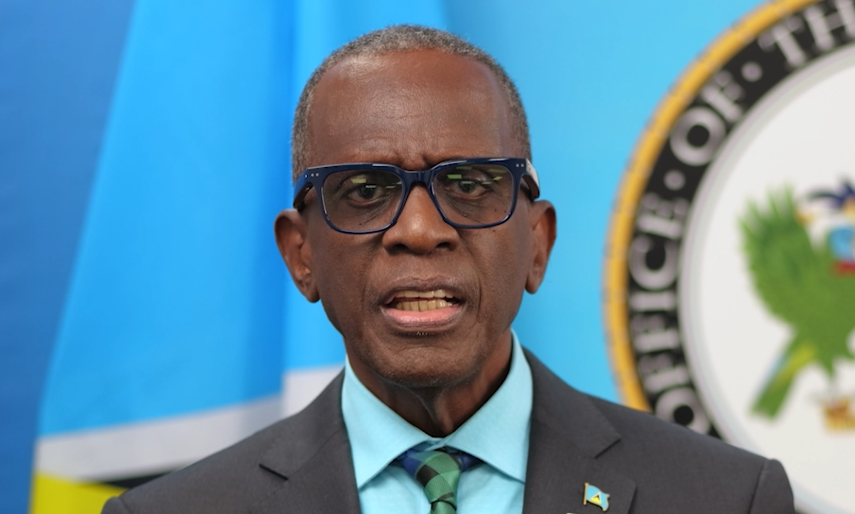
As the 2026 Emancipation Day observance unfolded across the Caribbean, Philip J. Pierre — who holds dual roles as Prime Minister of Saint Lucia and Chairman of the Caribbean Community (CARICOM) — delivered a landmark address calling the project of full emancipation incomplete, arguing that genuine liberation for the region’s people must extend beyond formal political rights to include equal economic opportunity, robust food security, and widespread shared prosperity.
In his official holiday message, Pierre pushed back against the common framing that emancipation was achieved the moment chattel slavery was formally abolished. Political independence and formal civil liberties, he emphasized, are hollow on their own. Caribbean communities have long waited for inclusive economic systems that generate sustainable wealth, fairly compensate hard work, and open pathways to upward mobility for coming generations, he said.
“Political freedom alone is not enough. Our people deserve economic freedom. They deserve opportunity. They deserve ownership. They deserve prosperity,” Pierre told the region in his address.
Outlining his vision for what complete emancipation would look like, Pierre stressed that the Caribbean must build local, regional economies that allow young people to build meaningful careers without leaving their home countries, give local entrepreneurs the space to thrive, and recognize the critical contributions of small-scale farmers, artisanal fishers, and domestic manufacturers.
Pierre also wove two pressing contemporary policy priorities into the long-running narrative of emancipation: food sovereignty and affordable clean energy security. No Caribbean nation can claim to be truly free or fully secure, he argued, if it remains dependent on imported food and cannot provide its people with energy that is accessible, reliable, and aligned with global climate goals.
Turning to the historical legacy of chattel slavery, Pierre reminded audiences that Emancipation Day is not merely a ceremonial holiday — it is a permanent reminder that freedom was not granted voluntarily by colonial powers. It was won through relentless struggle and enormous sacrifice by enslaved people themselves.
“Freedom was never handed to our ancestors. Freedom was demanded. Freedom was fought for. Freedom was paid for with sacrifice, with courage and with an unbreakable faith,” he said.
Pierre also highlighted the lasting structural inequities that followed formal abolition: when enslaved people were granted formal freedom, they were left with no land, no accumulated wealth, no compensation for centuries of forced unpaid labor, and few pathways to economic opportunity. Meanwhile, the colonial powers and enslavers who profited enormously from their exploitation retained all the wealth they had extracted, he noted.
Addressing the ongoing regional movement for slavery reparations, Pierre clarified that the push for restitution is not rooted in a desire to assign blame or seek revenge. Instead, it is a demand for historical truth and long-delayed justice for the systemic harm and intergenerational trauma caused by centuries of chattel slavery.
Closing his address, Pierre called on all Caribbean people, across member states of CARICOM, to carry forward the unfinished work of their ancestors, continuing the push to build a region that is more just, more economically integrated, more united, and more prosperous for all. The best way to honor the sacrifice of those who fought for emancipation, he urged, is to build equitable societies that open new doors of opportunity for every future generation of Caribbean people.