博客

  • Belize Stands Strong Behind Dr Barnett While T&T Challenges Her Reappointment

    Belize Stands Strong Behind Dr Barnett While T&T Challenges Her Reappointment

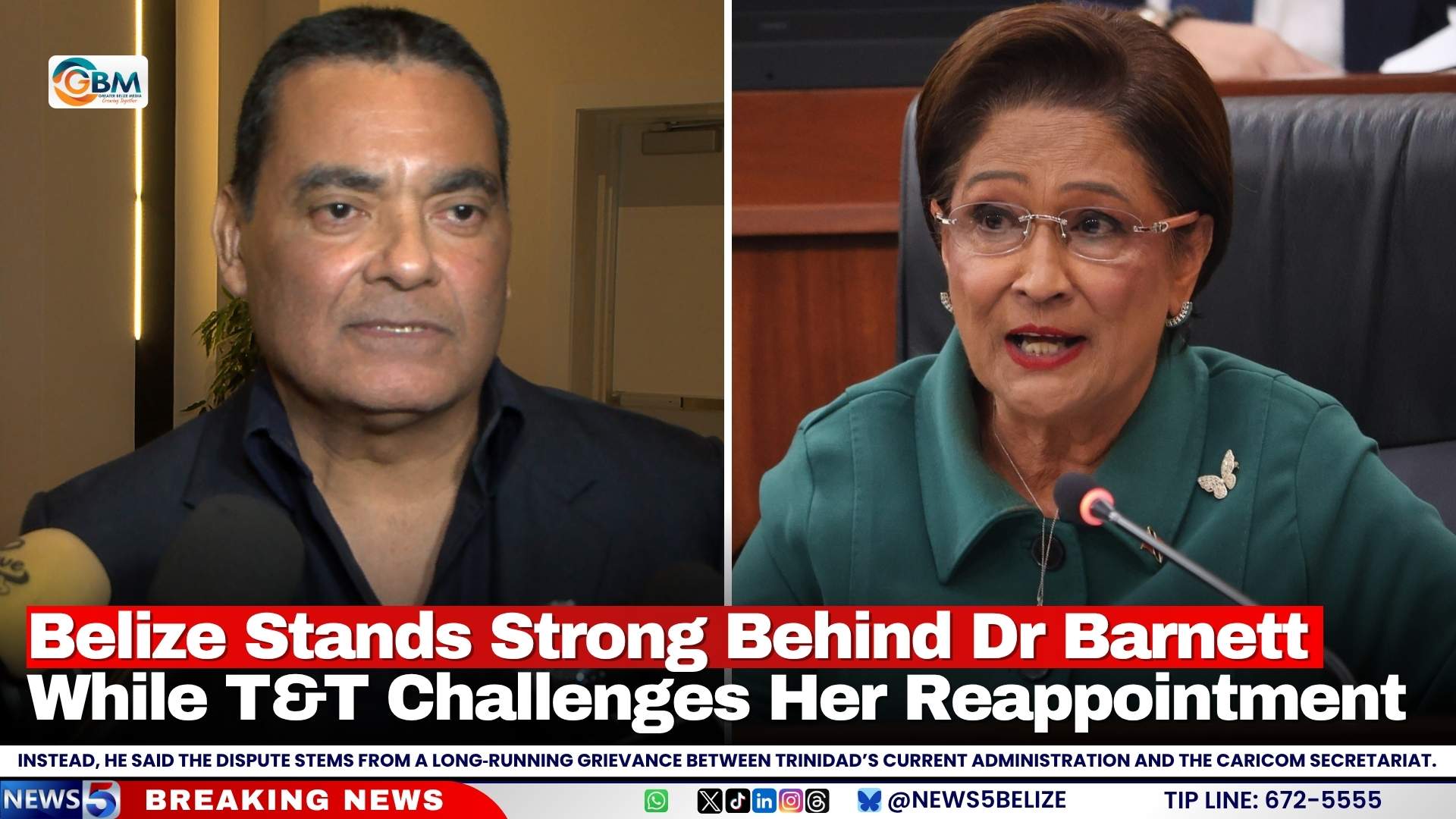
    A regional political dispute has emerged within the Caribbean Community (CARICOM) over the reappointment of current Secretary-General Dr. Carla Barnett, with Belize standing firmly in support of her second term while Trinidad and Tobago has formally raised objections to the move.

    Belize’s Minister of Foreign Affairs Francis Fonseca confirmed the unwavering stance of his government in a press briefing, acknowledging that Trinidad and Tobago has raised specific concerns that will need to be addressed through internal CARICOM processes, but emphasizing that Belize’s endorsement of Dr. Barnett remains unchanged.

    Dr. Barnett’s current five-year term as the head of the CARICOM Secretariat is set to conclude in August 2026. While regional heads of government already discussed the reappointment during their most recent collective meeting, the formal vote and confirmation of her second term will not take place until the next scheduled CARICOM Heads of Government Conference set for July 2026. According to Fonseca, a majority of regional leaders have already signaled their verbal support for extending Barnett’s tenure, and the upcoming July meeting will only serve to formalize that broad backing.

    Fonseca pushed back against suggestions that Trinidad and Tobago’s opposition amounts to a targeted attack on Belize, noting that the criticism has no connection to Barnett’s nationality or her individual performance in the role. He explained that the grievance held by Trinidad and Tobago’s current administration traces back to a 2022 incident, when a Trinidadian national was arrested as part of an ongoing criminal investigation. The Caribbean nation has held the CARICOM Secretariat accountable for its handling of that incident, and the current dispute over reappointment stems from that long-running tensions, not Barnett’s work.

    In addition, Fonseca clarified the institutional role of the CARICOM Secretary-General to reporters, noting that while the position carries critical responsibility for informing regional policy and supporting member state leaders, all major collective decisions rest with the leaders of the organization’s member countries. “Secretaries-General play a critical role in informing and supporting leaders so that we are better positioned to make proper decisions,” he said.

    As the region prepares for the formal reappointment vote in July, early indications suggest that Dr. Barnett retains the support of a large majority of CARICOM’s 15 member states, putting her on track to secure a second term despite the public opposition from Trinidad and Tobago.


  • Venezuela’s acting president Rodriguez in Grenada for first foreign visit

    Venezuela’s acting president Rodriguez in Grenada for first foreign visit

    Against a backdrop of growing regional collaboration across the Caribbean basin, Venezuelan Acting President Delcy Rodríguez’s official visit to Grenada has emerged as a landmark moment for deepening bilateral bonds and advancing the vision of Bolivarian Diplomacy of Peace, a foreign policy framework centered on cross-regional unity and shared, inclusive development. This trip builds directly on the momentum generated by Grenadian Prime Minister Dickon Mitchell’s 2025 visit to Caracas, where the two nations signed a foundational bilateral cooperation roadmap, and aims to lock in progress on the mutually beneficial commitments laid out in that agreement.

    Upon Rodríguez’s arrival at Maurice Bishop International Airport in St. George’s, Grenadian government officials greeted the Venezuelan delegation with full ceremonial honors, a gesture that highlighted the long-standing ties of solidarity and mutual respect that have defined relations between the two countries since their formal establishment of diplomatic ties in 1977. Over the past four decades, diplomatic engagement has accelerated steadily, with growing mutual trust, consistent high-level exchanges, and aligned commitments to regional stability and equitable socio-economic progress shaping the partnership. This is not Rodríguez’s first official engagement with Grenada: in April 2024, while serving as Venezuela’s Executive Vice President, she joined Grenadian citizens for celebrations marking the 50th anniversary of the nation’s independence, underscoring the deep personal and political connections that anchor the bilateral relationship.

    As Acting President, Rodríguez framed the visit as an opportunity to consolidate comprehensive, win-win cooperation between the two nations, reaffirming Caracas’ unwavering commitment to building mutually respectful relationships that deliver tangible improvements to the quality of life for both Venezuelan and Grenadian citizens. This focus on shared benefit and collective progress is a core tenet of Venezuela’s Caribbean-focused foreign policy, which frames regional solidarity and joint action as essential tools for overcoming both regional and global challenges.

    A centerpiece of the visit was a formal meeting between Rodríguez and Grenada’s Governor-General Cécile La Grenade, the first woman and scientist to hold the post of Head of State since 2013. The discussions took place in a warm, constructive atmosphere, with both sides agreeing to expand direct communication channels to strengthen technical and political cooperation in the coming years, ensuring that joint development initiatives are implemented efficiently and effectively.

    Both nations share a common goal of advancing broader Latin American and Caribbean integration to collectively address pressing transnational challenges, ranging from accelerating climate change and persistent global economic instability to coercive external pressures. They also align on the critical importance of maintaining regional geopolitical stability, noting that stable regional conditions allow governments to redirect resources and policy focus toward inclusive sustainable development that lifts citizen quality of life.

    Later in the visit, Rodríguez traveled to Grenada’s Parliament, where she held talks with Prime Minister Dickon Mitchell and the nation’s top legislative leaders. The discussions centered on advancing the terms of the cooperation roadmap signed during Mitchell’s April 2025 trip to Caracas, keeping the bilateral partnership on track to deliver on its stated goals. Rodríguez was joined on the visit by a high-level, cross-sector Venezuelan delegation that included Foreign Minister Yván Gil, Minister of Popular Power for Productive Agriculture and Lands Julio León Heredia, and Minister of Popular Power for Fisheries and Aquaculture Juan Carlos Loyo. This broad, multi-ministerial representation underscores the multi-faceted nature of the deepening strategic partnership, which spans core economic sectors critical to both nations’ development, food security, and long-term prosperity, including agriculture, fisheries, and diplomatic cooperation. The delegation’s collective work during the visit is focused on expanding and strengthening strategic ties between the two countries, laying the groundwork for a future of deeper collaboration and shared regional solidarity.

  • Officials report over 200 new appointments in teaching positions over past year, challenge salary disparity

    Officials report over 200 new appointments in teaching positions over past year, challenge salary disparity

    At the 18th Biennial Convention of the Dominica Association of Teachers (DAT) held Wednesday, Ministry of Education Permanent Secretary Robert Guiste announced a historic milestone for the island nation’s education workforce: more than 200 educators have been granted permanent employment contracts over the 2024-2025 academic year.

    For decades, Guiste noted, the job security and professional standing of Dominica’s teachers failed to align with the outsized impact of their work to shape the nation’s future. The Ministry of Education has prioritized correcting this imbalance, he said, making deliberate, significant progress to formalize and stabilize educators’ career trajectories across the country.

    “We have moved decisively to create permanent appointments for qualified educators across numerous critical roles,” Guiste told convention attendees. “Today, I can confirm that we have secured permanent roles for all deputy and assistant principals, most heads of department, and the majority of senior graduate teachers, senior qualified teachers, graduate teachers, and qualified teachers across the system.”

    He emphasized that the 200+ permanent appointments issued in the last academic year represent the largest single batch of permanent hires across Dominica’s entire public service. The ministry is also moving forward with a full reclassification of roles for primary school educators, adding deputy principal positions where needed and updating rankings for graduate and senior qualified teacher posts. Guiste shared that ministry leadership has already held collaborative discussions with the teachers’ union to move this reclassification process forward.

    Beyond primary education, the ministry is working to formalize positions in the Early Childhood Development sector, which currently relies entirely on contracted educators. The long-term goal is to integrate early childhood education fully into the mainstream public education system, bringing permanent job security to educators in that critical segment.

    Guiste stressed that this push for permanent appointments is far more than a routine administrative adjustment. For educators, permanent status delivers more than steady employment: it unlocks access to full employment benefits, pension-eligible service, and above all, professional dignity. “It means you can plan your future, plan your family’s future and your career without the cloud of uncertainty hanging over you,” he said. The ministry has also addressed the unstable employment status of educators working on temporary program-based contracts, he added.

    While welcoming the progress on permanent appointments for public school teachers, newly re-elected DAT President Mervin Alexander drew attention to a lingering equity gap that undermines fairness and unity across the teaching profession: the divide between directly employed government teachers and educators working at government-assisted private institutions.

    Alexander questioned why educators and principals at government-assisted private schools earn consistently lower salaries than their counterparts at directly operated public schools, despite carrying identical responsibilities teaching Dominican students and serving the national education mission. “Aren’t we all teaching children of the Commonwealth of Dominica? Aren’t we all serving the same nation? Aren’t we all carrying the same responsibilities? If that is so, why the disparity? Why?” he asked.

    Alexander argued that the current pay gap is unfair to educators in assisted institutions. While the government provides some funding support to these schools, he noted, that support has not closed the salary gap, and the DAT remains unsatisfied with the status quo. “Fairness matters, and this is an issue we must confront to unify our profession,” he added.

  • Trump dreigt met 50% invoerheffingen op landen die Iran bewapenen

    Trump dreigt met 50% invoerheffingen op landen die Iran bewapenen

    Just hours after the United States and Iran announced a landmark two-week ceasefire in their long-running escalating conflict, U.S. President Donald Trump has sent shockwaves through the international community with a sharp new threat: immediate 50% import tariffs on all goods from any nation that supplies military weapons to Iran.

    The announcement, made via Trump’s own social media platform, made clear no exceptions would be granted to the measure, in an explicit warning to major powers China and Russia, both of which have a history of supporting Iran’s military capacity building through past deliveries of missile technology and air defense systems. While both Beijing and Moscow have repeatedly denied supplying new weaponry to Iran in recent months, unsubstantiated accusations of ongoing military assistance to Tehran continue to circulate against Russia.

    A key legal caveat complicates Trump’s ability to implement the proposed tariffs, however. Back in February, the U.S. Supreme Court rolled back part of the broad trade authority the president had previously claimed to impose sweeping tariffs, significantly limiting his executive power to enact such measures. As a result, trade experts widely predict Trump will attempt to push the new restrictions through alternative trade policy mechanisms rather than relying on his earlier executive authority.

    The tariff threat has already put new strain on U.S.-China relations, one of the world’s most consequential bilateral trade partnerships. Policy analysts note that despite the hardline rhetoric directed at Beijing over the Iran issue, Trump is likely eager to avoid derailing his planned upcoming visit to China, leaving his next moves uncertain. On Thursday morning, China’s Ministry of Defense rejected accusations that Chinese entities have supplied Iran with advanced chip manufacturing equipment or satellite imagery, reiterating that Beijing maintains a neutral, peaceful stance on the Iran conflict and has repeatedly called for all parties to resolve disputes through diplomatic dialogue.

    The newly announced two-week ceasefire between the U.S. and Iran remains fragile, with both sides continuing to frame themselves as victors of the recent open conflict that sent global oil prices soaring and disrupted international financial markets. As a core condition of the truce, Iran has agreed to temporarily reopen the Strait of Hormuz, the vital chokepoint through which roughly a fifth of the world’s daily oil supplies pass.

    Tehran has put forward a 10-point framework for reaching a permanent end to hostilities, with key demands including the full lifting of international sanctions on Iran, permanent Iranian sovereignty and control over the Strait of Hormuz, and the complete withdrawal of U.S. military forces from the broader Middle East region. U.S. negotiators have called the Iranian plan “generally feasible” but noted that several core provisions remain unacceptable to Washington.

    Formal peace negotiations between U.S. and Iranian delegations are scheduled to kick off Friday in Islamabad, Pakistan, with the Pakistani government serving as the official neutral mediator. Both sides have publicly stated their goal of reaching a durable, long-term peace agreement within the 14-day ceasefire window.

    The truce faces an early major test, however. On Thursday, Iranian President Masoud Pezeshkian condemned the latest large-scale Israeli airstrikes on Lebanon, saying the attacks directly violate the newly signed ceasefire agreement and would render upcoming peace talks meaningless. He added that Iran would not abandon the Lebanese people in the face of the assault. Pezeshkian’s remarks came after the deadliest single day of Israeli attacks on Lebanon since the outbreak of conflict with Hezbollah last month, which killed more than 250 people on Wednesday alone.

    Beyond the geopolitical tensions, Trump’s new tariff threat represents a continuation of his administration’s strategy of using trade measures as a tool of geopolitical pressure on Iran’s global partners. If implemented, the new tariffs would further complicate already strained global trade relations that have been roiled by repeated tariff disputes and sanctions in recent years.

    U.S. imports from China have already fallen dramatically since the start of Trump’s first trade war with Beijing, dropping from a 2018 peak of $538.5 billion to just $308.4 billion in 2025. Imports from Russia have also plummeted following sweeping sanctions imposed after the 2022 invasion of Ukraine, though certain key strategic commodities such as palladium still enter the U.S. market. The U.S. Chamber of Commerce is currently preparing new additional tariffs on Russian palladium imports, in response to alleged dumping practices by Russian exporters.

  • Caribbean Development Bank adds US$12 million to finalize groundbreaking agricultural initiative in Jamaica

    Caribbean Development Bank adds US$12 million to finalize groundbreaking agricultural initiative in Jamaica

    Against a backdrop of escalating climate shocks and lingering global economic disruptions, the Caribbean Development Bank (CDB) Board of Directors has greenlit an additional $12 million in concessional financing to help the Government of Jamaica cross the finish line on its transformative Southern Plains Agricultural Development (SPAD) Project.

    Labeled a landmark climate adaptation initiative for the island nation in an official CDB press statement, the SPAD Project’s core mission is to reimagine Jamaica’s climate-vulnerable farmland as robust, high-productivity agricultural zones that can withstand extreme weather and shifting growing conditions.

    The new funding comes via a low-interest loan disbursed through CDB’s Special Development Fund. It is specifically designed to address unforeseen cost overruns that have plagued the project since its launch, stemming from overlapping global crises: widespread supply chain breakdowns triggered by the COVID-19 pandemic and the ongoing war in Ukraine, combined with costly delays and damage from intensifying extreme weather events hitting the Caribbean. By closing the remaining project funding gap, the supplementary financing paves the way for full completion of all SPAD components by 2028.

    “This additional financing is essential to safeguard and build on the gains already achieved under the SPAD Project,” noted L. O’Reilly Lewis, CDB’s Director of Projects, in remarks accompanying the funding announcement. “Completing this innovative initiative will strengthen Jamaica’s food security, safeguard rural livelihoods and ensure that climate resilient infrastructure continues to deliver long term benefits for farmers and communities.”

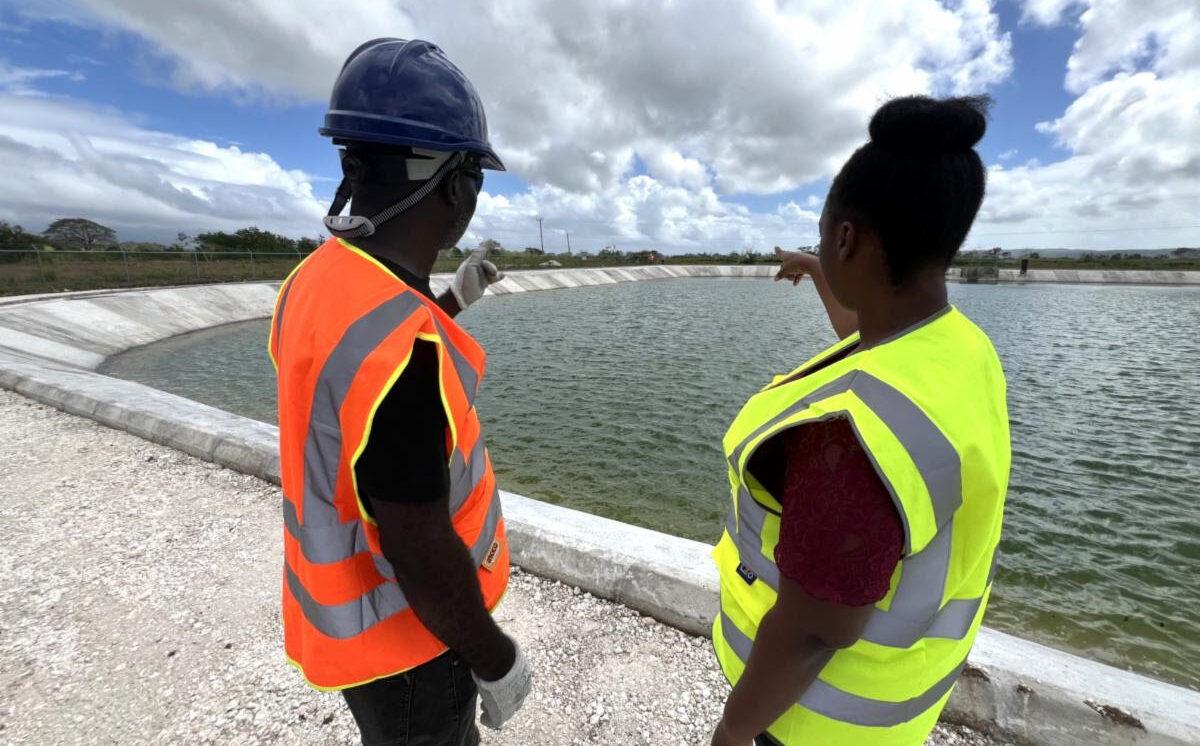
    The $12 million will be allocated to wrap up the project’s remaining critical components. Key work includes the full installation and testing of modern irrigation systems at the Amity Hall site, as well as the construction of specialized produce handling and packhouse facilities in two locations: Amity Hall in St. Catherine parish and Parnassus in Clarendon parish. The financing will also cover related costs for engineering oversight, on-site supervision, and end-to-end project management.

    Beyond physical infrastructure, the funding will sustain ongoing farmer support programs designed to make long-term climate adaptation accessible to local producers. These include the Matching Grant Scheme, which helps smallholders access affordable climate-smart irrigation equipment, hands-on training in Good Agricultural Practices and Climate Smart Agriculture techniques, and the development of formal systems for ongoing operation and maintenance of new infrastructure after project completion.

    Implemented by CDB through the United Kingdom Caribbean Infrastructure Fund Programme, the SPAD Project has already delivered tangible, measurable progress across Jamaica’s Southern Plains, the country’s most productive agricultural heartland. To date, more than 790 hectares of previously underserved farmland have been connected to reliable irrigation systems, and approximately 40 kilometers of deteriorated farm access roads have been fully rehabilitated to improve market access for producers. The initiative has also expanded economic opportunity for small and medium-scale producers, including marginalized women and young farmers, by lowering barriers to land, water, modern irrigation technology, professional training, and formal agricultural markets.

    A defining innovation of the SPAD Project is its shift from wasteful traditional flood irrigation to highly efficient, climate-resilient water management systems. This transition has already allowed participating farmers to better survive prolonged drought periods, keep production levels stable year-round, cut costly crop losses, and boost household incomes. CDB officials emphasize that these improvements are far more than incremental upgrades: they are critical for Jamaica’s agricultural sector, which has faced repeated devastating climate events in recent years, including Hurricanes Melissa and Beryl. As of the funding announcement, irrigation infrastructure at the Parnassus site is already fully operational, with work at the Amity Hall site nearing completion.

    The new financing also aligns directly with the core goals of CDB’s newly launched 2026–2035 Strategic Plan, which prioritizes building economic, social, and environmental resilience across the Caribbean region. Through targeted investments in climate-resilient food systems, sustainable rural livelihoods, and long-lasting infrastructure, the plan seeks to equip local communities across the region to better withstand and bounce back from future systemic shocks.

  • What Will The Briceño Administration Do With Cuban Doctors?

    What Will The Briceño Administration Do With Cuban Doctors?

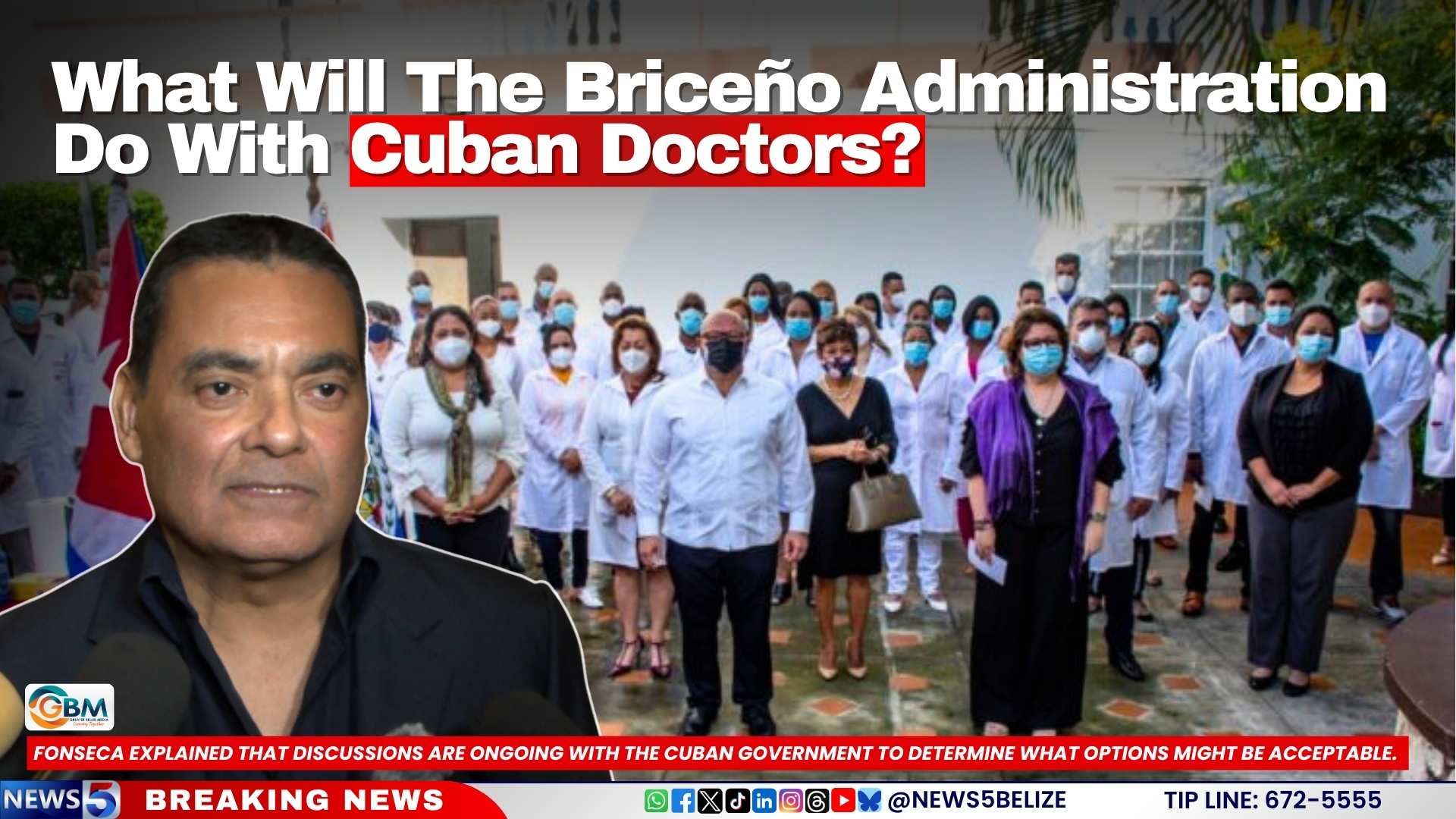
    As a decades-old bilateral medical cooperation agreement between Belize and Cuba reaches its end date, the Briceño administration is actively pursuing new frameworks to keep 92 Cuban medical professionals — including 45 practicing physicians — working within Belize’s public health system, Foreign Affairs Minister Francis Fonseca has confirmed.

    Fonseca told reporters this week that the national Cabinet has formally directed his ministry and the Ministry of Health and Wellness to develop alternative arrangements to extend the doctors’ tenure in the country, underscoring the irreplaceable role the Cuban medical team plays in closing critical care gaps across Belize. “They are a cornerstone of our health system, particularly for underserved rural communities that have long struggled to attract permanent local medical staff,” Fonseca said of the contingent that has served under the agreement for years.

    The original cooperation deal has already expired, so any extension of the doctors’ work will require a new legally binding agreement between Belize City and Havana. Negotiations between the two governments are currently underway to hash out mutually acceptable terms for the continued deployment, with Belize’s top priority being preserving the current medical presence.

    Beyond the discussions around Cuban medical staff, the Belizean government is also grappling with a separate, persistent shortage of nursing professionals across the country. To address this gap, Fonseca said health authorities are evaluating international recruitment options, with nursing candidates from the Philippines and Nicaragua currently under active consideration.

    Belize’s push to retain Cuban doctors comes as a notable shift from recent regional trends. Several neighboring and nearby Latin American and Caribbean nations, including Jamaica, Guatemala, Guyana, and Honduras, have already moved to end their own similar Cuban medical cooperation programs, phasing out stationed Cuban medical personnel over recent months. No final decision has been signed off on by Belize’s Cabinet yet, but government leadership has made clear that retaining the medical contingent is its core negotiating goal.

  • DOE Grants Conditional Environmental Clearance for Port of Belize Expansion Project

    DOE Grants Conditional Environmental Clearance for Port of Belize Expansion Project

    In a landmark decision announced on April 9, 2026, Belize’s Department of the Environment (DOE) has issued conditional environmental approval for the large-scale cargo expansion and cruise terminal development project led by Port of Belize Ltd., located in the Port Loyola district of Belize. This green light follows months of technical review and public consultation, marking a key milestone for what is expected to be one of the country’s most significant infrastructure investments in recent years. The project’s path to approval included rigorous evaluation by the National Environmental Appraisal Committee (NEAC), which convened on April 2 to conduct a comprehensive assessment of the project’s updated Environmental Impact Assessment (EIA). After careful examination of the revised technical documentation and thorough consideration of concerns raised by local communities and environmental stakeholders, the committee delivered a majority vote in favor of conditional approval, which the DOE formally adopted and communicated to the project developer this week. One of the most heavily scrutinized components of the project is the planned dredging work for the shipping access channel and vessel turning basin, a process that has long raised alarms over potential harm to Belize’s fragile coastal ecosystems. To address these risks, NEAC has laid out binding requirements that the developer must follow, including robust containment systems to control the spread of suspended sediment during dredging operations, installation of fit-for-purpose dewatering infrastructure, and categorized handling and disposal of all dredged materials based on their contamination level. Beyond dredging-specific regulations, the committee also flagged potential risks to water, terrestrial, and air quality across both the construction and long-term operational phases of the project. Of particular note is the developer’s proposal to use a newly created mangrove island as a disposal site for dredged material. To ensure this does not cause lasting ecological harm, NEAC has mandated that all construction of the island adhere to strict engineering and safety standards, with required long-term ecological monitoring to track the health and growth of mangrove and littoral forest habitats on site. In addition to stringent environmental protections, the approval includes a suite of social conditions designed to deliver tangible benefits to adjacent communities and mitigate local disruptions. These mandatory requirements cover everything from targeted traffic management plans to reduce congestion in Port Loyola to infrastructure upgrades for flood mitigation, a commitment to prioritize local hiring for project jobs, targeted support for local small business and entrepreneurship opportunities, and the creation of a formal, accessible grievance mechanism for community members to raise concerns throughout the project’s lifecycle. To formalize all these requirements, the DOE confirmed that a binding Environmental Compliance Plan will be finalized and signed by both the regulator and the developer in the coming weeks, outlining specific mitigation measures that will be legally enforced to minimize any adverse social and environmental impacts. Officials also emphasized that the 2026 EIA submission reviewed by NEAC includes substantial revisions that address gaps identified in earlier proposals, bringing the project into alignment with current national environmental standards before the committee’s vote.

  • Leeward Islands Hurricanes take on T&T’s Red Force for West Indies Championship preview

    Leeward Islands Hurricanes take on T&T’s Red Force for West Indies Championship preview

    The 2026 West Indies Championship is poised to get underway this Sunday in Antigua, where one of the regional circuit’s most anticipated opening series will see Leeward Islands Hurricanes lock horns with Trinidad and Tobago Red Force across three tightly contested four-day matches. All three fixtures will be hosted on Antiguan soil, with the opening clash taking place at Coolidge Cricket Ground, followed by matches at Sir Vivian Richards Stadium and Antigua Recreation Ground across subsequent weeks.

    For the Hurricanes, the new championship cycle brings a fresh leadership change: 32-year-old Barbadian all-rounder Justin Greaves will take the captain’s reins for the first time since he joined the franchise three years ago, the appointment confirmed in an official press release from Cricket West Indies (CWI). Greaves has described the opportunity to lead his side as one of the biggest honours of his professional career, saying he is eager to lead from the front on the field while leaning on the wisdom of seasoned veterans in his squad. “Leadership has always been a core part of how I approach the game,” Greaves noted, adding that he plans to set the tone for the team through consistent, high-impact performances in every contest.

    The last meeting between these two regional powerhouses delivered a run-fest for the record books, ending in a high-scoring draw that saw both sides rack up more than 1,100 combined runs. Trinidad and Tobago’s captain Joshua Da Silva led the charge with centuries in both innings, while veteran batter Jason Mohammed notched an impressive double century. Undaunted, the Hurricanes responded with an opening partnership of more than 200 runs, with Mikyle Louis and Kadeem Henry both reaching three-figure scores. Both batmen retain their places in Greaves’ 13-man squad for the upcoming series, joined by Jewel Andrew – who hit a double century in recent pre-season trial matches – and Karima Gore, who also turned heads with a century in warm-up play.

    Greaves has expressed confidence in his squad’s depth and balanced roster, saying the group has all the tools to compete consistently across the full series. He highlighted that consistent discipline, incremental improvement across matches, and focused execution in every phase of play will be critical to unlocking success for the Hurricanes. On the opposing side, Red Force brings a wealth of elite experience to Antigua, with no fewer than nine members of their 13-man squad holding international caps for West Indies. Greaves acknowledged the significant challenge posed by Red Force’s seasoned pace bowling unit, but framed the series as a critical early opportunity for his side to prove they belong among the region’s top contenders, noting that the Hurricanes believe they are one of the strongest teams in the championship and must back that claim with results.

    For Trinidad and Tobago, the 2026 cycle carries extra motivation: it has been 20 full years since the side last claimed the Regional Four-Day Championship title, and their 2025 title bid was derailed by a shock defeat to Jamaica Scorpions in the penultimate round of the season. This year, with only three group-stage matches on the schedule, captain Da Silva says there is zero room for error, making a strong opening start non-negotiable. “We have a very well-rounded group: our batting unit has plenty of international experience, our senior fast bowlers are in top form, and our spinners have performed consistently for us over the past year,” Da Silva explained of the side’s prospects.

    One of the most anticipated additions to the Red Force squad is Evin Lewis, who is set to make his return to first-class cricket after a nearly 10-year absence. Da Silva said the side has been thrilled by Lewis’ reintegration into the group, noting the star batter has come into the camp with a renewed work ethic and sharp form in pre-season training. Beyond his on-field contributions, Da Silva highlighted Lewis’ positive impact on team culture, saying “he really brings us together” with his experience and leadership in the dressing room.

    Recent head-to-head history gives a slight edge to the Hurricanes, who have claimed two wins from the last four meetings between the sides, with the remaining two fixtures ending in draws. But Red Force is approaching the series as a fresh starting point, with Da Silva emphasizing that past results will have no bearing on the contest ahead. “Success comes down to focusing on the present, staying consistent, and executing the fundamentals over four days of play,” Da Silva said. With both sides locked in and ready to compete, the three-match series is set to deliver an intense, high-stakes opening to the 2026 West Indies Championship, with plenty of regional title implications on the line from the first ball.

  • New Political Party The Antigua and Barbuda National Congress Will Not Contest April 30 General Election

    New Political Party The Antigua and Barbuda National Congress Will Not Contest April 30 General Election

    The Antigua & Barbuda National Congress (ABNC), a newly formed political entity in the twin-island nation, has announced that it will not put forward candidates to contest the country’s upcoming General Elections scheduled for April 30, 2026.

    In an official statement outlining the decision, the party emphasized that as a still-growing political organization, it is prioritizing ongoing organizational development, community outreach, and strategic preparation ahead of any future electoral bid. The group says it is committed to building a solid foundation that will allow it to serve the people of Antigua and Barbuda effectively, rooted in the promise of consistent, steadfast leadership that aligns with the public’s needs.

    The statement also addressed the constitutional power held by current Prime Minister Gaston Browne to call early elections, a move that has sparked low-level debate around electoral timing in the country. While the ABNC acknowledged that Browne acts within his legal authority when it comes to calling elections ahead of schedule, the party stressed that any electoral process must first and foremost center the interests of the general public, rather than be shaped by political expediency or opportunistic timing that benefits incumbent parties.

    Looking ahead, the ABNC says it remains optimistic about its long-term political prospects, and holds onto hope for a future where it can earn the public’s trust and deliver tangible, meaningful change to the country that improves outcomes for all residents of Antigua and Barbuda.

  • PM Tells ABCAS Students They Must Prepare to Lead Antigua and Barbuda’s Next Phase

    PM Tells ABCAS Students They Must Prepare to Lead Antigua and Barbuda’s Next Phase

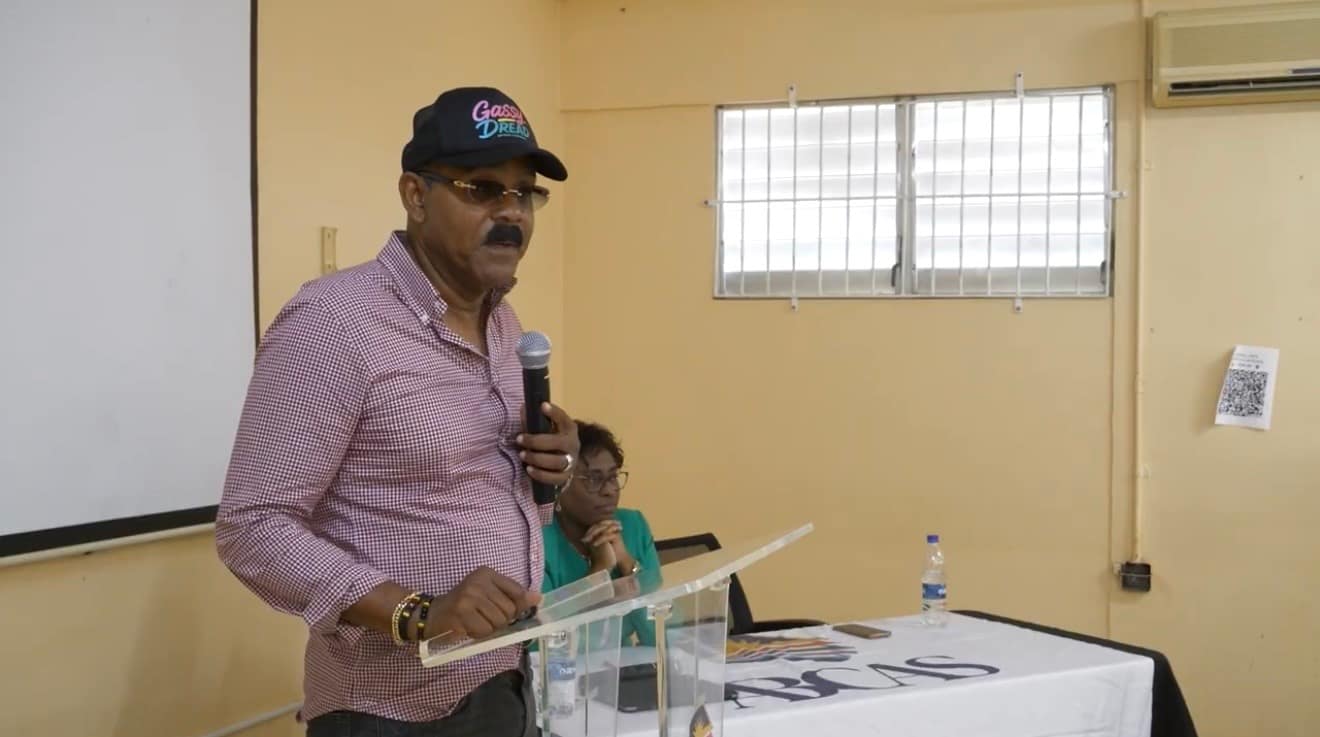
    In a forward-looking interactive session with students and faculty at the Antigua and Barbuda College of Advanced Studies (ABCAS), Prime Minister Gaston Browne has issued a urgent call to the nation’s emerging young talent: start building the skills and mindset needed to lead the country now, as a generational handover of power is rapidly approaching. Unlike traditional formal lectures from political figures, Browne designed the event to facilitate open, two-way dialogue, inviting students to critically examine the sitting government’s track record and hold leadership accountable to standards of good governance.\n\nBrowne framed the discussion as a hands-on extension of the students’ academic training, telling attendees that they should not hesitate to scrutinize whether the current administration upholds core good governance principles. He emphasized that the long-term trajectory of Antigua and Barbuda hinges entirely on how well young people prepare today to step into senior roles across both the public and private sectors.\n\nThe prime minister pointed to the shifting demographic of the nation’s current ruling class, noting that most sitting government leaders are now in their 50s and 60s, moving into the final phase of their professional careers. An orderly, successful succession of leadership is therefore unavoidable, and young people must be ready to fill those roles when the time comes. Browne connected this generational transition to the government’s broader national “Renaissance” agenda, an initiative aimed at pushing Antigua and Barbuda to new heights of sustainable progress and development.\n\nAt the heart of this long-term development push, Browne stressed, is a commitment to inclusive, equitable governance for all segments of society. He highlighted ongoing social programs that support the nation’s most vulnerable communities as an example of this approach, reminding future leaders that no citizen can be left behind in national progress. He urged ABCAS students to embrace their identity as the country’s emerging leadership cohort, framing them as the next generation of skilled professionals who will steer the nation’s management.\n\nBrowne went beyond academic achievement to outline core non-technical skills that young leaders must cultivate, arguing that technical knowledge alone is insufficient to succeed in top roles. Discipline, confidence, and strong communication abilities are non-negotiable, he explained: even students with exceptional hard skills will struggle to lead if they lack the confidence to communicate clearly and decisively. He also advised students approaching the workforce to prioritize gaining experience, encouraging them to take available roles while working toward their ideal positions, rather than waiting for the perfect opportunity to fall into place.\n\nThis campus engagement is part of a sustained effort by the Antigua and Barbuda government to build connections with young citizens and foster greater youth participation in the country’s ongoing national development work.