博客

  • Church leaders back call for ‘month of prayer, action’

    Church leaders back call for ‘month of prayer, action’

    Amid a deepening wave of violent crime that has left 18 people murdered across Barbados in the first months of the year, senior Christian leaders across the island have launched a coordinated call for a national Month of Prayer in April, paired with urgent demands for targeted social action to address the root causes of the country’s growing insecurity.

    The latest killing, which came at the close of the four-day Easter holiday weekend, broke a period of relative calm and renewed public urgency around the crisis, prompting faith leaders to formally announce their collective response on Thursday. At the forefront of the initiative is Reverend David Durant, founder and senior pastor of Restoration Ministries, who has called on all Barbadian citizens to set aside five minutes for focused prayer three times daily—at 6 a.m., 12 noon, and 6 p.m.—throughout the month of April. The campaign will culminate in a large national interfaith gathering at Golden Square Freedom Park on April 23, designed to bring communities together in a collective moment of reflection and spiritual renewal.

    In outlining the motivation for the campaign, Durant argued that the current crime surge is rooted in a rapid erosion of shared moral values across Barbadian society. “Let us come together as citizens of Barbados, seize this moment, and turn it into a time of national repentance by calling upon Almighty God, seeking spiritual renewal, and embracing hope,” he said. He noted that persistent violent crime has left residents of high-risk neighborhoods trapped in cycles of fear, hopelessness, and daily uncertainty, tracing much of the instability to a widespread turn away from faith in favor of self-serving individualism.

    Reverend Durant called for divine intervention to purge communities of the forces driving violence: “We pray for God’s intervention to remove spirits of crime, violence, murder, illegal guns, and dangerous mind-altering narcotics from our communities, and to spread His peace across the nation. We pray for Almighty God to guard our island, shield and protect our families and our youths, and to ensure the safety and peace of our parishes and communities.”

    While fully supporting the call for national prayer, other prominent faith leaders emphasized that spiritual action alone cannot resolve Barbados’ crime crisis, and stressed the need for concrete, practical reforms to address systemic drivers of violence. Reverend Dr Cicely Athill-Horsford, a leader of the Moravian Church, voiced clear outrage at the ongoing loss of life, pointing to the prevalence of reckless, indiscriminate violence that often claims innocent bystanders as victims.

    She highlighted the urgent need for accessible, non-violent conflict resolution support, particularly for young people who often turn to deadly weapons to settle disputes. “There must be some place where we can help people to resolve conflict rather than resolving it with a gun. We needed to find a way to help these persons, in particular young people, to resolve their conflicts other than picking up a gun and shooting,” she said, warning that cycles of revenge killing have amplified the island’s murder rate.

    “It is important that we help persons to understand that life is precious and sacred, and they cannot just go around taking people’s lives, and sometimes some of them are innocent people, like one that would exit from a car, see a crowd of people, and fire indiscriminately. That we cannot live with,” Athill-Horsford said. “Just calling for a day of prayer is good, but what else? As religious leaders, we have to say our outrage, not quietly go and say we are saying prayers for the nation only, but loudly demonstrate that enough is enough.”

    Pastor Anthony Hall, president of the East Caribbean Conference of Seventh-day Adventists, echoed this perspective, outlining a multi-pronged strategy that combines spiritual action with targeted social interventions. Hall identified unaddressed parenting gaps as a foundational contributor to youth involvement in crime, noting that many caregivers lack the resources and training to raise children effectively, especially for boys growing up in high-need communities.

    Alongside parenting support, Hall named systemic poverty and widespread substance abuse as two other core drivers of criminal activity. “We also have to do what we can to alleviate poverty, because some people turn to crime because of poverty. A third step would be combating the scourge of drug usage, because many authorities are claiming that drug usage and drug-related situations are fueling criminal behaviour,” he explained.

    Hall proposed a whole-of-society response that brings together all relevant social agencies to tackle the interconnected challenges: “Prayer; parenting intervention, training and nurturing of parents; poverty alleviation; and addressing the scourge of drug usage and drug-related issues. These are the things that are fueling the bad behaviour, the deviant behaviour, and all social agencies have to be engaged in order to solve that. It is not a quick fix.”

    He emphasized that prayer can only deliver lasting change when paired with intentional action to reform individual behavior and structural social inequities. “Prayer alone wouldn’t do it. It needs to be something actively done in practical means. You can pray for people, but if people do not take upon themselves the value system to correct stuff in their lives, prayer may not be efficacious because people’s choices at the end of the day is what will carry them.”

  • SLM schort vaste vluchten naar Barbados op, inzet voortaan seizoensgebonden

    SLM schort vaste vluchten naar Barbados op, inzet voortaan seizoensgebonden

    Surinam Airways (SLM), the national carrier of the South American nation Suriname, has announced that it will halt its scheduled regular flight operations between its hub in Paramaribo and Bridgetown, Barbados, effective April 19, 2026. The airline confirmed that the decision to pause the bi-weekly route, which previously operated every Sunday and Wednesday, was driven by a combination of operational performance challenges and shifting commercial market demands.

    This route adjustment forms a core part of SLM’s broader company-wide initiative to optimize its entire route network, the carrier explained. Under the optimization strategy, the airline is realigning its available capacity and flight frequencies across all routes to better match current travel demand patterns, while boosting overall operational efficiency across its business.

    Contrary to initial speculation that the route would be cut entirely, Barbados will remain a key part of SLM’s long-term route network. Following the April 19 suspension of regular services, the carrier will shift to a seasonal service model for the destination, with flights only operated during peak travel periods and in conjunction with major annual events hosted on the Caribbean island. The first seasonal operating window under the new model will run from July 1, 2026, through January 15, 2027.

    The shift in service model has resulted in a number of pre-scheduled flight cancellations in the interim period between April 19 and the launch of the first seasonal window. Affected flights include all services between April 19 and May 10, the flight scheduled for May 17, and all services from May 24 through June 28. Notably, the services operated on May 13 and May 20, designated by flight numbers PY331 and PY332, will remain operational and operate according to their original published schedules.

    SLM has confirmed that all passengers holding confirmed tickets for travel after April 19 on the suspended route are being proactively notified of the schedule changes. Passengers will be contacted directly by the airline or through their third-party travel agents, who will walk them through available alternative travel arrangements. Depending on passenger preference and applicable ticket terms, eligible bookers will be offered either rebooking onto alternate services or a full refund of their ticket cost, in line with SLM’s standard customer policies.

  • Lashley has plans to honour Pinelands’ outstanding athletes

    Lashley has plans to honour Pinelands’ outstanding athletes

    A decades-old unfair negative reputation of the Pinelands neighborhood in St Michael, Barbados, is being targeted for reform through a community-led initiative focused on celebrating the area’s outsized contributions to local sports. Hamilton Lashley, a well-known community activist and former Member of Parliament, is heading up a special committee that is turning the spotlight on the talented athletes and administrators who have called Pinelands home, while working to rewrite the community’s harmful narrative.

    Lashley, speaking in an exclusive interview with Barbados TODAY, explained that the campaign builds on decades of work by local organizers who have long used sports as a tool to reshape public perception of Pinelands. The effort traces its urgency back to a damaging phrase coined by a former judge generations ago: “P for Perry, P for Pine and P for Prison.” This offhand comment cemented a widespread unfair stigma that has clung to the community, even as it produced dozens of standout sporting figures who have shaped Barbadian athletics at every level.

    At the core of the committee’s plans is the creation of the Pinelands Community Hall of Fame, which will induct local sports icons who have left a lasting mark on both their neighborhood and the broader national sporting landscape. The first figure slated for honors is Rawle Clarke, a beloved former national athlete and sports administrator who resided in Pinelands’ Regent Hill neighborhood and passed away in 2023. To honor Clarke’s decades of work organizing everything from community-level competitions to Barbados’ National Industrial Games and Senior Games, the committee is launching the Rawle Clarke Memorial Community Athletic Meet. The one-day event will bring together residents from Pinelands, St Barnabas and other surrounding neighborhoods, as well as local schools from the St Michael East constituency, to celebrate Clarke’s legacy and unite the broader local community.

    The committee has also submitted a formal proposal to Barbados’ National Sports Council to rename the public pasture adjacent to Parkinson Memorial School in honor of the Forde brothers — Ivan, Colin, and Mark Forde — all three of whom are alumni of the school and have had transformative impacts on Barbadian football at local, regional, and international levels. Ivan “Speed” Forde is a legendary former player and longstanding popular football commentator, Colin “Potato” Forde enjoyed a career as a national team player before moving into coaching, and Mark “Bob” Forde is one of Barbados’ most prominent FIFA-certified referees, with a decades-long tenure as an administrator for the Barbados Football Association. All three are still active in their 50s and 60s, and Lashley says their contributions deserve permanent public recognition.

    As the government moves forward with plans to develop new mini-stadia across the island and install new lighting at the Pinelands pasture, the committee hopes the renaming ceremony can coincide with the inaugural Rawle Clarke Memorial Athletic Meet for a major combined celebration. The initiative does not stop there: Lashley’s committee also plans to rename the hard court adjacent to the main playing field to honor outstanding Pinelands netball players, turning the day into a broad rebranding event that centers the community’s positive contributions.

    The ultimate goal of the entire project, Lashley emphasized, is to lift up the Pinelands community, celebrate the deep sporting legacy its residents have built, and finally erase the unfair stigma that has defined the neighborhood for far too long.

  • Foreign patient undergoes successful brain surgery in Saint Lucia

    Foreign patient undergoes successful brain surgery in Saint Lucia

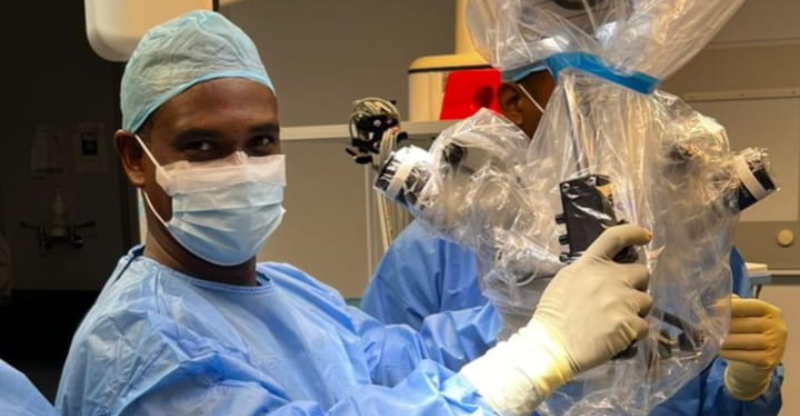
    Medical officials in Saint Lucia have confirmed a remarkable medical outcome: a 25-year-old international patient has achieved a full recovery after undergoing a complex, life-changing neurosurgical procedure at the island nation’s Tapion Hospital. The patient, who traveled to Saint Lucia specifically to access specialized neurosurgical care not readily available in his home region, had been forced to abandon work entirely due to debilitating, recurrent seizures and persistent, severe headaches that drastically lowered his quality of life.

    Led by Dr. Curby Dwaine Sydney, chief consultant neurosurgeon at Cana Neuro Services, a specialized regional neurology care provider, a dedicated medical team designed a tailored treatment plan and executed a complete brain tumour resection. Beyond just developing and carrying out the surgical intervention, Cana Neuro Services took on end-to-end care coordination for the international patient: the organization arranged all cross-border travel logistics, supported the patient and his family through pre-surgery preparation, and structured a comprehensive post-operative follow-up program to monitor his recovery. The patient’s nationality remains undisclosed at the request of his family, but close, consistent communication between the care team and the patient’s relatives ensured every step of the journey, from arrival on the island to full discharge, went smoothly with no unexpected disruptions.

    Per official updates from Cana Neuro Services, the patient’s post-operative recovery progressed entirely as planned, with zero neurological complications recorded following the procedure. By the time of his discharge, he was completely free of the seizures and crippling headaches that had upended his life, and already able to resume normal daily activities. The patient himself has openly expressed deep gratitude to Dr. Sydney and his entire team for the compassionate, high-quality care he received throughout his treatment. His sister, a trained nurse herself, shared that the experience was deeply moving: she described feeling immense relief just hours after the surgery when she saw her brother awake, fully alert, and able to move without assistance.

    This successful procedure marks another milestone for Cana Neuro Services, which has built a growing reputation as a destination for specialized neurosurgical care for international patients. To date, the provider has treated more than 300 patients traveling to Saint Lucia from other countries seeking advanced neurological treatment, establishing the island as a growing hub for accessible, high-quality specialist care in the Caribbean.

  • Thieves Undo 10 Years of Hard Work in Two Hours, Leaving Small Business Owner Devastated

    Thieves Undo 10 Years of Hard Work in Two Hours, Leaving Small Business Owner Devastated

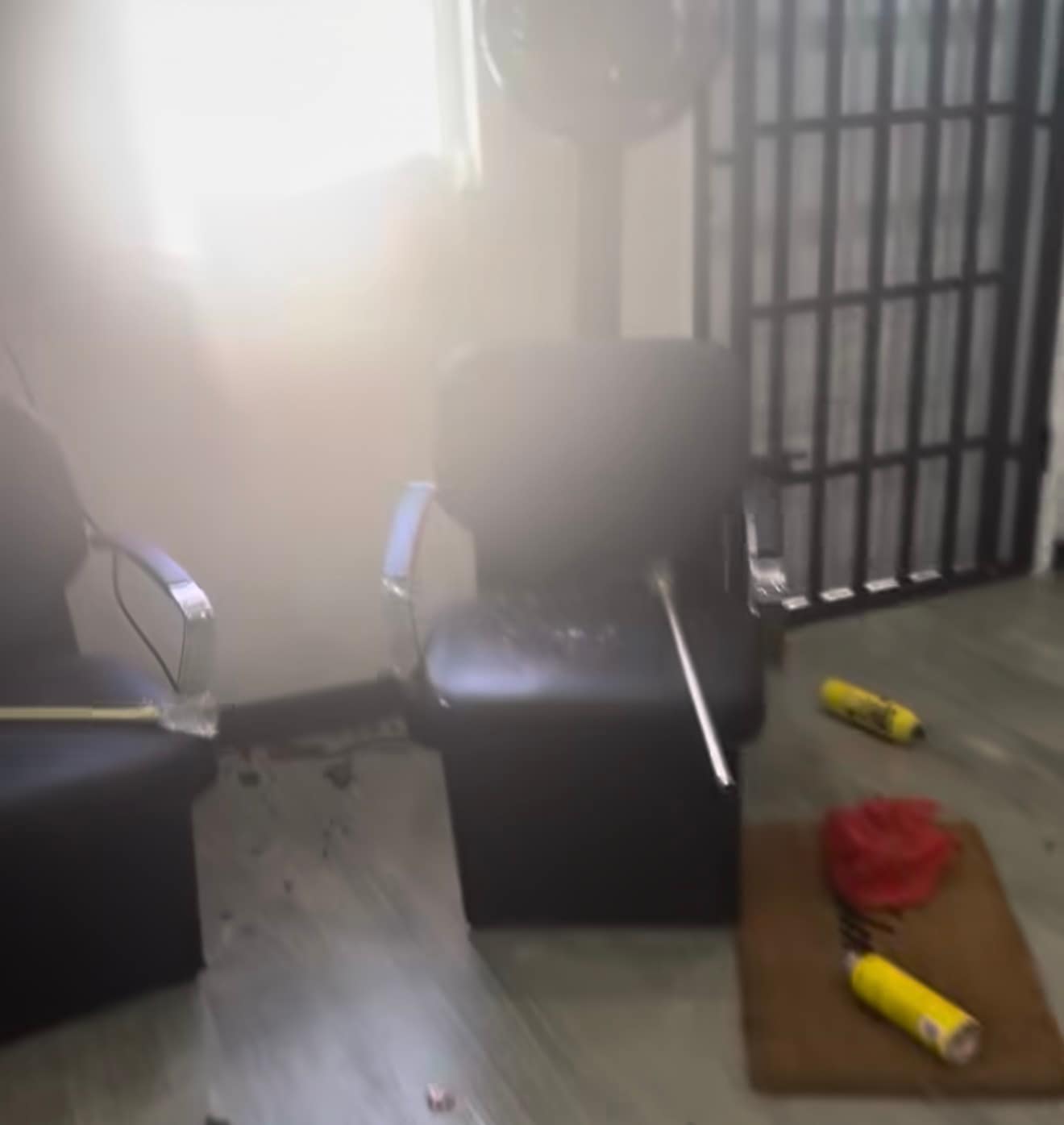
    For small business owners, years of relentless effort can be undone in a single window of vulnerability. That harsh reality hit local entrepreneur Tamisha Paul earlier this week, when burglars broke into her hair business space and stole critical assets in just two hours, wiping out a decade of hard-won progress in one shocking strike. Paul, who spent 10 years carefully building her brand from the ground up, shared that the break-in did far more than cause immediate financial damage. Beyond the tangible losses, the incident has left her navigating severe emotional distress, watching years of personal sacrifice and late nights put her entire livelihood at risk overnight. Among the property stolen were custom wigs and the core salon tools she relies on every single day to serve her clients and generate income. Without this equipment, she cannot operate her business normally, leaving her income stream uncertain as she works to assess the damage and recover what was taken. In a heartfelt, urgent public appeal, Paul called on local community members to stay alert for any suspicious activity related to her stolen goods. She asked that anyone who spots individuals attempting to sell wigs or professional salon equipment matching the description of her stolen property reach out either to her directly or to local law enforcement immediately. The entrepreneur also issued a direct message to the thieves responsible, making clear that investigations are already ongoing to identify the perpetrators and recover all stolen property. This incident shines a sharp light on a widespread, often overlooked challenge facing small independent business owners around the world. Unlike large corporate operations that can absorb sudden losses with insurance or backup resources, most small entrepreneurs pour every spare resource, year of their time, and piece of their personal energy into growing their ventures, leaving them with little safety net when crisis strikes. For Paul, this theft is not just a loss of inventory or equipment—it is a major blow to a dream she built one customer, one wig, one service at a time over 10 years. As the community rallys around her, she remains focused on tracking down her property and holding those responsible accountable, even as she processes the devastating impact of the break-in on her decade of work.

  • Prescod calls for rethink of Holetown Festival

    Prescod calls for rethink of Holetown Festival

    For nearly five decades, Barbados’ annual Holetown Festival has stood as a cornerstone of the island’s national calendar, drawing visitors and locals each February to mark the 1627 arrival of the first English settlement at the site of Holetown. But a senior Barbadian official is now pressing for a sweeping re-evaluation of the iconic event, arguing that its current framing erases critical layers of the nation’s history and sidelined the grassroots communities that gave the festival its origin.

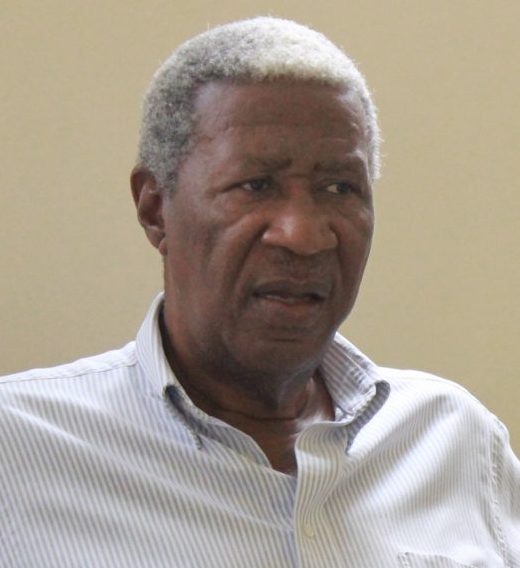
    Trevor Prescod, Barbados’ Minister for Pan-African Affairs and Heritage, laid out his concerns in detailed remarks during a recent cultural heritage workshop, followed by an interview with local outlet Barbados TODAY. Prescod told attendees he has long questioned the narrow narrative the festival currently centers on, which frames the event exclusively around the 17th-century English settlement of Holetown.

    Founded in 1977 by the late broadcaster Alfred Pragnell, former St James parliamentarian Keith Simmons, and the Trents Northern Youth Group, the eight-day celebration blends cultural education activities, street parties, and formal ceremonial events. But Prescod argues that the core narrative of the festival leaves out a vital, often overlooked part of the 1627 arrival: it was not only English people who landed on Barbadian shores that year. “The ships that arrived had African people too, whether enslaved or not enslaved,” he explained, adding that a modern, inclusive festival must reflect this full historical reality instead of relying on a restrictive, incomplete reading of the past.

    Beyond the historical narrative, Prescod also raised sharp concerns about shifting priorities that have pushed community involvement to the margins in favor of commercial gain and tourism growth. He noted that in recent years, the festival’s focus has increasingly centered on drawing large visitor crowds and generating profit, rather than centering the participation of ordinary Barbadians. Much of the organized participation, he claimed, is now driven by state-led structures, while local community members face barriers to accessing space to take part in the event.

    Prescod also called out the growing influence of the local hotel industry, which he says has come to monopolize festival space and shape the event’s experience at the expense of public access. “The hotels kind of monopolize the space, but you got to keep the festival in the road and then you got to keep it on the interior,” he said. “Why hotels become so important?”

    To remedy these issues, Prescod is pushing for broad reforms that would return the Holetown Festival to its community-rooted origins. He argued that regulators should widen access to stall space for all interested participants once basic health and safety requirements are met, creating more room for ordinary Barbadians to claim ownership of the national event. “You want a people’s festival… everybody got to get stall space,” he said. While he acknowledged that some level of regulation is necessary to keep the event running smoothly, Prescod emphasized that the festival must remain rooted in full national inclusion and community participation, calling for opening the event to the entire country to enjoy on equal footing. Additionally, he pushed for the inclusion of working people who have long been central to Holetown’s identity, noting that a evolved festival cannot leave out fishermen and other ordinary residents who form the backbone of the local community.

  • Telecom and banking leaders partner to advance Caribbean digital economy

    Telecom and banking leaders partner to advance Caribbean digital economy

    Two leading Caribbean industry bodies have announced a landmark strategic partnership set to reshape the region’s digital economy, uniting the telecommunications and financial sectors around a shared mission to drive digital transformation and foster innovative financial solutions.

    The Caribbean Association of Banks (CAB), the collective voice of regional financial institutions, and CANTO, the Caribbean’s primary ICT industry trade association, formalized their collaboration via a signed Memorandum of Understanding (MoU), according to an official press release from CAB. The structured partnership is explicitly designed to bridge long-standing operational and strategic gaps between the telecom and banking sectors, two foundational pillars of the Caribbean’s growing digital economy. Both organizations have confirmed the agreement aligns with their shared objectives: upgrading legacy financial services and building the robust digital infrastructure required to support modern digital commerce.

    The timing of this alliance could not be more relevant, as the overlapping growth of digital connectivity, fintech innovation, and digital financial services continues to redefine the Caribbean’s economic landscape. By combining their industry expertise, networks, and resources, the two groups have outlined four core priorities: expanding access to digital financial services for unbanked and underbanked populations, upgrading regional cybersecurity protections to counter evolving threats, modernizing outdated core banking systems, and building resilient, future-ready digital infrastructure across all Caribbean nations.

    To deliver on these goals, the partnership will launch a series of coordinated cross-industry initiatives. First, the organizations will collaborate on participation in major regional gatherings, including CANTO’s annual flagship CANTO Connect event, CAB’s Annual General Meetings, and other key industry conferences. Second, they will roll out joint marketing and public outreach campaigns targeted at stakeholders across the Caribbean to raise awareness of digital transformation benefits. Third, an annual Telecom-Banking Roundtable will be convened, bringing together C-suite leaders from both sectors, top regional regulators, and national policymakers to align on strategic priorities. Fourth, the partnership will develop specialized training and capacity-building programs focused on high-priority areas including digital banking operations, artificial intelligence integration, cybersecurity defense, enterprise risk management, and regulatory adaptation for digital innovation. Finally, the two groups will establish a regular framework for sharing insights on emerging fintech trends, growing cyber and fraud threats, new payment system innovations, and best practices for building digital resilience.

    These collaborative efforts aim to break down silos between the two sectors, equipping telecom providers, financial institutions, and public officials to tackle shared pressing challenges that have held back regional growth. Key issues the alliance will address include streamlining inefficient cross-border payment systems, scaling accessible mobile financial services, and developing interoperable, secure digital identity frameworks.

    Founded in 1985, CANTO boasts a broad membership network spanning telecom operators, ICT service providers, national governments, and regional development institutions, and has long played a central role in shaping the Caribbean’s regional digital strategy. CAB, by contrast, serves as the unified advocacy body for the Caribbean banking sector, working to advance responsible innovation, preserve financial stability, and support inclusive, sustainable economic growth across the region.

    In statements following the signing of the MoU, leadership from both organizations reaffirmed their commitment to building a more digitally connected, inclusive, and globally competitive Caribbean economy, where technological progress and financial development work in lockstep to drive long-term, shared prosperity.

    CANTO Secretary General Teresa Wankin emphasized the unique value of cross-sector collaboration for the region, noting that aligning the Caribbean’s robust connectivity ecosystem with its financial sector unlocks new opportunities for innovation, broadened financial inclusion, and accelerated inclusive economic growth across all island nations.

    Wendy Delmar, Chief Executive Officer of CAB, echoed this sentiment, highlighting that the partnership strengthens the banking sector’s ability to innovate securely, adapt to rapidly shifting regulatory and risk landscapes, and deliver more inclusive, customer-centric digital financial services to populations across the region. Delmar added that closer strategic alignment between telecom and banking creates a stronger foundation for a more resilient, competitive regional economy that can compete on the global stage.

    As digital transformation accelerates across every global region, this cross-industry alliance positions the Caribbean to capitalize on emerging digital opportunities, leveraging coordinated action, technological innovation, and shared expertise to drive sustainable, long-term economic progress for the region.

  • Saint Lucia table tennis teams qualify for CAC Games

    Saint Lucia table tennis teams qualify for CAC Games

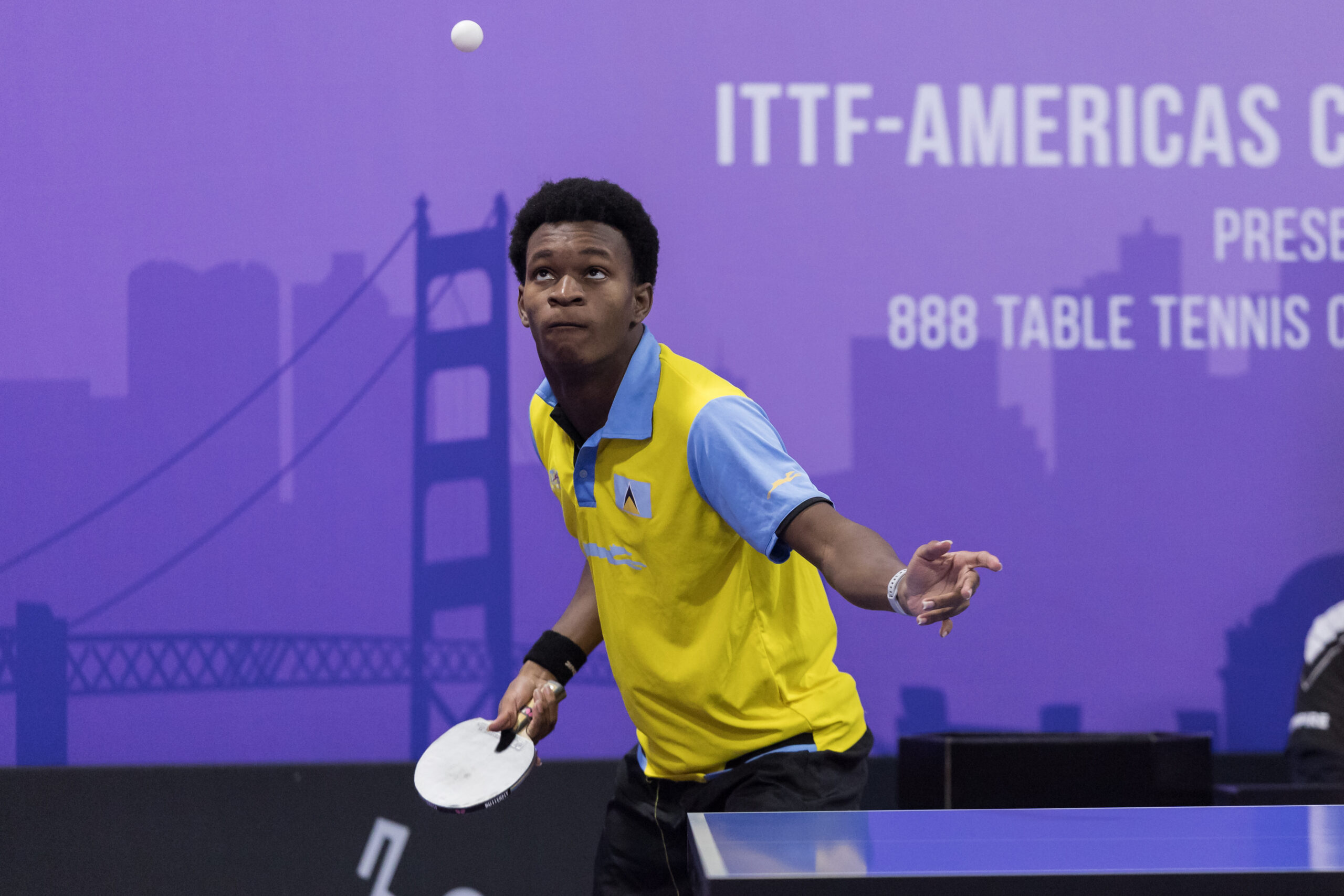
    In a milestone achievement for Caribbean table tennis, all six members of Saint Lucia’s national table tennis squad have secured qualification for the 2024 Central American and Caribbean (CAC) Games, marking the first time in the island nation’s history that both its men’s and women’s teams will compete at the regional multi-sport event. Scheduled to run from July 24 to August 8 in the Dominican Republic, this year’s CAC Games will welcome the Saint Lucian contingent after a strong showing at the regional qualifying tournament held earlier this month in Santo Domingo.

    The qualifying event saw all six athletes — Manie Eleuthere, Leshon Francis, DeAndre Calderon on the men’s side, and Cherese Dearcheville, Shatal Charles, Zariana Anthony representing the women — secure top-eight finishes in their respective group standings to advance. Notably, Saint Lucia stands alone as the only English-speaking Caribbean nation to earn spots for both genders in the CAC Games table tennis competition this cycle.

    In an interview with local outlet St Lucia Times, head coach Chris Wells highlighted the team’s extraordinary mental toughness throughout the qualifier, pointing to a standout clash against Jamaica as the defining moment of the tournament for his squad. “The match against Jamaica really showed what this team is made of,” Wells explained.

    Wells recounted the tense back-and-forth of the upset win: after Eleuthere and Francis claimed a hard-fought victory in the opening doubles match, which was evenly matched from start to finish, DeAndre Calderon took the court against Jamaica’s top-ranked player. After splitting the first two sets, Calderon maintained his composure despite loud, distracting but legal support from the Jamaican bench, digging deep to claim the win and put Saint Lucia up 2-1 in the team tie. When Francis dropped the next match to leave the overall score tied 2-2, Eleuthere stepped up for the decisive final rubber against Azizi, the Jamaican player who had pushed Calderon hard earlier in the day.

    The decider was just as dramatic: Eleuthere took the first game, only to see Azizi rally back to take a 2-1 set lead. Eleuthere fought back to level the match at 2-2, and fell behind 7-4 in the decisive fifth game. Calling a timeout to reset, Eleuthere refocused, reeled off consecutive points to force a Jamaican timeout, and closed out the match with an 11-7 win in the final game, securing a 3-1 team victory for Saint Lucia. Throughout the entire men’s team qualifying event, Calderon remained undefeated, winning all three of his individual matches.

    The men’s side started their group stage campaign with a narrow 3-2 loss to El Salvador before their upset win over Jamaica pushed them into the top two of their four-team group, enough to secure qualification. For the women’s team, the road to the CAC Games was even more groundbreaking: this is the first time any Saint Lucian women’s table tennis team has qualified for the regional competition. After finishing outside the top two in their group stage, with losses to Colombia (3-0), Trinidad and Tobago (3-0) and a narrow 3-2 defeat to Guyana, the team earned a spot in a do-or-die playoff against Jamaica — and pulled off another upset win to book their place in the main draw.

    Following their successful qualifying campaign, both Saint Lucian teams will remain in the Dominican Republic for the next two weeks to compete in the Senior and Junior Caribbean Table Tennis Championships, gaining valuable on-site competitive experience ahead of July’s CAC Games.

  • Saint Lucians set national records at US collegiate meets

    Saint Lucians set national records at US collegiate meets

    A historic week for Saint Lucian track and field unfolded across multiple United States collegiate competitions, with two new national records set and a series of standout podium performances cementing the Caribbean nation’s rising presence in NCAA circuit competition.

    Leading the wave of record-breaking results was hurdler Khailan Vitalis, a junior transfer athlete at Clemson University, competing at the 98th Clyde Littlefield Texas Relays hosted in Austin. In the preliminary rounds of the men’s 110-meter hurdles, Vitalis clocked a ninth-place qualifying time of 13.82 seconds, shaving one hundredth of a second off his own previous personal best, which he set at the 2024 Jo Meaker Classic and Multi. This new mark not only earned him a spot in the event final but also established a new Saint Lucian national record. Though the promising athlete clipped a hurdle during the final round and was unable to finish the race, his preliminary performance still ranks as the 13th fastest time recorded by any Commonwealth Games athlete so far this year.

    The second national record of the week came from hammer thrower Lauralyn Clifford, a senior transfer at the University of Texas San Antonio. Competing on the same Austin track at Mike A. Myers Stadium, Clifford extended her own national record with a throw of 58.57 meters (192 feet 2 inches), enough to secure a fifth-place finish in the event. Clifford currently holds the top position in the women’s hammer throw rankings across the American Conference, and her latest throw puts her within just one meter of breaking the UTSA program record. She also ranks among the top 25 hammer throwers from all Commonwealth Games nations this season.

    Beyond the two record-breaking performances, several other Saint Lucian athletes claimed top finishes at meets across the country. Sprinter Miguel Charlery picked up a pair of first-place titles at the All-American Meet hosted by East Stroudsburg University in Pennsylvania, taking gold in both the men’s 100-meter sprint with a time of 10.81 seconds and the 200-meter sprint with a 21.74 second finish. Mid-distance runner Kereser Augustin also claimed a top spot competing for Washburn University at the 18th Annual David Suenram Gorilla Classic, winning the women’s 400-meter race in 56.44 seconds while also placing 13th in the 100-meter sprint with a time of 12.61 seconds.

    NCAA Division I All-American high jumper Jenneil Jacobie delivered an inspiring performance, overcoming a recent ankle injury to clear 1.76 meters (5 feet 9.25 inches) and take second place for East Texas A&M University at the Bobcat Invitational. At the Joey Hanes Invite, thrower Natalie Albert secured third place competing for the University of Memphis with a 56.57-meter hammer throw.

    A host of other Saint Lucian athletes also recorded solid results across the week of competition: Michael Joseph placed fifth in the men’s 400-meter at the LSU Battle on the Bayou with a 45.53 second time; Asa clocked a 3:59.56 to take 24th in the men’s 1500-meter at the George Mason Dalton Ebanks Invite, where Rayshawn Harris placed 61st in the men’s 800-meter with a 2:02.18; Shamael Durand notched a 23rd-place finish in the men’s discus throw (41.40 meters) and ninth in the men’s shot put (12.68 meters) at the Bobcat Invitational; Cagini Pilgrim took fourth in the men’s 100-meter (10.87) and sixth in the men’s 200-meter (22.01) at the Joey Haines Invite, while Ishmael Durand placed 39th in the 200-meter at the same invitational with a 22.57; Narlia Albert claimed 23rd in the women’s 200-meter (28.07) at the Ursinus Springfest; Jola Felix placed 15th in the women’s 200-meter (25.92) and 12th in the women’s 100-meter (12.62) at the Central Methodist Invite; Naomi London placed 11th in the women’s 100-meter at the Texas Relays with an 11.32; Mya Hippolyte took fourth in the women’s 100-meter (12.09) at the ISU Pacesetter Invite; Carleen Lionel placed 22nd in the women’s 100-meter (12.47) at the Sam Howell Invitational; Jasmine Stiede took fifth in the women’s 1500-meter (4:47.7) at the Friends Invitational; multi-event thrower Joy Edward recorded marks of 13.74 meters in the women’s shot put, 52.58 meters in the women’s hammer throw, and 34.68 meters in the women’s discus at the Golden Eagle Invite; and Nebia Montrope placed 15th in the women’s 800-meter (2:34.25) at the Cougar Distance Carnival.

  • STATEMENT: Health minister, Cassanni Laville addressing child harassment

    STATEMENT: Health minister, Cassanni Laville addressing child harassment

    In response to a widely circulated open letter that has sparked public concern, Health Minister Cassanni Laville has publicly addressed disturbing allegations of harassment against a minor. The letter, which recently came across the minister’s desk, outlines serious, deeply troubling claims of improper behavior involving a young child that have sent ripples of concern through local communities.

    Laville opened her official statement by emphasizing that any allegation of harm, emotional distress, or inappropriate conduct toward a child demands immediate and serious attention. In her remarks, the minister made clear that child safety remains a non-negotiable priority for public officials, and that all claims of child mistreatment will be treated with the gravity they deserve. She noted that the nature of the allegations themselves, regardless of further outcome, is deeply unsettling to anyone committed to protecting vulnerable young people, and that authorities will move forward to ensure a full, transparent examination of the claims. As the situation develops, the minister has indicated that further updates will be provided to the public once appropriate investigative steps have been completed.