博客

  • Is there evidence or not? What Public Health says about the alleged circulation of a new COVID-19 variant in the Dominican Republic

    Is there evidence or not? What Public Health says about the alleged circulation of a new COVID-19 variant in the Dominican Republic

    The Dominican Ministry of Health has issued an official update confirming that as of the latest monitoring cycle, no trace of the BA.3.2 SARS-CoV-2 subvariant, nicknamed “Cicada”, has been detected circulating within the country’s borders.

    Data compiled from the nation’s national sentinel surveillance infrastructure and integrated laboratory network has not returned any positive identifications of the new subvariant to date. Dominican health authorities maintain an active, continuous, and evidence-driven epidemiological monitoring framework designed to catch emerging viral variants at the earliest possible stage, enabling rapid public health response.

    Looking at the broader respiratory virus landscape for 2026, health officials have recorded a sustained circulation pattern of common seasonal respiratory pathogens across the first 12 epidemiological weeks of the year. Influenza strains, specifically influenza A (including H1N1 and H3N2 subtypes) and influenza B, have emerged as the dominant circulating viruses. Pre-emptive vaccination rollout launched late last year has already been deployed to mitigate the impact of influenza B, with the goal of reducing overall disease burden across the Dominican population.

    Beyond influenza, health authorities have also documented ongoing circulation of other common seasonal respiratory viruses, including adenovirus and parainfluenza. Officials note that the current pattern of multiple viruses co-circulating aligns with expected seasonal epidemiological behavior for this time of year, with no unexpected deviations detected so far.

    Eladio Pérez, Deputy Minister of Collective Health, emphasized the critical role of the national surveillance system in protecting public health. “The sentinel surveillance we have implemented across the country enables us to detect respiratory events early and rapidly, including the identification of never-before-seen viral variants,” Pérez explained. “This proactive capability directly strengthens the health system’s ability to respond effectively to emerging threats.”

    According to the ministry, all public health decision-making is rooted in real-time epidemiological data, pulled together from multiple sources including hospital epidemiology services, Provincial Directorates and Health Areas (DPS/DAS), and the national network of laboratories. This integrated data ecosystem ensures that policies and responses are always aligned with the actual on-the-ground situation.

    To help the public protect themselves against circulating seasonal respiratory viruses, the Ministry of Health has reminded the population of core evidence-based preventive measures. These include frequent hand washing, particularly before meals and after using restroom facilities; wearing a face mask when experiencing respiratory symptoms; maintaining physical distance from others while ill; and seeking prompt medical care if any warning signs of severe illness develop.

    The ministry will continue maintaining constant, close monitoring of the national epidemiological situation, working in coordination with global health organizations and aligning with international alert protocols. All ongoing efforts are focused on protecting the health and well-being of the Dominican population against emerging and seasonal respiratory virus threats.

  • PM Calls Mass ‘Sick‑Out’ by Immigration Officers “Illegal”

    PM Calls Mass ‘Sick‑Out’ by Immigration Officers “Illegal”

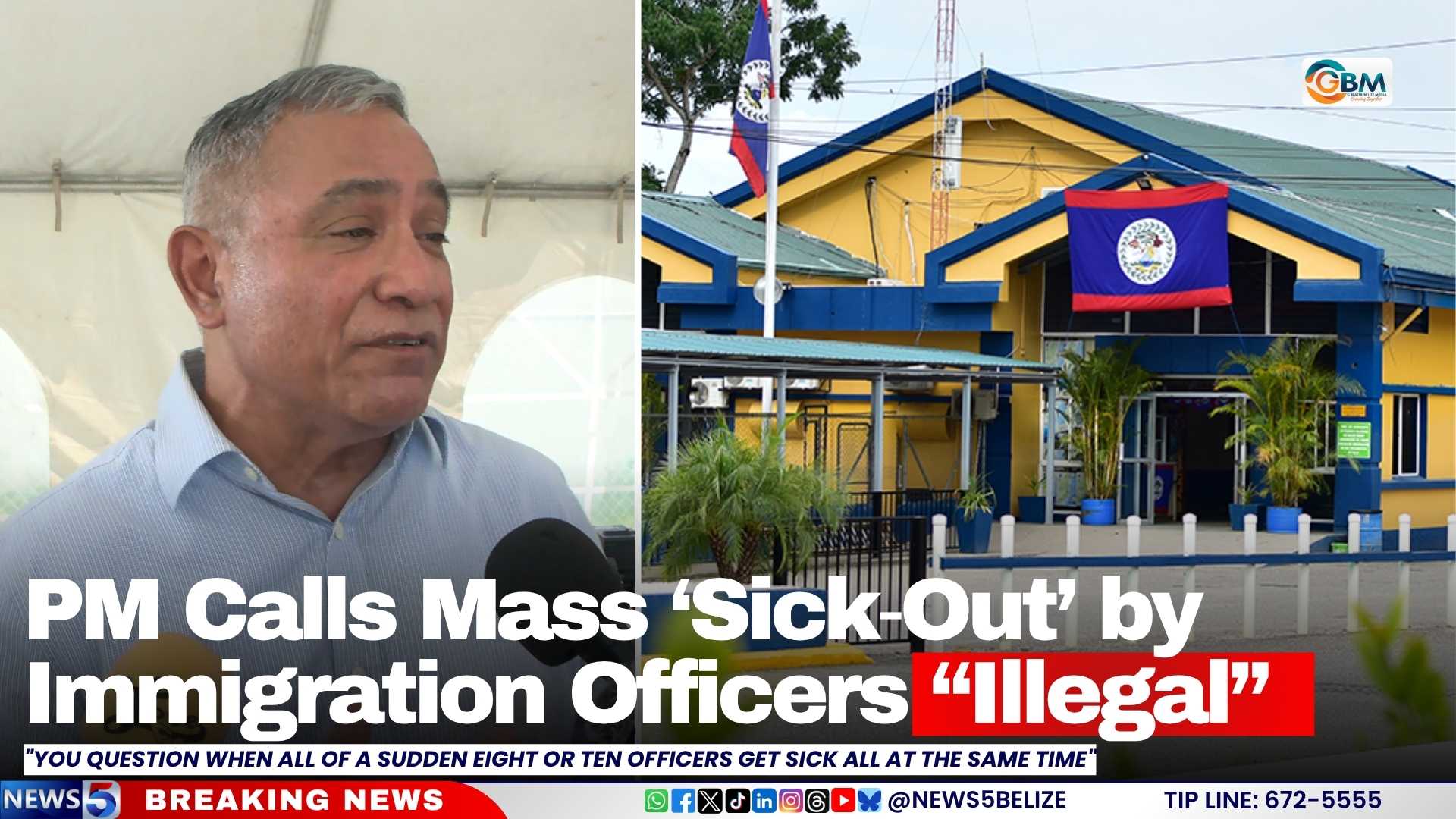
    A brewing labor and political conflict has emerged in Belize’s Cayo District after a mass coordinated absence by immigration officers at the country’s busiest western border crossing drew harsh condemnation from Prime Minister John Briceño, who has labeled the action an illegal work stoppage.

    On April 10, 2026, reports emerged that roughly 8 to 12 immigration officers assigned to the critical crossing all submitted sick leave notifications on the same day, bringing normal operations to a grinding halt and causing major disruptions for cross-border travel and trade. The Belizean Ministry of Immigration has already launched a formal internal investigation and initiated administrative action against multiple officers involved, based on suspicions that the simultaneous sick leave was not triggered by a genuine public health event, but rather a coordinated act of industrial action to protest unstated workplace grievances.

    The Public Service Union, which represents the affected officers, has pushed back aggressively against the government’s claims. Union leadership insists that every officer followed official sick leave protocols correctly when submitting their absences, and has issued a formal warning that the union will pursue legal action against the government over the punitive administrative steps taken against its members.

    Prime Minister Briceño has flatly rejected the union’s defense, calling the simultaneous outbreak of illness deeply suspicious. “You have to question why eight or ten officers all get sick at the exact same time,” Briceño stated to reporters. “It is statistically impossible for that to happen by coincidence. There is clearly something else driving this action.” He also flagged lingering concerns over the validity of submitted medical documentation, noting widespread claims that some certificates may be fraudulent, even as he acknowledged he has not personally reviewed the documents in question.

    The Prime Minister went a step further by directly criticizing Public Service Union President Dean Flowers, pointing out Flowers’ well-documented public support for the opposition United Democratic Party. Briceño argued that political loyalties have no place in managing workplace disputes between public employees and the sitting government. “Flowers should set his political allegiances aside and work collaboratively with the government to resolve outstanding issues,” Briceño said. “Instead of encouraging his members to follow proper channels and telling them this kind of action is inappropriate, he has seemingly celebrated their action. That is deeply unfortunate.”

    Briceño emphasized that public servants with formal workplace grievances have clear, established avenues to raise concerns: they can bring issues to direct supervisors, the Chief Executive Officer of the Immigration Ministry, or even cabinet ministers for resolution. He rejected the mass sick-out as an underhanded and unlawful tactic, noting “Public servants cannot simply abandon their posts and claim illness whenever they are dissatisfied with some workplace outcome.”

  • Onderwijscongres met 25 internationale experts moet leiden tot tienjarige visie

    Onderwijscongres met 25 internationale experts moet leiden tot tienjarige visie

    Suriname has kicked off an ambitious nationwide effort to overhaul its education system and develop its human capital, starting with a high-profile two-day education congress held earlier this month. The 2026 Education Congress, which brought together more than 25 leading international experts alongside hundreds of local policymakers, educators, and civil society stakeholders, concluded on April 9 at Paramaribo’s Hotel Torarica. The gathering is designed to lay the groundwork for two landmark policy documents: a 10-year national vision for education and human capital development, complemented by a sweeping 50-year long-term action plan to guide systemic change.

    The core discussion topic uniting attendees was how Suriname can unlock the full potential of its human capital, a strategic priority as the country prepares for scaled future revenue from its emerging oil and gas sector. Insights gathered from the opening congress will form the foundation of a second, intensive working phase scheduled to run from May 25 to 29 this year. During that follow-up process, national education specialists and international advisors will collaborate to draft concrete, actionable reforms aimed at one overarching goal: guaranteeing every child in Suriname access to high-quality education and equal opportunity to thrive.

    In closing remarks at the inaugural congress, Dirk Currie, Minister of Education, Science and Culture of Suriname, emphasized that broad cross-sector collaboration is non-negotiable for delivering meaningful, lasting change. Currie stressed that the reformed education system must be redesigned to rekindle children’s natural joy of learning, while equipping them with the skills and knowledge they need to succeed in a fast-changing future. He specifically highlighted the critical importance of closing opportunity gaps, noting that this work will lay the foundation for equitable, shared growth as Suriname brings new oil industry revenue online.

    Enrique Ralim, Director of Sports Affairs at the Ministry of Youth Development and Sports, echoed this sentiment, reinforcing that accessible, high-quality education serves as the fundamental bedrock for both broad national development and individual personal growth. Ralim called for a fully inclusive approach to reform, one that ensures no child is left behind regardless of their socio-economic background, physical ability, or any other limiting circumstance.

    Hosted in partnership with the Inter-American Development Bank (IDB), the 2026 Education Congress is widely framed as the official starting point for a years-long national process that will deliver the first major structural overhaul of Suriname’s education system in modern history.

  • GOB: No Bus Fare Increase

    GOB: No Bus Fare Increase

    In the Caribbean nation of Belize, independent public bus operators are facing growing financial strain from skyrocketing global diesel prices, but a government decision has turned down their most immediate request for relief: a hike in passenger fares. As of April 10, 2026, Belize’s Cabinet confirmed that it will not approve any increase to bus fares for the time being, though it has left open the possibility of revisiting all of the industry’s demands if fuel costs fail to fall in the coming weeks.

    The crisis stems from sustained upward movement in global fuel prices that has sharply raised operating costs for every private bus company across the country. Last month, the Belize Bus Association (BBA), the industry group representing local operators, submitted a formal letter to the Ministry of Transportation outlining the intense financial pressure climbing diesel costs have placed on their businesses. In the document, the association laid out three key requests for government intervention to ease the burden: first, a full exemption from general sales tax applied to fuel, vehicle tires, and replacement bus parts; second, emergency government financial subsidies mirroring the support programs rolled out for the transport sector during the COVID-19 pandemic; and third, official regulatory approval to raise standard bus fares to pass a portion of the higher costs onto riders.

    Cabinet’s official response addressed each of these demands, drawing a clear line on the fare increase request. Government officials emphasized that allowing a fare hike would place an unacceptable additional financial burden on ordinary Belizeans who rely on public buses as their primary mode of daily transportation. For the other two requests – the sales tax exemption and emergency subsidies – the government has not issued a final ruling, instead asking the BBA and its member operators to wait for further developments in global fuel markets.

    Speaking on behalf of the government, Minister of Transport Dr. Louis Zabaneh explained that the administration is closely monitoring daily fluctuations in international fuel prices to assess whether current high levels are temporary. “We are hoping it will stabilise and prices will return to some lower levels as they were a few months ago,” Zabaneh stated in his comments on the decision. “In the event we don’t have that kind of downward trend, then Cabinet is prepared to reconsider the request.” He added that the association only needs to wait a matter of a few weeks for price trends to become more clear before any further action is taken.

    For independent bus operators already struggling with compressed margins and rising operating costs, the government’s delay did not resolve the immediate pressure they face. The BBA has responded by announcing it will convene an emergency general meeting with all its member operators in the near future to discuss the situation and vote on next steps for the industry.

  • A green alert is not the same as a red alert: what you should do in each case

    A green alert is not the same as a red alert: what you should do in each case

    As extreme weather events grow in frequency and intensity across many regions, the Emergency Operations Center (COE) has launched a public education campaign to clarify the meaning of different weather alert levels and outline the corresponding life-saving actions residents must take for each risk tier.

    Officials stress that weather alerts are not arbitrary notifications: they are pre-emptive declarations issued ahead of an impending hazardous weather event, designed to let emergency response teams activate contingency plans and allow ordinary residents to put protective precautions in place before danger arrives. To clear up widespread public confusion about the distinct risk levels, COE has broken down the three core alert categories and their requirements:

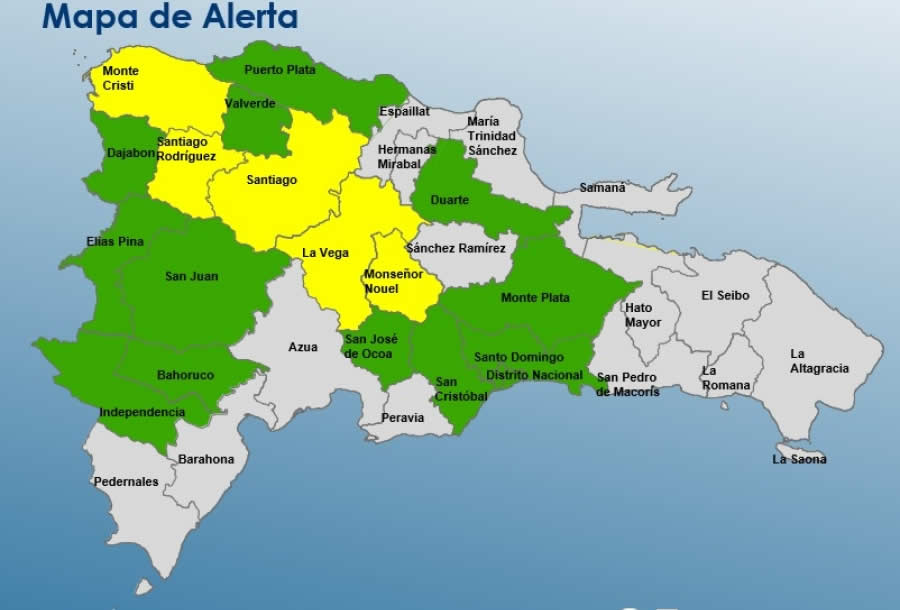
    First, a green alert marks the lowest risk tier, issued when an atmospheric phenomenon is developing and may impact the area. At this stage, the public is advised to stay informed through official updates, maintain situational awareness, and watch for changing conditions that could require further action.

    Second, a yellow alert signals a moderate increase in risk, indicating dangerous weather is on track to reach at-risk parts of the region. For residents located in vulnerable or high-risk zones, this alert means it is time to prepare for evacuation or relocation, and make arrangements to move to a pre-identified safe location well before the weather arrives.

    Third, a red alert is the highest risk classification, reserved for areas directly in the path of the most severe dangerous weather. When a red alert is issued, residents in affected zones must finalize all emergency preparations: confirm emergency supply kits are fully stocked with water, non-perishable food, first aid supplies and critical medications, move immediately to a designated safe location, and remain sheltered there both before and throughout the duration of the weather event.

    COE officials have underscored that understanding the clear distinction between green and red alerts is a critical piece of public safety knowledge. While a green alert only calls for heightened attention and ongoing vigilance, a red alert demands immediate, decisive action to protect personal safety and reduce potential harm.

    In closing, authorities reiterated that consistent adherence to these alert guidelines directly cuts the risk of fatalities and minimizes damage to personal and community property—particularly for low-income and geographically vulnerable communities that face disproportionate harm from extreme weather events.

  • The most common mistake when driving in the rain that can be very expensive

    The most common mistake when driving in the rain that can be very expensive

    For motorists globally, navigating rain-soaked roadways ranks among the deadliest common driving scenarios, yet a dangerously pervasive mistake continues to put thousands of lives at risk every wet season: drivers refusing to adjust their speed and following distance from what they use on dry pavement. When asphalt and concrete turn slick from falling rain, the friction between vehicle tires and the road surface drops dramatically, cutting down grip and doubling the amount of time a vehicle needs to come to a complete stop after a driver hits the brakes. Despite this well-documented risk, large numbers of commuters and recreational drivers consistently underestimate how much wet conditions alter road dynamics, operating their vehicles exactly as they would on a clear, dry day. The outcome of this complacency is often catastrophic: drivers lose control of their vehicles, trigger multi-car pileups, cause extensive, costly property damage, and too often result in serious injury or death. Leading road safety experts, including veteran specialist Anibal Germoso, have outlined clear, actionable adjustments all drivers should make when driving in wet conditions. Germoso and his peers advise cutting travel speed by a minimum of 30 percent compared to dry conditions, expanding the gap between one’s vehicle and the car ahead to allow for longer stopping times, activating low-beam headlights to boost both a driver’s own visibility and make their vehicle more noticeable to other road users, and avoiding any sudden turns, lane changes, or hard braking that can cause a loss of traction. Beyond in-the-moment driving adjustments, experts also stress the critical importance of pre-trip vehicle maintenance, specifically checking tire tread depth and brake functionality before heading out during rainy season, when wet roads are a constant hazard. This issue carries particular urgency in the Dominican Republic, where rainfall is often both extremely heavy and arrives with little advance warning, turning road conditions dangerous in minutes. In this Caribbean nation, the common habit of failing to adjust driving for rain has become a major, underrecognized risk factor for traffic fatalities and collisions. The country’s General Directorate of Land Transportation has recently doubled down on public outreach to remind drivers that prevention is the single most effective tool to avoid rain-related crashes. The agency emphasizes that even a small moment of carelessness behind the wheel on a wet road can carry devastating costs, both in terms of lost human life and destroyed or damaged property.

  • T&T, Guyana agree to establish working group on investment

    T&T, Guyana agree to establish working group on investment

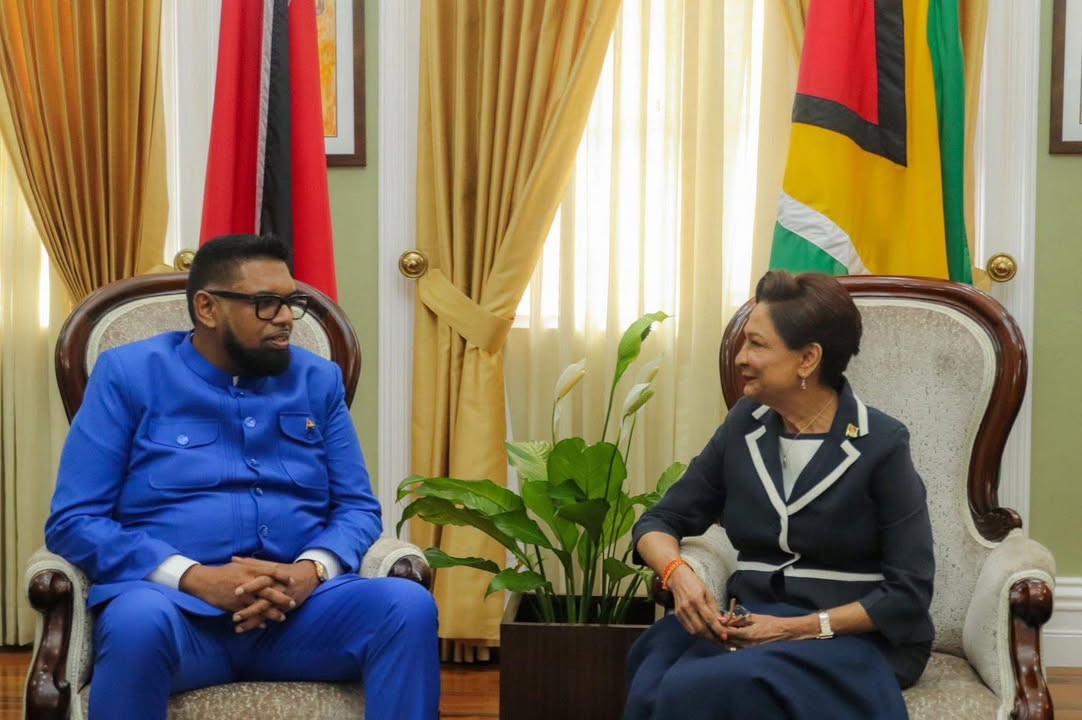
    On Friday, April 10, 2026, Guyana’s President Irfaan Ali held a high-stakes one-day bilateral meeting with Trinidad and Tobago’s newly installed Prime Minister Kamla Persad-Bissessar in Port-of-Spain, with the two leaders aligning on a sweeping set of agreements to deepen economic integration, resolve long-standing cross-border bottlenecks, and unlock untapped collaborative opportunities between the two Caribbean nations.

    In an official joint statement released after the talks, both governments confirmed two core outcomes of the summit: the establishment of a cross-border working group with representation from both the public and private sectors of both countries, and a commitment for Persad-Bissessar to undertake a reciprocal official visit to Guyana, with details of the visit’s timing still being finalized.

    The working group’s core mandate is to identify and eliminate trade barriers, streamline bureaucratic hurdles, and boost competitiveness between the two countries, while exploring and advancing joint development opportunities across a wide range of priority sectors. During the closed-door negotiations, the two leaders mapped out a shared development, trade and economic agenda designed to bring closer alignment of the two nations’ economies and improve people-to-people connectivity. Key areas of discussion included strengthening regional food security and attracting cross-border investment in the sector, advancing cross-grid energy integration, facilitating technology sharing, supporting human capital development initiatives, and boosting collaborative security efforts.

    President Ali opened the meeting by formally thanking Persad-Bissessar and the Trinidad and Tobago government for its unwavering public support for Guyana’s territorial integrity and national sovereignty, a gesture of alignment that he noted carries deep meaning for the people of Guyana. Both sides reaffirmed their commitment to ongoing close collaboration across all agreed priority areas to progressively deepen the bilateral partnership. The Guyanese delegation accompanying Ali to Port-of-Spain included senior cabinet officials: Natural Resources Minister Vickram Bharrat, Public Utilities and Aviation Minister Deodat Indar, Public Service, Government Efficiency and Implementation Minister Zulfikar Ally, and Labour and Manpower Planning Minister Keoma Griffith, alongside a cohort of private sector representatives from Guyana. On the Trinidad and Tobago side, Persad-Bissessar was joined by her own senior leadership team, including Attorney General John Jeremie, Foreign and CARICOM Affairs Minister Sean Sobers, Public Utilities Minister Barry Padarath, and Energy and Energy Industries Minister Roodal Moonilal.

    Speaking at a business forum hosted by the Trinidad and Tobago Chamber of Industry & Commerce following the leaders’ meeting, President Ali pressed for urgent action to cut through bureaucratic red tape that he said is holding back the full potential of the bilateral partnership. In blunt remarks to the business audience, Ali argued that if both nations are committed to building collaborative cross-border consortiums and a unified regional economic front, leaders must prioritize resolving long-standing frictions. “If we care about partnership, if we care about building consortiums, if we care about building a joint economic front between Guyana & Trinidad and Tobago then we must care about fixing the problem and let’s get in that room, lock ourselves up for 72 hours and fix the damn problem,” Ali stated.

    The Guyanese president also highlighted that partnership opportunities extend far beyond the energy sector, pointing to existing collaborative potential in agriculture: Guyana’s growing soya bean export sector and Trinidad and Tobago’s globally renowned cocoa production present immediate avenues for joint growth. He praised regional conglomerate ANSA McAL for its early and successful investment in Guyana, including the development of a new large-scale shopping mall, but noted that Trinidad and Tobago investors have so far missed out on major opportunities in Guyana’s booming gold mining sector, where no Trinidadian consortium has yet established a meaningful presence. Ali also called out unnecessary immigration bureaucracy in Trinidad and Tobago, noting that lengthy, cumbersome entry processes are holding back Caribbean Airlines from reaching its full operational potential in the region.

  • Bajan men struggle at Table Tennis Championships

    Bajan men struggle at Table Tennis Championships

    The 2024 ITTF-Americas Central American & Caribbean Championships kicked off in the Dominican Republic’s capital of Santo Domingo on Thursday, bringing together top table tennis talent from across the region to compete for continental honors. Through the first two days of men’s team play, one team has yet to claim a victory: Barbados.

    In their opening round-robin matchup on tournament day one, the Barbadian side suffered a lopsided 3-0 sweep at the hands of Puerto Rico. The Puerto Rican squad dominated every set across all three singles matches, with Steven Moreno delivering a straight-sets win over Barbados’ Tyrese Knight (11-6, 11-6, 11-6), Angel Naranjo claiming an equally decisive victory against Mark Dowell (11-3, 11-5, 11-3), and Enrique Rios closing out the sweep with a straight-sets win over Tre Riley (11-7, 11-10, 11-5).

    Looking to bounce back in their second group match on Friday, Barbados showed significant improvement on the court, but still fell just short of their first win, dropping another 3-0 decision to Costa Rica. While the final score mirrored their opening day result, the matchups were far more competitive. Costa Rica’s Sebastien Alviles was pushed to a full five-set thriller before he secured a win over Dowell (9-11, 11-6, 7-11, 11-3, 11-6). Jeison Martinez had to come from behind after dropping the opening set to defeat Knight (5-11, 11-9, 11-9, 14-12), and Alejandro Montoya also dropped a set before locking in a four-set win over Riley (13-11, 6-11, 11-9, 11-9) to seal the sweep for Costa Rica.

    Barbados was not the only Caribbean side struggling in the early stages of the tournament, with other English-speaking Caribbean teams also facing tough results against higher-ranked regional competitors. Cuba claimed a narrow 3-2 win over St. Lucia in their first matchup before following that up with a 3-0 sweep of the same side in a second contest. Mexico shut out Guyana 3-0, Guatemala earned a 3-0 win against St. Vincent and the Grenadines, and the host Dominican Republic delivered a 3-0 sweep of Jamaica. Puerto Rico notched another 3-0 victory against Trinidad and Tobago to round out early results.

    Among the struggling Caribbean nations, Jamaica was able to rebound in a later match on Friday, picking up its first win of the tournament with a 3-1 victory over St. Lucia to keep its hopes of advancing out of the group stage alive.

  • Chinese Food Festival: April 18

    Chinese Food Festival: April 18

    On the Caribbean island of Grenada, a highly anticipated cultural and culinary event is slated to take place next spring at one of the island’s popular coastal gathering spots. The Chinese Food Festival has been scheduled to run from 12 p.m. to 6 p.m. on April 18, 2026, at Camerhogne Park, located in the Morne Rouge district near Grand Anse. The event, which spotlights authentic Chinese cuisine and cultural exchange, will bring together local residents and visiting tourists to experience a wide range of traditional Chinese dishes, cultural performances, and interactive culinary activities. Local media outlet NOW Grenada has issued a standard content disclaimer, noting that the organization is not liable for any opinions, statements, or third-party contributed media content associated with the event announcement, and provides a reporting channel for users to flag any content that violates community guidelines. As a cross-cultural event open to the public, the festival is expected to strengthen the cultural ties between Chinese and Grenadian communities, boost local tourism and the small food business sector, and offer a unique multicultural experience for attendees visiting the Morne Rouge and Grand Anse area.

  • CARICOM Heads Met on Trinidad’s Push to Remove Belizean Secretary General

    CARICOM Heads Met on Trinidad’s Push to Remove Belizean Secretary General

    A regional political dispute has erupted within the Caribbean Community (CARICOM) as Trinidad and Tobago advances a public campaign to oust sitting Secretary-General Dr. Carla Barnett, a Belizean national. Belize’s Prime Minister John Briceno has swiftly announced his country’s unwavering full support for Barnett, pushing back against Trinidad’s unprecedented public move to remove the bloc’s top administrative leader.

    In an exclusive interview with local outlet News Five, Briceno emphasized that the public campaign against Barnett is a regrettable departure from appropriate regional diplomatic protocols. He stressed that Barnett’s decades of expertise and deep knowledge of Caribbean regional affairs make her a highly qualified leader for the integration bloc, and her position as a Belizean public servant guarantees her continued, unshakable support from the Belizean government.

    Addressing widespread political speculation that his government’s stance is shaped by Barnett’s past ties to Belize’s opposition United Democratic Party, Briceno rejected the narrative. He underscored that domestic political divisions in Belize do not extend to the international stage: regardless of internal partisan differences, all Belizeans stand in solidarity when one of their own holds a key regional role, he said.

    Briceno further outlined that while all CARICOM leaders hold the right to raise legitimate concerns over administrative performance, any such grievances should be addressed through private, established channels within the heads of government, not through a public pressure campaign targeting the secretary-general. He also noted a key procedural irregularity in Trinidad’s push: the country’s own prime minister declined to attend the most recent in-person CARICOM Heads of Government meeting, where the bloc was set to discuss Barnett’s reappointment process.

    To resolve the escalating standoff, CARICOM heads of government have scheduled a virtual emergency meeting for Friday noon to deliberate on the dispute. Briceno told reporters he remains cautiously optimistic that regional leaders will reach a mutually acceptable, amicable resolution that preserves both the integrity of the bloc and the standing of its secretary-general.