博客

  • IICA meeting with agricultural leaders of Americas highlights need for unified approach to agrifood challenges

    IICA meeting with agricultural leaders of Americas highlights need for unified approach to agrifood challenges

    Against a backdrop of escalating global geopolitical volatility and widespread market disruption, senior agricultural ministers and policy leaders from across the Americas have united to issue a urgent call for enhanced cross-regional collaboration. The goal of this coordinated push is to shore up long-unaddressed vulnerabilities in hemispheric agrifood systems, buffer against unexpected external shocks, and unlock untapped emerging development opportunities, according to an official press release from the Inter-American Institute for Cooperation on Agriculture (IICA), which convened the high-level virtual gathering.

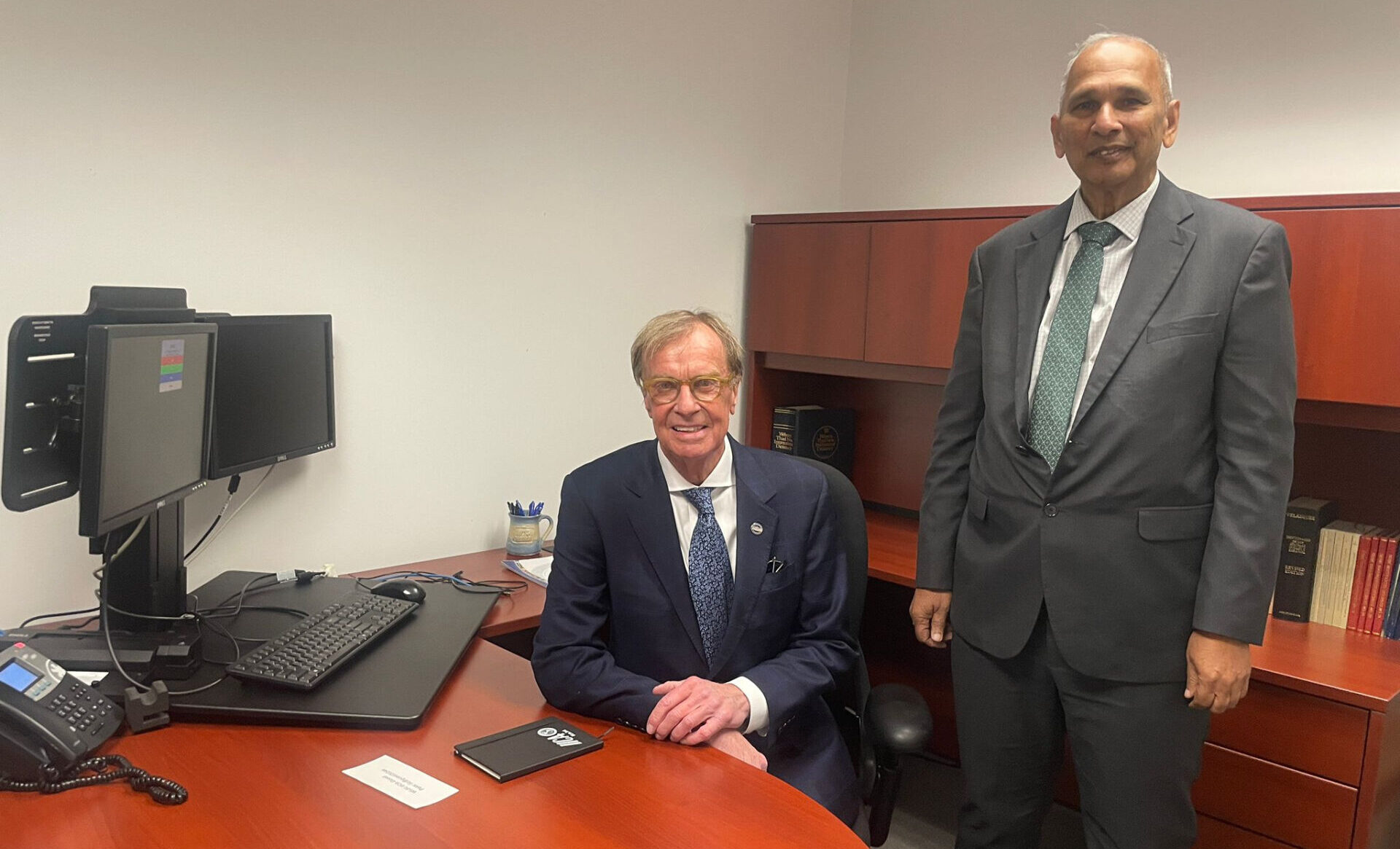
    The summit, held during IICA Director General Muhammad Ibrahim’s official working visit to Washington, D.C., brought together a diverse cohort of stakeholders: national government agricultural delegations, U.S. federal officials, global multilateral funding bodies, private sector agricultural leaders, and policy research institutions. During his visit, Ibrahim has been actively engaging with stakeholders to co-design a shared regional agenda to strengthen hemispheric agricultural resilience.

    Central to the meeting’s discussions was a growing consensus that the current threats to food security across the region stem from deep-seated structural weaknesses, not temporary, passing market disruptions. A core priority identified by attendees is cutting over-reliance on imported agricultural inputs, particularly nitrogen-based fertilizers, nearly 80% of which are sourced from the Middle East— a supply chain that has been thrown into severe uncertainty by ongoing regional geopolitical tensions. Participants agreed that the solution lies in expanding targeted regional investment in domestic production of organic fertilizers and bio-based agricultural inputs, paired with expanded cross-border technical cooperation to advance inclusive, sustainable agricultural development across the hemisphere.

    Opening the summit, Kip Tom, Vice Chair of Rural Policy at the America First Policy Institute (AFPI), emphasized the outsized global role of the Western Hemisphere’s agricultural sector. “The Western Hemisphere is a leader in global agriculture and feeds billions of people around the world each day. Today, despite global uncertainty, we must serve as a model of strength and continental cooperation,” Tom stated. He also drew a clear connection between global food security and national stability, calling for deeper regional trade integration and market expansion, noting that IICA’s coordinating role “is more important today than ever before, so that the Americas may grow even stronger.”

    Director General Ibrahim expanded on the urgency of addressing fertilizer dependence, noting that small-scale agricultural producers, who form the backbone of food production in many regional economies, bear the brunt of supply chain disruptions. “We must reduce our dependence on fertilizer imports through alternatives that enable us to have a robust production chain. The issue of nitrogen-based fertilizers is particularly critical, given that nearly 80% of them come from the Middle East. Today, small-scale producers are facing risks and uncertainty for this very reason,” he said. Ibrahim added that IICA is uniquely positioned to drive progress through targeted investment in technological innovation, including the development of climate-resilient, high-yield improved seed varieties tailored to regional growing conditions.

    Agricultural leaders from across the hemispheric shared national perspectives and ongoing domestic efforts to build resilience, highlighting shared challenges and coordinated solutions. Zulfikar Mustapha, representing Guyana, noted that small Caribbean island nations face disproportionate exposure to global supply chain shocks tied to Middle Eastern tensions. He outlined Guyana’s ongoing initiative to build a regional fertilizer plant powered by domestic natural gas reserves to supply Caribbean nations, paired with major investments in digital smart agriculture technologies.

    Viviana Ruiz, another participating leader, underscored the deep interconnectedness of modern energy, fertilizer, and food markets. “The production costs of strategic crops are leading to a decrease in the use of inputs. However, the situation also affords an opportunity to transition towards greater sustainability and low-carbon production. Now more than ever, the region must act in unison and adopt a collective commitment,” she said.

    Mexican agricultural representative Santiago Ruy Sanchez de Orellana shared that Mexico currently imports 75% of its total fertilizer demand, and is moving rapidly to expand domestic production through state-owned energy giant PEMEX, while rolling out a national policy to support adoption of bioinputs. “Through the state-owned oil company PEMEX, we are expanding local fertilizer production. Mexico is also promoting a bioinputs policy,” he said, adding that “hemispheric cooperation makes the pursuit of food sovereignty viable while respecting each country’s priorities. Food sovereignty is not in opposition to trade and international cooperation; on the contrary, it needs it.”

    Argentine representative Agustín Tejeda warned against the trend of restrictive protectionist trade measures in response to global uncertainty, arguing that inward-looking policies would only exacerbate regional vulnerabilities. “The response from countries in our region should not be further withdrawal, but rather greater cooperation, greater efficiency, more trade, and more transparent information,” he said.

    Additional participants included delegates from leading global development institutions including the World Bank and the International Fund for Agricultural Development, alongside private sector agricultural leaders. According to the IICA press release, the group collectively “emphasized the responsibilities of the Americas in times of pressure on global food demand and expressed the need to protect small-scale producers,” who are most vulnerable to market volatility and input price shocks.
  • Empire eyeing BFA Premier League return this season

    Empire eyeing BFA Premier League return this season

    For Empire Football Club, the 2024 Barbados Football Association Division One campaign is far more than just a series of matches — it is a deliberate push to return to the top flight of Barbadian football. After a blistering opening run of results, the Bank Hall-based side has climbed to the summit of the division’s points table, putting down an early marker as one of the competition’s title favorites. Their most recent outing on Wednesday served as a perfect demonstration of their current form, as Empire delivered a dominant 5-0 thrashing of Barbados Soccer Academy to extend their lead at the top.

    In an interview with local outlet Barbados TODAY following the lopsided win, Empire manager Captain Al Walcott broke down the factors behind the club’s flying start to the season, crediting consistent preparation and intentional off-season recruitment for the team’s early success. “The real secret to our results right now is the consistency our players bring to every training session,” Walcott explained. “We’ve worked hard to build a structured, systematic style of play that we can adapt no matter what conditions or opposition we face on match day.”

    The club’s off-season moves were specifically targeted at fixing a key problem that derailed their promotion push 12 months prior: a lack of cutting edge in front of goal. After finishing the previous campaign with too few goals to challenge for the top two promotion spots, the front office moved aggressively to add attacking talent to the roster, and those changes are already showing results. “We knew our finishing was holding us back last season, so we went out and added new attacking options to fix that gap, and so far that investment has paid off,” Walcott said.

    The new crop of talent brings a diverse range of experience and skill to Empire’s side. Among the standout signings is Saint Vincent native Romario Denny, who has already added a new dimension to the club’s attack. Another notable addition is Arantes Lawrence, who previously featured in the Welsh Premier League and now splits his time between playing for Empire Masters and mentoring the club’s younger rising stars. Completing the new attacking group are Brazil-born Brino da Silva — a left back who regularly pushes forward to join attacks — and attacker Kevron Durrant, both of whom have contributed to the team’s improved goalscoring form.

    The depth of the current roster has created a welcome challenge for the club’s coaching staff: selecting a starting 11 and matchday substitutes for each fixture. Walcott noted that as many as 23 players attend mandatory pre-match training sessions, with multiple players competing for every starting spot. While narrowing down the matchday squad is no easy task, Walcott emphasized that having this abundance of talent is a positive problem for any ambitious club to face.

    Promotion back to the Barbados Premier League remains the team’s non-negotiable ultimate goal, a target that slipped out of reach last season despite a strong defensive performance. Last term, St Andrew Lions and Bagatelle claimed the two promotion spots, while Deacons and Silver Sands were relegated from the top flight. Walcott recalled that last season, Empire conceded far fewer goals than most of their promotion rivals, but too many drawn matches — at least six over the course of the campaign — left them short of the places they needed to move up. This season, the club is determined to correct that mistake and secure their return to the top tier of Barbadian football.

    “Promotion to the Premier League is still our number one goal,” Walcott said. “We missed out last year, but we’ve fixed the gaps in our team, and we’re going to keep working every day to make that goal a reality this time around.”

  • Port of Belize Expansion Gets Environmental Clearance, PM Calls It a “Game Changer”

    Port of Belize Expansion Gets Environmental Clearance, PM Calls It a “Game Changer”

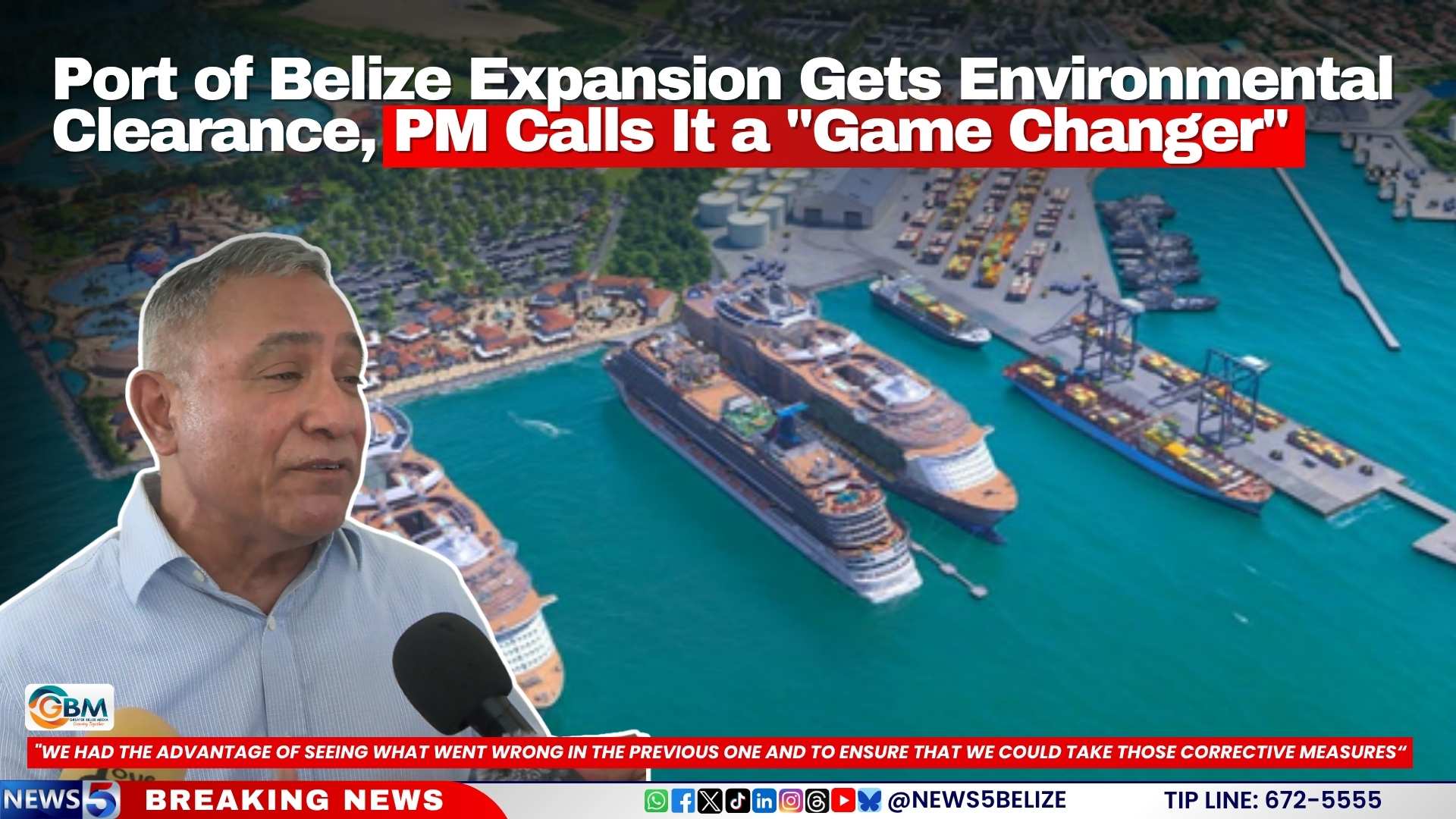
    After decades of stalled attempts and contentious regulatory review, the long-awaited expansion of the Port of Belize has crossed a critical threshold, earning conditional environmental approval from the country’s top environmental assessment body that clears the way for the project to move into its investment sourcing phase.

    Prime Minister John Briceño framed the green light as a transformative milestone for Belize’s economic development in an interview with local outlet News Five, describing the planned facility as a game-changing world-class hub that will serve both cruise tourism and container cargo shipping. The project has a decades-long history of failure, with multiple previous attempts to launch the expansion dating back to the early 2000s never coming to fruition.

    Briceño credited coordinated support from his cabinet and careful preparation led by a dedicated public implementation unit headed by Dr. Aguile Canton for finally advancing the project past this key regulatory hurdle. “We had the advantage of seeing what went wrong in the previous attempts, so we were able to implement targeted corrective measures to address past gaps,” he explained.

    The approval was issued with specific binding conditions by the National Environmental Appraisal Committee (NEAC), the independent body tasked with reviewing the project’s environmental impact. Amid circulating claims that the government exerted political pressure to force a favorable vote from NEAC, Briceño rejected the allegations as baseless nonsense, emphasizing that NEAC is composed of highly qualified independent professionals who operate free from political interference.

    The Prime Minister also downplayed expectations of upcoming legal challenges from private sector entities, including the Waterloo Group, a firm that has previously raised objections to the project. Briceño noted that the government has already completed the acquisition of Waterloo’s stake in the project, putting that potential source of dispute to rest. “We have followed every regulatory step required by law, and we are on solid legal ground moving forward,” he said.

    Not all stakeholders have welcomed the approval, however. Local environmental advocacy groups have raised persistent concerns about the project, arguing that Port of Belize Limited failed to address major unmitigated ecological risks and should have been required to submit a fully revised impact assessment before approval was granted. Briceño acknowledged that any large infrastructure development will inevitably generate some environmental impact, comparing it to the unavoidable footprint of building a new residential home. But he stressed that the government has committed to rigorous mitigation measures to minimize the project’s ecological effects as much as technically and financially possible.

    With environmental clearance now secured, the government is advancing immediately to the next phase: securing a private development partner to finance and execute the expansion. Briceño confirmed that multiple major international firms have already submitted preliminary expressions of interest, including U.S.-based SSA Marine, which counts global investment giant BlackRock as its parent company, Turkey’s Global Port Holdings, and a Mexican investment consortium. To ensure structured, transparent negotiations with prospective partners, the government has re-engaged Moffat and Nichols, the engineering firm that developed the project’s original master plan, to draft formal terms of reference for the upcoming bidding and negotiation process.

  • PM Skerrit questions $4.5M renovation of Arawak House of Culture, proposes new site

    PM Skerrit questions $4.5M renovation of Arawak House of Culture, proposes new site

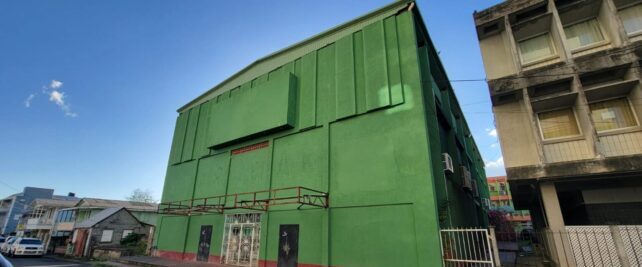
    Dominica’s iconic cultural landmark, the Arawak House of Culture, has been mired in public debate over its future for years, and now Prime Minister Roosevelt Skerrit has thrown his weight behind a radical new proposal: fully relocating and rebuilding the facility from scratch rather than continuing costly repairs on the existing structure.

    The decades-old cultural hub, which long served as Dominica’s primary public theater and a core gathering space for the island’s artistic community, suffered catastrophic damage when Hurricane Maria made landfall in 2017. In the years following the storm, attempts to restore the building have drawn sharp criticism from leading arts figures, who have questioned the transparency and effectiveness of the rehabilitation process.

    Speaking at a recent press conference, Skerrit argued that pouring more funds into repairing the original building is a waste of public resources, warning that the aging structure risks becoming an endless “money pit.” “It’s an old building, there is no parking for patrons. It was built for a different period in time, and once you start touching an old building, problems will keep piling up,” he explained. The prime minister added that unforeseen issues always push rehabilitation costs far beyond initial projections, noting that contingency budgets for old building projects often end up exceeding the cost of new construction.

    A full technical review conducted by the Ministry of Public Works pegs the total cost of full rehabilitation at $4.5 million, with persistent issues ranging from outdated electrical and lighting infrastructure to widespread termite infestation throughout the building.

    Instead of sinking that sum into repairs, Skerrit is pushing for the government to acquire new land in an accessible location near Canefield or Roseau to construct a modern, purpose-built cultural facility. He outlined a vision for a new space that includes amenities long missing from the original building, such as public parking, a on-site coffee shop and dining area, and updated technical infrastructure that can accommodate modern events.

    “We have to think bigger. This thing about trying to fix an old thing doesn’t make sense,” Skerrit said, adding that a new facility could serve the Dominican people for the next 40 years, a much longer lifespan than a repaired original building could offer. The prime minister also proposed assembling a broad-based committee made up of public officials, cultural enthusiasts and community activists to gather input from all stakeholders before a final decision is made. “We need to sit down within the public service and engage other stakeholders to determine what we do: Do we, for posterity, keep the Arawak and spend $4.5 million or do we look for a new location and do something that can last us for the next 40 years?” he queried.

    Skerrit’s latest position marks a notable shift from government plans earlier this year. Back in January 2025, the administration signed an EC$113,000 contract with Caribbean Building Specialties Ltd. for waterproofing work on the building’s galvanized roof, a first step in a planned full overhaul. That work, completed earlier this year, was announced by Skerrit during an April 2025 appearance on the Creole HeartBeat Program hosted by Ambassador Leroy ‘Wadix’ Charles. At that time, the government outlined a full rehabilitation plan that included restoring the building’s external and internal structures, upgrading the stage, seating, flooring, foyer and air conditioning, and installing new sound, lighting and decorative features. The revamped facility was expected to become the primary host for major national events including Independence Day celebrations, DOMFESTA, Carnival and Emancipation observances.

  • Evening Stars Barbados pushes for autism support and inclusion

    Evening Stars Barbados pushes for autism support and inclusion

    Across Barbados, a quiet, community-led revolution in autism care and support is gaining momentum, driven by a mother’s personal journey and a commitment to ensuring no family affected by autism navigates their challenges in isolation. At the center of this growing movement is Evening Stars Barbados (ESB), a volunteer-led nonprofit organization established in 2025 by Sonia Maloney, whose experience raising an autistic daughter inspired her to turn personal struggle into a mission of widespread change.

    In an exclusive interview with local outlet Barbados TODAY, Maloney shared that her 13-year-old daughter’s diagnosis and the subsequent challenges of navigating existing support systems revealed critical gaps that extended far beyond her own experience. After connecting with other parents of autistic children, she confirmed these systemic shortcomings were not isolated incidents, prompting her to launch an organization that could guide families through complex processes and help them avoid the obstacles she had encountered.

    The core unmet need ESB was created to address is the lack of structured support for autistic children and their families outside of standard school hours—a gap that places disproportionate strain on low-income and single-parent households. To solve this, the nonprofit has centered its work on three key priorities: direct practical support, community education, and systemic advocacy, all while partnering with established disability organizations rather than competing with them.

    Practically, ESB offers two immediate, high-impact services: after-school programming for autistic children and respite care that gives caregivers much-needed breaks to preserve their personal and financial independence. Looking ahead, Maloney has laid out an ambitious plan to expand this practical support with an innovative cooperative model that allows neurodivergent people and parents with marketable skills to sell their crafts and products through an ESB shop, helping families retain economic stability while building community.

    Education forms the second foundational pillar of the organization, with monthly workshops open to parents, educators, and community members. Maloney noted that three-quarters of past workshop attendees have been classroom teachers, revealing a clear unmet demand for training: most educators report feeling under-equipped to support autistic students and are actively seeking evidence-based guidance to create more inclusive learning environments. The next public workshop is scheduled for April 14 from 6 p.m. to 7:30 p.m. at the Black Rock Chapel of The Church of Jesus Christ of Latter-day Saints, with open registration available via the organization’s Facebook page.

    To mark Autism Awareness Month, ESB has also been conducting outreach to primary and secondary schools across the island, leading informational sessions for both parents and teachers to deepen public understanding of autism. Maloney emphasized that one of the most persistent cultural barriers to support is the stigma that leaves many autistic children invisible: many self-regulatory behaviors commonly misunderstood by the general public are simply healthy coping mechanisms for autistic people, a misconception that targeted education can correct.

    To build long-term cultural change, Maloney argues that education must start early, teaching younger generations about neurodiversity and how to support their autistic peers. On a systemic level, she is advocating for simple, inclusive changes across all Barbadian schools—not just special education facilities—including adding small sensory-friendly spaces in every classroom to give autistic students the environment they need to thrive. “Inclusion is not segregation. It is making sure every child gets what they need to be able to function,” she explained.

    While Maloney acknowledged that public awareness of autism has improved in Barbados in recent years, she stressed that widespread acceptance and comprehensive support remain out of reach for too many families. As a volunteer-driven nonprofit affiliated with the community giving network Give Back Barbados, the organization relies on ongoing support from the public, with recruitment for new volunteers open via ESB’s social media channels.

    ESB also prioritizes collaboration over competition, partnering with long-standing local groups including the Autism Association of Barbados and the Barbados Council for the Disabled to amplify existing services rather than duplicate them. At its core, the organization is built on the values of hope, dignity, and radical inclusion, with a vision of a Barbados where every autistic child is valued, fully supported, and given the space to shine. Far from waiting for systemic change to come from the top down, Maloney and the ESB community are building that future from the ground up: “We’re not waiting… we’re helping ourselves. We’re advocating for our communities,” she said.

  • ‘Moral blindness’: UK far-right pol slammed for plan to deny visas over reparations

    ‘Moral blindness’: UK far-right pol slammed for plan to deny visas over reparations

    A major diplomatic and political row has erupted after Nigel Farage, leader of Britain’s far-right Reform UK party, sparked international outrage by proposing that a future Reform UK government would block all visa applications from Caribbean and African countries that demand reparations for the transatlantic slave trade. The policy, which explicitly targets nations including Barbados and other former British Commonwealth states that have led global reparations advocacy, has drawn sharp condemnation from Barbadian officials, who have labeled Farage’s stance a demonstration of “profound moral blindness”.

    Despite holding just eight seats in the UK national parliament, Reform UK – an ultra-conservative, anti-immigration party that has gained significant traction among British voters – currently leads national opinion polls ahead of the UK general election scheduled to take place by 2029. In defending Farage’s proposal, Reform UK officials have described reparations demands as “insulting”, arguing that they erase the UK’s historical legacy as the first major global power to abolish slavery and enforce its ban across the Atlantic.

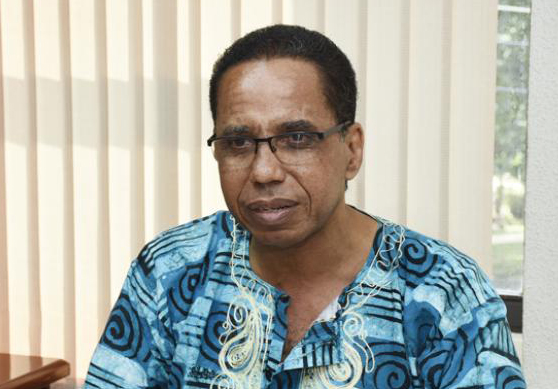
    That framing has been firmly rejected by leaders of Barbados’ reparations movement. Ambassador David Comissiong, deputy chair of the Barbados National Task Force on Reparations, told local outlet Barbados TODAY that Farage’s out-of-touch position will not weaken the reparations campaign – instead, it will galvanize advocates to double down on their efforts. The core goals of the reparations movement extend far beyond direct cash payments, Comissiong explained, and include targeted action: restoring stolen cultural artifacts and institutions, addressing ongoing public health disparities rooted in centuries of slavery, eliminating illiteracy across former enslaved nations, and facilitating equitable technology transfer.

    “Far from causing anyone to back off from the reparations issue, it is going to, in fact, motivate us, the reparations campaigners, to actually double down in telling the story, educating national public opinion, confronting people like Mr Farage with the hard facts and truth of that tragic history,” Comissiong said in the Friday interview. He added that Farage appears to misunderstand the massive scope of his own proposal: a visa ban would bar entry to the UK for nearly all citizens of English-speaking Caribbean and African nations, a policy that would carry severe negative consequences not just for affected countries, but for the UK and the entire Commonwealth of Nations.

    Comissiong argued that Farage’s stance reflects a stubborn historical strain of denial within sections of British society, one that refuses to acknowledge the grave crimes committed by the British Empire. “As an empire, they committed serious, serious crimes in dominating non-native people, enslaving, carrying out genocide of the native people, and constructing this terribly devilish and inhumane system of racialised chattel slavery, where they denied human status to a large segment of the human family,” he said. Centuries after abolition, this persistent refusal to confront the harms of slavery – harms whose intergenerational impacts endure to this day – and to humbly admit wrongdoing is exactly what qualifies Farage’s position as morally blind, he added. The only cure for this denial, Comissiong noted, is widespread public education about the true history of the transatlantic slave trade.

    Crucially, Comissiong emphasized that Farage’s position is out of step even with leading British institutions. He pointed to King Charles III’s public acknowledgment that a conversation about reparations is long overdue, as well as the Church of England’s formal admission of complicity in the crime of slavery, followed by a public apology and the launch of a dedicated reparative justice funding program. He also noted that prominent established British families with ties to the slave trade, such as the descendants of the Jacobeans and the Gladstones, have issued public apologies for their ancestors’ roles and launched their own reparative justice initiatives.

    In a separate exclusive interview with Barbados TODAY from his London office on Friday, Barbados’ High Commissioner to the UK Edmund Hinkson reaffirmed Barbados’ unwavering commitment to the reparations cause, even as he declined to comment on UK domestic political protocol. Hinkson stressed that Barbados fully endorses the United Nations resolution that formally classifies the transatlantic slave trade as the worst crime against humanity in recorded history. He also expressed regret that while the resolution passed with overwhelming support, endorsed by 152 of the UN’s 193 member states, the UK and all European Union nations that participated in the slave trade abstained from the vote.

    Hinkson also pushed back against a common misleading narrative in British media and political circles that Caribbean reparations advocates are demanding direct cash payments of between £18 trillion ($48 trillion) and £24 trillion ($65 trillion), an estimate of the value of forced labor extracted from enslaved people by British actors including commercial banks, insurance companies, the Church of England, and a majority of 19th-century British parliament. “Of course, none of the countries that were involved in this tremendous international crime have that money right now. We are not asking for that kind of money by itself … that is not at the forefront. We understand that the practicality of that money will not be paid,” he explained.

    Instead, Hinkson outlined the movement’s core priorities, starting with a full, formal apology from the British government for the country’s role in the slave trade. Critics often argue that modern Britons should not apologize for crimes committed by their ancestors, but Hinkson countered that descendants of slave owners and traders continue to reap massive economic and social benefits from their ancestors’ exploitative actions. Beyond a formal apology, the movement’s demands mirror those laid out by Comissiong: the repatriation of stolen cultural artifacts held in British museums, targeted support to address the public health crisis that stems from the intergenerational trauma of slavery – Caribbean nations have some of the highest global rates of chronic conditions including hypertension and both types of diabetes – programs to eliminate illiteracy, support for psychological rehabilitation for affected communities, equitable technology transfer, and widespread debt cancellation for former colonial nations.

  • Michael Joseph to be given full ministerial portfolio, ABLP Leader says

    Michael Joseph to be given full ministerial portfolio, ABLP Leader says

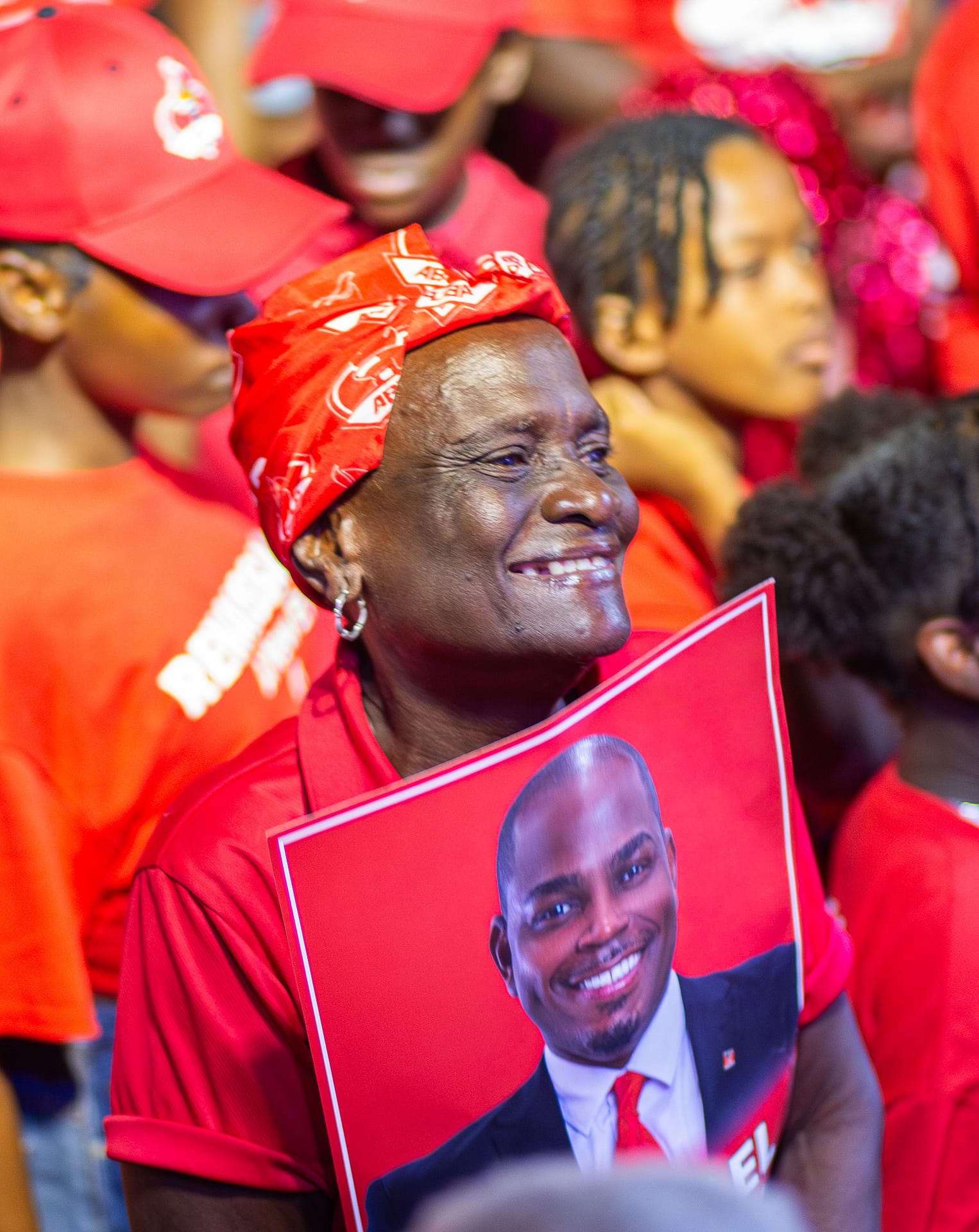
    In a significant political development that reshapes the cabinet landscape of Antigua and Barbuda, the leader of the Antigua Barbuda Labour Party (ABLP) has formally announced that Michael Joseph will be entrusted with a complete, full ministerial portfolio, ending weeks of speculation over his role in the new administration.

    Political observers have noted that this appointment marks a key strategic move for the ABLP, which has prioritized putting forward experienced and trusted figures to lead critical government departments. Michael Joseph, who has long been regarded as a reliable party stalwart with deep roots in community advocacy, has already built a reputation for pragmatic policy approach and close engagement with grassroots constituents across the country.

    The ABLP leader made the confirmation during a recent press briefing, where he emphasized that the decision to grant Joseph a full portfolio reflects the party’s confidence in his ability to deliver on the government’s campaign promises. While the specific department that Joseph will oversee has not yet been officially disclosed, insiders close to the party suggest that it will be a key economic or infrastructure-focused portfolio, areas that the current administration has identified as central to driving post-pandemic recovery and long-term national growth.

    Prior to this announcement, Joseph had been serving in a caretaker capacity for the ministry, leading interim projects and coordinating with departmental staff to maintain operational continuity. The transition from an acting role to a full ministerial appointment is expected to bring greater stability to the department, allowing for long-term policy planning and the implementation of key infrastructure and social projects that have been pending approval.

    Political analysts point out that this cabinet adjustment also signals the ABLP’s efforts to strengthen its internal unity ahead of upcoming local electoral cycles, by rewarding party loyalty and recognizing the contributions of long-serving members. Local business groups and civil society organizations have expressed cautious optimism, stating that they look forward to seeing Joseph’s policy priorities once the portfolio is officially announced, and hope that his tenure will bring increased transparency and progress to the assigned government department.

  • NBD’s net profit for 2023–2024 signals strong financial performance, says chairman

    NBD’s net profit for 2023–2024 signals strong financial performance, says chairman

    At its 21st Annual General Meeting of Shareholders held Thursday at the St. Alphonsus Parish Hall in Goodwill, the National Bank of Dominica Ltd. (NBD) announced a robust financial performance for the 2023–2024 fiscal year spanning July 1, 2023, to June 30, 2024. NBD Board Chairperson Urania Williams revealed the leading Dominican financial institution recorded an 18 million Eastern Caribbean dollar net profit for the period, a result that leadership framed as a major milestone amid challenging market conditions.

    In the bank’s newly released annual report, NBD provided a full transparent accounting of its outcomes and activities delivered to its core stakeholders: shareholders, employees, customers and the local Dominican community. Williams noted that the bank built on the solid foundational growth cultivated in preceding years to advance a broad organizational transformation initiative, all while navigating an increasingly complex and highly competitive regional financial ecosystem.

    “Our strategy remained anchored in five core pillars: strengthening overall financial performance, elevating end-to-end customer experience, enhancing enterprise-wide operational excellence, deepening governance and compliance maturity, and investing in our people and organizational culture,” Williams explained during the meeting. She added that the structure of the 2023–2024 annual report is fully aligned with the institution’s annual performance plan for the fiscal year, ensuring clear connection between core strategic goals, on-the-ground execution, and stakeholder accountability across both sustained finance and market performance initiatives.

    Williams emphasized that hitting the XCD $18 million net profit target is no small achievement, crediting the strong result to the bank’s clear long-term vision, consistent disciplined execution, and its skilled, dedicated team. She noted that strategic decisions implemented in prior years created the stable foundation required for this outcome, and have positioned NBD to deliver even stronger returns in the upcoming 2024–2025 fiscal cycle.

    Key strategic initiatives that drove year-over-year revenue growth centered on expanding income from new and existing product and service lines, most notably new card-based financial offerings, including full credit card services powered by the FISERV digital platform. Williams pointed out that these expansions directly align with the bank’s core priority of diversifying revenue streams to match shifting consumer and business demands across Dominica.

    Improving overall loan portfolio asset quality remains a top organizational priority for NBD, Williams confirmed. The bank has rolled out a series of targeted measures to reduce its share of non-performing loans (NPLs), with the explicit goal of bringing the NPL ratio in line with the institution’s long-term strategic target. These actions include the sale of impaired debt portfolios to external third-party collection agencies, the launch of a standardized early delinquency notification system, and the creation of formal protocols to proactively move high-risk vulnerable accounts to the bank’s in-house Recoveries Unit for accelerated intervention.

    Williams noted that these combined efforts have reinforced NBD’s longstanding commitment to prudent, risk-aware credit management, reduced the bank’s overall credit risk exposure, and strengthened the long-term sustainability of its entire loan portfolio.

    As the largest leading financial institution in Dominica, NBD reported total consolidated assets of XCD $1.77 billion, equal to roughly USD $655.9 million, as of the June 30, 2024 end of the fiscal year. Founded in 1978, the bank has centered its mission on empowering individual consumers, local businesses, and community groups across the island. It has also earned formal recognition from the Eastern Caribbean Central Bank (ECCB) for its standout work as a responsible corporate citizen. For the 2022–2023 fiscal year, NBD reported a net profit of more than XCD $11 million, marking a more than 63% year-over-year increase in net profit for the 2023–2024 period.

  • Body Found Identified as Belize City Fisherman

    Body Found Identified as Belize City Fisherman

    On the morning of April 10, 2026, law enforcement authorities in Belize City confirmed the identity of a deceased male found earlier that day in an undeveloped area adjacent to the Port of Belize City, bringing a formal close to the hours-long search for a local fisherman reported missing just hours prior.

    When first responding to the search area, officers encountered the motionless body of an adult male, who showed clear evidence of gunshot wounds to his body. Following preliminary forensic and background checks, the victim was officially identified as 18-year-old Jaheil Westby, a Belizean fisherman who resided full-time in Belize City.

    The chain of events that led to the discovery began when Westby’s mother contacted Belize City Police at approximately 6:45 a.m. that same morning to file a missing person report. She told investigators that her son had failed to return home after a fishing trip the previous day, and that he was last spotted at around 3:00 p.m. Thursday, when he left their family residence accompanied by a 16-year-old male friend to head to a local fishing spot.

    Acting immediately on the information provided by the mother, investigative teams launched a targeted search of the coastal region where the two teenagers had planned to fish. It was during this sweep that authorities located Westby’s body in the secluded area behind the port facility. As of the latest update, police have not released additional details about the status of the 16-year-old companion or any potential suspects or motives connected to the shooting, with the investigation still in its early active phase.

  • Health Ministry on Prescription Enforcement: ‘No Interviews…Until Monday’

    Health Ministry on Prescription Enforcement: ‘No Interviews…Until Monday’

    A public debate is quickly escalating over a new policy from Belize’s Ministry of Health and Wellness that imposes mandatory prescription requirements for all forms of hormonal contraception, including birth control pills, patches and injections. The rule has already divided public health stakeholders, with the ministry defending the change as a critical patient safety measure while women’s reproductive health advocates warn it will cut off access for vulnerable groups across the country.

    Shortly after posting a brief announcement about the policy on its official Facebook page, the ministry declined to answer further questions from media, confirming only that Director of Health Services will deliver a full public briefing on the measure next Monday. In its initial public statement, the ministry explained that the new requirement is designed to guarantee that hormonal contraceptives are only used after a full review of a patient’s unique health profile. These medications carry known health risks that can vary widely from person to person, the argument goes, so individualized medical assessment is necessary to prevent adverse outcomes.

    Specifically, ministry officials note that clinicians will screen for key risk factors including a history of blood clots or stroke, chronic high blood pressure, regular tobacco use, chronic migraines, and other pre-existing underlying health conditions before writing a prescription. To push back against early criticism that the rule will restrict access, the ministry also emphasized that valid prescriptions can be issued for up to 12 months, and routine contraceptive consultations also provide opportunities for patients to access a wider range of complementary reproductive health services.

    But the policy has already drawn fierce pushback from leading women’s health advocates, who argue the unanticipated change will undo decades of incremental progress expanding reproductive autonomy in Belize. Joan Burke, executive director of the Belize Family and Life Association (BFLA) — an organization founded in 1985 to address soaring adolescent pregnancy rates — told reporters the new mandate puts low-income, rural and marginalized women and girls in particularly dangerous positions.

    Burke’s core criticism centers on the dramatic cost increase the requirement will impose on contraceptive users. Previously, over-the-counter hormonal contraceptives cost roughly $10 on average; once mandatory doctor consultation fees are added, that total jumps to $85 or more per cycle. For women living in rural areas with limited access to affordable healthcare, or for women in abusive or controlling relationships where they do not have independent access to household funds, that cost increase acts as an insurmountable barrier to access, she explained.

    “Just imagine having to find $85 for a month, getting that $85 from the person who basically controls you every day,” Burke said. She warned that cutting off access to reliable contraception will lead to a wave of negative public health outcomes, including increased rates of unintended teen pregnancy, higher rates of preventable maternal health complications, and a rise in the number of people seeking unsafe, unregulated abortions.

    Notably, Burke clarified that BFLA does not oppose voluntary medical consultations for contraceptive users — the organization only objects to making prescriptions a legal mandate. “We are not opposed to consultation. But to have it that a prescription is required, I am not in favour of that,” she said. “We are putting so many women and girls at risk by that decision.” Burke also questioned whether the ministry conducted sufficient stakeholder consultation before rolling out the new rule, and called on policymakers to reverse course and re-evaluate the policy.

    As the debate continues to grow, the public will have to wait until Monday for further official details from the Ministry of Health and Wellness on the implementation and timeline of the new prescription requirement.