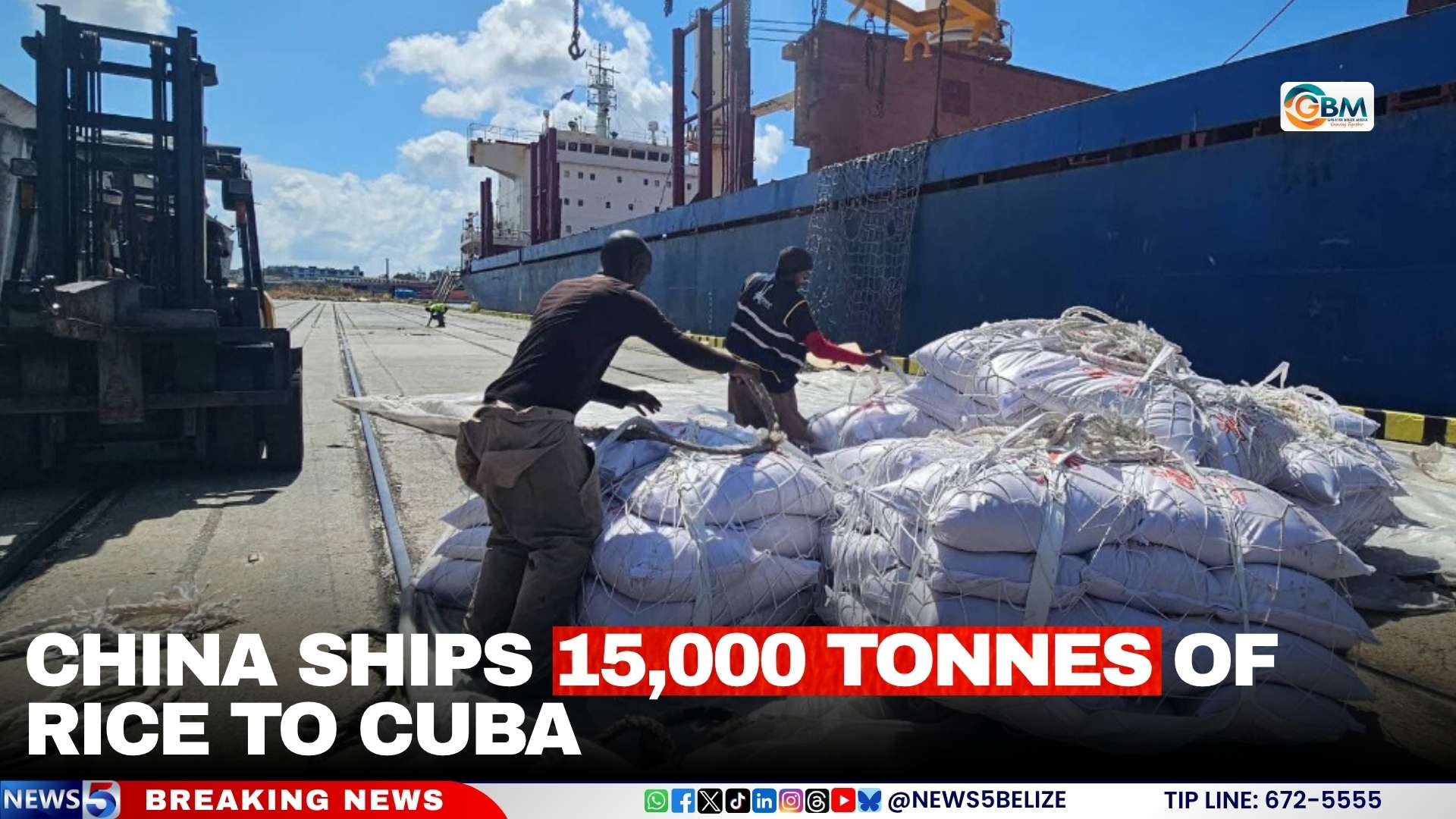
As Cuba grapples with deepening food scarcity and a catastrophic energy crisis worsened by decades of tightened U.S. economic restrictions, the first shipment of a major Chinese food aid package has arrived in the capital Havana. The 15,000 tonnes of rice delivered this week marks the opening installment of a 60,000-tonne total food assistance commitment from China, the largest single food aid package China has extended to Cuba in recent years.
Chinese Ambassador to Cuba Hua Xin emphasized during the arrival that the delivery is far more than a material assistance gesture: it embodies the long-standing solidarity and reciprocal support that have defined bilateral relations between Beijing and Havana for decades.
Cuba’s current crisis stems largely from the stringent U.S. economic blockade that has cut off the island nation from most global trade and critical supply chains for decades. The situation has deteriorated sharply in recent months, pushing the country’s already fragile energy infrastructure to a breaking point. According to reporting from Spanish newspaper El País, Cuba’s national power grid has suffered total collapses seven times over the past 18 months, with two major outages recorded in March 2026 alone. Some communities have been left without power for up to 24 hours at a time, crippling food production, distribution, and basic public services.
A brief reprieve came in late March, when a Russian oil tanker delivered more than 700,000 barrels of crude to the island with rare U.S. approval, cutting the country’s energy deficit by nearly half. But the relief was short-lived: the supplementary supplies were exhausted within weeks, and by May 2026, the crisis had worsened again, leaving fuel for power generation and transportation in critically short supply.
Betsy Díaz, Cuba’s Minister of Domestic Trade, confirmed that despite ongoing fuel shortages that complicate ground transportation, national authorities are prioritizing the rapid distribution of the newly arrived Chinese rice to vulnerable populations across the island.
The food and energy crises have unfolded alongside a new wave of political tensions between Cuba and the United States. This week, thousands of Cuban demonstrators gathered outside the U.S. Embassy in Havana to express support for former Cuban president Raúl Castro, after U.S. authorities announced criminal charges against him linked to the 1996 downing of two civilian planes operated by a U.S.-based Cuban exile group.