博客

  • Experts Warn, Development is Driving Placencia’s Beach Erosion

    Experts Warn, Development is Driving Placencia’s Beach Erosion

    At a community gathering held to address Placencia Peninsula’s worsening beach erosion crisis, environmental experts delivered a clear, sobering assessment: the peninsula’s disappearing shorelines are not a random natural event — they are the direct cost of rapid, unregulated coastal development.

    According to Anthony Mai, Chief Environmental Officer of Belize’s Department of the Environment (DOE), the agency has assembled a dedicated special task force to investigate the root causes of the region’s accelerating erosion and identify actionable solutions before irreversible damage occurs. Early research from the task force leaves no room for ambiguity: human-led development is the single largest contributor to the problem.

    Expert analysis shared during the meeting confirms that 72% of Placencia’s entire 16-mile coastline is already covered by built development, ranging from residential homes to tourist resorts and commercial infrastructure. Alarmingly, if current development rates hold steady, the entire coastline will be fully developed by 2035. This continuous construction places unprecedented pressure on fragile shoreline ecosystems, accelerating erosion rates and putting both existing coastal properties and the peninsula’s iconic public beaches at extreme risk of being lost entirely.

    Mai explained that the task force’s months-long research was designed to center community input, not just scientific findings. “We assembled the task force to conduct targeted studies across the peninsula to map erosion causes, given the high concentration of coastal structures,” Mai noted. “Last night’s meeting was a chance for experts to share their final findings, lay out practical, implementable solutions, and get feedback directly from the residents who live with this crisis every day.”

    What may come as a surprise to many residents is that 70% of the developed coastline already has some form of man-made erosion abatement structure in place — from seawalls to rock revetments — yet these interventions have failed to stop the shoreline from retreating. Experts emphasized that hard man-made structures often disrupt natural sand movement along the coast, worsening erosion in adjacent areas over time instead of solving the problem.

    Despite the grim warning, researchers have proposed a low-cost, locally accessible solution that could reverse much of the recent damage without requiring extensive new construction. New scientific surveys confirm that most of the sand eroded from Placencia’s beaches has not washed out into the open ocean. Instead, it has settled just offshore, within 15 kilometers of the original shoreline.

    This discovery opens the door for beach nourishment, a proven coastal management technique that involves dredging the offshore sand deposits and redepositing them on the eroding beaches to rebuild the shoreline. Leading researchers on the project argue that retaining existing coastal structures while replenishing lost sand is the most practical, environmentally sound, and economically feasible option available to Placencia right now.

    Unlike more expensive large-scale infrastructure projects, this approach leverages local resources, avoids major disruption to coastal ecosystems, and can be implemented relatively quickly to stop further shoreline loss. The proposal was shared openly with Placencia residents during the community meeting, with organizers now collecting local feedback before moving forward with a formal implementation plan.

    This report is a transcribed adaptation of an evening television newscast focused on coastal management challenges in Belize.


  • PM Briceño Addresses Amalia Mai’s Future

    PM Briceño Addresses Amalia Mai’s Future

    As public speculation grows over impending personnel changes at Belize’s Ministry of Foreign Affairs, Prime Minister John Briceño has stepped forward to dispel rumors and clarify the upcoming transition for Chief Executive Officer Amalia Mai, whose one-year contract is set to expire in the coming weeks.

    Contrary to circulating reports that frame Mai’s upcoming departure from the CEO post as a forced dismissal, Briceño emphasized that the move is the result of collaborative, mutually agreed planning between all involved parties. Both current Foreign Affairs Minister Francis Fonseca and Mai herself have concluded that the timing is ideal to bring fresh leadership into the senior role at the ministry, the prime minister confirmed.

    In his public statement addressing the transition, Briceño took the opportunity to underscore Mai’s longstanding contributions and outsized value to the nation of Belize. He made clear that the government has no intention of ending Mai’s public service; instead, officials plan to leverage her deep diplomatic expertise in a new, tailored role that aligns with her experience and interest in new professional challenges.

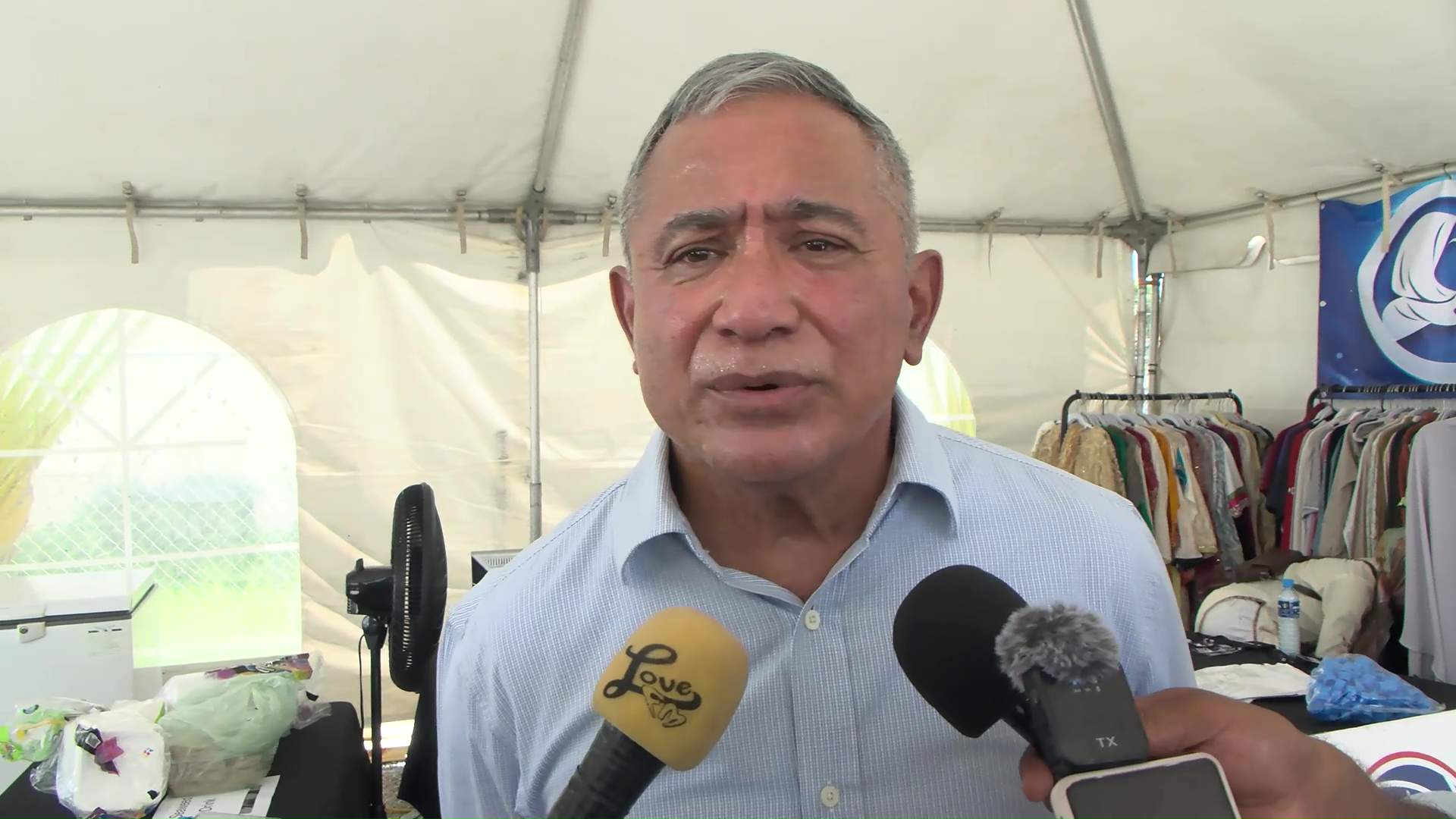
    “ The Office of the Prime Minister is not removing Amalia Mai as CEO, ” Briceño told reporters. “ She had a one-year contract, and she has indicated she is ready for a new opportunity. CEO appointments are made by the prime minister, in consultation with the relevant minister, and in this case, there is full mutual agreement that this transition makes sense. Mai has served in this leadership sphere for the past five years, and she is ready for a different challenge. This gives us the perfect opening to bring in a new CEO, maintain the strong progress the ministry has already made, and make any targeted adjustments that will help the department advance even further. ”

    When asked whether Mai has already been tapped for a specific overseas ambassadorial posting, Briceño confirmed that plans are still being finalized, but stressed that the government is fully committed to keeping Mai’s skills serving Belize on the global stage. “ It is not a matter of finding a post to fit Amalia; she is one of the most talented and capable diplomats Belize has ever had, ” he said. “ We are actively working out how best to use her expertise, because we absolutely want to keep her working for the country. Right now, we are still in discussions with Minister Fonseca to identify the best candidate to step into the CEO role. Once that decision is finalized, we will formalize what is next for Amalia – but make no mistake, we will be putting her considerable talent to work for Belize. ”

    Multiple insider reports indicate the most likely next step for Mai is an international diplomatic posting abroad, which would allow her to continue advancing Belize’s interests across the global diplomatic community, matching her expressed desire for a new professional challenge.

    This report is based on a transcript of a televised evening broadcast from Belizean local media, dated April 10, 2026.

  • Fuel Hikes Continue, PM Briceño Points to Tax Relief

    Fuel Hikes Continue, PM Briceño Points to Tax Relief

    Motorists across Belize are grappling with another round of financial pressure at fuel pumps, as the country announced its third fuel price increase in just a few weeks, marking a continued stretch of upward pricing that is straining household and business budgets.

    With global fuel markets continuing their upward trajectory, Prime Minister John Briceño has moved to clarify the government’s mitigation strategy, explaining that the administration has already absorbed tens of millions of dollars in foregone revenue by rolling back fuel taxes to shield consumers from the full brunt of global price gains.

    Speaking publicly on the policy, Briceño confirmed that the government has already forgone roughly $60 million in tax revenue from fuel cuts, with an additional recent tax reduction on premium gasoline bringing the total amount of foregone revenue close to $80 million. These cuts mean consumers do not face the full weight of ongoing global fuel price increases, Briceño emphasized.

    The revenue sacrifice is already taking a notable toll on the government’s public finances, he noted: the government currently collects only $200 million in total fuel excise taxes, making the near-$80 million in foregone revenue a substantial fiscal hit. To offset this lost income and accommodate the tax relief, Briceño has ordered a wide-ranging review of government spending to identify non-essential expenditures that can be curtailed amid the volatile fuel market.

    Domestic cost-cutting measures for public operations are already being rolled out. Briceño announced that the government is encouraging carpooling among public sector employees to reduce agency fuel consumption. A vehicle tracking system that restricts unauthorized after-hours use of government vehicles is already in place, and the initiative has generated several million dollars in savings to date. Looking forward, the Prime Minister confirmed he has asked the Ministry of Finance to draft a formal cabinet paper outlining spending adjustment options, so all government officials can align on the need for targeted spending cuts to sustain fuel tax relief for consumers, at least until global fuel market conditions stabilize.

  • Rain will begin in the early morning and will continue throughout Saturday, reports Indomet.

    Rain will begin in the early morning and will continue throughout Saturday, reports Indomet.

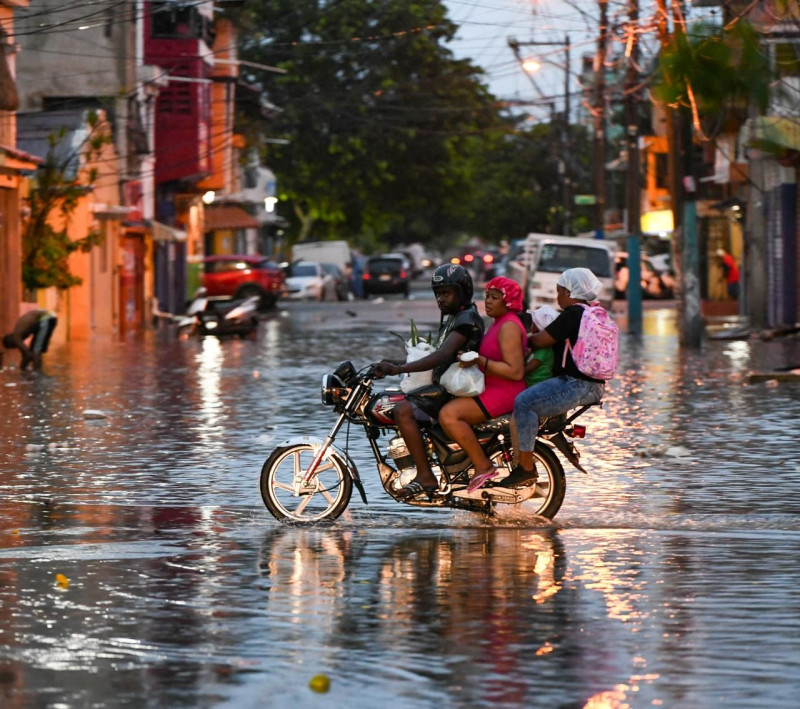
    SANTO DOMINGO – The Dominican Institute of Meteorology (Indomet) has issued public warnings that an approaching trough connected to a frontal system is set to trigger widespread heavy rainfall across more than a dozen of the country’s provinces, bringing with it a suite of potentially hazardous weather conditions over the coming three days.

    According to Indomet’s official forecast, the incoming precipitation will range from moderate to intense downpours, accompanied by sudden thunderstorms, strong wind gusts, and even isolated hailstorms in vulnerable regions. The first areas expected to feel the impact of the system include communities across Hato Mayor, Monte Plata, Sánchez Ramírez, Duarte, San José de Ocoa, Monseñor Nouel, La Vega, Santiago, Santiago Rodríguez, Dajabón, Elías Piña, San Juan, Puerto Plata, Espaillat, and Valverde, among other northern and central jurisdictions.

    By the early hours of Saturday, the trough’s advance will push scattered showers of varying intensity along the country’s entire Caribbean coastline, with precipitation forecast to persist through the full day. Indomet’s meteorologists note that rainfall will ramp up in intensity through Saturday afternoon, when residents across Greater Santo Domingo, Monte Plata, and most Cibao-region provinces can expect moderate to heavy downpours. The highest risk of severe weather — including isolated hail, thunderstorm activity and gusty winds — will be concentrated along the Central Mountain Range, the country’s western border with Haiti, and southwestern Dominican provinces.

    In response to the projected weather event, Indomet’s National Forecast Center has activated a multi-tiered system of warnings and alerts, highlighting the elevated risk of urban flash flooding, swelling rivers and creeks, sudden landslides, as well as ongoing severe wind and thunderstorm activity. Officials cautioned that existing alert levels could be updated over the next 24 to 72 hours as new meteorological data becomes available and the system progresses.

    As of the latest advisory, ten provinces are placed under full alert for hazardous weather: Monte Cristi, Monseñor Nouel, Bahoruco, Independencia, Monte Plata, San Juan, Dajabón, Puerto Plata, Elías Piña, and Santo Domingo. Three additional provinces — La Vega, Santiago, and Santiago Rodríguez — are currently under a lower-level weather advisory.

    Despite the incoming rain, Indomet forecasts that high temperatures will remain a concern for residents through the duration of the event. Warm, humid wind flow from the east and southeast will keep air temperatures elevated, particularly during afternoon hours, with urban areas facing even higher heat index values that can pose health risks to vulnerable groups. To prevent heat-related illness, the institute has issued public guidance advising residents to wear loose, light-colored clothing, maintain consistent hydration by drinking plenty of water, and limit extended exposure to direct sunlight during peak heat hours.

  • PM Slams Public Service Union Over Border Sick‑Out

    PM Slams Public Service Union Over Border Sick‑Out

    On April 10, 2026, a sudden industrial dispute upended travel at Belize’s busiest western border, sparking a public conflict between Prime Minister John Briceño and the nation’s Public Service Union amid the high-traffic Easter travel rush.

    Up to 12 immigration officers assigned to the key border crossing submitted sick leave requests on the same day, creating long delays for travelers and triggering immediate scrutiny from government authorities. The Ministry of Immigration launched a formal investigation into the incident, and several involved officers have already faced preliminary administrative action over the coordinated absence.

    Government officials have publicly stated they believe the simultaneous sick leave was an organized act of industrial protest, rather than a coincidental outbreak of illness among border staff. The union has pushed back firmly against these allegations, defending the participating officers and maintaining that every worker followed official sick leave protocols. In addition to rejecting the coordination claim, the union has issued a formal warning that it will pursue legal action against the government over the administrative penalties imposed on its members.

    Now, Prime Minister Briceño has publicly weighed in on the controversy, pushing back against the union’s position and calling for a more collaborative approach to resolving public sector workplace disputes. In his public remarks, Briceño questioned the credibility of the simultaneous sick leave, noting that the coincidence of eight to 10 officers falling ill on the same day during the peak Easter travel window is highly unlikely.

    Briceño also addressed allegations that some of the medical documentation submitted to justify the sick leave may be fraudulent, acknowledging that he has not personally reviewed the documents to confirm the claims. He emphasized that the government is obligated to take action to codify this type of coordinated action as illegal, arguing that public sector workers cannot simply step away from their duties en masse to protest working conditions or policy disagreements.

    Instead of coordinated work stoppages or planned absences, Briceño said public servants should raise their concerns through formal channels: meeting with agency chief executives, direct supervisors, or cabinet ministers to negotiate solutions to their grievances. The prime minister also called out the union’s president for his response to the incident, noting the leader’s known affiliation with the opposition United Democratic Party (UDP). While Briceño acknowledged that partisan affiliation is not inherently problematic, he called on the union president to set political loyalties aside to collaborate with the sitting government on addressing public service issues.

    “It is unfortunate that the public service president, instead of him giving an example or talk to his members to say this is not the way to behave, tends to want to celebrate them,” Briceño said in his remarks. “This is not how we address issues. We sit down and talk… It is really unfortunate and I wish we could work closer together in the intent of the public service.”

    The dispute has underscored growing tensions between the Briceño administration and public sector unions, with implications for border operations and public service delivery across the country as both sides prepare for potential legal action.

  • PM Briceño Backs Dr. Barnett Amid CARICOM Rift

    PM Briceño Backs Dr. Barnett Amid CARICOM Rift

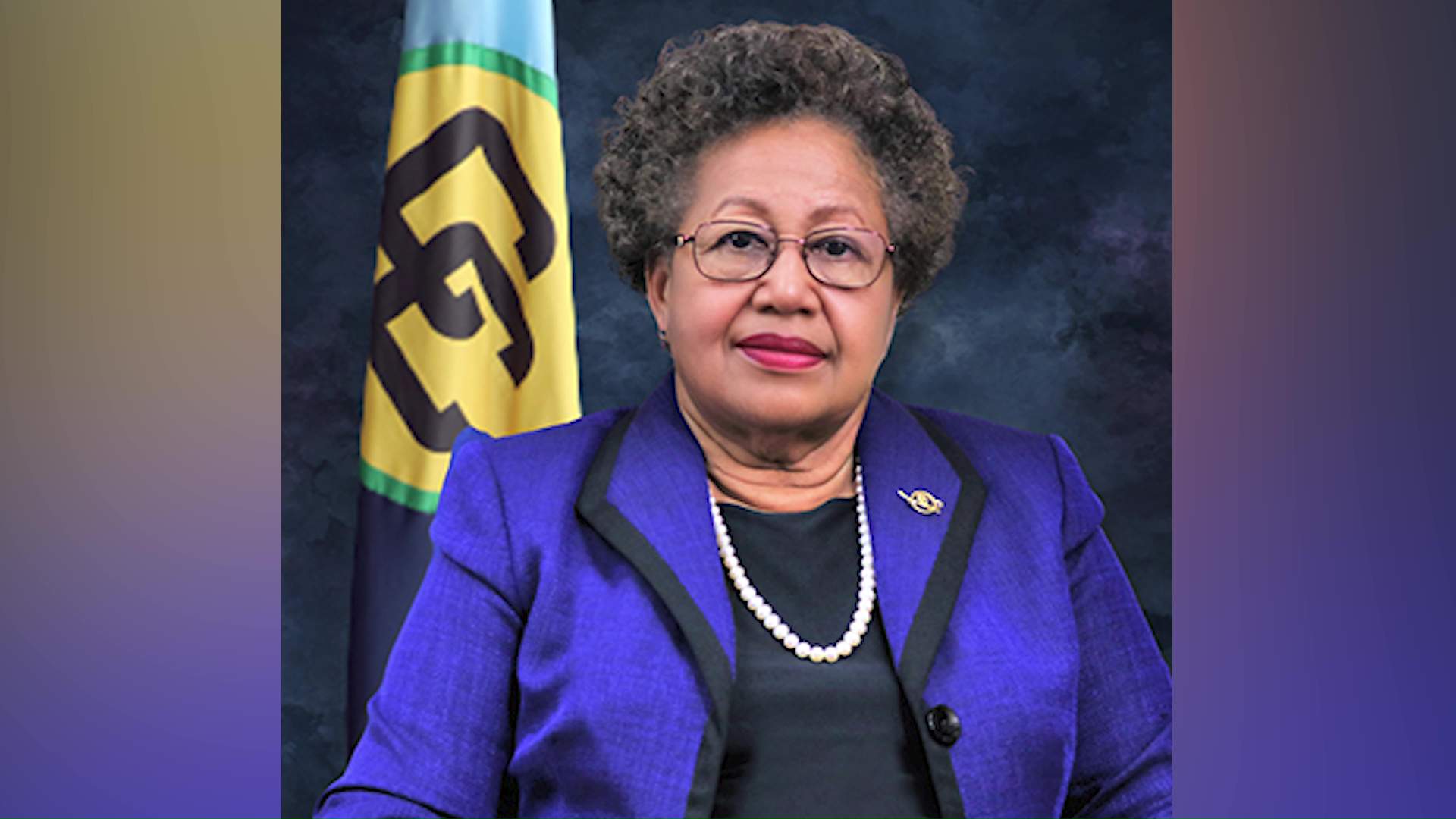
    A growing leadership dispute within the Caribbean Community (CARICOM) has prompted Belize Prime Minister John Briceño to publicly and firmly back incumbent Secretary-General Dr. Carla Barnett, pushing back against Trinidad and Tobago’s demands for a leadership shakeup at the regional bloc’s top administrative body. The rift emerged after Trinidad and Tobago Prime Minister publicly raised objections to the process that led to Dr. Barnett’s reappointment, with the Trinidadian government claiming it was improperly excluded from the consultations that finalized the decision.

    In a public statement addressing the growing internal divide, Briceño made clear that Belize stands unified behind Dr. Barnett, a Belizean national whom he described as exceptionally well-qualified for the role, and fully deserving of renewed confidence from CARICOM member states. Addressing domestic critiques that point to Dr. Barnett’s past affiliation with Belize’s opposition United Democratic Party (UDP), Briceño emphasized that partisan political differences within national borders do not override regional solidarity. “We might have our differences here in Belize, but outside of Belize we are one and stand by one another,” he noted.

    Briceño also pushed back on Trinidad and Tobago’s claims of exclusion, outlining the sequence of events that led to the country’s absence from the critical heads of government conference where the reappointment was advanced. He confirmed that Trinidad and Tobago’s prime minister made the choice not to attend the closed-door meeting of CARICOM heads, and when conference chair Prime Minister Drew of Saint Kitts and Nevis extended an invitation to the country’s foreign minister to attend in her place, the official declined the offer citing seasickness.

    Briceño acknowledged that Dr. Barnett’s tenure, like any leadership role, leaves space for incremental improvement, but added that such refinements should be addressed through internal discussion among member state leaders rather than public calls for her removal. The Belizean prime minister added that regional leaders will convene a new meeting in the near term to discuss the dispute, and expressed his hope that member states can reach a mutually agreeable resolution that preserves the unity of the 15-nation regional bloc.

  • Les Cayes, the PM reaffirms the State’s commitment to access to drinking water

    Les Cayes, the PM reaffirms the State’s commitment to access to drinking water

    Haiti’s Prime Minister Alix Didier Fils-Aimé has underscored the national government’s unwavering commitment to expanding reliable access to clean drinking water for all Haitian citizens during an official working tour of the country’s Grand South region. On Tuesday, April 7, the prime minister conducted an on-site inspection of the ongoing drinking water infrastructure upgrade project in the coastal city of Les Cayes, a stop that coincided with a landmark contract signing for new stormwater management facilities in the area.

    The contract signing ceremony marks a critical milestone in Haiti’s efforts to boost urban climate resilience, as the Grand South region has repeatedly faced growing climate-related flood risks in recent years. During his inspection, Fils-Aimé walked through the construction site to review the progress of installation works, holding detailed discussions with engineering and technical teams about the ongoing challenges to delivering sustainable, long-term drinking water access for local communities. Following these conversations, he publicly reaffirmed that the Haitian central government has placed the expansion of basic public services in under-served regional areas at the top of its national development priority list.

    The Les Cayes drinking water system upgrade is a core component of the country’s national Water and Sanitation Infrastructure and Development Program, which is being executed by Haiti’s National Directorate of Drinking Water and Sanitation (DINEPA). The initiative receives substantial financial backing from the Spanish Agency for International Development Cooperation (AECID), through the agency’s Water and Sanitation Cooperation Fund (FCAS).

    With a total program budget exceeding $101 million U.S. dollars, this large-scale development initiative carries a dual mission: to extend coverage of drinking water and sanitation services to unconnected communities across Haiti, and to strengthen the institutional capacity of national agencies working in the water sector. As of the end of December 2025, more than 80 percent of the total program budget has already been committed to ongoing projects across the country, reflecting steady and significant progress in national-scale implementation.

    Unlike many infrastructure initiatives that only target major urban centers, this program spreads investment across multiple cities and regions in both urban and rural Haiti. Its overarching goal is to deliver sustained, measurable improvements to quality of life for hundreds of thousands of Haitian residents across the country. Maintaining the program’s forward momentum, a separate assessment delegation led by Charles Jean-Jacques, National Authorizing Officer for European Development Funds (EDF), recently traveled to the city of Jérémie to inspect a nearly completed drinking water supply project. Once finalized, that facility will provide reliable clean water access to more than 40,000 local Jérémie residents, addressing a long-standing public service gap in the area.

  • Concept-staatsbesluiten tegen kinderarbeid stap dichter bij invoering

    Concept-staatsbesluiten tegen kinderarbeid stap dichter bij invoering

    On April 7, a key milestone in strengthening national child labor protection frameworks was reached during a stakeholder validation session hosted by the Directorate of Welfare and Labor of Suriname. Participants gathered to review two draft state decrees that will formalize rules surrounding permissible light work and restricted hazardous work for children and young people across the country: the Decree on Light Work and an updated version of the Decree on Hazardous Work.

    Broad consensus emerged among attending stakeholders around the urgent need to formalize these new regulations. To ensure inclusive and well-informed policymaking, stakeholders have been granted a two-week window to submit additional comments and adjustments to the draft texts. Once this public consultation period closes, the revised proposals will be forwarded to the relevant labor minister for review before ultimately being sent to the country’s president for final official approval.

    The new decrees are rooted in the 2018 Law on Employment of Children and Young Persons, a foundational piece of legislation that already sets out core age-based protections. Under existing law, children between the ages of 13 and 15 are only permitted to take on light work when strict regulatory conditions are met, while young workers aged 16 and 17 are barred from accepting any form of hazardous employment. The upcoming decrees will clarify and operationalize these existing principles, filling gaps in implementation guidance.

    Addressing attendees during the validation session, Deputy Minister Raj Jadnanansing emphasized that combating exploitative child labor is a shared responsibility that requires buy-in from all sectors of society. He noted that clear, enforceable regulations are non-negotiable to safeguard the health, education, and development of underage people, while policymakers must also balance these protections with the unique socioeconomic realities facing communities across the nation.

  • Bus Operators Seek Relief, Government Hits Pause

    Bus Operators Seek Relief, Government Hits Pause

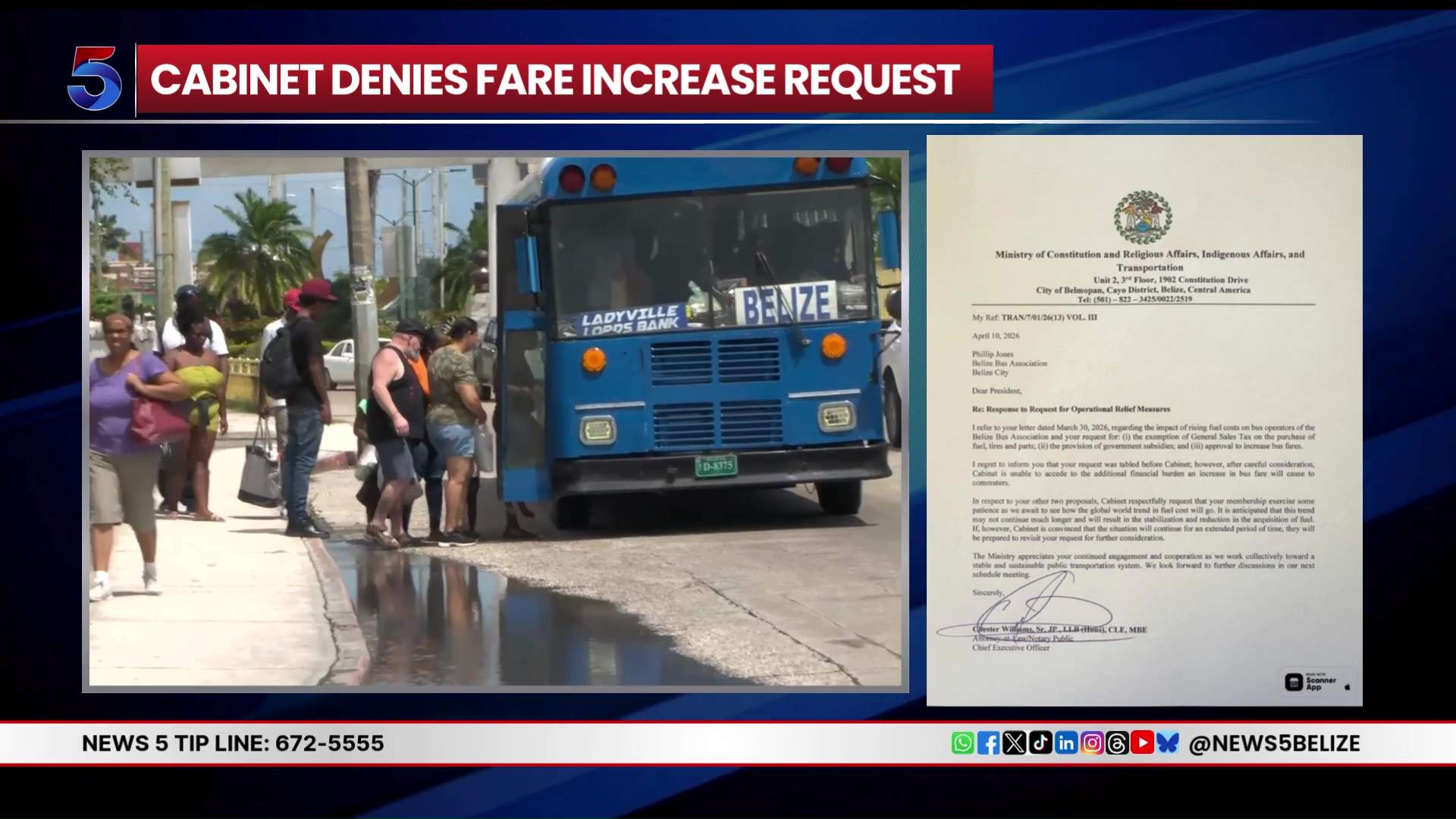
    Dated April 10, 2026, a developing policy standoff has emerged in Belize, where domestic public bus service providers are pushing for urgent government support, but top transportation officials have opted for a delayed decision to monitor shifting global energy markets.

    The Belize Bus Association (BBA), the industry body representing local bus operators, has formally submitted an appeal for government intervention, sounding the alarm that skyrocketing diesel costs have sent their day-to-day operating expenses soaring. If the cost pressure remains unaddressed, the association warns, the continuity and affordability of public transportation services across the country could face serious disruption.

    In an official statement following a Cabinet deliberation, Belize’s Minister of Transport Dr. Louis Zabaneh confirmed that government decision-makers have received and reviewed the BBA’s request, but have no immediate plans to approve relief measures. Dr. Zabaneh outlined that the administration is adopting a cautious wait-and-see approach, with officials closely tracking daily shifts in international fuel price trends to gauge future cost directions.

    “We reported back to the BBA Cabinet’s decision: we will continue observing global fuel prices over the coming weeks to map out how the trend develops,” Dr. Zabaneh explained. “Like nations across the globe, we are optimistic that prices will stabilize and fall back to the lower levels we saw just a few months ago. Only if we fail to see that downward trajectory will Cabinet revisit the association’s request. At this stage, we have asked the BBA to give us a few more weeks to monitor market movements before any final call.”

    In response to the government’s delay, the BBA has moved quickly to convene an emergency general meeting with its member operators to brainstorm and agree on next steps for the industry, as stakeholders await further developments in global fuel markets and government policy.

    This report is adapted from a transcribed evening television newscast originating from Belize.

  • John Mencias Leaves Transformed BEL Behind

    John Mencias Leaves Transformed BEL Behind

    In 2019, John Mencias took the helm as Chief Executive Officer of Belize Electricity Limited (BEL) at a critical juncture for the national utility. At that time, the company was grappling with two major interconnected challenges: decades-old, deteriorating infrastructure that struggled to keep up with rapidly growing consumer and commercial energy demand across the small Central American nation.

    Seven years into his tenure, as Mencias prepares to step down from his leadership role, he leaves an organization that has been fundamentally remade from the inside out, positioning BEL to support Belize’s ongoing national development for decades to come. Under his strategic guidance, BEL prioritized large-scale infrastructure modernization, pouring resources into updating outdated generation and distribution systems to strengthen the entire national power grid. This massive overhaul has translated to tangible improvements for end users, with far more consistent energy reliability across every region of Belize, even as overall energy demand has continued to climb.

    Beyond physical infrastructure, Mencias spearheaded a cultural and operational shift to center customer experience, a departure from the utility’s more traditional service model. He led the rollout of a suite of new digital self-service tools and comprehensive service upgrades that cut wait times, streamlined common customer interactions, and made accessing BEL support faster and more convenient than ever before.

    Internally, Mencias centered his leadership on BEL’s most valuable asset: its people. He implemented initiatives to foster a culture of innovation across all levels of the organization, made targeted investments in ongoing talent development and upskilling for employees, and built a more inclusive, collaborative workplace culture that aligned with the company’s modernization goals.

    The cumulative impact of these changes is a utility that is far more closely aligned with the needs of its customers, the priorities of its workforce, and the broader economic development goals of Belize. As Mencias departs, he leaves with gratitude for his time at the organization and confidence in the path BEL has forged. Stepping in to provide continuity for the ongoing transformation is Ambassador Lynn Young, who returns to the role of Executive Chairman, bringing decades of deep institutional experience and a steady hand to guide the utility through its next chapter of growth.