博客

  • After unsuccessful US-Iran talks, what next for Trump?

    After unsuccessful US-Iran talks, what next for Trump?

    After days of high-stakes closed-door negotiations in Islamabad, hopes for a breakthrough deal to de-escalate months of escalating conflict between the United States and Iran have completely collapsed, leaving U.S. President Donald Trump trapped between a set of unappealing policy choices that carry major domestic and international risks ahead of upcoming midterm elections. U.S. Vice President JD Vance, who led the American negotiating team in marathon talks with senior Iranian officials, left Pakistan without any framework for an agreement, shattering earlier expectations that a deal could ease the tensions that have rippled across the entire Middle East since conflict erupted in late February.

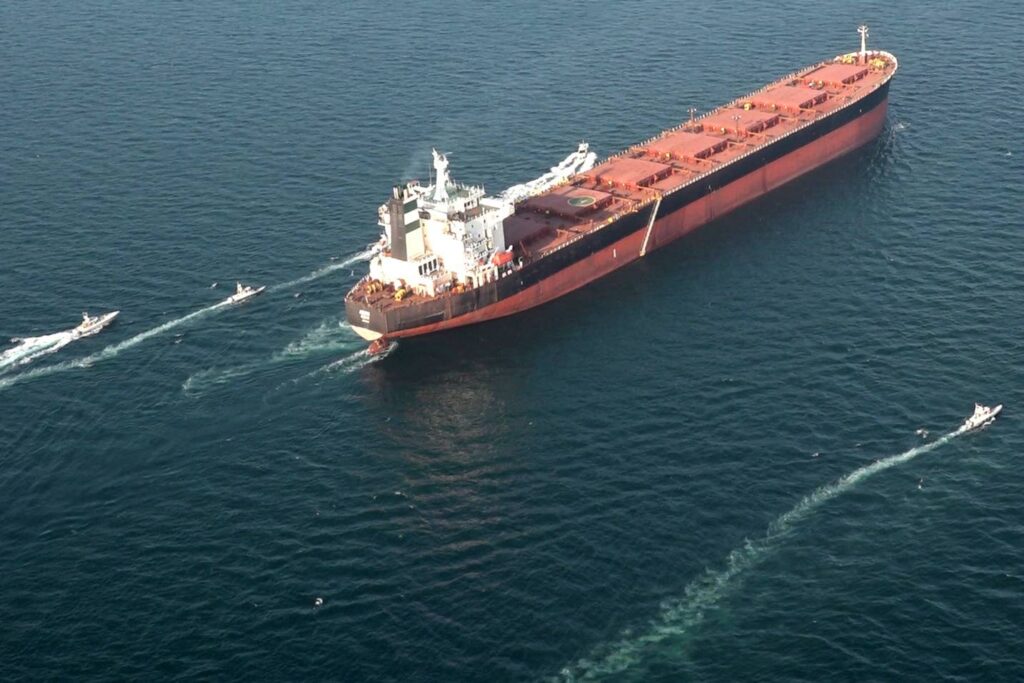
    The core challenge now centers on Trump’s earlier order to implement a full naval blockade of the Strait of Hormuz, the strategic chokepoint that carries roughly one-fifth of the world’s daily oil shipments, set to take effect this Monday. Independent regional and security analysts across the globe have warned that moving forward with the blockade would only complicate an already intractable crisis, while walking back the threat would undermine the Trump administration’s repeated public claims that Iran had been cornered and had “no cards” left to play.

    Domestically, ramping up military action carries significant political risk for Trump’s party ahead of the midterms. American voters are already grappling with surging gasoline prices driven by market uncertainty over Middle Eastern oil supplies, and a new round of escalation could further alienate an already skeptical electorate. The broader global economic impact also looms large: the proposed blockade would do little to ease the market volatility that has pushed energy prices higher in recent months, deepening the economic jitters already facing major economies worldwide.

    Many foreign policy experts have criticized the Trump administration’s approach to the crisis as unplanned and reactive. Brian Katulis, a senior fellow at the Washington-based Middle East Institute, argued that Trump’s off-the-cuff rhetorical style and frequent aggressive threats—what he describes as the president’s “carnival barker” approach—have left senior White House and Pentagon officials constantly scrambling to adjust policy with no clear long-term strategy. “He may be simply buying more time to move in more military assets or because he doesn’t know what else to do. I wouldn’t call it a strategy; it is a military-centric approach without strategy,” Katulis told AFP in an interview.

    Shibley Telhami, a leading scholar of Middle Eastern affairs at the University of Maryland and a nonresident fellow at the Brookings Institution, called the threat of a Hormuz blockade “bewildering and seems self-defeating.” He noted that Iran already has deep-seated distrust of Trump, and the unilateral threat has done lasting damage to America’s global diplomatic credibility. “Hard to understate what this makes of what’s left of America’s global credibility,” Telhami said.

    Tehran has already issued a sharp warning in response to the blockade threat. Iran’s powerful Revolutionary Guards, the country’s elite military force, pledged over the weekend that any hostile move against the strait would trap Tehran’s enemies in a “deadly vortex” of prolonged conflict.

    Israeli security analyst Danny Citrinowicz, a fellow at the Institute for National Security Studies in Tel Aviv, echoed the widespread skepticism that a blockade would force Iran to back down. “There is little reason to believe that a blockade would force Iranian capitulation. If anything, Iran’s demonstrated resilience thus far suggests the opposite,” Citrinowicz posted on the social platform X. He added that Iran’s size and mature military capabilities mean any sustained blockade would require massive, long-term commitments of American military and financial resources, a burden that the U.S. is poorly positioned to take on at this moment.

    Public opinion polling suggests that a prolonged military engagement would face significant pushback from the American public. A CBS News poll released Sunday found that negative emotions—worry, stress, and anger—far outweigh feelings of safety and confidence among U.S. adults when asked about the ongoing conflict. More than 80 percent of respondents said the U.S. should prioritize reopening the Strait of Hormuz to improve global oil access, lower domestic gas prices, and support greater freedom for the Iranian people, but fewer than 10 percent believe the Trump administration has made progress on any of those goals.

    “ I don’t see how, 40 plus days into this war, that we are safer, that our allies are safer. I’m not even sure Israel is safer,” Democratic Senator Mark Warner said Sunday on CNN’s *State of the Union*. “I don’t understand how blockading the strait is going to somehow push the Iranians into opening it. I don’t get the connection there.”

    Returning to sustained, meaningful negotiations also faces major hurdles, after Trump pulled the U.S. out of the 2015 multinational nuclear accord with Iran, which had restricted Tehran’s nuclear program in exchange for relief from crippling international sanctions. Democratic Senator Tim Kaine noted that the U.S. withdrawal from that previous agreement destroyed any remaining trust Iranian leaders might have had in Washington’s commitments. “This is not going to be an easy negotiation because the last negotiation that led to a control of Iran’s nuclear programme, the US made the decision to tear it up and walk away from the deal,” Kaine told CNN.

    Katulis echoed that assessment, arguing that mutual distrust runs deep on both sides. “Iranian officials are also untrustworthy and duplicitous, but the Trump Administration is providing the mirror image of that,” he said. “If I were an Iranian official leaving Islamabad, I would wonder if I am back on the Israeli kill list.”
  • Husband-and-wife duo switch to GenXs and loved it

    Husband-and-wife duo switch to GenXs and loved it

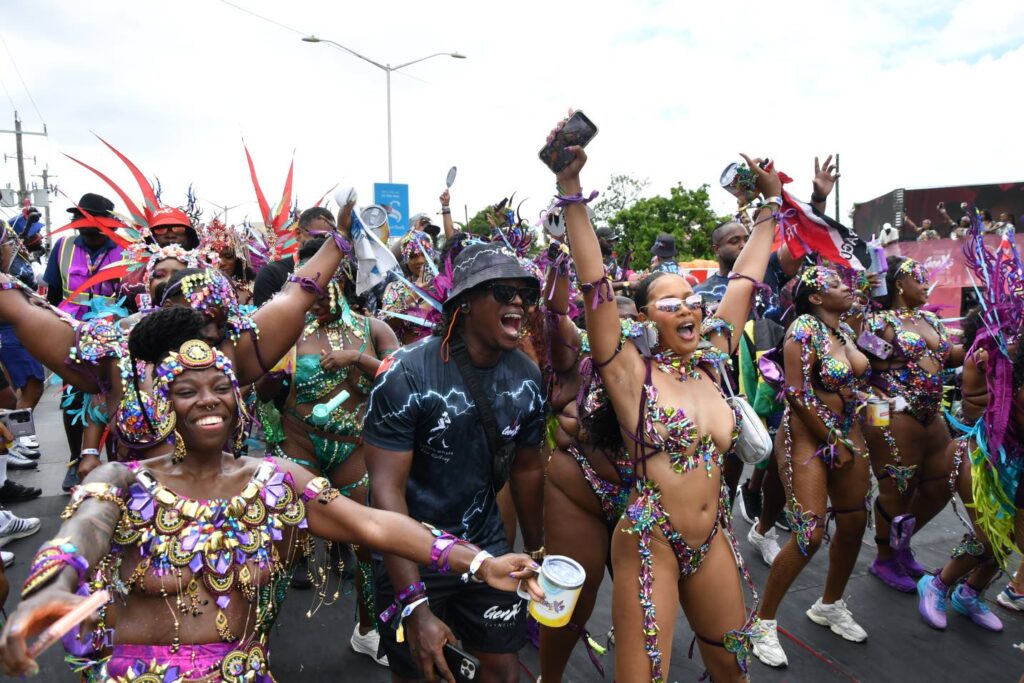
    Under the warm Jamaican sun, thousands of costumed revellers took to the streets for the annual GenXs Carnival parade on Sunday, drawing first-time participants, long-time Carnival fans and international visitors united by a shared love of soca music, celebration and community. For many attendees, this year’s event carried far more meaning than just a day of dancing and revelry, serving as a powerful symbol of the island’s resilience following a devastating natural disaster one year prior.

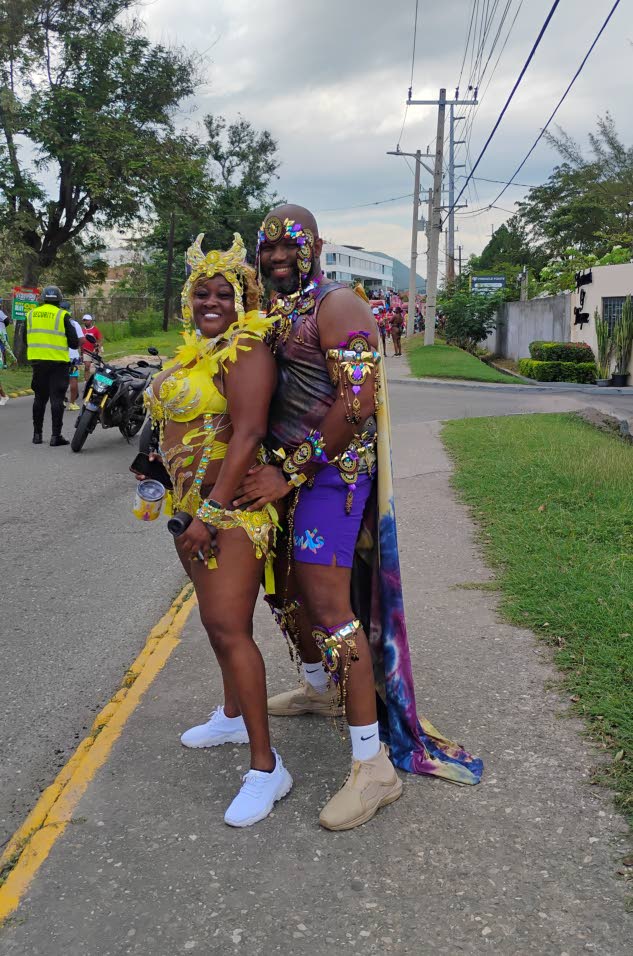
    For married couple Latara and Nicholi Stevens, Sunday marked a meaningful new chapter in their years-long Carnival tradition. The pair had attended the annual celebration since they were dating, and for years before their wedding they had chosen to parade with a different competing band. This year, however, they made the deliberate decision to switch and join the GenXs procession – and neither had any regrets about their choice.

    “I am so excited to be here – this is my first time jumping with GenXs, and I could not be happier,” Latara Stevens told the Jamaica Observer in an on-site interview. “I have always loved Carnival and soca music. We have been coming to this festival every year since before we got married, and it is such a special joy to be able to share this experience with my husband right here, right now.”

    Nicholi Stevens echoed his wife’s enthusiasm, noting that the couple’s love for soca runs so deep that they walked down the aisle to a piano arrangement of *Hello*, a popular soca track from artist collective Kestheband. He added that the event fell just days after the couple’s third wedding anniversary, making their first GenXs experience an even more memorable celebration of their marriage and shared hobby. “We usually stick with another band, but this year we decided to shake things up, and the energy GenXs brings is incredible,” he explained. “It’s just such a wonderful feeling getting to enjoy Carnival with my wife. This is a tradition we’ve kept up every year for longer than we’ve been married, and I wouldn’t trade it for anything.”

    For Nickesha Roach, a professional chef and seasoned Carnival attendee, simply having the event go ahead this year was a victory in itself. Last October, Category 5 Hurricane Melissa tore across Jamaica, leaving widespread destruction across large swathes of the island and casting deep uncertainty over whether 2024’s Carnival could proceed as planned. For Roach, the packed streets and smiling faces on Sunday were a powerful testament to Jamaica’s resilience.

    Standing out in her vivid, handcrafted Carnival costume, Roach said she could not have been happier to see the festival move forward after a challenging year. “This is not my first Carnival, but this year feels different,” she shared. “After Hurricane Melissa hit, we weren’t even sure if anything like this could happen this year. Having Carnival go ahead gives us all hope – it shows the whole country is bouncing back strong. This event brings so many visitors to our island, it boosts our local economy, and that matters so much to all of us right now. The energy on the road is amazing, I love the music and all the beautiful costumes – it just doesn’t get better than this.”

    The draw of Jamaica’s unique Carnival vibe brought attendees from across the globe this year, including Rosa Salinas, an Australian national who currently resides in Manchester, England. Salinas had previously participated in Carnival celebrations in Trinidad and Tobago, but said she had dreamed of experiencing Jamaica’s take on the festival for years – and it exceeded every one of her expectations.

    “I’ve always wanted to do Carnival in Jamaica, and so far it’s the best Carnival I’ve ever been to,” Salinas said. “I love everything about it – the Jamaican food, the warm hospitality of the people here, the infectious soca music, even this gorgeous weather. I made a new friend here from Puerto Rico on this trip, and she’s loving every minute of it too.”

    For Lori Brown, a Jamaican-born participant who now lives in Connecticut in the United States, Sunday marked her very first Carnival experience at any event, and she jumped at the chance to check it off her bucket list when her friends invited her to join GenXs. “Costumes and all the associated fees do add up to quite a bit of money, but it’s totally worth it,” she explained. “I love trying new experiences, my friends really wanted to come, so here I am – and I’m loving every second.”

    Even for repeat GenXs participants like Dr. Rebecca Waugh, this year’s event delivered the same electrifying energy that keeps her coming back. Waugh, a mental health professional with a doctorate in healthcare administration who now lives abroad, returns to Jamaica every Easter specifically for Carnival, combining the festival with a visit to her father, who still lives in her hometown of St Mary. This year marked her third time parading with GenXs, and she said the band has never let her down.

    “Carnival is actually what brings me back to Jamaica every year,” Waugh explained. “GenXs is number one – they always bring incredible energy, and this year was no exception. I work in the mental health sector, so I know better than anyone how important it is to prioritize mental well-being. Your mental health impacts every part of your overall health, and taking time to do things that bring you joy is a critical form of self-care. Being here at Carnival with everyone? This is my self-care, and it doesn’t get better than this.”

    Across the parade route, stories of new adventures, long-held traditions and shared resilience echoed the overarching mood of this year’s GenXs Carnival: a celebration of joy, connection and the unbreakable spirit of Jamaica.

  • JaBBEM slams proposal for hotel beach pass fees

    JaBBEM slams proposal for hotel beach pass fees

    A prominent Jamaican environmental and beach advocacy organization is pushing back against the Andrew Holness administration’s new beach access framework, arguing that the proposed policy falls short of guaranteeing unfettered public access to the island’s public foreshore lands.

    Last month, Prime Minister Andrew Holness tabled the long-awaited Beach Access and Management Policy in Jamaica’s Parliament, a piece of policy that aims to update outdated legal definitions of coastal land types including beaches, foreshores, backshores and water shelves. The proposal also maps out the government’s plan to formalize beach access rules, outlines necessary legislative changes, and revises approval requirements for new coastal development projects. A key provision of the draft policy encourages hotels that control sections of public beach to implement a tiered beach pass system, where non-hotel guests pay a government-consulted reasonable fee to access the stretch of beach within the hotel’s property.

    But Dr. Devon Taylor, president of the Jamaica Beach Birthright Environmental Movement (JaBBEM), says the proposed system violates the fundamental public right to Jamaica’s coastal lands, which are legally vested in the public trust. Taylor argues that under Jamaican law, all foreshores and seabeds are held in perpetuity by the Crown as a public trust for the Jamaican people, not for government or private commercial interests to monetize. “Foreshores are the heritage of the Jamaican people, enshrined in our constitution,” Taylor explained in an interview. “It is unacceptable for a private hotel to charge Jamaicans to access a natural resource they already collectively own.”

    Taylor notes that his group does not oppose hotels charging for the private amenities they provide, such as restroom access, bar service, or lounge facilities. Instead, he calls for a clear separation between access to public beach land and access to private on-site services. “If a visitor wants to use a hotel’s private bathroom or restaurant, that is fair for the hotel to charge for,” Taylor said. “But charging people just to step onto the public foreshore is effectively selling the Jamaican people back their own heritage.”

    To back his argument, Taylor points to existing successful models across the Caribbean, where nations including Barbados, St. Kitts and Nevis, The Bahamas, and the Cayman Islands guarantee free public access to all beach lands while still allowing hotels to charge for private amenities. “Critics claim free access would destroy the hotel industry, but there is no evidence to support that claim,” Taylor said. “None of these peer nations see chaos on their beaches, and hotels still turn a healthy profit. The argument that exclusion is necessary is nothing more than a baseless farce.”

    Beyond the beach pass provision, Taylor highlights two additional critical flaws in the draft policy. First, the policy frames public beach access as a regulated privilege granted by the state rather than an inherent, inalienable right of the Jamaican people. Taylor calls this framing a reintroduction of colonial-era resource exclusion, wrapped in modern policy language, and demands that public access to the foreshore be codified as absolute, unconditional, and independent of any state licensing regime. Second, the policy endorses the construction of private artificial beaches, a practice Taylor says prioritizes commercial profit over ecological health. Artificial beaches require the removal of natural limestone and volcanic rock formations that naturally absorb wave energy, reduce storm surge damage, and support native fisheries. This practice also converts publicly owned submerged land into a private amenity, effectively dispossessing the Jamaican people under the guise of leisure development.

    JaBBEM is calling for an immediate moratorium on all new artificial beach construction and an independent ecological audit of all existing artificial beach installations across the island. The organization is also demanding that the entire draft policy be withdrawn from Parliament and revised to enshrine full public right of access to all Jamaican foreshores. “The sea belongs to Jamaica. The beach belongs to Jamaica. The foreshore belongs to Jamaica,” Taylor stressed. “No government licensing framework can ever change that fundamental fact.”

  • ‘Never seen cocaine before’

    ‘Never seen cocaine before’

    MONTEGO BAY, St James — A 68-year-old British domestic assistant has walked free from a Jamaican parish court after a judge dismissed all cocaine smuggling charges against him, ruling that prosecutors failed to prove he knowingly hid nearly four pounds of the illicit drug in packaged food for export to the United Kingdom.

    Lloyd Swimmer, a resident of London, was found not guilty last Tuesday on four separate charges: possession of cocaine, trafficking of cocaine, attempted export of cocaine, and conspiracy to commit drug offenses. The verdict, delivered by St James Parish Court presiding judge Natiesha Fairclough-Hylton, centered on two critical gaps in the prosecution’s case: unreliable witness testimony and a lack of evidence that Swimmer was aware of the cocaine hidden in his carry-on luggage.

    The legal proceedings trace back to an incident at Sangster International Airport’s departure lounge on February 23, 2025. Acting on an anonymous tip, narcotics investigators approached Swimmer as he waited in the check-in line for a flight bound for London’s Heathrow Airport. Swimmer was in the company of a woman when officers stopped him, and when questioned, the woman clarified she was not traveling with him. Swimmer voluntarily provided his travel documents, confirmed he was traveling with two bags, and consented to a full search of his luggage. At that time, he told investigators no one had given him any items to carry back to the UK, a statement that prosecutors later challenged.

    A search of Swimmer’s large checked suitcase turned up no illegal contraband. Shortly after the search concluded, the woman who had been with Swimmer hugged him briefly and left the airport terminal. Investigators then turned their attention to his carry-on bag, where they discovered a brown shopping bag holding four pre-packaged food items: three packets labeled as a popular brand of coffee, and one labeled almond porridge mix. When one of the coffee packets was cut open, officers found a white powdery substance that tested positive for cocaine. A subsequent examination at the Firearms and Narcotics Investigation Division (FNID) confirmed the seizure totalled 3 pounds and 11 ounces of cocaine.

    When confronted with the find, Swimmer told officers he had no knowledge of the drug, and claimed he had never even seen cocaine before. He explained that the packaged food items had been given to him by a woman named Kay, and added that his vision was severely impaired by glaucoma, making it impossible for him to closely inspect the sealed packages.

    In her ruling, Judge Fairclough-Hylton emphasized that the prosecution’s key civilian witness — the woman who had given Swimmer the packages and was with him at the airport — had given inconsistent testimony that fell apart under cross-examination, leaving her evidence inadmissible for lack of credibility. The judge also accepted the defense’s argument that Swimmer did not act with willful blindness to the contents of the packages. The court noted that Swimmer, who has severe vision impairment, took what reasonable steps he could to confirm the items were legal before packing them, conduct that contradicts claims he knowingly agreed to transport illicit drugs.

    Under Jamaican criminal law, the prosecution is required to prove a defendant’s guilt beyond a reasonable doubt. Finding that this standard had not been met, the judge acquitted Swimmer on all counts.

    Following the verdict, defense attorney Martyn Thomas spoke to reporters about the outcome. “It is a matter of considerable relief that Swimmer has been fully exonerated. His ordeal has now come to an end, and he is in a position to move forward and resume his life,” Thomas said.

  • Husband keeps infecting wife with STDs

    Husband keeps infecting wife with STDs

    A woman has reached out to a senior legal expert seeking guidance on her five-year marriage, where her husband’s repeated infidelity has resulted in ongoing sexually transmitted infections that have left her facing infertility. Now that she has achieved financial independence, she is ready to end the marriage and pursue legal action for the severe physical and emotional harm he has caused, and she wants to know if her claim has strong legal standing.

  • Jamaica comeback

    Jamaica comeback

    Weeks after Jamaica faced widespread devastation from Category 5 Hurricane Melissa, the island’s annual Carnival Road March brought tens of thousands of revellers and international visitors to the streets over the weekend, with top tourism officials hailing the event as a powerful milestone in the country’s economic and social recovery. While some attendees and observers noted that 2026’s crowd sizes for individual festival bands did not reach the peaks seen in 2025’s staging, Jamaica’s Minister of Tourism Edmund Bartlett said he left Sunday’s celebrations deeply encouraged by the overall turnout and seamless event execution. In an exclusive interview with the Jamaica Observer, Bartlett framed the 2026 Carnival as more than a cultural celebration: it is a global signal that Jamaica is open for business, ready to welcome visitors back after last October’s storm caused billions in infrastructure damage and disrupted the island’s core tourism sector. Bartlett also acknowledged that the event was organized against a backdrop of persistent global economic headwinds, including volatile, elevated global fuel prices driven by ongoing conflict across the Middle East involving Israel, Iran, and the United States. For Jamaican communities still reeling from the trauma of Hurricane Melissa, the minister noted that the festival served a critical social purpose beyond economics, offering a much-needed outlet for collective joy and stress relief after months of recovery work. “It was a great opportunity for tension release and exhaling after that massive hurricane and all the trauma that it brought,” Bartlett told the Observer. “It is an excellent show. Jamaica is opened for business and we are back. The level of organisation and the management of it, trying to deal with numerous moving parts to put on a Carnival of this magnitude, is a real statement of the efficiency of the capacities that exist in the country to execute other large-scale projects.” The 2026 Carnival united attendees from every corner of the island, from downtown urban neighborhoods to uptown residential districts, alongside a substantial contingent of international tourists. Bartlett confirmed that official attendance and visitor numbers are still being compiled, but preliminary data suggests strong international turnout, a positive sign for the country’s broader tourism rebound. Last year’s Carnival generated an impressive $165.7 billion in total economic activity for Jamaica, a figure Bartlett called a high bar for the 2026 event. Even if this year’s festival hits just 60% of that total economic output, Bartlett said that result would be more than satisfactory, given the challenges the country has overcome in the months leading up to the event. The festival delivers outsize economic benefits for small and medium-sized local businesses, independent creative workers, and community stakeholders across the tourism and hospitality sectors, Bartlett explained, with widespread ripple effects that support livelihoods across the island. Organizers also made a concerted push this year to partner with hundreds of social media influencers from around the world, who shared live content of the celebrations with their global audiences to amplify the message that Jamaica is fully open for tourism. Organizing photos from the event captured jubilant revellers in colorful costumes dancing along Knutsford Boulevard, with even on-duty police officers joining in the lighthearted atmosphere of the day. In a closing statement, Bartlett expressed confidence that the successful 2026 Carnival would lay a strong foundation for sustained growth in Jamaica’s tourism sector through the rest of the year.

  • Historic Taiwan Navy visit further strengthens the enduring friendship with Saint Kitts and Nevis

    Historic Taiwan Navy visit further strengthens the enduring friendship with Saint Kitts and Nevis

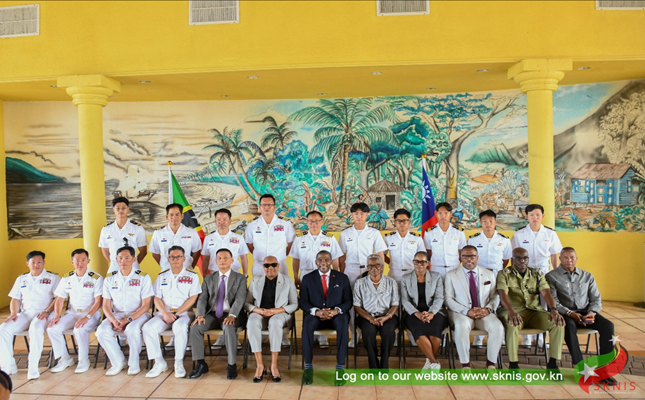
    BASSETERRE, Saint Kitts – On April 10, 2026, the Federation of Saint Kitts and Nevis opened its ports to a landmark goodwill visit from a Taiwanese naval squadron, marking the first time a Taiwanese naval contingent has arrived in the Caribbean nation in 23 years, and reaffirming the deep, decades-long diplomatic bonds between the two sides.

    This mission, which brings more than 700 personnel including senior officers, crew members, and graduating midshipmen, is a core element of Taiwan’s overseas pre-commissioning training program for naval cadets ahead of their formal graduation and entry into service. This visit marks only the third time a Taiwanese naval squadron has called at Saint Kitts and Nevis, following prior stops in 2002 and 2003.

    A formal welcoming ceremony was hosted at Port Zante, drawing top-tier government officials from Saint Kitts and Nevis. Attendees included Governor-General Dame Marcella Liburd, Deputy Governor-General for Nevis Hyleeta Liburd, Prime Minister Dr. Terrance Drew, Nevis Premier Mark Brantley, and Taiwan’s resident Ambassador Edward Ling-Wen Tao.

    In his address during the ceremony, Ambassador Tao underscored the profound diplomatic importance of the voyage, noting that the visit underscores the robust, mutually valued relationship between the two island nations. “Saint Kitts and Nevis stands as one of Taiwan’s most cherished diplomatic allies,” Tao stated. “Our friendship is founded on shared principles of mutual respect, reciprocal trust, and a collective dedication to advancing inclusive national development. The presence of this squadron here today speaks to the depth of our ongoing engagement.”

    The ambassador added that the squadron’s 9,000-plus nautical mile journey to the Caribbean is tangible proof of Taiwan’s unwavering commitment to deepening ties with Saint Kitts and Nevis. “We want the people of Saint Kitts and Nevis to know that even though our two nations are separated by thousands of miles, you hold a permanent place in our priorities,” he said. “It is my sincere hope that this goodwill mission will pave the way for new cooperative frameworks in national security and maritime safety, delivering shared benefits for both Taiwan and the esteemed Federation.”

    Prime Minister Drew framed the visit as a historic, milestone moment for Saint Kitts and Nevis, emphasizing that it serves as a powerful symbol of the enduring friendship and long-standing shared commitment to development that unites the two countries. “This first arrival of a Taiwan Navy contingent to our shores in 23 years is an event of genuine significance—historic in every sense of the word,” Drew noted. “It speaks to the unbroken strength of the bond between our nations, and stands as a testament to the close connection we continue to nurture, even across vast geographic distances.”

    Drew recalled that Taiwan has been a reliable, steadfast development partner for Saint Kitts and Nevis for more than 40 years, with collaborative projects spanning critical sectors including public health, agricultural development, education, climate change resilience, and digital technology. “But beyond infrastructure projects and formal development programs, what makes this relationship truly special is its human core,” the prime minister explained. “This is a friendship between peoples, rooted in shared values of human dignity, expanded opportunity, shared prosperity, and democratic governance. That is why this visit carries such deep meaning for us.”

    Beyond official diplomatic engagements, the visit included extensive public outreach activities. Local citizens and residents were invited to board the naval vessel for public tours, where they could explore on-board facilities, interact directly with Taiwanese midshipmen, and learn more about Taiwan’s naval training and maritime development programs. The public also enjoyed a joint military and cultural showcase in downtown Basseterre, featuring performances from the St. Kitts-Nevis Defence Force Band, a traditional drum display by Taiwan Navy personnel, a formal honour guard procession, and a martial arts demonstration.

  • De politieke barometer, oftewel de kunst van het regeren!

    De politieke barometer, oftewel de kunst van het regeren!

    Published: 12 April, 12:46

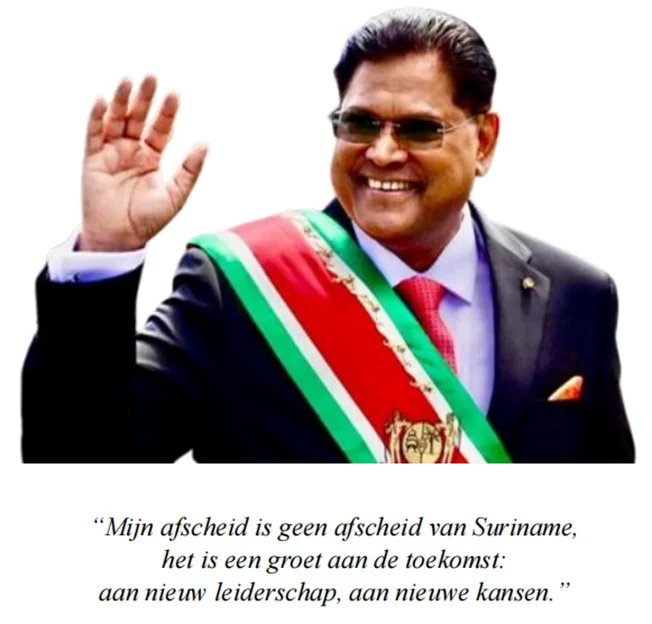
    Following the passing of former Suriname President Chandrikapersad Santokhi, I have been reflecting on his legacy ahead of his state funeral, where I contributed personally to the proceedings. Looking through the commemorative book released in his honor, the first and final images in Santokhi’s photo collage strike me as deeply curious, yet perfectly fitting for the man known to many as Chan.

    Even the foreword of the memorial book was crafted in a manner that feels distinctly aligned with who he was. It reads: “He served his country guided by a philosophical conviction that nature unites three worlds in harmony: the world of physical embodiment, the world of the thinking mind, and the world of the heart and intellect.” It is a tragedy that nature did not grant him the time to fully reach his potential across all three of these realms, but even so, we cannot deny the contributions he made to Suriname during his lifetime.

    It is true that throughout his final term in office, I often spoke out critically against his self-centered policy and personal decisions – criticism that was never unfounded. Despite this political friction, Santokhi and I maintained a cordial working relationship during his lifetime, a dynamic I believe was rooted in pragmatic political calculation on his end, a fact that those close to him can confirm.

    As fellow politician Gajadien once noted of Santokhi: he never arrived unprepared. I can personally attest to this observation. In 2019, I joined Santokhi for a meeting with then-incumbent President Dési Bouterse to discuss a potential pre-election alliance between Santokhi’s Progressive People’s Party (VHP) and Bouterse’s National Democratic Party (NDP). That encounter gave me the opportunity to see first-hand that Santokhi was a politician of both great courage and deep policy knowledge.

    Even amid widespread controversy over Bouterse’s political standing, Santokhi chose to move forward with talks about a potential partnership – a decision I witnessed directly, along with the President of the Suriname Court of Justice. This move must be recognized as a demonstration of remarkable political strength.

    So what drove this decision? Looking back at pre-election polling ahead of the May 2020 general election, projections put the NDP on track to win 18 parliamentary seats, with the VHP projected to take a maximum of 17. Even with those predictions stacked against his party, Santokhi took the initiative to open negotiations. What is more, despite having no way of knowing the final result, he remained fully convinced the VHP would outperform polls and win more than 17 seats.

    Santokhi pushed for a written agreement to formalize the pre-election collaboration. Unfortunately, politics and opportunism have always walked hand in hand. Throughout the talks, I repeatedly warned him that if the VHP ended up winning more seats than the NDP, the agreement would never move forward. Now, in 2026, Santokhi’s passing has brought the work he started to an unexpected close. It is through this lens that I read the caption accompanying his memorial photo collage.

    Today, many critics argue that Santokhi left many Suriname’s initiatives broken and uncompleted. That may hold some truth. But it is also undeniable that he personally pushed forward a great number of key projects that have benefited the nation. Those who can see beyond the political blackmail tactics employed by some current actors in Suriname’s political landscape recognize that the country is positioned for a strong future – a future Santokhi already saw on the horizon.

    Santokhi understood well that politics is no child’s game. He often noted that with 34 members of parliament holding seats in a governing coalition, it should be unthinkable to fail to reach a quorum to conduct legislative business. On the topic of judicial reform legislation more broadly, Santokhi frequently argued that the failure to reach a orderly, functional solution to the branch’s structural challenges is nothing short of scandalous.

    In particular, the current Law on the Legal Position of the Judiciary is unworkable. It is a complete failure of governance; even for legislators acting in good faith, closer examination makes clear why the legislation cannot function as written. This is just one more example of elected assembly members wasting public tax dollars, a travesty for the Surinamese people.

    As it stands today, 21 sitting assembly members are present for regular votes, enough to form a new functional coalition led by the VHP. This is the kind of decisive action politics demands. It is long past time to revise the current ineffective, gridlocked coalition. These observations have been brought into sharp relief by the petulant, uncooperative behavior of supposed adult political leaders in recent months.

    Every elected official claims to possess reason and good judgment. That is without question. So why do they so often refuse to use it? What more can we ask for than to let reason guide the work of governing? By settling for mediocre, unprincipled politics, we remain stuck in stagnation, unable to move forward as a nation.

    By Eugène van der San

  • Government of St. Kitts and Nevis Announces Discounted VAT Rate Days (DVRD) for 2026

    Government of St. Kitts and Nevis Announces Discounted VAT Rate Days (DVRD) for 2026

    BASSETERRE, Saint Kitts – On April 10, 2026, the Government of the Federation of Saint Kitts and Nevis officially announced the full annual schedule for its widely anticipated 2026 Discounted Value Added Tax (DVRD) Rate Days, a popular policy initiative built on the success of previous years that aims to inject momentum into the local economy and deliver tangible financial relief to the nation’s citizens and residents.

    The program has scheduled three separate discounted shopping windows across 2026, aligned with major seasonal holidays and annual household events, with specific eligibility rules for vehicle purchases. The first DVRD event will coincide with the Easter holiday, taking place on Friday, April 17, 2026. The second, timed to support families preparing for the new academic year, is scheduled for the summer back-to-school season on Friday, August 28 and Saturday, August 29, 2026. For both the Easter and summer events, motor vehicles are explicitly excluded from the reduced VAT rate. The third event, set for the year-end holiday shopping season, will run on Friday, December 11 and Saturday, December 19, 2026, and for this seasonal period, vehicle purchases will be included in the discounted VAT scheme.

    Officials from the government note that this targeted policy fills a critical need amid ongoing global economic headwinds. Persistent global inflation, lingering cross-border supply chain disruptions, and economic volatility driven by geopolitical tensions have put increased financial pressure on households and small business retailers alike across the globe, and Saint Kitts and Nevis is no exception. The DVRD program is designed to address dual challenges: it eases the cost burden on local families by lowering prices for everyday essentials, back-to-school supplies, and holiday purchases, while simultaneously driving higher foot traffic and consumer spending to support local retailers during their most important seasonal sales windows. Beyond immediate savings, the initiative also encourages increased circulation of capital within the federation’s domestic economy, strengthening overall economic resilience.

    To ensure the program runs smoothly for both shoppers and retailers, the government has issued a formal reminder to all participating local businesses: retailers must update their point-of-sale systems ahead of each scheduled DVRD event, and maintain clear, transparent communication of the discounted VAT terms to customers throughout the duration of each promotion.

    Residents and visitors seeking additional details, updated guidelines, or clarification on eligible purchases can access the full DVRD resource page via the official Inland Revenue Department website at www.sknird.com, or reach out to the department directly for personalized assistance.

    In its official statement, the Government of Saint Kitts and Nevis reaffirmed its ongoing commitment to implementing targeted, people-centered economic policies that support working families, strengthen local businesses, and build long-term economic stability across the federation. This press release was originally distributed via the Prime Minister’s Office and published in full by local news outlet SKNVibes.com, which notes it does not edit for spelling or grammatical errors in received press materials, and the views expressed do not necessarily reflect those of the outlet or its partners.

  • PM Kamla Persad-Bissessar Vs CARICOM

    PM Kamla Persad-Bissessar Vs CARICOM

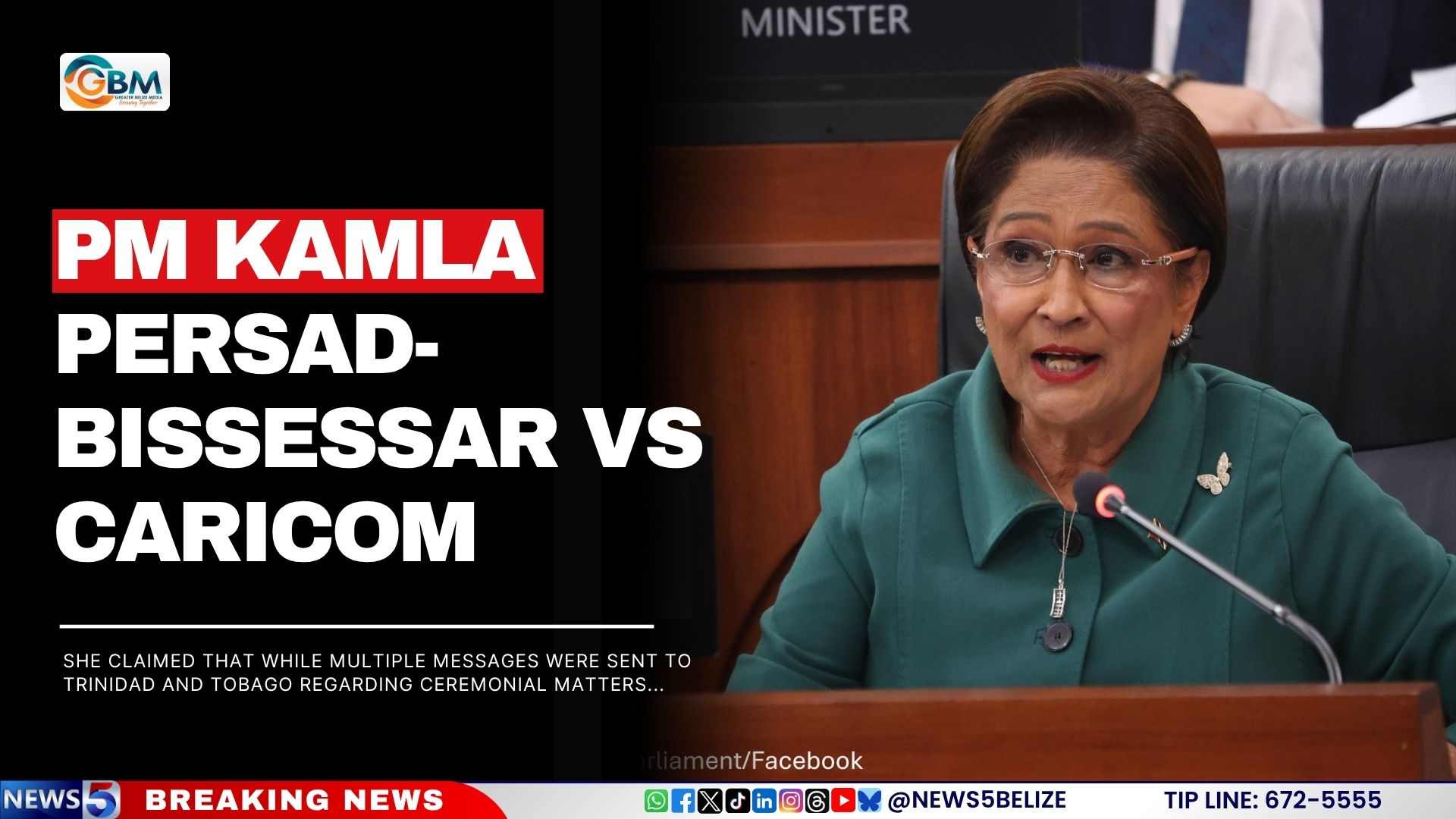
    A public dispute has emerged between Trinidad and Tobago Prime Minister Kamla Persad-Bissessar and the Caribbean Community (CARICOM) over the recent reappointment of the bloc’s top administrative leader, throwing into question regional governance procedures and transparency amid a high-stakes diplomatic standoff.

    The conflict follows the Twenty-Fifth Special Emergency Meeting of CARICOM Heads of Government, held Friday to address governance concerns raised by Trinidad and Tobago — a meeting that neither Persad-Bissessar nor any of her government representatives attended. In an official statement released after the session, CARICOM Chairman Dr. Terrance Drew, who also serves as Prime Minister of St. Kitts and Nevis, laid out the regional bloc’s account of the events that led to Secretary-General Dr. Carla Barnett’s reappointment at the 50th Regular Meeting of the CARICOM Conference of Heads of Government, hosted in St. Kitts and Nevis between February 24 and 27, 2026.

    According to Drew’s statement, all CARICOM member states received formal advance notification of the February meeting’s official schedule, draft agenda, and working breakdown, including clear details of which topics would be discussed in plenary sessions, caucus meetings, and the closed Heads-only retreat. All heads of government offices received official correspondence confirming the retreat’s date and island venue, and every member state acknowledged receipt of the materials, CARICOM claims.

    The narrative continues that Persad-Bissessar departed St. Kitts on the evening of February 25, one day before the scheduled Heads-only retreat on February 26. That same night, Trinidad and Tobago’s Foreign Minister Sean Sobers contacted Secretary-General Barnett via WhatsApp to ask whether he could attend the retreat in the prime minister’s absence. He was reportedly told that foreign ministers could stand in for heads of government if needed, but Sobers replied that he suffered from seasickness and would likely be unable to complete the boat ride required to reach the remote retreat venue.

    In response, Barnett informed Sobers that the Chairman would excuse his absence if the trip posed significant discomfort. Sobers never followed up to confirm his attendance, per CARICOM’s account. When heads of government gathered for the closed retreat to discuss community financing and governance, members approved Barnett’s reappointment in line with Article 24 of the Revised Treaty of Chaguaramas, with Barnett recusing herself from the discussion.

    As a courtesy to absent leadership, heads agreed to delay the public announcement of the reappointment to allow time to notify Persad-Bissessar. CARICOM says multiple attempts were made to contact the prime minister via phone and email, but none were successful, and the Chairman ultimately reached out directly to Sobers to share the outcome. Alongside the reappointment, CARICOM leaders agreed to form a subcommittee with representatives from Barbados, Dominica, Guyana, and Jamaica to conduct a full review of the bloc’s institutional governance and financing frameworks. Leaders also approved a formal statement on their recent meeting with U.S. Secretary of State Marco Rubio focused on evolving global geopolitical developments.

    In his closing remarks, Drew emphasized that CARICOM has long relied on its internal diplomatic mechanisms to resolve internal challenges, warning that “unfortunate and erroneous statements” from member states risk eroding years of progress toward deeper regional integration.

    But Persad-Bissessar has pushed back aggressively against CARICOM’s account, releasing a counter-statement on her official Facebook page that disputes key details and calls into question the entire reappointment process’s transparency.

    The Trinidad and Tobago prime minister claims that while her government received multiple communications about ceremonial meeting details — including required attire for official events — no notification was ever sent indicating that Barnett’s reappointment would be on the retreat’s agenda. She further alleges that a WhatsApp message sent from the Chairman’s office on the morning of February 26 explicitly stated the retreat would remain strictly limited to sitting heads of government, directly contradicting CARICOM’s claim that Sobers was welcome to attend in her place. That message, Persad-Bissessar says, instructed foreign ministers to remain at the separate Community Council meeting instead of attending the retreat.

    Persad-Bissessar is also demanding access to key internal documents that have not been made public, including the official minutes of the closed retreat, a formal performance appraisal of Barnett’s first term as Secretary-General, and full records from Barnett’s original 2021 appointment to the post. She has labeled the entire process fundamentally lacking in transparency, and has called on the CARICOM Secretariat to fulfill a formal request for documentation submitted in an April 9 letter from Foreign Minister Sobers.