博客

  • Paus Leo waarschuwt voor oorlog, plundering van aarde en gebruik van kernenergie

    Paus Leo waarschuwt voor oorlog, plundering van aarde en gebruik van kernenergie

    On the 40th anniversary of the Chernobyl nuclear disaster, Pope Leo XIV delivered a sharp, wide-ranging address criticizing armed conflict, the exploitation of Earth’s natural resources, and the unregulated risks of nuclear power, speaking from the Vatican during his weekly Sunday address following the Angelus prayer.

    The 1986 Chernobyl accident, still recognized as the worst nuclear catastrophe in human history, occurred on April 26 when a safety test gone wrong triggered an explosion at the Chernobyl Nuclear Power Plant’s fourth reactor. A massive cloud of radioactive material spread across much of Europe, leaving a devastating and long-lasting legacy: it caused thousands of excess cancer cases and other chronic health conditions, forced tens of thousands of residents to permanently abandon their homes, and left the vast majority of the surrounding region uninhabitable to this day.

    This year’s global commemorations of the disaster are taking place against a uniquely tense backdrop, as the ongoing four-year conflict between Ukraine and Russia has sparked widespread, persistent fears that fighting near Ukraine’s existing nuclear facilities could spark a second catastrophe on par with the 1986 disaster.

    In his address, Pope Leo framed the Chernobyl accident as a permanent warning to global conscience about humanity’s reckless pursuit of increasingly powerful, unregulated technologies. He called for wisdom and accountability to guide policy decisions at every level of governance, saying, “I hope that at all decision-making levels, wisdom and responsibility will always prevail, so that atomic energy can always be deployed to support life and peace.”

    Drawing on the day’s Gospel reading, which centers on the metaphor of a thief who steals sheep, Pope Leo argued that “thieves” who rob the world of a peaceful future take many forms. Beyond open conflict and resource exploitation, he named consumerism-driven superficial lifestyles, systemic prejudice, and harmful ideologies as additional threats to collective well-being. “And let us also not forget those thieves who, by plundering the earth, waging bloody wars, or nurturing evil in whatever form, take from all of us the chance for a future of peace and serenity,” he added.

    Pope Leo, the first American to hold the papacy, has drawn sharp criticism from former U.S. President Donald Trump for his increasingly forceful public stances against war and authoritarian rule, a conflict that has drawn global attention to the Vatican’s evolving role in contemporary international politics.

  • Lamontagne defends Sports Academy’s track record amid public debate

    Lamontagne defends Sports Academy’s track record amid public debate

    Public debate over the performance and future of the Gros Islet-based Saint Lucia Sports Academy (SLSA) has intensified in recent weeks, sparked in part by recent coverage from local outlet St Lucia Times. While most public contributors to the conversation have expressed cautious optimism about the institution’s untapped potential, little has been shared about the on-the-ground challenges of steering the country’s sporting development under constant public attention. Now, a top SLSA leader has broken his silence to share an inside perspective on the academy’s progress and its path forward.

    Anthony Lamontagne, SLSA’s Programme Director, brings decades of sports sector experience to his role, with prior leadership roles including president and secretary of the Saint Lucia Basketball Federation, coaching coordinator, and physical education teacher. Speaking exclusively to St Lucia Times, Lamontagne noted that as the academy marks its sixth year of operation, it has stayed firmly on course to meet its founding mission of nurturing athletic talent for the island nation. Even so, he emphasized that complacency has no place in the push for excellence, stressing that the institution is far from reaching its full potential.

    “Comfort is not a characteristic of performance,” Lamontagne said. “It is useless to believe and assume that we have arrived and are seated on top.” To drive ongoing improvement, he called for a sharp focus on boosting productivity, cutting waste across all operations, and regular reviews of internal policies and workflows to support continuous growth. Lamontagne also called for greater cross-departmental alignment across the academy’s three core functional areas: academics, athletic training, and residential dormitory operations. He noted that while structural separation is necessary for day-to-day functionality, all teams must work collaboratively to support whole-person development for student-athletes. Non-sports administrative and academic staff should be open to taking on sports-related tasks, Lamontagne said, while coaches must recognize their role extends far beyond building physical skill — they are also positioned to shape athletes’ communication skills, personal conduct, respect for others, and social boundaries through their daily influence.

    Most critically, Lamontagne argued that lasting, meaningful improvement and long-term success for SLSA will require collective buy-in and collaboration across Saint Lucia’s entire sports ecosystem, not just work from the academy’s internal team. He called for moving past symbolic support for the institution to tangible cross-sector partnership that can unlock SLSA’s full potential and deliver cascading benefits to the entire nation. Key stakeholders that must have a formal seat at the table for strategic planning, Lamontagne said, include the Saint Lucia Olympic Committee, government departments for education, sports and health, the Saint Lucia National Lottery, sports science experts, and all national sports federations.

    This inclusive collaborative approach, he explained, will build widespread investment in the academy’s success, align all stakeholders around clear shared goals, and leverage overlapping institutional mandates. “We can only become a better sporting nation when we pull resources and work together for success,” Lamontagne said. He added that a culture of accountability is foundational to building a high-performance program, with strong, values-driven leadership required to inspire teams and set positive examples for emerging athletes. If these steps are taken, Lamontagne affirmed, a stronger SLSA will deliver widespread, long-term benefits that lift the entire country’s sporting standing and future.

  • UNICEF Raises Red Flag Over High Child Abuse Cases in Belize

    UNICEF Raises Red Flag Over High Child Abuse Cases in Belize

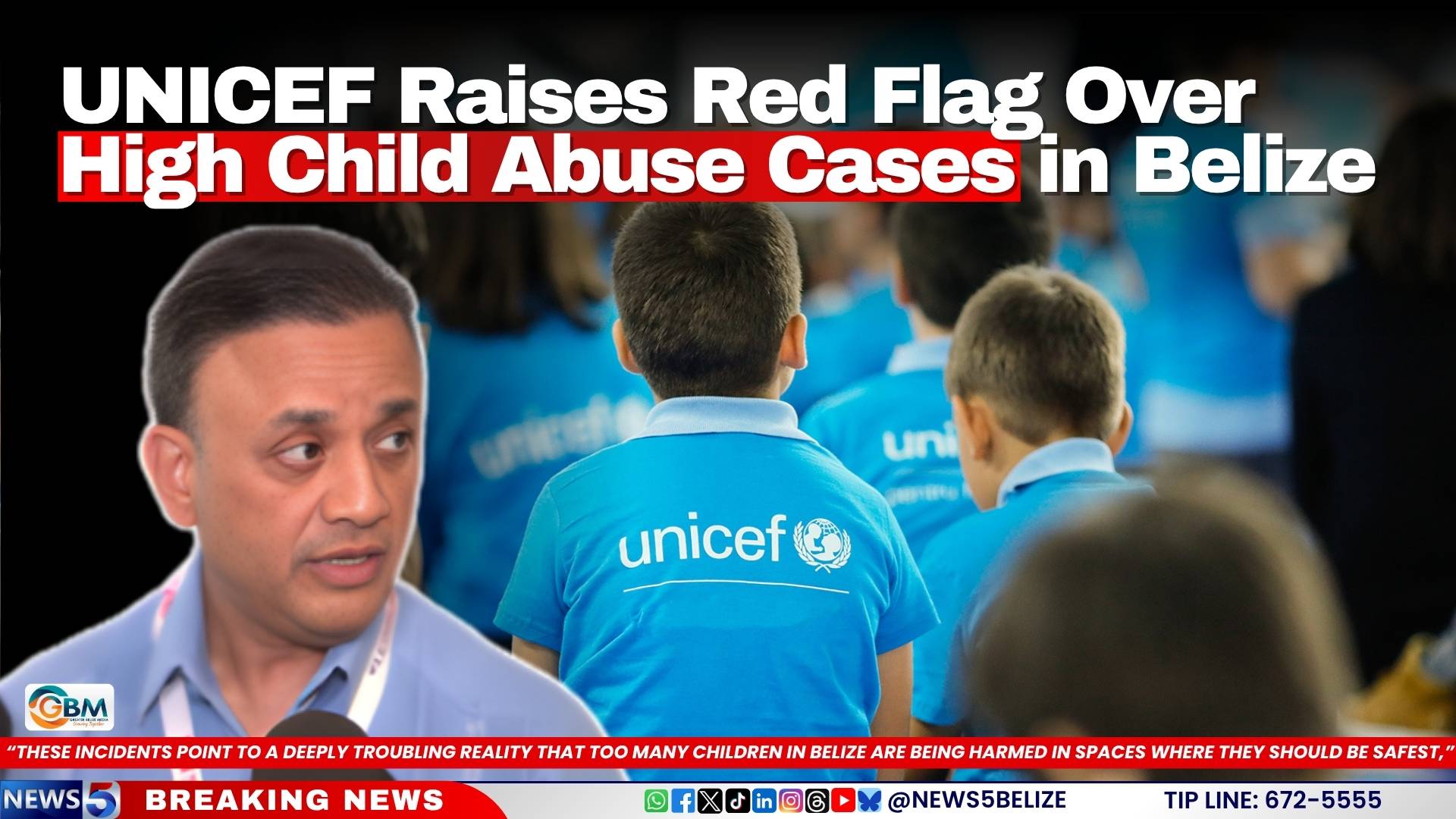
    In a stark public warning released in late April 2026, UNICEF has declared grave concern over a sharp uptick in disturbing child-related violence and abuse incidents across Belize over the preceding 30 days. The documented cases uncovered in this period range from missing teenage minors and the deaths of abused children, to the spread of non-consensual abuse content across digital platforms, and repeated accounts of sexual exploitation committed by individuals the child victims know and trust.

    In an official statement, the United Nations children’s agency emphasized that these repeated, high-profile incidents expose a deeply alarming reality: far too many young people in Belize are suffering harm in the very environments that are supposed to guarantee their safety. Sajid Ali, UNICEF’s top representative for Belize, stressed that violence against children constitutes a severe violation of fundamental human rights, and that this abuse must never be normalized or dismissed under any circumstances. He reiterated a critical message that children hold no blame for the harm inflicted on them, and that the full responsibility to act promptly and prioritize children’s well-being rests entirely with adults.

    UNICEF has also drawn attention to an underreported hidden crisis: while a small number of high-profile cases have gained national traction after being circulated on social media, a vast majority of abuse incidents are never brought to public attention or formally reported to authorities. Findings from the most recent seventh round of the Multiple Indicator Survey (MICS7) back this assessment, confirming that violence against children most frequently occurs in familiar settings — within homes, schools and local communities — perpetrated by people the victims already know and rely on.

    Moving beyond awareness-raising, UNICEF has partnered with Belize’s National Commission for Families and Children to roll out the Blue Teddy Bear Campaign, a community-focused initiative designed to equip local residents with the knowledge to identify warning signs of abuse and report suspected cases to relevant authorities. The agency notes that child protection is not a responsibility that falls exclusively to government agencies or law enforcement; every adult in Belize has a role to play in keeping young people safe.

    Looking forward, UNICEF says it will maintain close collaboration with the Government of Belize to strengthen the country’s national child protection framework, advance urgently needed legislative reforms, and ensure that adults tasked with safeguarding children are held fully accountable for failures to act. Even as it works to upgrade formal systems, the agency stresses that institutional changes alone cannot end the crisis. Sustainable, meaningful change to protect Belize’s children must start with shifting norms and practices at the community level.

  • VIDEO: Effects of flooding from heavy rain in some areas of Dominica’s east coast

    VIDEO: Effects of flooding from heavy rain in some areas of Dominica’s east coast

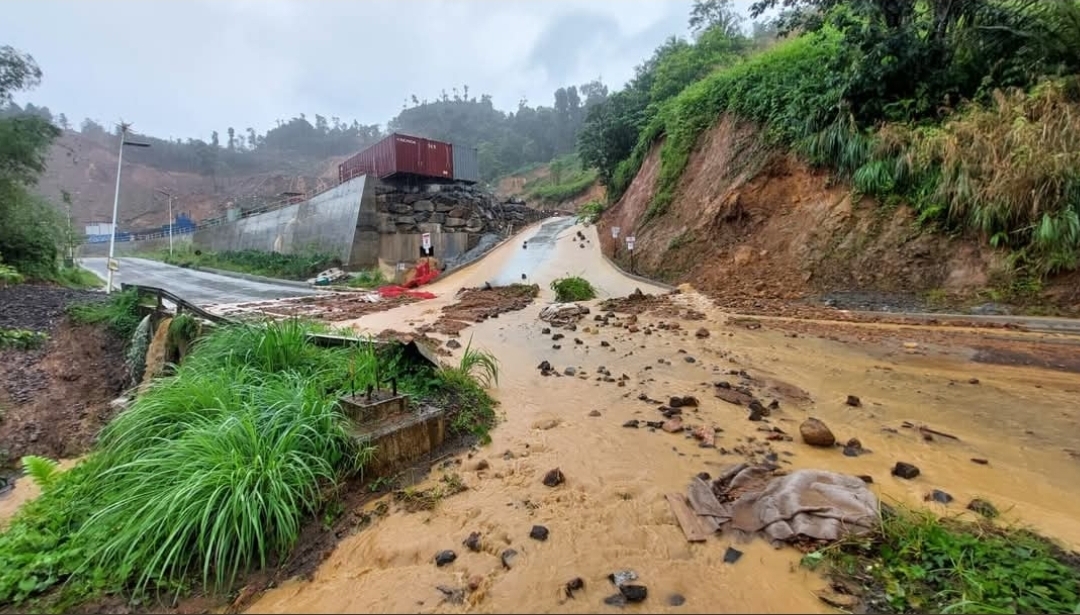
    A severe bout of heavy rainfall has swept across Dominica’s eastern coast, triggering destructive flooding that has left significant damage in multiple communities across the island region. Local news outlet Dominican News Online has published a collection of firsthand visual materials—including user-submitted and on-the-ground videos and photographs—that document the widespread impact of the extreme weather event across four affected districts.

    The hardest-hit locations confirmed so far include Concord, Deux Branches, and the Dam neighborhood of Marigot, each of which has seen floodwaters inundate residential and public spaces, per the visual evidence shared. Two additional videos captured in the Antrizzle area of Atkinson further illustrate the scope of the flooding, showing rising water levels and disrupted daily life for local residents. As of the publication of this initial report, no official updates on casualties or full estimations of total property damage have been released to the public. Emergency response teams are expected to begin conducting damage assessments across the affected coastal areas as soon as floodwaters begin to recede.

  • Shot dead at home: Family alleges “execution” by police

    Shot dead at home: Family alleges “execution” by police

    In the quiet neighborhood of Old Train Line in Corinth, a early-morning police response to a reported altercation has left a community in mourning and sparked urgent questions about the appropriate use of deadly force by law enforcement. Early Sunday morning, 45-year-old laborer Shivnath Jogie was fatally shot by officers inside his own residence, and pronounced dead shortly after arriving at San Fernando General Hospital.

    According to initial official accounts from police, the team was dispatched to Jogie’s property around 1:30 a.m. to probe a report that Jogie had attacked a neighbor with a cutlass, inflicting chop wounds, during a dispute on his own land. During what police describe as a confrontation with the suspect, officers opened fire, striking Jogie. He was immediately transported to the regional hospital for emergency care, but medical staff were unable to save him.

    However, Jogie’s family and neighbors have rejected the official narrative, pushing back hard on the circumstances that led to his death, and alleging that the encounter escalated unnecessarily and unjustly ended an innocent man’s life. Britney Francis, a relative of Jogie, has openly questioned why law enforcement resorted to lethal force when they arrived only to investigate a reported incident. Francis clarified that the incident prompting the visit was a dispute between Jogie and another resident on the street earlier that evening.

    Francis has also raised a critical legal question rooted in Trinidad and Tobago’s 2025 Home Invasion (Self-Defence and Defence of Property) Act, popularly referred to as the nation’s “Stand Your Ground” legislation. The law explicitly grants people on their own property the legal right to defend themselves without a duty to retreat, and permits the use of reasonable force — including lethal force — when a person reasonably believes it is necessary to protect their life or property from criminal harm. Francis questioned whether Jogie was within his legal rights to act in self-defense if he perceived a threat to his property.

    In blunt terms, Francis described the shooting as an extrajudicial killing: “This was an execution. It was a straight shot to his face. If the police did their job properly, he might not have been dead today. They shot him in his face, a single gunshot wound.”

    By Sunday morning, dozens of neighbors had gathered near Jogie’s home to express solidarity with his family and back their calls for a full, independent probe of the officers’ actions. One witness to the confrontation called the shooting a heartless, cruel injustice and a fundamental failure of policing. “It was traumatising to see someone getting killed in their own home for defending themselves,” the neighbor said.

    Another long-time resident who has known Jogie since childhood described the fatal shooting as “unjust,” pushing back against any implication that Jogie was a habitually violent person. “I grew up with him and when he drink alcohol, he would talk plenty. He was not a violent guy at all, he didn’t keep no grudges. He was a good fella,” the resident said. “This is the first time that we have experienced something like this in his district. We want a proper investigation.”

    In addition to calling for a full investigation, Francis also urged policy change, saying that mandatory body camera use for all police officers should be required to add transparency and accountability to law enforcement interactions. The community remains united in its demand that every detail of the shooting be brought to light to deliver justice for Jogie.

  • Mottley calls for renewed commitment amid global challenges

    Mottley calls for renewed commitment amid global challenges

    On Sunday, during a commemorative Founder’s Day service held at Bethel Methodist Church on Bay Street, Mia Mottley – Prime Minister of Barbados and leader of the Barbados Labour Party – issued a heartfelt call for a renewed collective commitment to national progress, emphasizing that the work of building a stronger nation extends far beyond the responsibilities of elected officeholders.

    Mottley opened her remarks by framing the gathering as both a moment to seek spiritual guidance and a public appeal for widespread recommitment to the country’s development. “The work will not be done by members of parliament or ministers alone,” she told attendees, underlining that every Barbadian has a role to play in driving national growth.

    The Prime Minister highlighted three core pillars that remain critical to advancing the party’s founding mission: political education, grassroots mobilization, and unwavering dedication to public service. She argued that these values are non-negotiable for stabilizing Barbados’ long-term growth trajectory and upholding the original purpose that guided the party’s establishment. “If ever there was a time for this political institution to redouble its efforts in political education, in political mobilisation and in political commitment, in order to stabilise this nation’s growth and to stabilise our commitment to the renewal of the purpose for which we were established,” she stated.

    Acknowledging the widespread fatigue many Barbadians feel amid ongoing global and domestic challenges, Mottley noted that periods of difficulty are the ultimate test of a nation’s collective resolve. “It may seem like some to be a call to those who are already weary, and yes, I acknowledge that the distance sometimes can be long and it can carry but it is when you are tired, more often than not, that we see through history that you are tested the greatest,” she explained.

    Mottley also stressed the importance of cross-community unity, bridging both religious and political divides to pursue shared national goals. She pointed out that the gathering brought together people of all faith backgrounds, united by the understanding that political work does not override individual spiritual missions. Looking ahead to the coming year, she warned that Barbados will likely face continued headwinds, but expressed confidence in the country’s ability to navigate these challenges – a success that she says depends entirely on collective action, not just top-down leadership.

    Drawing a powerful historical parallel, Mottley connected today’s climate of global uncertainty to the era in which the Barbados Labour Party was founded, on the eve of World War II. That period, like today, was defined by widespread instability and systemic inequality: “We were founded at a time when fascism was raising its head. We were founded at a time when people were not seen and people were not heard, and the majority of the people of this country had to do as they were told, not as they wished to do.”

    She emphasized that the party’s founding mission – advancing economic enfranchisement and social justice for all Barbadians – remains just as urgent today as it was nearly a century ago. Amid rising global unpredictability, she warned that vulnerable communities are once again at risk of being left behind: “The transformation needed to resist the winds of change that allow the mighty to dominate is urgent. The least, the last and the lost are once again fighting to be protected.”

    Mottley also referenced recent conversations with progressive political leaders across the globe, where participants shared growing concern that long-held core values of equity and justice are no longer universally upheld. She urged supporters to persevere, reminding them that the fight for social progress has always demanded sacrifice. “We will not be the first to be asked to carry a heavy burden to fight injustice, nor the first to be asked to complete the journey of transformation,” she said.

    Closing her remarks, Mottley paid tribute to a deceased member of the host church before repeating her call for both individual and collective recommitment to national progress. She acknowledged that the Barbados Labour Party and the country as a whole have achieved significant gains over the years, but stressed that sustained, collaborative work remains essential to secure a prosperous future for all Barbadians.

  • Shark Sighting at Ffryes Beach Prompts Swimmers to Exit Water

    Shark Sighting at Ffryes Beach Prompts Swimmers to Exit Water

    On a sunny Sunday at Ffryes Beach, a routine day of sunbathing and swimming was interrupted by an unexpected visitor: a shark spotted swimming just off the shoreline. The sighting triggered immediate alarm among the crowd of beachgoers, with many swimmers hurrying to scramble out of the shallow water while curious onlookers pulled back to safer distances to observe the rare marine visitor.

    Witnesses on the sand described the shark moving slowly through the water, lingering just beyond the breaking waves of the shallow near-shore zone. Several bystanders pulled out their phones to capture video and photos of the uncommon encounter, while also calling out warnings to swimmers who had ventured further from shore to alert them of the potential danger.

    In the end, the encounter ended without harm to any beachgoer or the shark itself. No injuries were reported among the crowd, and after several minutes of slowly cruising the offshore area, the animal turned and swam back out into deeper open water with no further interaction.

    Local marine officials note that while shark sightings in the waters near Ffryes Beach are an extremely rare occurrence, they are not impossible. Experts explain that such encounters are most likely to happen in areas where large schools of fish draw sharks closer to shore in search of prey. For beachgoers who spot a shark near the coast, standard safety guidance from authorities urges people to avoid panicking or making sudden movements, and to exit the water slowly and carefully to avoid escalating any risk.

  • Medical expert calls for regional action to tackle rising cancer rates

    Medical expert calls for regional action to tackle rising cancer rates

    Against a backdrop of steadily increasing cancer diagnoses across the Caribbean, a prominent international cancer specialist has sounded the alarm, calling for immediate cross-border cooperation to address the growing public health crisis. Dr. John Diaz, Medical Director of Robotic Surgery at Baptist Health Miami Cancer Institute, delivered this urgent call to action during his address at the Caribbean Gynecologic Cancer Society’s annual meeting held in Barbados on Saturday.

    During his speech, Dr. Diaz laid out a stark set of statistics that underscore the severity of the crisis in the host nation. With a total population of just 230,000 people, Barbados logs more than 1,000 new cancer diagnoses every year. This per-capita rate of new cases outpaces that of most regions across the globe, highlighting the disproportionate burden the disease places on small Caribbean nations.

    While upward trends in cancer incidence are a shared global challenge, Dr. Diaz emphasized that the Caribbean faces a set of unique obstacles that exacerbate the crisis. Two of the most pressing gaps are insufficient resource allocation and systemic failures in early detection programs, he explained. Many at-risk community members are missing critical opportunities for life-saving screening and preventive care. Catching cancer at its earliest stages drastically improves the effectiveness of medical intervention and dramatically boosts long-term cure rates, a benefit the region is currently failing to deliver for too many patients.

    Cervical cancer stands out as a particularly urgent concern for the Caribbean, where incidence rates remain far higher than those seen in most high-income developed countries. To reverse this trend, Dr. Diaz stressed two key priorities: expanding widespread access to routine Pap smear screenings, and increasing public uptake of the HPV vaccine, which has been scientifically proven to prevent multiple forms of cancer in both men and women. Despite these proven benefits, Dr. Diaz noted that widespread public reluctance to adopt HPV vaccination remains a persistent barrier to progress.

    Beyond cervical cancer, the region is also facing a sharp spike in cases of uterine and endometrial cancers. Dr. Diaz linked this surge to two key demographic and public health shifts: the region’s overall aging population, and a rapidly growing obesity epidemic that drives elevated cancer risk.

    To turn the tide against these worrying trends, Dr. Diaz is advocating for broader adoption of cutting-edge medical technologies across the region, most notably robotic-assisted cancer surgery. Unlike traditional open surgical procedures, robotic surgery allows clinicians to complete complex cancer interventions through only very small incisions. This minimally invasive approach delivers major benefits for patients: many are able to be discharged home the same day of their procedure, and can return to their normal daily routines in just a couple of weeks, compared to the months of recovery required after conventional surgery.

    Dr. Diaz argued that the single most effective step to address the Caribbean’s cancer gap is building intentional, collaborative partnerships between leading international cancer care centers and local oncology teams across the region. Through these cross-border alliances, the region can close the persistent equity gap in cancer care, ensuring that all women across the Caribbean have equal access to the latest life-saving medical innovations that can improve survival outcomes and quality of life.

  • Flood warnings due to heavy rainfall, extended for Dominica’s coasts; shelters open in Atkinson, Antrizle

    Flood warnings due to heavy rainfall, extended for Dominica’s coasts; shelters open in Atkinson, Antrizle

    The Caribbean island nation of Dominica remains on high flood alert Thursday, with emergency officials extending warnings for both its eastern and western coastlines as a persistent rain-bearing weather system continues to pummel the area.

    In a public address, National Security Minister Rayburn Blackmoore called on residents to remain calm while exercising extra caution to avoid harm. He noted that while unpredictable weather is out of human control, individuals can protect themselves by making safe choices about their movements and keeping panic in check. The minister also issued a warning against sharing unvetted alarming flood-related content on social media, pointing out that such posts can trigger acute trauma for residents who still bear psychological scars from devastating past storms including 2015’s Tropical Storm Erika and 2017’s Hurricane Maria, both of which caused widespread destruction and loss of life on the island.

    Blackmoore confirmed that all national emergency response systems have been fully activated to handle the developing situation. Disaster management teams, fire service units, and public works crews have already been deployed across high-risk areas to carry out preliminary damage assessments and prepare for rapid response. “All the systems are in place in terms of response and the audits are being done as to the areas that have been affected and we are ready to go,” Blackmoore said. He also stressed that protecting first responders is a top priority, emphasizing that rescue teams should not be put in unnecessary danger while aiding vulnerable community members.

    Senior Meteorological Officer Marshall Alexander updated the public on rainfall totals, confirming that accumulations have already passed 200 millimeters (8 inches) along Dominica’s eastern coast, while the western coast has recorded more than 50 millimeters (2 inches) of rain. Due to the saturated ground and ongoing precipitation, officials upgraded the western coast’s flood watch to a full flood warning, and extended both warnings to remain in effect until 6 p.m. local time Thursday.

    Alexander explained that the persistent bad weather is being driven by an active trough system positioned over the region, and forecast that moderate to heavy showers and thunderstorms would continue to impact the island for the next several hours. Forecasters expect river and flash flooding to impact low-lying areas on both coasts as the system moves slowly through the area.

    Local authorities are maintaining round-the-clock monitoring of weather conditions, river levels, and flood risks, and have issued targeted guidance for high-risk groups. Farmers, commercial fishermen, and daily commuters are specifically urged to stay updated on official advisories and avoid unnecessary travel through flood-prone areas. The Office of Disaster Management (ODM) additionally announced that two public shelters have been opened in the Kalinago Territory, located in Atkinson and Antrizle, to host residents who need to evacuate their homes for safety.

  • Flood warnings due to heavy rainfall, extended for Dominica’s coasts

    Flood warnings due to heavy rainfall, extended for Dominica’s coasts

    The Caribbean island of Dominica remains under active flood warnings for both its eastern and western coastlines, government officials have confirmed, as an extended period of heavy rain continues to pummel the region and raise flood risks across the island.

    National Security Minister Rayburn Blackmoore has appealed to residents to maintain both calm and caution amid the ongoing weather event. In his address to the public, he noted that while meteorological conditions are entirely outside of human control, individuals can mitigate their personal risk by making intentional choices about their movements and keeping a level head. He also issued a warning against the spread of unvetted, alarming imagery across social media platforms, pointing out that many Dominicans still carry trauma from past devastating weather events including Tropical Storm Erika in 2015 and Hurricane Maria in 2017, and that sensationalized content can cause unnecessary widespread panic.

    According to Blackmoore, all national emergency response systems have been fully activated to coordinate preparations and relief efforts. Disaster management teams, fire service personnel, and public works crews have already been deployed to at-risk regions across the island. “All the systems are in place in terms of response, and preliminary damage assessments are already underway for areas that have been impacted. We are fully prepared to move forward with relief and recovery as soon as conditions allow,” he said, adding a critical note that first responders must prioritize their own safety while working to evacuate and support vulnerable community members.

    Senior Meteorological Officer Marshall Alexander provided updated rainfall data, confirming that accumulations on the island’s eastern coast have already surpassed 200 millimeters (8 inches), while western coast areas have recorded more than 50 millimeters (2 inches) of rain. In response to the rising water levels, the national meteorological service upgraded the existing flood watch for the western coast to a full flood warning, and extended both coasts’ warnings through 6 p.m. local time on the day of the announcement.

    Alexander explained that the persistent bad weather is being driven by a slow-moving trough system parked over the region, which will continue to bring moderate to heavy showers and thunderstorms to the island over the coming hours. He added that widespread flooding is now considered a likely outcome on both coasts as saturated ground struggles to absorb additional rainfall.

    Authorities are maintaining round-the-clock monitoring of weather conditions, river levels, and flood risk across Dominica. They have issued specific guidance for high-risk groups including farmers, fishermen, and daily commuters, urging all residents to stay alert to changing conditions and follow all official safety advisories.