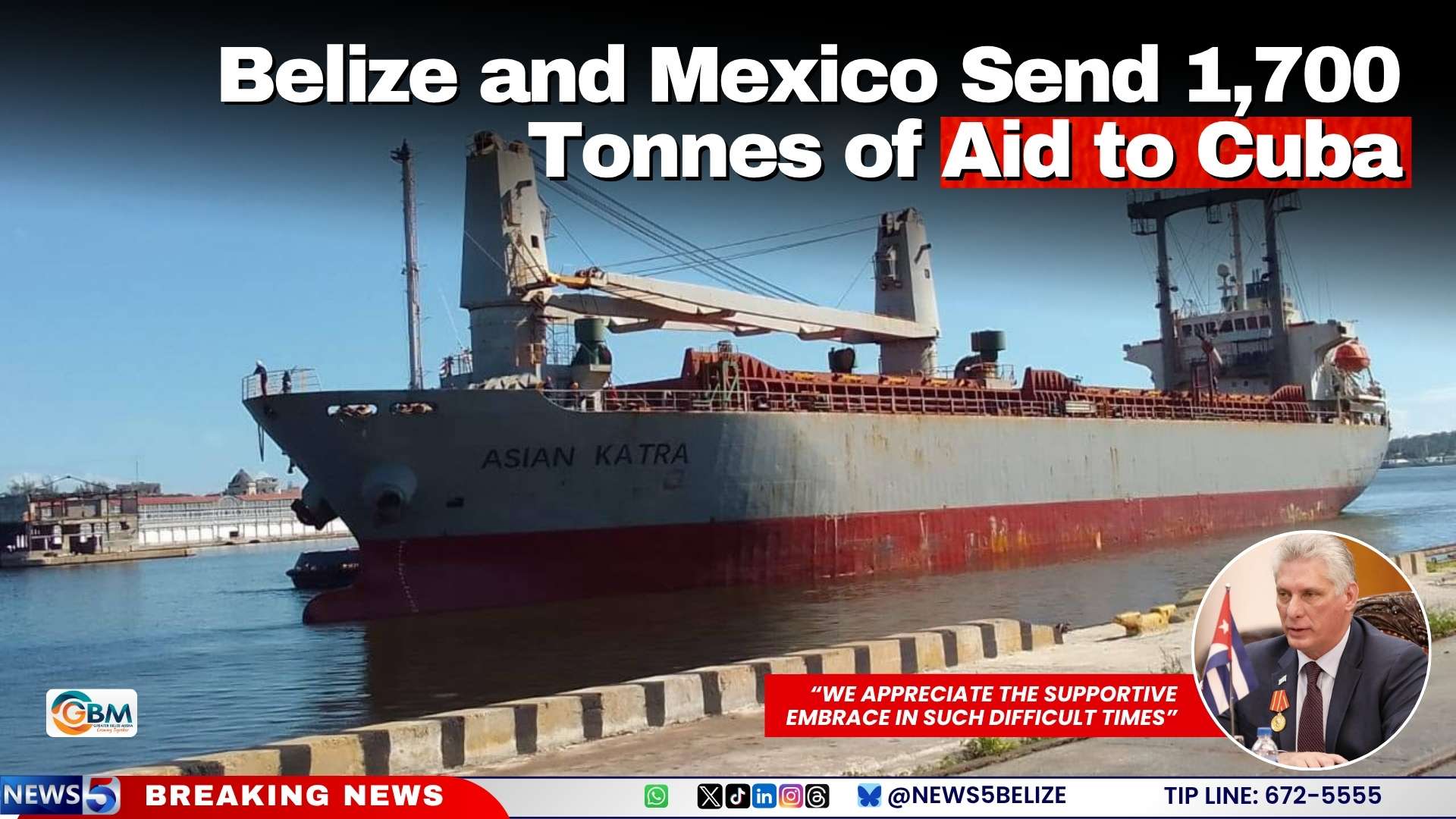
In a striking display of regional solidarity, a cargo vessel carrying 1,700 tonnes of combined food and humanitarian aid collected across Belize and Mexico has arrived at Cuban ports, marking the latest in a growing wave of international support for the island nation as it grapples with one of the most severe economic downturns in modern Cuban history. The arrival of the aid shipment was officially confirmed by Cuban President Miguel Díaz‑Canel on Sunday, who emphasized that the assistance draws together contributions from government bodies, regional allies, and members of the Cuban diaspora living abroad.
Writing on the social platform X, Díaz‑Canel expressed deep gratitude for the international community’s backing, noting that the gesture comes at a moment of extraordinary hardship for the Cuban people. This delivery arrives against a grim backdrop: a U.S. energy blockade that entered into force in late January has completely halted oil shipments to the island, triggering widespread, prolonged power outages that have further crippled already strained food distribution networks and critical public services.
Cuba’s Minister of Foreign Affairs Bruno Rodríguez framed the joint Belize-Mexico aid shipment as far more than a simple delivery of supplies. He called it a powerful act of fraternal solidarity that carries profound meaning for Cubans, who he described as “heroically resisting the brutal energy blockade, the extreme intensification of the embargo, and the military threat from the U.S. government.”
This latest delivery is not an isolated gesture of support. It is one of multiple large-scale aid shipments heading to Cuba over the past several weeks. Just on Friday, Colombia’s Presidential Agency for Cooperation announced that a vessel carrying 100,000 tonnes of provisions, including much-needed food supplies, had already departed for the island. At the end of last month, another separate aid ship organized jointly by Mexico and Uruguay successfully docked in Havana, delivering additional critical assistance to the Cuban population.