
Suriname’s national government has launched an ambitious, multi-year affordable housing development initiative, earmarking 250 million Surinamese dollars (SRD) to address the country’s persistent housing shortage while supporting local construction industry growth. The program, which prioritizes accessible housing options for low- and middle-income households, was outlined in detail during a recent meeting attended by government representatives, local contractors, and architecture professionals, where attendees aligned on the first steps to move the plan into implementation.
博客
-
St Michael schools to benefit from Soccer Fest
Barbadian primary school football players are set to get a critical preseason warm-up ahead of the highly anticipated BICO National Sports Council Football Tournament, with the launch of the first-ever St Michael Inter-Primary School Soccer Fest this Friday.
Organized by the Empire Club, the one-day preseason showcase will take place at the club’s Bank Hall playing field, and is designed exclusively for primary schools based in the St Michael region. Unlike larger, long-running tournaments, this new event was tailored specifically to fill a gap in the local youth football calendar, according to Dale Greenidge, a member of the organizing committee.
Greenidge explained that the timing of the festival was carefully chosen: it falls shortly after the completion of the Common Entrance exam, and just one week before the BICO national primary school tournament gets underway. In the period between these two key milestones, many veteran players in Classes 3 and 4 have had limited structured football activity at school, making the preseason event a perfect opportunity to get back into competitive form.
As an inaugural iteration, the 2024 Soccer Fest will host 10 participating St Michael primary schools, a number selected to keep the single-day timeline manageable within a standard school day. Greenidge noted that interest from local schools has far outstripped the initial spots available, with dozens more institutions expressing a desire to join the event in future years. Organizers already have plans to expand the tournament size and scope for its next edition, with the goal of making it an annual staple of the local youth football preseason calendar.
To ensure all matches are completed on schedule so parents can pick up their children at the usual end-of-school time, the 10 teams will be split into two preliminary zones. This structure cuts down on wait times between matches and streamlines the competition flow to fit the tight one-day window.
For young local footballers, the event offers more than just practice: it gives emerging talent a chance to shake off post-exam rust, test their skills against peer teams, and build momentum ahead of the national tournament, which is one of the biggest youth football competitions on the Barbadian sports calendar.
-

Profanity-laced Jazz performances raise concerns
One of the Caribbean’s most anticipated cultural events, the Saint Lucia Jazz and Arts Festival, has become the center of public debate just days after kicking off its 2026 iteration, after two separate on-stage incidents saw performers using explicit, offensive language in front of mixed audiences that included children and entire family groups.
The first incident unfolded on the festival’s opening night at the Marchand venue, while a second high-profile incident occurred during a set at Soufriere Jazz. Local artist 1T1 included the unedited version of his popular track *Best Friend*, which features a prominent use of the F-word, as part of his official performance. While the two incidents have been framed as isolated cases to date, they have quickly drawn formal attention from top Saint Lucian tourism and cultural industry leaders, who are now calling for proactive measures to prevent similar missteps in future events.
Martin James, chief executive officer of the Eastern Caribbean Collective Organisation for Music Rights, was one of the first industry figures to speak out publicly on the issue. James referenced long-standing provisions within Saint Lucia’s Criminal Code — specifically sections 501, 507, and 508 — that outline strict rules for public behavior, extending to performances held at open public events. “These provisions explicitly prohibit the use of profane, indecent, or obscene language, as well as any act or expression that may be deemed offensive in a public setting,” James explained in his remarks. “It is concerning to note that during the opening of Jazz on the 30th, one of the performers openly used profanity as part of his performance delivery.”
Beyond calling out the incidents themselves, James emphasized that the controversy highlights a critical gap in pre-event preparations: the absence of clear, communicated boundaries for all participating performers. To address this gap, James argued that performance expectations and prohibitions on offensive public conduct must be written directly into performer contracts before artists arrive at the festival, ensuring all participants understand local rules upfront.
Saint Lucia’s Tourism Minister Ernest Hilaire echoed James’ concerns during a pre-Cabinet press briefing held on Monday, acknowledging the unique challenge of regulating unscripted speech once a performer has taken the stage, while stressing that clear consequence management is non-negotiable for future events.
“You have to create a culture, a reputation that artistes know that if they behave in a particular way, there are consequences. So other artistes would not want to do it,” Hilaire told reporters. “Now, some of the artists themselves are probably not even aware of what the boundaries are because they perform globally… they perform in settings where they’re allowed that kind of freedom.”
Hilaire fully aligned with James’ proposed solution, noting that proactive pre-event planning is far more effective than reactive intervention mid-performance. “You can put it in their contracts that if they behave in a particular way, what effect it has, what consequence it would have. And I think that’s as far as you can go. Once somebody’s on stage, it’s very difficult for you to control them thereafter,” he added. The debate comes as the festival continues its run, with organizers expected to update performer agreement guidelines ahead of next year’s event to address the newly raised concerns.
-
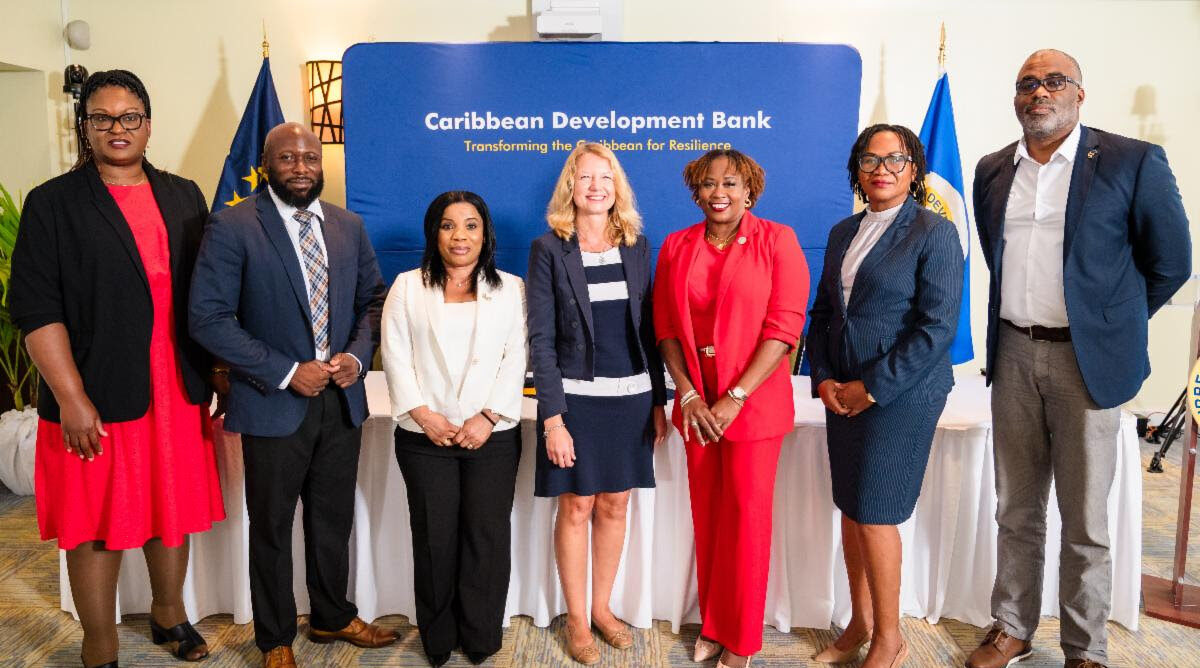
EU-funded CDB programme strengthens trade capacity and competitiveness across Caribbean
After five years of targeted intervention across 15 Caribbean nations, an €8.7 million regional trade capacity building initiative, funded by the European Union (EU) and administered by the Caribbean Development Bank (CDB), has formally concluded, leaving behind measurable improvements to regional trade systems, institutional capabilities and global economic competitiveness.
The programme merged two complementary frameworks: the European Development Fund’s Economic Partnership Agreement (EPA) initiative and the CARICOM Single Market and Economy (CSME) Standby Facility for Capacity Building, designed to address a longstanding gap between regional trade agreements and on-the-ground implementation. At a closing event held in Bridgetown, Barbados, stakeholders from participating governments, regional bodies and development partners gathered to celebrate the initiative’s outcomes and reflect on lessons learned for future collaborative projects.
Over its operational lifespan, the programme delivered 27 separate targeted interventions across the Caribbean Forum (CARIFORUM) region, partnering with more than 100 local, national and regional institutions, and contributing over 11,000 hours of specialized technical assistance to build sustainable capacity. Each participating nation received more than €350,000 in combined grant financing and technical support, focused on priority areas including trade facilitation, export expansion and value chain development, technical and vocational skills training, quality infrastructure improvement, and the alignment of domestic food safety and certification standards with global requirements.
Lisa Harding, Division Chief of CDB’s Private Sector Division, emphasized that the programme’s success grew from intentional collaboration, hands-on on-location support, and investment in long-term institutional strengthening rather than one-off policy changes. Results, she noted, are already visible across core economic sectors including trade, agriculture, skills development and export growth. “This programme reinforces a lesson we know well: Transformation does not come from agreements alone. It comes from implementation, capable institutions, and sustained partnerships,” Harding told attendees at the closing ceremony.
Paula Byer, Acting Director of Foreign Trade at Barbados’ Ministry of Foreign Affairs and Foreign Trade, highlighted that the programme’s priorities align directly with the needs of small, vulnerable Caribbean economies, as well as Barbados’ own national development strategy and commitment to deeper regional integration. While trade agreements open new market access, Byer explained, nations must first build the institutional capacity and competitive muscle to capitalize on those opportunities. “MSMEs are the backbone of our regional economies, yet they face the greatest barriers in international trade,” she noted. A more integrated CARIFORUM economy, she added, allows Caribbean nations to pool collective resources, expand cross-border production networks, and compete more effectively in global markets, while long-term partnerships with the EU remain critical to advancing export diversification and sustainable, inclusive growth across the region.
Chiara Tardivo, Team Leader for Economics and Trade at the EU-Caribbean Partnership, echoed that sentiment, expressing the EU’s continued commitment to Caribbean regional development and satisfaction with the programme’s concrete, verifiable outcomes across all participating countries. CARIFORUM Director-General Alexis Downes-Amsterdam further emphasized that market access alone cannot deliver broad-based economic gains. For small Caribbean economies to convert trade opportunities into tangible market presence and long-term growth, she explained, sustained investment in financing, targeted technical assistance, and ongoing institutional strengthening are non-negotiable.
CDB officials confirmed that the programme’s interventions have laid a robust foundational framework for building more resilient, competitive national and regional economies across the Caribbean, positioning participating nations to better pursue their long-term development priorities in an increasingly interconnected global trading system.
-

Oliver Benoit to headline new UK international residency programme
UK-based international arts organization Coreset has announced Grenadian contemporary artist Oliver Benoit as the first participant in its brand-new International Residency Programme, an initiative designed to bridge Caribbean artistic expression and broader UK and global creative conversations at a critical moment for decolonial discourse in the arts.
Headquartered in Newark, UK, Coreset has kicked off its ambitious new program by selecting one of the most impactful Caribbean artists working in the contemporary space. Benoit’s creative practice is built around a rich, multi-layered visual vocabulary that brings together traditional pigment, text, and a range of repurposed materials – from crushed brick and hessian to recycled newsprint – creating dynamic, thought-provoking tension across his canvases. His abstract compositions operate as both sites of conceptual excavation and physical construction, grappling with the tangled interconnected histories of slavery, colonialism, revolutionary struggle, and global migration.
At the heart of Benoit’s decades-long practice is a consistent, unflinching decolonial inquiry: how collective histories are retained, hidden, and brought back to public consciousness. His paintings work simultaneously as archival documents and critical interventions, spaces where fragmented narratives coexist without forcing a neat, predefined narrative closure. Ordinary, everyday materials are reimagined as carriers of cultural memory, upending traditional hierarchies of artistic value and expanding widely held definitions of what constitutes a monument and what meaning it can hold, both within Caribbean contexts and across the global art landscape.
The residency is scheduled to launch in June 2026, when Benoit will travel to the UK for an extended period of focused research, new work creation, and cross-cultural creative exchange. Beyond dedicated studio time to develop new pieces, the program will structure a full calendar of professional networking opportunities, curated introductions to leading gallerists, independent curators, and major institutional partners, designed to create long-term opportunities for cross-border collaboration, expanded visibility, and sustained connection between Benoit and UK-based artistic peers and networks.
The residency will conclude with a public exhibition of all new work developed during Benoit’s stay, opening in mid-July 2026. This showcase will mark the first time this evolving body of work has been presented to a UK audience.
During his time in the program, Benoit will advance the next phase of his ongoing series *The Path of Fragments*, deepening his longstanding engagement with archival research and site-responsive creative practice. For Benoit, physical place becomes an embedded part of the artistic process, directly shaping both the tangible structure and conceptual direction of each new work.
Reflecting on the opportunity to join Coreset’s inaugural residency, Benoit shared: “My practice investigates the quiet endurance of materials that hold suppressed or fragmented histories of Grenada, particularly in the aftermath of the Grenadian Revolution. Through layering, concealment and revelation, I allow partial narratives to coexist — without seeking historical closure. This residency offers a critical space for sustained research and experimentation, and for considering how memory operates not only within Grenada but across broader diasporic and post-revolutionary contexts.”
Rebecca Blackwood, Founder and Director of Coreset, emphasized the timeliness of selecting Benoit for the inaugural spot: “Launching our International Residency Programme with Oliver feels both urgent and necessary. His work holds a rare balance — intellectually rigorous, materially inventive and emotionally resonant. At Coreset, we are interested in practices that do more than reflect the world; they reframe it.”
Jenni Francis, a leading cultural strategist who works with arts institutions across the UK, US, and Caribbean, added her perspective on the selection: “Oliver Benoit is one of the most significant Caribbean artists working today. His practice holds complexity without resolution, grounded in material intelligence and historical depth. Rooted in the Caribbean, his work sits firmly within urgent global conversations on memory, power and decolonisation.”
Beyond showcasing Benoit’s work, the inaugural residency lays a strong foundational framework for Coreset’s ongoing international programming, creating a model for connecting artists, ideas, and audiences across geographic divides and cementing the organization’s role as a critical platform for international, process-led contemporary artistic practice.
Benoit brings an extensive academic and professional background to the residency: he holds a PhD in Sociology from Brandeis University and an MFA from the TransArt Institute in partnership with Plymouth University. His previous exhibition credits include representing Grenada at the Venice Biennale and Expo 2020 Dubai, alongside solo and group shows across the Caribbean, Europe, and the United States.
-
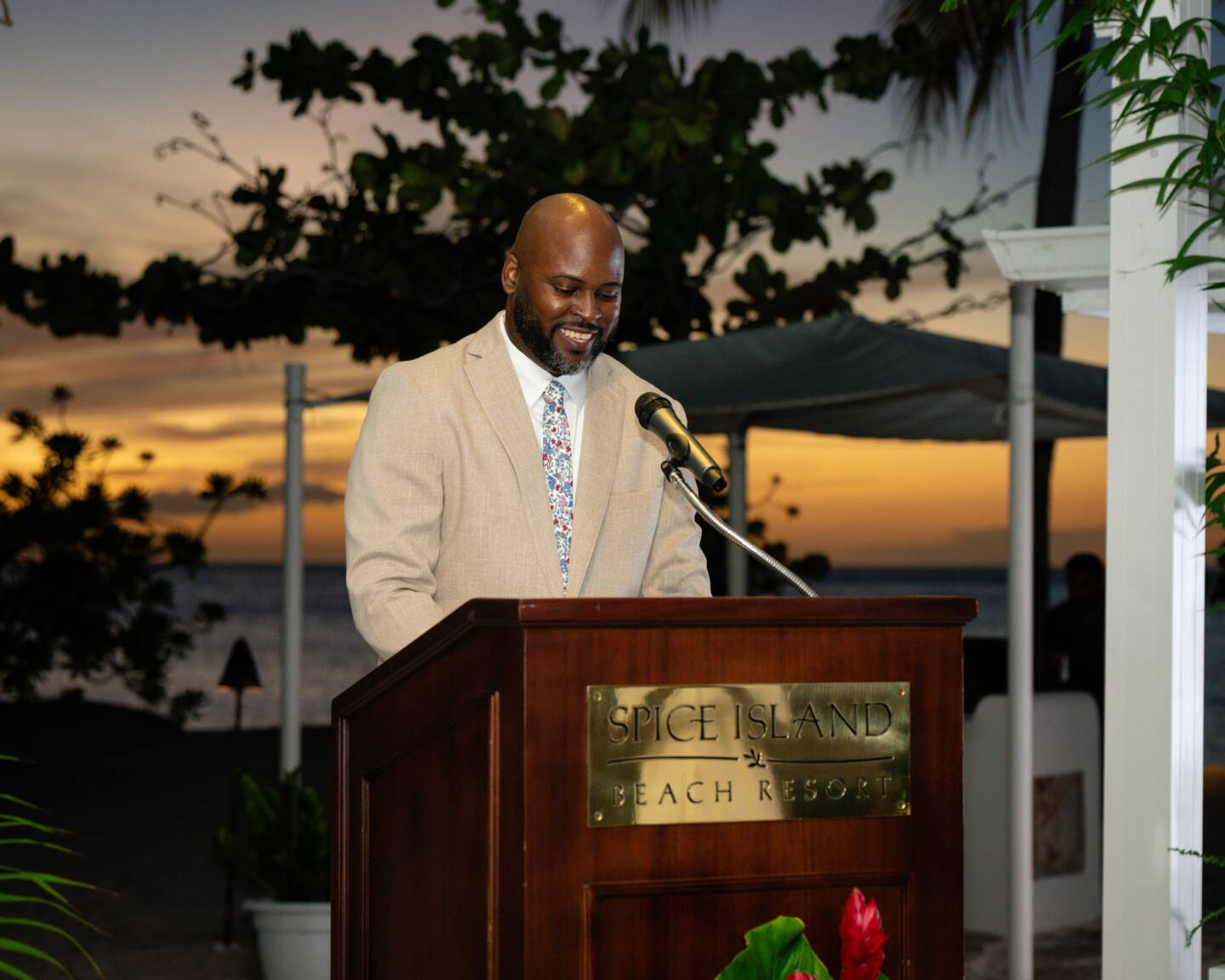
Grenadian General Insurance celebrates 35 years of service
On April 30, 2026, one of Grenada’s most enduring homegrown insurance providers, Grenadian General Insurance Company Limited, gathered industry leaders, government officials, loyal clients, dedicated employees, and key partners at the iconic Spice Island Beach Resort for a special “Toast to 35” Anniversary Cocktail Event, celebrating a major 35-year corporate milestone.
For more than three decades, Grenadian General Insurance has anchored local economic security by providing coverage for residential properties, commercial enterprises, personal vehicles, and household livelihoods across the island. Over that time, the firm has cultivated a strong regional reputation rooted in three core values: consistent reliability, transparent fairness, and client-first care. This anniversary evening was designed not only to honor the company’s accumulated achievements over 35 years but also to publicly reaffirm its long-term commitment to serving the Grenadian people into the future.
In his opening address to attendees, General Manager Kevon La Barrie reflected on the company’s humble origins and gradual growth, crediting the mutually beneficial relationships the firm has built across Grenada for its decades-long success. “Our longevity is not the result of accident or good fortune alone,” La Barrie noted. “It is built on the unwavering trust and confidence our policyholders have placed in us, the relentless dedication of every member of our team, and our consistent commitment to showing up for customers when they need us most.” He also outlined the company’s ongoing evolution, highlighting recent investments in modernized digital systems and expanded service offerings designed to improve convenience for its growing client base.
A centerpiece of the evening’s formal program was a special Milestone Staff Award, created to recognize the longstanding contributions of tenured employees who have helped steer the company to success. The inaugural award was presented to Mignonette Hall, honoring her decades of professionalism and commitment to the firm’s mission. The event also paid tribute to all past and current team members, whose collective work has transformed Grenadian General Insurance into one of the nation’s most respected and established insurance institutions. Longstanding corporate clients were also recognized for their years of partnership, highlighting the cross-sector collaboration that has supported the company’s growth.
Grenada’s Prime Minister, the Honourable Dickon Mitchell, delivered special guest remarks at the event, officially acknowledging the outsize impact Grenadian General Insurance has had on national development. Mitchell praised the firm for strengthening local business confidence and bolstering Grenada’s overall economic resilience over 35 years of operation. Following the Prime Minister’s address, all attendees joined in the ceremonial “Signature Toast to 35,” raising their glasses to celebrate the company’s past progress and toast to its future ambitions.
As Grenadian General Insurance enters its 36th year of operation and embarks on its next chapter of growth, company leadership confirmed the firm will remain focused on three core priorities: elevating the standard of customer service across all lines of coverage, embracing digital and operational innovation to meet evolving client needs, and upholding its foundational mission of protecting what matters most to Grenadian individuals, families, and businesses.
-
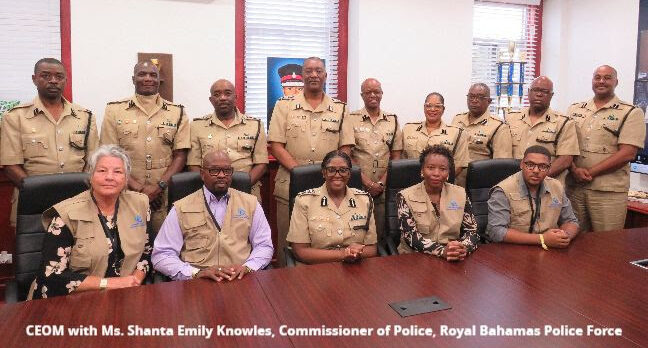
STATEMENT: CARICOM Election Observation Mission (CEOM) to the Commonwealth of The Bahamas
The Caribbean Community (CARICOM) Secretariat has answered an official invitation from The Bahamas’ top representative to the Commonwealth, moving forward with plans to deploy a 12-person international election observation mission ahead of the country’s upcoming general election on 12 May 2026. The invitation, delivered in a formal letter dated 10 April 2026, came from Dame Cynthia A. Pratt, O.N., GCMG, Governor-General of the Commonwealth of The Bahamas, opening the door for independent regional monitoring of the democratic process.
Leading the CARICOM Election Observer Mission (CEOM) is Herman St. Helen, Chief Elections Officer of the Saint Lucia Electoral Department, with Debra Hughes, Chairperson of Barbados’ Electoral Commission, stepping in as Deputy Chief of Mission. The 10 additional mission members drawn from independent electoral bodies across the Caribbean region include Alrick Daniel (Electoral Commission Member, Antigua and Barbuda), Ambassador Felix Gregoire (Chairman of Dominica’s Public Service Commission), Therona Lashington (Assistant Supervisor of Elections, Grenada), Peterson Pierre-Louis (Secretary-General of Haiti’s Provisional Electoral Council), Denese Coley-Hines (Regional Field Manager, Jamaica Electoral Commission), Kadean Williams (Systems Supervisor, Electoral Commission of St. Vincent and the Grenadines), and Cecil Valies (Member of Suriname’s Independent Electoral Council). Three CARICOM Secretariat staff members – Shae Alicia Lewis, Programme Manager for Community Relations; Cameron Clarke, Project Officer for Foreign and Community Relations; and Denise Morgan, Administrative Assistant for Foreign and Community Relations – provide administrative and logistical support to the observer team.
To lay the groundwork for their assessment, the mission’s core leadership group, consisting of the Chief of Mission, Deputy Chief of Mission, and CARICOM Secretariat support personnel, arrived in Nassau on Tuesday, 5 May 2026. The rest of the observer delegation will join them between 7 and 8 May 2026, and the full mission is scheduled to depart The Bahamas between 14 and 15 May 2026, after all post-election preliminary activities are completed.
Throughout their deployment, the CEOM will carry out a neutral, comprehensive evaluation of every stage of the electoral process, covering pre-election preparations, election day voting operations, and the post-election political climate. The assessment will examine key details ranging from the conduct of political parties and candidates to public and institutional response to the final election results.
In the lead-up to voting day, the mission has already held introductory meetings with a broad range of national stakeholders, including Commissioner of Police Shanta Emily Knowles, youth organization representatives, and local media outlets. In the coming days, the team is set to hold additional consultations with The Bahamas’ sitting Prime Minister, Leader of the Opposition, leaders of all contesting political parties, and independent candidates. It will also meet with officials from the Parliamentary Registration Department, as well as representatives from civil society organizations and both private and public sector groups to gather diverse perspectives on the electoral process.
On 12 May, election day, observers will be deployed across polling locations to monitor every step of voting operations, from pre-opening preparations and the opening of polling stations, through the casting of ballots, the closure of polls, the counting of votes, and the compilation of official Statements of Poll for each constituency.
After the conclusion of voting, the CEOM will first release a public Preliminary Statement outlining its initial findings on the integrity of the electoral process. A full Final Report will then be compiled for the Secretary-General of the Caribbean Community, which will subsequently be shared with the Prime Minister of The Bahamas, Leader of the Opposition, Parliamentary Registration Department, and published in full on the CARICOM official website for public access.
In a statement following the mission’s arrival, the CEOM expressed gratitude for the warm welcome and cooperative reception it has received from Bahamian stakeholders, and emphasized its commitment to supporting the strengthening of democratic governance across the Caribbean region through independent, transparent election observation.
-
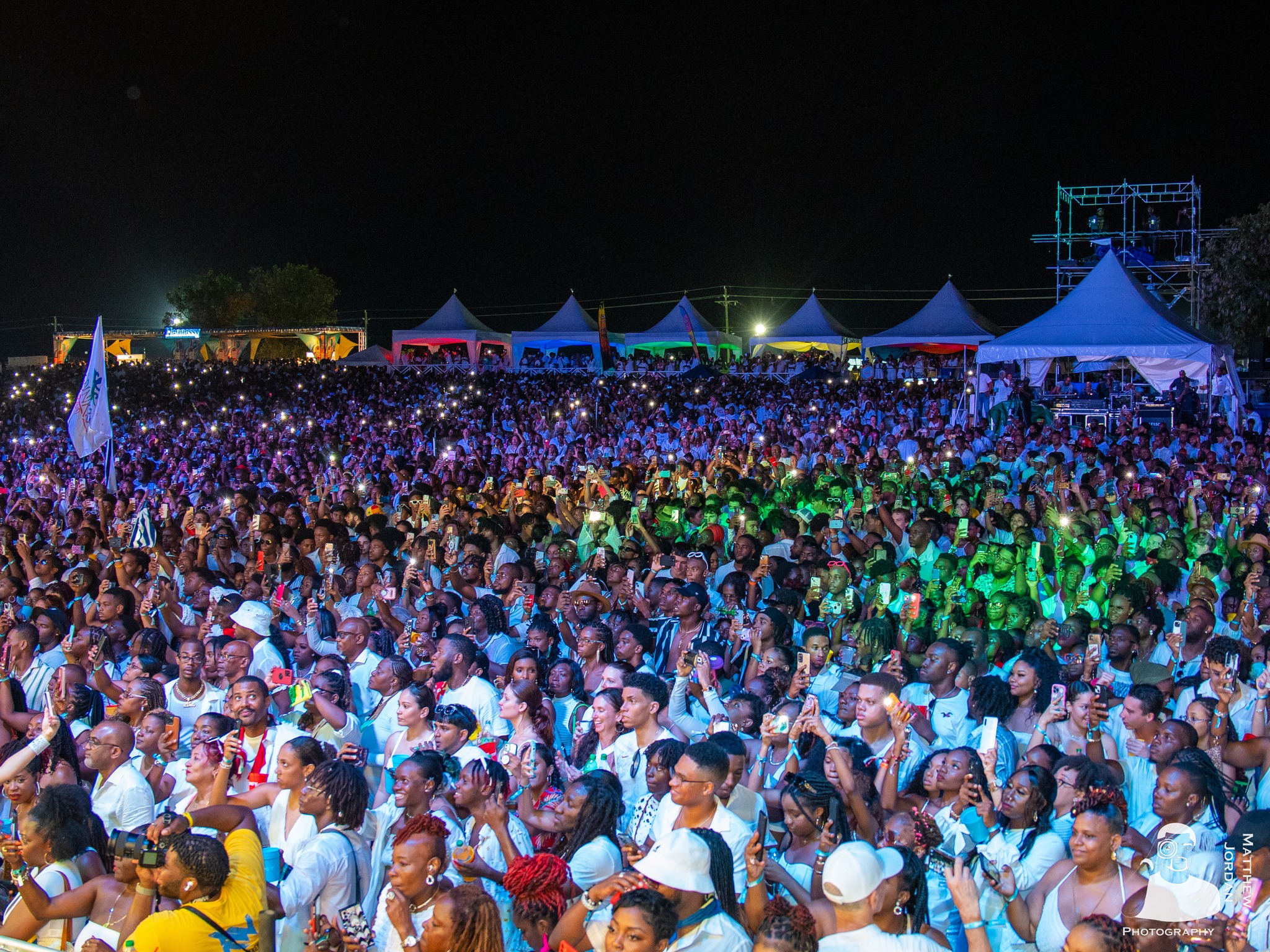
Promoters react as ‘Tipsy’ reschedules amid date issue
A scheduling shakeup in Barbados’ iconic Crop Over festival season has divided event promoters after one major J’ouvert celebration shifted its date to avoid conflicting with a beloved cultural tradition, only to create a new overlap with a long-running private gathering.
Organizers of the popular Tipsy J’ouvert Party Experience, produced by Twisted Entertainment, announced they would move the annual event from its original Foreday Morning slot to Sunday, August 2, a decision that has drawn widespread praise from the nation’s traditional Foreday Morning bandleaders. For weeks, public debate had simmered over the original timing of the Tipsy event, which many argued placed a large-scale commercial celebration in direct competition with the decades-old, culturally rooted Foreday Morning procession that forms a core part of Barbadian national identity.
In a public statement, Twisted Entertainment clarified that the date change was a deliberate choice to honor Barbados’ cultural heritage, rather than undermine it. “From day one, our intention has always been to celebrate J’ouvert culture, not compete with it,” the statement read. “The team made the deliberate decision to move the event out of the Foreday Morning window in order to preserve the integrity of one of Barbados’ most important cultural traditions.”
That commitment has been well received by the Foreday Morning Band Collective, a group representing the nation’s traditional carnival bandleaders. Bryan Worrell, the collective’s spokesperson and director of Colours Entertainment, noted that the original scheduling had posed an existential threat to the success of smaller, traditional bands, which have anchored the Foreday Morning celebration for more than 30 years.
“The collective is very happy today that one of the events that was causing a major challenge for us has been moved,” Worrell said. “What we wanted was that the event would be protected to some extent from competition. The same type of event on that same night made it kind of difficult for us to operate and be successful. They had a bigger entertainment package, so it would have been challenging for us to compete with them on the same day.”
Worrell added that as a staple national cultural institution, Foreday Morning deserves targeted support from the Barbados Ministry of Culture and the National Cultural Foundation (NCF) to ensure all bandleaders and stakeholders can remain financially viable. “We are looking to protect our event and we want to make sure that the stakeholders, which are the bandleaders in Foreday Morning, are operating in a space where they can be successful,” he explained. With the core conflict resolved, the collective confirmed it is now moving forward full steam with preparations for its 2026 productions.
While traditional bandleaders celebrate the shift, the new August 2 date has created a fresh scheduling conflict with another established private J’ouvert event. Ryan Forde, co-director of the 10-year-running events Stain’d and the Brekfus Experience, confirmed that Tipsy’s new slot falls exactly on the same date as his annual Sunday gathering. Despite the overlap, Forde says his team has no plans to alter their already finalized itinerary, and remains unworried by the new competition.
“I don’t see it as competition… I think all of us complement the festival,” Forde explained. “For me, the more events and the variety or the different style of events and locations is great for our lovely Crop Over festival. People will go to their event, people will come to our event, and people will love Crop Over. Our focus is just putting on a great event for Barbadians and visitors alike.”
Twisted Entertainment has echoed that collaborative framing, noting that the rescheduling was designed to create space for Foreday Morning to retain its central role in the festival season, while positioning the Tipsy experience as an added attraction that enhances, rather than detracts from, Barbados’ premier cultural celebration. The organizers reaffirmed that Foreday Morning remains an unshakable cornerstone of Barbadian national culture, and that they fully support its continued prominence on the national events calendar.
-
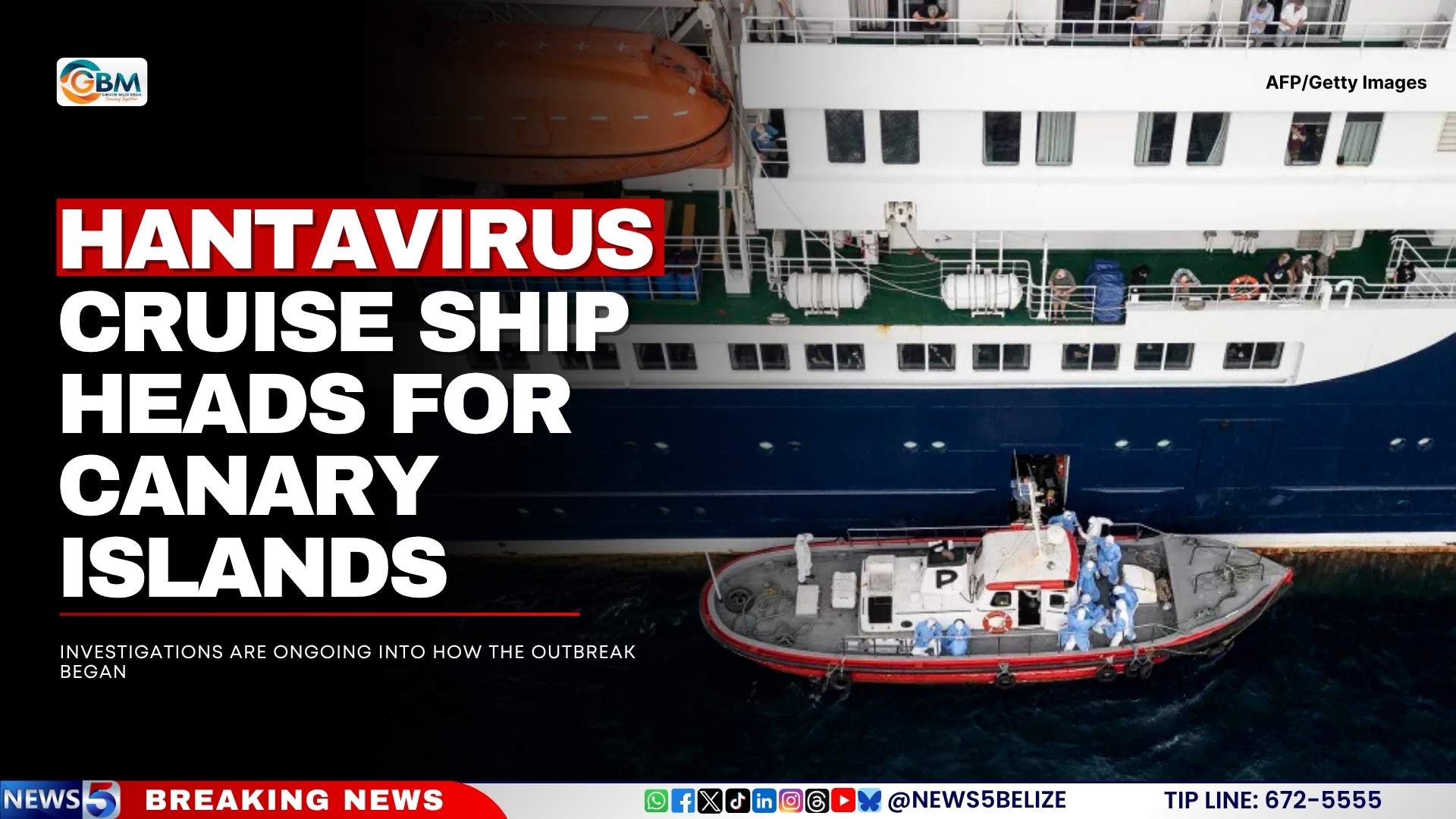
Hantavirus Cruise Ship Heads for Canary Islands as Global Contact Tracing Expands
In an ongoing public health incident that has triggered international response coordination, a cruise ship linked to a deadly hantavirus outbreak is making its way to Spain’s Canary Islands, as health agencies across multiple nations work around the clock to trace and monitor potentially exposed contacts.
The expedition vessel MV Hondius departed Cape Verde on Wednesday, carrying close to 150 remaining passengers and crew members. All people onboard are currently held under strict isolation protocols, with continuous medical monitoring to track any emerging signs of infection. The vessel is projected to dock at the island of Tenerife within three days of its departure.
As of the latest update from public health officials, the outbreak has been connected to at least eight confirmed and suspected cases, with three deaths already recorded. The fatalities include a Dutch couple and a German passenger, while a British national who was hospitalized in intensive care in South Africa is now showing signs of improvement.
The World Health Organization has confirmed that the outbreak involves the Andes strain of hantavirus, a pathogen that can spread between people through close, prolonged contact in rare instances. Even with ongoing transmission on the vessel, global health leaders have emphasized that the overall risk of widespread infection to the general public remains very low.
Health authorities in a dozen countries across Europe and Africa, including Switzerland, South Africa and the Netherlands, have launched full contact tracing operations to locate and test passengers who developed symptoms either during the cruise or after disembarking at previous ports of call. The process of identifying all potentially exposed contacts has been complicated by the international makeup of the ship’s passenger roster, with travelers from more than 15 countries originally on the voyage.
Discussions around the vessel’s planned docking at Tenerife have been ongoing between regional and national Spanish health officials, with Spanish authorities confirming that the arrival can be managed safely under rigorous, established public health protocols. All passengers and crew will undergo comprehensive testing and extended quarantine protocols once the ship docks, per regional health requirements.
Investigations into the origin of the outbreak are still ongoing, with preliminary epidemiological findings pointing to possible exposure to the virus before passengers boarded the vessel in Buenos Aires, Argentina. Public health teams in Argentina have also launched preliminary checks at ports and departure points to identify any potential sources of the initial infection.
-

AGRIC 2026 Draws Over 37,000 Visitors
Belize’s 2026 National Agriculture and Trade Show (AGRIC 2026), held under the forward-looking theme “Advancing Smart Agriculture,” wrapped up its four-day run having drawn more than 37,800 total attendees, official data from the country’s Ministry of Agriculture confirms. This attendance figure marks a modest uptick from the 2025 iteration of the event, though it remains slightly below the 41,000 visitor milestone set during the 2024 show.
Beyond attendance numbers, the 2026 event delivered notable expansion across key metrics, growing 13% in the number of participating vendors, exhibition booths, and on-site concessions compared to previous years. The show was deliberately structured to showcase both sides of Belize’s agricultural identity: time-honored traditional farming practices that have shaped the nation’s food systems for generations, and cutting-edge agricultural technologies designed to boost productivity and resilience.
One of the most popular and expanded highlights of this year’s event was the traditional Cabalgata, a horseback procession celebrating Belize’s deep-rooted livestock heritage. The event saw explosive growth in participation, jumping from just 34 riders in 2025 to 156 participating equestrians in 2026. The procession was complemented by live music performances and decorative floats that highlighted the cultural significance of livestock rearing to Belizean communities.
Speaking on the event’s outcomes, Minister of Agriculture Rodwell Ferguson attributed the show’s success this year to robust cross-stakeholder collaboration between government agencies, private agricultural producers, technology providers, and local community groups. Ferguson emphasized that the growing scale and engagement at AGRIC 2026 mirrors broader positive trends in Belize’s agricultural sector, particularly the industry’s ongoing shift toward sustainable production practices that can adapt to intensifying climate challenges.
Organizers reaffirmed that the annual National Agriculture and Trade Show has solidified its role as the country’s central platform for three core goals: driving agricultural innovation by connecting producers with new technologies, delivering practical education to farming communities and the general public, and fostering ongoing public engagement with the critical work of Belize’s agricultural sector. Looking ahead, organizers plan to continue expanding the event’s focus on climate-resilient and technology-driven agriculture in coming years.