博客

  • Resilience framed as key to competitiveness, stability

    Resilience framed as key to competitiveness, stability

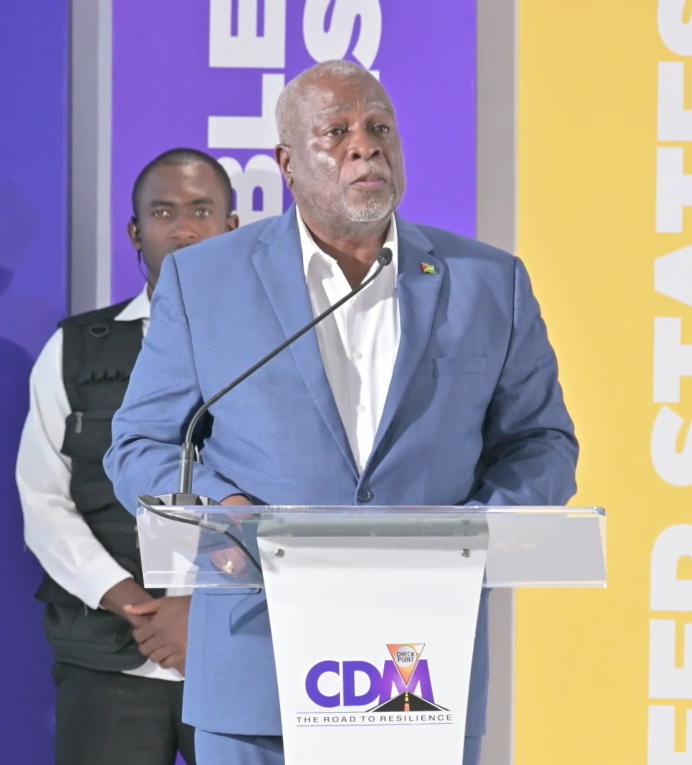
    As Caribbean nations grapple with escalating climate risks and shifting global economic pressures, Guyana’s Prime Minister Mark Phillips has redefined disaster resilience from a reactive emergency tool to a foundational pillar of national competitiveness, governance and investor confidence. Speaking at the official launch of the 14th Caribbean Conference on Comprehensive Disaster Management, Phillips told a gathering of regional disaster managers, government leaders, development partners, private sector stakeholders and financial institutions that outdated, post-event response frameworks are no longer fit for 21st century risk realities.

    Phillips, a retired Brigadier of the Guyana Defence Force, emphasized that resilience has moved to the center of modern governance, shaping everything from national infrastructure planning and public security to long-term development trajectories and economic performance. “To govern well in this environment is to govern at the speed of risk, anticipating threats before they mature, investing ahead of need, coordinating across borders, and acting with resolve when the moment demands it,” Phillips said. He noted that decision windows for mitigating hazards are shrinking rapidly, while the economic and human cost of delayed action grows with each extreme weather season. When approached proactively, he argued, resilience becomes as much a driver of economic competitiveness as it is a tool for protecting communities.

    A nation that can keep critical infrastructure — including ports, power grids and public services — operational through climate shocks builds lasting trust among both investors and citizens, Phillips explained. Climate-resilient infrastructure holds its value over decades, while community-wide early warning systems cut both human casualties and economic losses after a disaster. He added that emerging technologies, from advanced satellite forecasting to data analytics, are giving governments critical extra time to intervene before a threat escalates into a full-blown crisis.

    The launch event, held in Guyana, precedes the full Caribbean Disaster Management Conference (CDM 14) scheduled for December, which is organized by the Caribbean Disaster Emergency Management Agency (CDEMA). Phillips stressed that no single Caribbean nation can build sufficient resilience independently, nor can any national budget cover the full cost of risk reduction alone. Regional collaboration, cross-border risk pooling and pre-arranged disaster financing are critical, he noted, as pre-positioned resilience funding allows far faster response and recovery than scrambling for resources after a disaster strikes.

    CDEMA Executive Director Elizabeth Riley echoed Phillips’ framing, noting that while the Caribbean sits on the front lines of a climate crisis it played almost no role in creating, additional global pressures are reshaping the operating context for regional governments and institutions. Geopolitical instability, post-pandemic supply chain disruptions, rapid technological shifts and growing competition for limited development financing have created new barriers to progress. “This really requires us to think differently about resilience and also to promote self-reliance,” Riley said. “Resilience must be understood as a strategic governance development and economic imperative. It must shape how we plan, invest, and govern.”

    Riley emphasized that this reorientation is increasingly urgent as development financing becomes more constrained and official development assistance declines. “Maximising available resources, strengthening disaster risk financing, and embedding resilience into investment decisions will be critical to safeguarded development gains,” she added. The annual Caribbean Conference on Comprehensive Disaster Management is designed to advance regional dialogue and cross-sector partnerships focused on resilience building, disaster risk reduction and sustainable development across the Caribbean bloc.

  • Medical Products Bill aims to strengthen drug safety, production

    Medical Products Bill aims to strengthen drug safety, production

    Barbados is taking a major step toward reshaping its national healthcare framework, as a transformative new piece of legislation targeting pharmaceutical regulation and supply chain security moves forward through the country’s Parliament. Titled the Barbados Medical Products Bill, the proposed law marks a historic milestone not just for its policy goals, but also for the procedural context in which it was introduced: it was piloted through its second reading in the House of Assembly by Health Minister Senator Lisa Cummins, marking the first time a sitting senator has appeared on the floor of the lower house of parliament following constitutional amendments ratified late last year.

    In her address to lawmakers, Minister Cummins framed the bill as a critical step toward establishing full medical products sovereignty for the Caribbean island, with public safety serving as the core priority. The primary risk the new regulations aim to address is the growing threat of counterfeit pharmaceuticals, which put public health at severe risk through untested ingredients and fraudulent claims of efficacy. Key to the new regulatory structure is Section 6 of the bill, which lays out formal requirements for the registration and marketing authorization of all medical products sold or distributed in Barbados.

    Minister Cummins emphasized that strong, centralized regulation is non-negotiable to protect Barbadians from substandard or fraudulent drugs that are often marketed with false claims about their ability to treat medical conditions. “One of the things that this legislation is meant to do is to protect this community by way of regulation from counterfeiting drugs and drugs that are marketed to do one thing but really are not doing what they’re said to do,” she told assembled lawmakers.

    The push for this new framework grew directly out of disruptions that hit the island during the COVID-19 pandemic, when global supply chain breakdowns and export restrictions left many small nations struggling to access critical medical supplies. Compounding those ongoing challenges are current global supply chain disruptions linked to rising international tensions, which have added new layers of uncertainty to global pharmaceutical trade. Currently, Barbados imports 47 percent of all pharmaceutical products consumed domestically, a level of dependence that left the country extremely vulnerable during recent crises.

    Minister Cummins described the confluence of pandemic-related disruptions, export bans, international supply chain breakdowns, and country-level hoarding of medical supplies as a “perfect storm” – but also a perfect opportunity to build long-term self-reliance. The bill aligns with Barbados’ broader national strategy to secure sovereignty across key strategic sectors, from energy and agriculture to food production, now extending that momentum to health and medical supplies. The goal, she stressed, is to ensure Barbados is never again fully reliant on the goodwill of foreign nations, a vulnerability laid bare during the peak of the COVID-19 pandemic when many countries prioritized domestic access to critical supplies over exports.

    A core complementary initiative tied to the bill is the launch of Barbados Pharmaceutical Inc., a state-backed domestic pharmaceutical production company that will serve as a foundation to transform Barbados from a regional logistics hub into a full-fledged pharmaceutical, distribution, and regulatory hub for the Caribbean and broader global south. Minister Cummins revealed that the new facility is already working with key partners in Nigeria to build collaborative partnerships with pharmaceutical manufacturers across the African continent, opening new avenues for South-South cooperation in pharmaceutical production.

    The bill also formalizes the structure for a new Barbados Medical Products Regulatory Authority, which will operate under the legislation’s framework to oversee both domestic manufacturing and research and development activity carried out at the Barbados Living Lab, the country’s new pharmaceutical R&D facility. Minister Cummins simplified the authority’s role: just as the U.S. Food and Drug Administration provides trusted verification of pharmaceutical safety and efficacy for global markets, the new Barbadian regulator will fill that same role for domestic and regional production. Without a formal, robust regulatory framework, she noted, domestic manufacturing and international collaboration cannot expand.

    The legislation also draws heavily on existing regional regulatory frameworks across both the Caribbean and African regions, where leaders have prioritized expanding domestic pharmaceutical manufacturing and strengthening independent regulatory authorities. Under the new structure, the existing Barbados Drug Service will be separated from the new regulatory authority, which will take on full independent oversight of all medical products. The bill also incorporates formal requirements for pharmacovigilance, including systematic quality monitoring, processes for product recalls, and removal of unsafe products from the market.

    From the moment pharmaceutical products arrive at Barbados’ border, through customs clearance, import licensing, and final placement on retail shelves, multiple government agencies including Customs, the Department of Commerce, the new regulatory authority, and the Ministry of Health will collaborate to maintain extensive regulatory oversight and surveillance, with each institution holding clear defined responsibilities under the law.

    The procedural milestone of a senator presenting legislation to the House of Assembly follows the December 2023 ratification of amendments to the Constitution of Barbados, which explicitly allow sitting ministers from the Senate to attend sittings of the House of Assembly, and vice versa for ministers sitting in the lower house. The first cross-chamber ministerial appearance took place just last week, when two members of the House of Assembly – Criminal Justice Minister Michael Lashley and Attorney General Wilfred Abrahams – presented the Criminal Gangs (Prevention and Control) Bill for its second reading before the Senate.

  • DaSilva, Jangoo earn West Indies recall

    DaSilva, Jangoo earn West Indies recall

    As the opening match of West Indies’ two-Test home series against Sri Lanka draws near, the region’s cricket governing body has announced an updated Test squad that brings four familiar faces back into the fold ahead of the first fixture, kicking off next Thursday at Antigua’s iconic Sir Vivian Richards Stadium.

    Wicketkeeper-batter Joshua DaSilva and batter Amir Jangoo have earned recalls to the 15-man squad, joining fast bowlers Alzarri Joseph and Shamar Joseph, who return to Test selection after recovering from long-term injury spells. The pace duo last appeared in a West Indies Test squad during the 2025 home series against Australia.

    DaSilva’s recall comes off the back of devastating run-scoring form in domestic first-class cricket, having piled up 996 runs across the last two seasons of the West Indies Championship. For Jangoo, a left-handed batter, his standout performance in the 2025 edition of the regional tournament earned him his first Test squad call-up since January 2025. Jangoo ended this year’s championship as the second-highest run-scorer across the competition, headlined by a match-winning double century that cemented his case for selection.

    Veteran all-rounder Roston Chase will retain his position as Test captain for the series, with head coach Daren Sammy saying his side is ready to embrace the challenge of facing a high-quality Sri Lankan outfit on home soil.

    “Every Test series is a chance for this group to grow together and solidify what we want this team to stand for,” Sammy said in a statement released by Cricket West Indies. “Sri Lanka are a thoroughly quality side with match-winners across their batting and bowling groups, so we know we have to show up at our very best to compete. That said, the whole group is excited to take on this test.”

    Sammy outlined the core values the side will lean into throughout the series, emphasizing discipline, resilience under pressure, and national pride. “The players have put in the hard work through preparation, and we’re all eager to put on a competitive, strong show for our fans all across the Caribbean,” he added.

    The team is currently wrapping up a high-performance preparation camp in Antigua that runs through June 22, a camp Sammy described as a critical piece of the side’s pre-series planning. “This camp gives players and coaching staff dedicated time to sharpen the specific skills we need to prioritize against this Sri Lankan side, and work on the weaknesses we’ve identified in recent matches,” he explained. “It also lets us lock in clear objectives and game plans not just for this series, but for the conclusion of our summer Test schedule against Pakistan later on.”

    Ahead of the opening Test, Sri Lanka will face a West Indies Select XI in a four-day warm-up fixture from June 18 to 21 at Antigua’s Coolidge Cricket Ground, a fixture Sammy said serves a key purpose for emerging domestic talent. “This warm-up game gives our up-and-coming Test hopefuls a chance to compete at high intensity against a quality international side, and it also fosters healthy competition within the wider squad for places ahead of this series and future fixtures,” he noted. Top-order batter Tevin Imlach will lead the 13-man Select XI side for the warm-up match.

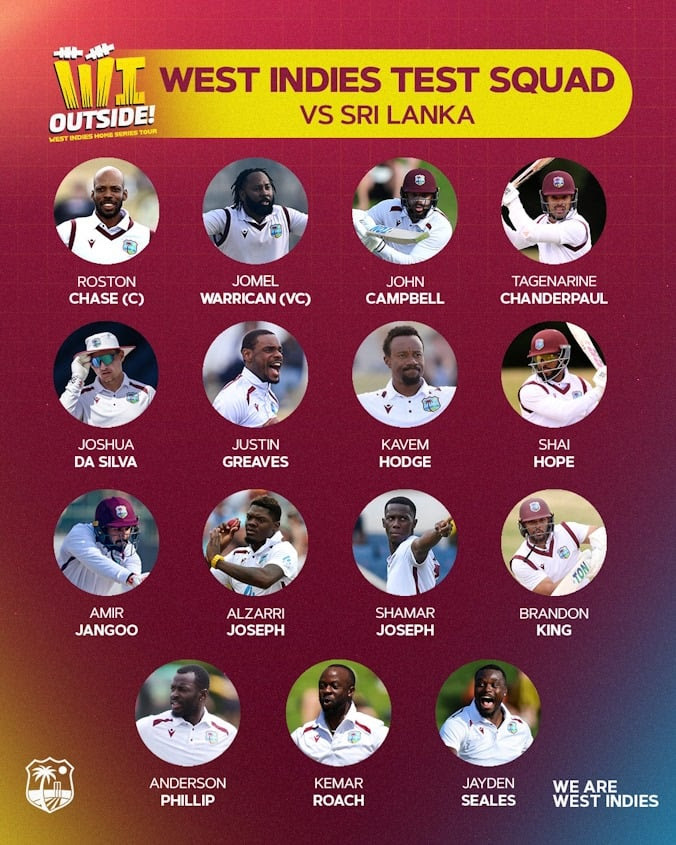
    Full West Indies Test Squad vs Sri Lanka: Roston Chase (captain), Jomel Warrican (vice-captain), John Campbell, Tagenarine Chanderpaul, Joshua Da Silva, Justin Greaves, Kavem Hodge, Shai Hope, Amir Jangoo, Alzarri Joseph, Shamar Joseph, Brandon King, Anderson Phillip, Kemar Roach, Jayden Seales.

    Full West Indies Select XI Squad vs Sri Lanka: Tevin Imlach (captain), Joshua Bishop, Jonathan Drakes, Karima Gore, Alzarri Joseph, Brandon King, Kirk Mckenzie, Keemo Paul, Kemol Savory, Ojay Shields, Nial Smith, Gilon Tyson, Kevin Wickham.

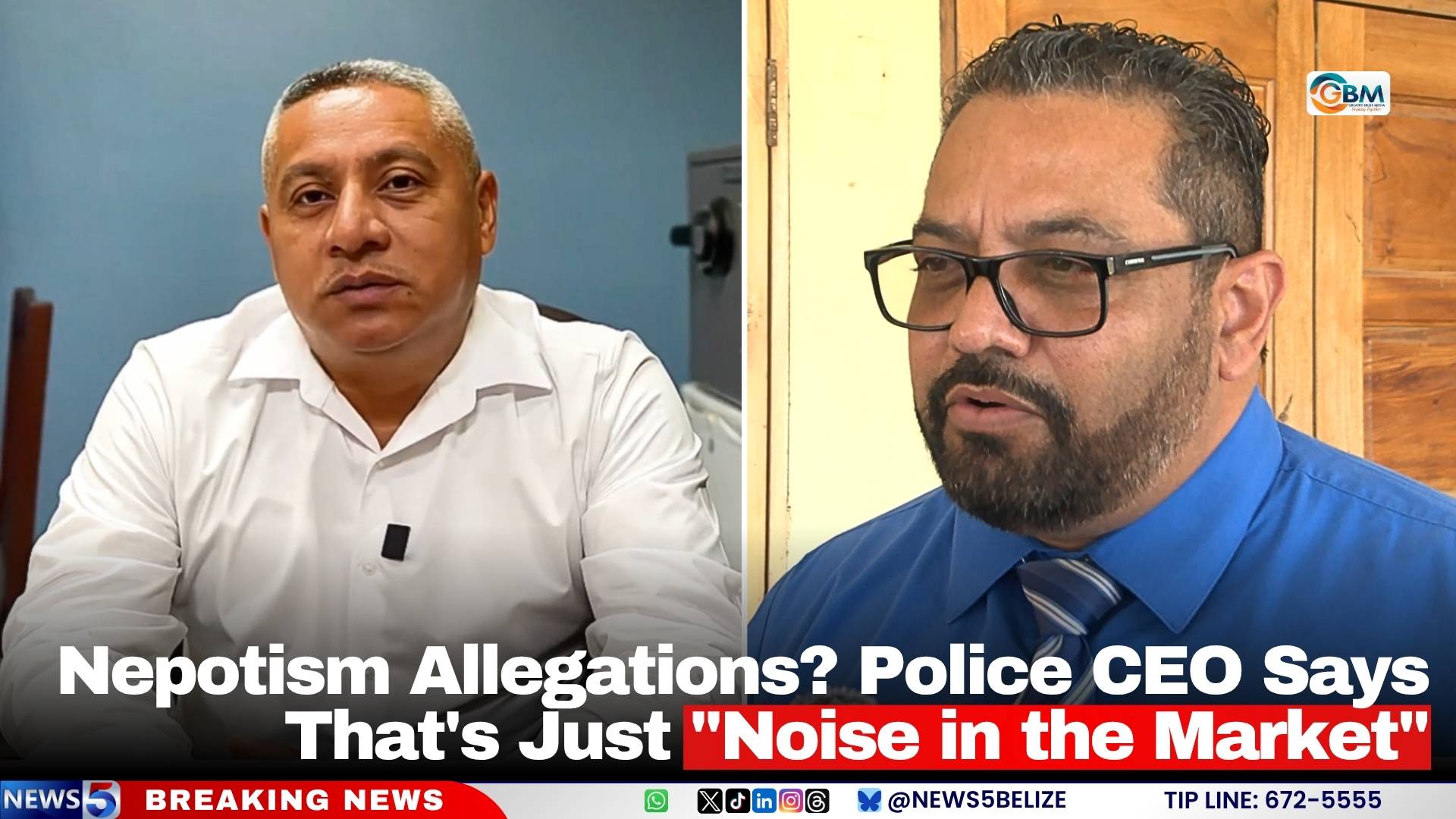
  • Nepotism Allegations? Police CEO Says That’s Just “Noise in the Market”

    Nepotism Allegations? Police CEO Says That’s Just “Noise in the Market”

    Amid a growing wave of unaddressed nepotism allegations targeting Belize’s Minister of Home Affairs Oscar Mira, the top police chief has stepped forward to dismiss the controversy as unfounded public speculation. In an exclusive interview with local outlet News 5 on June 16, 2026, Rear Admiral Elton Bennett, Chief Executive Officer of the department, pushed back against claims that the scandal is undermining Mira’s ability to lead.

    Bennett emphasized that despite the swirling public discourse, Minister Mira has maintained unbroken focus on his official responsibilities, and the unsubstantiated claims have had no tangible impact on his leadership of the ministry. According to Bennett, all core operations across the Ministry of Home Affairs are running smoothly as planned, including critical functions of the Police Department and national forensic services. He also confirmed that regular communication and coordination between himself and the minister remain unchanged.

    When questioned about whether the nepotism claims could damage ongoing efforts to restore public trust in national law enforcement, Bennett rejected any link between the allegations and institutional integrity. “No, not at all,” he stated firmly. “I don’t see the connection, and I don’t see there is any question as it relates to trust and the integrity of the minister at all.”

    As of the publication of this report, Minister Mira has not offered any direct on-the-record response to repeated media requests for comment on the allegations. Prior to this, Mira only released a brief public statement via Facebook, labeling the nepotism claims as deliberate “lies and misinformation” aimed at discrediting his office.

  • Learning co-op helps at-risk boys become young farmers

    Learning co-op helps at-risk boys become young farmers

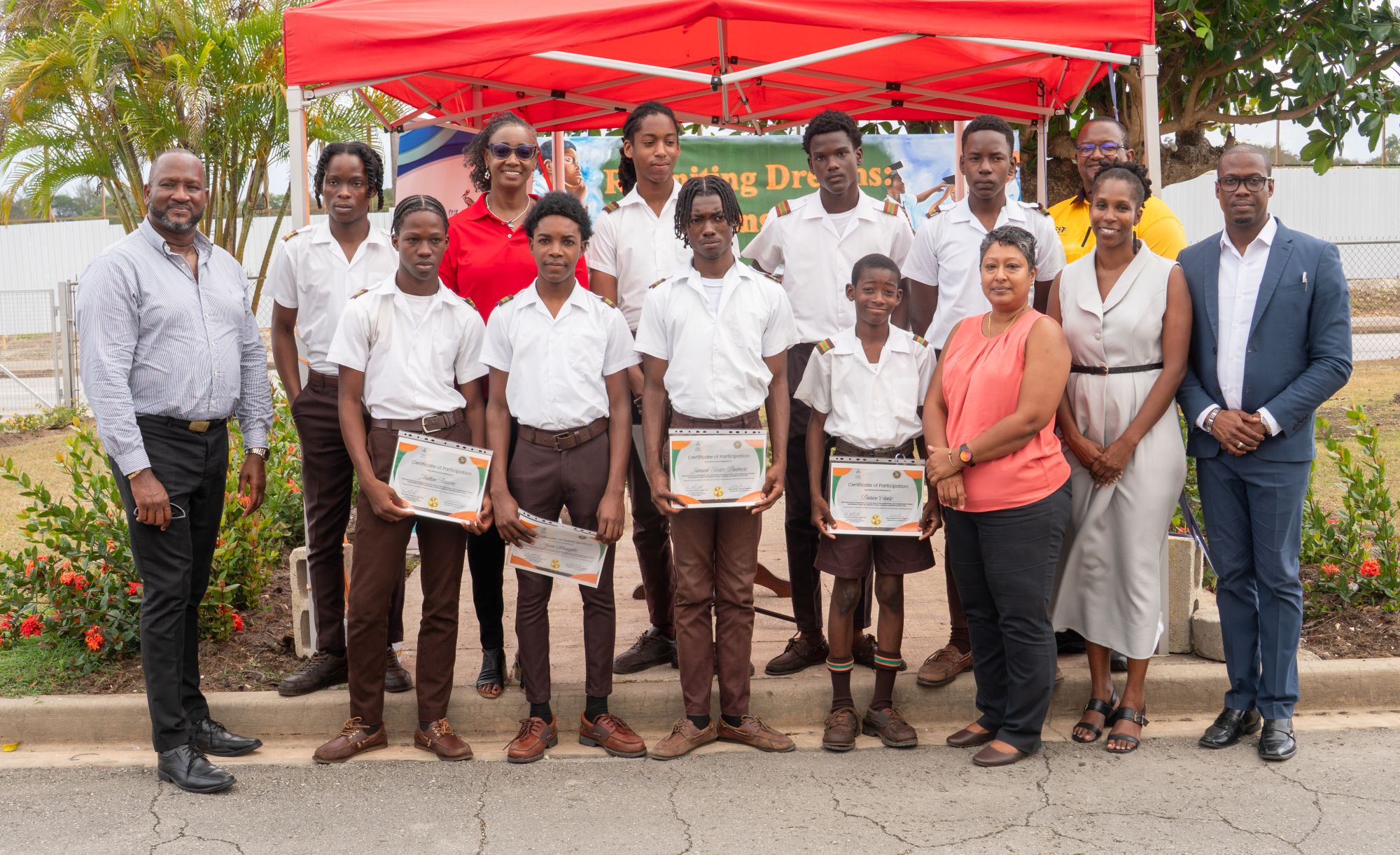
    A ground-breaking seven-week agriculture-focused pilot programme has successfully reconnected 15 disengage teen boys with education at Frederick Smith Secondary School (FSSS) in Trents, St. James, delivering measurable improvements in school attendance, collaborative skills and hands-on technical ability while producing marketable hydroponic farm goods, programme officials confirmed this week.

    The initiative, branded “Learning Cooperative: Securing Futures, Saving Lives,” wrapped up on Monday with a celebratory closing ceremony on the school campus. Co-developed and delivered in partnership with The University of the West Indies (UWI) Cave Hill Campus, the programme moves beyond traditional classroom learning by embedding core academic skills like literacy and numeracy into practical, revenue-generating agricultural and entrepreneurial work.

    Unlike conventional learning models that leave hands-on learners disconnected from static lesson plans, this cooperative model integrates academic theory with tangible, income-producing farm work to boost student engagement, cultivate leadership capabilities, and strengthen critical social and emotional competencies. Over the programme’s duration, participating students built their own soilless hydroponic grow boxes directly on school grounds, operated the full hydroponic system, and cultivated leafy spinach and a range of culinary herbs. The fresh produce was then processed into high-value consumer goods, including handcrafted pesto and homemade mint ice cream — treats that guests sampled during the closing ceremony.

    Dr. Michele Singh, Director of UWI’s Centre for Agricultural Research and Innovation (CAGRI), highlighted the programme’s core mission to reframe secondary education for diverse learning styles. “When we launched this project, we saw a clear opportunity to rewrite the story around what effective education can look like,” Singh explained. “We live in a rapidly changing world, and traditional classroom settings too often leave bright, hands-on learners behind. We believed that tying academic concepts to the practical, revenue-driven reality of modern agriculture could create something truly transformative — and that is exactly what we achieved with the FSSS Learning Cooperative.”

    Singh emphasized that the pilot’s success relied on cross-sector collaboration, crediting the UWI School of Education, FSSS administration, and the Barbados Trust Fund Limited, which donated the programme’s hydroponic infrastructure. “By turning their agricultural work into tangible revenue and contributing to community well-being, these students have proven that agriculture is a viable, respected, and highly profitable career path,” she added.

    The programme was designed specifically as an intervention for 15 boys who had increasingly disengage from traditional classroom instruction. Using sustainable food production as a framework for holistic personal development, the curriculum also embedded training in conflict resolution, emotional self-regulation, and team collaboration. School leaders report that outcomes have far exceeded initial expectations, and the pilot’s model is already being considered to shape future curriculum design across the school.

    Acting FSSS Principal Shanelle Waithe spoke to the unexpected broader impact the small pilot has had on the entire school community. “We did not fully anticipate how far this small intervention would reach,” Waithe noted. “Over seven weeks, these 15 young men planned, built, planted, nurtured, and harvested their own hydroponic operation. They have learned to work through conflict, show up for their teammates, and take pride in something they built with their own two hands. In doing that, they have given our school far more than 15 individual success stories — they have given us a replicable blueprint.”

    What launched as a targeted support programme for a small group of at-risk students has grown into a pilot that now serves as a model for project-based, integrated learning across the entire institution, Waithe added. The initiative also aligns with wider regional education reform efforts, echoing global conversations about student-centered curriculum design and collaborative school governance.

    Dr. Laurette Bristol, Director of the UWI School of Education at Cave Hill, emphasized the critical role of community partnerships and relevant, hands-on curricula in 21st-century education. “The UWI School of Education embodies engaged scholarship and leadership, working directly with schools and teachers to drive authentic education transformation,” Bristol explained. “This is not superficial change: it is about helping school communities identify their unique educational challenges, build cross-sector partnerships, and design education that is sustainable and regenerative. That is what it means to reignite young people’s dreams for the future.” Bristol also extended gratitude to parents, faculty, and school leadership for their ongoing support of participating students throughout the pilot.

  • Govt opens biz funding window to CAF development bank

    Govt opens biz funding window to CAF development bank

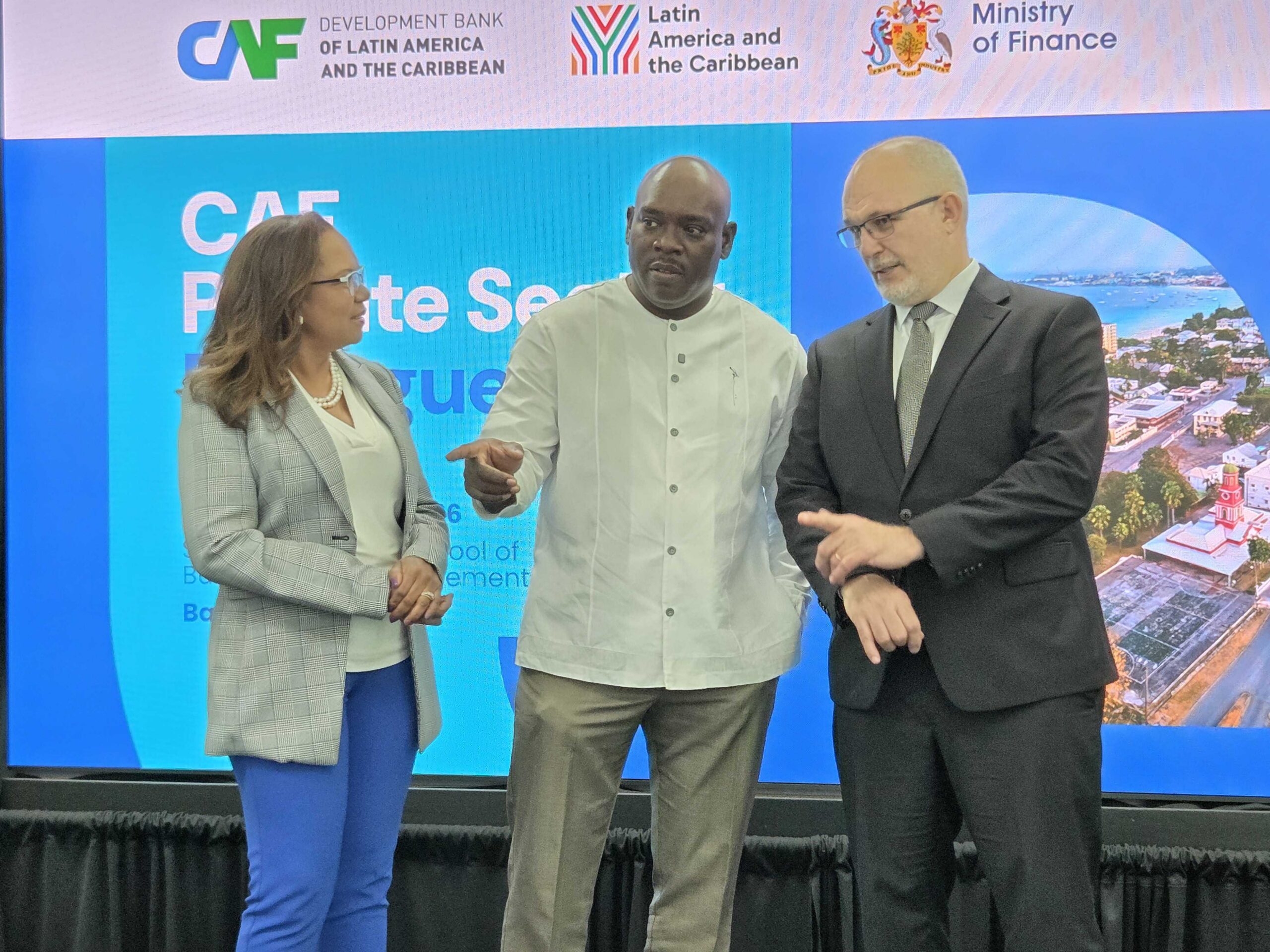
    In a landmark announcement Tuesday that signals a major shift in Barbados’ economic development strategy, Finance Minister Ryan Straughn confirmed that full membership in the Development Bank of Latin America and the Caribbean (CAF) has opened direct access to regional development capital and international export markets for the island nation’s private businesses. For the previous 12 years, only the Barbadian government was eligible to borrow from the Caracas-headquartered regional financial institution — a restriction that is now fully lifted. Under the new framework, Barbadian firms of all sizes can tap low-cost financing, specialized financial advisory services, and cross-border partnership networks that were previously out of reach for private operators. The reform is designed to enable business owners to scale their existing operations, expand product lines, and break into new regional and global export markets.

  • Dominican teachers complete ACT in mathematics cohort 2 regional training programme

    Dominican teachers complete ACT in mathematics cohort 2 regional training programme

    A cohort of 30 secondary school educators from across the Caribbean island nation of Dominica has wrapped up a landmark regional professional development initiative focused on upgrading mathematics instruction and expanding technology integration in K-12 classrooms. As announced in an official press statement from Dominica’s Ministry of Education, Human Resource Planning, Vocational Training and National Excellence, the country’s participation in the second cohort of the Advancing Caribbean Teachers (ACT) in Mathematics programme has reached a successful conclusion.

    The cross-border initiative brought together mathematics educators from three Caribbean nations—Dominica, Barbados, and Grenada—uniting them in a collaborative regional push to address gaps in math education and lift student performance across the bloc. For Dominica’s contingent, the 30 participants represented every one of the island’s 14 secondary schools, joined by the territory’s Learning Support Advisor for the Western region.

    The programme received joint institutional and logistical support from two leading regional and global education bodies: the University of the West Indies (UWI) Mona Campus, and the Commonwealth of Learning (COL). Local activities for Dominican participants kicked off in November 2025 with a two-day in-person introductory workshop held on the 13th and 14th of the month. Following the in-person opening, educators continued their skill-building through an online Community of Practice, which leveraged a suite of accessible digital platforms including Moodle, Zoom, WhatsApp, and COL Commons to keep participants connected between scheduled learning sessions.

    Throughout the entire duration of the programme, participating Dominican educators maintained exceptionally high levels of engagement, and readily adopted a range of research-backed, innovative teaching methodologies crafted to drive stronger student learning outcomes in mathematics. Programme facilitators trained participating teachers to implement the initiative’s signature “5 Master Moves” instructional framework, and guided them to integrate a diverse toolbox of interactive digital learning tools directly into their daily classroom practice. These tools included widely used educational platforms and applications: GeoGebra, PhET Interactive Simulations, Polypad, Didax, Wordwall, and Liveworksheets.

    Beyond technical digital skills, the programme also trained educators in gender-responsive teaching practices, designed to foster more inclusive classroom environments that encourage equal participation from all students, regardless of gender, in mathematics learning. The initiative also prioritized building sustainable regional collaboration between educators from participating countries, boosted participating teachers’ confidence in leveraging educational technology for instruction, and offered formal credentialing for educators who engaged with Open Educational Resources (OER).

    Dominica’s Ministry of Education formally extended its gratitude to all stakeholders who contributed to the programme’s successful implementation on the island, including secondary school principals, department heads, the participating teachers themselves, the UWI Mona Campus team, and the Commonwealth of Learning. Regional education stakeholders across the bloc have framed the ACT in Mathematics Cohort 2 initiative as a critical investment in Caribbean education, noting that it creates valuable space for educators to upskill, exchange evidence-based best practices, and contribute to long-term regional efforts to raise the quality of mathematics education across the Caribbean.

  • Football or Faith? Jamaican Pastor Warns of Watching the World Cup

    Football or Faith? Jamaican Pastor Warns of Watching the World Cup

    As the 2026 FIFA World Cup approaches, a provocative call from a Jamaican Seventh-day Adventist pastor has ignited widespread discussion across faith and sports communities. Godfrey Jesse Williams, the religious leader at the center of the conversation, is urging all Christian believers to forgo watching the tournament, warning that the global sporting event can pull followers away from their spiritual commitments and even put their salvation at risk.

    In an interview with local outlet *The Jamaica Star*, Williams laid out his full argument, framing the issue as a core conflict between worldly devotion and spiritual loyalty. He explained that World Cup matches absorb massive amounts of time and emotional energy that Christians ought to reserve exclusively for their relationship with God. Over time, he argued, many devout believers gradually shift their priorities, becoming overly invested in sports outcomes that ultimately have no eternal significance.

    To back his position, Williams draws directly from biblical text, citing 1 John 2:15, which commands believers not to love the world or the things in the world. Beyond time commitment, he points to the cultural values that competitive sports like the World Cup promote: individual pride, cutthroat competition, and extreme emotional volatility that run counter to the humility and peace central to Christian teachings. As a concrete example of this emotional upheaval, he references Germany’s historic 7-1 semi-final defeat of host Brazil at the 2014 World Cup, a result that left millions of fans across the globe in despair and triggered widespread public outbursts of grief and anger. For Williams, this moment is a clear illustration of how the tournament can consume believers’ emotional lives in ways that disrupt spiritual stability.

    What makes Williams’ stance notable is that it comes from personal experience, not just abstract doctrine. He openly shares that he was once an avid sports fan himself, closely following NBA legend Michael Jordan and the Chicago Bulls during the team’s dominant 1990s run, as well as soccer icon Lionel Messi and FC Barcelona during Messi’s tenure with the club. Eventually, however, Williams made the decision to step away from following professional sports entirely, saying the shift allowed him to refocus his full attention on his religious calling.

    Williams’ warning has already drawn mixed reactions across Jamaica, with some believers affirming his call to prioritize spiritual discipline, while others argue that recreational viewing of the World Cup can coexist with a healthy Christian faith.

  • Netball season launches with new structure

    Netball season launches with new structure

    The 2025 Barbados netball league season is scheduled to kick off this Wednesday at the University of the West Indies Cave Hill campus court, bringing with it a newly restructured competition format designed to align with the island nation’s upcoming high-stakes international hosting commitment.

    Nisha Craigwell, president of the Barbados Netball Association, confirmed in an interview with Barbados TODAY that the league’s long-standing seven-division structure has been streamlined into just five divisions for this condensed season. To cut down on the total number of matches required, the organization merged the former Division 1 and Division 2 tiers, leaving the top-tier Diamonds division as the league’s premier competition. Following the Diamonds are four subsequent divisions: Ruby, Sapphire, Emerald, and Opal, the last of which is reserved for under-14 youth competitors.

    Craigwell outlined the multiple key factors that pushed the association to redesign the season structure this year. Traditionally, the netball season opens every year on March 15 to mark the association’s founding anniversary, but the 2025 campaign was pushed back to a June 17 start date. The major catalyst for the condensed format and adjusted timeline is the regional Netball World Cup qualifier tournament, which Barbados is set to host in October this year. Association leadership aims to wrap up all domestic league play before the international qualifier gets underway, to avoid scheduling conflicts and ensure full focus on the elite event.

    Another logistical challenge that shaped the season’s game plan is ongoing renovation work at the main Waterford netball stadium. For the majority of the 2025 season, most lower-division matches will be held on outdoor courts, while the newly installed glass floor at the Wildey Gymnasium will be prioritized exclusively for Diamonds division matches. This arrangement is intended to give the senior national team players competing in the top division critical practice time on a high-quality indoor surface ahead of the October qualifier. Craigwell added that the association currently expects the Waterford stadium renovations to be finished before the domestic season concludes, allowing the league to move all remaining matches to the upgraded facility once work wraps up.

    Last year’s league title was claimed by Brittons Hill United, which enters the new season as the defending champion. Looking ahead to the regional qualifier, where Barbados will face off against top teams from across the Caribbean and the Americas, Craigwell reported that preparation progress has remained on track. “Our players have been training all year round,” she said. “We started out with just physical conditioning, but we’ve transitioned into regular gymnasium sessions now. The girls are looking good, getting fully fit, and we expect a very strong showing from our team.”

  • Shallow says cruise port deal a ‘no-brainer’

    Shallow says cruise port deal a ‘no-brainer’

    St. Vincent and the Grenadines’ new government has entered into a landmark 30-year concession partnership with Global Ports Holdings (GPH), the world’s largest cruise port operator, to revitalize the aging Kingstown Cruise Terminal and boost the country’s underperforming cruise tourism sector. The partnership, formalized via a signed memorandum of understanding (MoU) by the newly elected New Democratic Party (NDP) administration, will bring a phased total investment of up to EC$255 million into the terminal and national tourism infrastructure over the course of the agreement.

    The Kingstown Cruise Terminal, which was originally constructed by the NDP in the late 1990s, has not received any major expansion or comprehensive upgrade in more than 25 years. After the Unity Labour Party took office in 2001 and held power until its election defeat in November 2024, the facility remained the country’s only purpose-built cruise ship pier, falling badly behind competing regional destinations in infrastructure and service quality.

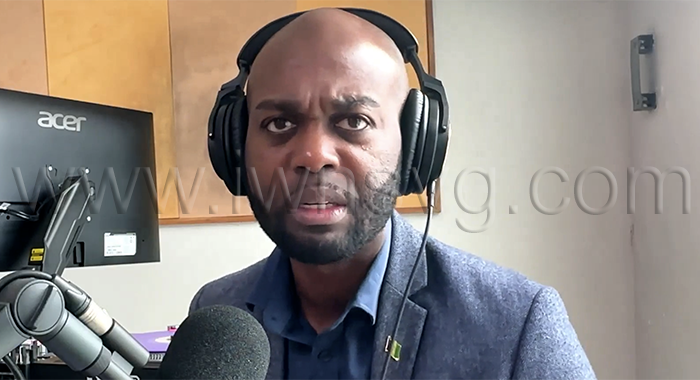
    Tourism Minister Kishore Shallow has defended the partnership as an obvious strategic decision given the terminal’s consistent financial drain on public coffers and the country’s strained national budget. Speaking on local radio station Hot 97 FM, Shallow disclosed that the terminal has operated at a net loss for four of the past five years, forcing the government to inject more than EC$15 million in public funds just to keep the facility operational over that period. Only 2023 delivered a small profit, totaling just EC$266,000 — a figure that highlights how little the current publicly run model benefits the public purse, Shallow argued.

    Shallow framed the deal as a clear choice between taking on costly new public debt to fund much-needed upgrades, or partnering with a global industry leader that brings both the required capital and specialized expertise to the project. “Do we have the capital now to invest in our port? The answer to that is no. Can we access it as a loan? Yes. Do we want more loan? No. Not for the port, certainly,” he told radio listeners.

    Unlike many similar regional public-private partnerships, the St. Vincent and the Grenadines agreement includes two unprecedented provisions that prioritize local stakeholder participation, Shallow noted. Up to 30% of equity in the concession operating company will be reserved for ordinary Vincentian investors, and the arrangement guarantees at least one local representative on the company’s board of directors to permanently protect national interests. A public prospectus detailing revenue streams, fee structures and other key terms of the investment will be released to allow potential local investors to make informed decisions before they commit to buying equity. Any dividends generated by the concession will be distributed to shareholders, with 30% of all profits returning to local investors, Shallow added.

    The minister emphasized that the 30-year concession does not equate to selling off the national asset. After the agreement expires, full ownership of the upgraded terminal and all related infrastructure will revert to the government and people of St. Vincent and the Grenadines. “So just imagine you invest 250-something million dollars, and then after that we own the entire thing… They’re not walking with the port when they leave,” he explained.

    Beyond upgrading the terminal itself, the partnership is designed to address deep structural gaps that have held back St. Vincent and the Grenadines’ cruise tourism competitiveness. Official data shows that average annual cruise passenger arrivals over the past five years (excluding the COVID-19 pandemic travel shutdown) have hovered around just 230,000, far lower than peer regional destinations. Average per-passenger spending in St. Vincent is only around US$59, the lowest rate across the Caribbean. The current out-of-date infrastructure also means the country cannot accommodate larger, more modern cruise vessels that carry higher-spending tourists, and the country lacks the diversified onshore tourism attractions that draw longer visits and greater spending.

    The first phase of the project, which will require an initial investment of more than EC$55 million, focuses on urgent upgrades to the existing terminal, including a full renovation and transformation of the terminal building, improved pedestrian connections between the port and downtown Kingstown, and targeted investment in tourism attractions across all of the country’s islands. Shallow explained that this investment in broader national tourism sites was a key negotiated priority to ensure the partnership delivers widespread benefits across the country, not just at the port itself.

    Shallow noted that redirecting the EC$15 million in annual public subsidies that currently prop up the loss-making terminal to core public services would bring immediate benefits to all Vincentians. “Just imagine if we didn’t have to spend that 15 million there, and we could invest that in healthcare, education, [and] improve our roads. That is what is in front of us here,” he said.