博客

  • Delayed Audits: Are Current Spending Abuses Going Undetected?

    Delayed Audits: Are Current Spending Abuses Going Undetected?

    Nearly a decade behind on its mandatory financial reviews, the Office of the Auditor General is facing growing public scrutiny over a crippling backlog that has left current government spending irregularities potentially undetected for years, sparking urgent questions about governmental accountability and transparency.

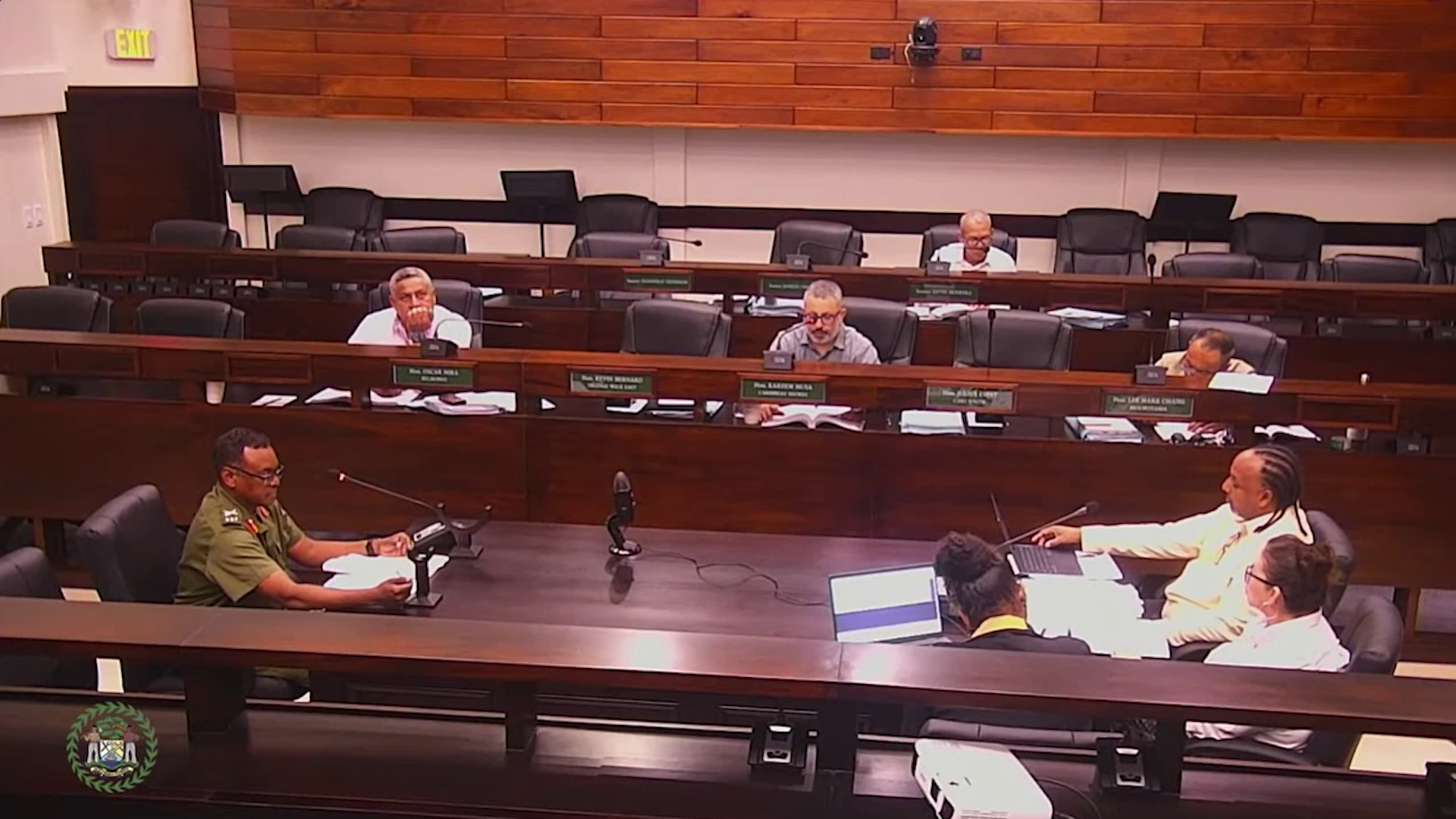
    As of 2026, the most recent financial audit reviewed by national lawmakers covers government spending from 2017 — a nine-year gap between expenditure and independent oversight that has left advocacy groups and citizens questioning how the public can hold elected officials and public administrators responsible for misuse of funds. In an interview discussing the growing crisis, Godwin Haylock, chairman of the Joint Public Accounts Committee (JPAC), addressed widespread concerns about the backlog and its impact on policy reform.

    Haylock emphasized that even delayed audits hold long-term value for improving government financial management. Even when reviews of older spending like the 2017 records cannot undo past misconduct, he argued, identifying systemic flaws in existing policies can prevent the same irregularities from recurring in current and future spending. He pointed to the high-profile ongoing controversy over government contracts awarded to the Mira family as an example of ongoing issues that have roots in long-standing policy gaps, noting that problematic contracting practices have persisted for years rather than emerging overnight. For Haylock, the core priority is examining outdated or flawed policies that enable these abuses and implementing targeted fixes to close loopholes.

    When pressed on whether more timely, up-to-date audits should be integrated into JPAC’s ongoing oversight work, Haylock acknowledged that both current and retrospective reviews are critical to meaningful accountability. He stated that he supports bringing all completed audit reports, both old and new, to the National Assembly for tabling and subsequent JPAC scrutiny. However, he stressed that the committee has no control over the order in which reports are delivered to the legislature: audits are processed in sequential order starting from the oldest backlogged entries, meaning the earliest the body could reach current spending reviews is no less than two years from now.

    To put the scale of the backlog in perspective: the country is currently reviewing 2017 finances in 2026, resulting in a nine-year gap between spending activity and independent oversight. Haylock did offer one small update on progress, noting that audit reports for 2018 and 2019 have been finalized and are scheduled to be tabled in the National Assembly in the near future, marking a small step forward in clearing the massive backlog.

    This report is a transcript of a televised evening newscast, with all Kriol-language remarks transcribed using a standardized spelling system for accuracy.


  • New 20-Megawatt Power Unit May End Threat of Load Shedding

    New 20-Megawatt Power Unit May End Threat of Load Shedding

    As Belize Electricity Limited (BEL) navigates persistent uncertainty over consistent power imports from Mexico’s Federal Electricity Commission (CFE), the regional utility is moving forward with an emergency generation project that could eliminate the threat of mandatory load shedding for local communities. The new 20-megawatt facility, which is currently being installed across the country, has faced minor shipping delays tied to global logistics disruptions and geopolitical unrest, but once operational, it is expected to cover domestic capacity gaps that have forced occasional rolling blackouts over recent weeks.

  • USA : 169 repatriations this week in Cap

    USA : 169 repatriations this week in Cap

    In a sharp escalation of deportation actions targeting Haitian residents in the United States, the second Trump administration has carried out two large-scale repatriation flights within 48 hours this week, dropping 169 deportees at the Cap-Haitien international airport in northern Haiti. The wave of forced returns comes just one week before a major policy change that will put more than 300,000 additional Haitian migrants at risk of deportation.

    The final of the two flights landed at the airport on Thursday, July 16, 2026. Operated under a charter contract with US Immigration and Customs Enforcement (ICE), the flight carried 74 Haitian returnees, including one pregnant woman whose medical condition has not been publicly disclosed. Local Haitian authorities confirmed that upon arrival, 32 of the 74 returnees were immediately taken into custody and transferred to local prisons due to prior criminal records on file in Haiti. The remaining 42 returnees on the Thursday flight were each given one-time financial assistance of 10,000 Haitian gourdes, roughly equivalent to $70 USD, intended to cover their immediate living costs as they work to reestablish themselves in their country of origin.

    A day earlier on Wednesday, a separate ICE deportation flight departing from Florida had already delivered 95 more Haitian returnees to the same Cap-Haitien location. Among that first group of deportees were 11 women, according to local immigration officials.

    These two back-to-back repatriation flights are widely seen as a precursor to a far larger wave of forced removals set to begin next week. On July 24, 2026, Temporary Protected Status (TPS), a humanitarian immigration program that has allowed hundreds of thousands of Haitians to live and work legally in the US without fear of deportation since 2010 following Haiti’s catastrophic earthquake, is set to expire. Unless a last-minute legal or administrative intervention delays the change, all 300,000+ Haitian TPS holders will lose their protected status immediately, leaving them open to detention and deportation by ICE.

    US federal authorities have already notified the Haitian central government to prepare for sustained increases in repatriation flights once TPS protections lapse. The notification warned that the US expects to operate at least two deportation flights to Haiti every week moving forward. Humanitarian workers report that the vast majority of deportees sent back to Haiti arrive with no more than the personal clothing they are wearing, even if they spent decades building lives, careers and families in the United States.

    Human Rights First, a prominent US-based human rights organization that closely monitors US deportation policies, issued a harsh rebuke of the administration’s actions. “Increasing deportation flights to a country already crippled by rampant gang violence, political collapse and widespread instability, and ripping TPS beneficiaries away from the lives, families and communities they have built in the United States, is a moral abomination,” the organization said in a statement responding to this week’s repatriations.

    The current crisis for Haitian TPS holders follows a series of legal battles that culminated in a US Supreme Court ruling earlier this year upholding the Trump administration’s authority to revoke the long-standing humanitarian protection program. Legal advocacy groups have repeatedly pushed for last-minute reprieves, but as of publication, no extension of TPS protections has been announced.

  • SSB Moves to Expand Stake in Hydro Belize

    SSB Moves to Expand Stake in Hydro Belize

    On July 16, 2026, Belize’s Social Security Board (SSB) has announced plans to grow its existing investment in Hydro Belize Limited through a proposed $20 million share purchase, a move that has sparked both support from top government officials and public scrutiny over governance and financial strategy.

    Prime Minister of Belize has framed the planned stake expansion as a strategic, forward-thinking decision that stands to deliver long-term benefits to SSB contributors, while reinforcing the long-term stability of the national social security fund. However, the proposed transaction has not escaped criticism, with independent observers and stakeholders raising pointed questions about the deal’s transparency, underlying financial risk, and the growing concentration of SSB’s investment portfolio in a single domestic energy asset.

    To clarify details of the ongoing corporate transition and the investment outlook, local reporters reached out to Hydro Belize Board Chair Lynn Young for comment. Young, who led the company’s interim board ahead of the share purchase plan, confirmed that corporate transition activities are progressing according to schedule. “It’s going very smoothly,” Young explained in an interview. “Now we have the new shareholders on board. SSB has given notice of who their directors will be as well. At the next annual general meeting, both the large controlling shareholder and smaller minority shareholders will have the opportunity to vote on the full board slate, so that process is moving forward as planned.”

    Young noted that day-to-day operations of the utility have remained fully uninterrupted through the ownership transition. “At the management level, things run as per normal,” she said. “The company is run by a very competent set of all Belizeans actually and they just continue to run as normal and doing a good job actually.”

    When asked to assess the merits of SSB’s planned additional investment, Young emphasized that the final investment decision rests entirely with SSB’s own leadership and investment committee, on which she does not hold a seat. That said, she offered a bullish assessment of the company from her perspective as board chair. “From my opinion, it is a good investment. I think Hydro Belize Limited is one of the best-run companies in this country, and I think the assets are really solid assets. They have a proven track record and they do a good job. So I think it is a very good investment,” Young said, adding that SSB’s decision to commit additional capital indicates the board shares that positive outlook.

    Following requests for comment from reporters, SSB issued a formal statement defending its investment process, pushing back against claims of inadequate transparency. The board confirmed that every investment proposal brought before it undergoes rigorous multi-stage due diligence, including independent reviews of financial projections, legal compliance, corporate governance structures, and potential downside risk. SSB also noted that all major investment plans are subject to advance public disclosure, with processes designed explicitly to protect the interests of the contributors whose savings make up the fund.

    This report is a transcribed excerpt from a televised evening news broadcast, with all Creole language statements rendered using a standardized spelling system for published distribution.

  • Load Shedding Sparks Strategic Power Meeting

    Load Shedding Sparks Strategic Power Meeting

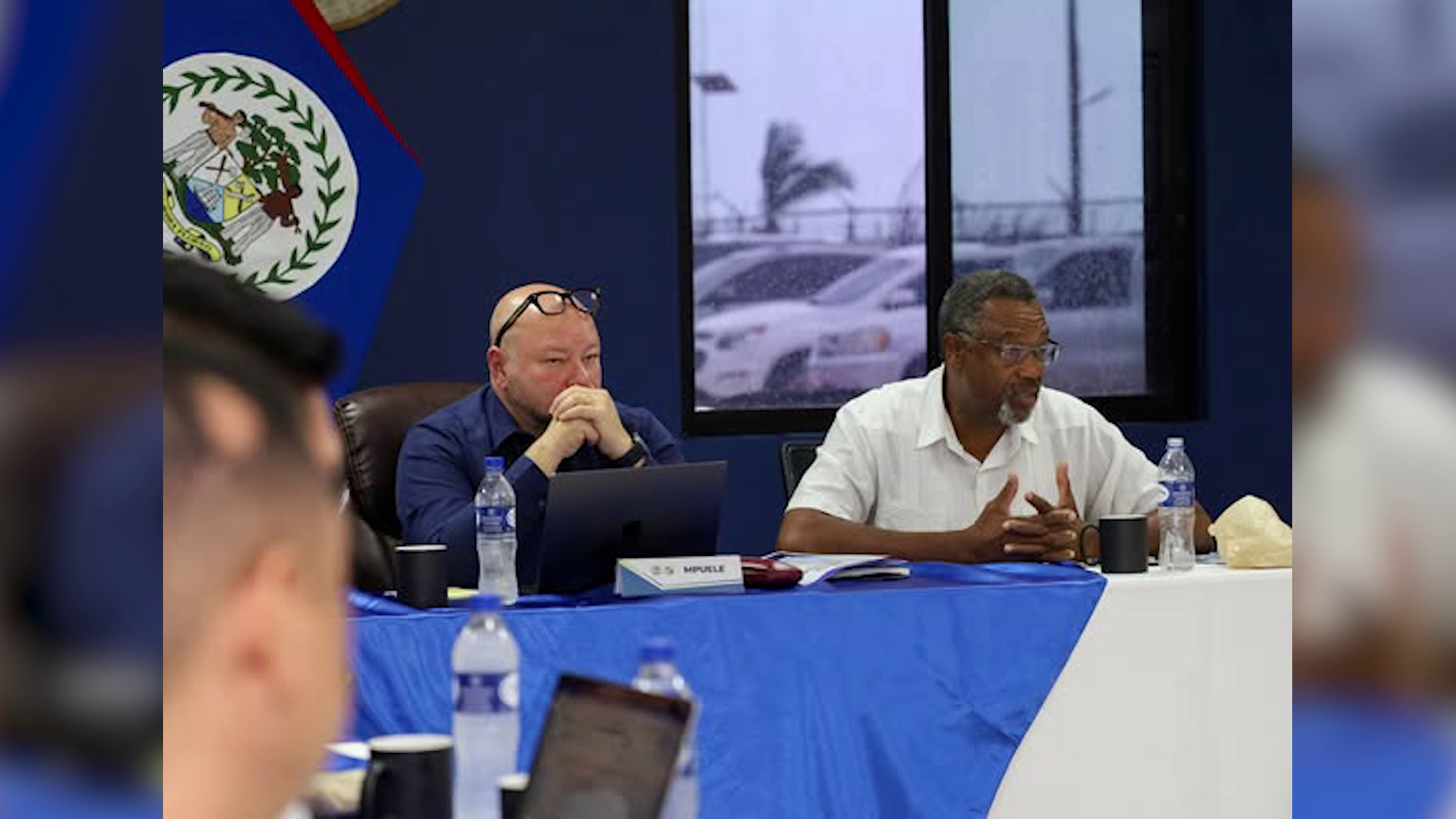
    Facing repeated, disruptive power outages and rapidly rising consumer and commercial electricity demand across the country, the government of Belize has brought all key energy stakeholders together for an unprecedented collaborative summit to map out a sustainable path forward for the nation’s energy sector. The meeting, convened July 16 2026 by the Ministry of Public Utilities, Energy and Logistics, gathered representatives from Belize Electricity Limited (BEL, the country’s main power distributor), the Public Utilities Commission (PUC, the sector’s regulatory body), and all local independent power producers (IPPs) to address the ongoing load shedding crisis that has plagued communities in recent months. Minister of Public Utilities and Energy Michel Chebat emphasized that this cross-stakeholder gathering was the first of its kind in Belize’s history, marking a shift from reactive crisis management to proactive, long-term strategic energy planning.

    Speaking after the closed-door meeting, Chebat outlined the core objectives that guided the discussion. The summit focused on aligning all parties around three key priorities: projecting Belize’s total power generation needs across short, medium, and long-term timelines, strengthening collaborative partnerships between the public sector and local energy producers, and ultimately eliminating the periodic rolling blackouts that have disrupted daily life and economic activity across the country.

    “This was the first time ever that every major player in Belize’s energy ecosystem – the policy-setting ministry, the distributor, the regulator, and our local independent producers – sat down at the same table to talk through our shared challenges and shared goals,” Chebat explained. “We came into this meeting to lay out BEL’s projected needs over coming years, and to open a transparent conversation about each IPP’s existing capacity and willingness to expand operations to meet growing demand. This wasn’t just a talk shop: we created space to share the specific challenges that independent producers are facing, and clearly laid out the government’s long-term energy expansion and independence plans. The biggest priority, of course, is closing the existing supply gap and doing everything in our power to bring the current cycle of load shedding to an end.”

    Chebat also highlighted the key pain point raised by independent power producers during the discussion: many local producers have held back from expanding generation capacity because they lack formal guarantees that they will be able to sell their output at a rate that delivers a reasonable return on their capital investment. The landmark meeting opened a direct channel to address these concerns, laying the groundwork for targeted policy adjustments that can unlock greater local investment in power generation. The government’s overarching strategic goal, Chebat noted, is to grow Belize’s energy independence by leveraging local production capacity, rather than relying on costly imported energy to meet domestic demand. This first-of-its-kind convening has already established a new ongoing working relationship between all stakeholders, moving the country closer to a reliable, stable power grid that can support sustained economic growth.

  • Affordable Power Remains Rural Electrification Challenge

    Affordable Power Remains Rural Electrification Challenge

    As 2026 reaches its midpoint, Belize is closing in on a major policy win for rural energy access, though the core challenge of delivering affordable power still hangs over the nation’s multi-region electrification push. The small Central American nation’s northern corridor is on the cusp of full rural electrification, with the remote Fireburn Village set to become the final northern community to gain grid access, government officials confirmed this week.

    Located in northern Belize, Fireburn Village’s power infrastructure is now complete: an off-grid solar system, installed by local firm Solar Energy Solutions Belize Ltd, is waiting for final activation to bring the community its first consistent access to electricity. Once Fireburn is connected, every village in northern Belize that has requested access to power will be fully served, marking a historic milestone for the government’s rural electrification program.

    Despite this progress in the north, work is far from over. Attention is now shifting to southern Belize, where eight remote communities remain completely off the national power grid, waiting for connection. Minister of Public Utilities and Energy Michel Chebat explained that the biggest ongoing barrier to scaling the program across the south is maintaining affordability while expanding access, a key priority for the government’s energy policy.

    “Our overarching target is to bring down the overall cost of energy for all rural residents, so hitting that accessible price point has consistently been our biggest challenge,” Chebat said in an address confirming the Fireburn project. “But we are making real, tangible progress across the country.”

    To serve the remote, spread-out communities of southern Belize, the government is turning to localized microgrid infrastructure. These smaller, decentralized energy networks can operate independently of the main national grid or connect alongside it, creating a reliable power supply even in hard-to-reach terrain that would be prohibitively expensive to connect via traditional transmission lines. Chebat confirmed that development is already underway on these southern microgrids, with the first projects on track to be inaugurated as early as September 2026.

    This report is a transcribed excerpt from an evening television newscast focused on Belize’s energy and infrastructure progress.

  • Commander Velasquez Responds to BDF Expenditures

    Commander Velasquez Responds to BDF Expenditures

    In July 2026, just six months after Brigadier General Anthony Velasquez took command of the Belize Defence Force (BDF) in late January, the new leader has stepped forward to address public scrutiny over millions of dollars in defense ministry supply spending, while also outlining the force’s ongoing modernization and expansion goals.

    For weeks, local observers have raised questions about a pattern of defense supply invoices that consistently fall just under the $10,000 reporting threshold, prompting public curiosity over whether recorded purchases actually align with the supplies the BDF consumes. In an interview with local media outlet News Five, Velasquez noted that he can only speak to operations during his tenure, but confirmed that personnel consumption accounts for the single largest portion of the BDF’s supply spending.

    “As the largest consumer of government feeding expenditures across all Belize’s public agencies, we operate 24 hours a day, 365 days a year, providing three full meals daily to all personnel, even those deployed to remote posts across the country,” Velasquez explained. “Since taking command in January, ensuring our soldiers receive consistent, high-quality food from approved vendors that deliver to Price Barracks has been a top priority. Every supply we receive goes directly to feeding our personnel, that is a guarantee.”

    When asked how ongoing public scrutiny of the spending has impacted daily supply operations, Velasquez emphasized that core logistics work cannot stop, even amid questions about past procurement practices. “Soldiers have to eat, so the supply process continues without interruption,” he stated. “Vendors and contractors pre-approved by the Ministry of Defense continue to fulfill their contracts, make deliveries, and we continue to receive and use those supplies as needed.” He added that the BDF retains input on procurement requirements, and can submit specific requests for the ministry to source through its existing supplier network.

    Beyond spending questions, Velasquez also discussed the BDF’s ongoing expansion and modernization push, which recently welcomed more than 130 new recruits into the force. Growing personnel numbers, he explained, is a core component of the BDF’s broader modernization strategy, designed to strengthen national security coverage across all of Belize and improve the force’s ability to respond to emerging security threats.

    Reflecting on the transformative impact of military recruit training, Velasquez drew on his own experience entering service at age 18. “Recruit training is a life-changing experience. I entered as a civilian and left as a soldier,” he said. “The process reshapes how you think: civilian life centers on individual and immediate family needs, but recruit training molds recruits into cohesive teams, where every member is responsible for not letting their teammates down. Trainees learn military protocol, how to collaborate, and absorb core military values of resilience, sacrifice, and devotion to duty. By the end of training, they are completely different people, ready to serve their country.”

    Velasquez confirmed that the BDF will launch a second recruitment drive later this year to continue expanding force numbers to meet modern security needs. This report is a transcribed excerpt from News Five’s evening television broadcast.

  • Could a Belizean Anti-Corruption Commission Be Next?

    Could a Belizean Anti-Corruption Commission Be Next?

    As public demands for greater governmental transparency and accountability grow across Belize, discussions have emerged around whether the Central American nation should adopt a Guatemala-style independent anti-corruption commission with broad authority to probe high-level graft and political misconduct.

    The question of launching a specialized anti-corruption body comes on the heels of Guatemala’s experience with the International Commission against Impunity in Guatemala (CICIG), the now-controversial independent entity that once reshaped the country’s political sphere. During its years of operation, CICIG uncovered massive, systemic corruption networks and secured the downfall of multiple high-ranking Guatemalan officials, including sitting presidents. But in recent years, the commission has faced widespread criticism for failing to deliver on its core mandates, leaving many Guatemalans disillusioned with its performance.

    Local outlet News Five recently brought the debate directly to Belizean Prime Minister John Briceño, asking whether his administration would consider implementing a similar independent oversight model in the country. Briceño pushed back on the idea of replicating Guatemala’s model outright, noting that CICIG no longer functions as effectively as its proponents once claimed.

    “If you were to talk to Guatemalans, the CICIG is not working like it should. And, they are having a lot of problems,” Briceño told reporters.

    Instead of moving forward with a standalone commission immediately, Briceño emphasized that his administration is already pursuing incremental anti-corruption reforms through existing governance structures. Among the key policy steps already completed is the passage of an unexplained wealth law, designed to target illicitly gained assets held by public officials. Just weeks prior to the interview, representatives from Belize’s Financial Intelligence Unit (FIU) briefed the administration on the unit’s current activities and its potential to expand anti-graft enforcement in coming months.

    Briceño stressed that meaningful anti-corruption reform requires careful, deliberate planning to avoid common pitfalls that have derailed similar bodies in other countries. “These things take time and we have to ensure that whatever we have in place works well and cannot be used for political purposes but it is to be used to ensure we can protect the assets of this country and the assets of people,” he said. “So we need to make sure we can do it properly.”

    In addition to the unexplained wealth legislation and expanded capacity for the FIU, the Briceño administration is also advancing two other key anti-corruption priorities: new legislation to offer legal protections for whistleblowers who report official misconduct, and updated regulatory frameworks to boost information sharing and coordination between existing government oversight agencies.

    This report is a transcribed extract from a primetime television news broadcast published by the original outlet.

  • FLASH : Review of Defense Minister Andrésol’s first 100 days

    FLASH : Review of Defense Minister Andrésol’s first 100 days

    On July 17, 2026, Haiti’s Ministry of Defense released a comprehensive public report reviewing the first 100 days in office of newly appointed Defense Minister Mario Andrésol, covering his tenure from March 4 to June 12, 2026. The document details a series of tangible advances across institutional strengthening, infrastructure development, and global partnership building as the country works to rebuild and solidify its national armed forces.

    One of the most notable early achievements highlighted in the report is the successful integration of 339 new soldiers from the “Capois la Mort” recruit class, a milestone that expands the core ranks of the Armed Forces of Haiti (FAd’H). Complementing this integration, a nationwide military recruitment drive launched during this period drew 17,722 total applications from across the country, with more than 24 percent of those submissions coming from women – a marked step toward greater diversity in the country’s military ranks. Ministry officials also completed six formal assessment missions across key military installations, which paved the way for the launch of major rehabilitation projects at three critical bases: Vertières, Anacaona, and Clercine. The upgrades, which focus on improving training facilities, on-base accommodation, and overall operational readiness, are designed to bring these aging facilities in line with modern military operational requirements.

    In addition to infrastructure and personnel gains, the minister’s first 100 days have seen significant progress in updating the institutional foundation of Haiti’s military. Work is in the final stages of drafting a new, updated national military doctrine that will guide the force’s mission, structure, and operating principles for years to come. To ensure broad public input on the future direction of the FAd’H, the ministry announced that it will host a nationwide public forum in August 2026 focused on discussing the collective vision and long-term goals for the armed forces.

    International military cooperation has also emerged as a key priority for Andrésol’s administration, with the report noting renewed momentum in building strategic partnerships with nations across the Americas and Europe. Over the 100-day period, the ministry deepened working relationships with France, Brazil, Argentina, Mexico, the United States, and a number of other partner countries, unlocking new opportunities for training and capacity building. As a direct outcome of these strengthened ties, Argentina has awarded six full military training scholarships to Haitian service members: two allocated to the Army, two to the Navy, and two to the Air Force. Separately, under the bilateral cooperation agreement with Mexico, 114 recruits drawn from the 665 new members recently integrated at the Vertières base are scheduled to depart for specialized training in Mexico on August 24, 2026.

    Looking ahead, the 100-day report lays out the clear priorities that will guide the FAd’H and the Ministry of Defense through the 2026-2027 Action Plan. These core priorities include continuing the systematic modernization of military infrastructure across the country, finalizing and rolling out the new national military doctrine, further expanding and deepening international defense cooperation, gradually integrating the large pool of new recruits that applied during the recent campaign, and consolidating the overall operational capabilities of the armed forces to better serve national security needs.

    The full 39-page 100-day report, published in French, is available for public download via HaitiLibre’s official website.

  • Briceño to UDP Protesters, “I Was Eating Ice Cream”

    Briceño to UDP Protesters, “I Was Eating Ice Cream”

    On a Friday afternoon when supporters of Belize’s main opposition United Democratic Party (UDP) marched through the streets to demonstrate against his administration, Prime Minister John Briceño was far from the fray – spending quality time eating ice cream with his granddaughter, the nation’s leader has confirmed.

    The confrontation comes as the UDP has launched a phased campaign of public pushback against Briceño’s government, centered on unproven allegations of widespread corruption within the administration. Friday’s street protest marked the opening action of that coordinated opposition effort.

    In an interview with local outlet News Five, Briceño downplayed the significance of the demonstration, framing his low-key afternoon as a reminder of his life beyond high office. “I am not only prime minister. I am a husband and I am a father and grandfather,” he told reporters. “I have one granddaughter and for me to be able to spend the afternoon with her and take her to the park, it was raining so we went to Moes because there is a playground there and spend an hour and a half with my granddaughter and that is the joy of life.”

    When pressed by interviewer Paul Lopez on whether he took the opposition’s criticism and protest calls seriously, Briceño shifted focus to what he claims is fading public support for the UDP. He argued that the opposition’s real problem is not the sitting government, but a voting public that has rejected the party’s messaging.

    To back up his claim of waning opposition relevance, Briceño pointed to a ruling party event held the day after the protest: his People’s United Party (PUP) drew a larger crowd for its National Party Council meeting in Dangriga than the UDP managed to bring out for its national protest, despite the opposition chartering buses from across the country to transport demonstrators, he said.

    This report is adapted from a televised evening newscast transcript, with all quoted text preserved in its original context for accuracy.