As public demands for greater governmental transparency and accountability grow across Belize, discussions have emerged around whether the Central American nation should adopt a Guatemala-style independent anti-corruption commission with broad authority to probe high-level graft and political misconduct.
The question of launching a specialized anti-corruption body comes on the heels of Guatemala’s experience with the International Commission against Impunity in Guatemala (CICIG), the now-controversial independent entity that once reshaped the country’s political sphere. During its years of operation, CICIG uncovered massive, systemic corruption networks and secured the downfall of multiple high-ranking Guatemalan officials, including sitting presidents. But in recent years, the commission has faced widespread criticism for failing to deliver on its core mandates, leaving many Guatemalans disillusioned with its performance.
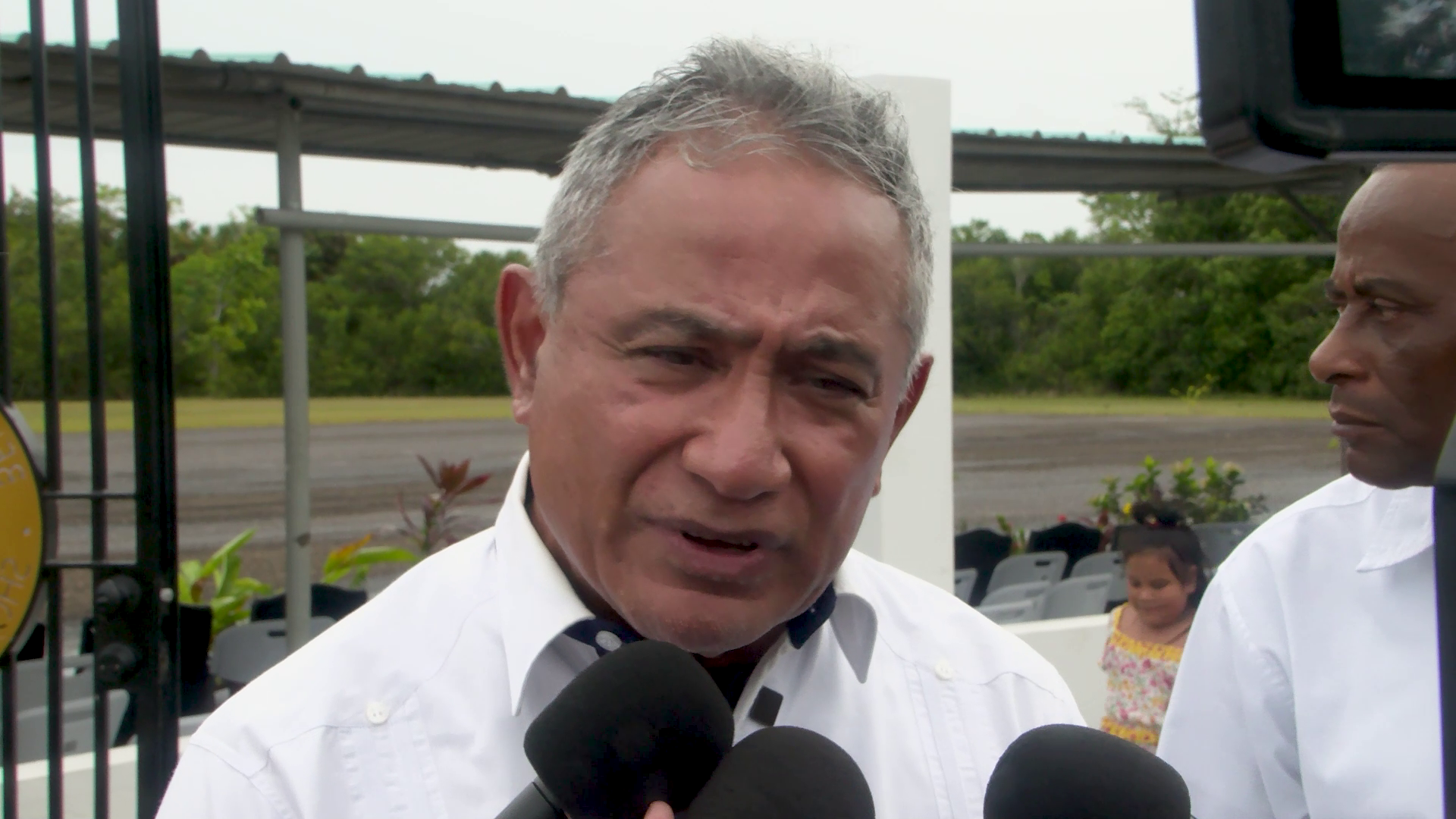
Local outlet News Five recently brought the debate directly to Belizean Prime Minister John Briceño, asking whether his administration would consider implementing a similar independent oversight model in the country. Briceño pushed back on the idea of replicating Guatemala’s model outright, noting that CICIG no longer functions as effectively as its proponents once claimed.
“If you were to talk to Guatemalans, the CICIG is not working like it should. And, they are having a lot of problems,” Briceño told reporters.
Instead of moving forward with a standalone commission immediately, Briceño emphasized that his administration is already pursuing incremental anti-corruption reforms through existing governance structures. Among the key policy steps already completed is the passage of an unexplained wealth law, designed to target illicitly gained assets held by public officials. Just weeks prior to the interview, representatives from Belize’s Financial Intelligence Unit (FIU) briefed the administration on the unit’s current activities and its potential to expand anti-graft enforcement in coming months.
Briceño stressed that meaningful anti-corruption reform requires careful, deliberate planning to avoid common pitfalls that have derailed similar bodies in other countries. “These things take time and we have to ensure that whatever we have in place works well and cannot be used for political purposes but it is to be used to ensure we can protect the assets of this country and the assets of people,” he said. “So we need to make sure we can do it properly.”
In addition to the unexplained wealth legislation and expanded capacity for the FIU, the Briceño administration is also advancing two other key anti-corruption priorities: new legislation to offer legal protections for whistleblowers who report official misconduct, and updated regulatory frameworks to boost information sharing and coordination between existing government oversight agencies.
This report is a transcribed extract from a primetime television news broadcast published by the original outlet.