博客

  • Fisheries officials test hurricane readiness with boat relocation drill

    Fisheries officials test hurricane readiness with boat relocation drill

    In the wake of catastrophic damage inflicted by 2024’s Hurricane Beryl, Barbados has carried out a landmark nationwide emergency drill designed to move the island’s entire fishing fleet out of danger, bringing the critical urgency of hurricane preparedness in the vital fishing sector into sharp focus. The proactive full-scale simulation comes as the local fisheries industry continues its gradual recovery from the storm, which crippled key maritime infrastructure and destroyed a large share of Barbados’ working fishing vessels.

    Dr. Shelly Cox, the island’s Chief Fisheries Officer, highlighted that the sector has adopted an aggressive, collaborative approach to disaster readiness after Beryl’s devastating impact. She emphasized that effective emergency response depends on coordinated, synchronized action across all stakeholders, rather than isolated effort from government agencies alone.

    “The fishery sector has been quite proactive,” Dr. Cox noted. “We wanted to put our vessel relocation protocols and full operational emergency plans to the test, to identify gaps before a real storm hits.”

    Early last month, the Barbados Fisheries Division led a cross-sector initiative that brought together fishing cooperatives, government agencies, and private partners to test every step of the emergency response process. The Blackfin Fleet fishing cooperative and other organized fisherfolk groups provided on-the-ground input and critical logistical support for the simulation, which centered on measuring the time and resources required to safely relocate large, heavy fishing vessels away from vulnerable open coastlines.

    A long-term solution to the fleet’s safety needs involves constructing purpose-built haul-up infrastructure within the Bridgetown port complex, but the division has been forced to adapt to existing resources while that project moves forward. Currently, authorities rely on available state assets, including the marine travel lifts at the Barbados Coast Guard facility and the shallow draft zone near the capital, to accommodate vessels during storm events.

    “We are still progressing with the construction of the dedicated haul-up facility in Bridgetown, but this exercise allowed us to test timelines for relocating vessels using the existing infrastructure we have access to right now,” Dr. Cox explained.

    Emergency preparations extend well beyond the capital, too. Rural coastal landing sites at Conset Bay and Thunder Bay on Barbados’ west coast are particularly vulnerable, so the division has coordinated with multiple government departments to secure access to resources like tractors from the soil conservation department, and partnered with private marine operators to supplement public capacity for emergency vessel movement.

    Lessons learned from Hurricane Beryl drove major updates to the island’s fisheries disaster management plan: during the 2024 storm, dozens of vessels were destroyed or irreparably damaged because of overcrowding at safe havens and improper mooring that left boats tied too closely together. Today, one of the core pillars of the revised plan is expanded public education and clearer, more consistent communication with small boat owners.

    “We have a fully updated disaster management plan now, and we are rolling out new communication materials to all vessel owners,” Dr. Cox said. “In the coming weeks, we will share videos and public notices that reinforce best practices, from using adequate fendering to investing in high-quality mooring ropes to keep vessels secured when a storm approaches.”

    Robust backup communication during severe weather events is another key priority for the updated strategy. While modern digital tools including cellular networks, Starlink satellite internet, and GPS vessel monitoring systems are widely used across the fleet, authorities are reinforcing legacy radio communication systems to ensure no fishing captain loses contact during a storm that knocks out digital infrastructure.

    The division has already procured new handheld VHF radios for the fleet, and will install a new radio base station at Pile Bay later this month. Officials are also partnering with the Barbados Amateur Radio Association to provide training for fishers on emergency radio use, ensuring redundant communication options are available when primary systems fail.

    “We have cell phones, Starlink, and vessel monitoring systems in place, but radio remains one of the most reliable backup communication protocols we can rely on when all other systems go down,” Dr. Cox added.

    To address persistent overcrowding at the main Bridgetown safe haven, which the growing fishing industry has long outgrown, the new plan diverts vessels to alternative safe havens including the Shallow Draught and the Careenage, based on the projected track of an approaching storm. Moving the largest vessels, which can weigh more than 35 tonnes, is a logistically complex process that requires precise timing. The current operational target is to secure all at-risk vessels within 38 hours, provided meteorologists issue a 72-hour advance warning of an approaching hurricane.

    “We tested multiple contingency plans — Plan B, C, and D — so we know how to respond no matter what a storm system throws at us,” Dr. Cox said. “We’re working to hit that 38-hour target when we get a 72-hour warning, but we know this can’t be done by government alone. It takes the private sector, the fishers themselves, all working together like a well-oiled machine to get preparations done on time.”

    As the island prepares for future hurricane seasons, the fishing fleet continues its steady recovery from Beryl. Before the 2024 storm, Barbados counted 312 active commercial fishing vessels. Today, that number stands at 233, with many damaged boats still undergoing repairs. A national vessel replacement program is currently being launched to construct new boats to replace those that were completely lost, bringing the industry closer to its pre-storm capacity.

  • “God Is Good”: DJ Mistah Geeh’s Road to Remission

    “God Is Good”: DJ Mistah Geeh’s Road to Remission

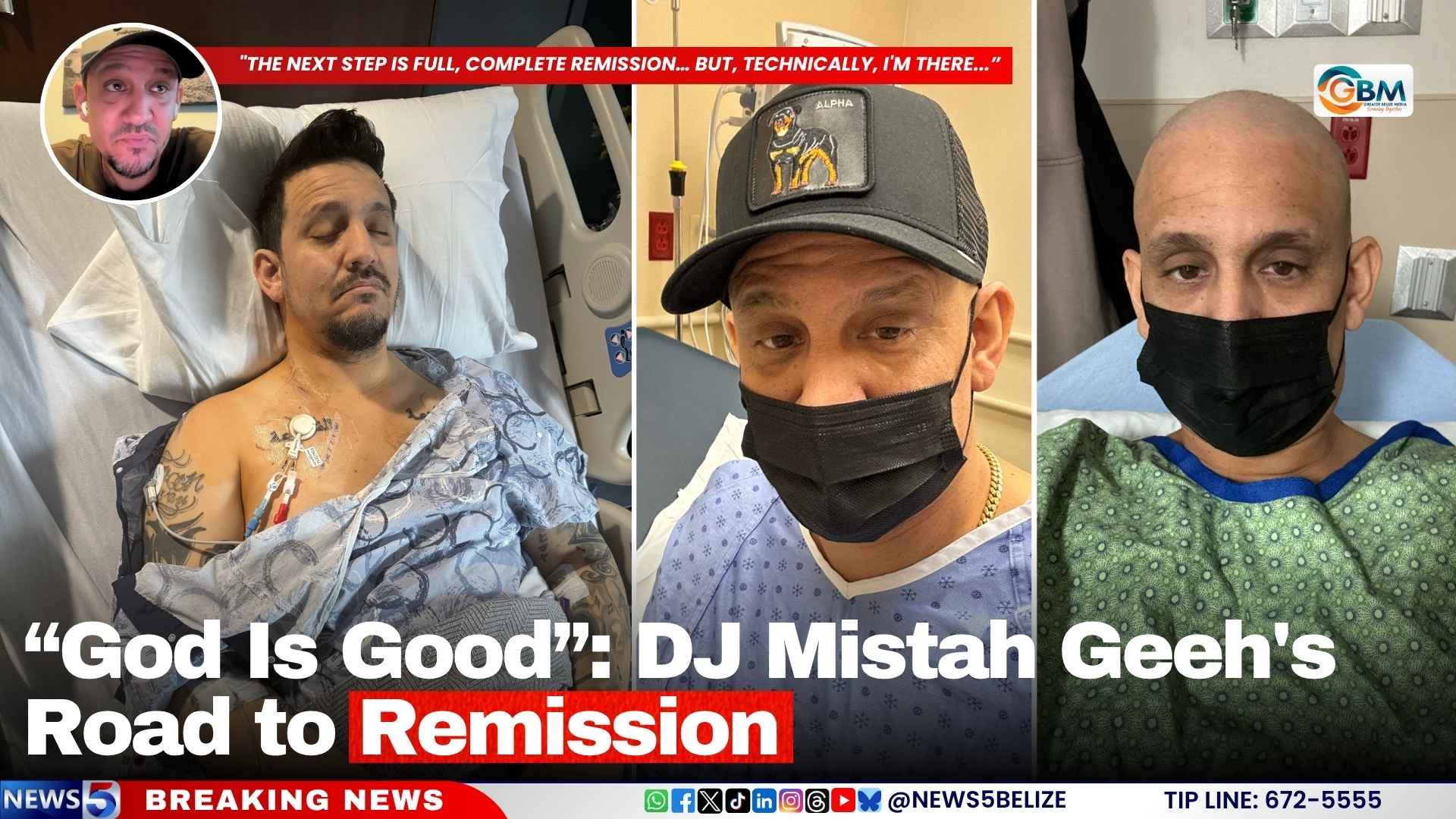
    After 18 months of relentless, life-threatening illness and intensive combined treatment, beloved Belizean DJ Jiri Loskot, professionally known as Mistah Geeh, has shared uplifting news that he is now in full cancer remission, offering a message of hope to patients across the globe fighting similar battles.

    Loskot’s health struggle began long before his correct diagnosis. In November 2024, he was officially diagnosed with multiple myeloma, an aggressive cancer that targets plasma cells in bone marrow. By the time doctors reached the correct diagnosis, months of improper medication from a misdiagnosis had already pushed his kidneys into complete stage four failure, leaving him with few treatment options from the start.

    Within days of his confirmed diagnosis, Loskot began parallel courses of chemotherapy and dialysis to save both his life and his kidney function. He continued this grueling regimen for eight months, with multiple treatment sessions scheduled every single week. The physical and psychological weight of the illness pushed him to his breaking point more than once. “There were times where I felt like giving up,” Loskot shared in a recent public announcement. “I thought I would never be able to play music again. I wouldn’t be able to work. I wouldn’t be able to support my family.” At his lowest point, he could not stand unassisted for more than 10 minutes, leaving him to question if he would ever regain the active, creative life he loved.

    Despite the overwhelming odds, Loskot pushed forward with his treatment plan. In January 2026, he underwent an autologous stem cell transplant, a high-intensity procedure that uses a patient’s own healthy stem cells to replace cancer-damaged bone marrow. The procedure has delivered transformative results: prior to the transplant, Loskot had 22,000 detectable cancer cells per million cells in his body. Post-transplant bone marrow biopsies show just 2 cancer cells per million, a count low enough that clinicians classify him as functionally cancer-free.

    “The next step is full, complete remission… But, technically, I’m there,” Loskot confirmed. He will remain on a six-month maintenance treatment plan to sustain his remission, but he has already returned to performing as Mistah Geeh, back to the work that defines his career and brings joy to audiences across Belize.

    In sharing his story, Loskot said he hopes to offer courage and perspective to others navigating the overwhelming challenge of a cancer diagnosis. “I want people to know that there is hope… If you prepare yourself mentally for the journey, you can pull through,” he said. “I am extremely lucky, considering what I’ve been through. God is good.”

  • Trinidad and Tobago Wins Seat on UN Security Council in Historic Landslide

    Trinidad and Tobago Wins Seat on UN Security Council in Historic Landslide

    On June 4, 2026, Trinidad and Tobago made global diplomatic history by winning a non-permanent seat on the United Nations Security Council for the 2027–2028 term in a historic landslide victory.

    Out of 191 valid votes cast by UN member states, the Caribbean nation secured 181 votes – a resounding total that far surpassed the required two-thirds majority threshold of roughly 129 votes, and earned the backing of all five permanent Security Council members: China, France, Russia, the United Kingdom, and the United States. The outcome was decided in a single round of voting, marking the most successful electoral result for any candidate in the day’s contests.

    This victory stands as one of the most consequential diplomatic milestones in Trinidad and Tobago’s modern history, granting the small island nation a formal voice at the world’s most influential multilateral security body. The country’s successful bid was personally led by Prime Minister Kamla Persad-Bissessar, who officially launched the campaign during an address to the UN General Assembly in New York back in September 2025. Over the subsequent months, Persad-Bissessar maintained direct, high-level engagement with leaders from across the globe to build support for the candidacy.

    Trinidad and Tobago’s campaign centered on the overarching theme “Building Consensus for the Realization of Sustainable Peace and Security”, anchored around three core strategic priorities: cracking down on the illegal trafficking of small arms and light weapons, advancing the global women, peace and security agenda alongside protection efforts for children in conflict zones, and addressing the emerging security challenges and opportunities linked to artificial intelligence in the global context.

    When the new Security Council term begins on January 1, 2027, Trinidad and Tobago will take over the seat currently held by Panama, joining four other newly elected members – Austria, Kyrgyzstan, Portugal, and Zimbabwe – in the 15-member body.

    To contextualize the significance of the role: The UN Security Council holds unique authority within the UN system, tasked explicitly with upholding international peace and security across the globe. It is the only UN body whose formal policy decisions carry legally binding weight for all 193 UN member states, with the power to implement targeted international sanctions and formally authorize collective military action. While the five founding permanent members retain veto power over major decisions, the body’s 10 non-permanent seats are filled through staggered rotating elections held by the UN General Assembly.

    Regional leaders across the Caribbean have celebrated the outcome as a landmark win for the entire bloc. The Caribbean Community (CARICOM) Heads of Government noted that the victory is “a proud moment not only for Trinidad and Tobago, but for the Caribbean Community as a whole.” The regional integration bloc emphasized that Trinidad and Tobago will bring the long-overlooked unique perspectives of Small Island and Low-lying Coastal Developing States to Security Council deliberations, elevating regional priorities that are critical to Caribbean peace and stability that have often been sidelined in global discussions.

    For Trinidad and Tobago, the two-year term is expected to dramatically expand the country’s global influence, amplifying its voice in high-stakes negotiations covering global peace, collective security, sustainable development, and cross-border international cooperation. It will also open unprecedented new pathways to build strategic partnerships with major global powers and regional blocs across the international community.

  • Unseasonal erosion linked to South American freshwater surges

    Unseasonal erosion linked to South American freshwater surges

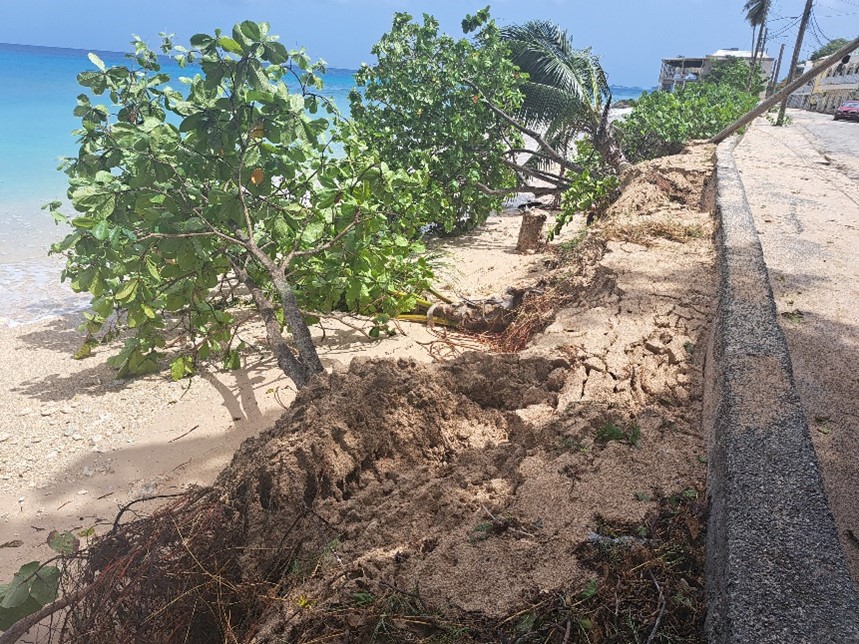
    Barbados’ iconic Caribbean beaches are facing an unprecedented environmental crisis, with unseasonal coastal erosion accelerating across the entire island at a time when shorelines should be naturally rebuilding ahead of hurricane season, the country’s leading coastal management official has warned.

    Dr. Leo Brewster, director of Barbados’ Coastal Zone Management Unit (CZMU), told local media the unusual erosion is being driven by a massive, off-schedule pulse of low-density freshwater from South America’s two largest river systems — the Amazon and the Orinoco. This so-called “green water” forms a buoyant layer on top of denser saltwater, artificially raising overall sea levels around the island far beyond what would be expected at this time of year.

    “The whole island is being impacted by what people will be seeing as out-of-season erosion,” Brewster explained. “This is happening at a time when the beaches should actually be building now, after the Easter swell period and going into the hurricane season. Because of this excessive water, we’re getting more wave activity on the beach face and therefore greater penetration inland, and some areas have been hit very hard.”

    The timing of the green water event has caught coastal scientists off guard. While discharges of Amazon and Orinoco freshwater into the Caribbean are a natural recurring regional phenomenon, they typically follow a predictable seasonal pattern, occurring either in the early year rainy season or between August and September. The arrival of this large pulse in the pre-hurricane rebuilding window is highly irregular, Brewster emphasized, marking a sharp break from historical environmental patterns that has compounded longstanding concerns over climate change and unregulated coastal development.

    Local residents and tourists have already reported alarming shoreline retreat at popular recreational sites including Worthing Beach, where significant stretches of sand have disappeared in recent weeks. The crisis comes on the heels of recent public uproar over “brown water” discoloration at Carlisle Bay, a popular tourist beach that many have linked to sediment runoff from the construction of the luxury Fort Carlisle condominium development. That incident has reignited fierce public debate over whether high-end coastal development is being allowed to encroach too close to Barbados’ already fragile shorelines, putting both ecosystems and infrastructure at long-term risk.

    When asked about the island’s regulatory framework for coastal construction, Brewster clarified that while the CZMU maintains strict mandatory setback requirements to protect shoreline ecosystems, final planning decisions rest with higher government authorities, and developers regularly seek exceptions to reduce the required distance between new builds and the water. “Some properties, as part of their application process, ask for reduced setbacks,” he said. “Of course, the coastal zone management unit has a policy for setback requirements and we try to adhere to those as best we can. Whatever happens after we have sent forward our recommendations is at a planning level.”

    Coastal management challenges have been further intensified in the wake of Hurricane Beryl, which tore through the region earlier this year leaving widespread destruction to coastal infrastructure. In the storm’s aftermath, hundreds of shoreline property owners in high-end areas including Payne’s Bay and Gibbs have rushed to erect makeshift boulder barricades to protect their land from further erosion. While the public has raised complaints about the unregulated structures blocking public beach access, Brewster noted that property owners are legally permitted to install emergency protective measures when existing sea walls fail under the island’s current legislation. Authorities require that rebuilt structures remain within the original footprint of existing sea defenses to avoid expanding coastal encroachment.

    However, Brewster warned that enforcement of these rules remains a persistent challenge due to the dynamic nature of the island’s shorelines. “What you may find is that some persons do try to come forward, or through the use of the boulders that they’re building, the actual base of the structure comes further seaward than it ought to,” he said. “We try to correct that after it’s discovered, but sometimes they may be buried with sand through the natural recovery of the beach. It would only be then exposed again during rough seas, or they can become permanently exposed because the beach has not been able to recover due to the placement of the boulders.”

    For a small island nation whose economy is heavily dependent on pristine coastal tourism, the accelerating off-season erosion has raised urgent new questions about how Barbados will adapt to shifting climate patterns and balance development interests with long-term environmental protection.

  • Virgin Islands launches CXC customer service programme to strengthen public service delivery

    Virgin Islands launches CXC customer service programme to strengthen public service delivery

    On June 3, a landmark collaboration between the Government of the Virgin Islands and the Caribbean Examinations Council (CXC®) reached a major milestone, with the official launch of the regionally adaptable *Excellence in Customer Service CXC®* programme, an initiative crafted to uplift service standards across the territory’s public sector. The launch ceremony, hosted at the Virgin Islands Public Service Learning Institute (VIPSLI), drew a roster of key stakeholders including Deputy Governor David D. Archer Jr., senior public sector leaders, and CXC representatives, according to an official press statement from the partners.

    Two years in the making, the programme traces its origins back to a 2023 concept developed by CXC’s Research and Educational Development Division. What began as an idea to address public service skill gaps evolved into a full partnership bringing together CXC’s Professional Learning Institute, CXC’s Business Development Office, and VIPSLI, with specialized training delivery support from Customer 1st Caribbean Ltd., a Trinidad and Tobago-based industry leader in professional skills development. The initiative has been framed as a forward-thinking strategic investment in regional human capital, with a scalable framework that can be adopted by public sector entities across the entire Caribbean.

    Unlike ad-hoc training workshops, the *Excellence in Customer Service CXC®* programme uses a structured, multi-tiered curriculum tailored directly to the unique operational realities of the Virgin Islands Public Service. Built around real-world case studies of service challenges encountered by local public officers, the inaugural course covered core competencies ranging from professional ethics, core values, and interpersonal communication to accountability, operational efficiency, and proactive service recovery for customer complaints. Its scope spans all levels of the public service, targeting everyone from entry-level frontline staff to C-suite senior managers, with the overarching goal of systemic transformation of how government services are delivered to residents.

    Early signs of the programme’s impact have already emerged, even before the official launch. VIPSLI confirmed that participants began rolling out process improvements to their respective departments mid-course, revising outdated operational procedures and piloting new customer-centric approaches to streamline service delivery. During the launch event, 14 founding participants who completed the pilot course received formal certificates recognizing their achievement, marking the first cohort of certified customer service excellence trainers for the territory’s public service.

    In remarks at the certificate presentation and launch, Dr. Eduardo Ali, Pro-Registrar and Deputy Chief Executive Officer of CXC®, emphasized that the initiative extends far beyond basic skills training. “This programme was designed not only to put in place new systems and processes that drive greater efficiency and excellence in public service, but also to empower individual public officers to grow as better citizens and agents of meaningful change within their institutions,” Ali explained. “This landmark collaboration demonstrates that CXC® stands ready to provide robust technical expertise to regional governments and organizations working to transform their education and public service systems.”

    Dr. Connie E. George, Director of VIPSLI, shared that the institute partnered with CXC specifically to leverage the organization’s decades-long reputation as the Caribbean’s leading credentialing authority. “We identified a critical gap for a formal, accredited professional development programme that would help the government reach its goal of building a world-class public service,” George explained. “We turned to CXC® because when they back a programme, it carries the weight of regional recognition, academic rigor, and institutional integrity that we could not develop independently locally.”

    Looking ahead, the partners have laid out plans to expand the programme across every department of the Virgin Islands public service. The 14 inaugural graduates will undergo additional train-the-trainer instruction to enable them to lead future cohorts of public officers, creating a self-sustaining model for continuous upskilling. “Our goal is to make excellence in customer service more than just a one-off initiative,” George noted. “It should become a standard, expected part of every public officer’s professional development journey across the Virgin Islands.”

  • Drive on to put scientific research at heart of national policy

    Drive on to put scientific research at heart of national policy

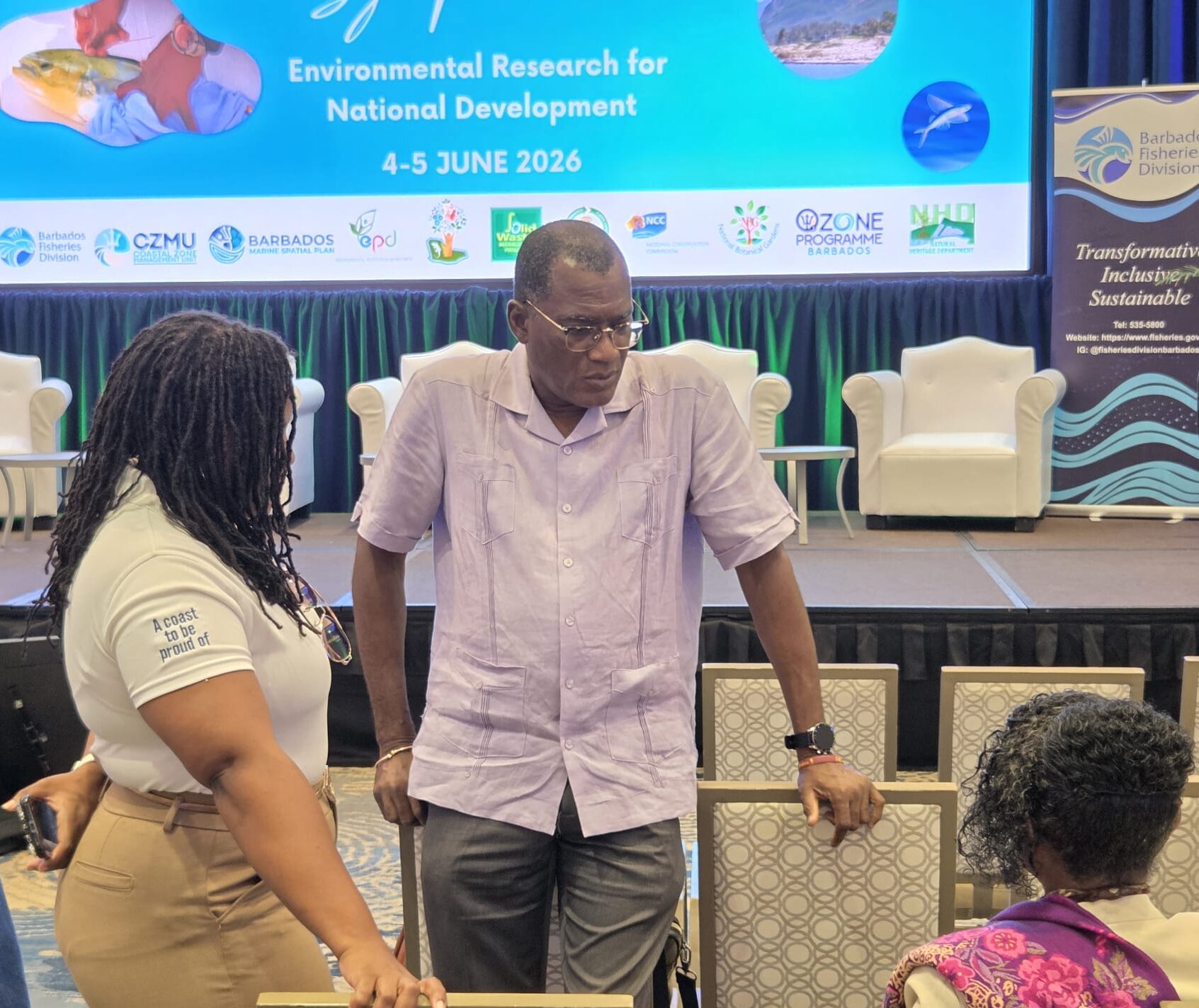
    On Wednesday, the government of Barbados unveiled a landmark new strategy designed to anchor national and regional scientific research at the heart of public policymaking. The ambitious project seeks to break down long-standing academic silos, bridge gaps between scientific inquiry, public policy design and community-led action, and position evidence-based research as a foundational driver of national development. The initiative was formally launched during the opening ceremony of the second annual Research Frontier Symposium, a two-day convening hosted jointly by the Barbados Fisheries Division and the Coastal Zone Management Unit (CZMU). Held as a centerpiece event for the island’s national Environment Month programming, the symposium functions as a collaborative cross-sector platform to highlight cutting-edge advances in both sustainable blue and green economy development across the Caribbean region.

    The gathering brings together a diverse coalition of stakeholders, including multiple agencies under Barbados’ Ministry of Environment and National Beautification, Green Economy and Resilience — among them the CZMU, the National Conservation Commission, the Marine Spatial Plan unit, and the Barbados Fisheries Division — alongside academic partners from the region and leading international collaborators. Dr. Leo Brewster, director of the CZMU, noted that the high level of participation from both local stakeholders and international virtual attendees signals a clear and growing momentum for expanded scientific investment across Barbados.

    “Based on the response we have seen this year, it is evident that not only is the Ministry of Environment fostering a wave of new activity and innovation, but through our partnerships with external associate entities like the University of the West Indies, research is steadily growing in importance for Barbados’ long-term success,” Dr. Brewster explained. He emphasized that establishing the symposium as a permanent annual fixture will help reshape public perceptions of the work carried out by government agencies, moving beyond the common view that these bodies only focus on policy drafting and inter-agency administration. “This is a trend we need to cement as an annual event,” Dr. Brewster said. “It is critical for us to show that active research is happening right within our own government departments, not just policy preparation and work on internal or cross-ministerial issues.”

    Chief Fisheries Officer Dr. Shelly Cox outlined two additional core goals for the symposium: making scientific career paths more attractive to young Barbadians and dismantling traditional institutional barriers that have historically isolated research from policy action. “Too often, research is seen as something only done by senior, established academics,” Dr. Cox noted. “Over the course of these two days, attendees will get to see outstanding work from talented early-career researchers, which is exactly the kind of visibility we wanted to cultivate to make research feel accessible and appealing to the next generation. We also aim to break down academic silos and translate raw scientific data into actionable national policy.”

    Dr. Cox also highlighted that regional research from Barbados already holds its own in the global scientific community, with Barbadian researchers regularly publishing their work in top-tier international peer-reviewed journals. Discussions and presentations at the symposium are tailored to the unique scale of Barbados’ marine jurisdiction: the island’s exclusive economic zone spans more than 400 times the area of its landmass, making marine research a national priority. Topics on the agenda cover a wide range of environmental and economic priorities, including marine spatial planning, deep-sea floor mapping, pelagic species migration patterns, science-based sustainable catch limits for popular commercial species like dolphin fish, as well as green economy topics such as terrestrial biodiversity conservation at Long Pond, municipal waste characterization, circular economy development strategies, and the application of artificial intelligence to advance environmental research.

    The symposium is scheduled to conclude on World Environment Day, which coincides this year with the International Day for the Fight Against Illegal, Unreported and Unregulated Fishing. Organizers have structured the closing of the event to raise public awareness of the harms caused by unsustainable fishing practices and build support for coordinated regional action to address the threat. Delegates in attendance include senior representatives from the United Nations Development Programme, the Food and Agriculture Organization, private sector leaders, and local fishing industry associations. Moving forward, event organizers hope the cross-sector gathering will strengthen existing collaborative partnerships, unlock new financial and institutional resources, and create a clear pathway to expand and support future scientific research initiatives across Barbados.

  • New Flights to Belize? Government in Talks with BermudAir

    New Flights to Belize? Government in Talks with BermudAir

    Against a backdrop of widespread operational contraction across the global aviation sector, the Central American nation of Belize is actively pursuing expanded air connectivity through ongoing negotiations with niche premium carrier BermudAir, Belize’s Ministry of Tourism confirmed recently.

    Tourism Minister Anthony Mahler publicly acknowledged that discussions between the government and the Bermuda-based airline have been progressing for several months, with early conversations even exploring the possibility of custom-branded aircraft bearing a Belizean national identity. According to Mahler, BermudAir’s leadership views Belize as an ideal strategic addition to its route network, aligning perfectly with the carrier’s premium-focused business model that caters to leisure and high-value travelers.

    Mahler outlined that the talks have covered potential new routes originating from multiple points across the United States, Guatemala, and an additional undisclosed market. He noted that BermudAir made the ongoing negotiations public earlier than the Belizean side had planned, as the government still required additional time to review the carrier’s full proposal and formal demands. Despite the premature announcement, Mahler stressed that the airline remains fully committed to forging a partnership with Belize.

    The minister emphasized that while the government is encouraged by BermudAir’s strong interest, all discussions remain in the preliminary stage, and no binding contractual agreement has been reached to date.

    This development emerges at a moment of upheaval for the global airline industry, with major carriers pulling capacity and cutting underperforming routes to adjust to shifting demand and rising operational costs. Just in Belize’s existing market, two major U.S. carriers – Spirit Airlines and JetBlue – have already withdrawn all their routes serving the country, while American Airlines has scaled back its domestic flight operations within Belize.

    Mahler openly acknowledged the difficult operating environment facing the global aviation sector, but framed the current shifts as a natural cycle of change for Belize’s air connectivity. “These are trying times for the entire industry… You lose some, and you gain some. I believe another airline will increase its capacity to Belize,” he said, projecting cautious optimism about the future of the country’s aviation market.

    Beyond negotiations with BermudAir, Mahler added that the Belizean government is also holding parallel discussions with existing carriers that already serve the country. Those talks are focused on adding new service from additional U.S. cities, with at least four to five potential new routes currently being evaluated for viability.

  • DNA wijst vorderingen pg tegen Nurmohamed, Hoefdraad en Somohardjo toe

    DNA wijst vorderingen pg tegen Nurmohamed, Hoefdraad en Somohardjo toe

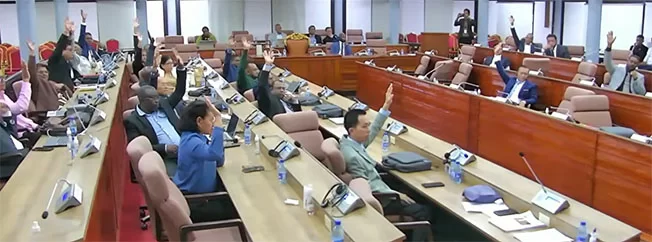
    In a landmark procedural vote completed June 4, Suriname’s Nationale Assemblee (DNA), the country’s national parliament, has granted approval to three prosecution motions brought by the nation’s Prosecutor General against three former cabinet ministers, officially greenlighting the public prosecutor’s office to move forward with full criminal proceedings against the ex-officials.

    The final public vote followed a tense, contentious closed-door preparatory session that stretched across multiple hours. Disputes erupted over the absence of a final investigative report from the special parliamentary committee tasked with reviewing the prosecution motions, forcing a lengthy adjournment before lawmakers agreed to issue an interim report and proceed with the public review process as scheduled.

    All deliberations and votes were conducted under the country’s 2021 Law on the Indictment of Political Office Holders (WIPA), which requires parliament to assess whether pursuing criminal charges against sitting or former political officials aligns with the broader public interest from a political and governance perspective. Crucially, lawmakers emphasized repeatedly throughout the session that the vote did not represent a finding of guilt or innocence, a determination reserved exclusively for the independent judiciary.

    Lawmakers took up the motion against Riad Nurmohamed, former Minister of Public Works, first. After debate covering procedural compliance and allegations of potential political bias behind the prosecution, the motion passed with 33 votes in favor, just 2 votes against, and a small number of abstentions from undecided lawmakers.

    Next, the body considered the prosecution motion against Gillmore Hoefdraad, the former Minister of Finance. Discussion centered on lingering questions from prior prosecution attempts against Hoefdraad and coordination between this domestic case and ongoing international legal proceedings connected to the former minister. In the final vote, 29 lawmakers supported advancing the prosecution, while 5 voted against.

    The final motion to be debated was that against Bronto Somohardjo, former Minister of Home Affairs. In an unexpected appearance before the plenary session, Somohardjo told lawmakers he did not seek parliamentary immunity or protection from prosecution, and openly called on assembled members to vote in favor of allowing the case to move forward. The motion ultimately passed with 32 votes in favor, zero votes against, and a small number of abstentions.

    Stark divides in opinion emerged during deliberations, split largely along government coalition and opposition lines. Ruling coalition factions including VHP, NPS, ABOP, BEP and A20 argued that the judicial process must be allowed to run its course, noting that the accused former ministers retain the right to prove their innocence before an independent court. Meanwhile, opposition lawmakers raised sustained questions about the justifications for the prosecution motions, adherence to proper legal procedure, and the risk that the proceedings amount to politically motivated targeting of former officials.

    With the approval of all three motions, DNA has met its statutory deadline to rule on the Prosecutor General’s requests, which was set to expire on June 9. The cases will now advance through the formal court process, with next steps falling to the Office of the Public Prosecutor to schedule hearings and move forward with litigation.

  • Shirley Chisholm Primary blank St Gabriel’s 7-0 NSC netball

    Shirley Chisholm Primary blank St Gabriel’s 7-0 NSC netball

    The National Sports Council and Pedialyte Sport-sponsored Primary School Netball Competition continued this week, with defending title holders Shirley Chisholm Primary extending their impressive winning streak with a dominant shutout victory on Thursday.

    Hosted at the Dover sporting facility, the reigning champions put on a masterclass of attacking netball from the first whistle, building an unassailable 4-0 lead by the half-time break against St Gabriel’s School. They maintained their clinical momentum through the second half, ultimately closing out the match with a crushing 7-0 blanking that cements their status as the team to beat in this year’s tournament.

    Leading the charge for Shirley Chisholm Primary was goal shooter Lashanae Passley, who delivered a perfect performance by converting every one of her four scoring attempts. Supporting her was teammate Kimaria Allen-Farrell, who notched three goals from five attempts to round out the defending champions’ scoring.

    Thursday’s matchday featured a packed schedule of other closely contested fixtures across the competition. Arthur Smith Primary secured one win and one loss across their two outings: they first pulled off a solid 6-1 victory over St Christopher, but fell to a 5-1 defeat at the hands of St Paul’s Primary later in the day. In other results, St Lawrence claimed a comfortable 6-1 win against Bay Primary, while St Christopher and St Gabriel’s played out an exciting 3-3 draw. St Paul’s continued their strong form with a narrow 2-1 edge over Bay Primary to close out the day’s play.

  • Data-sharing gaps hinder Caribbean climate science – CIMH

    Data-sharing gaps hinder Caribbean climate science – CIMH

    As climate change intensifies threats to small island nations across the Caribbean, a leading regional scientific leader has sounded an urgent alarm: fragmented data sharing across national and institutional borders is severely limiting climate research, undermining evidence-based policy, and putting the entire region at a critical turning point that could derail climate adaptation efforts. Dr. David Farrell, principal of the Barbados-based Caribbean Institute for Meteorology and Hydrology (CIMH), outlined these deep-rooted challenges in an exclusive interview with Barbados TODAY, stressing that immediate government policy intervention is required to unlock trapped critical climate and cross-sectoral datasets.

    Farrell explained that even CIMH, the region’s primary meteorological and hydrological training and research body, faces persistent barriers accessing key data within Barbados itself, a gap that directly restricts the institute’s ability to deliver actionable insights for decision-makers. He framed the current impasse as a defining moment for the region: if data holders continue to refuse collaboration with scientific researchers, Caribbean nations will fall far behind in global efforts to leverage technology for climate resilience.

    “Data sharing is non-negotiable for progress right now – I cannot overstate how central it is to every challenge we face,” Farrell said. He highlighted that interconnected “nexus problems” – overlapping issues that cut across multiple economic and social sectors – are growing increasingly complex, and solving them depends on cross-sector information flow. For example, public health outcomes directly shape agricultural productivity, meaning food system planners require access to public health data to make informed decisions. Similarly, long-term economic planning relies on detailed, up-to-date labor force data that is often locked away in siloed government or private databases.

    Farrell acknowledged concerns about sensitive data, noting that existing frameworks already address these risks: sensitive datasets can be clearly marked, and legally binding access agreements can be put in place to govern use. What serves no purpose, he argued, is hoarding data on private servers where it cannot contribute to better decision-making. “Data that is not shared has zero value,” he emphasized. “It cannot improve livelihoods, attract investment, or solve the problems we are all facing.”

    The push for open data is particularly urgent as the region looks to adopt cutting-edge technologies like artificial intelligence and machine learning to address climate and development challenges, Farrell noted. Both AI and machine learning are deeply data-dependent, and claims of investing in these technologies ring hollow without a commitment to open data sharing. “You can’t say you’re building AI systems if you’re not willing to provide the data that powers them,” he said. “Data is the fuel for these tools – without it, they cannot produce the actionable insights we need.”

    Farrell pointed out that data sharing challenges exist at both national and regional levels, but there has been incremental progress. As more regional institutions recognize the scientific and economic value of open data, collaboration has become easier. The biggest gap remains at the interface between national governments and regional bodies, he said, where data holders often hesitate to share information without formal policies in place to protect their interests. Suspicion around the purpose of data requests also slows progress.

    To illustrate the benefits of a robust open data policy, Farrell pointed to the United States, where most government-generated data is freely available to the public. This open data ecosystem is a core reason the U.S. leads in many fields of research and technological innovation, he argued, because it allows researchers to test models, validate concepts, and build new products and services that drive economic growth.

    Against this backdrop, Farrell is calling on Caribbean governments to lead the shift by enacting formal data sharing policies that encourage open access and streamlined cross-border data movement. In today’s fast-paced digital age, delayed data sharing renders information irrelevant by the time it is released, he warned. If the region moves too slowly to open up its datasets, outside entities will fill the gap with alternative data sources, and local stakeholders will lose out on the economic and scientific benefits of controlling their own information.

    “If we want to keep pace with global technological advances and use them to improve climate resilience and quality of life across the Caribbean, we have to revisit our outdated data models and policies,” Farrell insisted. “We are already at a crossroads. The choice to implement thoughtful open data policies will set the region up for progress; failing to act will leave us locked out of the benefits of modern science and technology.”