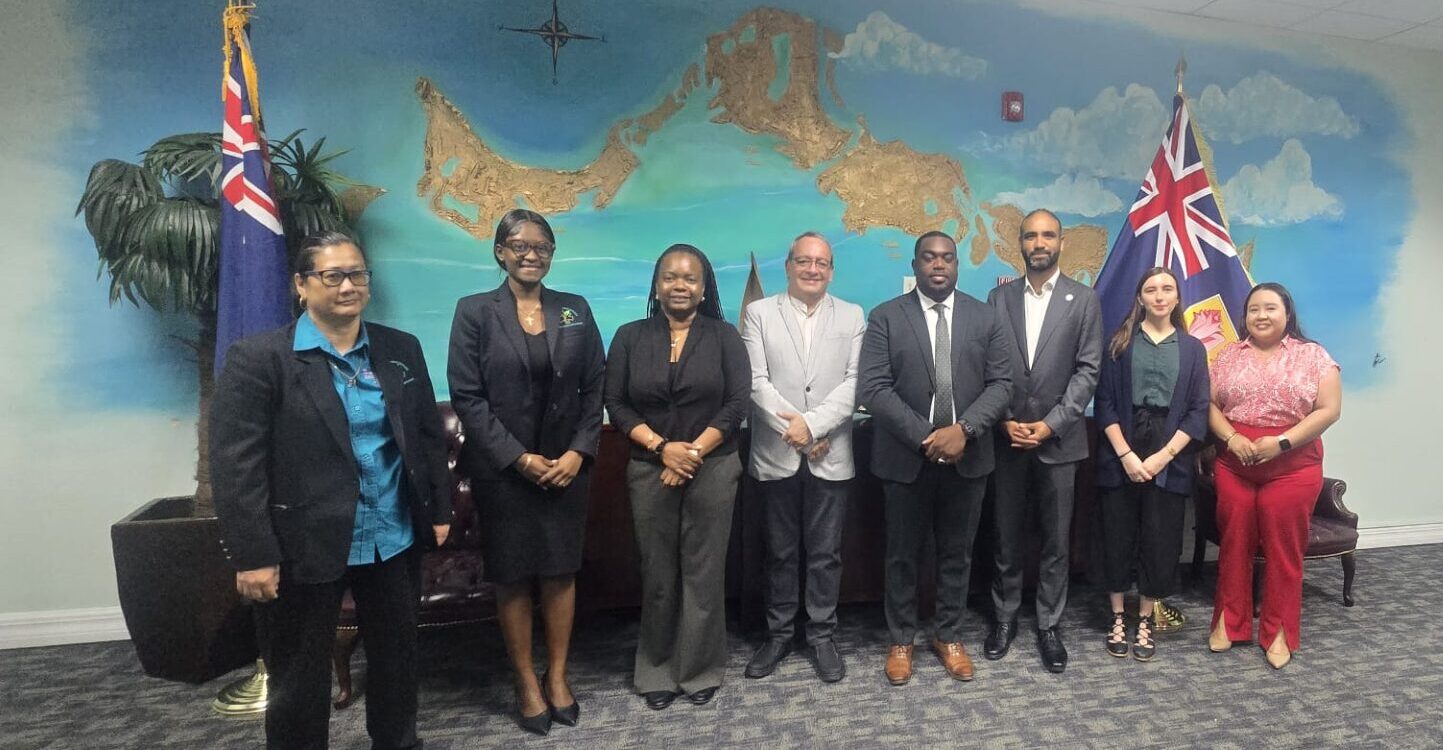
A major public health initiative to combat the growing global threat of antimicrobial resistance (AMR) has wrapped up in the Turks and Caicos Islands (TCI), after a five-day technical assessment mission conducted by the Caribbean Public Health Agency (CARPHA) between July 13 and 17, 2026.
The mission forms part of CARPHA’s broader Integrated Antimicrobial Resistance Programme, which works across the Caribbean region to strengthen local capacities for AMR detection, monitoring and rapid response, with a specific focus on upgrading laboratory infrastructure, standardizing surveillance practices and reinforcing regional health security frameworks.
A specialized three-person technical delegation led the on-the-ground assessment. The team included Mohamed Elsherbiny, Senior Technical Advisor in the Office of the CARPHA Executive Director and head of the integrated AMR programme; Dr Gabriel Gonzalez Escobar, Assistant Director of Surveillance, Disease Prevention and Control, who also leads CARPHA’s central Medical Microbiology Laboratory; and Megan Bardsley, an epidemiologist assigned to the agency’s integrated AMR initiative.
Over the course of the five-day visit, the CARPHA team held consultation sessions with a wide range of local stakeholders, including senior officials from TCI’s Ministry of Health, technical leads from the National Epidemiology and Research Unit (NERU), management and staff from the National Public Health Laboratory (NPHL), clinical leadership from TCI Hospital, and representatives from national infection prevention and control teams.
The assessment carried out by the delegation covered a broad scope of critical areas tied to AMR response. Technical experts evaluated the condition of local laboratory facilities, the functionality of existing diagnostic equipment, current staffing capacity and training gaps, national AMR governance structures, adherence to established biosafety protocols, the robustness of local AMR data management systems, and the effectiveness of ongoing AMR surveillance activities. As part of the broader review, the team also assessed national tuberculosis patient specimen referral processes and evaluated TCI’s existing pandemic preparedness capabilities to respond to emerging public health threats.
In its post-mission statement, CARPHA noted that the agency has a long-standing and productive collaborative relationship with the TCI National Public Health Laboratory. The organization specifically highlighted the lab’s consistent work in confirming test results for high-priority pathogens, as well as the successful recent rollout of the MolBio mobile testing platform, which has expanded local diagnostic reach.
Following the comprehensive assessment, the CARPHA team identified multiple actionable opportunities to advance TCI’s AMR response capacity. Key areas for improvement include expanding core diagnostic services, boosting overall laboratory operational efficiency, updating and strengthening biosafety and biosecurity protocols, scaling up antimicrobial susceptibility testing and molecular diagnostic capabilities, and standardizing processes for more accurate and complete AMR data collection and reporting.
The review also explored adjustments to cross-border specimen referral arrangements within CARPHA’s regional laboratory network. Proposals on the table include deepening collaborative ties with Jamaica’s national laboratory system, to ensure TCI clinicians and researchers have reliable access to specialized regional testing and reference services that are not available locally.
DR. Lisa Indar, Executive Director of CARPHA, emphasized the urgency of coordinated action on AMR in her statement following the mission. “Antimicrobial resistance stands as one of the most pressing threats to global public health today,” Indar said. “Strengthening robust laboratory systems and standardized surveillance is absolutely fundamental to enabling timely detection of drug-resistant pathogens and guiding evidence-based public health action. We are deeply encouraged by the clear commitment demonstrated by our colleagues in the Turks and Caicos Islands, and we look forward to supporting the full implementation of the recommendations developed during this assessment mission.”
Looking ahead, CARPHA has confirmed that it will maintain long-term engagement with TCI’s Ministry of Health and Human Services and local national partners. Next steps include co-developing a phased implementation roadmap for the mission’s recommendations, providing ongoing targeted technical support to local teams, and further integrating TCI into CARPHA’s regional AMR surveillance network to improve cross-border coordination on this shared public health threat.