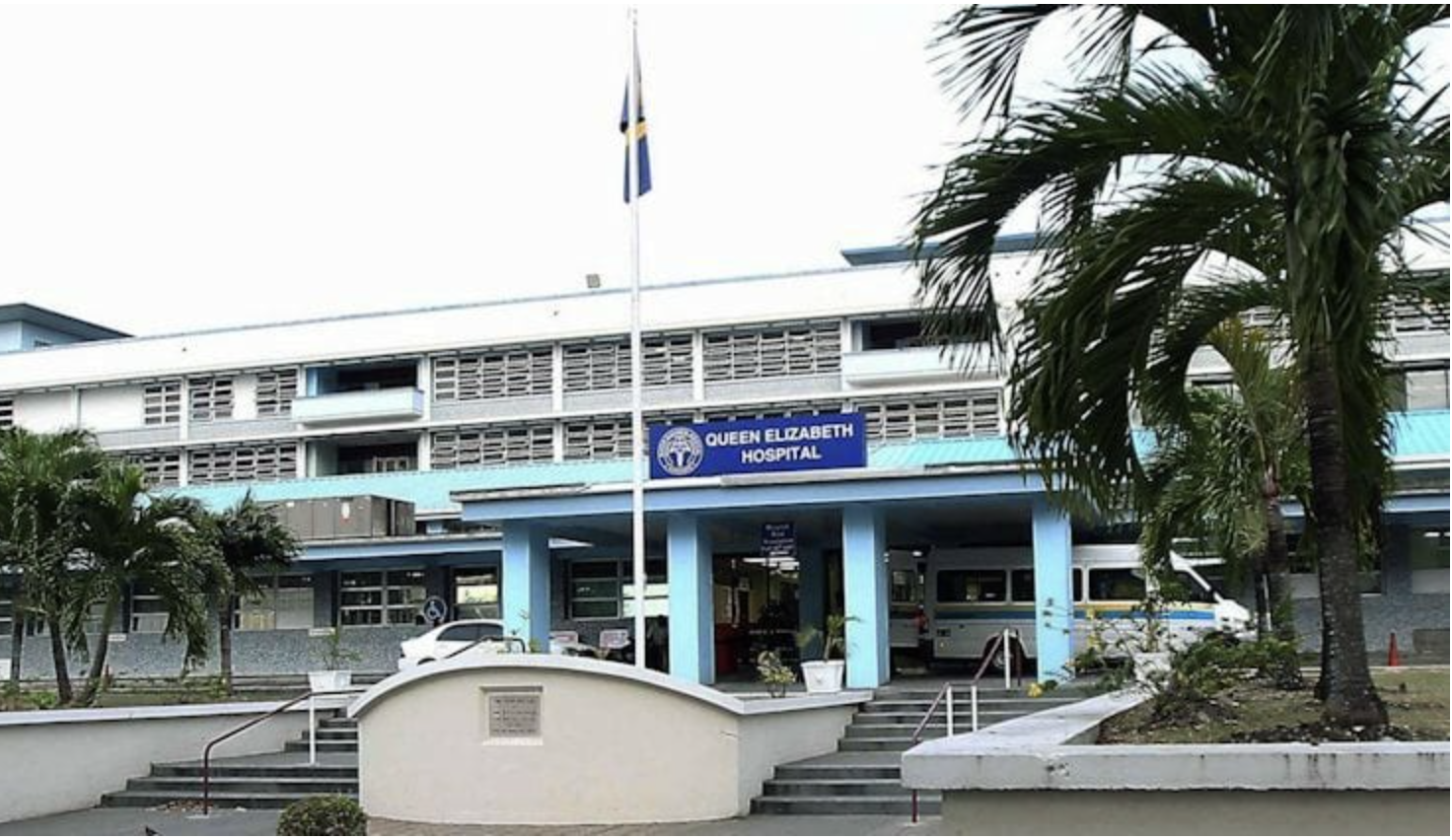
Starting next week, one of Barbados’ main public healthcare facilities, Queen Elizabeth Hospital (QEH), will launch an extensive eight to 10-month renovation project for its mortuary, a long-awaited upgrade designed to bring the aging facility in line with modern clinical and public health standards. All postmortem examinations and related services will be temporarily relocated for the duration of the construction work, hospital officials confirmed earlier this week. The official announcement was delivered Monday during the hospital’s weekly QEH Pulse Radio Show by QEH public spokesperson Shane Sealy, who noted that comprehensive contingency arrangements have already been finalized and activated to avoid disruption to core services.
From Monday, all coroner-authorized and hospital-ordered postmortems have been moved to Tudor’s Funeral Home, located in the parish of Ivy, St Michael. Sealy confirmed that all identification and private viewing services for families of the deceased will also be hosted at the temporary funeral home location for the entire duration of the renovation.
The core focus of the overhaul is the installation of a cutting-edge negative-pressure ventilation system, a critical infrastructure update that addresses longstanding infection control gaps at the existing mortuary. Along with the new ventilation system, the project includes a suite of other targeted structural and technological upgrades to modernize the facility. Sealy explained that the new ventilation infrastructure will not only improve overall operational efficiency for mortuary staff but also create clearer, more effective separation between clinical workspaces and private areas reserved for grieving families, a key improvement for both staff safety and visitor dignity.
Sealy emphasized that every enhancement included in the project was developed to meet current global healthcare standards, with the dual goal of creating a safer, more respectful environment for all facility users – from clinical and mortuary staff to families visiting to identify or view their loved ones.
Addressing public concerns about potential disruption to critical postmortem services, Sealy gave a formal assurance that the temporary transfer of operations will not compromise the quality, accuracy or integrity of any postmortem examinations conducted during the renovation period. He added that mortuary staff will maintain close, consistent communication with bereaved families and relevant regulatory authorities throughout the entire project, and all individuals requiring guidance or support to arrange identification or viewings will receive dedicated assistance at the temporary site.
Sealy also reinforced remarks made by Jerry Warner, QEH’s acting director of support services, who framed the overhaul as a strategic, high-priority investment to modernize a core, essential clinical service. Warner noted that once completed, the upgrades will not only transform the working environment for mortuary teams but also strengthen the facility’s infection prevention protocols, ensuring that families receive care and services in a space that meets the expectations of modern healthcare.