
As the Barbadian Senate took up debate on the groundbreaking Criminal Gangs (Prevention and Control) Bill Friday aimed at curbing the island nation’s surging violent crime and gang activity, independent senator and Anglican cleric Canon Dr. John Rogers delivered a somber, impassioned address that framed the current crisis as a defining failure of the country’s social and moral fabric. Opening his remarks with a heavy heart, Rogers drew parallels between the proposed new legislation and oppressive control laws enacted during the colonial slavery era, noting that centuries ago, Barbadian parliament passed harsh laws to dehumanize and control enslaved Africans, classified then as dehumanizing terms like “bucks” and “wenches” as chattel property. Today, he lamented, the country once again finds itself forced to pass sweeping control laws to rein in widespread criminal violence — a marker of how far Barbados has drifted from its foundational values, ahead of a series of landmark national milestones. “Barbados has become a foreign place,” Rogers stated, explaining the shift extends beyond changing demographics to alien, harmful ideologies that have taken root across society, coinciding with upcoming milestones including the 400th anniversary of the island’s settlement, the 60th anniversary of national independence, and the fifth anniversary of Barbados’ transition to a republic. Next year will also mark 400 years since the Anglican Church was established on the island, a history Rogers acknowledged is tied to the transatlantic slave trade, but he emphasized that faith institutions across denominations have been a cornerstone of Barbados’ moral and social development. From Anglicans and Methodists to Roman Catholics, Moravians, Adventists and Pentecostal congregations, religious groups have shaped generations of young Barbadians through youth programmes like the Church Lads’ Brigade, Church Girls’ Brigade, Pathfinders and Cub Scouts, building the social fabric that holds communities together, he argued. Turning to the substance of the anti-gang legislation, Rogers warned the bill cannot be considered separately from the interception of communications law passed last year, noting that modern Barbadian gang activity is no longer limited to local neighborhood factions. Today’s gangs are deeply connected to regional and international transnational criminal syndicates, creating a systemic challenge that extends far beyond the island’s borders, he explained. While Rogers expressed clear support for the proposed bill and its provisions to close legal loopholes and strengthen penalties for gang affiliation and activity, he stressed that legislation alone cannot reverse the tide of rising violent crime. To meaningfully address the crisis, the country must confront the root causes embedded in the core of society, working to transform the harmful mindsets that fuel criminal behavior, he argued. Echoing earlier calls in the debate to reclaim local communities from gang influence, Rogers said lasting societal change will require open, difficult conversations about core values, personal accountability and social discipline. He welcomed the Ministry of Education Transformation’s ongoing review of school grooming policies, arguing that educational institutions have a responsibility to prepare young people for entry into the workforce. Allowing young male students to attend school with unkempt, unkempt hair and little regard for personal presentation sets them up for long-term failure, he argued, as employers will be far less likely to give these young people opportunities to build stable careers. Rogers also doubled down on long-held concerns about drug decriminalization, first raised during the 2019 debate on cannabis legislation, warning that the widespread proliferation of cannabis on Barbadian streets has directly contributed to the current crime surge, with visible fallout across communities. Beyond drugs, Rogers linked rising crime to broader shifts in cultural norms, calling out what he described as increasingly vulgar and degrading messaging in popular music and entertainment showcased during the annual Crop Over festival. The content of modern cultural output shapes how Barbadians value one another, particularly how women are viewed and valued by society and themselves, he said, urging cultural creators and practitioners to prioritize uplifting, values-driven content that strengthens rather than erodes community standards. A pervasive reluctance to hold young people accountable for their actions has also weakened social guardrails, Rogers argued, noting that decades of shifting attitudes toward discipline have left many children without clear boundaries. Today, society fears even constructive discipline to the point that children are raised without expectations of accountability, he argued, likening the overprotective approach to raising fragile eggs rather than resilient, responsible young people. Compounding this issue is a growing culture of entitlement, Rogers said, where too many young people expect wealth and success without investing the effort of attending school, building skills or working their way up. “Only the grave digger starts from the top,” he noted, urging young people to take entry-level and available work while pursuing better long-term opportunities, even when formal employment options are limited. Early intervention is critical to steer at-risk children away from a path toward violent crime, Rogers stressed, explaining that young children who do not learn impulse control and basic accountability grow into adults who are willing to use lethal violence without considering the harm to innocent bystanders. He also called for a renewed emphasis on civics education to help all citizens understand how criminal behavior damages families, destroys communities and tarnishes Barbados’ international reputation, which is critical to the island’s economic and social standing. Becoming visibly emotional during his speech, Rogers mourned the recent fatal shooting of a former student and cricketer he had coached, offering condolences to the young man’s family and holding the killing up as a painful example of the human cost of the current crime crisis. He also recalled the killing of a local small business vendor, who was killed by a stray bullet while working to build a better life for his family — an incident that has continued to weigh on him in the months since the shooting. Closing his address, Rogers made a direct appeal to parents, particularly single mothers raising children alone, to take greater responsibility for guiding and monitoring their children. He reiterated his earlier historical parallel: when a community allows behavior that violates basic social standards to become normalized, society is ultimately forced to enact restrictive laws to control that behavior. “If we’re going to behave like bucks and wenches, laws will have to be passed to control us,” Rogers said. “Tie your children.”
博客
-
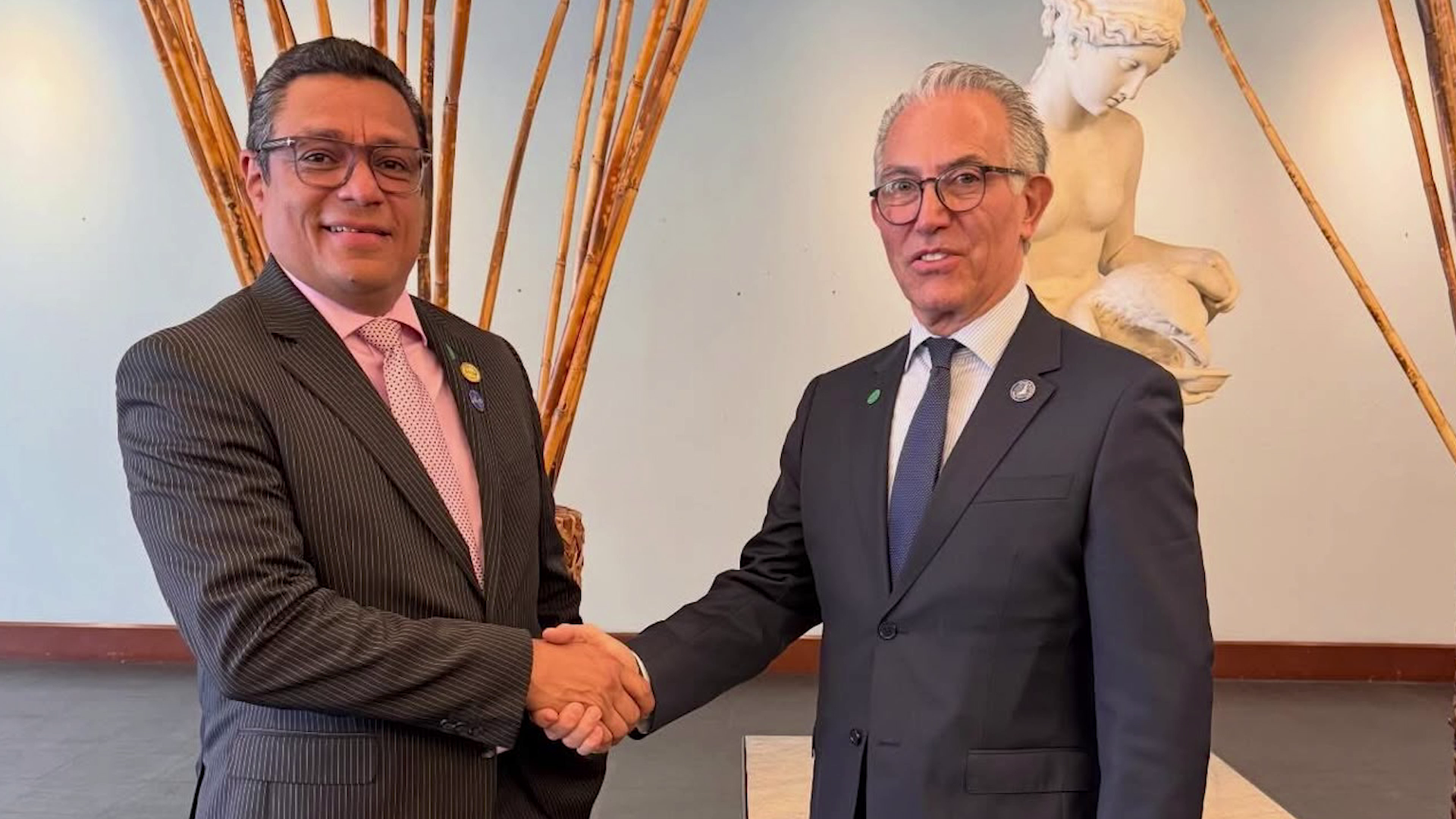
Oscar Arnold Returns Home to Shape Belize’s Foreign Policy
Belize’s diplomatic landscape is entering a new phase, as seasoned diplomat Oscar Arnold has returned from his posting as ambassador to Mexico to take up a key leadership role at the heart of the country’s foreign policy apparatus. Arnold, who built deep cross-border ties during his tenure in Mexico City, now serves as Chief Executive Officer of Belize’s Ministry of Foreign Affairs and Foreign Trade, transitioning his expertise from representing Belize abroad to shaping its international agenda from within the capital.
In a recent on-the-record interview, Arnold reflected on his time in Mexico, emphasizing that the practical experience and personal relationships forged during that posting will anchor his work in the new role. When global pandemic restrictions lifted and international travel resumed, Arnold’s team prioritized in-person engagement—an irreplaceable tool for diplomatic trust-building that cannot be replicated through virtual meetings. He described his Mexico tour as a productive success, highlighting landmark trade gains for small-scale Belizean producers that have already delivered tangible economic benefits.
Through coordinated collaboration between Belize’s foreign mission, the Ministry of Agriculture, and foreign trade officials, Belizean cattle have successfully gained access to the Mexican market. This opening has been transformative for the country’s small cattle farmers, most of whom own just five to 10 head of cattle, giving them the opportunity to sell their product at a higher per-pound price than available domestically. Building on this momentum, the government is now working to open the Mexican market to additional Belizean agricultural commodities. Earlier in 2026, Silk Glass Farms shipped two test containers of coconut water to a Mexican firm, and Arnold confirmed that the trial was well-received. Negotiations are already underway to allow full exports of whole coconuts to Mexico, with a final decision expected in the near term.
Just days into his new position, Arnold has wasted no time diving into a packed policy agenda, rejecting any gradual transition into the role. With a slate of ongoing regional partnerships, trade negotiations, and high-profile international engagements already scheduled, he has made it a priority to maintain institutional momentum and keep Belizean national interests at the center of all ministry work. He has already begun holding introductory meetings with ministry staff and external stakeholders to align on priorities for the coming months.
“This week has flown by so quickly I barely noticed it was Friday, with so many issues moving forward, but I’ve enjoyed every minute of it so far,” Arnold said. “Engaging directly with people is what I love most about this work, and that’s been the core of my first days on the job.”
In the weeks ahead, Arnold plans to meet with resident ambassadors based in Belize to reassure diplomatic partners that the ministry’s core work will continue uninterrupted under his leadership. The ministry already has a fully laid out schedule of annual, quarterly, and monthly priorities, and Arnold says he will bring his specialized diplomatic experience to accelerate progress on those existing goals rather than overhauling ongoing initiatives.
Several major diplomatic and trade milestones are already on the immediate agenda. This month, Belize is set to assume the pro tempore presidency of the Central American Integration System (SICA), with long-time SICA coordinator Ambassador Amalia Mai continuing to lead preparations for upcoming meetings and the presidential summit. Additionally, a Belizean delegation will travel to Panama for the upcoming Organization of American States (OAS) General Assembly, and the government is finalizing preparations to sign a formal new trade agreement with El Salvador in the near future. The agreement is expected to expand bilateral commerce and open new market opportunities for Belizean exporters in the Salvadoran market.
“As you can see, we stay very busy here at the ministry,” Arnold noted. “My job right now is to lead this team, keep pushing forward the growth and the direction the Ministry of Foreign Affairs and Foreign Trade has already set.”
-
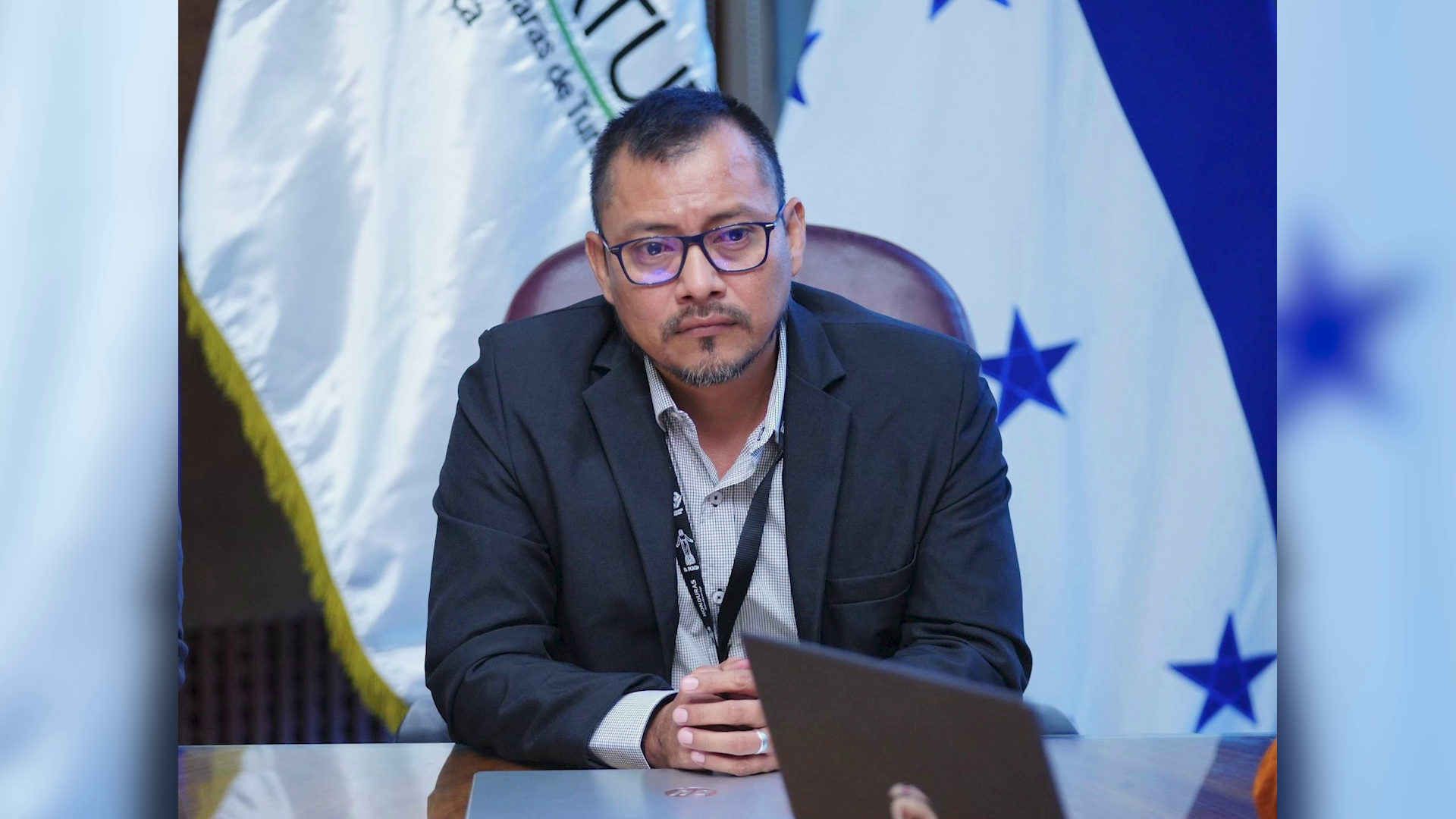
Efrén Perez Secures Second Term at Helm of FEDECATUR
Central America’s tourism landscape is set for a new phase of collaborative growth, following the unanimous re-election of Belize Tourism Industry Association head Efrén Pérez to a second term leading the Federation of Central American Tourism Associations (FEDECATUR), one of the region’s most powerful tourism industry governing bodies.
The June 2026 vote, drawn from member stakeholders across Central America and the Dominican Republic, represents a resounding vote of confidence in Pérez’s policy agenda, which has centered on deepening cross-border industry cooperation, advancing sustainable tourism development, and embedding innovation into regional travel strategies. With his new term confirmed, Pérez has outlined a clear priority roadmap to strengthen the region’s global competitiveness amid shifting global travel demand.
In an exclusive interview following his re-election, Pérez highlighted that his core focus over the coming term will be breaking down longstanding barriers to integrated regional travel. Key priorities include expanding formal collaboration between public sector tourism bodies — namely national tourism ministries across member markets — and rolling out targeted capacity-building programs for private sector tourism operators. These programs will center on upskilling training, standardized industry certification, and creating structured pathways to expand multi-destination travel experiences across the region.
“To remain competitive in a fast-changing global tourism market, we have to take a more aggressive approach to facilitating cross-border movement of travelers,” Pérez noted. He added that upholding consistent service quality and operational standards across all regional destinations, particularly among private sector businesses, will be a non-negotiable pillar of the administration’s work.
Pérez emphasized that integrated regional tourism requires coordination beyond just tourism-focused stakeholders. For example, advancing cross-border connectivity and mobility initiatives will require ongoing dialogue with immigration authorities and other cross-sector public and private partners to streamline entry processes and remove bureaucratic hurdles.
The FEDECATUR president also pointed to the ongoing benefits Belize stands to gain from a new regional tourism pact between Guatemala, Honduras, and El Salvador. The agreement, which is designed to boost air connectivity and lower inter-regional airfare, is expected to make cross-border travel simpler and deepen economic ties across the entire Central American region, with spillover benefits for all member markets of FEDECATUR.
Industry observers note that Pérez’s re-election comes at a critical juncture for Central American tourism, as the region works to recover from post-pandemic shifts and position itself as a cohesive, sustainable travel destination for global visitors. The unanimous vote reflects broad agreement among regional stakeholders that collaborative, cross-border action is the most effective path to long-term growth.
-
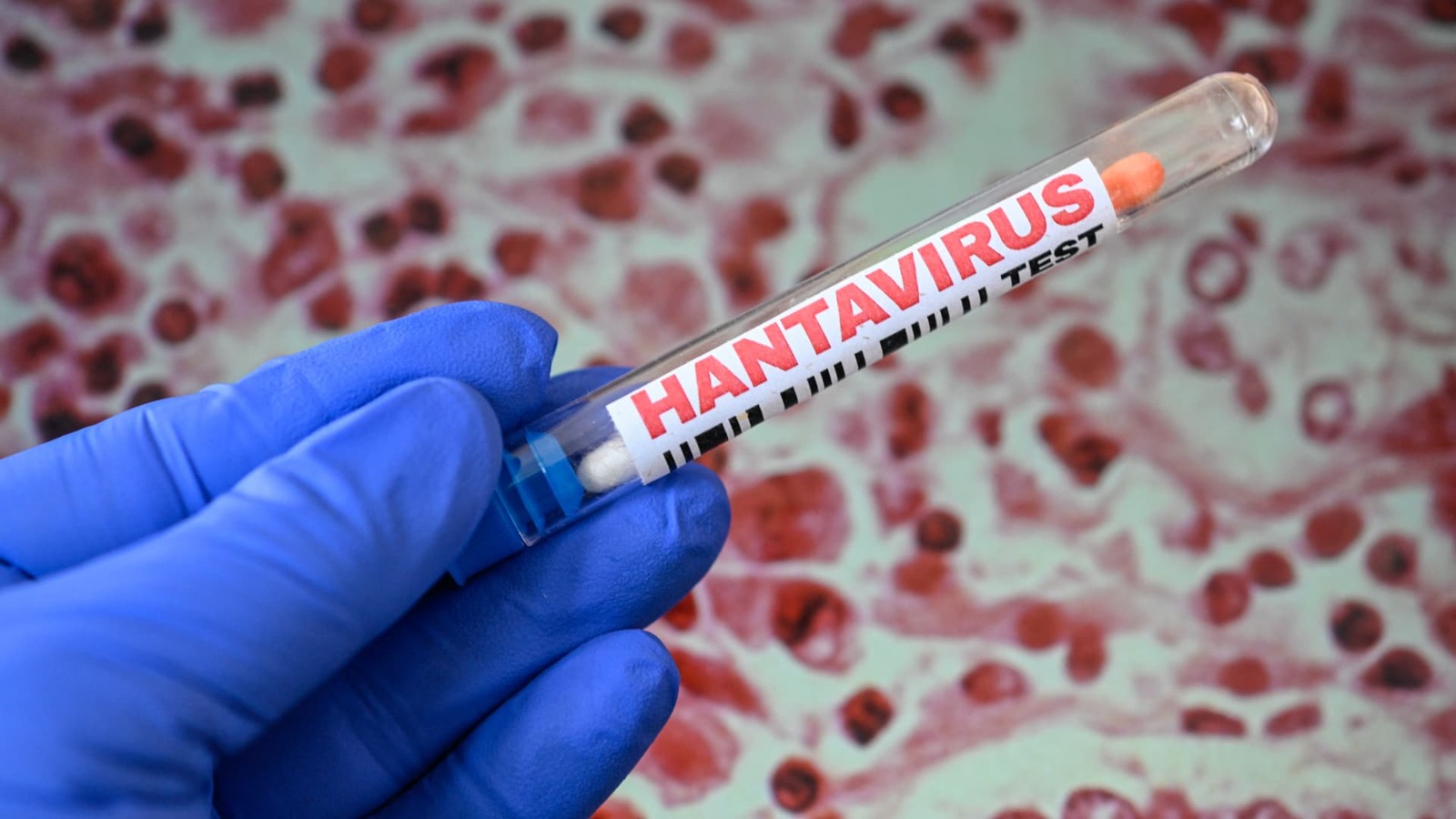
Scientist warns of possible climate link to hantavirus outbreaks
As a growing body of scientific research investigates whether shifting climate patterns are accelerating the geographic spread of hantavirus – a life-threatening pathogen transmitted primarily through rodents – a leading Caribbean-based biosecurity expert is urging regional communities to boost surveillance, preparedness, and diagnostic capacity to mitigate emerging risks.
Dr. Kirk Douglas, director of the Centre for Biosecurity Studies at The University of the West Indies’ Cave Hill campus in Barbados, says that while the approaching El Niño event, a climate pattern linked to elevated global temperatures, does not guarantee an imminent hantavirus outbreak in the region, it serves as a critical early warning signal. This signal, he argues, should prompt governments and public health authorities to roll out proactive measures including expanded rodent population monitoring and functional early warning systems where resources allow.
Global public health data already reflects worrying shifts in hantavirus transmission. Globally, the virus has caused three confirmed fatalities among 13 documented cases to date, and in Argentina – where a high-profile outbreak linked to the MV Hondius cruise ship drew international attention in recent weeks – annual confirmed cases have more than doubled over the last 12 months. Scientists are currently working to unpack the specific climate and ecological drivers that are allowing the pathogen to take hold in regions where it was previously rare or undetected.
Douglas emphasized that the spread of hantavirus and other emerging pathogens into new geographic ranges is not an act of nature, but a consequence of unregulated human activity that disrupts natural ecosystems. “Outbreaks like this remind us that human health is not separate from ecological or environmental health,” he explained. When humans clear forests for resource extraction, reduce biodiversity by oversimplifying natural ecosystems, mismanage solid waste, expand urban development into untouched animal habitats, intensify agricultural production without proper environmental safeguards, and ignore clear climate warning signs, they create far more opportunities for dangerous pathogens to jump across species barriers to humans, he argued.
Crucially, Douglas stressed that this does not mean nature itself is the enemy. “The problem is unmanaged contact, ecological disruption, and weak preparedness, which all boils down to human behaviour. We need a more respectful, intelligent relationship with the natural world, one that recognises public health, climate resilience, biodiversity, agriculture, tourism, waste management and urban planning, as all part of the same interconnected system.”
Hantavirus itself is an ancient pathogen, Douglas noted, but the risk it poses to communities today is a distinctly modern challenge tied to human disruption of natural systems. “The health of people, animals and ecosystems…we can no longer govern them separately,” he said. “We have to have transdisciplinary approaches to the way we tackle diseases; and I believe that human behaviour is by far the most critical factor that we need to target.”
Beyond ecosystem disruption and climate-driven spread, Douglas also warned that widespread misdiagnosis poses a major underaddressed risk to Barbados and the broader Caribbean. Many common regional viral diseases present nearly identical early symptoms: hantavirus, dengue, Zika, chikungunya, and Oropouche virus all cause acute febrile illness that can be hard to distinguish without targeted testing. In many cases, he explained, clinicians default to a diagnosis of dengue – the most common of these pathogens – without conducting confirmatory laboratory testing, simply because it is faster and more convenient. This practice not only hides the true scope of circulating pathogens in the region, but can also delay life-saving treatment for less common diseases like hantavirus.
To address this gap, Douglas called on clinicians to systematically ask patients about potential exposure risks, including recent travel, contact with rodent populations, activities like cleaning enclosed rarely used spaces, farming, or camping that can increase the chance of encountering the virus. For clinical laboratories, he recommended updating testing protocols to account for exposure history, geographic location, seasonal patterns, and clinical severity, rather than automatically testing only for the most common endemic disease. Drawing on his own doctoral research, which documented cases of co-infection between dengue and hantavirus, Douglas noted that the landscape of circulating pathogens in the Caribbean is shifting rapidly. New pathogens are emerging or being detected every few years, he explained, and many of these may have been present in the region for decades without detection due to lack of targeted testing.
“Having multiple diagnostics and referral pathways will be very, very important” to address the changing threat landscape, Douglas concluded.
-
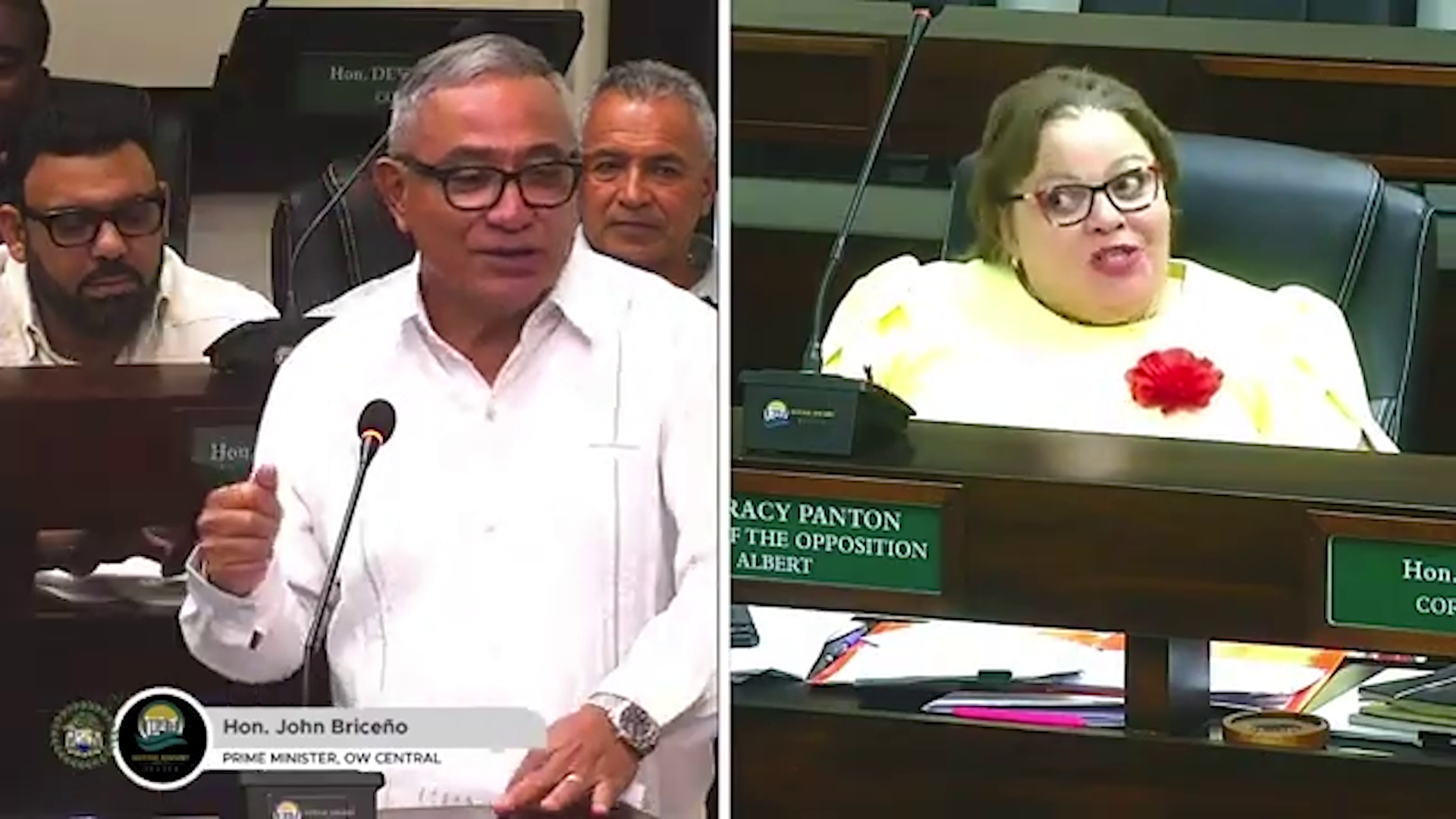
Free Movement Plan Advances in Belize, Even as Partners Lag
Nearly eight months after the CARICOM free movement framework for citizens entered into force, Belize is forging ahead with full domestic implementation of the agreement, even as its three partner signatory nations have yet to pass complementary national legislation to bring the cross-border mobility pact into effect. This uneven pace of progress has sparked heated political debate in the Central American nation, with opposition leaders questioning whether the government’s decision to act unilaterally puts Belize and its workforce at an unnecessary disadvantage.
Tracy Panton, leader of Belize’s parliamentary opposition, raised formal concerns over the government’s unilateral timeline during a recent legislative session. Speaking to the Speaker of the House, Panton argued that government negotiators tasked with advancing trade and mobility arrangements through CARICOM’s Council for Trade and Economic Development (COTED) should prioritize protecting Belizean workers’ interests before moving forward with domestic legal changes. She noted that the opposition would have accepted the schedule if all signatory nations had committed to enacting their own enabling legislation within a six-month unified timeline – a commitment that never materialized. Panton also pressed the government for a clear update on when partner nations expect to complete their own legislative processes for the agreement.
Prime Minister John Briceño has moved quickly to dismiss these concerns, pushing back against opposition claims that early implementation will trigger a flood of migration from other CARICOM member states that would strain Belize’s resources or harm local employment. To back up his reassurances, Briceño released official implementation data collected since the framework first took effect on October 1, 2025. According to the prime minister, just 83 CARICOM nationals have entered Belize under the free movement provisions in the eight months since implementation began, and only two of those travelers have chosen to take up residence in the country. Briceño emphasized that the data directly contradicts fears of mass migration, and urged Belizean citizens to set aside their concerns about the policy.
The free movement agreement, which forms part of CARICOM’s broader efforts to deepen regional integration, grants full unrestricted mobility rights to citizens of participating member states, allowing them to live, work, and travel across national borders without visa or entry restrictions. While Belize has already codified the agreement into domestic law, the three other participating nations have not advanced complementary legislation, leaving open questions about how reciprocal rights for Belizean citizens will be enforced in those countries until their domestic processes are complete.
-
Belize Tapped to Chair Caribbean Development Bank Board
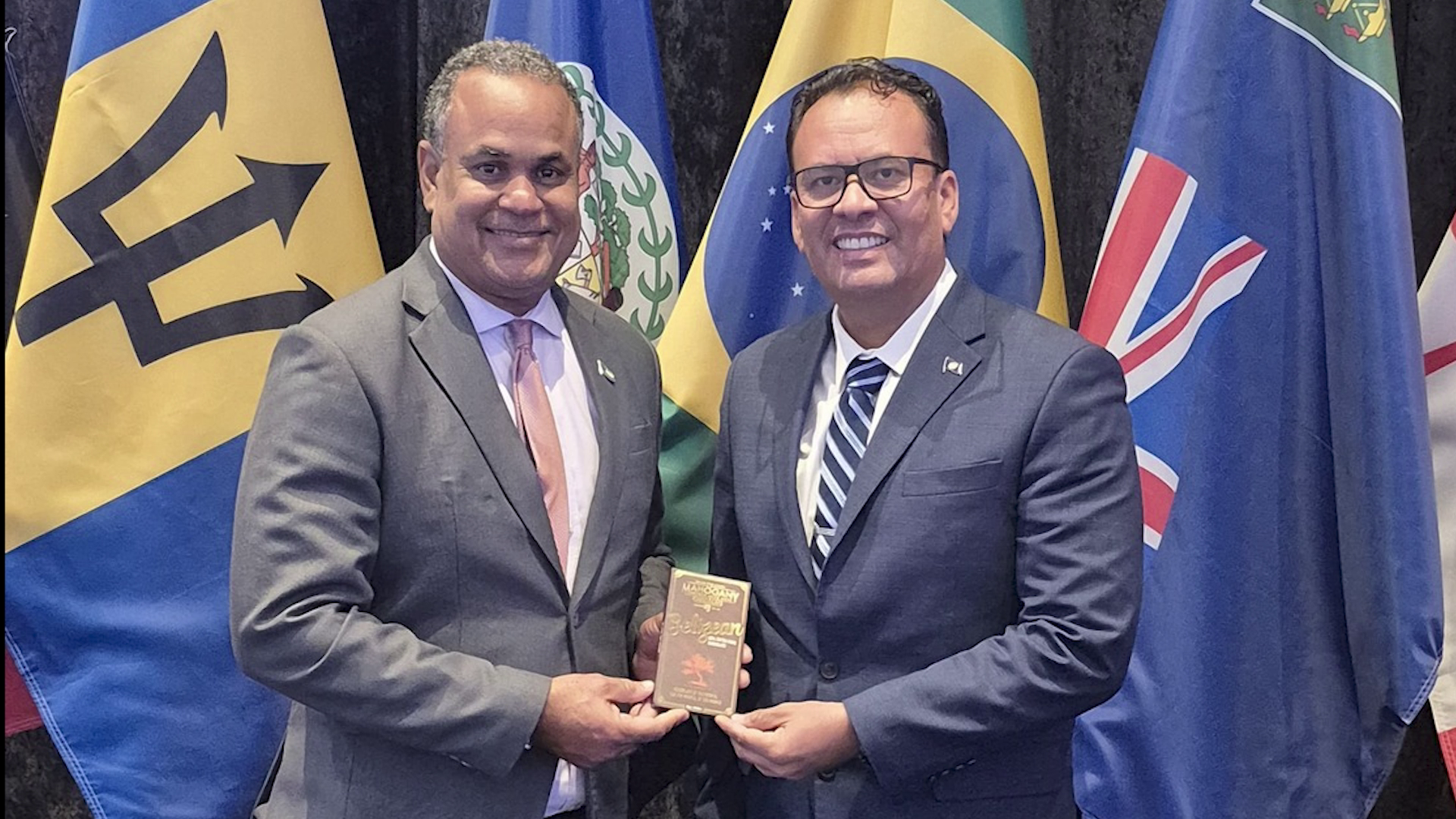
At the 56th Annual Meeting of the Caribbean Development Bank (CDB) held in the Bahamas, a landmark decision has shifted regional development leadership to Central America’s Caribbean-connected nation: Belize was officially elected to assume the chairmanship of the CDB Board of Governors for the 2026-2027 term. The appointment marks a dramatic milestone for Belize, moving the country from its longstanding role as a standard borrowing member to a position of strategic regional leadership that will shape the trajectory of development priorities across the entire Caribbean basin.
Belize’s Minister of State Dr. Osmond Martinez, who will serve as CDB Board Chairman, represented the nation at the summit and accepted the appointment on behalf of the government. In his remarks following the vote, Dr. Martinez emphasized that Belize carries both humility and ambitious vision into this new responsibility, noting that the role coincides with the country’s upcoming task of hosting the CDB’s 57th Annual Meeting in June 2027. This upcoming gathering will only be the second time Belize has hosted the bank’s flagship annual event, following its first hosting role more than three decades ago in 1994.
Belizean Prime Minister John Briceño framed the appointment as a reflection of the country’s unique cross-regional identity, which positions it to advance inclusive development across both Central America and the Caribbean. “Our country occupies a unique space in our region: geographically part of Central America, historically and culturally rooted in the Caribbean, and deeply committed to the shared prosperity of both,” Briceño stated. “That position has shaped much of our approach to development. It has taught us that resilience does not happen through isolation; it is built through connection and integration.”
Industry observers note that the election signals growing recognition of Belize’s role in regional cooperation, and comes at a time when the CDB is prioritizing climate resilience, infrastructure investment, and inclusive economic growth across its member states. For Belize, the chairmanship offers an opportunity to advance policy priorities that align with its own development experiences, while advocating for smaller island nations across the Caribbean that face overlapping economic and climate challenges.
-

Government Pushes NHI Reform Amid Oversight Fears
As Belize’s ruling administration moves to advance landmark National Health Insurance (NHI) reform legislation, a fierce political debate has emerged over the proposed structural changes, which would replace the existing NHI commission with a more centralized, powerful NHI Authority tasked with leading healthcare service delivery across the country. The proposed shakeup comes with high stakes for Belize’s public health system, but critics have raised urgent concerns about the concentration of power and the lack of sufficient oversight built into the new framework.
Leading the charge against the bill is Opposition Leader Tracy Panton, who is questioning whether the restructured authority will truly prioritize the needs of ordinary Belizeans, or instead centralize too much decision-making control in the hands of a small group of government-aligned officials. Panton emphasized that as elected lawmakers, all members of the legislature bear a fundamental responsibility to ensure any new legislation serves the public good, not just the interests of the sitting administration. She added that one of the most problematic gaps in the current proposal is the absence of robust, empirical evidence justifying the need for the sweeping structural overhaul being put forward.
Prime Minister John Briceño, the plan’s top backer, has defended the reform by pointing to Belize’s successful earlier NHI pilot program, which delivered measurable improvements in the regions where it was rolled out: expanded access to primary care services, higher patient satisfaction ratings, and better overall population health outcomes. Briceño argues that the new legislation does not reinvent the wheel, but rather scales a proven model to a national level to extend these benefits to all Belizeans. Beyond direct public health gains, the prime minister notes that a healthier, fully insured population will drive broader economic benefits, boosting national productivity, cutting down on workplace absenteeism, reducing the overall long-term healthcare burden for the country, and giving local businesses a healthier, more secure workforce.
Health and Wellness Minister Kevin Bernard has also pushed back against opposition claims, seeking to clear up widespread public confusion about the proposed division of responsibilities under the reform. Bernard clarified that contrary to opposition framing, the new NHI Authority will not absorb or replace the core functions of the Ministry of Health and Wellness. All regulatory oversight of the country’s entire health system will remain firmly under the control of the ministry, he said, addressing one of the opposition’s most repeated claims about the restructuring.
Currently, the existing NHI program already provides coverage to citizens across all six of Belize’s districts. As the legislation moves through the legislative process, the emerging fight over the reform is increasingly shaping up to be a battle over public trust, accountability mechanisms, and who will hold ultimate decision-making power over the future direction of Belize’s public healthcare system.
This report is adapted from a televised evening news transcript originally published online.
-

Police Investigating Death of Sheldon Dias After Mock Pond Altercation
The Royal Police Force of Antigua and Barbuda has confirmed that two people are in custody facing suspicion of murder, following the deadly attack on 35-year-old Sheldon Dias earlier this week. The incident unfolded just before midday on Friday, June 5, in the Mock Pond neighborhood of All Saints, where preliminary law enforcement inquiries confirm Dias became involved in a physical confrontation with the two accused individuals.
When first responders from the local police department arrived at the scene, they found Dias unresponsive at the back of a residential yard, with multiple wounds across his body. A licensed medical professional attended the location shortly after, and officially pronounced Dias dead at 1:45 p.m. local time.
Within hours of the incident, officers took a male suspect and a female suspect into custody on charges of murder-related suspicion. Both individuals are currently being held at a local police facility, where they are assisting lead investigators with ongoing inquiries into the death.
Senior leadership at the Royal Police Force has issued a formal statement of sympathy, extending heartfelt condolences to Dias’ family and loved ones as they navigate the grief of his unexpected, tragic passing. Investigations into the exact circumstances of the altercation and the events leading up to Dias’ death remain active and ongoing, law enforcement officials confirmed.
Local authorities are urging any member of the public who may have relevant information connected to the case that could advance the investigation to reach out directly to the department’s Serious Crimes Unit. Tips can be submitted via phone at 462-3913 or 462-3914, or anonymously through the regional Crimestoppers hotline at 800-TIPS (8477).
-
Bajan youth trail regional peers in green economy awareness
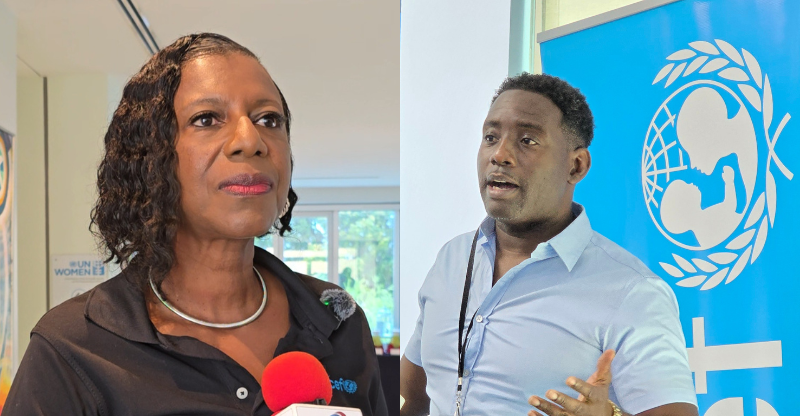
Barbados has emerged as a regional leader in prioritizing climate resilience and advancing climate-friendly investments across government and community levels, but a new UNICEF-commissioned study has uncovered a critical gap: the island’s young people trail their peers across the Eastern Caribbean in awareness of green and circular economy opportunities. The research, which examined youth engagement across four island nations — Antigua and Barbuda, Barbados, Dominica, and St. Lucia — was officially released on World Environment Day during a public presentation focused on youth perspectives on climate action. Titled “Young People’s Knowledge, Attitudes and Practices on Climate Change and Green and Circular Economies in the Eastern Caribbean”, the project was designed to create an evidence base for building more inclusive climate programs that center young people’s needs and input.
Lead researcher Professor Dwayne Devonish explained that while Barbados’ significant investments in climate resilience have gained international recognition, there is a clear disconnect between these top-level efforts and youth understanding of how young people can participate in related sectors. Contrary to common assumptions, this gap is not rooted in a lack of interest among Barbadian youth, but rather in how information about green and circular economy opportunities is communicated. “Many young people we spoke to acknowledged that the government is moving forward with climate-ready investments, but they consistently reported that the information provided is not framed in accessible language for their age group,” Devonish noted in remarks to reporters following the findings’ presentation at UN House in Bridgetown.
Focus group discussions conducted as part of the study revealed clear demands from Barbadian youth: they want more accessible information about green career pathways, paid internships, and skills training programs in sustainable sectors. Within the national education system, many respondents called for updated curricula that explicitly break down what green and circular economy activities entail, and map out clear routes for young people to enter these fields through education, work experience, and professional development. “What young people are asking for is for these investments to be made tangible for them,” Devonish said. “They want opportunities they can actually access, explained in terms they can actually understand.”
The study also offered a useful point of comparison: Dominica, which outperformed Barbados on metrics of youth awareness and engagement, owes its stronger results to two key factors. Beyond the fact that Dominica has faced more frequent and severe climate-fueled natural disasters that put climate issues at the forefront of public life, the Dominica government has also pursued more consistent, aggressive outreach and programming to embed climate action across all levels of society. “Frequent exposure to disasters naturally makes climate issues more personal for young people, but it is also the government’s consistent response that has driven higher engagement,” Devonish explained. Too often in Barbados, he noted, large-scale climate investments and technical projects are led exclusively by senior experts and specialists, with no structured plan to pass knowledge and opportunities down to younger generations. That missing link between national investment and youth participation has resulted in lower buy-in, even among young people who care deeply about climate action.
UNICEF’s social and behaviour change specialist Dr. Lisa McClean-Trotman said the organization will now support Eastern Caribbean governments to develop new social and behaviour change strategies in response to the study’s findings. These strategies will need to go beyond simple awareness-raising, she emphasized, to address the structural barriers that prevent young people from participating in climate action and green economy sectors. “The findings for Barbados were somewhat unexpected, but they do not mean that Barbadian youth are disengaged or uninterested in climate issues,” McClean-Trotman stressed. She pointed out that much of the gap may stem from terminology: young people may understand concepts like recycling or sustainable job creation, but do not recognize the academic jargon of “green economy” or “circular economy” that officials and experts often use.
“Barbados has done strong work to build public awareness of climate change overall, but we need to adjust how we frame these messages for younger audiences,” she said. “We have to pivot to use language that resonates with young people, terms and examples that they can relate to and connect with their own lives.”
-

Afstudeeronderzoek levert HACCP-plan op voor veilige verwerking van bevroren sopropo
On June 5, a graduate of Anton de Kom University of Suriname marked a key milestone for the country’s agricultural processing sector, completing her bachelor’s degree with a research project that delivers tangible, science-backed improvements to local food safety. Sieromenie Parta, a student in the Agricultural Production bachelor program focused on agroprocessing at the university’s Faculty of Technological Sciences, successfully defended her final thesis this Thursday, which centered on building a custom Hazard Analysis and Critical Control Points (HACCP) framework for Surinamese food processor Chimady N.V.’s frozen cut sopropo, also known as bitter melon (Momordica charantia L.) production line.
The project was developed in direct response to a clear industry gap: while food safety depends entirely on proactive risk management across every stage of production, Chimady N.V. lacked a systematic, research-based approach to identifying and mitigating hazards specific to its frozen bitter melon operations. Without this structured framework, the company faced ongoing risks of inconsistent product quality, compromised safety, and limited ability to meet regional and international market standards.
To address this need, Parta mapped and analyzed the entirety of Chimady N.V.’s frozen cut sopropo production process, taking a holistic approach that assessed every factor capable of impacting final product safety. After completing a full hazard analysis across all production stages, she identified all Critical Control Points (CCPs) – points in the process where hazards can be prevented, eliminated, or reduced to safe levels. For each identified CCP, Parta developed detailed, actionable protocols including critical safety limits, routine monitoring procedures, corrective actions for out-of-specification production, verification processes, and required documentation standards. All these components were integrated into a full HACCP plan tailored specifically to Chimady N.V.’s unique operating conditions and product line.
In her analysis of the plan’s impact, Parta noted that the new framework provides a structured system for managing food safety risks across every step of production. By catching and addressing potential hazards early in the process, the HACCP plan makes it far easier for Chimady N.V. to consistently deliver a safe, high-quality final product. Beyond core safety improvements, the plan also supports more consistent application of control measures, more accurate production record-keeping, and greater overall reliability of the company’s entire production workflow.
The research delivers both academic and practical value for Chimady N.V., laying a foundational framework to further strengthen food safety practices, quality assurance, and sustainable growth of the company’s production activities. Importantly, the relevance of Parta’s work extends far beyond a single Surinamese processor. As global demand for safe, high-quality processed food continues to rise, robust food safety systems have become a critical factor in determining the global competitiveness of Suriname’s agricultural processing sector. Widespread adoption of HACCP principles like the one developed in this study can boost overall national food safety, increase consumer confidence in Surinamese food products, and open greater access to regional and international export markets.
Parta’s research also aligns closely with the core goals of Climate Smart Agriculture, an approach focused on building sustainable food production systems that are more resilient to the impacts of climate change, including extreme rainfall, drought, and rising average temperatures. By systematically identifying and controlling food safety hazards, the HACCP system helps reduce food waste, while ensuring the quality and safety of end products are maintained even as changing climate conditions introduce new production challenges.
A strong, sustainable agricultural processing sector delivers broad economic benefits for Suriname, driving overall economic growth, increasing export volumes, creating new local jobs, and adding greater value to domestically grown agricultural commodities. Against this backdrop, Parta’s project also makes an important contribution to the ongoing professionalization of the entire Surinamese agricultural processing sector.
The research was conducted and evaluated under the supervision of an expert panel of academic and industry professionals, including MSc Rewish Somai (faculty and practical assessor), MSc Mayuri Jaggan (sub-assessor), Dr. Lydia Ori (professor and chair of the assessment committee), and MSc Nareen Gajadin (external assessor).