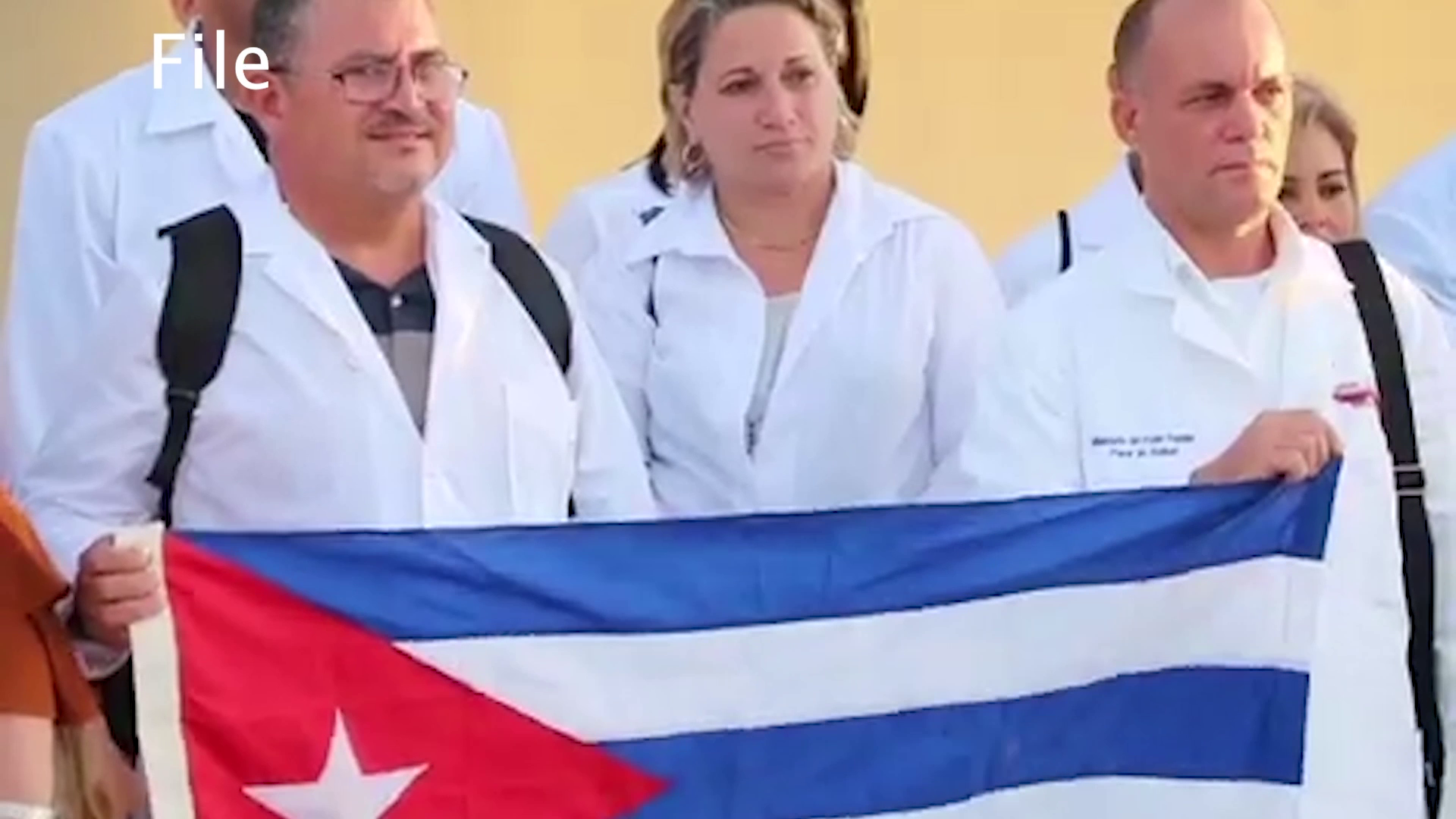
As the future of Belize’s Cuban medical brigade program hangs in the balance, Foreign Affairs Minister Francis Fonseca has confirmed that the final call on the initiative will be made by the national Cabinet during its September sitting. The policy process, which has unfolded over several months, comes after the United States’ top diplomatic representative in Belize publicly signaled Washington’s support for ending the program earlier this year.
In June, when local outlet News Five questioned U.S. Chargé d’Affaires Katherine Beamer about the initiative, she made clear that the U.S. backs the Belizean government’s stated potential path of winding down the program. That comment sparked widespread speculation that a decision to end the program had already been finalized behind closed doors, prompting new questions for Minister Fonseca about the state of the government’s deliberations.
Fonseca pushed back on suggestions that the outcome is predetermined, outlining the structured policy process Cabinet approved back in April. At that time, the body voted to direct both the Ministry of Foreign Affairs and the Ministry of Health to draft a six-month roadmap for the program, requiring the two agencies to present a full set of options and policy recommendations to Cabinet when the six-month timeline concludes in September. Work on that assessment remains ongoing, the minister confirmed.
“Winding down the program is definitely one of the options that will be put forward for consideration,” Fonseca explained. He clarified that the U.S. position is aligned with this specific option, but stressed that no final choice has been made. “Washington knows that winding up the program is among the courses of action we will present to Cabinet, so they have stated they support that particular option. But this will be a full, broad discussion among our country’s elected leaders before any decision is reached.”
One key point of contention raised in international discourse around the program has been unsubstantiated claims that the Cuban medical personnel participating in the initiative are engaged in forced labor. Fonseca firmly pushed back against these claims, emphasizing that the Government of Belize directly compensates all Cuban doctors deployed through the program for their work providing healthcare services to Belizean communities.
This report is adapted from a televised evening newscast transcript, with all remarks from public officials retained in their original context and verified for accuracy.