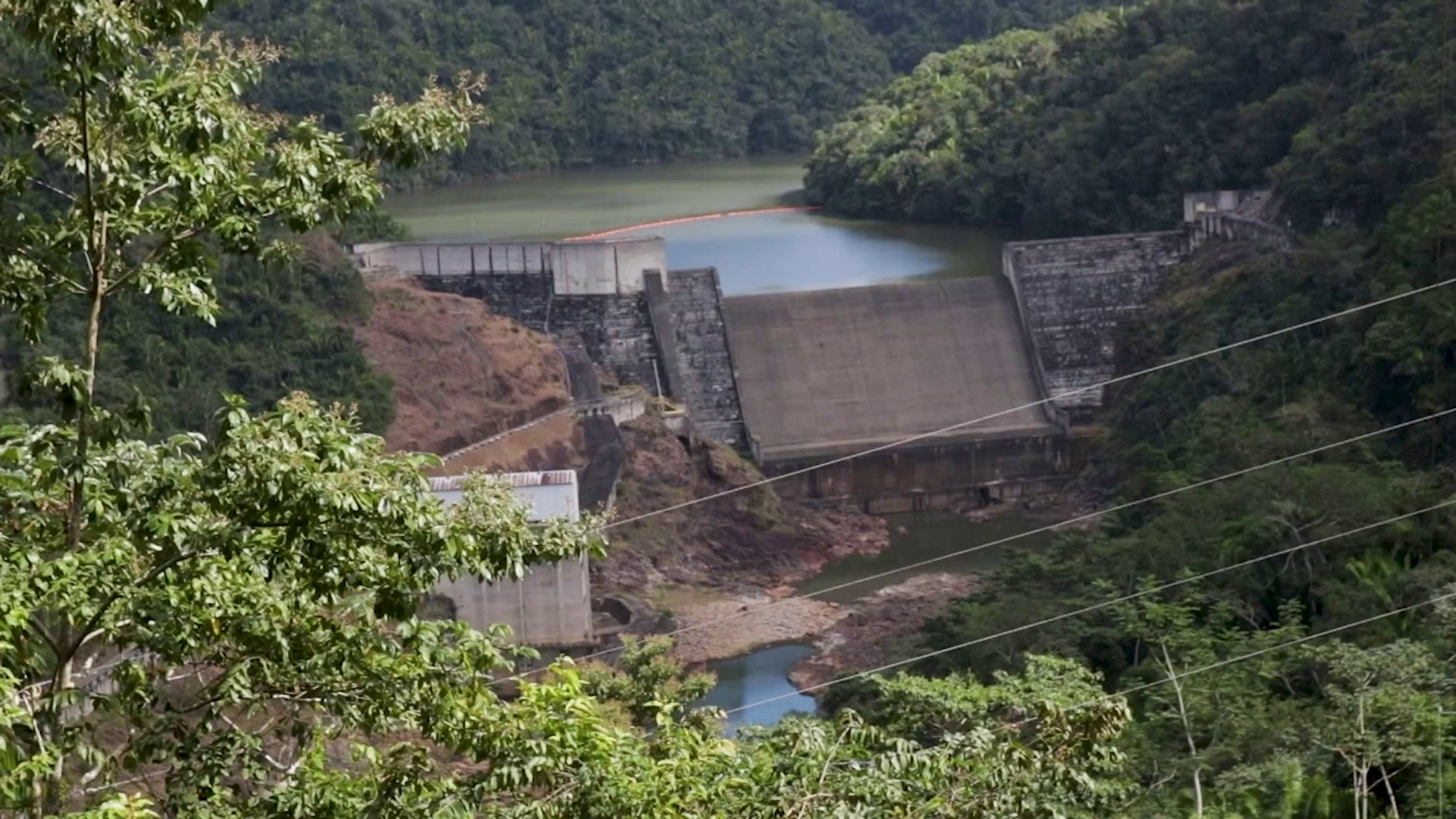
On July 21, 2026, a political controversy has erupted in Belize over the Social Security Board’s (SSB) planned $20 million investment in Hydro Belize, a domestic hydroelectric utility. The deal would expand SSB’s existing ownership share in the company to 45%, but Opposition Leader Tracy Panton is raising sharp questions about the lack of transparency surrounding the agreement and its true purpose.
Panton emphasizes that while she backs well-vetted, high-return investments that grow the Social Security Fund for future retirees, the mandatory nature of payroll contributions to the fund means Belizean workers are entitled to full public disclosure of all details of the deal. She points specifically to the advanced age of Hydro Belize’s energy infrastructure as a critical reason that independent scrutiny and full transparency are non-negotiable. For Panton, the most troubling red flag is the closed-door, non-public process that has guided the deal so far.
“By law, every working Belizean has no choice but to contribute to Social Security,” Panton explained in remarks to local media. “There’s no opt-in or opt-out, so when the board invests that hard-earned money, the public has every right to clear, consistent answers. Initially, the government stated it would sell half of its stake in Hydro Belize and retain the other half. Now, $20 million in shares are being transferred to SSB, pushing its ownership to 45% once the deal closes.”
Beyond the lack of transparency, Panton says the timing and structure of the investment point to a hidden goal: bailing out the struggling Belize Electricity Limited (BEL), which is set to request a $73 million government bailout in an upcoming House of Representatives meeting scheduled for July 31. Panton has formally asked multiple top government officials — including the Financial Secretary, the Minister of Economic Development, the chair of the House Finance and Economic Committee, and the CEO of the Ministry of Public Utilities — to outline how the government plans to fund the $73 million BEL rescue package. To date, she says, she has received three conflicting answers, with all officials avoiding a clear explanation of the funding source.
“Everyone is hedging and giving vague non-answers, and that tells me there’s something the public isn’t being told,” Panton said. “Belizean people have an inherent right to know how their public money is being used, especially when it comes to retirement funds that workers are required by law to pay into.”
This report is a transcribed transcript of an evening television newscast from an outlet based in Belize.