博客

  • Veteran Firefighter John Jno Baptiste Dies

    Veteran Firefighter John Jno Baptiste Dies

    The Caribbean community of Antigua and Barbuda is mourning the loss of John Jno Baptiste, a decorated veteran firefighter and former corporal whose decades of service left an indelible mark on both his department and the public he served. His passing, announced this week by the Antigua and Barbuda Fire Department, has triggered a widespread wave of sympathy from serving colleagues, retired peers, close friends, and ordinary citizens touched by his decades of public commitment.

    In an official statement confirming the death, the fire department characterized the news as devastatingly heartbreaking, a sentiment echoed by hundreds of people who have shared personal tributes across local social media platforms and community gathering spaces. Those who knew Jno Baptiste universally remembered him as a soft-spoken, deeply humble man whose quiet patriotism for his Dominican homeland shaped every aspect of his life and career.

    Across his decades with the Fire Brigade, Jno Baptiste earned a reputation for unwavering dedication to his role, prioritizing the safety of the communities he served above all else. Beyond his day-to-day duties, many who knew him highlighted his enthusiastic participation in annual national Independence celebrations. Year after year, he was a familiar presence at these events, where he wore his country’s official colors with visible pride and bore the Dominican national flag as a tangible symbol of his love for his homeland.

    As of the latest updates, formal messages of condolence have been formally delivered to Jno Baptiste’s immediate family, close friends, and fellow firefighters across the service. Officials have not yet released any further details surrounding the circumstances of his death, and no additional information is expected to be shared until his family has had time to grieve privately. The fire department has also announced that plans for a public memorial to honor Jno Baptiste’s decades of service are currently in development.

  • Ministry of Health Launches Budget Preparation Process with Strategic Planning Session in collaboration with the Ministry of Finance

    Ministry of Health Launches Budget Preparation Process with Strategic Planning Session in collaboration with the Ministry of Finance

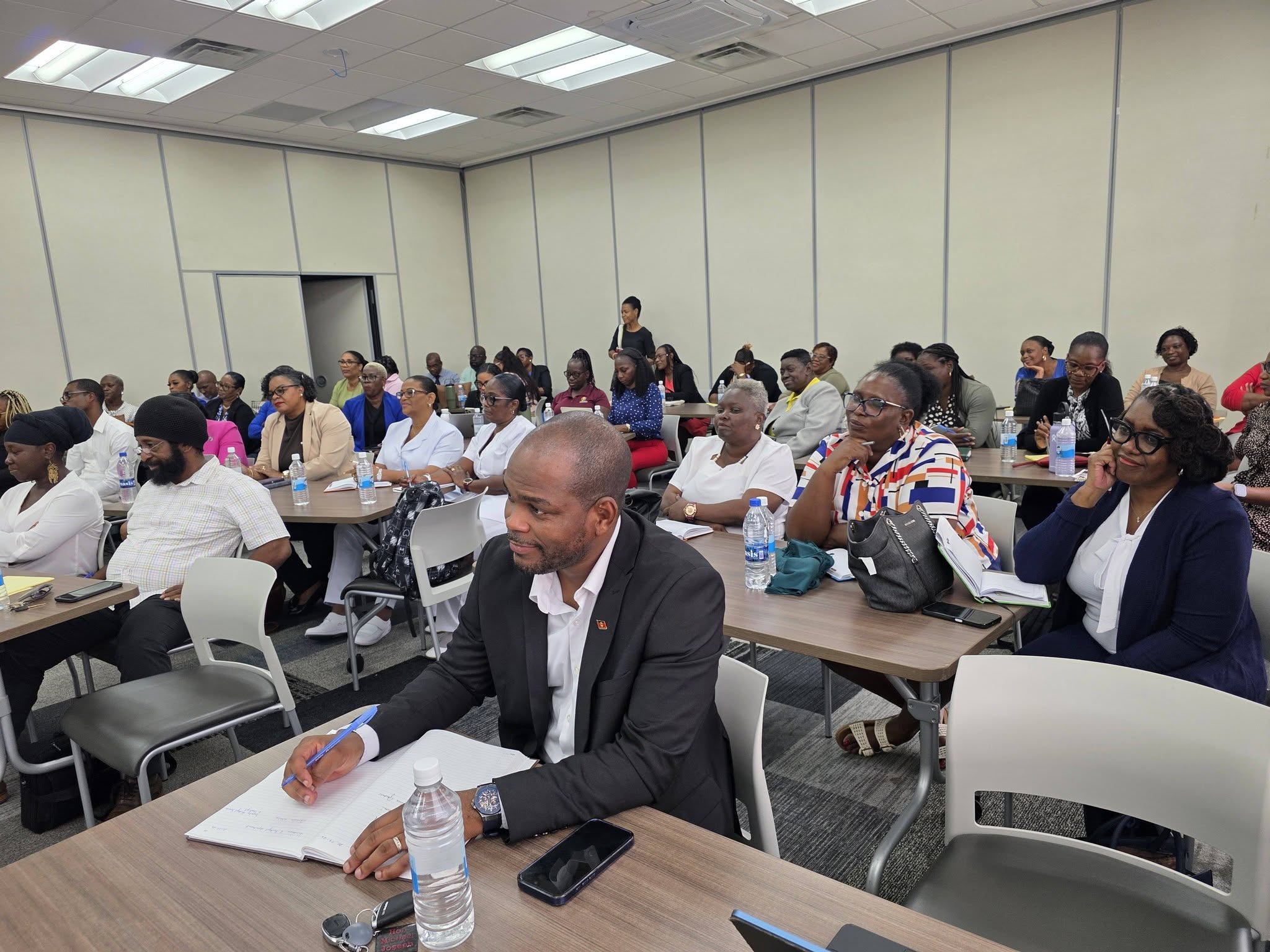
    A pivotal step in national fiscal planning has begun as the Ministry of Health, Wellness, Environment and Civil Service Affairs launched its internal budget development cycle with a targeted strategic planning workshop. The gathering, organized to upskill senior leadership on crafting robust, outcome-focused budget proposals for the next fiscal cycle, was led by expert officials from the national Ministry of Finance.

    Attendees ranged from department heads and division leaders to core accounting staff, all convened to gain clarity on the government’s official budget development framework and the specific standards required for final budget estimates. Once finalized, these estimates will be forwarded to the Ministry of Finance for evaluation as part of the broader national budget drafting process, which precedes the annual parliamentary Budget Debate scheduled for later this year.

    In his opening remarks to participants, Minister Michael Joseph, who leads the combined ministry, emphasized that strategic budgeting extends far beyond the routine task of allocating numerical values to government projects. Instead, he framed it as a foundational opportunity to guide the long-term trajectory of the ministry’s work and impact.

    “Building impactful public projects does not start with plugging numbers into a spreadsheet,” Joseph explained. “It begins with a clear, shared vision of where each department aims to go and what outcomes it intends to deliver. A strong budget must build on the progress we have already achieved, while serving as a clear roadmap to advance the ministry’s core mission forward.”

    Drawing on his decades of leadership experience in the private sector, Joseph underscored that intentional strategic planning and disciplined fiscal management are universal drivers of organizational success, regardless of sector. “I have spent far more of my career working in private industry than in public service, and I have seen first-hand how critical intentional planning and rigorous budgeting are to moving an organization forward,” he noted. “If we bring that same culture of planning and discipline to public sector operations, we can position this ministry, the entire government, and our country to far more effectively achieve our national goals.”

    The minister also reminded attendees that public sector resources are inherently limited, no matter the total size of a ministry’s budget allocation. This constraint, he argued, makes innovative thinking, creative problem-solving, and careful prioritization of core initiatives non-negotiable for effective public service delivery. “Whether a department receives $1 million or $1 billion in allocation, there will always be more critical work to do than available resources can support,” Joseph said. “That reality is why we must approach every stage of planning, prioritization, and program delivery with innovative thinking.”

    Joseph further stressed that his ministry is one of the government’s most high-stakes portfolios, with responsibilities spanning from protecting public health and preserving the natural environment to addressing the growing impacts of climate change and supporting the nation’s entire public service workforce. He issued a clear challenge to department heads, division managers, and senior technical leaders: craft budget proposals that are strategic, forward-looking, aligned with the ministry’s long-term vision, push for innovative new approaches, and maximize the impact of every dollar allocated.

    Following the workshop, Permanent Secretary Stacey Gregg-Paige extended formal gratitude to the Ministry of Finance for leading the engagement and providing critical guidance to the ministry’s leadership and finance teams. She noted that the workshop marks a significant first milestone in the ministry’s budget preparation process, and will help ensure that all departmental submissions are comprehensive, strategically aligned with national goals, and responsive to the country’s top priorities.

    Moving forward, the ministry plans to continue close collaboration with the Ministry of Finance as it finalizes its budget estimates, which will be submitted for review and approval ahead of the national Budget Debate later this year.

  • Team Unity Dominica to unveil election candidates, introduce ‘Clean Slate’ campaign

    Team Unity Dominica to unveil election candidates, introduce ‘Clean Slate’ campaign

    Three years of behind-the-scenes preparation is coming to a public head for Team Unity Dominica (TUD), one of the rising political players in the Caribbean island nation, as the party prepares to officially introduce its slate of candidates for the upcoming general election at a scheduled press conference next week.

    The official announcement of nominees will take place starting at 10:00 a.m. on Wednesday, July 22, hosted at the Fort Young Hotel in Dominica, according to a formal press statement circulated by the party. For more than three years, TUD has been building its team and refining its political approach ahead of the electoral contest, and organizers say the moment has finally come to step into the public electoral space.

    “At Wednesday’s event, you will meet and hear from members who have been engaged with their respective communities in several ways,” the party explained in its release. All candidates set to be named next week have lived and worked directly alongside their local constituents for no less than one year, embedding themselves in community issues before launching their electoral bids. Beyond on-the-ground community engagement, each nominee has completed a structured, comprehensive preparation training program designed to equip them with the tools needed to serve effectively if elected.

    What sets TUD’s candidate slate apart, the party argues, is its core mission to shift Dominica’s existing political discourse toward a new, more collaborative direction. While party leaders acknowledge they cannot overhaul the country’s entire political system overnight, they are firm in their stance that the long-standing status quo of Dominican politics has run its course. It is this ethos that inspired the party’s official 2027 general election campaign slogan: “Clean Slate”.

    TUD clarifies that the “Clean Slate” framework does not require all of its candidates to be complete political newcomers. Instead, the slogan represents a break from old, divisive political practices, requiring all TUD nominees to adhere to the party’s new approach to governance, regardless of their prior political experience.

    Next week’s press conference will also break from traditional political event norms, the party says. The gathering will be structured to prioritize open, respectful dialogue between party members and attendees, embodying the collaborative political culture TUD aims to bring to Dominican governance. Attendees will have the opportunity to speak directly with TUD leadership and the newly introduced candidates, marking a new model of political engagement for the movement.

  • Push for purpose-built, accessible emergency shelters

    Push for purpose-built, accessible emergency shelters

    As climate change drives increasingly intense and destructive storm activity across the Caribbean, regional disaster management leaders are pressing national governments to abandon the long-standing practice of using repurposed schools and community centers as temporary emergency shelters, and redirect funding toward constructing purpose-built facilities designed to safely accommodate all displaced people, particularly vulnerable groups such as people living with disabilities.

    The urgent call was delivered on Monday by Mandela Christian, Programme Manager for Preparedness and Response at the Caribbean Disaster Emergency Management Agency (CDEMA), during the opening of a regional train-the-trainers workshop hosted at the UN House. The event is a key component of the Resilient Caribbean project, a €1.1 million (equivalent to $2.5 million) initiative funded by the European Union that supports 13 CDEMA member states. The project’s core goals are to boost regional disaster preparedness, strengthen cross-national collaboration and response capacity, and guarantee inclusive, accessible support for the Caribbean’s most at-risk populations. The workshop, which also received backing from the United Nations and CDEMA, is equipping emergency shelter officials from across the region with training in cutting-edge, inclusive shelter management practices.

    Christian told reporters that CDEMA has spent years pushing governments to reevaluate how emergency shelters are designed and used, driven by two key factors: the growing severity of climate-fueled natural disasters, and the wide range of unique access and support needs of people seeking refuge during emergencies. “We work proactively to embed inclusion across every part of our shelter planning, we examine the full spectrum of vulnerabilities that displaced community members face, and we have shared clear guidance on how existing public buildings can be retrofitted to better accommodate people with disabilities and other at-risk groups,” Christian explained.

    However, he also emphasized that retrofitting older, non-purpose-built structures has hard limits that many national governments are now recognizing. “More countries are coming to the conclusion that relying on existing buildings like schools and community centers is not the optimal long-term solution, simply because these spaces were never designed to function as emergency shelters,” he said. “We are now seeing a growing shift toward investing in purpose-built shelter facilities that come equipped with accessible infrastructure, including proper washroom facilities, clear entry and exit routes for people with mobility impairments, and other critical accessibility features.”

    Christian added that CDEMA is advising governments to integrate accessibility and inclusion requirements into the initial design of all new public infrastructure, including new schools, multi-purpose community facilities, and dedicated emergency shelters. “Whether countries are retrofitting older shelters or breaking ground on new schools and community spaces, these accessibility needs have to be prioritized from day one,” he noted. “That means guaranteeing clear access for disabled residents, installing adequate sanitation facilities, building structures strong enough to withstand severe storms, and building in security features from the design phase.”

    Beyond physical accessibility, Christian stressed that modern emergency shelters must also provide a safe, dignified environment for all people displaced by disasters, regardless of their background. “We cannot remove people from one dangerous situation only to place them in another,” he said. “It is non-negotiable that every person entering a shelter feels comfortable, secure, and protected.”

    He added that high-quality emergency shelters must meet basic needs for food, clean water and sanitation, while also putting robust safeguards in place to prevent sexual exploitation and abuse, and ensure no resident faces exclusion based on their religion, gender, gender identity or any other personal characteristic.

    These new calls for infrastructure reform come as climate change continues to amplify the intensity of hurricanes, tropical storms and other natural hazards across the Caribbean, making resilient, inclusive emergency shelter a increasingly critical pillar of regional disaster preparedness. Christian also shared that CDEMA is currently collaborating with the University of the West Indies to develop updated, climate-resilient building code frameworks that will help reduce the damage hurricanes and other extreme weather events inflict on national building infrastructure across the region.

  • Caribbean urged to strengthen emergency shelter systems

    Caribbean urged to strengthen emergency shelter systems

    As climate-fueled natural disasters grow increasingly frequent and destructive across the Caribbean, regional and international officials have emphasized an urgent need to reinforce the region’s emergency shelter infrastructure through trained workforces, enhanced cross-agency coordination, and more disaster-resilient facilities. The call to action was delivered Monday during an advanced emergency shelter training-of-trainers workshop hosted at the UN House in Barbados.

    The event is backed by Resilient Caribbean, a joint disaster resilience initiative funded by the European Union’s Civil Protection and Humanitarian Aid Department (ECHO). The project is executed by the UN International Organisation for Migration (IOM) in formal partnership with the Caribbean Disaster Emergency Management Agency (CDEMA), the region’s leading coordinating body for disaster response.

    Virginie Andre, disaster risk management programme manager for the European Union Delegation to Barbados and the Eastern Caribbean States, explained that effective disaster preparedness goes far beyond the traditional focus of stockpiling relief supplies and drafting evacuation routes. “Preparedness is about more than emergency supplies or evacuation plans. It is about trained people, clear responsibilities, strong coordination [and] how can we respond rapidly, effectively and with dignity when communities need them most,” Andre said during the workshop opening.

    Andre noted that the Resilient Caribbean project forms a core component of a broader, refreshed strategic partnership between the European Union and Caribbean nations focused on boosting overall disaster resilience. The collaboration gained new momentum starting in 2025, when a high-level dialogue between Mia Mottley, then-Chair of the Caribbean Community (CARICOM) and Prime Minister of Barbados, and the President of the European Commission reinvigorated joint work on disaster risk reduction.

    “Both sides had agreed to place greater emphasis on ‘anticipation, preparedness [and] resilience, not only responding once disaster occurs,’” Andre said. She added that this renewed partnership has already begun delivering tangible progress, with multiple new regional programs in development to upgrade weather forecasting, climate data services, cross-border logistics coordination, and local community preparedness across all Caribbean member states.

    Dr. Ramona Archer-Bradshaw, Barbados’ Chief Education Officer – whose ministry oversees the country’s network of emergency shelters – echoed the call for investment in shelter system capacity, highlighting the outsized social role shelters play during regional crises. “Across the Caribbean, shelters provide more than a physical space during emergencies. They offer safety, dignity, reassurance and hope to individuals and families facing some of the most challenging circumstances of their lives,” she said.

    Dr. Archer-Bradshaw pointed out that most of the Caribbean’s emergency shelter network relies on public school facilities, which form a foundational pillar of national and regional disaster management frameworks. These facilities provide life-saving temporary refuge for families displaced by hurricanes, flooding, and other climate-driven emergencies that have become more common in recent decades.

    She emphasized that running safe, effective shelters requires specially trained personnel who can coordinate limited resources, enforce public safety protocols, and address the unique needs of vulnerable groups – including elderly residents, people with disabilities, and unaccompanied children – in an inclusive, respectful manner.

    “This training programme represents an important investment in building those capabilities across our region,” Dr. Archer-Bradshaw said. Participants in the regional workshop will first deepen their own skills in emergency shelter coordination and management, before returning to their home countries to cascade this training to local shelter workers and disaster response teams. “By cascading this training within your jurisdictions, you will contribute to a more prepared and capable region, one where communities are better protected, shelter operations are more effective, and vulnerable populations receive the support that they need when disasters occur,” she added.

  • GNT calls for independent review before Drill Yard demolition

    GNT calls for independent review before Drill Yard demolition

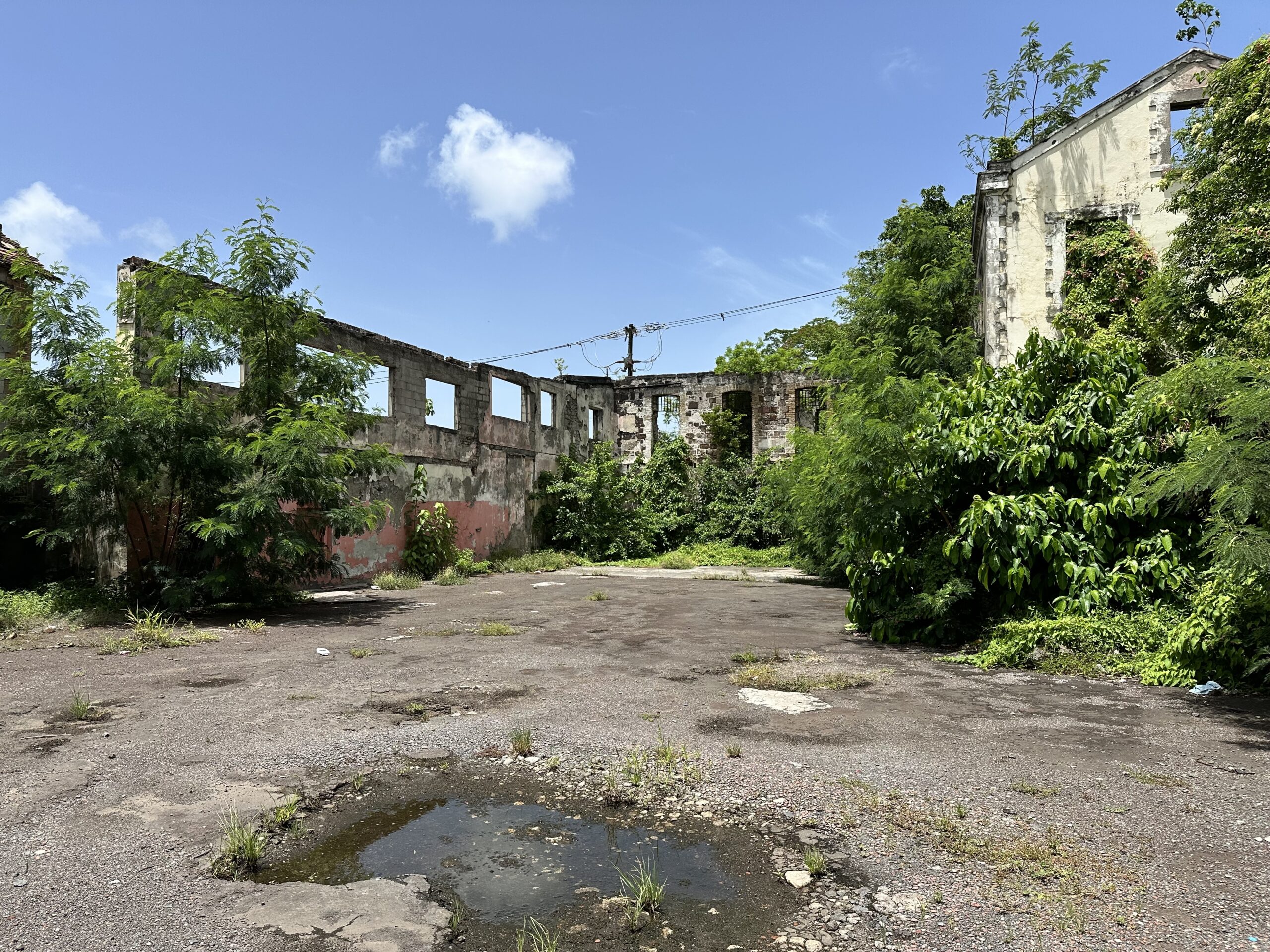
    A heated debate over the future of one of Grenada’s most historically significant landmarks has emerged, with the Grenada National Trust (GNT) formally calling on national authorities and statutory bodies to pause ongoing irreversible demolition work at the historic Drill Yard. The organization is pushing for an independent, conservation-focused structural assessment before any further action is taken, arguing that prioritizing public safety does not have to come at the cost of permanently erasing the nation’s cultural heritage.

    Speaking on the GNT’s behalf, First Vice President Dr. Ezra B. Matthias emphasized that the trust does not oppose securing hazardous areas to protect the public. “Public safety is our top priority too. We are not asking for an unsafe site to remain open and accessible to the public,” Matthias clarified, framing the organization’s position as a balanced alternative to rushed demolition.

    Instead of immediate full demolition, the GNT proposes a structured, multi-faceted review that evaluates heritage value, structural integrity, archaeological potential, and public safety risks before any irreversible changes proceed. The trust’s core recommendations include immediately fencing off dangerous sections of the site, fully documenting and salvaging one-of-a-kind historic materials before they are destroyed, and retaining any portions of the original structure that can be stabilized safely. “Informed decisions must be made before we face losses that can never be reversed,” Matthias noted, stressing that no final determination on the site’s future can be made without independent input.

    Matthias explained that while the National Insurance Scheme (NIS) has cited engineering advice that supports full demolition, the GNT carried out its own independent desk review in partnership with the International National Trusts Organisation and global heritage conservation specialists. After examining NIS engineering reports, draft demolition plans, official planning approvals, and all related technical documentation, the GNT published its own formal conclusions and policy recommendations.

    The GNT acknowledges the real safety concerns raised by the NIS, including unstable masonry, falling debris, and the risk of total structural collapse. However, the organization points out that there is currently no independent verification that the site cannot be rehabilitated and preserved for future generations. To address immediate safety risks while the assessment is completed, the GNT proposes interim measures: perimeter fencing, controlled restricted access, clear public warning signage, temporary structural stabilization where feasible, selective removal of only immediately hazardous loose materials, and professional oversight of all activities during the review period.

    A key point of contention in the debate is the lack of early stakeholder engagement. Matthias confirmed that the GNT was never formally consulted during the planning stages for the demolition. The organization only became aware of the project after concerns were raised by the Grenada National Museum (GNM) and other heritage groups. While a meeting between the NIS, GNT, the Willie Redhead Foundation, and GNM was held on 1 July 2026, that meeting took place after demolition work had already commenced on the site.

    When contacted by NOW Grenada for comment on the future of the Drill Yard property, the National Insurance Board (NIB) declined to answer questions. Acting Executive Assistant Davionne Phillip confirmed that the board would not be issuing a statement on the matter at this time, noting that any future public updates would be released through official channels if the board chooses to do so. Requests for comment sent to Alva Browne, Permanent Secretary in the Ministry of Infrastructure and Physical Development, on 15 July 2026 also went unanswered as of the publication of this report.

    Dr. Matthias argues that for a site of Drill Yard’s national historical importance, all key stakeholders – including the GNT, GNM, Willie Redhead Foundation, and heritage representatives from the Planning and Development Authority – should have been formally included in the decision-making process before demolition was scheduled. The Drill Yard is far more than a collection of old buildings: it is deeply woven into Grenada’s historical narrative, with connections to the 18th-century Palais de Justice, the island’s early prison system, military history, the transatlantic enslavement system, the post-emancipation apprenticeship period, Fedon’s Rebellion, the development of public administration, and even early cultural development as the location of Grenada’s first calypso tent.

    Beyond its historical value, Matthias added that the restored site could become a core node in a growing heritage tourism circuit connecting Fort George, the Grenada National Museum, Market Square, Young Street, and other iconic historic landmarks. This would generate long-term educational, cultural, and economic benefits for local communities and the nation as a whole.

    The GNT also points to existing national legislation that mandates heritage protection: the 1967 Grenada National Trust Act and the 2016 Physical Planning and Development Control Act both establish clear legal frameworks for the conservation of historic sites, and Matthias says these legal mechanisms should be fully applied before any demolition proceeds.

    Responding to Grenadians who argue that public safety must take absolute precedence over heritage preservation, Matthias said the GNT shares that core value. “They are right that public safety must come first. No heritage site is worth a human life,” he stated. “But public safety does not automatically require the total erasure of our shared history. A serious, responsible country can do both: protect the public and safeguard our heritage. This is not a choice between safety and preservation – it is a question of whether we will follow a disciplined, lawful, professional process before destroying a site of national significance.”

    Matthias emphasized that the outcome of the Drill Yard debate will set a critical precedent for heritage protection across the entire country, extending far beyond this single property. The GNT is calling for the adoption of a formal national standard that requires securing unsafe sites, consulting all relevant stakeholders, conducting thorough independent conservation assessments, documenting heritage assets, salvaging significant historic materials, and preserving all sections of structures that can be safely retained before any irreversible demolition decisions are made.

  • Andy Burnham Becomes UK Prime Minister, Promises Political Reset and Stability

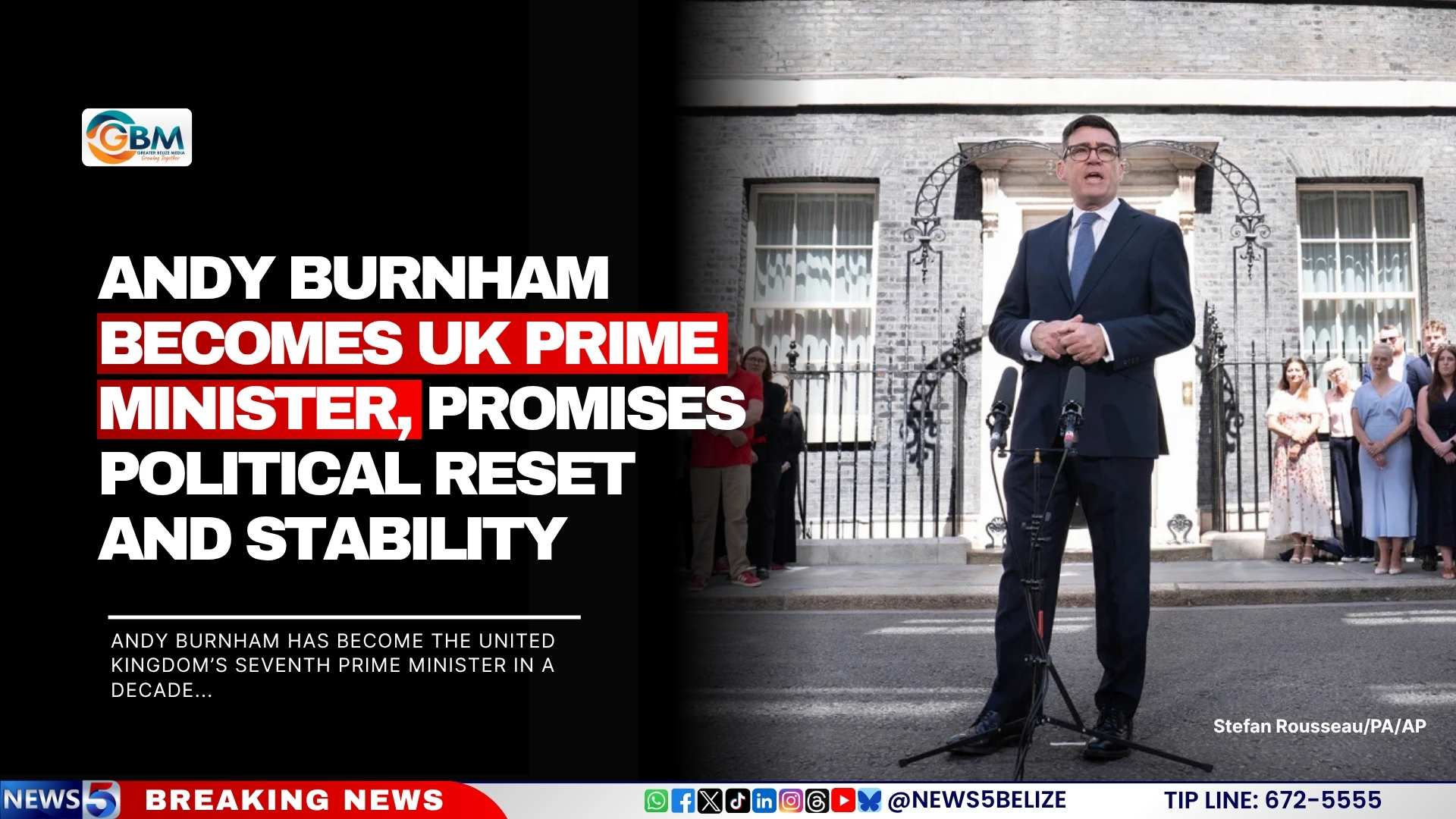
    Andy Burnham Becomes UK Prime Minister, Promises Political Reset and Stability

    On a formal Monday ceremony at Buckingham Palace, Andy Burnham officially accepted the role of United Kingdom Prime Minister, stepping into the office as the nation’s seventh prime minister in just 10 years. The appointment follows the resignation of former Labour Prime Minister Keir Starmer, whose tenure stands as one of the shortest in modern British Labour Party history.

    After his audience with King Charles III, Burnham delivered his maiden public address from the iconic steps of 10 Downing Street, where he laid out an ambitious agenda centered on national renewal and political repair. He emphasized that the UK’s top priority under his leadership will be rebuilding public faith in government institutions, after years of shifting leadership that eroded public trust. “Britain needs to show the world that we can regain our stability once again,” he told assembled reporters and crowds.

    The new prime minister has staked his early premiership on delivering transformative change, framing his proposed reforms as the most significant shakeup to British politics in four decades. Among his flagship policy pledges is a commitment to completely end rough sleeping across the UK, alongside the launch of the largest social housing development programme the country has seen since the immediate post-World War II era. He also outlined plans for major overhauls of the country’s education system and social care infrastructure, promising to refocus government on serving working-class and marginalized communities.

    Burnham’s ascension comes on the heels of internal upheaval for the Labour Party, with multiple senior cabinet members from Starmer’s administration announcing their resignations in advance of the incoming government’s planned ministerial reshuffle. Internationally, the new prime minister faces immediate diplomatic and policy challenges, chief among them navigating the UK’s relationship with U.S. President Donald Trump. Trump publicly congratulated Burnham following his appointment, after months of sharp criticism aimed at Starmer and public praise for Burnham’s stance on expanding oil and gas extraction in the North Sea. Burnham also used his first address to reaffirm the UK’s unwavering commitment to its longstanding international defense partnerships, as the new government works to reset both domestic and foreign policy.

  • CARICOM digital TVET project strengthens region’s readiness for the digital economy

    CARICOM digital TVET project strengthens region’s readiness for the digital economy

    After years of collaborative planning and implementation across multiple Caribbean nations, a landmark regional initiative to modernize technical and vocational education and training (TVET) through digital innovation has officially wrapped up, establishing a long-lasting institutional framework that will advance digital learning and strengthen regional workforce development for years to come.

    According to an official press release from the Caribbean Community (CARICOM), the Digitalisation of Technical and Vocational Education and Training Delivery Project has served as a powerful case study for how coordinated regional action can generate context-specific, practical solutions that address the distinct challenges and priorities of CARICOM member states. Unlike imported education models that often fail to align with local needs, the initiative was built from the ground up to serve the Caribbean region.

    During the project’s virtual closing ceremony held in recent weeks, Dr. Denise Stoney-James, Deputy Programme Manager for Education at the CARICOM Secretariat and the initiative’s Project Manager, explained that the project was launched to answer the rising demand for digital transformation across the region’s education systems. “CARICOM TVET institutions needed a practical, regionally owned pathway to accelerate digital transformation, not borrowed models, but solutions built for CARICOM Member States,” she noted.

    Stoney-James emphasized that the initiative demonstrates the tangible value of pooling regional expertise to advance shared goals. “This initiative sought to harness digital technology to transform Technical and Vocational Education and Training across the Caribbean. It reflects the power of regional cooperation and the importance of solutions tailored to our own realities,” she added.

    The project was delivered through a unique trilateral partnership that brought together the CARICOM Secretariat, the Brazilian Cooperation Agency, and dozens of regional education and training institutions across the bloc. The collaboration combined international development support with regional local knowledge to ensure all outputs aligned with national and regional priorities.

    Over the course of the initiative, the partnership developed three custom online learning units designed exclusively for CARICOM learners. Beyond creating new learning content, the project also provided specialized capacity-building training for hundreds of education professionals including instructors, learning monitors, instructional designers, and national focal points from four pilot countries: Barbados, Grenada, Jamaica, and Trinidad and Tobago. This training ensures that local teams can continue delivering high-quality digital instruction long after the project’s official conclusion.

    A core priority of the project was the development of learning resources that center Caribbean experiences and local context. All digital course materials feature CARICOM-based instructors and examples tied directly to local industries and community needs, while the initiative also invested in building the technical infrastructure and governance systems required to support long-term sustained use of the new digital tools.

    To embed national ownership of the project outcomes, all new courses were integrated directly into each participating country’s existing national learning platforms, rather than creating parallel external systems. The initiative also introduced targeted incentive programs designed to boost participation among women and other marginalized groups that have historically been underrepresented in technical vocational training. Additionally, the project established regional exchange networks and communities of practice to encourage ongoing collaboration and knowledge sharing between educators and institutions across member states.

    The CARICOM Secretariat reports that the project has already delivered measurable, meaningful results across the pilot countries. Digital delivery capacity across national TVET systems has been strengthened significantly, and all four pilot nations have successfully integrated the new digital systems into their existing national education infrastructure.

    Beyond immediate capacity gains, the initiative has created a sustainable, nationally owned model that reduces regional reliance on external development assistance while boosting the institutional resilience of CARICOM’s TVET systems. The foundation of technical and institutional capacity built through the project also sets the stage for wide expansion across the bloc, with multiple additional CARICOM member states already confirming their interest in adopting the successful model.

    Reflecting on the initiative’s long-term importance, Stoney-James noted that its impact extends far beyond its immediate tangible outputs. “The project not only delivered immediate results but also created the conditions for sustainable expansion, positioning CARICOM TVET systems to meet the demands of a rapidly evolving digital economy,” she said.

    She also highlighted one of the project’s most critical takeaways for future regional digital transformation efforts: that lasting change depends not only on rolling out new technology, but on preparing local institutions to manage and maintain that technology over time. “Sustainable digital transformation depends not only on the solutions we build, but on the capacity of institutions to adopt, own, and sustain them over time,” Stoney-James affirmed.

  • Franse ambassadeur onderscheiden bij afscheid na vier jaar in Suriname

    Franse ambassadeur onderscheiden bij afscheid na vier jaar in Suriname

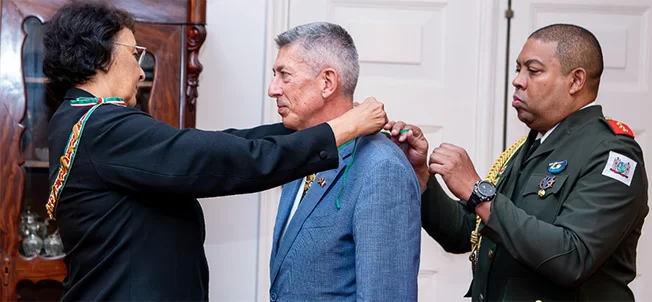
    On a formal ceremony held at Suriname’s Presidential Palace on Tuesday, outgoing French Ambassador Nicolas de Bouillane de Lacoste received one of the South American nation’s highest state distinctions, capping off a four-year diplomatic posting focused on deepening cooperation between the two neighboring countries.

    Surinamese President Jennifer Simons bestowed the title of Grand Officer in the Honorary Order of the Palm to the ambassador, in formal recognition of his dedicated work to advance Suriname-France relations throughout his tenure, which began with his posting to Paramaribo in 2022.
    President Simons emphasized that De Bouillane de Lacoste’s term coincided with a uniquely challenging post-pandemic period, yet the diplomat consistently brought extraordinary commitment to expanding bilateral partnership across multiple priority sectors. Under his leadership, collaboration grew deeper in key areas including border security, cultural exchange, public healthcare, and environmental protection, Simons noted. She also highlighted the ambassador’s successful work advancing French language education in Suriname and intensifying high-level political dialogue between the two governments as major, lasting outcomes of his mission.
    Beyond his official diplomatic achievements, the president praised De Bouillane de Lacoste’s deep personal connection to Suriname and its people. “What I have admired most is not only the milestones you reached, but above all the intentional way you made time to truly understand Suriname and its citizens. You learned our national language, and you even surprised countless people across the country with your command of Sranantongo,” Simons said during the ceremony.
    France shares a direct border with Suriname through its overseas department of French Guiana, a geographic reality that shapes the close bilateral relationship. Simons underlined that the partnership between the two nations is rooted in long-standing mutual trust and respect, and expressed confidence that the solid foundation De Bouillane de Lacoste built during his term will support even closer collaboration in the years ahead.
    For his part, the outgoing ambassador called the award a remarkable personal honor. “This is the first decoration I have ever received in my career, and I am especially proud that it comes from Suriname,” De Bouillane de Lacoste said.
    Looking back on his four years in the country, the ambassador expressed deep satisfaction with the progress made in growing the bilateral relationship, and shared his firm belief that cooperation between Suriname and France will continue to gain strength in coming years. He closed his farewell address in Sranantongo, with the message: “Go well and stay well. I send greetings to all my friends until we meet again. Thank you.”

  • WestJet Launching Winnipeg-Belize Nonstop Flight

    WestJet Launching Winnipeg-Belize Nonstop Flight

    As the winter travel planning season gets underway, Canadian airline WestJet has announced a major expansion of its sun destination network, with a new nonstop route linking Winnipeg, Manitoba, to Belize City set to launch this December.

    The new service, scheduled to begin operations on December 14, will run once weekly between Winnipeg Richardson International Airport and Belize’s Philip Goldson International Airport. The route has been introduced to meet rapidly growing demand from Canadian travelers seeking direct access to warm getaways to escape harsh prairie winters, and it marks a significant upgrade to regional air connectivity between Canada and Central America.

    Prior to this launch, Belize only offered direct flights to two other Canadian cities, meaning passengers traveling from Manitoba were forced to make time-consuming connections in Calgary, Toronto, or even transit through hubs in the United States. This new nonstop option eliminates those inconvenient layovers, opening up easy Caribbean access for thousands of winter travelers in central Canada.

    John Weatherill, WestJet’s executive vice president and chief commercial officer, noted that the route expansion aligns with the airline’s strategic growth goals for the peak winter travel period. “These additions support the growing demand for options in Mexico and the Latin Caribbean while sustainably expanding our schedule and managing our fleet during the peak winter travel season,” Weatherill explained.

    Beyond traveler convenience, the new route delivers broad economic and diplomatic benefits for both nations. Enhanced air access is projected to boost Belize’s tourism sector, which is a core pillar of the country’s economy, while also opening the door for increased bilateral investment between Canada and Belize. For Belize’s tourism leadership, the new route represents a clear vote of confidence in the country’s long-term growth as a travel destination.

    “The launch of WestJet’s new Winnipeg–Belize City service is an important step in strengthening air connectivity between Canada and Belize and a strong sign of confidence in our destination’s continued growth,” said Anthony Mahler, Belize’s minister of tourism, youth, sport and diaspora relations. Travel industry analysts note that the route comes as Canadian demand for sun and beach winter getaways continues to rise, making targeted expansions like this a smart strategic move for WestJet’s competitive positioning in the Canadian leisure travel market.