博客

  • Flood Risk Heightens Nationwide as Heavy Rainfall Continues

    Flood Risk Heightens Nationwide as Heavy Rainfall Continues

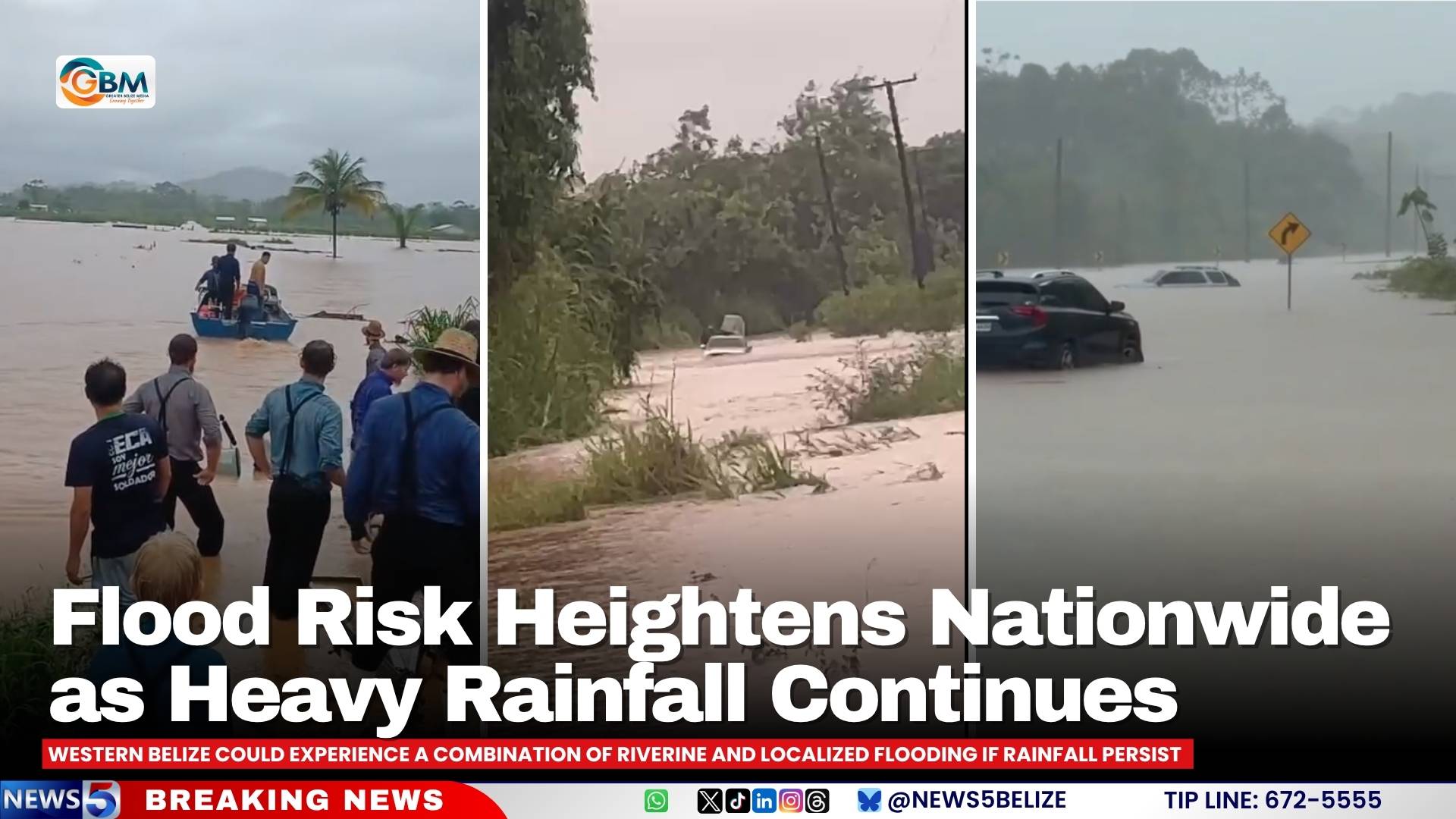
    As persistent heavy downpours continue to saturate soil across the Central American nation of Belize, national authorities have raised urgent alarms over rapidly escalating flood risks that now threaten every region of the country. Leading the official warning is Tennielle Hendy, Belize’s principal hydrologist, who confirms that the latest meteorological and hydrological projections paint a worsening picture, with particularly dangerous conditions developing in the country’s northern districts.

    Hendy explained that ongoing precipitation patterns, aligned with forecasts from the nation’s chief meteorologist, have pushed expanding high-risk zones to cover most of Belize, making flood hazards far more widespread than initial projections indicated. Both urban flash flooding and isolated localized flooding are now expected across broad swathes of the nation, with northern Belize facing the highest likelihood of dangerous flood events driven by sustained excessive rainfall.

    Crucially, Hendy stressed that the threat is not confined to northern regions, and urged all communities across Belize to maintain constant vigilance. “Quite literally the entire country has to be on alert from what we are seeing, especially those in the central areas and the south,” she noted.

    The country’s unique geography amplifies these flood risks, Hendy explained: Belize’s extensive hilly and mountainous terrain means heavy rainfall runs off rapidly down slopes into low-lying populated areas. For that reason, residents in southern Belize located near the eastern slopes of the Maya Mountains have been specifically advised to stay vigilant throughout the duration of the heavy rain event, and to take immediate precautions whenever an official rainfall advisory is issued for their area.

    Western Belize also faces a distinct combined hazard: if heavy rainfall continues, the region is likely to see both riverine flooding and isolated localized flooding, putting vulnerable low-lying communities at heightened risk. Across the entire country, authorities are urging all residents to closely monitor official government updates and advisories, as even small additional amounts of rain can trigger rapid water level rises in at-risk communities, creating life-threatening conditions in a matter of hours.

  • Two Antigua Resorts Reaffirm Welcome for LGBTQ+ Travelers

    Two Antigua Resorts Reaffirm Welcome for LGBTQ+ Travelers

    Against a backdrop of growing global conversation around inclusive tourism and destination safety for marginalized traveler groups, two well-established resorts in Antigua have taken a clear, public stand to reaffirm that they remain open and welcoming spaces for all LGBTQ+ visitors. The move comes as many travelers prioritize destination inclusivity when planning vacations, with LGBTQ+ tourists increasingly seeking explicit confirmation that they will be respected and accommodated without discrimination during their trips. Antigua has long positioned itself as a top Caribbean leisure destination, drawing millions of international visitors annually with its white-sand beaches, luxury hospitality offerings, and warm tropical climate. In recent years, as the global travel industry has shifted toward more equitable, inclusive practices, hospitality operators across the Caribbean have faced growing calls to formalize their commitments to welcoming diverse traveler communities. The two resorts, which have decades of combined experience serving international guests, emphasized in their official statements that their policies have long centered on equal treatment for all guests, regardless of sexual orientation or gender identity. They noted that the reaffirmation was not a reaction to any specific incident of discrimination at their properties, but rather a proactive step to ease any concerns that LGBTQ+ travelers may hold about visiting the region. Representatives from both resorts added that their staff have completed ongoing inclusivity training to ensure that every guest receives respectful, personalized service during their stay. Industry analysts point that this public commitment could help the resorts stand out in a competitive Caribbean tourism market, as inclusive travel is one of the fastest growing segments of the global tourism industry. Many LGBTQ+ travelers now actively seek out destinations and accommodations that explicitly advertise their inclusive values, and research shows that LGBTQ+ tourism contributes billions of dollars annually to regional economies that embrace inclusivity. The announcement has already drawn positive feedback from travel advocacy groups that work to promote safe and inclusive tourism for LGBTQ+ people around the world, who note that public commitments like this help build trust and encourage more travelers to explore new destinations without fear of discrimination.

  • Heavy Rainfall Soaks Central and Northern Belize

    Heavy Rainfall Soaks Central and Northern Belize

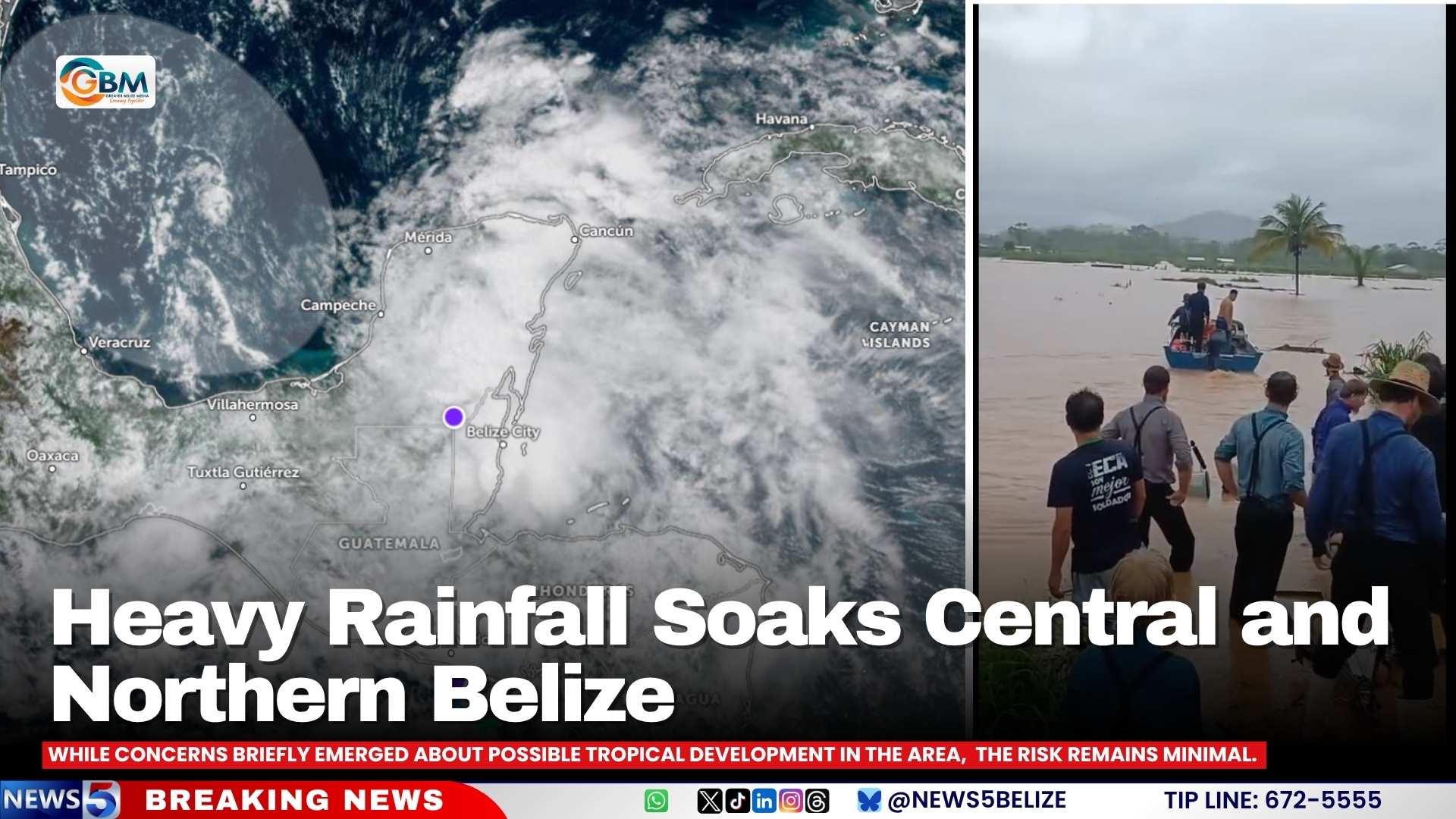
    As of June 11, 2026, large swathes of Belize are grappling with extreme precipitation that has swept through the country over the past day, with top weather officials warning that additional intense showers are on the way through the overnight hours and into Friday morning.

    Ronald Gordon, Belize’s Chief Meteorologist, confirmed that cumulative rainfall has already hit notable high levels across dozens of communities, with the heaviest downpours concentrated in the country’s central and northern districts. According to data collected from the national network of automatic weather monitoring stations, the highest 24-hour total was recorded in Middle Sex, where rainfall has exceeded eight inches – an extraordinary volume of precipitation to accumulate in less than a full day.

    Gordon went on to note other hard-hit locations: the community of Kendal has recorded roughly seven inches of rain, while La Democracia has seen between four and five inches of accumulated precipitation since the event began.

    While meteorological observers and local residents briefly raised concerns that the weather system could strengthen into a tropical cyclone, Gordon emphasized that the overall risk of tropical development remains extremely low. The U.S. National Hurricane Center has assessed that the system currently parked over Belize has only a minor chance of organizing into a tropical cyclone after moving into the Bay of Campeche, and Gordon confirmed that local forecasters do not expect any significant tropical development to occur.

    Even with a low cyclone risk, however, Gordon stressed that the country is not yet out of danger. Forecasters are predicting another round of heavy, sustained downpours overnight continuing into early Friday morning, with central Belize set to bear the brunt of the new precipitation event, and northern districts placed on high alert for dangerous flooding.

    Gordon warned that new rainfall totals could once again reach significant levels, advising residents in northern Belize to begin urgent preparation for incoming wet weather. Over the next 24 hours, the region is expected to see between four and six inches of additional rain, with some isolated locations potentially accumulating up to eight inches of new precipitation. Despite the ongoing severe conditions, Gordon noted that a gradual improvement in weather is expected to arrive by the weekend, bringing relief to rain-soaked communities.

  • U.S. Sanctions Cuba’s State-Owned Energy Company Over Alleged Support for Government Repression

    U.S. Sanctions Cuba’s State-Owned Energy Company Over Alleged Support for Government Repression

    The Trump administration has ramped up its long-running campaign against Cuba’s communist government with a fresh round of economic penalties, targeting the island nation’s key state-run energy firm Unión Cuba-Petróleo, widely known as CUPET.

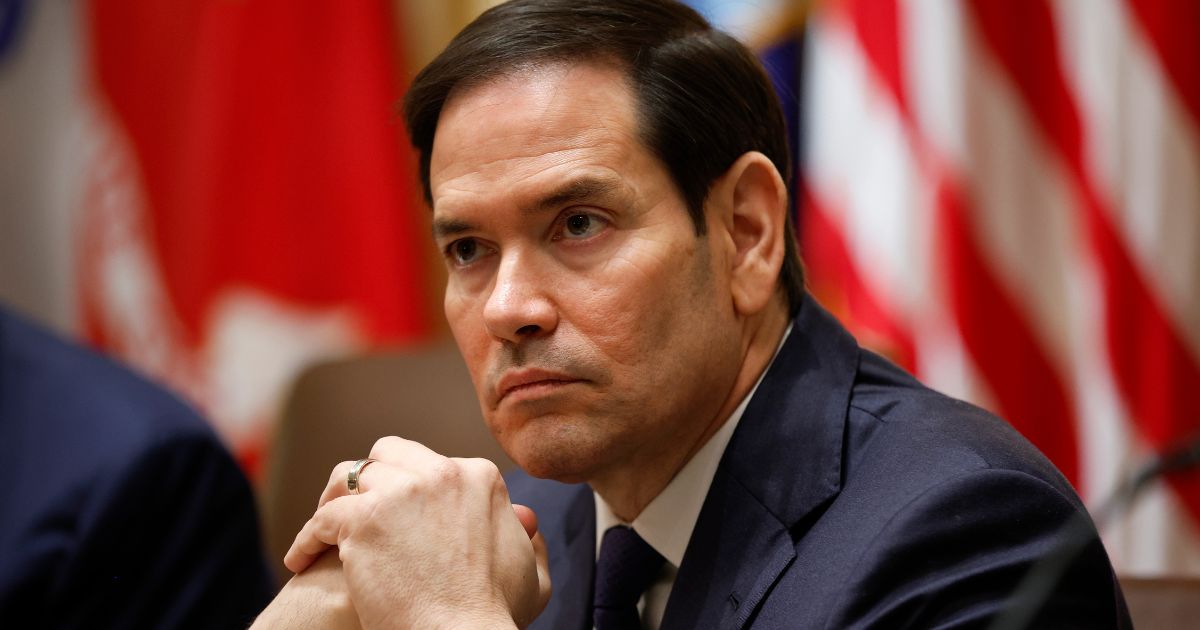
    U.S. Secretary of State Marco Rubio made the announcement official in a public statement issued Thursday, confirming that the sanctions were authorized under Executive Order 14404. In his remarks, Rubio leveled sharp accusations against Cuba’s ruling leadership, claiming that state authorities have manipulated the country’s domestic energy reserves to consolidate political authority and deliver exclusive benefits to top government elites.

    Rubio further alleged that limited fuel supplies have been systematically redirected to senior government officials, national security forces, and official state operations, even as the general Cuban population grapples with widespread fuel scarcity and repeated, disruptive power outages across the island. “For decades, the regime has stolen and hoarded available fuel,” Rubio stated, arguing that these controlled energy resources have been leveraged to advance the government’s political goals while ordinary citizens endure extended blackouts and hours-long waits to access small amounts of fuel for personal use.

    According to Rubio, the newly announced sanctions form one piece of a wider, coordinated push by the Trump administration to tighten economic pressure on Cuba’s communist leadership. He added that the U.S. government will keep targeting key sectors of the Cuban economy that Washington identifies as tools the government uses to hold political power and crack down on internal dissent.

    As of Thursday’s announcement, Cuban government officials had not issued an immediate public response to the new sanctions, leaving the island’s official reaction pending.

  • Derde helft WK 2026: Haïti gedwongen tenue te wijzigen vanwege oorlogssymboliek

    Derde helft WK 2026: Haïti gedwongen tenue te wijzigen vanwege oorlogssymboliek

    Just days before kicking off their 2026 FIFA World Cup campaign, the Haiti men’s national football team has been required to make last-minute changes to their official match kit after global football governing body FIFA banned a historic battle-themed graphic printed on the original design.

    Kit manufacturer Saeta confirmed the adjustment in an official Instagram statement released Wednesday, noting that FIFA raised objections to the illustration depicting the 1803 Battle of Vertières. The design, which integrated Haiti’s national flag, was created to symbolize the country’s hard-won independence. The original controversial kits were already worn by the squad during two pre-tournament friendly matches held in Florida, United States.

    In its statement, Saeta emphasized that the original design was never intended to carry political messaging. Instead, it was conceived as a tribute to all Haitian people who work daily to build a better future for their nation. The Haitian squad wore the original kit in friendlies against New Zealand on June 2 and Peru on June 5, prior to FIFA’s ruling.

    FIFA’s official equipment regulations explicitly prohibit the display of any political, religious, or personal messages, slogans or imagery on match-day kits. Following FIFA’s ruling, Colombia-based manufacturer Saeta has modified the kit to bring it into full compliance with tournament rules.

    “During the pre-tournament assessment process, FIFA determined that certain visual elements of the original design could be interpreted in a way that violates their equipment regulations, and ultimately requested adjustments to the design,” Saeta explained in the statement. “Although this interpretation differs from our original intention, Saeta respected the governing process and implemented FIFA’s final requirements.”

    Haiti is set to kick off its first World Cup finals campaign in 52 years this Saturday, June 13, with their opening Group stage match against Scotland in Boston. Following the opening clash, the side will face South American powerhouse Brazil in Philadelphia on June 19, before rounding out their group stage fixtures against African contender Morocco five days later in Atlanta.

  • Today is D-Day:  FIFA World Cup 2026

    Today is D-Day: FIFA World Cup 2026

    After years of anticipation, the 2026 FIFA World Cup – the largest edition in the tournament’s 96-year history – officially gets underway on June 11 in Mexico City, launching a six-week festival of football that will feature 104 matches across three host nations. The opening day’s schedule begins with a star-studded opening ceremony at Mexico City Stadium, headlined by Colombian pop icon Shakira and acclaimed Nigerian afrofusion artist Burna Boy, who will take the stage to perform the tournament’s official anthem “Dai Dai”. The ceremony is set to kick off at 11 a.m. local time, with two hours later the host nation’s team stepping onto the same pitch for their opening Group A clash against South Africa.

    Later the same day, the Group A action continues at Guadalajara’s Estadio Akron, where South Korea will face Czechia to round out the first day of tournament play. Ahead of the opening Mexico-South Africa fixture, statistical forecasts generated from 10,000 computer-simulated match outcomes give Mexico a 66% probability of securing three points to open their campaign, while South Africa holds just a 14% chance of an upset victory. Bafana Bafana head coach Hugo Broos did not shy away from the magnitude of the challenge ahead of kickoff, telling reporters that his squad is prepared to compete for every possession against what he described as the strongest side in Group A. He also noted that the energy of 85,000 cheering Mexican supporters in the stands creates an additional competitive edge that the host side will carry into the match.

    While the world turns its attention to the opening of the world’s most-watched sporting event, the lead-up to the tournament has not been free of controversy. Multiple protest movements have surged across Mexico City in the weeks and days before kickoff, with demonstrations organized by teachers, transport labor unions, small-scale farmers, and family members of missing persons. Protesters have blocked major roadways near Estadio Azteca and dismantled temporary World Cup installations around the capital, demanding policy changes including higher public sector wages, pension reform, and urgent government action on long-unresolved national social issues.

    A separate diplomatic controversy has also emerged in the lead-up to kickoff: a Somali referee appointed to officiate matches at the tournament has been barred from entering the United States, one of the three 2026 host nations. Citing anonymous sources, Agence France-Presse reports that a U.S. State Department official confirmed the entry denial was issued over alleged links to suspected members of terrorist organizations, a claim that has not been independently verified as of opening day.

    Beyond social and diplomatic tensions, the 2026 tournament also makes history as the most expensive World Cup ever staged. For the first time in the competition’s history, FIFA implemented dynamic ticket pricing, a model that increases match ticket costs as consumer demand rises. During the initial ticket sales window, the governing body received more than 500 million requests for tickets, pushing prices for some high-demand seats to unprecedented levels. The steep pricing has already had unintended economic consequences for local host communities: Reuters reports that projected waves of international football fans have failed to materialize, leaving hotels in host regions scrambling to cut room rates to fill vacancies, while overall cross-border flight bookings for tournament visitors remain well below pre-tournament projections.

    As the opening ceremony gets underway, football fans across the globe are now waiting to see if on-pitch action can overshadow the pre-tournament disputes, and whether the expanded 48-team format – which created the historic 104-match schedule – will deliver a memorable tournament that lives up to expectations.

  • Garvin LeBlanc graduates with fine arts degree, two awards, from Canadian university

    Garvin LeBlanc graduates with fine arts degree, two awards, from Canadian university

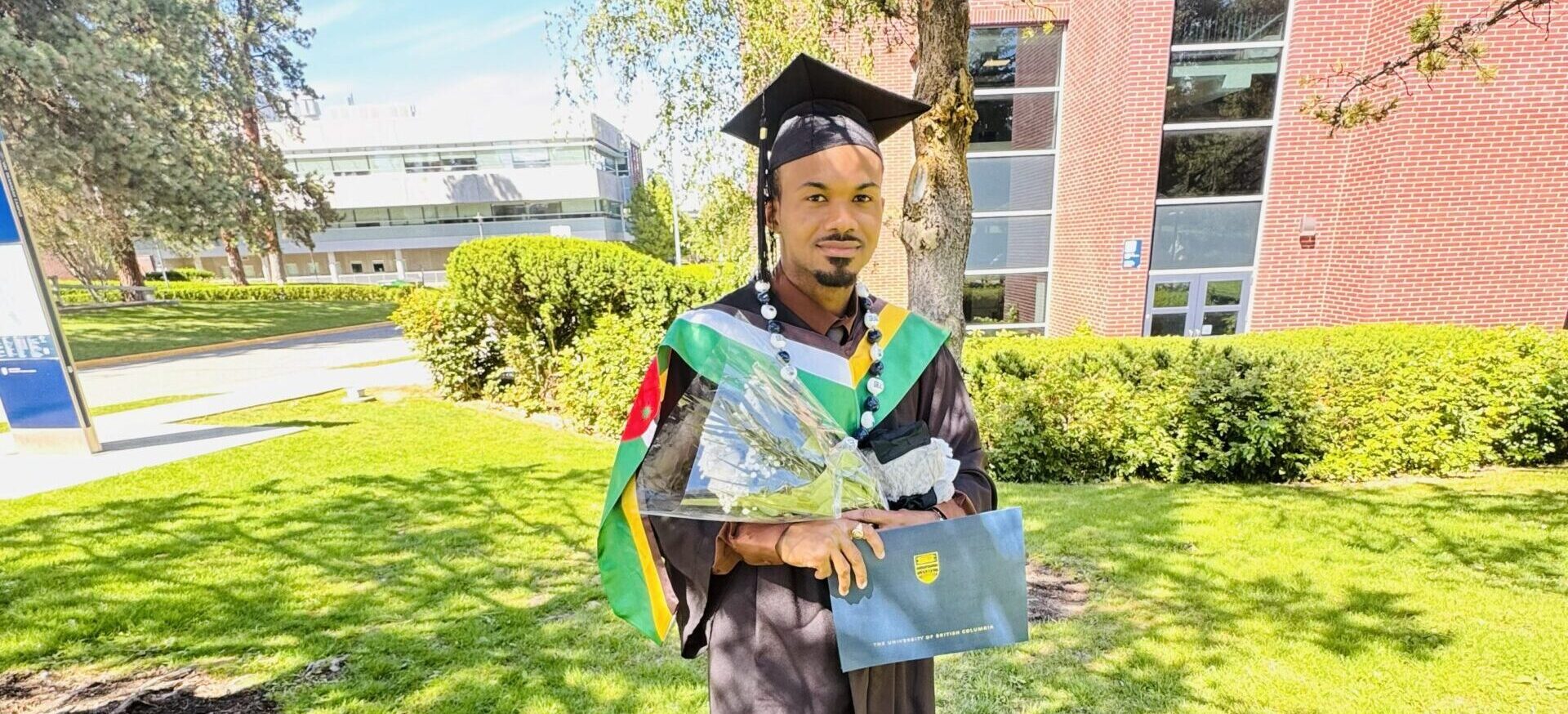
    A talented creative mind from Dominica, Garvin LeBlanc, has marked a major milestone in his artistic career, graduating with honors from the University of British Columbia Okanagan (UBCO) earlier this month, adding two esteemed industry awards to his growing list of achievements that extend far beyond academic requirements.

    At UBCO’s June 4 graduation ceremony held on its campus, LeBlanc walked away with a Bachelor of Fine Arts in Visual Arts, conferred with distinction. This achievement caps off a years-long academic journey that traces back to his childhood growing up in the Caribbean nation, raised in the Roseau area with deep family roots in Penville, Dominica’s northernmost small village.

    LeBlanc’s passion for the arts emerged early, nurtured by his childhood love of reading, writing, and sketching that steadily grew into a full-fledged commitment to creative practice. Over time, this passion narrowed into a specialized focus on media arts and design, setting him on the professional path he follows today.

    Before relocating to Canada to pursue his undergraduate degree, LeBlanc laid a strong foundation for his creative career back home: he completed studies in Architectural Technology at Dominica State College, graduating in 2017, and worked professionally as a digital media artist for a year before moving to Canada in 2018 to pursue advanced education in visual arts.

    His hard work and innovative vision did not go unnoticed by the UBCO community. During April’s final graduating exhibition *Odds and Ends*, LeBlanc was awarded the prestigious Asper Graduating Award in recognition of the exceptional quality of his digital media project work. He also received the Young Black Creative Award at the university’s Black Excellence Graduation Celebration, an honor that acknowledges both his outstanding creative talent and the meaningful positive impact he has made on campus.

    Looking back on his journey to graduation, LeBlanc attributes his recent string of successes to three core pillars: unwavering faith, consistent perseverance, and a strong, supportive community of family, mentors, and peers that lifted him up through every challenge. For emerging artists and creative professionals just starting their own paths, he shares a simple but powerful piece of advice: stay dedicated to honing your craft, chase excellence in every project, embrace every experience as an opportunity to learn, and trust in a higher power through every twist of the journey.

  • Codrington road fatality victim identified

    Codrington road fatality victim identified

    A fatal head-on collision between two oncoming vehicles on a Barbados roadway has claimed the life of a 55-year-old local man, who authorities have now formally identified. The crash unfolded shortly after 11 p.m. on Monday, June 8, along Codrington Road in the parish of St. Michael, according to official statements from local law enforcement. The deceased has been named as Juon Aloysius Heywood, a resident of Upper Durants Village, Holders Hill, in St. James.

    Police confirmed the incident involved two motor vehicles traveling in opposite directions when the impact occurred. First responders attended the scene shortly after the collision was reported, but Heywood could not be saved from the injuries he sustained in the crash.

    As of the latest update, law enforcement officials are continuing to piece together the full sequence of events that led to the fatal crash. Investigators have not yet released additional details on factors such as speed, road conditions, or potential impairment that may have contributed to the collision, as the active inquiry is still ongoing.

    To advance the investigation, police are issuing a public appeal for any members of the community who may have witnessed the collision, or who hold any relevant information that could help investigators establish clear circumstances around the incident, to come forward with their testimony. Anyone with details is asked to contact the District ‘A’ Police Station via either of the two dedicated phone lines: 430-7242 or 430-7246.

  • Visa requirement introduced for St. Kitts and Nevis, St. Lucia travellers to Ireland

    Visa requirement introduced for St. Kitts and Nevis, St. Lucia travellers to Ireland

    In an official move to align its immigration framework with broader European and United Kingdom policies, the Government of Ireland has confirmed that it will introduce mandatory visa requirements for nationals of three Caribbean and Central American nations — St. Kitts and Nevis, St. Lucia, and Nicaragua — starting next week. The policy shift, announced publicly by Ireland’s Department of Justice, Home Affairs and Migration on Thursday, just three days ahead of the measure’s June 15, 2026 implementation date, applies to all passport categories, including ordinary, diplomatic and service passports held by travellers from the three countries.

  • OPINION: Is the Caribbean paying for a climate crisis it didn’t create?

    OPINION: Is the Caribbean paying for a climate crisis it didn’t create?

    The moment a special emergency bulletin cuts into regular radio programming, a quiet, practiced urgency unfolds across a Caribbean household. Before the meteorologist finishes reporting the incoming threat, a mother is already counting canned goods in the pantry—stacking tuna, milk, and crackers against the coming storm. A sibling drags every pot, bucket, and empty container in the home to fill with fresh water. A grandmother tests the wick of the kerosene lamp and checks the charge on every solar light, while the father stands on the verandah studying the sky, the skill passed down to him from generations before. No one needs to say the words out loud: the whole family knows a hurricane is on its way.

    A generation ago, a catastrophic hurricane was a singular, generational event—one whose stories would be told for decades. Hurricane Gilbert, which tore through the Caribbean in 1988, fit that mold: a terrifying force that left widespread destruction, irreversible loss, and deep emotional scars, yet remained an extraordinary, one-of-a-kind disaster.

    Since 2016, however, devastating hurricanes have become a grim, routine reality for the region. The string of disasters paints a clear picture of the growing crisis:
    – In 2016, Hurricane Matthew reached Category 5 intensity at its peak before hitting Haiti as a Category 4 storm with 150 mph sustained winds. It was the strongest storm to hit the country in more than 50 years, killing more than 500 people, destroying 90 percent of Haiti’s crops, and leaving more than 120,000 families homeless.
    – In 2017, Category 5 Hurricane Maria wiped out infrastructure and assets worth 226 percent of Dominica’s total annual GDP, rolling back decades of hard-won development in just a few hours.
    – In 2019, another Category 5 storm, Hurricane Dorian, stalled over the Bahamas for two days, leaving the community of Marsh Harbour completely destroyed and families searching for missing loved ones for weeks after the storm passed.
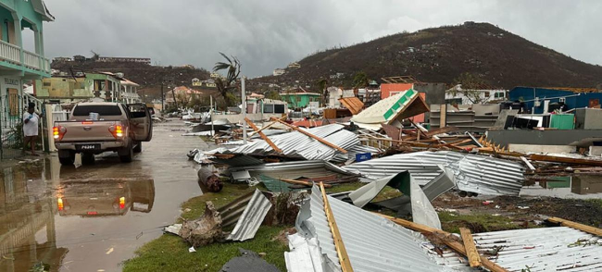
    – In July 2024, Hurricane Beryl made history as the earliest-forming Category 5 storm ever recorded in the Atlantic, forming before the official hurricane season even fully began. The storm hit Carriacou as a Category 5, stripping the island of nearly all vegetation and infrastructure, leveling agricultural fields across Jamaica, and leaving the entire region reeling and questioning what would come next.
    – In 2025, only 15 months after Beryl, yet another Category 5 storm, Hurricane Melissa, became the strongest Atlantic hurricane ever recorded, with maximum sustained winds of 185 mph. The storm claimed 95 lives, and its name was later retired by the World Meteorological Organization—an acknowledgment that some disasters are too devastating to reuse the name for future storms.

    So what has driven this sharp increase in catastrophic storms? The change was not caused by the Caribbean itself: the entire region contributes less than 0.1 percent of global greenhouse gas emissions. For two centuries, the global economy has benefited from fossil fuel-powered development, but the world’s ongoing, unchecked overreliance on carbon-emitting energy and widespread reluctance to transition to renewables is what has created the current climate crisis. The Caribbean had no part in making this choice, yet it is Caribbean communities that are forced to fill water buckets, rebuild shattered roofs, and bury victims after every disaster driven by a warming climate.

    The science behind the trend is clear and unambiguous: hurricanes draw their energy from warm ocean water. Decades of carbon pollution have trapped excess heat in the atmosphere, and 90 percent of that extra heat has been absorbed by the world’s oceans. The Caribbean Sea is now far warmer than historical averages, and every new storm that crosses it gains more destructive energy than storms that hit the region just a generation ago. A rapid attribution analysis from Climate Central confirms that human-caused climate change directly strengthened Hurricane Melissa’s winds, and the record warm ocean temperatures that powered the storm were made hundreds of times more likely by human carbon emissions.

    The human toll of this crisis stretches across every corner of the region. When Hurricane Maria hit Dominica in 2017, then-Prime Minister Roosevelt Skerrit shared live updates from inside the storm, his own roof torn away and floodwaters rising around him, as the island known as the “Nature Island of the Caribbean” fell apart around him. When Dorian stalled over the Bahamas for 48 hours, entire communities on Abaco and Grand Bahama islands were completely erased from the map. When Beryl tore through Carriacou, 90 percent of the island’s structures were damaged or destroyed—including family homes, schools, and the fishing boats that provide food and livelihoods for most local households. When Melissa made landfall, outer rainbands triggered deadly landslides in Haiti, Cuban authorities evacuated more than 735,000 people in a single night, and western Jamaica was left flattened, with crops submerged for the second time in less than two years. Across the region, critical infrastructure—hospitals, food supply chains, roads built and rebuilt repeatedly over decades—took yet another catastrophic blow.

    Caribbean communities, on the front lines of the climate crisis despite contributing almost nothing to it, have shown extraordinary resilience and composure in the face of repeated devastation that most of the world will never experience. But resilience is not a substitute for climate justice. Resilience alone cannot rebuild a destroyed hospital, and it is unfair to ask a region to “bounce back” over and over again while the root conditions that cause the destruction remain completely unaddressed. At a certain point, constant praise for the region’s strength becomes a convenient distraction from the urgent conversation about which nations and actors are responsible for the burden Caribbean people are forced to bear.

    That urgent conversation is rooted in the principle of climate justice: it demands that the world’s wealthiest, highest-emitting nations honor their long-standing climate finance commitments as an owed debt, not a charitable handout. In recent years, momentum for this cause has shifted dramatically in the region’s favor. In May 2026, the United Nations General Assembly voted to endorse an advisory opinion from the International Court of Justice (ICJ) on climate change—a opinion co-sponsored by Caribbean nations including Barbados and Jamaica. The ruling clarifies that all countries have binding legal obligations under international law to protect the global climate system, and that nations that fail to meet these obligations can be held legally liable for the harm they cause, and required to pay reparations to affected states.

    Translating this victory into tangible change for the Caribbean requires concrete action. It means loss and damage funding reaching small island developing states as outright grants, not new loans that trap nations in cycles of debt. It means the Caribbean gets a permanent, meaningful seat at every global negotiating table where climate policy decisions are made. It means all major emitting nations actually follow through on the national climate action plans they committed to under the Paris Agreement, cutting emissions rapidly and meaningfully. For Caribbean citizens, it also means remaining steadfast in advocacy, using our voices to demand justice for our region. Beyond educating ourselves on how climate change amplifies hurricane risk, we must hold our own leaders accountable to push the international community to act, and support the local and global organizations fighting for climate justice every day.

    It is true: the Caribbean is paying the price for a climate crisis we did nothing to create. But our experience is not just a warning to the rest of the world—it is evidence of the injustice at the heart of the global climate crisis. And the most powerful thing we can do right now is refuse to stay silent about the harm we have endured.

    This commentary is by Kayla Wright, a Jamaican youth advocate working at the intersection of public health, youth rights, and policy development across Jamaica and the wider Caribbean.