博客

  • Barbados gearing up to strengthen financial sector

    Barbados gearing up to strengthen financial sector

    Barbados is moving forward with ambitious regulatory reforms to protect and strengthen its reputation as a trusted global financial and international business hub, launching a large-scale training initiative to prepare the domestic financial sector for sweeping new beneficial ownership regulations.

    Hosted by the country’s International Business Unit (IBU) this Thursday, the specialized workshop drew more than 200 industry representatives from 112 licensed corporate and trust service providers (CTSPs), bringing together key players across the island’s regulatory ecosystem: the Financial Intelligence Unit (FIU), national anti-corruption agencies, and local law enforcement all participated in the collaborative capacity-building event.

    The overarching goal of the training push is to prepare local industry stakeholders for the full implementation of new beneficial ownership legislation and the launch of the country’s first private central beneficial ownership register. The registry system is specifically designed to identify and document the natural persons who exercise ultimate ownership and control over companies registered in Barbados, cutting through opaque legal structures to reveal the decision-makers behind business entities.

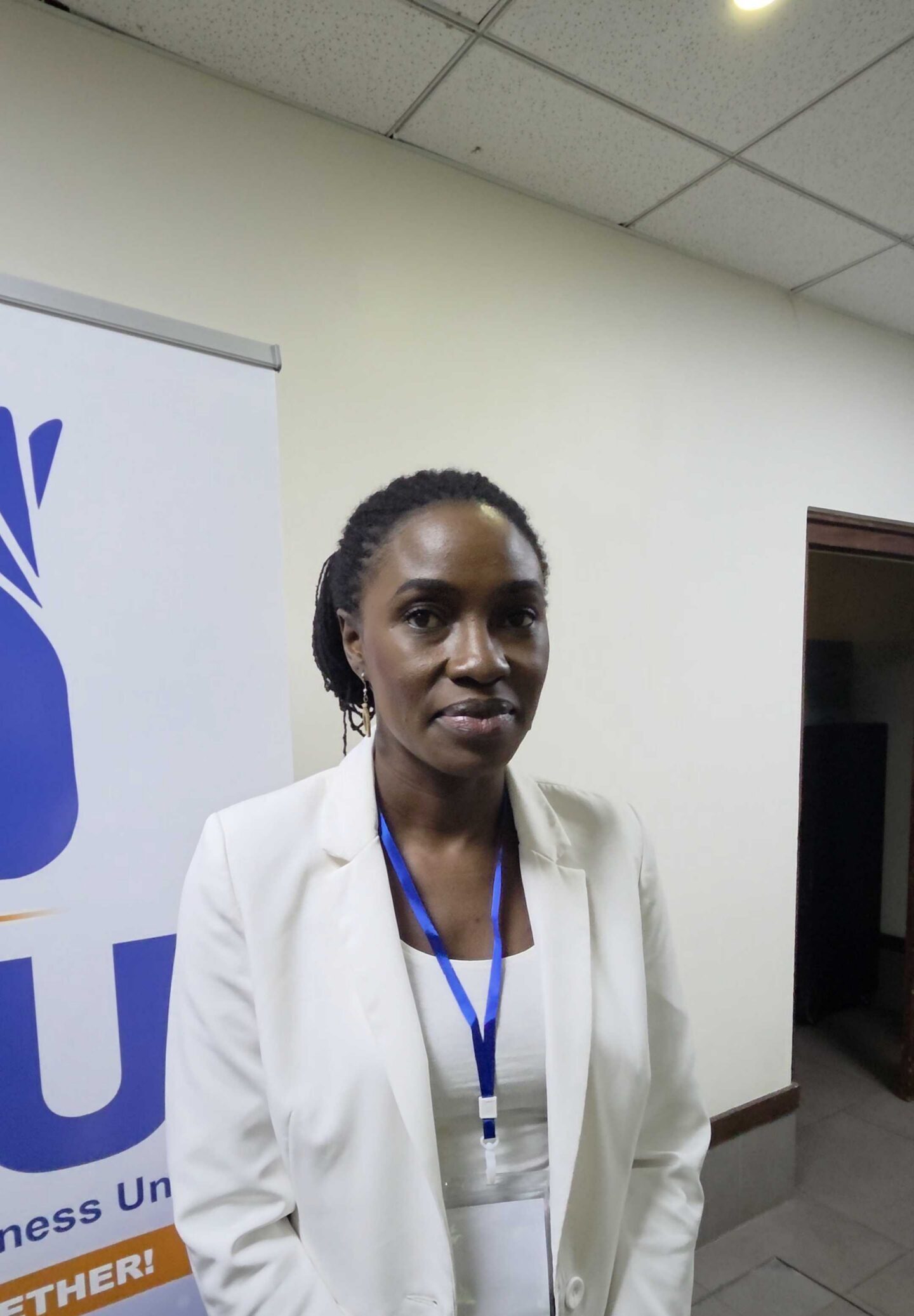
    Sangene Watkins-Diagne, the acting director of the IBU, framed strict adherence to standards set by the Financial Action Task Force (FATF) as a core driver of Barbados’s economic competitiveness. “When Barbados is recognized as a fully compliant jurisdiction, we become far more attractive for cross-border business. As a compliant hub, we are a credible destination that investors can trust, which draws greater foreign investment. We need to reach the point where compliance is understood as a core component of our competitive edge,” she explained during the workshop.

    While Watkins-Diagne acknowledged that Barbados’s local service providers have a long-standing track record of upholding required regulatory standards, she noted the new training effort was a direct response to evolving global anti-money laundering and counter-terrorist financing requirements. “Following the FATF’s fifth round of mutual evaluations for the region, the global rules have shifted. This session is intended to make sure our entire sector understands these updates and is fully prepared to adapt,” she added.

    Watkins-Diagne also clarified that the new central register is far more than a routine data collection project, but an active operational tool for law enforcement and regulatory compliance. “This information needs to be accessible and ready for use by police and regulatory bodies when they conduct investigations into illicit activity,” she said.

    Technical sessions at the workshop were led by Paul Inniss, a regional expert with experience as an assessor for the Caribbean Financial Action Task Force (CFATF), who has previously supported neighboring jurisdictions including the Cayman Islands and Jamaica to strengthen their own beneficial ownership frameworks. Inniss urged attendees to move beyond surface-level reviews of legal corporate structures and focus on identifying the ultimate controllers of business entities.

    Inniss stressed that small international finance hubs like Barbados face very real risks from illicit finance flows, and getting beneficial ownership regulation right is critical to protecting the country’s financial services sector. “If we build a strong, effective fundamental framework for beneficial ownership transparency, I firmly believe we can substantially mitigate the risks that we face as a jurisdiction,” he said.

    He added that updated FATF-driven international standards increasingly prioritize improving global asset recovery efforts and clarifying who actually controls corporate entities, noting that beneficial ownership is not just about listing named shareholders on official documents. “I’m talking about actual control. I’m talking about the individuals who truly own, control, and manage these entities, who make the key decisions for the business. If you can correctly identify the individuals that own and control legal persons and business arrangements, tracing illicit finance becomes a far less challenging task than it is today,” Inniss explained.

    Closing the workshop, the IBU thanked private sector stakeholders for their ongoing cooperation, reaffirming that collaborative public-private work on regulatory reform is essential to preserving Barbados’s long-standing reputation as a transparent, well-governed, and credible international business jurisdiction.

  • OPEN LETTER: A renewed appeal for legal examination of reported U.S. military strikes in the Caribbean

    OPEN LETTER: A renewed appeal for legal examination of reported U.S. military strikes in the Caribbean

    On June 11, 2026, Washington-based attorney Michael J. Davis issued an open letter to Caribbean legal institutions and practitioners, reiterating and expanding his earlier public call for independent legal review of reported U.S. military strikes under Operation Southern Spear targeting maritime vessels in the Caribbean and adjacent Eastern Pacific waters.

    Davis notes that fresh emerging information, alongside ongoing reporting by independent outlets, advocacy from human rights groups, and congressional questioning in the U.S. have deepened urgent concerns over the operations, which public accounts confirm have left dozens dead. A core point of contention raised by human rights defenders is that many of these strikes may fall outside the bounds of traditional armed conflict, meaning they must be evaluated under international human rights law rather than the law of war.

    High-profile congressional exchanges between U.S. Senators Tim Kaine, Rand Paul and Secretary of State Marco Rubio have further put a spotlight on gaps in public information about the criteria used to authorize targeted vessel strikes. If the operations are categorized as law enforcement actions against suspected criminal activity rather than military engagements, human rights organizations argue they must adhere to strict legal standards including due process, necessity, proportionality, and the fundamental protection of the right to life.

    Davis emphasizes that the core question at hand is not whether these arguments are correct, but whether Caribbean legal bodies are willing to examine them. For generations, he notes, Caribbean jurists have been leading champions of the rule of law, judicial independence, constitutional governance, and human rights, consistently speaking out when democratic institutions face threats, constitutional norms are violated, and regional governments overstep their legal authority. Now, he argues, the region’s legal community must uphold these same principles even when the actions under scrutiny are carried out by a major global power.

    “If credible allegations exist that civilians, fishermen, mariners, or other non-combatants have been killed in circumstances raising questions under international law, then those allegations deserve rigorous legal analysis regardless of the nationality of the actors involved,” Davis wrote. He stresses that this call is not an anti-American position, pointing out that the U.S. itself has long promoted accountability, human rights, due process, and the rule of law on the global stage. As an example, Davis cites the recent U.S. indictment of former Cuban President Raúl Castro for the downing of civilian aircraft, which was rooted in the principle that state officials can be held legally accountable for unlawful civilian killings outside the scope of legitimate armed conflict. Davis argues that this principle, which he accepts as valid, must apply equally regardless of which state carries out the actions in question.

    Davis outlines eight clear legal questions that require urgent examination: What legal framework governs these maritime operations? Are the targeted individuals lawful military objectives under international law? Does a legally recognized armed conflict exist in the region? What role does international human-rights law play in assessing the use of force? What legal obligations arise under the International Covenant on Civil and Political Rights? What obligations are set out in the United Nations Convention on the Law of the Sea? What accountability mechanisms exist where civilian casualties occur? What legal remedies, if any, are available to victims and their families? Davis underscores that all of these are purely legal questions, not matters of partisan politics.

    Against this backdrop, Davis formally renewes his call for action from a wide range of regional legal stakeholders, including all national Caribbean Bar Associations, the OECS Bar Association, Caribbean law schools and legal scholars, former judges and sitting jurists of the Caribbean Court of Justice, CARICOM regional legal institutions, and practicing attorneys across the Caribbean. He urges these groups to conduct thorough, independent examinations of the issues through academic conferences, formal legal opinions, peer-reviewed scholarly research, amicus curiae submissions, and other appropriate professional forums.

    Davis also encourages the exploration of all viable avenues for regional legal review where jurisdictional requirements are met, including examinations tied to territorial jurisdiction, nationality jurisdiction, regional and international human rights obligations, maritime law, and other widely recognized principles of international law.

    The attorney stresses that the initiative does not seek to prejudge any government, military operation, or individual official. Instead, its core goal is to ensure that the Caribbean legal community does not stay silent when serious questions arise over the right to life, due process, regional sovereignty, and legal accountability within Caribbean waters.

    “Caribbean lives matter under international law. Caribbean sovereignty matters under international law,” Davis wrote. “And the rule of law retains its legitimacy only when it is applied consistently, irrespective of power, politics, or nationality.” He closed the letter by inviting legal professionals, scholars, institutional leaders, and concerned citizens across the Caribbean to join the discussion and help shape the Caribbean legal community’s response to these pressing regional issues.

    The letter includes a disclaimer stating that the views expressed are solely those of author Davis, and do not represent the positions of Duravision Inc., Dominica News Online, or any of their subsidiary brands.

  • NEMO on Alert as Heavy Rainfall Continues

    NEMO on Alert as Heavy Rainfall Continues

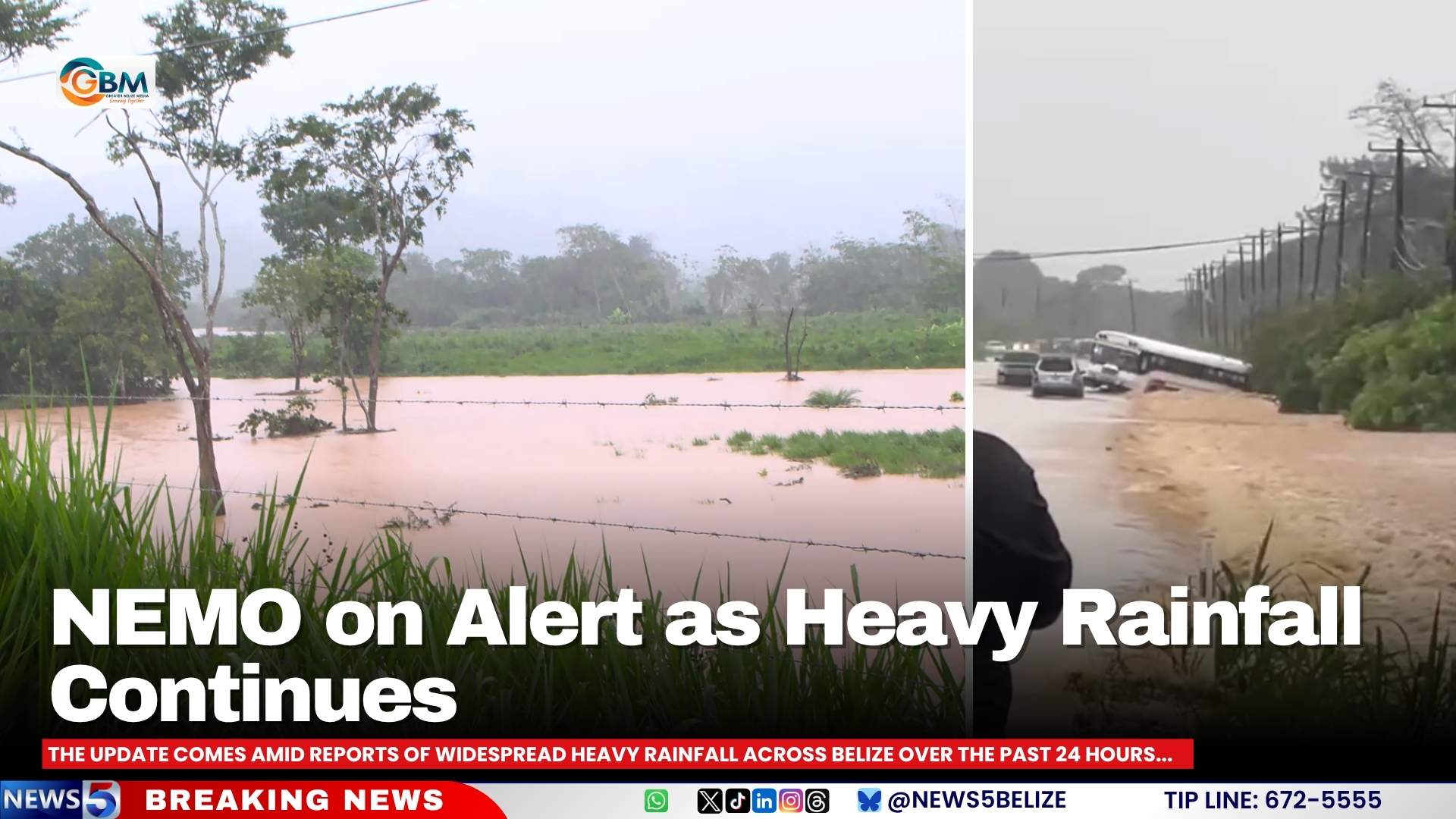
    As prolonged heavy rainfall continues to lash multiple regions of Belize — with the Stann Creek District facing the most documented impacts so far — the National Emergency Management Organisation (NEMO) has kept all its operational teams across the country on high alert, according to a public update released June 11, 2026.

    National Emergency Coordinator Daniel Mendez confirmed in a statement that local response teams have already been deployed to Stann Creek to address a small number of weather-related incidents that have emerged over the past 24 hours. NEMO’s national monitoring operations are running in constant coordination with the nation’s meteorological and hydrological services, which are tracking rainfall accumulations and changing flood risks in real time.

    “Our teams across the country have been on alert. We have been monitoring, along with the Met Service and the hydrology service, the rainfall,” Mendez said, noting that regional coordinators in hard-hit Stann Creek have been on the ground leading local assistance efforts since incidents began being reported.

    The ongoing precipitation event has brought widespread downpours to Belize over the last day, with central and northern parts of the country recording particularly significant moisture accumulations. Early official measurements from weather and hydrology experts show some areas of central Belize have already received more than eight inches of rain, leaving the ground saturated and raising immediate concerns over localized flash flooding.

    Forecasts call for additional heavy showers over the next 24 hours, with some regions expected to see another four to eight inches of rainfall. Hydrologists have warned that steep topographical terrain and the nation’s network of river systems amplify the risk of rapid runoff and worsening flooding across multiple vulnerable regions.

    Mendez emphasized that while NEMO remains fully prepared to scale up its response if weather conditions deteriorate, the agency has not yet needed to fully activate its national emergency response system. “There is always a potential for further activation of the system. But at this point there has not been the need,” he explained.

    Even without a full activation, all NEMO regional offices across Belize remain on standby, with open lines of communication maintained between all branches of the country’s emergency management network. “As the information comes in, the rest of the country remains on the alert. So, all our offices are aware and have been making communications with the different components of the system,” Mendez said, reaffirming that the agency is positioned to launch a rapid, coordinated response should flooding or other weather-related emergencies escalate across the nation.

  • Ebola Bundibugyo Virus Disease outbreak in Central and East Africa

    Ebola Bundibugyo Virus Disease outbreak in Central and East Africa

    Following the World Health Organization’s official classification of the ongoing Ebola Bundibugyo Virus Disease outbreak as a Public Health Emergency of International Concern, the Government of Grenada has rolled out a series of immediate precautionary public health measures to protect its population and secure national borders.

    In a public advisory released by the Ministry of Health, Grenadian residents and citizens are strongly urged to cancel all non-essential trips to two countries where confirmed cases of the virus have been recorded: the Democratic Republic of the Congo and Uganda. The advisory also warns of heightened risk for travelers heading to an additional 10 African nations flagged as high-risk zones by the Africa Centres for Disease Control and Prevention, including Angola, Burundi, the Central African Republic, the Republic of Congo, Kenya, Rwanda, Tanzania, Zambia, Ethiopia, and South Sudan. For all travel to these regions, the ministry advises the public to exercise extreme caution and re-evaluate the necessity of upcoming trips.

    To prevent community transmission of the virus, Grenada has significantly upgraded health surveillance and entry screening protocols at every port of entry across the country, from international airports to seaports. Any person arriving in Grenada, whether a citizen, resident, or visitor, who has traveled through or transited from any of the affected areas will be required to complete enhanced health screening immediately upon arrival. Depending on the outcome of that screening, port health officials have the authority to order immediate isolation or quarantine for at-risk travelers. All individuals entering from affected regions will also be placed under a mandatory 21-day active monitoring program, a measure aligned with global best practices for containing Ebola spread.

    Beyond border controls, the Ministry of Health has outlined key guidance for the public to protect individual and community health. It reiterates its recommendation to cancel or postpone all unnecessary travel to affected regions, and urges residents to stay up to date on developments through official updates from the ministry and the World Health Organization. For anyone currently in an affected area or who has recently returned home and develops common Ebola symptoms — including sudden fever of 100.4°F (38°C, a correction to the original typo), severe fatigue, muscle ache, headache, or sore throat — officials advise immediate self-isolation and prompt medical attention. Individuals can reach care by contacting the Accident & Emergency Department at (473) 440-2113 or the closest local health facility.

    The Ministry of Health reaffirmed its unwavering commitment to protecting the health and safety of all people living in Grenada. Officials noted that the situation remains under continuous close monitoring, and additional updates will be released promptly as new information about the outbreak becomes available.

    This advisory was published by NOW Grenada, which notes it is not responsible for third-party contributor content and provides a channel for users to report abusive content.

  • More Americans Give Up US Citizenship as Tax Rules and Politics Drive Exodus

    More Americans Give Up US Citizenship as Tax Rules and Politics Drive Exodus

    A decade ago, Erin Klatt first arrived in New Zealand on a working holiday visa, and within half a year, the former Wisconsin dairy farmer knew she had found her permanent new home. Leaving the United States in 2016 for a mix of personal and political reasons, Klatt quickly felt a sense of belonging in the South Pacific nation that she never experienced back home. By 2025, at 34 years old, she took the formal, final step: cutting official ties with her country of birth.

    Klatt built her career in New Zealand’s dairy industry, parlaying her experience into an essential skills work visa that allowed her to extend her stay. It was also through farming that she met her British husband, who was also building a life in New Zealand. In May 2025, the couple became naturalized New Zealand citizens together — and Klatt moved forward with renouncing her US citizenship just weeks before the US State Department cut the renunciation fee by roughly 80%. She paid the then-applicable $2,350 fee and recited the formal oath of renunciation at the US consulate in Auckland.

    For Klatt, the decision was rooted in long-standing personal disconnection and political frustration. “I never felt overly patriotic or connected to the country,” she explained, adding that she had long been dismayed by the trajectory of US politics during the Trump administration. Combined with the financial burden of tax obligations for US citizens living abroad, renunciation felt like the only natural choice. After completing the process, she said she felt only excitement and relief: “I’m very happy with my decision. No regrets. If anything, I celebrate every now and again that I am not a part of them.”

    Klatt is far from alone in this choice. Current data on American renunciations is incomplete, as the Internal Revenue Service (IRS) does not compile full annual figures, releasing only quarterly lists of names. Americans Overseas, a non-profit resource for US citizens living abroad that aggregates these quarterly lists, counted 4,889 names on the IRS lists for 2025 — the highest annual total since 2020, when the number spiked to 6,705. The organization reports a sharp rise in inquiries about renunciation this year, and projects a 15% increase in expatriations compared to 2024, with elevated numbers expected to continue for the foreseeable future.

    Daan Durlacher, co-founder of Americans Overseas, notes that the organization currently supports roughly 40,000 mostly dual-citizen US citizens across Europe and the globe who are either in the process of renouncing or researching the process. Durlacher, who holds dual Dutch and US citizenship himself, argues that the official IRS figures significantly undercount total renunciations, as many names of people known to have completed the process never appear in the agency’s quarterly reports. “These numbers are not complete, and I don’t know why,” he said.

    Renunciation is a rigorous formal legal process that requires multiple strict prerequisites. Applicants must already hold a second citizenship and legal residency in another country, must have all US tax returns from the previous five years fully filed and up to date, and must attend an in-person oath ceremony at a US embassy or consulate outside the United States. Processing wait times can stretch from six to nine months, and until an 80% fee cut earlier this year, the process carried a $2,350 price tag, now reduced to $450.

    While high-profile cases like Klatt’s are rooted in political dissatisfaction, experts say financial and administrative burdens driven by US tax policy are the most common motivators. The United States is one of only two countries in the world (the other being Eritrea) that requires its citizens to file and pay taxes on worldwide income, regardless of where they reside and earn their living. This policy, enforced through the 2010 Foreign Account Tax Compliance Act (FATCA) that went into effect in 2014, creates particularly heavy burdens for “accidental Americans” — people who acquired US citizenship by birth on US soil or through an American parent, but have never lived or worked in the country.

    Fabien Lehagre, founder of the Paris-based Association of Accidental Americans, estimates that there are roughly 300,000 accidental Americans across Europe, 40,000 of whom reside in France alone. Many of these individuals only discover their citizenship status as adults when their European banks request a US Tax Identification Number to comply with FATCA rules. “The main obstacle, for accidental Americans who retain their citizenship, lies in US extraterritorial laws that make a normal financial life extremely difficult in Europe,” Lehagre explained.

    For other people considering renunciation, the decision stems from a desire to align their legal identity with their actual life and long-term commitments, rather than political or financial motives. Caroline Chirichella, a dual US-Italian citizen who owns a PR firm and lives full-time in southern Italy, has been considering renouncing her US citizenship since she obtained Italian citizenship via ancestry in 2018, after the birth of her first child. A self-described “very proud American,” Chirichella said her entire life and family are now based in Italy, with no remaining family ties in the US. Reducing her citizenship to only the country where she plans to reside permanently, she explained, would resolve an unspoken identity limbo. “Quite frankly, my life now is in Italy. I don’t have any connections as far as family in the US. My kids were born in Italy and my husband is Italian,” she said.

    The recent 80% cut to the renunciation fee has pushed many long-time considerers to finally move forward with the process. Jennifer Sontag, a dual US-Italian citizen who left the US for Sicily permanently in 2018, has been planning to renounce for years, and the fee reduction gave her the final push. Sontag, who owns a relocation agency in Sicily, says Donald Trump’s 2016 election was the “straw that broke the camel’s back” that pushed her to leave the US permanently. She obtained Italian citizenship via ancestry in 2021, and is currently working through the rigorous requirement of having her past years of business finances audited under US tax rules before scheduling her oath ceremony.

    While she is looking forward to the relief of shedding her US citizenship, the decision carries emotional weight. “It’s part of my identity. It’s who I am, right? I’m never going to be fully Italian. I’ve lived here for five years. I’m learning the language, I’m learning the culture, but I still don’t have those core experiences that make me Italian,” she explained.

    Legal experts warn that renunciation is a permanent, irreversible decision that requires careful consideration. Brad Bernstein, president of a New York-based immigration law firm, notes that many people underestimate the long-term consequences of giving up US citizenship, including losing the right to live and work permanently in the US and access to US consular protection and visa-free travel to dozens of countries. “Saving a few thousand dollars shouldn’t be what drives a decision this serious,” he said. “You could be giving up your ability to live and work in the United States permanently.”

    Political science professor Howard Lavine of the University of Minnesota notes that renunciation often serves as a deeply personal act of identity re-alignment for people who have fully built their lives outside the US. “I think people who want to renounce their citizenship want to begin to think of themselves in a very different way, they want their lives to be different. And one way their lives can be different is by holding different social identities,” he explained. Shedding the old national identity helps people align their legal status with how they see themselves, he added, serving as a form of emotional regulation.

    For people like Chirichella, who are still weighing their decision, the permanence of the act means taking it slow. “As much as I like the idea, to renounce my citizenship makes me very sad. I do not want to make this decision until I’m 100%. Once I renounce my citizenship, I can’t get it back,” she said. Durlacher, who still retains his dual citizenship, reminds all those he advises of one key consideration before they make the jump: “Being a US citizen, you still have a vote. That’s why I’m still a US citizen.”

  • 15-year-old girl dies after headache

    15-year-old girl dies after headache

    A sudden and tragic death has shaken the quiet community of Petit Valley, after a 15-year-old local girl collapsed unexpectedly at her family residence on Wednesday, leaving authorities with more questions than answers about what led to her passing.

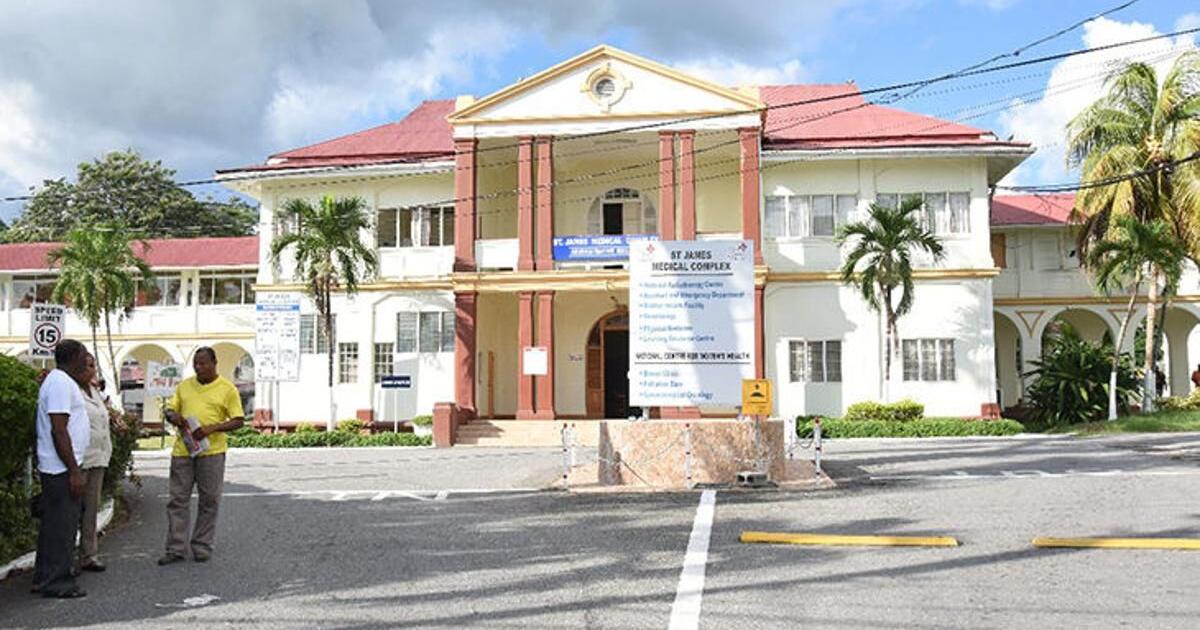
    Amy Reverand, who lived on Cassia Drive in the area, was formally pronounced dead at St James Infirmary just 15 minutes past 5 p.m. that same day, following urgent emergency efforts to save her life.

    According to official police reports, Amy’s mother Maria Walcott told investigators that the teen first began complaining of a severe headache around 3:45 p.m. After Walcott prepared soup for her daughter to eat, Amy walked to the family bathroom a few minutes later to use the facility. When Walcott did not hear from her daughter after an extended period, she went to check on the teen and found her lying unresponsive on the bathroom floor, unconscious and unable to be roused.

    Walcott immediately placed a call for emergency medical assistance, and both Emergency Health Services crews and patrol officers from the West End Police Station rushed to the scene to provide care. First responders worked quickly to stabilize Amy before transporting her to the nearest public infirmary, where a full medical team worked to treat her. Despite their best efforts, Amy was declared deceased at 5:15 p.m.

    Police have confirmed that preliminary examinations of the teen’s body found no visible evidence of foul play or violent trauma, ruling out immediate suspicion of assault or foul play. However, investigators have ordered a full post-mortem autopsy to pinpoint the exact cause of death, and the results are still pending as of the latest updates.

    During the course of initial interviews with the family, Walcott shared that her daughter had previously been diagnosed with depression and underwent clinical evaluation for the mental health condition, but she was not taking any prescription medication for it at the time of her death. In a separate development that has added another layer of uncertainty to the case, investigators located an electronic cigarette inside Amy’s personal bedroom. Walcott told responding officers she had no idea her daughter had been using the vaping device, and did not know how long Amy had possessed it.

  • Son who stabbed his pregnant mom 41 times, gets 9 years

    Son who stabbed his pregnant mom 41 times, gets 9 years

    A Las Lomas resident has been handed a remaining prison sentence of just over nine years for the fatal knife killing of his pregnant mother, after the High Court approved a plea agreement that downgraded the original murder charge to manslaughter.

    Michael Joseph, now 25 years old, received an initial sentence starting point of 27 years behind bars for the manslaughter conviction. This term was adjusted downward to account for mitigating circumstances, a sentencing discount for his early guilty plea, and credit for the more than six-and-a-half years he has already spent in remand detention. The adjustment left Joseph with nine years, one month, and 29 days remaining to serve.

    The sentencing was delivered this Wednesday by Justice Sherene Murray-Bailey, who agreed that Joseph’s violent outburst was triggered by provocation tied to chronic psychological trauma he developed from childhood experiences.

    The crime dates back to August 24, 2019, when Joseph was just 18 years old. On that day, he stabbed his 36-year-old mother Allistra Mack-Kampo to death inside the family’s Las Lomas home. At the time of her killing, Mack-Kampo was four months pregnant with another child.

    The plea arrangement was negotiated between Joseph’s legal team from the Public Defenders’ Department and prosecution lawyers from the Office of the Director of Public Prosecutions. As part of the deal, Joseph entered a guilty plea to manslaughter, avoiding a full public trial for murder.

    Outlining the court-agreed facts of the case, prosecutor Chenelle Moe explained that the brutal attack began shortly before 11 p.m. Joseph’s aunt, Rodha Mack, told investigating officers she was woken by loud screams and heard her sister (Mack-Kampo) yelling at her son to stop his assault.

    When Mack rushed into the bedroom to intervene, she found Joseph wearing surgical gloves and stabbing Mack-Kampo repeatedly at the foot of the family bed. When Mack stepped in to stop him, Joseph turned his violence on her, leaving her with severe injuries including a fractured skull.

    Joseph then turned on his five-year-old younger sister, grabbing her by the throat and dragging her into the home’s living room. The young girl managed to break free and escape outside, covered in her own blood. Relatives who had gathered at the scene alongside responding neighbours were able to restrain Joseph until local police officers arrived to take him into custody.

    A post-mortem examination conducted after the killing confirmed that Mack-Kampo had sustained 41 separate stab wounds. Investigating officers recovered a broken knife and blood-stained surgical gloves from the crime scene.

    During his initial police interview, Joseph openly admitted to carrying out the attack, explaining that a buildup of unresolved frustration had finally made him snap. He has since stated that he feels deep remorse for his actions and has asked his surviving family for forgiveness.

    During sentencing arguments, defence attorney Michelle Ali and instructing attorney Sarah Julien argued that Joseph’s violent actions stemmed from severe childhood neglect, long-term emotional instability, and struggles with substance abuse. Court documents presented during the hearing detailed a troubled upbringing marked by constant family upheaval, rejection from caregivers, and early exposure to illicit drugs and alcohol.

    Notably, even Rodha Mack — who was seriously injured in the attack — and Joseph’s grandfather Daniel Melville submitted formal written statements to the court saying they had forgiven Joseph, and urging Justice Murray-Bailey to prioritize rehabilitation over extended additional incarceration.

    In her final sentencing ruling, Justice Murray-Bailey confirmed the court accepted the 27-year starting sentence for manslaughter, but applied significant reductions to account for mitigating factors, Joseph’s age at the time of the offense, his lack of any prior criminal convictions, and the mandatory one-third discount for his early guilty plea.

    After subtracting the six years, eight months, and 27 days Joseph had already completed in pre-trial detention, the judge ordered the defendant to serve the remaining outstanding prison term.

    She also issued a formal direction to prison authorities to place Joseph in targeted rehabilitative programming, including anger management courses, continuing education, and evidence-based substance abuse treatment. The judge further ordered that professional counselling services be provided to Joseph’s surviving family members, who have all been deeply affected by the tragedy.

    Joseph also received convictions for the related offenses of wounding Rodha Mack with intent to cause harm and common assault against his younger sister, with the judge applying sentences of time served for these crimes.

  • Global Ports Holding Signs Deal to Explore Management of St Vincent Cruise Port

    Global Ports Holding Signs Deal to Explore Management of St Vincent Cruise Port

    In a landmark move set to transform St. Vincent and the Grenadines’ cruise tourism sector, Global Ports Holding (GPH) — the world’s largest independent cruise port operator — has signed a Memorandum of Understanding (MOU) with the Caribbean nation’s government to take over management of the country’s primary cruise port.

    Under the terms of the non-binding preliminary agreement, the two parties will move forward with negotiations to finalize a formal concession contract. If approved, GPH will assume day-to-day management responsibilities for the facility, while the government retains full ownership of the critical infrastructure. The partnership will leverage GPH’s decades of global industry expertise, established operational capabilities, and long-standing relationships with major international cruise lines to accelerate the destination’s tourism growth trajectory.

    Nestled in the heart of the South-Eastern Caribbean, St. Vincent and the Grenadines holds a geographically strategic position adjacent to top regional cruise hubs including Barbados, Saint Lucia, and Grenada. Currently, the SVG Cruise Port welcomes more than 200,000 cruise passengers annually, and industry analysts identify the destination as having substantial untapped growth potential that could position it as a standout stop on Southern Caribbean cruise itineraries.

    Pending the completion of definitive legal agreements and the official awarding of concession rights, GPH has outlined a structured two-phase investment plan to upgrade the port. The initiative focuses on four core goals: modernizing outdated port infrastructure and operational systems, expanding overall berthing capacity to accommodate larger modern cruise vessels, and elevating the overall passenger experience for visitors. Beyond infrastructure improvements, the project is designed to future-proof the country’s cruise tourism industry, drive sustainable long-term economic growth, boost St. Vincent and the Grenadines’ competitiveness in the crowded regional cruise market, and embed environmental sustainability into all future development work.

    Mehmet Kutman, Chairman and Chief Executive Officer of Global Ports Holding, emphasized the excitement around the new partnership at the signing ceremony. “We are delighted to have signed this Memorandum of Understanding with the Government of St. Vincent and the Grenadines and to have the opportunity to explore a long-term partnership in support of the country’s cruise tourism development,” Kutman said. “St. Vincent and the Grenadines is a beautiful and strategically located destination with tremendous potential. We look forward to working closely with the Government and local stakeholders to support national development, strengthen the destination’s cruise offering, and help create lasting value for the people of St. Vincent and the Grenadines.”

    Mike Maura Jr., Regional Director for GPH Americas, noted that the agreement aligns with the company’s core global growth strategy. “This MOU reflects our continued strategy of partnering with governments in high-potential cruise destinations where our global reach, operational expertise and industry partnerships can help unlock long-term growth,” Maura explained. “St. Vincent and the Grenadines is well positioned within the Southern Caribbean cruise itinerary, and we believe that with the right investment, modernized port infrastructure and operations, an environmentally responsible approach, and a destination-focused management strategy, the port can become an even more attractive call for cruise lines and guests.”

    Headquartered globally with operations across three major regions, GPH currently manages a portfolio of 35 cruise ports across 20 countries in the Caribbean, Mediterranean, and Asia Pacific. The operator serves more than 22 million cruise passengers annually and maintains a corporate focus on operational excellence, environmental sustainability, and continuous industry innovation as it expands its global footprint.

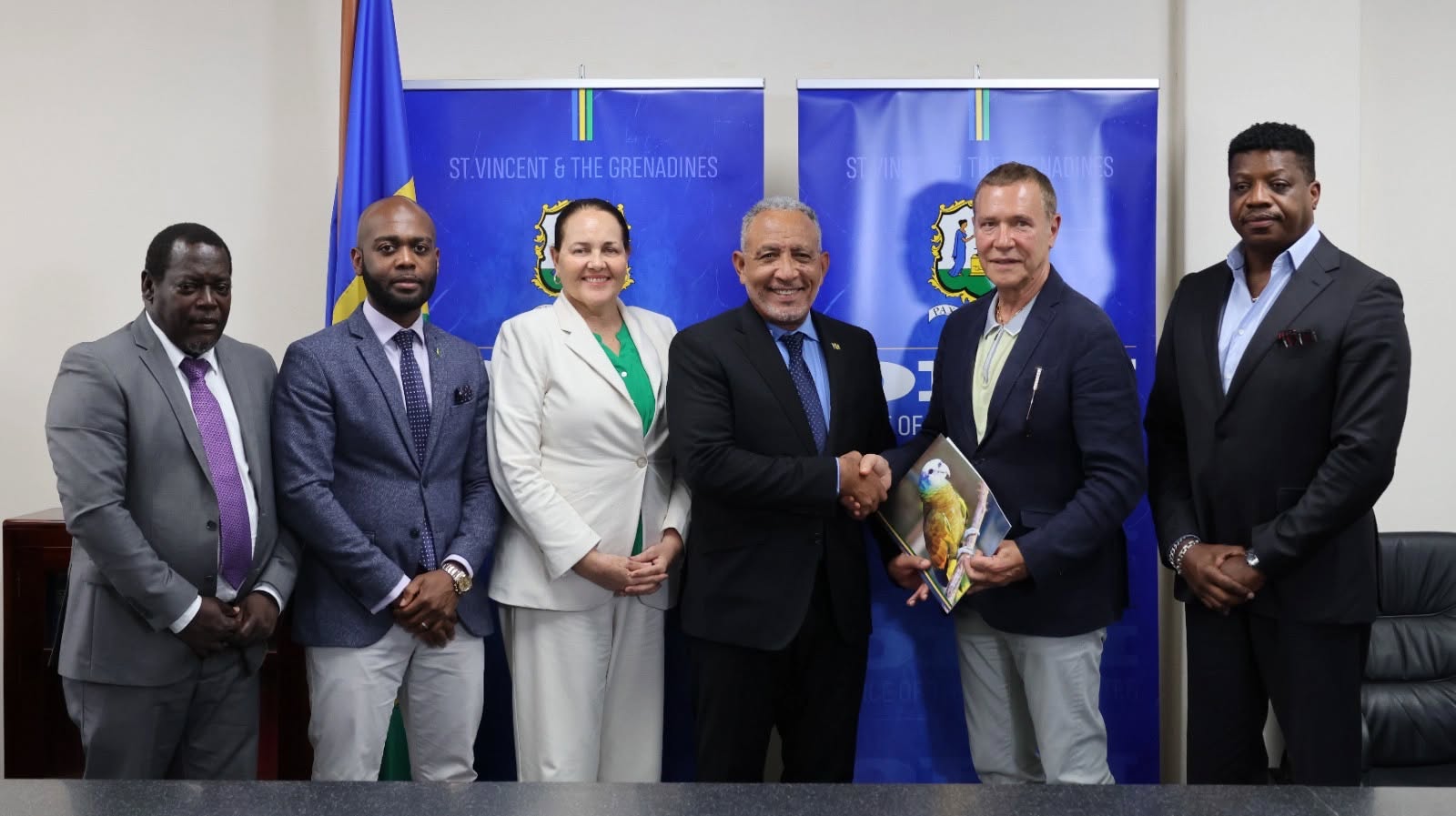
    The signing ceremony was attended by senior leadership from both GPH and the St. Vincent and the Grenadines government, including Prime Minister Hon. Dr. Godwin Friday, who took center position in the commemorative event photo. GPH was represented by Chairman and CEO Mehmet Kutman (second from right) and Business Development Coordinator Dr. Sean Matthew (far right), while government attendees included Minister of Higher Education, Grenadines Affairs, Local Government, Airport and Seaport Hon. Terrance Ollivierre (left), Minister of Tourism and Maritime Affairs Hon. Dr. Kishore Shallow, and Attorney General Hon. Louise Mitchell.

  • Huawei, govt in talks about technology to catch illegal garbage dumpers

    Huawei, govt in talks about technology to catch illegal garbage dumpers

    On Wednesday, June 10, 2026, a high-level meeting between representatives of Chinese global tech giant Huawei and Guyana’s Ministry of Local Government and Regional Development marked a new step forward in the Caribbean nation’s fight against pervasive illegal waste dumping and poor waste management.

    The meeting, which came on the heels of a series of inter-agency consultations led by Local Government Minister Priya Manickchand, brought together Huawei Guyana’s delegation — led by Country Manager Ji Shilei and including team members Keoma Pearson, Lian Yikang, and Leeky Liu — and a cross-functional government team. The ministry side was headed by IT head Godfrey Munroe, acting on behalf of Minister Manickchand, and included Senior IT Officer Kishana Chang, Sanitation Director Satrohan Nauth, and Legal Officer Murtland Haley.

    According to an official statement released by the ministry after the talks, Huawei presented a full suite of innovative potential solutions tailored to Guyana’s waste management challenges. These tools focus on enhanced surveillance, real-time monitoring, and data-backed enforcement frameworks designed to deter bad actors and effectively respond to ongoing illegal dumping activities. Discussions centered on how these cutting-edge technologies can be seamlessly integrated into Guyana’s existing environmental governance infrastructure to boost both regulatory compliance and overall management outcomes.

    This collaborative exploration is part of a broader, coordinated national strategy rolled out by the ministry to address the long-standing problem of unregulated waste disposal. Prior to this meeting, Minister Manickchand had convened high-level discussions with core national stakeholders, including the Guyana Police Force, the Environmental Protection Agency (EPA), and representatives of the municipal court system, to align on a multi-agency approach. The government’s end goal is to deploy a comprehensive smart technology ecosystem, backed by updated, robust legal frameworks, that can accurately detect, track, and penalize individuals and entities that engage in illegal garbage dumping.

    The push for urgent action follows a recent site tour by Minister Manickchand, where she encountered a massive illegal mound of construction waste. Following the visit, she publicly vowed zero tolerance for unregulated waste disposal, pledging strict enforcement action to crack down on repeat offenders.

    For Huawei, this discussion represents another entry point for the company to support national development initiatives in Guyana, where it has already established a strong operational footprint. As a leading global provider of ICT infrastructure and smart devices, Huawei operates in more than 170 countries worldwide, and has previously delivered key components for Guyana’s Safe City Programme and deployed national speed radar camera detection systems. Major local telecommunications providers including Digicel Guyana and One Communications Guyana also rely on Huawei equipment for their network operations.

    Government officials emphasized that the exploratory talks with Huawei mark a meaningful milestone in Guyana’s efforts to modernize its environmental management systems. If advanced, the partnership is expected to strengthen regulatory enforcement capacity, reduce the public health risks associated with unregulated waste, and improve overall community well-being across the country.

  • Dottin hoping to peak at the right time

    Dottin hoping to peak at the right time

    As the much-anticipated ICC Women’s T20 World Cup approaches its kickoff this Friday, all eyes are turning to West Indies’ star all-rounder Deandra Dottin, who is laser-focused on hitting her competitive stride just as the tournament enters its crucial stages. The Caribbean side will mark their tournament debut with a high-stakes opening match against defending champions New Zealand this Saturday, a opener that already has cricket fans around the globe buzzing.

    In a pre-tournament warm-up fixture against Australia held Thursday, Dottin delivered a standout individual performance even as her team fell to a six-wicket loss. The Barbadian native notched the highest score of the match for her side, hammering 48 runs off 38 deliveries against the strong Australian bowling attack. This result marked the West Indies’ second consecutive warm-up defeat, following a loss to India earlier this week.

    In a post-warmup interview, Dottin opened up about her personal preparation strategy and mindset heading into the World Cup. She emphasized that her primary goal in the practice matches was to spend extended time at the crease, shake off pre-tournament rust, and build momentum gradually, rather than posting flashy scores early. This intentional slow build is designed to ensure she peaks at the perfect moment for her team when the official tournament points are on the line.

    Dottin admitted she had put in months of rigorous off-season work, making targeted adjustments to her technique and game plan. In the early stages of preparation, she confessed she had struggled with self-imposed pressure, growing frustrated when results did not match the high standards she sets for herself. Now, however, she sees the slow start to her warm-up form as a positive sign rather than a setback. “I wasn’t supposed to peak too early,” she explained. “Now that I’m actually getting some runs and getting a feel of it, then it’s really good it’s coming at the right time.”