分类: world

  • Tropical Cyclone Narelle turns Australian skies a deep red

    Tropical Cyclone Narelle turns Australian skies a deep red

    Western Australia witnessed an extraordinary meteorological spectacle over the weekend as Tropical Cyclone Narelle generated a massive dust storm that plunged entire regions into an eerie blood-red darkness. The phenomenon created surreal visuals across Shark Bay and Denham, where daytime skies turned deep crimson, capturing global attention through viral social media dissemination.

    Scientific analysis confirms the extraordinary coloration resulted from specific atmospheric optics. High-density dust particles scattered shorter blue light wavelengths, permitting only longer red wavelengths to penetrate the atmosphere. This Rayleigh scattering effect, amplified by cyclonic conditions, produced the intense reddish hue that many observers initially mistook for digital manipulation.

    While the visual phenomenon fascinated scientists and social media users alike, Cyclone Narelle established itself as a historically significant weather event. Marking the first cross-jurisdictional landfall in over two decades, the storm system initially struck Queensland’s Cape York Peninsula on March 20 before traversing the Northern Territory and intensifying over the Indian Ocean. The cyclone ultimately reached Western Australia as a Category 4 system, causing substantial damage across affected regions.

    The viral documentation of this event has sparked both scientific discourse and public amazement, highlighting nature’s capacity for producing breathtaking visual phenomena alongside destructive meteorological forces.

  • God ‘does not listen to the prayer of those who wage war’, says pope

    God ‘does not listen to the prayer of those who wage war’, says pope

    VATICAN CITY — In a powerful Palm Sunday homily at St. Peter’s Square, Pope Leo XIV delivered a profound theological condemnation of warfare, declaring that God “does not listen to the prayer of those who wage war.” The pontiff’s remarks came amid ongoing multi-front conflicts across the Middle East that have dominated global attention.

    The first American pope characterized the divine nature as fundamentally opposed to armed conflict, stating, “This is our God… A God who refuses war… who does not listen to the prayer of those who wage war.” His message emphasized the incompatibility between religious devotion and military aggression.

    Following the traditional Angelus prayer, Pope Leo specifically acknowledged the plight of Middle Eastern Christians, noting they “suffer the consequences of a terrible conflict and in many cases cannot fully live the rites of these holy days.” This recognition highlighted the particular challenges facing religious communities in conflict zones during Holy Week observances.

    The 70-year-old pontiff’s address built upon his earlier calls this week for an immediate ceasefire in the region, where he noted “more than a million people had been forced to flee their homes.” He has consistently advocated for diplomatic solutions, urging warring parties to engage in peaceful negotiations.

    Since the initiation of US-Israeli strikes against Iran on February 28 that escalated regional tensions, Pope Leo has maintained a carefully measured diplomatic approach. While repeatedly condemning violence broadly, he has refrained from specifically naming any particular nation or party in his appeals for peace, demonstrating the Vatican’s cautious navigation of complex international geopolitics.

  • War in the Middle East: latest developments

    War in the Middle East: latest developments

    The Middle East conflict has entered a perilous new phase marked by diplomatic defiance, escalating military actions, and severe humanitarian consequences. Iran’s ambassador to Lebanon is refusing to depart the country despite being declared persona non grata and ordered to leave by Sunday, according to an Iranian diplomatic source. This diplomatic standoff unfolds against a backdrop of intensified violence.

    Military engagements have expanded significantly. Israeli Prime Minister Benjamin Netanyahu has ordered the military to further expand a security zone in Lebanon, where the health ministry reports 1,238 fatalities since conflict with Hezbollah reignited on March 2. Cross-border strikes continue with Kuwait’s defense ministry reporting 10 service members wounded in a camp attack attributed to Iran.

    University facilities in Iran’s central city of Isfahan suffered a second U.S.-Israeli airstrike since the war began, while Israel targeted a key ballistic missile production facility in Tehran. The Israeli military reported possible missile shrapnel impacts in the Ramat Hovav industrial zone, with television footage showing thick black smoke billowing over southern Israel’s Negev desert.

    Iran’s nationwide internet blackout has now persisted for 30 days, severing millions from information and communication networks. Media operations face direct threats as Qatari news channel Al Araby reported its Tehran office building was struck by an Israeli missile, wounding 10 people according to the Iranian Red Crescent.

    Regional diplomacy efforts intensified as foreign ministers from Pakistan, Saudi Arabia, Egypt, and Turkey convened talks with Islamabad mediating between the U.S. and Iran. Meanwhile, Iranian officials issued stark warnings, with Parliament Speaker Mohammad Bagher Ghalibaf accusing the U.S. of secretly planning a ground attack despite public diplomacy, and Navy Chief Shahram Irani threatening to target the USS Abraham Lincoln if it enters range.

    The human toll extended to journalists as Lebanon held funerals for three reporters killed by an Israeli strike in southern Lebanon. Israel claimed the strike targeted a Hezbollah operative working as a correspondent. Religious figures also faced restrictions as Israeli police blocked Jerusalem’s Latin Patriarch from celebrating Palm Sunday at the Church of the Holy Sepulchre, citing safety concerns.

  • Antigua and Barbuda chairs selection process for prestigious United Nations award

    Antigua and Barbuda chairs selection process for prestigious United Nations award

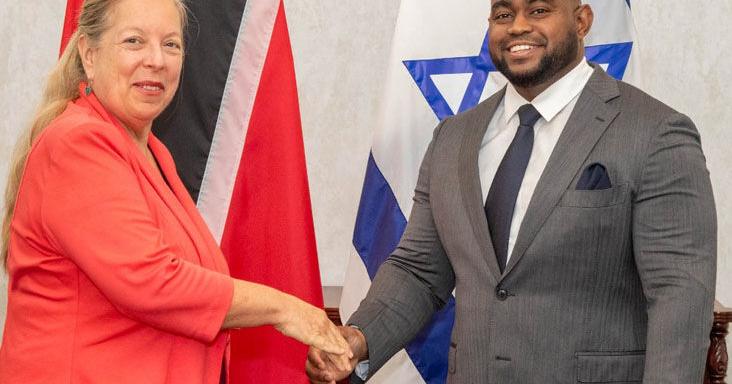
    In a significant diplomatic achievement, the Caribbean nation of Antigua and Barbuda has taken center stage in the United Nations’ prestigious recognition system. On March 26, 2026, First Secretary Claxton Duberry from Antigua and Barbuda’s Permanent Mission to the UN chaired a crucial meeting to determine recipients of the United Nations Population Award at both institutional and individual levels.

    This leadership role marks a notable progression for the nation, which served as a committee member in the previous year before being selected to chair the current selection process. The award itself, established in 1981, represents one of the UN’s highest honors, recognizing exceptional contributions to global health initiatives, gender equality advancement, and sustainable development goals.

    The selection process brings critical population issues to international attention while honoring those making transformative impacts in these areas. Duberry described the chairmanship as “a profound honor” and emphasized the importance of his nation’s participation in advancing human dignity and sustainable development worldwide.

    The award holds particular significance for Antigua and Barbuda, as their late family physician Sir Prince Ramsey received the honor in 2018 for his pioneering work in HIV/AIDS advocacy, care, and prevention throughout the Caribbean region. The current committee will announce this year’s laureates later in 2026, with UNFPA utilizing the platform to reinforce continued focus on global population challenges.

  • WTO : Extended cooperation between the MIC and the Enhanced Integrated Framework

    WTO : Extended cooperation between the MIC and the Enhanced Integrated Framework

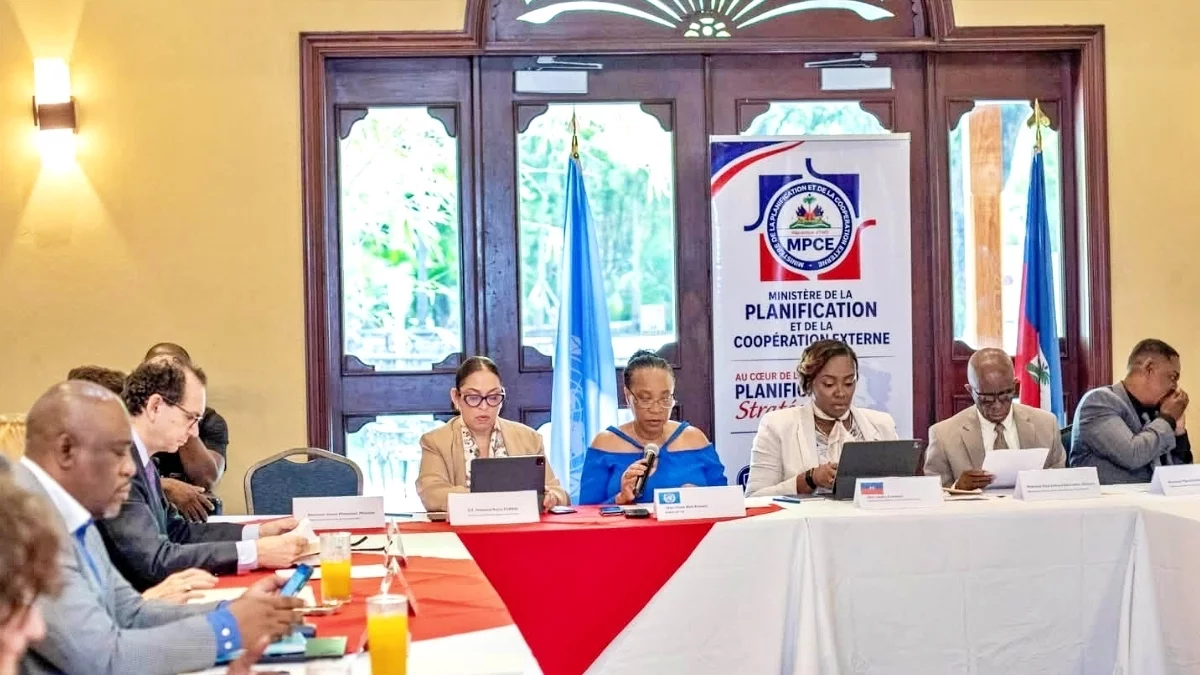
    YAOUNDÉ, CAMEROON – On the sidelines of the 14th WTO Ministerial Conference, a significant strategic dialogue unfolded between Haiti’s Minister of Trade and Industry, James Monazard, and Ms. Aissatou Diallo, Executive Director of the Enhanced Integrated Framework (EIF). This high-level meeting served to chart the future of a vital development partnership. The EIF, a multi-institutional WTO-affiliated program involving the World Bank, IMF, and UN agencies, is dedicated to assisting Least Developed Countries (LDCs) in harnessing trade as a central pillar for economic advancement.

    The discussions commenced with a comprehensive review of the highly successful second phase of the International Residual Fund (IRF) projects in Haiti. A flagship initiative, the Category 2 project, concentrated on revitalizing the maritime fishing and sea salt industries along the Artibonite-Northwest coastal corridor. Executed with technical expertise from Haiti’s Ministry of Agriculture and the Bureau of Mines and Energy, the program empowered 300 direct beneficiaries from 17 fishing associations and 2 salt producer cooperatives through targeted guidance and capacity-building training.

    The project yielded transformative results. In the sea salt sector, the introduction of modern production techniques across specialized basins led to a staggering 167% surge in productivity, escalating output from 75 to 200 metric tons per hectare annually. To bolster the fishing industry, the program provided substantial infrastructure, distributing 54 boats, 26 outboard motors, and extensive fishing gear. The establishment of five fish processing units and the strategic deployment of four Fish Aggregating Devices (FADs) enhanced value addition, created alternative fishing sites, and promoted sustainable resource management. Furthermore, an environmental conservation effort saw the production and transplantation of 12,000 mangrove seedlings to rehabilitate coastal ecosystems.

    Looking forward, the talks solidified plans for a ambitious third phase of cooperation from 2026 to 2031, backed by a $3.5 million budget. The Haitian government, through the MCI, is committed to mobilizing internal funds from its Public Investment Program (PIP) and engaging additional multilateral and bilateral partners to secure complementary financing. This new phase is designed to generate profound structural impacts by strengthening technical, operational, and human capacities, refining institutional coordination, and developing inclusive trade policies and regulatory frameworks.

    The implementation will leverage two distinct financing mechanisms. The first will focus on macro-level enhancements, including fortifying institutional coordination, boosting national capacities for trade negotiation and agreement implementation, and crafting effective policies. Concurrently, the second mechanism will directly target the fisheries sector, aiming to modernize fishing fleets, establish new fishing sites, and improve the technical capabilities of stakeholders to ensure higher quality products reach national, regional, and international markets. CIR funds will be synergized with contributions from other Technical and Financial Partners (TFPs) and the Haitian government to maximize impact and ensure the long-term sustainability of all development actions.

  • ‘Millin’ Espat Reportedly Comes Under Gunfire Near Adjacency Zone

    ‘Millin’ Espat Reportedly Comes Under Gunfire Near Adjacency Zone

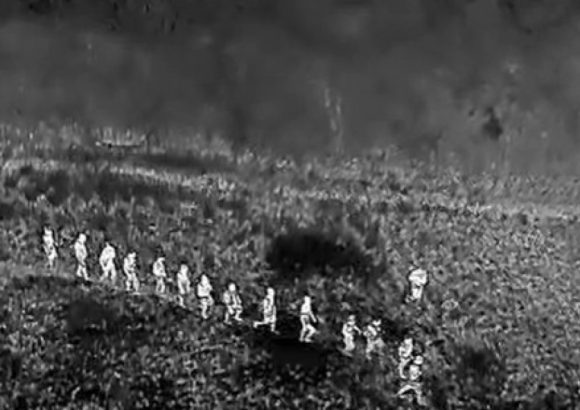
    A concerning security incident has emerged along the Belize-Guatemala border involving former Cayo West Area Representative Jorge ‘Millin’ Espat. According to Espat’s account, unidentified assailants discharged gunfire in his direction while he was present on his family’s property situated within Belizean territory near the contentious adjacency zone. The former parliamentarian maintains he was legally armed with a licensed firearm during the altercation.

    Espat asserts the shots originated from the Guatemalan side of the border. Guatemalan authorities reportedly arrived promptly at the scene and conducted preliminary investigations, though no apprehensions were made despite circulating social media reports and video evidence. In subsequent online statements, Espat emphasized his constitutional right to access his property without intimidation, while simultaneously commending the professional response from Guatemalan security personnel.

    The Belize Police Department, through Assistant Superintendent Stacy Smith, confirmed no official report had been filed by Espat at the Benque Viejo Police Station. Law enforcement officials have initiated contact with Espat to obtain his formal statement while coordinating with counterparts in the Guatemalan border town of Suchitan, where authorities acknowledged a ‘disturbance’ occurred without providing comprehensive details.

    ASP Smith redirected procedural questions regarding cross-border investigations to Belize’s Ministry of Foreign Affairs, highlighting the diplomatic sensitivity of such incidents. The event has reignited concerns about border security and the safety of Belizean citizens residing near the contested zone. Espat has since declined further commentary, expressing reluctance to escalate the matter beyond its current scope.

  • Antigua and Barbuda: 4.1 magnitude earthquake recorded offshore

    Antigua and Barbuda: 4.1 magnitude earthquake recorded offshore

    A moderate seismic event measuring 4.1 on the Richter scale was detected in the Eastern Caribbean region on Friday evening, according to official reports from the Seismic Research Centre (SRC) at the University of the West Indies. The tremor occurred at precisely 5:26 p.m. local time, with preliminary data indicating a significant depth of 142 kilometers beneath the Earth’s surface.

    The earthquake’s epicenter was initially calculated at coordinates 17.94 degrees north latitude and 63.46 degrees west longitude, placing the seismic activity approximately 201 kilometers southeast of St. John’s, Antigua and Barbuda. The event was similarly positioned about 107 kilometers southeast of Basseterre, Saint Kitts and Nevis, and roughly 188 kilometers southeast of Brades, Montserrat.

    Authorities confirmed that no immediate damage to infrastructure or injuries to residents have been reported across the affected region. The considerable depth of the seismic event, combined with its offshore location, significantly reduced potential impact on populated areas.

    The SRC issued a technical note clarifying that the initial location data was automatically generated through advanced computer algorithms. Scientists emphasized that these preliminary readings may undergo refinement following comprehensive seismological analysis, which is standard procedure for seismic monitoring agencies.

    Eastern Caribbean nations, situated along active tectonic boundaries, regularly experience such seismic activity due to the complex interaction of the Caribbean and North American plates. The region maintains robust monitoring systems to track and analyze these geological phenomena.

  • U.S Issues Security Alert For Citizens Worldwide including Antigua and Barbuda

    U.S Issues Security Alert For Citizens Worldwide including Antigua and Barbuda

    The U.S. Department of State has issued a comprehensive worldwide security alert, calling for American citizens across the globe to exercise heightened vigilance. This advisory places particular emphasis on elevated risks throughout the Middle East region, though it explicitly notes that threats extend beyond this geographical area.

    According to official communications, U.S. diplomatic installations worldwide have been targeted, prompting concerns about potential attacks on American interests abroad. The advisory specifically identifies groups sympathetic to Iran as potential actors who may target facilities and locations associated with the United States or American citizens internationally.

    Travel disruptions are anticipated due to periodic airspace closures that may occur with little notice. The State Department strongly recommends that all U.S. citizens abroad adhere to security guidance provided by their nearest U.S. embassy or consulate.

    The Department has implemented multiple channels for disseminating critical security information. Citizens are encouraged to enroll in the Smart Traveler Enrollment Program (STEP) at step.state.gov to receive real-time security alerts. Additional communication channels include the ‘U.S. Department of State – Security Updates for U.S. Citizens’ channel on WhatsApp and detailed destination-specific information available at travel.state.gov/destination.

    This advisory represents one of the most extensive global security warnings issued in recent years, reflecting heightened tensions and potential retaliation against U.S. interests worldwide. The State Department emphasizes that all Americans traveling or residing internationally should carefully review travel advisories and remain aware of their surroundings regardless of their location.

  • Two Sailboats Carrying Aid to Cuba Have Gone Missing

    Two Sailboats Carrying Aid to Cuba Have Gone Missing

    A multinational search and rescue mission is currently sweeping the Caribbean waters after two civilian aid vessels vanished during a humanitarian voyage from Mexico to Cuba. The sailboats Friendship and Tigger Moth, carrying at least nine crew members of Polish, French, Cuban, and American nationalities, embarked from Isla Mujeres on March 20th and were scheduled to dock in Havana earlier this week. All communication with both vessels has been lost since their departure.

    The Mexican Navy has mobilized significant resources, deploying naval search teams and military aircraft to locate the missing ships. Authorities have established coordination with international maritime rescue centers and diplomatic officials from all four nations involved. This disappearance occurs against the backdrop of intensified civilian aid efforts to Cuba following recent economic constraints.

    These civilian maritime missions have gained urgency since January’s implementation of an oil embargo against Cuba, which has triggered severe energy shortages and infrastructure failures. The United Nations reports the cancellation of over 50,000 surgical procedures due to fuel shortages and nationwide blackouts caused by aging energy systems.

    In a related development, another assistance vessel successfully delivered 14 tonnes of critical supplies to Cuba earlier this week, including solar energy equipment, medical provisions, nutritional supplements for infants, bicycles, and food staples. This successful mission highlights both the ongoing humanitarian crisis and the determined efforts by civilian organizations to provide relief despite challenging circumstances.

  • Billions for Climate, But CARICOM Says Getting the Money Is Another Story

    Billions for Climate, But CARICOM Says Getting the Money Is Another Story

    Georgetown, Guyana – Caribbean environment ministers concluded a pivotal climate summit this week with a unified message: global climate financing promises remain largely inaccessible to the nations most vulnerable to environmental threats. The 124th Special Meeting of CARICOM’s Council for Trade and Economic Development (COTED), held from March 26-27, 2026, highlighted the critical implementation gap between international commitments and on-the-ground realities.

    Belize’s Minister of Sustainable Development and Climate Change, Orlando Habet, who chaired the proceedings, emphasized the region’s role as “the bridge between global commitments and local implementation” during opening remarks. The central theme emerging from the two-day conference was the profound difficulty Caribbean nations face in securing previously pledged billions in climate adaptation funding from wealthy nations and international financial institutions.

    Ministers identified complex application procedures and insufficient technical support as primary barriers preventing timely access to crucial financial resources. These bureaucratic obstacles frequently delay or completely obstruct funding streams desperately needed for climate resilience projects across island nations.

    The regional body issued a collective call for simplified access mechanisms and financing instruments specifically tailored to the unique circumstances of smaller developing states. With COP31 scheduled for November 2026, CARICOM has positioned itself to demand concrete action, declaring that the upcoming UN climate summit must transform into an ‘implementation COP’ focused on delivering tangible outcomes for vulnerable nations rather than further declarations of intent.