分类: world

  • Mexico searches for missing Cuba aid boats

    Mexico searches for missing Cuba aid boats

    MEXICO CITY—A multinational search operation is underway in the Gulf of Mexico and Caribbean waters as the Mexican Navy coordinates efforts to locate two humanitarian sailboats that vanished during a mission to deliver critical aid to Cuba. The vessels, carrying nine international crew members, departed from Isla Mujeres on March 20 but lost communication shortly after beginning their voyage.

    The missing sailboats belong to the Our America Convoy initiative, which has been transporting approximately 50 tonnes of essential supplies including medical equipment, food provisions, and solar energy panels to address Cuba’s escalating economic and energy crises. The humanitarian effort comes as Cuba faces severe fuel shortages exacerbated by U.S. sanctions implemented under the Trump administration in January, which effectively created an oil blockade against the island nation.

    Mexican naval authorities confirmed they have activated search protocols and deployed aerial surveillance assets along the planned route to Havana. The navy is maintaining real-time coordination with international rescue agencies from Poland, France, Cuba, and the United States, while also consulting with diplomatic representatives from the crew members’ countries of origin.

    A third vessel in the convoy—a converted fishing boat that departed Mexico simultaneously—successfully reached Cuban shores on Tuesday despite encountering adverse weather conditions and technical challenges. However, the two sailboats failed to arrive within their expected Tuesday-Wednesday window, prompting concerns among Cuban officials and humanitarian organizers.

    President Miguel Díaz-Canel expressed official concern regarding the missing vessels, affirming that Cuban authorities are “doing everything possible” to support search operations. Convoy representatives noted that both sailboats were equipped with appropriate safety systems and were crewed by experienced sailors, maintaining confidence in their ability to reach Havana safely despite the concerning delay.

    The incident highlights both the humanitarian challenges facing Cuba and the complexities of international aid delivery amid geopolitical tensions. The island has experienced seven nationwide blackouts since the beginning of 2024, including two major outages occurring just last week, intensifying the need for alternative energy solutions like the solar panels being transported by the convoy.

  • Missing aid boats ‘safely’ crossed to Cuba—US Coast Guard

    Missing aid boats ‘safely’ crossed to Cuba—US Coast Guard

    HAVANA, Cuba—Two humanitarian vessels previously reported missing en route to Cuba have successfully completed their journey, according to a Friday announcement from the US Coast Guard. The sailboats, which departed from Isla Mujeres in southeastern Mexico on March 20th carrying nine crew members, had prompted search operations after communication was lost during their transit.

    The Mexican Navy initiated extensive search and rescue efforts Thursday upon losing contact with the vessels. While not directly participating in the mission, the US Coast Guard confirmed receiving notification at 10:36 AM local time (1436 GMT) that both boats had “safely transited to Cuba.”

    These vessels form part of the international ‘Our America Convoy to Cuba’ initiative, which has delivered approximately 50 tonnes of critical supplies including medical equipment, food provisions, and solar panels. This humanitarian effort comes as Cuba faces severe energy shortages and economic challenges exacerbated by US sanctions.

    Earlier this week, a converted fishing boat carrying additional aid arrived in Havana after encountering navigational delays caused by adverse weather conditions and technical issues. This vessel received partial escort assistance from the Mexican Navy during its journey.

    Cuban President Miguel Díaz-Canel had expressed concern about the missing boats, assuring that authorities were “doing everything possible” to support search operations. Organizers from the aid convoy had maintained confidence in the experienced crew’s capabilities, noting both vessels were equipped with appropriate safety and signaling systems.

    The Mexican Navy had coordinated with rescue agencies from Poland, France, Cuba, and the United States during the search operation, which included aerial surveillance along the Isla Mujeres-Havana route.

    In related developments, a Mexican Navy ship delivered 111 tonnes of food and donations to Havana on Friday, marking Mexico’s fourth aid shipment totaling over 3,000 tonnes. Notably, Mexico has not resumed oil deliveries to Cuba since the Trump administration imposed a de facto oil blockade in January following the capture of Venezuelan leader Nicolás Maduro, whose government had been Cuba’s primary fuel source. The current US administration has further threatened tariffs on countries shipping oil to Cuba.

    Cuba’s energy infrastructure has struggled significantly, experiencing seven nationwide blackouts since the beginning of 2024, including two major incidents last week alone.

  • Caricom welcomes Adoption of UN Resolution

    Caricom welcomes Adoption of UN Resolution

    In a historic move with profound implications for global justice, the United Nations General Assembly has formally recognized the transatlantic trafficking of enslaved Africans and racialized chattel enslavement as humanity’s gravest crime. The landmark resolution, adopted on March 25, 2026, received unanimous support from all member states of the Caribbean Community (Caricom).

    The Ghana-led resolution establishes several critical frameworks for addressing historical injustices. It characterizes the transatlantic slave system as unprecedented in its scale, duration, brutality, and enduring consequences. The declaration mandates the creation of comprehensive reparations mechanisms while emphasizing the importance of remembrance initiatives, academic research, and educational programs about this dark chapter in human history.

    The timing of the adoption carries deep symbolic significance, coinciding with the International Day of Remembrance of the Victims of Slavery and the Transatlantic Slave Trade. This alignment reinforces the resolution’s call for global acknowledgment and reconciliation.

    Caricom nations have consistently championed international efforts to address the harmful legacies of African chattel enslavement. The regional body has pledged to continue collaborative work with international partners to ensure full implementation of the resolution’s provisions, which include promoting healing, justice, and substantive reparatory frameworks.

    This unprecedented UN action represents a watershed moment in the global movement for historical justice, potentially establishing new precedents for addressing historical crimes against humanity through international institutions.

  • Dominica can supply water to St. Lucia and wider Caribbean, PM Skerrit says

    Dominica can supply water to St. Lucia and wider Caribbean, PM Skerrit says

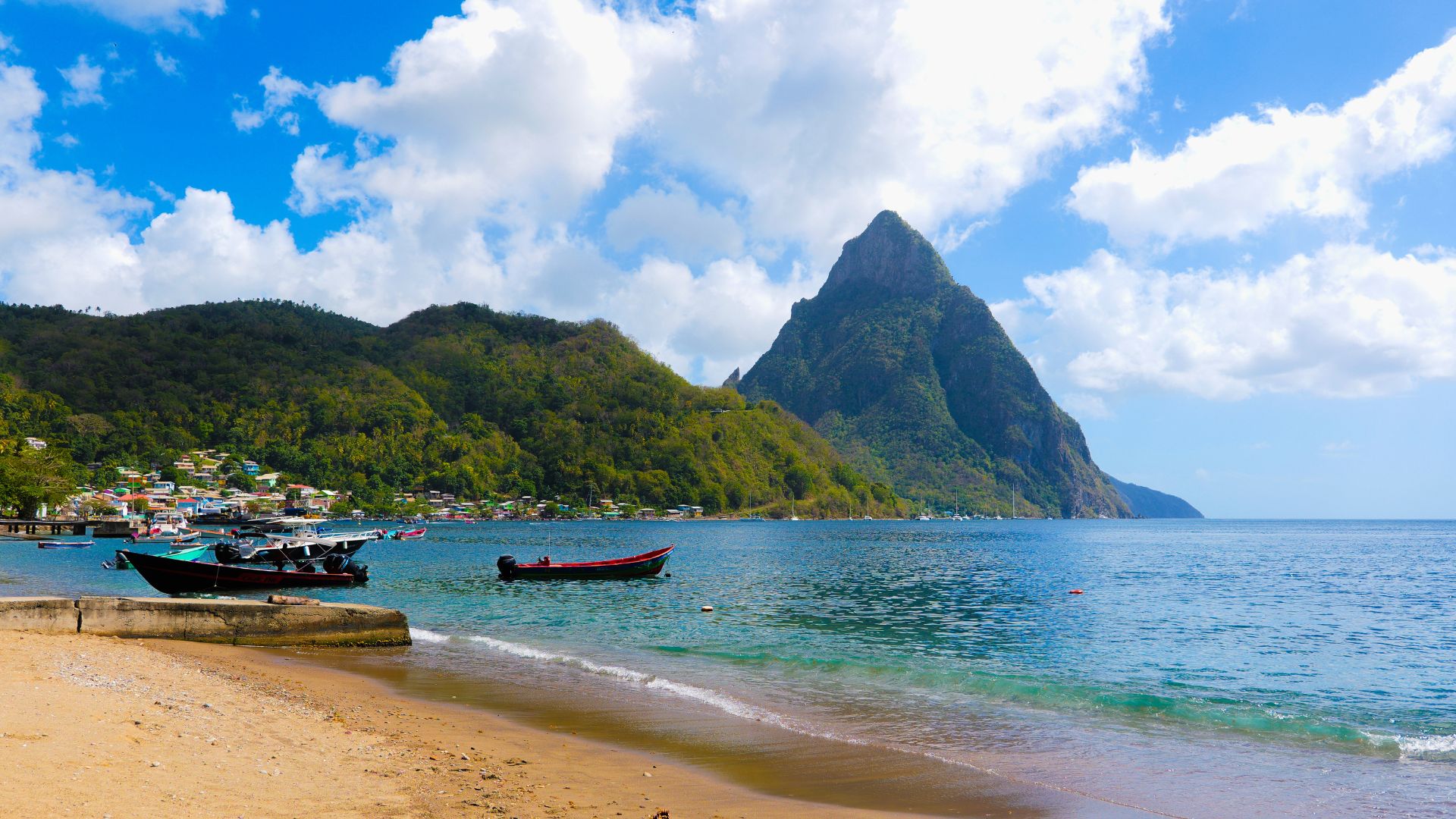
    In a significant move to address regional water scarcity, Dominica’s Prime Minister Roosevelt Skerrit declared on Wednesday the nation’s readiness to commence water exports to neighboring Caribbean islands, with St. Lucia being the first prospective partner. This initiative leverages Dominica’s substantial freshwater reserves and established port infrastructure to create a new framework for regional water security.

    Prime Minister Skerrit revealed that the formal request originated from the Government of St. Lucia, which sought to evaluate Dominica’s capacity as a potential water supplier. “We have confirmed our capability to fulfill such requests, given our strategically equipped port facilities designed for this exact purpose,” Skerrit stated during a press briefing. While acknowledging the pervasive challenges posed by climate change on water systems throughout the Caribbean—including Dominica’s own—the Prime Minister affirmed the country’s unique position to extend humanitarian and resource support to its neighbors.

    Characterizing the water export concept as a long-debated regional strategy, Skerrit noted, “This topic has been a recurring subject of discussion at both national and CARICOM levels for many years. Today, Dominica is finally in a position to realistically supply water across the Caribbean.”

    Emphasizing the critical importance of water security, Skerrit urged member states of the Caribbean Community (CARICOM) and the Organisation of Eastern Caribbean States (OECS) to prioritize collaborative resource sharing. He recalled previously advocating for this issue in regional forums and stressed the need to develop mechanisms that ensure equitable water access for all nations. “We must address how water-rich nations can reliably support those facing shortages,” he emphasized.

    To advance the dialogue with St. Lucia, the matter has been formally delegated to the Dominica Water and Sewerage Company (DOWASCO). Ambassador Ian Douglas Bardouille has been appointed to lead inter-agency coordination, underscoring the government’s commitment to efficient and structured implementation. Skerrit reiterated Dominica’s dedication to supporting St. Lucia, describing the two nations as longstanding allies with a shared interest in sustainable development.

  • UN votes to recognise enslavement of Africans as ‘gravest crime against humanity’

    UN votes to recognise enslavement of Africans as ‘gravest crime against humanity’

    In a historic move, the United Nations General Assembly has formally designated the enslavement of Africans during the transatlantic slave trade as ‘the gravest crime against humanity.’ The resolution, championed by Ghana and supported by the African Union and Caribbean Community, received overwhelming approval with 123 nations voting in favor. Only three countries—the United States, Israel, and Argentina—opposed the measure, while 52 nations, including the United Kingdom and several European Union member states, abstained.

    The resolution not only establishes this historical classification but also urges member states to consider issuing formal apologies and contributing to a global reparations fund. While no specific monetary amount is stipulated, advocates emphasize that reparatory justice should support educational endowments, skills training programs, and heritage preservation initiatives rather than direct payments to governments.

    Ghanaian President John Mahama addressed the assembly prior to the vote, stating, ‘Let it be recorded that when history beckoned, we did what was right for the memory of the millions who suffered the indignity of the slave trade and those who continue to suffer racial discrimination.’ He emphasized that the resolution serves as ‘a safeguard against forgetting’ and confronts the enduring scars of slavery that continue to manifest as racial inequalities and underdevelopment affecting people of African descent worldwide.

    The vote revealed significant geopolitical divisions regarding historical accountability. The United Kingdom acknowledged the ‘untold harm and misery’ caused by the slave trade but expressed reservations about the resolution’s wording and legal implications. U.S. Ambassador Dan Negrea articulated stronger objections, stating that the United States ‘does not recognize a legal right to reparations for historical wrongs that were not illegal under international law at the time they occurred.’ He criticized what he characterized as the ‘cynical usage of historical wrongs as a leverage point to reallocate modern resources.’

    The resolution additionally calls for the repatriation of cultural artifacts looted during the colonial era, with Ghanaian officials emphasizing the spiritual and cultural significance of these items. The debate also touched upon contemporary American politics, with Ghana’s president criticizing the Trump administration’s cultural policies, while the U.S. delegation defended the president’s record with African American communities.

    Historical context provided in the resolution notes that between 1500 and 1800, approximately 12-15 million Africans were forcibly transported to the Americas, with an estimated two million perishing during the treacherous journey. The resolution asserts that the consequences of this centuries-long system continue to reverberate through persistent racial discrimination and economic disparities.

  • Dominican Republic participates in KIZUNA seminar on disaster risk reduction

    Dominican Republic participates in KIZUNA seminar on disaster risk reduction

    Santiago, Chile – A landmark international initiative dedicated to enhancing disaster preparedness throughout Latin America and the Caribbean has successfully concluded after a ten-year run. The KIZUNA Project (2015–2026), a collaborative effort spearheaded by the governments of Chile and Japan, held its final seminar to review its substantial achievements in regional capacity building.

    The closing event, co-organized by the Chilean Agency for International Cooperation for Development (AGCID) and the Japan International Cooperation Agency (JICA), served as a platform for regional reflection. Key institutions, including the National Office of Seismic Evaluation and Vulnerability of Infrastructure and Buildings (ONESVIE) of the Dominican Republic and representatives from the Inter-American Development Bank, gathered to assess the project’s legacy.

    Leonardo Reyes, Director of ONESVIE, presented a comprehensive overview of the Dominican Republic’s advancements under the KIZUNA framework. His presentation detailed significant national progress in critical areas such as seismic vulnerability assessment, institutional fortification, and integrated risk management strategies. Reyes underscored the indispensable value of multinational partnerships, stating that such cooperation is fundamental to constructing communities that are both safer and more resilient to natural disasters.

    The consensus among participants highlighted the project’s profound impact. Over its decade-long implementation, KIZUNA was instrumental in providing advanced training for thousands of disaster management professionals across the region. Its core success lies in its effective strengthening of institutional capabilities and the vigorous promotion of a collaborative network among nations, significantly improving the region’s collective response mechanisms for climate-related events and seismic threats.

  • The War is disrupting the delivery of used cars headed to countries globally

    The War is disrupting the delivery of used cars headed to countries globally

    An escalating international conflict is creating severe disruptions within the global automotive sector, specifically crippling the supply chain for pre-owned vehicles. This logistical crisis is halting the delivery of millions of second-hand cars destined for markets worldwide, creating a ripple effect that impacts economies, businesses, and consumers from emerging nations to developed countries.

    The disruption originates in key transit corridors and shipping lanes that have become inaccessible or perilous due to geopolitical hostilities. Major export hubs, primarily reliant on maritime transport, are experiencing unprecedented delays and cancellations. This has stranded vast inventories of vehicles at ports, leaving dealerships overseas with rapidly depleting stock and forcing market prices to surge unexpectedly.

    Industry analysts report that nations dependent on imported used vehicles for affordable personal and commercial transportation are facing an acute shortage. This is not only stifling mobility but also hindering small businesses that rely on these cost-effective vehicles for logistics and operations. The scarcity is triggering inflationary pressures in local markets, making basic transportation increasingly unaffordable for the average citizen.

    The long-term implications extend beyond immediate logistics. The paralysis of this multi-billion-dollar trade segment threatens to reshape global automotive market dynamics, potentially accelerating the shift towards local manufacturing and alternative mobility solutions. Stakeholders across the spectrum are urgently calling for diplomatic interventions to establish safe passage corridors and mitigate the widespread economic fallout.

  • Van Pakistan tot Egypte: oorlog met Iran drijft prijzen op in het mondiale Zuiden

    Van Pakistan tot Egypte: oorlog met Iran drijft prijzen op in het mondiale Zuiden

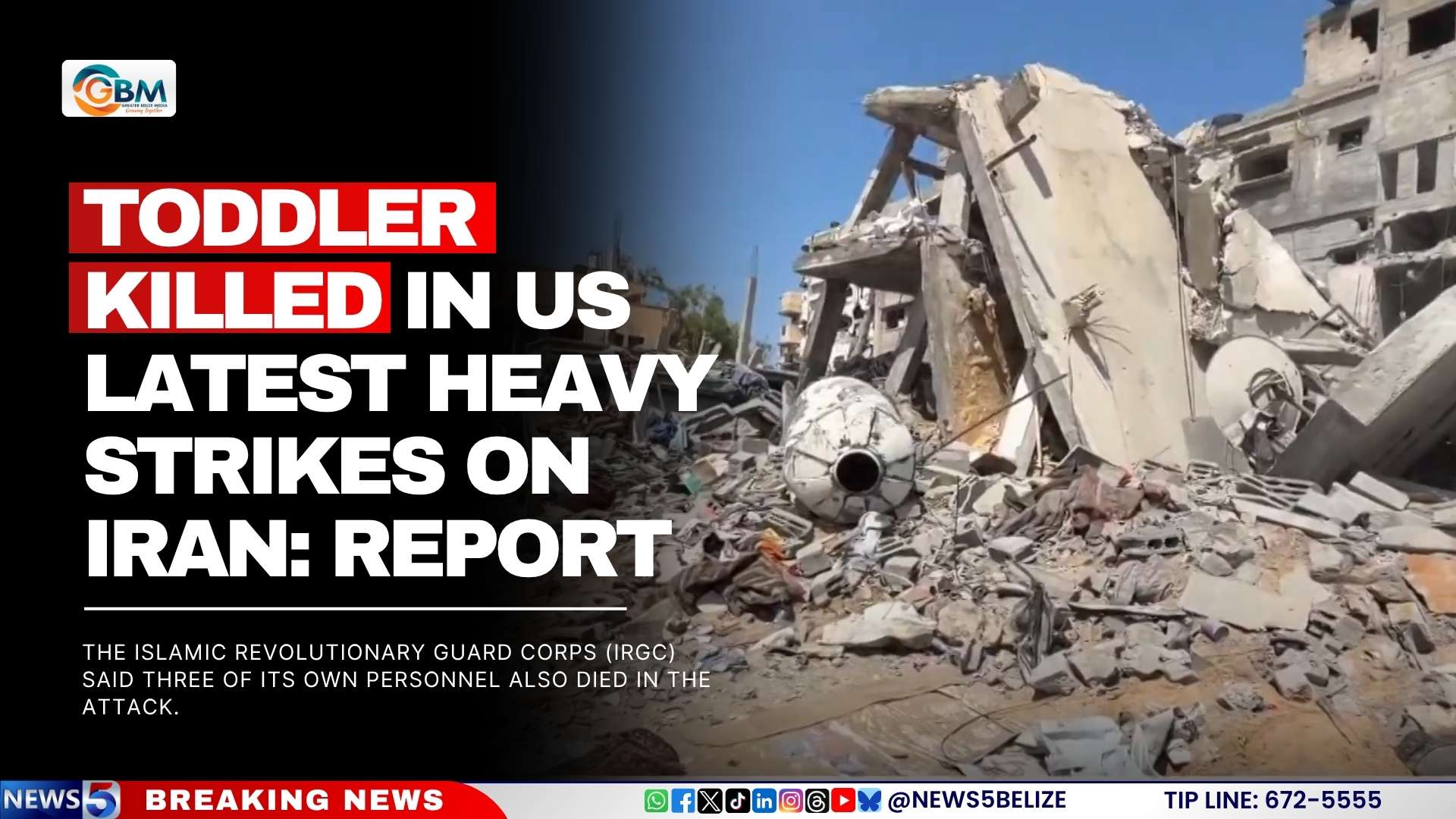
    The escalating military conflict between the United States, Israel, and Iran has triggered a global energy crisis that disproportionately impacts the world’s most vulnerable economies across Asia, Africa, and the Middle East. As supply disruptions from the Strait of Hormuz closure and attacks on Gulf energy facilities drive oil prices upward, developing nations with high import dependency and limited fiscal capacity face unprecedented economic challenges.

    Pakistan exemplifies the crisis, importing approximately 80% of its energy from the Gulf region while battling persistent economic instability. With fuel reserves projected to deplete within weeks, authorities have implemented emergency measures including school closures, a four-day government workweek, and drastic reductions in official travel allowances. Prime Minister Shehbaz Sharif has temporarily absorbed price increases ahead of Eid al-Fitr celebrations, though economists warn this reprieve may be short-lived.

    Neighboring Bangladesh, which imports 95% of its oil, has already exhausted fuel supplies in several districts despite implementing rationing systems. Similarly, Sri Lanka—still recovering from its 2019 economic collapse—has declared weekly holidays and introduced mandatory fuel passes for vehicle owners as reserves dwindle dangerously low.

    In Egypt, among the Middle East’s most indebted economies, the government has ordered commercial establishments to close early and reduced public lighting. Officials announced 15-22% price hikes for gasoline, diesel, and cooking gas in March, with President Abdel Fattah el-Sisi acknowledging public hardship while insisting these measures prevent “more serious and dangerous consequences.”

    The crisis compounds existing vulnerabilities through currency depreciation against the US dollar, with currencies like Indonesia’s rupiah and the Philippine peso hitting near-record lows even before the conflict. This depreciation makes oil imports substantially more expensive, creating what economist Yeah Kim Leng describes as “a powerful combination of inflation, currency pressure, and budgetary pressure” for nations already struggling with debt and high import dependency.

    According to the Washington-based Centre for Global Development, Pakistan, Bangladesh, Sri Lanka, Jordan, Senegal, Egypt, Angola, Ethiopia, and Zambia face the highest risk due to their fuel import reliance, debt levels, and foreign exchange reserve ratios.

    The human impact remains severe across less developed economies, where households spend significantly larger portions of income on fuel and food. Governments possess limited capacity to provide safety nets, creating conditions ripe for social unrest when subsidy programs become unsustainable amid depleted budgetary reserves.

    As analyst Khalid Waleed notes from Islamabad, rising diesel costs—the backbone of freight and agricultural economies—will soon translate to higher food prices. With Pakistan’s wheat harvest commencing in April, equipment running on diesel will operate at peak costs, potentially driving food inflation to levels that households cannot absorb.

  • Global community celebrates passage of UN resolution on Transatlantic slavery

    Global community celebrates passage of UN resolution on Transatlantic slavery

    In a historic move with profound global implications, the United Nations General Assembly has formally recognized the transatlantic trafficking of enslaved Africans and racialized chattel enslavement as humanity’s most severe crime. The groundbreaking resolution, championed by Ghana and supported overwhelmingly by 123 member states, establishes an unprecedented international framework for addressing slavery’s enduring legacy.

    The declaration, formally titled ‘Declaration of the Trafficking of Enslaved Africans and Racialised Chattel Enslavement of Africans as the Gravest Crime Against Humanity,’ received mixed international response. While CARICOM nations unanimously endorsed the measure and numerous African diaspora communities celebrated its passage, significant geopolitical divisions emerged. Fifty-two countries abstained from voting, including all European Union members, while Argentina, Israel, and the United States constituted the three opposing votes.

    UN Secretary-General António Guterres characterized the transatlantic slave trade as ‘a profound betrayal of human dignity’ that established exploitative global systems whose repercussions continue to shape modern societies. ‘Remembrance alone is not enough,’ Guterres emphasized, calling for concrete actions to address systemic racism, implement reparatory justice, and accelerate inclusive development for communities of African descent.

    The resolution mandates comprehensive measures including establishment of reparations frameworks, enhanced historical research initiatives, educational reforms, and healing programs. CARICOM, which has long advocated for reparatory justice, welcomed the declaration as a pivotal step toward addressing slavery’s harmful legacies through international cooperation and decisive action.

    This diplomatic achievement occurs alongside global initiatives including the UN’s Second International Decade for People of African Descent and the African Union’s Decade of Reparations, creating unprecedented momentum for addressing historical injustices through policy reform and developmental equity.

  • Dominican Republic joins global effort to protect high seas

    Dominican Republic joins global effort to protect high seas

    In a significant move for international marine conservation, the Dominican Republic has formally ratified the groundbreaking Agreement on the Conservation and Sustainable Use of Marine Biodiversity in Areas Beyond National Jurisdiction (BBNJ). Ambassador Wellington Bencosme, the nation’s Permanent Representative to the United Nations, executed the official deposition of the ratification instrument at the UN headquarters, accompanied by senior officials from the Ministry of Foreign Affairs.

    This ratification positions the Caribbean nation as the 87th country to endorse this pivotal international framework. The Dominican government articulated that this action reinforces its dedication to multilateral cooperation, the preservation of oceanic environments, and the adherence to international legal standards. As an island state whose economy and food security are intrinsically linked to marine resources, the country emphasized the critical importance of unified global efforts to safeguard marine ecosystems for sustainable development.

    The administration further detailed that the BBNJ Treaty will enhance global ocean governance through several key mechanisms: advancing marine scientific research, facilitating the establishment of marine protected areas in international waters, and promoting the transfer of marine technology and capacity-building initiatives. These provisions are deemed particularly crucial for supporting developing nations and Small Island Developing States (SIDS).

    Widely recognized as the first legally binding international instrument dedicated to protecting biodiversity in the high seas—which constitute approximately two-thirds of the world’s oceans—the BBNJ Agreement introduces comprehensive measures. These include mandatory environmental impact assessments for activities with potential effects on the marine environment and frameworks for the fair and equitable sharing of benefits arising from marine genetic resources. The overarching goal is to combat the escalating crises of ocean degradation and biodiversity loss.

    By completing this ratification, the Dominican Republic now stands among the vanguard of nations championing the treaty’s implementation. The country is set to actively participate in the preparatory proceedings for the inaugural Conference of the Parties (COP), where the operational details and future trajectory of the agreement will be established.