分类: world

  • Iran ‘raakt’ Amerikaanse AWACS-vliegtuigen en tankvliegtuigen

    Iran ‘raakt’ Amerikaanse AWACS-vliegtuigen en tankvliegtuigen

    In a significant escalation of the ongoing US-Israel military campaign against Iran, Tehran has demonstrated formidable asymmetric warfare capabilities by successfully targeting critical American air defense assets across the Middle East. According to multiple defense sources, Iranian forces have damaged or destroyed radar systems, THAAD missile defenses, and Reaper drones at US bases in Saudi Arabia, UAE, Bahrain, Jordan, and Kuwait throughout February and March.

    The most devastating strike occurred Friday at Prince Sultan Air Base in Saudi Arabia, approximately 96 kilometers southeast of Riyadh. Iranian rockets and drones reportedly damaged multiple KC-135 aerial refueling tankers and an E-3 Sentry AWACS (Airborne Warning and Control System) aircraft. Air & Space Forces Magazine confirmed the attack left at least 15 American personnel wounded, with five in serious condition, though neither US military officials nor Saudi authorities have formally commented.

    Satellite imagery published by Iran’s Press TV appears to show extensive damage to aircraft at the base following the attacks. If verified, this represents the second assault on the facility within a week, following a March 13 incident that damaged five KC-135s according to Wall Street Journal sources.

    Military experts emphasize the strategic significance of targeting the E-3 Sentry, a modified Boeing 707/320 aircraft that serves as the US Air Force’s primary airborne battle management system. Retired Colonel John Venable told WSJ the attack “harms the US ability to see what’s happening in the Gulf and maintain situational awareness.” Heather Penney, former F-16 pilot and research director at Mitchell Institute for Aerospace Studies, noted the loss “is incredibly problematic given how crucial these battle managers are for everything from de-escalating airspace conflicts to targeting and delivering lethal effects.”

    The AWECS platform, operational since 1977, provides surveillance across all altitudes and weather conditions with a radar range exceeding 375 kilometers. With only 16 E-3s in service, the US had deployed six to bases in Europe and the Middle East during the current conflict.

    Beyond aerial attacks, Iran has effectively blockaded the Strait of Hormuz—transit point for 20% of global oil shipments—driving crude prices above $100 per barrel, a 40% increase since hostilities began. The Pentagon is reportedly preparing a $200 billion supplemental budget request to replace damaged systems amid concerns about dwindling missile inventories.

    Casualty estimates indicate at least 13 US military fatalities and approximately 200 wounded since the conflict began one month ago. Iranian health authorities report at least 1,900 killed and over 18,000 wounded nationally.

  • Cubans ready for Russian oil but some say not enough

    Cubans ready for Russian oil but some say not enough

    HAVANA, Cuba — A Russian-flagged oil tanker, the Anatoly Kolodkin, docked in Cuba’s port of Matanzas on Tuesday, delivering 730,000 barrels of crude in the first such shipment to the island nation since January. The arrival comes as Cuba grapples with severe blackouts, fuel rationing, and crippling transportation shortages, exacerbating public frustration with the communist government.

    The shipment, permitted through a temporary exemption by the Trump administration, represents a complex geopolitical maneuver. While U.S. President Donald Trump stated he had “no problem” with Russia or other nations providing oil for humanitarian reasons, he simultaneously dismissed the gesture as insignificant, declaring, “Cuba’s finished.” The White House clarified that the decision was made on a case-by-case basis and did not signal a broader shift in sanctions policy.

    Cuban citizens expressed mixed reactions to the development. Many, like retiree Rosa Perez, welcomed the relief, stating, “We’ll welcome it with open arms. You have no idea how badly we need that oil.” Others were more skeptical. Raul Pomares, a gardener in Havana, called it “a drop in the bucket” and “a symbolic gesture that won’t have any real impact on the economy for ordinary Cubans.”

    Energy experts estimate the shipment will yield approximately 250,000 barrels of diesel upon refining, enough to meet national demand for just 12.5 days. Jorge Piñon, an energy sector specialist at the University of Texas at Austin, explained the government now faces a critical decision on allocating these limited resources between backup power generators and the transportation sector.

    The crisis intensified earlier this year after the U.S. captured Venezuela’s socialist leader Nicolás Maduro, depriving Cuba of its primary regional ally and oil supplier. The situation has triggered rare public protests over persistent shortages of food, medicine, and other essentials. As retiree Orlando Ocaña noted, the Russian aid is merely a “Band-Aid,” with the real solution lying in long-term infrastructure investment, such as building new thermoelectric power plants.

  • $8-billion agriculture shield

    $8-billion agriculture shield

    In a landmark decision during its 44th board meeting in Songdo, South Korea, the Green Climate Fund (GCF) has greenlit a transformative US$50 million initiative to bolster climate resilience among small-scale farmers in Jamaica’s most vulnerable agricultural regions. The ADAPT Jamaica project, co-financed through a strategic partnership between international and local entities, represents the nation’s first single-country climate investment from the GCF.

    The funding structure comprises a substantial US$35 million grant from the GCF, supplemented by US$15 million in counterpart funding from the Jamaican Government. This collaborative effort brings together the Food and Agriculture Organization of the United Nations (FAO), Jamaica Social Investment Fund (JSIF), the Ministry of Agriculture, Fisheries and Mining, and the Development Bank of Jamaica (DBJ) as executing partners.

    The initiative will concentrate its efforts across six central parishes—Clarendon, Manchester, St Ann, St Catherine, St Elizabeth, and Trelawny—which collectively produce approximately 70% of Jamaica’s domestic food supply. These regions face escalating climate vulnerabilities including intensified hurricane patterns, prolonged droughts, and increasingly erratic rainfall, all of which have significantly compromised agricultural yields and threatened rural livelihoods.

    Minister of Water, Environment and Climate Change Matthew Samuda emphasized the project’s critical timing, noting recent devastating climate events including Hurricane Beryl (2024) which caused over US$30 million in losses, and Hurricane Melissa (2025)—the first Category 5 storm to make direct landfall in Jamaica—resulting in billions of dollars in damage.

    The comprehensive program will implement multifaceted interventions including climate-resilient farming practices, enhanced water management systems, post-harvest infrastructure, and improved climate information services. Demonstration sites will feature hurricane-resistant protected agriculture infrastructure capable of withstanding Category 4-5 storms, solar-powered irrigation and storage systems, and agroforestry practices to combat soil erosion.

    With an expected reach exceeding 736,000 beneficiaries—including 334,421 women—the project aims to significantly reduce post-harvest food losses (currently estimated at 30-40% for many crops) while stabilizing farmer incomes through strengthened market linkages and financial access.

  • US Embassy pleased with support for mental health in Jamaican communities post-Hurricane Melissa through Project HOPE

    US Embassy pleased with support for mental health in Jamaican communities post-Hurricane Melissa through Project HOPE

    BARRETT TOWN, St James — The United States Embassy has publicly commended the critical mental health initiatives implemented by Project HOPE in Jamaica, specifically designed to aid recovery from Hurricane Melissa’s devastating impact last October. During a recent site visit, Chargé d’Affaires Scott Renner emphasized the often-overlooked psychological dimension of disaster recovery, highlighting that true rehabilitation extends beyond physical reconstruction.

    Renner articulated that comprehensive rebuilding involves restoring individual mental well-being as a prerequisite for family and community recovery. His assessment followed direct observations at a Project HOPE Mobile Medical Unit in Barrett Town, where integrated health services are being delivered to affected populations. The diplomat revealed his particular focus on mental health evaluations during interactions with residents, noting that psychological trauma frequently remains concealed beneath surface normalcy.

    The program’s specialized attention toward children affected by the hurricane received particular praise. Renner observed that young survivors often experience compounded stress due to familial economic instability and developmental understanding limitations regarding natural disasters. This intervention forms part of a substantial $2 million partnership funded by U.S. taxpayers, embedded within a broader $22 million relief package allocated for Jamaican recovery efforts.

    Operational since November 6, the initiative has deployed 82 mobile medical units nationwide delivering multifaceted support including sanitation kit distribution, medical care, prescription services, and psychological counseling. Kemesha Swaby, Emergency Response Coordinator for Project HOPE Jamaica, explained the organization’s holistic methodology: “As a global health organization, we perceive health comprehensively—mental wellbeing is inseparable from physical health. Our integrated approach combines mental health specialists with mobile medical units to address overall wellness.”

    Local residents expressed profound appreciation for the program. Sattahue Grange from Barrett Town reported acquiring practical coping mechanisms for mental health challenges, while Avea Campbell of Spot Valley acknowledged the support received after losing her home and possessions. The Project HOPE initiative is scheduled to continue operations for an additional month, expanding its reach to more communities requiring post-disaster assistance.

  • Japan viert 50 jaar diplomatie met Suriname met traditioneel fluitconcert

    Japan viert 50 jaar diplomatie met Suriname met traditioneel fluitconcert

    In a significant cultural demonstration marking five decades of diplomatic relations between Japan and Suriname, the Japanese Embassy hosted a captivating Shakuhachi concert in Paramaribo on Friday. The event, organized in collaboration with the Chamber of Commerce and Industry, Suriname Conservatory, and Spice Quest, showcased Japan’s rich musical heritage through the mesmerizing sounds of the traditional bamboo flute.

    The evening’s centerpiece featured renowned Japanese Shakuhachi master and composer Yosuke Irie, whose performance transported attendees into a meditative soundscape characteristic of Japan’s ancient musical traditions. Irie’s masterful interpretation created an atmosphere of profound tranquility and cultural appreciation among the diverse audience.

    Following his performance, Irie engaged directly with attendees, providing detailed explanations of the instrument’s historical significance and demonstrating specialized playing techniques. In a symbolic gesture strengthening cultural ties, the artist personally presented a Shakuhachi flute to Charmain Belfor, Director of the Suriname Conservatory, facilitated by Japanese Ambassador Akima Umezawa.

    The embassy emphasized that this cultural initiative underscores the continuing importance of artistic exchange in fostering mutual understanding between the two nations. Officials expressed strong commitment to further developing such collaborative cultural programs, recognizing them as essential components of international diplomacy and cross-cultural appreciation.

  • Passengers stranded at AILA protest and demand answers

    Passengers stranded at AILA protest and demand answers

    A scene of collective frustration unfolded at Las Américas International Airport José Francisco Peña Gómez (AILA) in the Dominican Republic this Friday, where 435 passengers bound for Madrid found themselves stranded due to an aircraft malfunction. The disruption began on Thursday evening when World2Fly Flight 2W 3410, scheduled for the Santo Domingo-Madrid (SDQ-MAD) route, was abruptly suspended after technicians identified a mechanical issue requiring immediate safety repairs.

    Passengers described experiencing hours of informational void as airline representatives initially provided minimal assistance or clarity regarding their situation. The atmosphere grew increasingly tense throughout Thursday night and into Friday morning, with travelers reporting feelings of desperation and distress due to the communication breakdown.

    The situation escalated into a visible protest at the terminal entrance as frustrated passengers demanded answers and viable travel alternatives. In response to mounting tensions, airport security personnel reinforced controls in the area to maintain order and prevent potential disturbances.

    Amid the turmoil, partial resolutions began emerging. The airline initiated transfers via minibus to accommodate stranded travelers in various hotels throughout the capital. Héctor Porcella Dumas, President of the Civil Aviation Board (JAC), intervened personally, confirming that World2Fly had committed to providing comprehensive assistance including meals, accommodations, and necessary facilities until operations normalize.

    JAC facilitation inspectors were deployed to oversee passenger care coordination with airport committees. While the original aircraft remains under technical maintenance, authorities are exploring contingency plans including deploying alternative aircraft or relocating passengers to other carriers. The institution continues monitoring the situation to ensure passenger rights are upheld throughout the resolution process.

  • Suriname en China markeren 50 jaar diplomatieke banden met reeks activiteiten

    Suriname en China markeren 50 jaar diplomatieke banden met reeks activiteiten

    The Chinese Embassy in Suriname has unveiled comprehensive plans to commemorate the 50th anniversary of diplomatic relations between China and Suriname, established on May 28, 1976. Ambassador Lin Ji announced a multifaceted celebration program beginning with a specially produced documentary series that explores the nations’ shared history and future prospects.

    The inaugural documentary, ‘Roots and Legacy: Echoes Across a Century,’ premiered today on ATV and SCTV, marking the start of five films examining bilateral relations. The documentary series, produced through collaboration between Chinese diplomatic channels and local Surinamese media companies, was officially launched at the Chinese Embassy last Friday.

    Ambassador Lin Ji revealed that the documentary collection explores five thematic areas: historical exchanges dating back to 1853 when the first Chinese immigrants arrived in Suriname; high-level bilateral engagements over the past five decades; cooperative efforts within China’s Belt and Road Initiative; cultural integration between the two nations; and future-oriented perspectives on Sino-Surinamese relations.

    The ambassador emphasized that additional anniversary activities will include increased official exchanges at all governmental levels, a formal reception commemorating 50 years of diplomatic ties, and organized visits to China for Surinamese friends and mainstream media representatives. The celebration will further feature large-scale ‘Experience China’ events designed to showcase Chinese technology, trade opportunities, and cultural offerings to Surinamese society, alongside singing competitions that promote cultural exchange.

    Lin Ji described the documentary series as highlighting the ‘unbreakable friendship between China and Suriname that has endured across mountains, oceans, and changing eras,’ noting that the films emphasize the deep people-to-people connections that have developed between the two nations over centuries.

  • Saint Kitts and Nevis Leads with Compassion: US$100,000 Contribution to CARICOM Humanitarian Effort for Cuba

    Saint Kitts and Nevis Leads with Compassion: US$100,000 Contribution to CARICOM Humanitarian Effort for Cuba

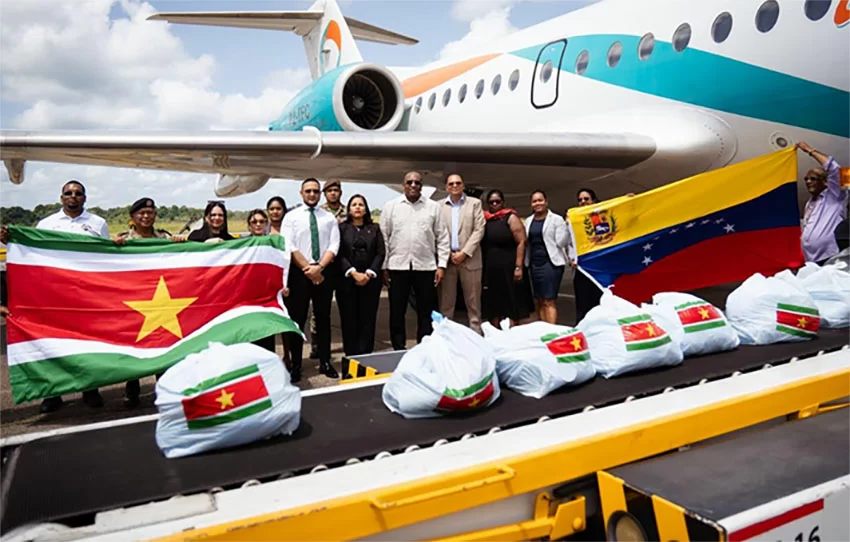
    In a powerful demonstration of long-standing regional solidarity and reciprocal compassion, the Federation of Saint Kitts and Nevis has officially disbursed an initial $100,000 contribution to the Caribbean Community (CARICOM) collective humanitarian initiative for Cuba. This payment marks the first installment toward the bloc’s $500,000 total target to support the Cuban people amid ongoing hardship.

    The commitment was first formalized during the landmark 50th Regular Meeting of the CARICOM Conference of Heads of Government, hosted by Saint Kitts and Nevis between February 24 and 27, 2026. At that gathering, Prime Minister of Saint Kitts and Nevis Dr. Terrance M. Drew, who currently holds the rotating position of CARICOM Chairman, unveiled the regional plan to mobilize urgently needed relief across all member states for Cuban communities.

    Coordinated by the CARICOM Secretariat headquartered in Georgetown, Guyana, the cross-national initiative will oversee the sourcing, purchase, and transportation of critical necessities to Cuba. The aid package covers a broad range of high-priority items: nutrition-focused supplies including powdered milk and infant formula, shelf-stable food staples such as beans, wheat flour, rice and canned goods, basic pharmaceutical and medical equipment, and key infrastructure supplies including solar panels, rechargeable batteries and water storage tanks to support basic community services.

    Notably, the regional relief effort has also received international backing from the Government of Mexico, which has stepped in to connect the initiative with verified local suppliers that can fulfill the order requirements. Mexico will additionally cover all costs for shipping the collected supplies from Mexican departure ports to Cuba, removing a major logistical and financial barrier to the effort.

    Speaking on the contribution, Prime Minister Drew emphasized that Saint Kitts and Nevis holds unwavering solidarity with the Cuban people during their current period of difficulty. He framed the donation not as an act of charity, but as a reciprocal gesture of gratitude from a fellow Caribbean family member, pointing to decades of Cuban support for regional Caribbean nations.

    “Cuba has never turned its back on the Caribbean. When our people needed doctors, Cuba sent them. When our students needed access to affordable, quality education, Cuba opened its classrooms to us. When natural disaster devastated our communities, Cuba was among the first nations to extend a hand of assistance,” Drew explained. “Today, we return that kindness not as charity, but as family. This is what CARICOM is meant to be—standing together, sharing burdens, and ensuring that no member of our Caribbean family faces hardship alone. Saint Kitts and Nevis is proud to contribute, and we stand ready to offer whatever further assistance we can in the days ahead.”

    The cross-border humanitarian initiative embodies the core founding values of CARICOM: intentional collaboration, coordinated collective action, and mutual care among member states. As regional governments align to alleviate the challenges facing the Cuban people, the effort also reinforces the Caribbean bloc’s long-standing commitment to multilateral dialogue, mutual sovereign respect, and collaborative, peaceful problem-solving for shared regional challenges.

    Drew concluded by reaffirming that the government of Saint Kitts and Nevis will maintain its commitment to supporting Cuba and advancing humanitarian cooperation and regional cohesion across the CARICOM bloc in all future efforts.

  • OECS BioSPACE Boosts Fisheries in Dominica with Ice Cooler Handover

    OECS BioSPACE Boosts Fisheries in Dominica with Ice Cooler Handover

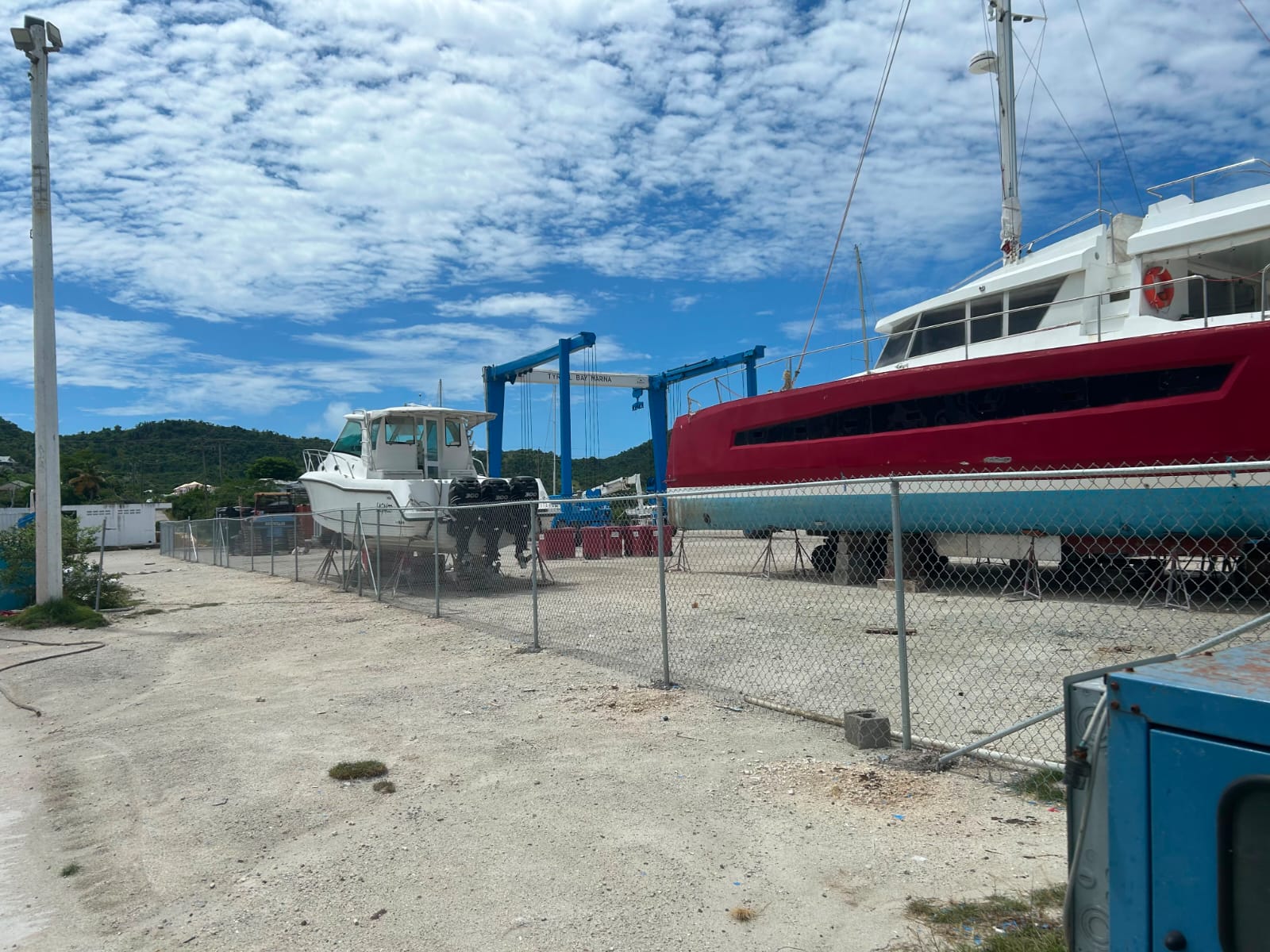
    In a significant move to bolster sustainable fishing practices, the Organisation of Eastern Caribbean States (OECS) Commission is set to distribute ice coolers to fisher communities in Dominica on March 31, 2026. This initiative falls under the European Union-funded Biodiversity Support Programme for ACP Coastal Environments (BioSPACE), implemented in partnership with the Dominican government.

    The equipment handover ceremony will witness participation from key stakeholders including Chief Fisheries Officer Ms. Wynnona Joseph, government representatives, and members of the Mahaut and Layou fishing communities. This intervention addresses critical post-harvest challenges by enabling improved fish storage and preservation systems.

    Beyond reducing spoilage and enhancing product quality, these ice coolers are projected to increase the economic value of fishermen’s catches. The initiative represents a practical approach to strengthening community resilience while promoting responsible marine resource management.

    The BioSPACE project’s comprehensive approach extends beyond fisheries support. In 2024, the program enhanced mariculture development in Woodford Hill Bay through the donation of a locally manufactured fiberglass boat to seamoss farmers. This intervention particularly benefited women-led enterprises and rural communities, facilitating equipment transport and improved harvesting capabilities.

    These efforts collectively contribute to Dominica’s emerging blue economy, balancing ecological conservation with economic advancement. Beneficiaries will receive guidance on equipment maintenance to ensure long-term sustainability and continued community benefits from these resource enhancements.

  • Dominica strengthens marine protection framework as new research highlights global importance of local sperm whale habitat

    Dominica strengthens marine protection framework as new research highlights global importance of local sperm whale habitat

    In a landmark move for marine conservation, the Caribbean nation of Dominica has formally established the world’s first Sperm Whale Reserve through the creation of a dedicated governance board and operational team. The decision, approved by Cabinet on March 24th, represents a comprehensive implementation of the Sperm Whale Reserve Act designed to protect one of the ocean’s most intelligent creatures.

    The newly formed Sperm Whale Reserve Board will provide strategic oversight, policy direction, and governance framework for managing the protected marine area. This governing body will guide conservation efforts aimed at safeguarding sperm whale populations while ensuring sustainable use of marine resources within the designated reserve.

    Complementing the board’s establishment, Cabinet approved the creation of two critical operational positions: Chief Sperm Whale Reserve Officer and Sperm Whale Reserve Rangers. The Chief Officer will coordinate all reserve activities, while the Rangers will conduct monitoring, enforcement, surveillance, and public education programs to ensure compliance with conservation regulations.

    This conservation initiative comes at a pivotal moment as international scientific research continues to highlight Dominica’s exceptional role in sperm whale preservation. A groundbreaking study by Project CETI (Cetacean Translation Initiative) documented one of the most comprehensive recordings of a sperm whale birth ever captured, which occurred off Dominica’s coast on July 8, 2023. Using drone footage, underwater audio, and behavioral observations, researchers captured rare cooperative behavior among 11 whales assisting a newborn calf—the most extensive natural record of any cetacean birth to date.

    Dominica’s waters host one of the world’s most studied and socially stable sperm whale family units, making the island a globally significant site for understanding whale communication, behavior, and evolution. Dominican researchers played crucial roles in the international study, with findings underscoring both the ecological importance of the island’s marine environment and the necessity of long-term conservation measures.

    Government officials emphasize that the reserve’s establishment aligns with Dominica’s broader commitment to environmental stewardship, sustainable development, and climate resilience. The initiative positions the island nation as a leader in marine conservation at a time when scientific evidence increasingly demonstrates the global value of its unique marine ecosystems.