The Middle East conflict has entered a perilous new phase marked by diplomatic defiance, escalating military actions, and severe humanitarian consequences. Iran’s ambassador to Lebanon is refusing to depart the country despite being declared persona non grata and ordered to leave by Sunday, according to an Iranian diplomatic source. This diplomatic standoff unfolds against a backdrop of intensified violence.
Military engagements have expanded significantly. Israeli Prime Minister Benjamin Netanyahu has ordered the military to further expand a security zone in Lebanon, where the health ministry reports 1,238 fatalities since conflict with Hezbollah reignited on March 2. Cross-border strikes continue with Kuwait’s defense ministry reporting 10 service members wounded in a camp attack attributed to Iran.
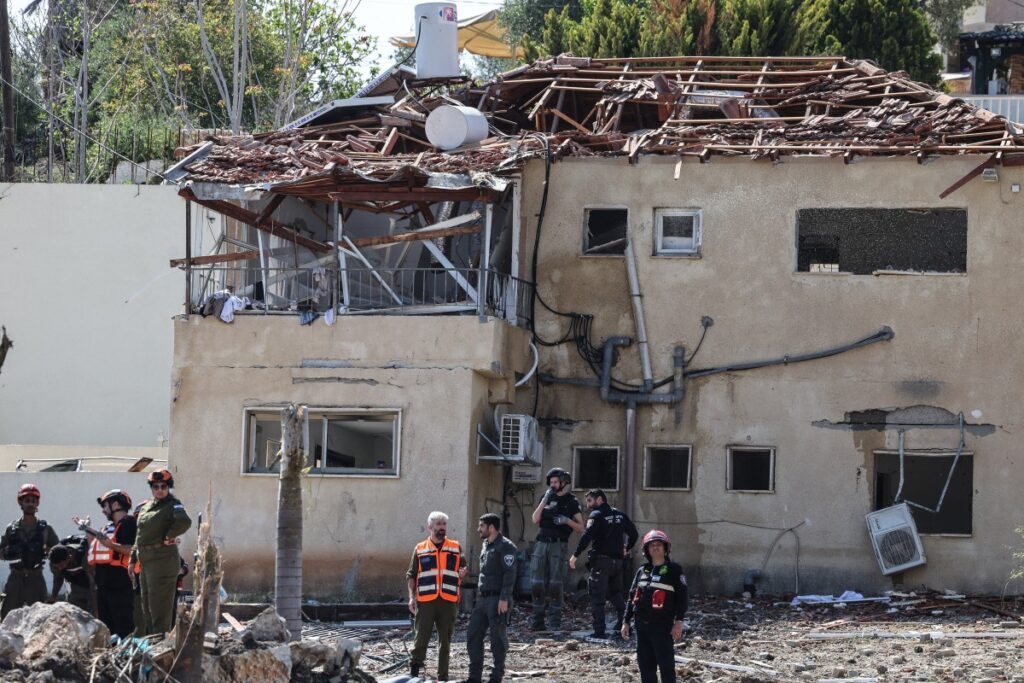
University facilities in Iran’s central city of Isfahan suffered a second U.S.-Israeli airstrike since the war began, while Israel targeted a key ballistic missile production facility in Tehran. The Israeli military reported possible missile shrapnel impacts in the Ramat Hovav industrial zone, with television footage showing thick black smoke billowing over southern Israel’s Negev desert.
Iran’s nationwide internet blackout has now persisted for 30 days, severing millions from information and communication networks. Media operations face direct threats as Qatari news channel Al Araby reported its Tehran office building was struck by an Israeli missile, wounding 10 people according to the Iranian Red Crescent.
Regional diplomacy efforts intensified as foreign ministers from Pakistan, Saudi Arabia, Egypt, and Turkey convened talks with Islamabad mediating between the U.S. and Iran. Meanwhile, Iranian officials issued stark warnings, with Parliament Speaker Mohammad Bagher Ghalibaf accusing the U.S. of secretly planning a ground attack despite public diplomacy, and Navy Chief Shahram Irani threatening to target the USS Abraham Lincoln if it enters range.
The human toll extended to journalists as Lebanon held funerals for three reporters killed by an Israeli strike in southern Lebanon. Israel claimed the strike targeted a Hezbollah operative working as a correspondent. Religious figures also faced restrictions as Israeli police blocked Jerusalem’s Latin Patriarch from celebrating Palm Sunday at the Church of the Holy Sepulchre, citing safety concerns.