分类: world

  • Martinique can now become a CARICOM Associate member

    Martinique can now become a CARICOM Associate member

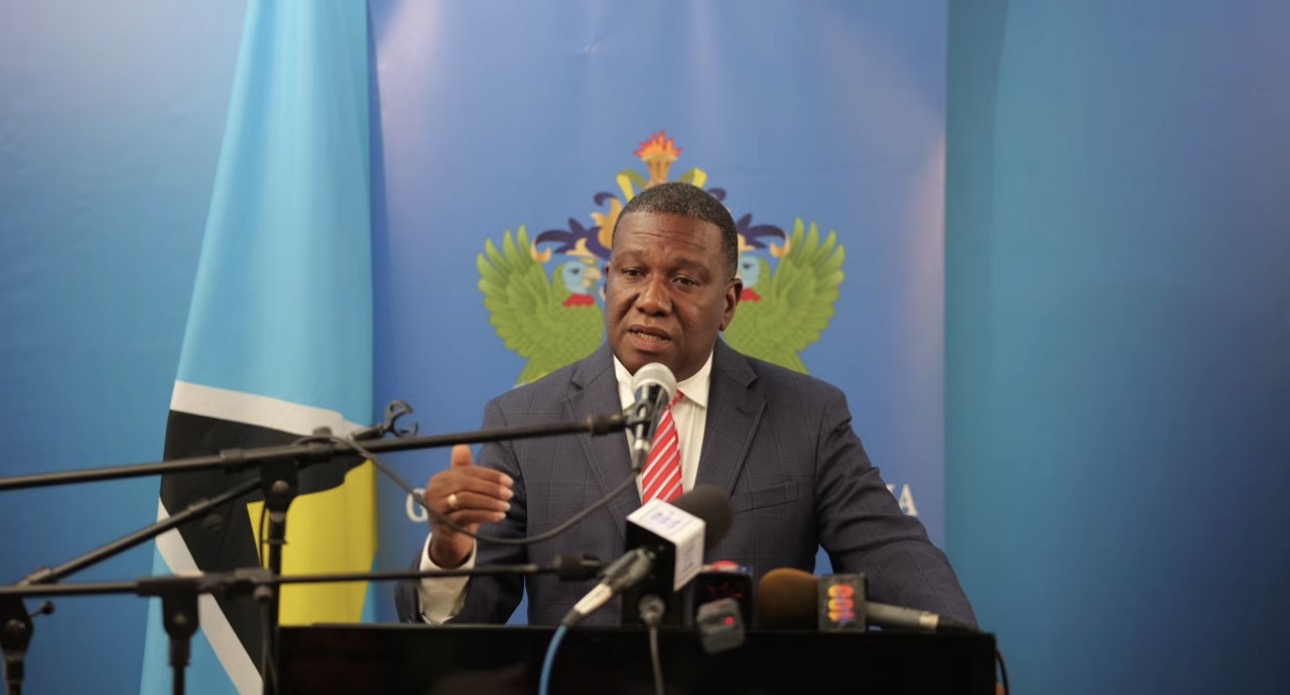
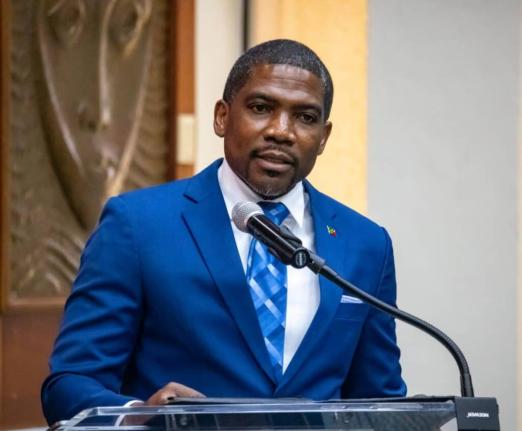
    On Friday, April 17, 2026, the French Embassy announced that France has finalized all domestic legislative steps to clear the path for Martinique and other French Caribbean territories to obtain associate membership in the Caribbean Community (CARICOM).

    The final green light came after France’s National Assembly voted on April 16 to approve the agreement to accede to CARICOM’s Protocol on Privileges and Immunities. This legislative milestone comes three months after the French Senate passed the measure in January 2026, allowing the full national authorization process to wrap up within the planned tight timeline. France’s top diplomats for Europe and foreign affairs, Jean-Noël Barrot, and minister for overseas territories Naïma Moutchou jointly welcomed the National Assembly’s approval.

    Under the terms of a 2025 agreement signed in Bridgetown, Barbados, the Territorial Collectivity of Martinique will become an associate member of CARICOM, and the approval also opens the door for other French territorial collectivities in the Antilles-Guyana region — which include Guadeloupe, French Saint Martin, and French Guiana — to pursue the same associate member status.

    Diplomatic sources noted that navigating this membership process required careful alignment of three separate legal frameworks: French domestic law, European Union regulations, and CARICOM’s own internal rules. The French state has provided full backing to Martinique throughout this complex legal negotiation and approval process.

    With all domestic hurdles cleared, the agreement now unlocks tangible benefits for the participating territories. Once admitted, associate members will gain the right to participate in the work of CARICOM and its specialized agencies, access full, up-to-date information on regional policy and economic developments, and expand their operational capacity to address shared challenges in their immediate geographic neighborhood. This new participation will complement the existing engagement that French overseas communities already maintain in other regional Caribbean bodies, including the Organisation of Eastern Caribbean States (OECS) and the Association of Caribbean States (ACS).

    The CARICOM accession push forms a core part of France’s long-term strategic policy focused on deepening regional integration for its overseas territories. That policy objective was first formally laid out at the 2023 Interministerial Committee for Overseas Territories (CIOM), and was reaffirmed at the 2025 CIOM meeting, with the overarching goal of boosting the economic growth, climate and economic resilience, and regional influence of France’s American overseas holdings.

    The French Embassy emphasized that Paris will continue to collaborate closely with its overseas territorial communities to advance regional integration efforts, delivering tangible benefits to both the wider Caribbean region and the French residents of these overseas territories.

  • New UN Women reports says a staggering 38,000 women and girls killed in Gaza from Oct 2023- Dec 2026

    New UN Women reports says a staggering 38,000 women and girls killed in Gaza from Oct 2023- Dec 2026

    Six months have passed since a ceasefire agreement was reached to end active hostilities in Gaza, but a devastating new UN Women assessment reveals that women and girls across the enclave continue to face catastrophic conditions, with unmet humanitarian needs remaining widespread and meaningful recovery still out of reach for most.

    Between October 2023 and December 2025, the conflict claimed the lives of more than 38,000 women and girls, according to the official report *The Cost of the War in Gaza on Women and Girls*. Of this staggering death toll, over 22,000 were adult women and 16,000 were girls — averaging a minimum of 42 preventable deaths every single day throughout the 26-month period of conflict.

    Even after the ceasefire was formally announced in October 2025, the threat to life has not been fully eliminated. On-the-ground accounts collected by UN Women confirm that sporadic violence continues to claim additional casualties, leaving women and girls in a constant state of fear despite the formal end to large-scale hostilities.

    The report also documents that nearly 11,000 additional women and girls have sustained serious injuries, with many left living with permanent, life-altering disabilities that will impact their long-term health and livelihoods. UN Women emphasizes that these official figures are almost certainly an undercount of the true human cost. Thousands of bodies remain trapped under the rubble of destroyed buildings across Gaza, and the total collapse of local public health data systems has made systematic and accurate casualty documentation nearly impossible.

    Moez Doraid, UN Women Regional Director for the Arab States, described the conflict’s disproportionate toll on Gaza’s female population as devastating beyond measure. Beyond the staggering loss of life, the war has upended family structures across the enclave: tens of thousands of households are now led by women, who face soaring economic instability, elevated safety risks, and the full uncompensated burden of caring for surviving family members while navigating daily survival.

    Doraid called for urgent global action to shore up the fragile ceasefire, stressing that full compliance with all ceasefire terms, consistent respect for international humanitarian law, strengthened mechanisms for accountability, and targeted protection for women and girls are non-negotiable priorities. He also emphasized that large-scale, unimpeded humanitarian aid must be allowed to flow freely into Gaza, and women and girls must be placed at the center of all response and recovery efforts. For sustainable peace and reconstruction to take hold, Doraid added, women must be given meaningful, seats at the table in all peacebuilding and reconstruction decision-making processes.

    On the ground in Gaza, UN Women says it has maintained consistent operations alongside local women-led and women’s rights organizations, providing critical financial backing, coordination support, and specialized technical expertise to address the unique needs of female residents. Working in partnership with other United Nations agencies and global humanitarian partners, the organization continues to scale up efforts to deliver life-saving aid directly to women and girls, while working to ensure their perspectives and priorities shape all ongoing recovery and reconstruction initiatives.

  • WFP warns of worsening hunger crisis in Haiti

    WFP warns of worsening hunger crisis in Haiti

    NEW YORK — As Haiti grapples with a decade-long collapse of social and economic stability, the United Nations World Food Programme (WFP) has issued a stark new alert: more than 5.8 million Haitians — nearly 52 percent of the entire national population — are now trapped in crisis-level food insecurity or even more catastrophic conditions.

    Of this vulnerable group, over 1.8 million people have already fallen into emergency food insecurity, a classification that means they can no longer cover their most basic caloric needs and have exhausted nearly all of their limited savings, assets and coping strategies to survive.

    Right now, WFP is stretched thin delivering life-sustaining support to roughly 2.7 million Haitians across the country. The organization’s programming includes emergency food distributions for displaced and acutely hungry populations, school meal programs to keep children in education, targeted social protection payments for the most vulnerable households, and capacity-building support to local small-scale farmers to boost domestic food production.

    Despite these ongoing efforts, WFP’s leadership in Haiti is sounding the alarm that current progress is precarious at best. Wanja Kaaria, WFP’s Country Director for Haiti, warned that soaring global and domestic fuel prices, paired with skyrocketing staple food costs, could erase any small gains made in recent months in a matter of weeks. For families already teetering on the edge of collapse, these price spikes would push millions deeper into hunger and destitution.

    The current emergency did not emerge overnight. WFP officials report that Haiti’s food security crisis has steadily deteriorated for almost 10 years, driven by a toxic combination of persistent armed gang violence, prolonged political instability, crippling economic recession, and repeated climate disasters including catastrophic hurricanes that destroy crops and infrastructure. More recently, escalating gang attacks have added a new layer of crisis, fueling widespread displacement that further disrupts food supply chains and pushes vulnerable communities from their homes.

    Just in recent weeks, coordinated attacks in Haiti’s South-East department forced more than 1,300 people to flee their homes, marking the first large-scale displacement event recorded in that previously relatively stable region. Across the entire country, the total number of internally displaced Haitians now tops 1.4 million. Hundreds of thousands of these displaced people are living in overcrowded, unsanitary emergency shelters, most concentrated in the capital Port-au-Prince, where access to clean water, sanitation and food is already severely limited.

    To prevent the crisis from expanding into a full-scale famine, WFP is calling for urgent international action and funding. The organization says it requires $332 million over the next 12 months to maintain its existing life-saving operations and expand support to reach the growing number of hungry Haitians. The broader UN-coordinated humanitarian response plan for Haiti, which totals $880 million to cover all emergency needs across the country, is currently less than 20 percent funded, leaving massive gaps in aid delivery.

    In closing, WFP emphasized that addressing the hunger crisis is a foundational step toward restoring any semblance of long-term stability to Haiti. “Peace cannot take root when families go to bed every night not knowing where their next meal will come from,” the agency noted, stressing that investment in food security is as critical to peacebuilding as efforts to resolve political conflict and end gang violence.

  • At least 5 killed after gunman opens fire in Ukrainian capital

    At least 5 killed after gunman opens fire in Ukrainian capital

    On a tense Saturday in the Ukrainian capital Kyiv, a violent mass shooting left five people dead after a gunman opened fire on civilians, seized hostages inside a local supermarket, and was ultimately killed by security forces during an intervention, senior Ukrainian officials confirmed. The deadly incident unfolded in a densely populated residential neighborhood in southern Kyiv, leaving at least 10 additional people hospitalized with physical wounds and acute psychological trauma, according to Ukrainian President Volodymyr Zelenskyy.

    Unverified footage circulating via Ukrainian news outlet UNIAN, which AFP has not been able to independently authenticate, shows the armed suspect firing at an individual from point-blank range near a nearby apartment block moments before the siege began. Kyiv Mayor Vitali Klitschko confirmed that after the initial street shooting, the attacker fled into the neighborhood supermarket, where continuous gunshots were heard by witnesses inside the building. By the end of the operation, four hostages held inside the retail store had been safely extracted, Zelenskyy announced in an update posted to social media.

    “The attacker who opened fire on unarmed civilians in Kyiv has been eliminated,” the president stated, extending official condolences to the loved ones of those killed in the attack. An AFP correspondent on the scene observed the supermarket surrounded by a heavy cordon of security forces, with visible bloodstains on the store’s front window, bulletproof-vested officers securing the perimeter, and specialized crime investigation units processing evidence at the site.

    As of Saturday evening, authorities had not released any confirmed information about the gunman’s possible motives. Prosecutor General of Ukraine Ruslan Kravchenko identified the assailant as a 58-year-old man born in Moscow, adding that initial investigative findings indicate the suspect carried out the attack using an automatic weapon.

    One supermarket employee, Tetyana, who spoke to AFP from the scene, described the chaotic start of the incident, saying the initial gunshots sounded deceptively mundane at first. “I heard sounds in the store, like champagne being popped or balloons bursting several times. Then the customers started shouting, ‘Run!’” She recalled hiding with other staff behind large refrigeration units, where she could hear a wounded man moaning in pain, her voice shaking as she recounted the experience.

    Interior Minister Igor Klymenko told reporters that the standoff between the attacker and police negotiators dragged on for roughly 40 minutes, with law enforcement attempting to de-escalate the situation peacefully before making the decision to use lethal force. “We tried to persuade him. Realising that there was likely an injured person inside, we offered to bring in tourniquets to stop the bleeding… But he didn’t respond,” Klymenko explained. “That’s why the order was given to eliminate him,” he added, confirming that the gunman had killed one of the hostages he had taken before the intervention.

    It is worth noting that while Ukraine has been engaged in a full-scale war with Russia for more than four years, which has brought widespread violence from military conflict, the country maintains a relatively low rate of domestic violent crime, with mass shooting incidents remaining rare. The most recent comparable event occurred last year in a Kyiv suburb, where a man shot and killed two people during a dispute over the illegal sale of a firearm. Zelenskyy has called for a rapid, full investigation to uncover all details and circumstances surrounding Saturday’s attack.

  • Iran kondigt heropening Straat van Hormuz aan na staakt-het-vuren in Libanon

    Iran kondigt heropening Straat van Hormuz aan na staakt-het-vuren in Libanon

    On April 17, a fragile 10-day ceasefire between Israel and the Iran-backed militant group Hezbollah in Lebanon came into force, triggering a chain of developments that have sent ripple effects across global energy markets and international diplomacy. A day after the truce took effect, Iranian Foreign Minister Abbas Araqchi announced that the Strait of Hormuz — one of the world’s most critical energy chokepoints — would reopen to all commercial shipping traffic for the full duration of the ceasefire. The US-brokered ceasefire marks the first major de-escalation of cross-border violence that erupted between the two sides in early March.\n\nA senior anonymous Iranian official clarified that all commercial traffic will be restricted to designated safe shipping corridors, with military vessels barred from accessing the waterway during the truce. Around 20% of the world’s total oil and liquefied natural gas supplies pass through the 21-mile-wide strait, making its closure earlier this month a shock to global energy systems that sent crude prices soaring to record multi-year highs and sparked widespread anxiety across international financial markets. Within hours of Araqchi’s announcement, global crude prices dropped 11% and major stock indexes around the world extended upward gains as investor fears of prolonged energy supply disruptions eased.\n\nDespite the positive market reaction, major global shipping firms have adopted a cautious approach to resuming transit through the strait. German shipping giant Hapag-Lloyd announced it would pause transits through the waterway indefinitely while it assesses ongoing security risks, while the Norwegian Shipowners’ Association has highlighted lingering hazards including unmarked naval mines and unpredictable security conditions in the region.\n\nThe volatility around the strait has already impacted broader global economic projections: the International Monetary Fund revised down its 2024 global growth forecast earlier this week, warning that a prolonged escalation of Middle Eastern tensions would significantly increase the risk of a global recession, driven largely by energy supply disruptions tied to the strait’s closure.\n\nWhile the truce has cleared the way for the strait’s reopening, the US military blockade of commercial vessels bound for Iranian ports remains in full effect. US President Donald Trump confirmed via social media that the blockade will stay in place until a comprehensive broader agreement is reached with Iran, noting that most core negotiating points have already been settled and he expects a final deal to come together quickly. Trump added that while talks were originally scheduled to potentially take place this weekend, logistical hurdles have made that timeline increasingly unlikely.\n\nIranian officials have confirmed that significant disagreements remain between the two sides, most notably over the future of Iran’s nuclear program. During Friday prayers in Tehran and Isfahan, senior Iranian clerics emphasized that Iran would not accept any negotiating terms that amount to national humiliation, rejecting the current US proposal out of hand. Behind the scenes, however, Pakistani-mediated negotiations have reportedly made quiet progress. An anonymous Pakistani diplomatic source told reporters that a preliminary memorandum of understanding could be signed in the coming days, with a full comprehensive agreement targeted within 60 days. A senior Iranian official has also confirmed that the preliminary deal includes provisions to unfreeze billions of dollars in Iranian assets held in overseas accounts.\n\nThe most intractable sticking point in the nuclear negotiations remains the timeline for a pause in Iran’s enrichment activities. The US has proposed a 20-year moratorium on high-level uranium enrichment, while Iran has offered to accept a three to five year pause. Iran continues to demand the full lifting of all international sanctions, and has so far refused to agree to the complete removal of its stockpiles of highly enriched uranium, though diplomatic observers have noted early signals that a compromise on this issue could be possible.\n\nTrump has repeated his previous claims that US forces have already destroyed Iran’s stockpiles of highly enriched uranium, a claim that Iranian state media has flatly denied, adding that Iran has never entered into negotiations to transfer its nuclear material to the US.\n\nTurning back to the ceasefire between Israel and Hezbollah that paved the way for the strait’s reopening, the truce has largely held so far despite scattered reports of minor violations by Israeli forces. The cross-border conflict reignited on March 2, after Hezbollah launched rocket attacks into northern Israel, prompting a full-scale Israeli military offensive into southern Lebanon that Lebanese authorities confirm has killed more than 2,000 people to date. Israel has not yet issued an official response to the ceasefire announcement as of Friday.\n\nEven with the temporary truce in place, displaced Lebanese residents have begun returning to their homes in southern Beirut’s suburban districts, a small sign of tentative normalization after weeks of deadly conflict.

  • CDB Approves EU-Backed Grant ?To Strengthen Regional Disaster Agency

    CDB Approves EU-Backed Grant ?To Strengthen Regional Disaster Agency

    BRIDGETOWN, Barbados – April 17, 2026 – In a major step to strengthen climate and disaster resilience across the Caribbean, the Caribbean Development Bank (CDB) has greenlit a $346,000 technical assistance grant for the Caribbean Disaster Emergency Management Agency (CDEMA), the regional body tasked with coordinating cross-country disaster risk reduction and emergency response under the CARICOM umbrella.

    The funding, backed by the European Union through the Intra-African Caribbean Pacific European Union Natural Disaster Risk Reduction Programme and delivered under CDB’s Caribbean Action for Resilience Enhancement (CARE) initiative, will support a full institutional assessment of CDEMA to refine its operational and organizational framework. Specialist consultants contracted through the grant will conduct a deep dive into the agency’s current structure, operating systems, staffing models, and skills gaps to deliver actionable recommendations for long-term effectiveness and sustainability.

    Beyond core organizational review, the consultancy will also audit existing human resources policies through a gender equity lens, resulting in a dedicated Gender Policy and Operational Strategy that will guide equitable practices across recruitment, employee retention, promotion, and compensation structures.

    As climate change drives an increase in the frequency and intensity of extreme weather events across the Caribbean, regional disaster coordination systems face mounting pressure to adapt and scale their response. CDB Projects Director O’Reilly Lewis emphasized that the investment comes at a critical moment for the region. “Climate change is driving more intense natural hazards across the Caribbean, and that reality places growing demands on regional disaster management systems,” Lewis explained. “CDEMA is integral to how countries prepare for and respond to emergencies, and this technical assistance will help ensure the Agency has the right structure, skills, and systems to deliver on its mandate today and into the future.”

    European Union Ambassador to Barbados, the Eastern Caribbean States, and the OECS Fiona Ramsey noted that the initiative aligns with the EU’s longstanding commitment to partnership with the Caribbean on climate resilience. This commitment was recently reaffirmed as a core priority in discussions between CARICOM Chair (at the time) Mia Mottley and European Commission President Ursula von der Leyen. “As climate-related challenges intensify, enhancing CDEMA’s institutional capacity is essential to safeguarding lives, livelihoods, and sustainable development across the Caribbean,” Ramsey said. “Together, we are advancing a shared vision of resilience through a reliable partnership.”

    For CDEMA, the assessment marks a key milestone in the agency’s ongoing organizational transformation, which is outlined in its 2022–2027 Strategic Plan. “This consultancy marks a pivotal step in CDEMA’s evolution as we position the Agency for both present demands and future challenges,” said CDEMA Executive Director Elizabeth Riley. “We are committed to transforming CDEMA into a stronger, more agile, and technically driven organisation, equipped with the skills and systems required to meet the growing complexity of disaster risk management in the Caribbean. We are proud to partner with the European Union and the Caribbean Development Bank on this game-changing initiative, which will modernise our organisational structure and enhance our capacity to serve Participating States with excellence, innovation, and impact.”

    This institutional assessment is the first phase of a broader reform agenda designed to put CDEMA on a more stable, sustainable long-term footing. Its findings will also inform parallel ongoing work led by the World Bank to create a Multi-Source Trust Fund that will provide consistent, long-term financing for the agency. Combined, these initiatives will strengthen CDEMA’s ability to deliver on its full comprehensive disaster management mandate, spanning mitigation, preparedness, emergency response, and post-disaster recovery across the region.

    Implementation of the technical assistance project is scheduled to launch in May 2026, and aligns directly with CDB’s newly launched 10-Year Strategic Plan for 2026–2035, which identifies strengthening regional institutions as a critical driver for building community resilience, accelerating inclusive economic growth, and advancing sustainable development across the Caribbean.

  • UK-Caribbean Partnership on clean energy: From untapped potential to regional powerhouse

    UK-Caribbean Partnership on clean energy: From untapped potential to regional powerhouse

    The global popular image of the Caribbean is dominated by idyllic postcard-perfect scenery: golden endless sunshine, crystal-clear turquoise waters, lush rolling mountain ranges, and gentle consistent trade winds. What many do not recognize, however, is that these same natural features – sun, wind, ocean, and geothermal heat – represent a largely untapped clean energy powerhouse waiting to be activated across the region.

    The United Kingdom has increasingly prioritized building strategic energy partnerships with Caribbean nations to convert these abundant natural assets into affordable, low-carbon energy, laying the foundation for clean, economically resilient, and long-term sustainable growth across the region.

    Energy analysts widely agree that the Caribbean holds enough renewable potential to generate far more clean power than the region consumes. Many individual island nations are fully capable of transitioning to 100% renewable electricity generation, with excess production available to export to neighboring countries. Some regional economies could even convert surplus renewable electricity into transportable low-carbon fuels, including green hydrogen, ammonia, and methanol for global markets.

    Despite this enormous natural advantage, the current energy landscape across the Caribbean remains heavily reliant on fossil fuels. Data shows that roughly 87% of the energy mix for the Caribbean Community (CARICOM) still comes from carbon-intensive fossil fuels, a dependence that has driven cripplingly high electricity prices for households. Many Caribbean families pay between two and nearly three times more for electricity than households in other parts of the world. This persistent reliance on imported fossil fuels also perpetuates systemic economic vulnerability, unsustainable national debt burdens, and widespread energy insecurity across the region.

    Since 2015, the UK has committed more than US$39 million in targeted funding to support the Caribbean’s energy transition. This support has spanned a range of high-impact initiatives: advancing geothermal resource development, installing utility-scale and distributed solar photovoltaic (PV) systems, completing energy efficiency retrofits for public buildings, and delivering targeted training programs to build local technical capacity across the Eastern Caribbean. The UK has also laid critical early groundwork to develop a regional offshore wind energy market.

    One standout success of this partnership is the UK’s support for geothermal development in Dominica. UK funding helped de-risk the high upfront costs of exploratory drilling, giving private sector investors the confidence to commit to the project. Dominica is now on track to commission the first operational geothermal power plant in the English-speaking Caribbean in April 2026. This facility is expected to deliver transformative economic and energy benefits for the island nation, a milestone that required years of committed government leadership, coordinated collaboration, and flexibility from multiple international development partners. The UK is now working to replicate this success with ongoing geothermal projects in Grenada and St. Lucia.

    In St. Vincent and the Grenadines, UK support has delivered immediate tangible results: funding for energy-efficient street lighting upgrades and a new solar PV plant at the country’s main international airport has helped the government save millions of dollars in energy costs and avoid hundreds of tonnes of annual carbon dioxide emissions. Early work supported by the UK to map and assess the region’s offshore wind potential, while still in its early stages, holds enormous long-term development value for the entire Caribbean.

    Back in 2013, CARICOM set an ambitious regional target: to reach 47% of electricity generation from renewable sources by 2027. As of 2023, the region has only reached roughly 13% renewable energy penetration, meaning progress has fallen far short of projections. To hit the 2027 target, the pace of transition will need to accelerate dramatically across the bloc. Progress has also been deeply uneven: a small handful of countries have made meaningful strides in scaling solar, wind, and geothermal power, while many others continue to lag well behind regional goals.

    Like most Small Island Developing States (SIDS), the Caribbean faces unique structural barriers to rapid clean energy scaling. Small, isolated national grid sizes, prohibitive upfront capital costs, limited local technical capacity, and fragmented national markets that prevent economies of scale all slow deployment. Many regional countries also lack modernized grid infrastructure and updated regulatory frameworks – two core requirements for integrating variable renewable energy sources like solar and wind, which depend on flexible grid management.

    Despite these challenges, clear, actionable solutions exist to remove barriers and accelerate progress. Regional pooled procurement for clean energy equipment and aggregated project pipelines can lower per-unit costs and attract large-scale global institutional investors. Modernizing aging grid infrastructure and updating outdated energy regulatory frameworks can open the market to greater private sector participation. Blended finance and concessional lending can help governments overcome the prohibitively high upfront costs that have deterred many large projects. Finally, targeted investment in building local engineering and technical capacity ensures that clean energy projects deliver long-term, sustainable benefits for regional communities.

    All the resources the Caribbean needs to become a global clean energy leader are already within reach, and regional and international leaders argue there is no time to delay the transition. With decisive policy action, coordinated regional leadership, and strategic international partnerships, the region can convert its abundant natural renewable wealth into universal energy security, lower household electricity bills, and a more economically and climatically resilient future for all Caribbean people.

    The UK has reaffirmed its long-term commitment to partnering with the Caribbean on this transition. Through the Global Clean Power Alliance, the two sides have agreed to a concrete three-year Caribbean action plan covering 2026–2028. The plan will provide on-demand access to UK private sector capabilities and technical expertise to address key transition barriers and attract the billions in investment needed to scale up clean energy across the region.

    The natural resources are already in place. The global demand for low-carbon energy is growing. The moment for the Caribbean to unlock its clean energy potential is right now. This commentary was written by Ingrid Levine, Climate and Renewable Energy Adviser for the Caribbean Development Team at the UK Foreign, Commonwealth & Development Office.

  • IMF resumes dealings with Venezuela

    IMF resumes dealings with Venezuela

    Washington DC, April 17, 2026 – In a significant shift for the international financial body’s engagement with Caracas, International Monetary Fund Managing Director Kristalina Georgieva has formally announced that the institution has resumed formal financial dealings with the Venezuelan government led by acting President Delcy Rodríguez.

    The policy reversal comes seven years after the IMF suspended all interactions with the South American nation back in March 2019, when the organization paused engagements amid overlapping international disputes over government recognition.

    According to IMF statements, the decision to lift the suspension was not made unilaterally. The move reflects the collective position of IMF member states that hold a majority of the institution’s total voting power, and aligns with the fund’s long-standing procedural practices for member engagement.

    Venezuela has held continuous membership in the IMF since joining the global financial body in December 1946, decades before the 2019 recognition dispute disrupted all formal financial ties between Caracas and the institution. The resumption of dealings opens a new chapter in Venezuela’s relationship with the global financial community, after years of diplomatic and economic isolation for the country.

  • Israël en Libanon beginnen tiendaagse staakt-het-vuren

    Israël en Libanon beginnen tiendaagse staakt-het-vuren

    A 10-day ceasefire between Israel and Lebanon entered into force Thursday, coinciding with growing global optimism that a breakthrough may be imminent in high-stakes nuclear negotiations between the United States and Iran. In a public statement, former U.S. President Donald Trump announced that a follow-up meeting between the two countries could take place as early as this weekend, raising hopes that the months-long conflict sparked by disputes over Iran’s nuclear program may finally be moving toward resolution.

    Trump told reporters that Iran has proposed a voluntary moratorium on developing nuclear weapons that would last more than two decades, a core sticking point that has dominated recent talks hosted in Islamabad. “We’re going to have to wait and see what happens, but I think we are really close to a deal,” he said.

    The current crisis between the U.S. and Iran erupted on February 28, when joint U.S.-Israeli military strikes launched against Iranian targets. The conflict has killed thousands of people, sent global oil prices soaring, and left regional and world leaders scrambling to de-escalate tensions. A final peace deal would mark a major policy win for the Trump administration, which has prioritized reopening the strategically critical Strait of Hormuz and rolling back Iran’s nuclear development goals.

    In Lebanon’s capital Beirut, celebratory gunfire and light displays lit up the sky Thursday evening as the ceasefire came into effect. Crowds gathered in the coastal city of Sidon to celebrate displaced residents beginning to return to their homes, captured in photos from Reuters. Even with the ceasefire in place, however, the security situation remains fragile. Reports emerged shortly after the truce took hold that Israel was still carrying out artillery fire in southern Lebanon, with scattered clashes continuing in border areas. The Israel Defense Forces issued an urgent warning to residents in southern regions not to move south of the Litani River, citing ongoing active Hezbollah operations in the area. For its part, Hezbollah confirmed that its last offensive strike was carried out 10 minutes before the ceasefire went into effect, and released a full account of its military operations conducted through the end of Thursday.

    Diplomatic efforts to lock in a longer-term peace are already underway. Trump said he held “excellent conversations” with Israeli Prime Minister Benjamin Netanyahu and Lebanese President Joseph Aoun, and plans to invite both leaders to the White House in the coming weeks for substantive talks aimed at cementing the truce. He added that top U.S. officials, including Vice President JD Vance and Secretary of State Marco Rubio, are working closely together to broker a lasting, sustainable peace agreement between Israel and Lebanon. Iran has welcomed the 10-day ceasefire, framing it as part of an understanding reached with the U.S. through mediation by Pakistan.

    Key details of the nuclear negotiation remain challenging even with the recent momentum. When Iran closed the Strait of Hormuz – the transit route for roughly one-fifth of the world’s total oil supply – it triggered the largest single shock to global oil prices in modern history. The International Monetary Fund subsequently downgraded its global growth forecasts, warning that a prolonged conflict could push the already fragile world economy to the brink of recession.

    During the Islamabad talks, U.S. negotiators proposed a 20-year pause on all sensitive Iranian nuclear activities, a major concession from the previous U.S. demand for a permanent ban on Iran’s nuclear program. Iran, for its part, has only offered a three- to five-year halt to these activities. Negotiators are also working to reach a compromise on the amount of highly enriched uranium Iran is allowed to keep, with a tentative framework emerging that would see part of Iran’s existing stockpile removed from the country.

    On Wednesday, Pakistani mediator and army chief Asim Munir announced limited progress on several long-standing sticking points, though fundamental disagreements over the future of Iran’s nuclear program still remain. Iran has stated it will fully reopen the Strait of Hormuz once a deal is finalized, on the condition that it receives binding guarantees the U.S. and Israel will not launch new military attacks in the future.

    U.S. Defense Secretary Pete Hegseth warned that American forces remain on high alert and ready to resume combat operations if no final agreement is reached. According to anonymous sources familiar with the negotiations, Washington has offered to lift existing economic sanctions on Iran and unfreeze billions of dollars in Iranian assets held abroad to secure a final nuclear deal.

  • Haiti / DR : Launch of the 14th edition of Diaspora Week

    Haiti / DR : Launch of the 14th edition of Diaspora Week

    On April 17, 2026, the remote southwestern border town of Pedernales in the Dominican Republic opened the 14th edition of Diaspora Week, a flagship community initiative organized by the Zile Foundation designed to foster cross-border dialogue, advance peaceful coexistence, and deepen connections between the neighboring nations of Haiti and the Dominican Republic. The opening gathering drew local government officials, grassroots community leaders, and a large cross-border delegation from the Haitian town of Anse-à-Pitres, headed by that community’s mayor, Harry Bruno. In his opening remarks, Bruno underlined the irreplaceable value of these collaborative forums, noting that diaspora communities are the backbone of stronger, more resilient bilateral bonds between the two countries.

    Serving as the event’s guest of honor, former Haitian Prime Minister Jean Henry Céant delivered a keynote address that called for a renewed approach to Haiti-Dominican relations, rooted in pragmatic realism and a shared forward-looking vision. He stressed that no physical border can undo the deep interconnectedness that binds the two nations, arguing that the shared border region should be framed as a catalyst for collective prosperity rather than a dividing barrier. Céant also reiterated that Haiti’s ongoing reconstruction efforts depend heavily on the contributions of its global diaspora, which he described as a vast reservoir of professional talent and a powerful, far-reaching global influence network.

    The official launch ceremony opened with a solemn minute of silence to honor the lives lost in the recent tragedy at Haiti’s Citadelle Laferrière, which claimed more than 50 lives. Following this moment of collective reflection, attendees gathered for a fraternal communal lunch blessed by two local faith leaders: German Ramírez, parish priest of Pedernales, and Julin Acosta. Roughly 140 guests from both sides of the border shared the meal in an atmosphere marked by mutual respect and warm neighborly solidarity.

    This year’s opening gathering aligns with the observance of Dominican-Haitian Fraternity Day, a formal occasion established under Dominican Law 11-05. Edwin Paraison, executive director of the Zile Foundation, closed the opening event by extending sincere gratitude to the initiative’s core sponsors—Western Union, VIMENCA, and Sunrise Airways—as well as the Dominican government for its critical logistical support. A full slate of community and collaborative activities will run through April 20, reaffirming the Zile Foundation’s longstanding core mission: to build lasting bridges of peace and cross-cultural cooperation between the Haitian and Dominican peoples.