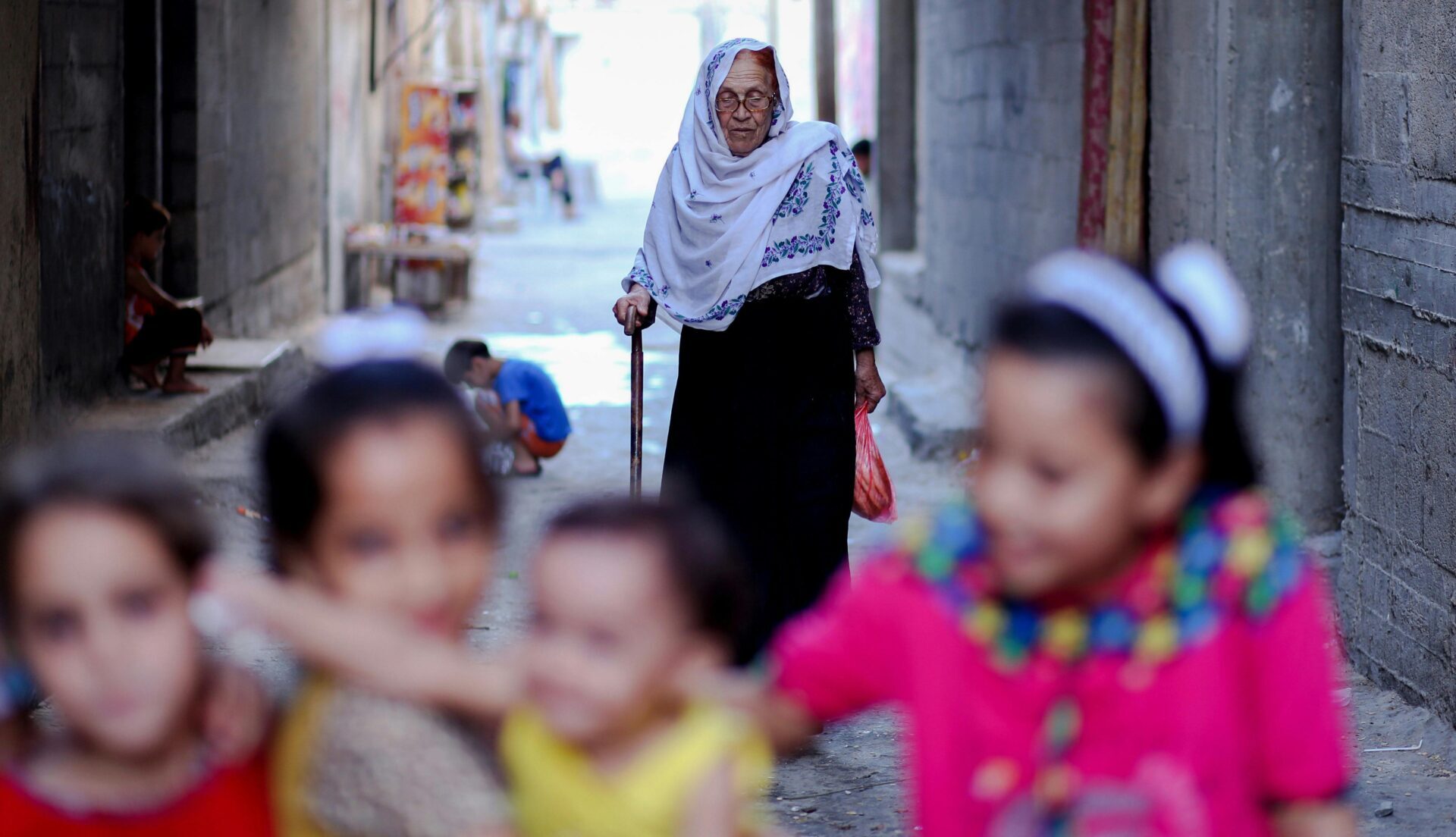
Six months have passed since a ceasefire agreement was reached to end active hostilities in Gaza, but a devastating new UN Women assessment reveals that women and girls across the enclave continue to face catastrophic conditions, with unmet humanitarian needs remaining widespread and meaningful recovery still out of reach for most.
Between October 2023 and December 2025, the conflict claimed the lives of more than 38,000 women and girls, according to the official report *The Cost of the War in Gaza on Women and Girls*. Of this staggering death toll, over 22,000 were adult women and 16,000 were girls — averaging a minimum of 42 preventable deaths every single day throughout the 26-month period of conflict.
Even after the ceasefire was formally announced in October 2025, the threat to life has not been fully eliminated. On-the-ground accounts collected by UN Women confirm that sporadic violence continues to claim additional casualties, leaving women and girls in a constant state of fear despite the formal end to large-scale hostilities.
The report also documents that nearly 11,000 additional women and girls have sustained serious injuries, with many left living with permanent, life-altering disabilities that will impact their long-term health and livelihoods. UN Women emphasizes that these official figures are almost certainly an undercount of the true human cost. Thousands of bodies remain trapped under the rubble of destroyed buildings across Gaza, and the total collapse of local public health data systems has made systematic and accurate casualty documentation nearly impossible.
Moez Doraid, UN Women Regional Director for the Arab States, described the conflict’s disproportionate toll on Gaza’s female population as devastating beyond measure. Beyond the staggering loss of life, the war has upended family structures across the enclave: tens of thousands of households are now led by women, who face soaring economic instability, elevated safety risks, and the full uncompensated burden of caring for surviving family members while navigating daily survival.
Doraid called for urgent global action to shore up the fragile ceasefire, stressing that full compliance with all ceasefire terms, consistent respect for international humanitarian law, strengthened mechanisms for accountability, and targeted protection for women and girls are non-negotiable priorities. He also emphasized that large-scale, unimpeded humanitarian aid must be allowed to flow freely into Gaza, and women and girls must be placed at the center of all response and recovery efforts. For sustainable peace and reconstruction to take hold, Doraid added, women must be given meaningful, seats at the table in all peacebuilding and reconstruction decision-making processes.
On the ground in Gaza, UN Women says it has maintained consistent operations alongside local women-led and women’s rights organizations, providing critical financial backing, coordination support, and specialized technical expertise to address the unique needs of female residents. Working in partnership with other United Nations agencies and global humanitarian partners, the organization continues to scale up efforts to deliver life-saving aid directly to women and girls, while working to ensure their perspectives and priorities shape all ongoing recovery and reconstruction initiatives.