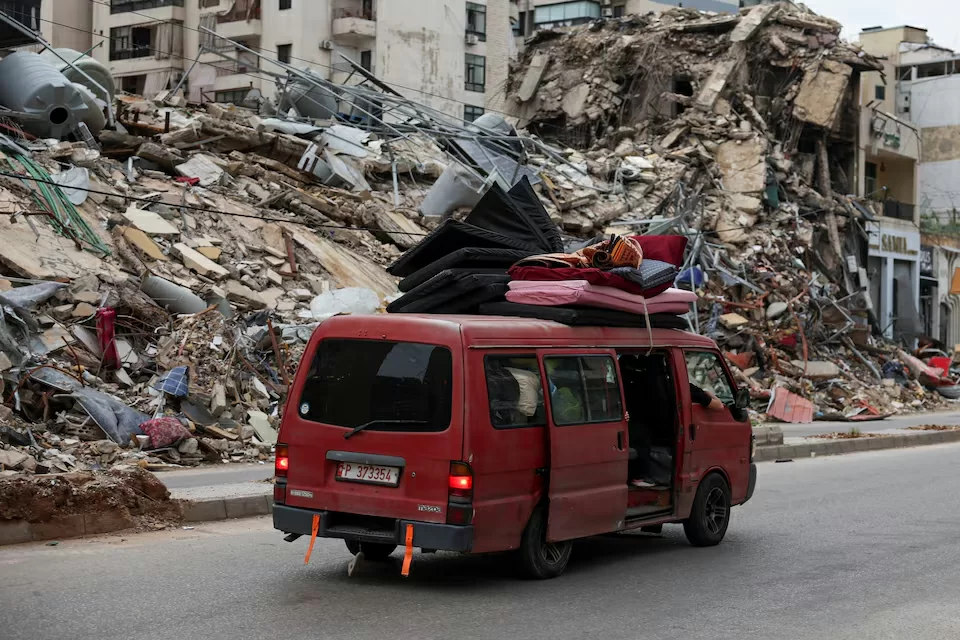
On April 17, a fragile 10-day ceasefire between Israel and the Iran-backed militant group Hezbollah in Lebanon came into force, triggering a chain of developments that have sent ripple effects across global energy markets and international diplomacy. A day after the truce took effect, Iranian Foreign Minister Abbas Araqchi announced that the Strait of Hormuz — one of the world’s most critical energy chokepoints — would reopen to all commercial shipping traffic for the full duration of the ceasefire. The US-brokered ceasefire marks the first major de-escalation of cross-border violence that erupted between the two sides in early March.\n\nA senior anonymous Iranian official clarified that all commercial traffic will be restricted to designated safe shipping corridors, with military vessels barred from accessing the waterway during the truce. Around 20% of the world’s total oil and liquefied natural gas supplies pass through the 21-mile-wide strait, making its closure earlier this month a shock to global energy systems that sent crude prices soaring to record multi-year highs and sparked widespread anxiety across international financial markets. Within hours of Araqchi’s announcement, global crude prices dropped 11% and major stock indexes around the world extended upward gains as investor fears of prolonged energy supply disruptions eased.\n\nDespite the positive market reaction, major global shipping firms have adopted a cautious approach to resuming transit through the strait. German shipping giant Hapag-Lloyd announced it would pause transits through the waterway indefinitely while it assesses ongoing security risks, while the Norwegian Shipowners’ Association has highlighted lingering hazards including unmarked naval mines and unpredictable security conditions in the region.\n\nThe volatility around the strait has already impacted broader global economic projections: the International Monetary Fund revised down its 2024 global growth forecast earlier this week, warning that a prolonged escalation of Middle Eastern tensions would significantly increase the risk of a global recession, driven largely by energy supply disruptions tied to the strait’s closure.\n\nWhile the truce has cleared the way for the strait’s reopening, the US military blockade of commercial vessels bound for Iranian ports remains in full effect. US President Donald Trump confirmed via social media that the blockade will stay in place until a comprehensive broader agreement is reached with Iran, noting that most core negotiating points have already been settled and he expects a final deal to come together quickly. Trump added that while talks were originally scheduled to potentially take place this weekend, logistical hurdles have made that timeline increasingly unlikely.\n\nIranian officials have confirmed that significant disagreements remain between the two sides, most notably over the future of Iran’s nuclear program. During Friday prayers in Tehran and Isfahan, senior Iranian clerics emphasized that Iran would not accept any negotiating terms that amount to national humiliation, rejecting the current US proposal out of hand. Behind the scenes, however, Pakistani-mediated negotiations have reportedly made quiet progress. An anonymous Pakistani diplomatic source told reporters that a preliminary memorandum of understanding could be signed in the coming days, with a full comprehensive agreement targeted within 60 days. A senior Iranian official has also confirmed that the preliminary deal includes provisions to unfreeze billions of dollars in Iranian assets held in overseas accounts.\n\nThe most intractable sticking point in the nuclear negotiations remains the timeline for a pause in Iran’s enrichment activities. The US has proposed a 20-year moratorium on high-level uranium enrichment, while Iran has offered to accept a three to five year pause. Iran continues to demand the full lifting of all international sanctions, and has so far refused to agree to the complete removal of its stockpiles of highly enriched uranium, though diplomatic observers have noted early signals that a compromise on this issue could be possible.\n\nTrump has repeated his previous claims that US forces have already destroyed Iran’s stockpiles of highly enriched uranium, a claim that Iranian state media has flatly denied, adding that Iran has never entered into negotiations to transfer its nuclear material to the US.\n\nTurning back to the ceasefire between Israel and Hezbollah that paved the way for the strait’s reopening, the truce has largely held so far despite scattered reports of minor violations by Israeli forces. The cross-border conflict reignited on March 2, after Hezbollah launched rocket attacks into northern Israel, prompting a full-scale Israeli military offensive into southern Lebanon that Lebanese authorities confirm has killed more than 2,000 people to date. Israel has not yet issued an official response to the ceasefire announcement as of Friday.\n\nEven with the temporary truce in place, displaced Lebanese residents have begun returning to their homes in southern Beirut’s suburban districts, a small sign of tentative normalization after weeks of deadly conflict.