In a collaborative announcement between the governments of Canada and Saint Kitts and Nevis, Canadian immigration officials will travel to Basseterre to offer on-site biometric data collection for Canadian visa applicants on September 17 and 18, 2026. This new temporary service eliminates the need for local applicants to travel abroad to complete this mandatory step of the Canadian visa application process.
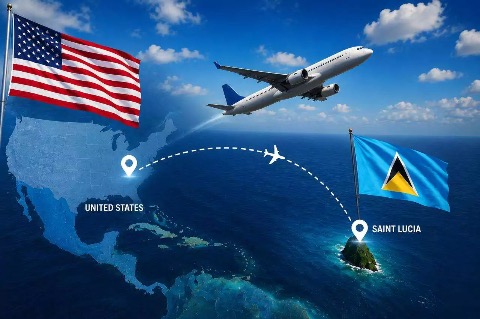
Biometric data, including fingerprints and a digital photograph, is a required component of nearly all Canadian immigration and travel applications for eligible applicants. This requirement applies to applications for tourist visas, study permits, work permits, temporary residence status, and permanent residence. Prior to this scheduled on-site visit, Saint Kitts and Nevis residents who needed to submit biometrics were required to travel to official collection centers in neighboring countries, including Barbados, Saint Lucia, Saint Vincent and the Grenadines, and Trinidad and Tobago. The temporary on-site service represents a major convenience for local applicants, cutting out the cost and hassle of international travel just to complete this mandatory step.
The on-site biometric collection service will operate from 9:00 a.m. to 4:00 p.m. on both days at the St. Kitts Marriott Beach Resort. The service is open to three groups of eligible applicants: nationals of Saint Kitts and Nevis planning any form of travel to Canada; applicants who have already submitted their visa, permit, or permanent residence applications online or by mail and have received an official Biometric Instruction Letter; and nationals of other biometric-required countries who currently reside in Saint Kitts and Nevis and intend to travel to Canada.
To secure an appointment for biometric collection, eligible applicants must send an email to BDGTN-VISA@international.gc.ca and include their unique visa application file number in the correspondence. Canadian officials note that they will only collect biometric data from applicants who have already received their official Biometric Instruction Letter; walk-in applicants without this documentation will not be served. All attendees are required to bring their official Biometric Instruction Letter to their scheduled appointment to complete the process.
Authorities are urging prospective applicants to complete their online visa applications as soon as possible to ensure they receive their Biometric Instruction Letter in time to take advantage of this temporary on-site opportunity. This service is only available during the scheduled September visit, and the standard requirement to travel to off-island collection centers will remain in effect for all other periods outside of these two days.