分类: world

  • FAO helps farmers assess investment opportunities and preparedness of protected agriculture farms in Antigua and Barbuda

    FAO helps farmers assess investment opportunities and preparedness of protected agriculture farms in Antigua and Barbuda

    A groundbreaking agricultural development mission has concluded in Antigua and Barbuda, marking a significant step toward modernizing the nation’s farming sector. The Food and Agriculture Organization (FAO) of the United Nations, in collaboration with Antigua and Barbuda’s Ministry of Agriculture, Lands, Fisheries, and the Blue Economy, has successfully completed a comprehensive week-long program designed to transform local protected agriculture operations into financially viable investment opportunities.

    The initiative brought together 15 pioneering farmers alongside more than 20 government officials and private sector representatives. Under the guidance of FAO Agribusiness Finance Specialist Dr. Omardath Maharaj, the program focused on enhancing the economic sustainability of various farming systems including greenhouse, hydroponic, and shade house operations through targeted training sessions, thorough farm assessments, and extensive field interviews.

    This project represents a strategic expansion of previous agricultural development efforts in the region, building upon initiatives addressing water security, nature-based farming solutions, and the Water-Energy-Food Nexus sub-project under the Mexico-CARICOM-FAO Partnership established two years prior to promote climate resilience throughout the Caribbean.

    A cornerstone of the mission was the specialized workshop ‘From Data to Dollars: Building a Profitable & Resilient Farm Business,’ conducted on December 1, 2025, at the Agricultural Extension Division in St. John’s. The session attracted approximately 19 participants including extension officers, agricultural entrepreneurs, and protected agriculture farmers, providing them with essential skills to connect farm records and production costs with investment-ready business planning.

    Market analysis conducted during the mission revealed substantial demand from major buyers including supermarkets and hotels for high-value crops such as tomatoes, lettuce, and bell peppers. These findings were validated through comprehensive farm surveys and stakeholder consultations with key entities including the Antigua and Barbuda Agricultural Development Corporation and Epicurean Fine Foods & Pharmacy.

    Ms. Kathleen Forde of Seasonz Hydroponics Farm, one of the participating farmers, described the training as ‘timely and informative,’ expressing optimism that the acquired knowledge would significantly enhance both her farm operations and the nation’s overall agricultural productivity.

    Mr. Ika Fergus, Acting Chief Extension Officer and FAO National Correspondent, emphasized the mission’s alignment with ministerial objectives, noting that the developed business models provide farmers with clear financial justifications and planning tools necessary for commercialization and investment attraction, particularly in climate-resilient protected systems.

    The project’s next phase, scheduled for completion by February 2026, will involve detailed analysis of collected data to develop five customized business cases. These cases will directly support farmers in securing financing while assisting the Ministry in attracting investments toward building a more sustainable, resilient, and profitable agricultural sector focused on import substitution and improved national livelihoods.

  • 198 arrests in cross-border illegal gold mining operation in Guyana, other South American countries- INTERPOL

    198 arrests in cross-border illegal gold mining operation in Guyana, other South American countries- INTERPOL

    In a landmark multinational law enforcement operation, police and prosecutors from Brazil, French Guiana, Guyana, and Suriname have conducted their first coordinated transnational strike against illegal gold mining networks. The operation, dubbed ‘Guyana Shield’ and executed in December 2025, resulted in 198 arrests and significant seizures of contraband across the region.

    Coordinated through INTERPOL with support from the European Union’s EL PACCTO 2.0 program and the Dutch Police’s High Impact Environmental Crime team, the operation deployed over 24,500 checks on vehicles and individuals across remote border areas. Among the most significant apprehensions were three men detained in Guyana on suspicion of gold smuggling and money laundering. The suspects, allegedly connected to a major organized crime group with possible ties to a prominent Guyanese gold exporting firm, were intercepted carrying unprocessed gold and USD 590,000 in cash.

    The operation yielded substantial environmental enforcement breakthroughs, particularly with the seizure of mercury cylinders valued at over USD 60,000 in Guyana and Suriname. The toxic substance, commonly used in illegal mining operations to separate gold from other metals, was discovered concealed within solar panels during transport by bus. Mercury contamination represents a severe ecological and public health threat in the environmentally fragile region.

    Innovative ‘mirror operations’ saw officers from neighboring countries conducting simultaneous checks on opposite banks of border rivers Oyapock and Maroni. These coordinated efforts targeted small riverside stores known to supply mining equipment and facilitate gold smuggling operations. Inspections resulted in the confiscation of counterfeit medicines, alcohol, and cigarettes worth over USD 40,000, marking the first transnational police deployment of its kind in the area.

    Additional seizures included mining equipment such as pumps and gold-trapping mats, firearms, communications devices, and the interception of a bus carrying undocumented migrants. Several minors aboard were suspected victims of child labor or sexual exploitation networks.

    INTERPOL Secretary General Valdecy Urquiza highlighted the global context: ‘The surge in international gold prices in recent years has made illegal gold mining the fastest-growing revenue stream for organized crime groups, including in Latin America. At INTERPOL, we are committed to working with our partners to disrupt those networks and prevent more damage to this remote and environmentally fragile region.’

  • Interpol treft illegale goudsector in Guyanaschild

    Interpol treft illegale goudsector in Guyanaschild

    In a landmark multinational operation, security and justice authorities from Brazil, French Guiana, Guyana, and Suriname have delivered a devastating blow to illegal gold mining operations throughout the ecologically sensitive Guyana Shield region. Conducted in December 2025, Operation Guyana Shield resulted in the apprehension of nearly 200 suspects and the seizure of substantial quantities of gold, cash, mercury, and mining equipment.

    The extensive crackdown involved over 24,500 individual and vehicle inspections across remote border territories. In Guyana alone, three individuals were arrested on suspicion of gold smuggling and money laundering after being found in possession of unprocessed gold and approximately $590,000 in US currency. Investigations suggest these suspects belong to an organized criminal network with potential connections to a prominent Guyanese gold exporter.

    INTERPOL Secretary General Valdecy Urquiza highlighted the direct correlation between soaring global gold prices and the proliferation of illegal mining activities. “Illegal gold mining has emerged as one of the fastest-growing revenue streams for organized crime in Latin America,” Urquiza warned. “These operations inflict irreparable damage upon an ecologically vulnerable region while simultaneously undermining the rule of law.”

    A significant achievement of the operation was the interception of mercury cylinders valued at over $60,000 in Guyana and Suriname. The highly toxic substance, commonly used in illegal gold processing, was discovered concealed within solar panels and transported via bus. Mirror operations conducted simultaneously along the Oyapock and Marowijne border rivers enabled coordinated inspections on both sides of these waterways.

    Authorities additionally confiscated counterfeit medications, alcohol, and cigarettes worth approximately $40,000 from stores supplying miners and suspected of involvement in gold and contraband smuggling. The operation also netted mining apparatus including pumps and gold mats, firearms, communication equipment, and intercepted a bus carrying undocumented migrants—including minors potentially vulnerable to child labor or sexual exploitation.

    Supported by the European cooperation program EL PAcCTO 2.0, INTERPOL, and the Dutch Police’s High Impact Environmental Crime team, participating agencies have hailed the operation as a breakthrough in regional collaboration against illegal mining and associated criminal enterprises.

  • The human rights record of Saint Kitts and Nevis to be examined by Universal Periodic Review

    The human rights record of Saint Kitts and Nevis to be examined by Universal Periodic Review

    The United Nations Human Rights Council will conduct its fourth comprehensive assessment of Saint Kitts and Nevis’s human rights record through the Universal Periodic Review (UPR) process. Scheduled for January 27, 2026, from 09:00 to 12:30 GMT+1 in Geneva, the examination will be publicly webcast from the Palais des Nations Assembly Hall.

    This review places the Caribbean nation among 13 states undergoing evaluation during the January 19-30, 2026 session. The previous assessments occurred in January 2011, November 2015, and January 2021, establishing a consistent pattern of international human rights monitoring.

    The UPR Working Group, comprising all 47 Human Rights Council member states, will evaluate Saint Kitts and Nevis based on three primary documentation sources: the national report submitted by the government, independent assessments from UN human rights experts and treaty bodies, and supplementary information from civil society organizations and national human rights institutions.

    Attorney General and Minister of Justice and Legal Affairs Mr. Garth Wilkin will lead the Saint Kitts and Nevis delegation. The review process will be facilitated by a troika of rapporteurs representing Bolivia, Ghana, and Iceland, ensuring multilateral oversight.

    The UPR mechanism represents a peer-driven evaluation system encompassing all 193 UN Member States. During this fourth assessment cycle, Saint Kitts and Nevis is expected to demonstrate implementation progress on previous recommendations while highlighting recent human rights developments. The Working Group will formally adopt its recommendations on January 30, 2026, providing the reviewed nation opportunity to respond to proposed measures.

    This transparent process allows global observation through live webcast and provides documentation accessibility via the UPR Extranet, maintaining the integrity and openness characteristic of international human rights monitoring.

  • St. Kitts-Nevis joins OAS in solemn reflection on anniversary of Haiti earthquake

    St. Kitts-Nevis joins OAS in solemn reflection on anniversary of Haiti earthquake

    WASHINGTON, DC – Sixteen years after the catastrophic magnitude 7.0 earthquake that ravaged Haiti, member states of the Organization of American States (OAS) convened for a solemn commemoration of the tragic event that continues to resonate throughout the Western Hemisphere. The Federation of St. Kitts and Nevis joined fellow OAS members in honoring the memory of the victims and celebrating Haitian resilience during a special session of the Permanent Council on Wednesday, January 21st.

    Ambassador Jacinth Henry-Martin, representing St. Kitts and Nevis, delivered a poignant address acknowledging the profound human, social, and economic devastation caused by the January 12, 2010 disaster. The earthquake resulted in hundreds of thousands of fatalities, displaced millions of citizens, and triggered significant migration patterns that continue to affect Caribbean nations and the United States.

    In her remarks, Ambassador Henry-Martin paid tribute not only to those who perished but also to the extraordinary fortitude demonstrated by the Haitian people. ‘From a nation of historical overcomers emerged, from the rubble and sorrow, valiant women and men who, despite unimaginable hardships, have continued to rebuild their communities,’ she stated, emphasizing the ‘extraordinary courage and resilience’ that has characterized Haiti’s response to the tragedy.

    The ambassador contextualized Haiti’s ongoing struggles within its remarkable historical legacy, noting the country’s pioneering role as the first Black Republic and the first nation in the Americas to achieve independence. She highlighted how Haiti’s 1804 revolution inspired liberation movements throughout the region and affirmed universal principles of liberty and self-determination.

    Ambassador Henry-Martin reaffirmed the collective responsibility of OAS member states to support Haiti’s recovery and development, stating: ‘It is therefore our collective responsibility to ensure that Haiti is not defined by this or any other disaster, nor by ensuing crises, but by its enduring contributions and its future promise.’

    She recalled the extensive solidarity demonstrated by Caribbean Community (CARICOM) partners and the international community following the earthquake, characterizing this support as ‘not merely an act of charity, but equal as an expression of shared history, shared humanity, and shared destiny within the Americas.’

    The ambassador concluded by calling for sustained international cooperation, respect for Haitian ownership of its development path, and renewed commitment to peace, institution-building, and inclusive growth throughout the nation.

  • FLASH : More than 8,100 Haitians killed in 11 months (2025)

    FLASH : More than 8,100 Haitians killed in 11 months (2025)

    A stark United Nations assessment has revealed Haiti descended into unprecedented violence throughout 2025, with armed gangs inflicting a devastating human toll and bringing the nation to a critical juncture. According to the latest report from the UN Integrated Office in Haiti (BINUH), presented to the Security Council on January 15, 2026, more than 8,100 Haitians were killed between January and November 2025 due to armed violence, a figure believed to be a significant undercount given limited access to gang-controlled territories.

    The crisis has evolved beyond the capital, Port-au-Prince, with gang networks expanding their influence into strategic regions including Arcahaie, Mirebalais, Lascahobas, and the Artibonite department. This geographical spread has effectively paralyzed vital commercial and humanitarian routes, severely undermining state authority. Armed groups systematically targeted individuals suspected of collaborating with or resisting police forces, employing sexual violence primarily against women and girls as a punitive weapon of war.

    In response, the Haitian National Police (PNH), supported by the Haitian Armed Forces and the Gang Suppression Force (GSF), intensified counter-operations. These efforts succeeded in reopening several major national roads, though the overall security situation remains critically fragile. Despite a marginal 6.2% decrease in violence within the capital in the final quarter, violence exploded in provincial areas, nearly doubling in certain rural regions. The Artibonite and Center departments reported 1,916 deaths in 2025, a sharp increase from the 1,050 recorded during the same period in 2024.

    Beyond killings, gangs sustained campaigns of kidnapping for ransom, extortion, and systematic property destruction. These actions have severely hindered public access to essential services, including healthcare and education, while exacerbating severe food insecurity and economic hardship. The report also highlights a disturbing rise in child trafficking, with gangs coercing minors into various roles, including participation in violent attacks.

    The coordinated assaults, often executed with weapons of war on multiple fronts, signify a grave and deteriorating security situation that demands urgent international attention and a reinforced response to prevent further humanitarian catastrophe.

  • Iran meldt 3.117 doden bij protesten; waarschuwt VS voor vergelding

    Iran meldt 3.117 doden bij protesten; waarschuwt VS voor vergelding

    Iran’s state broadcaster has officially acknowledged 3,117 fatalities during recent nationwide protests that erupted on December 28, 2025, marking the deadliest civil unrest in decades. According to the Wednesday announcement, 2,427 victims included both civilians and security personnel, though details regarding the remaining casualties remain unspecified.

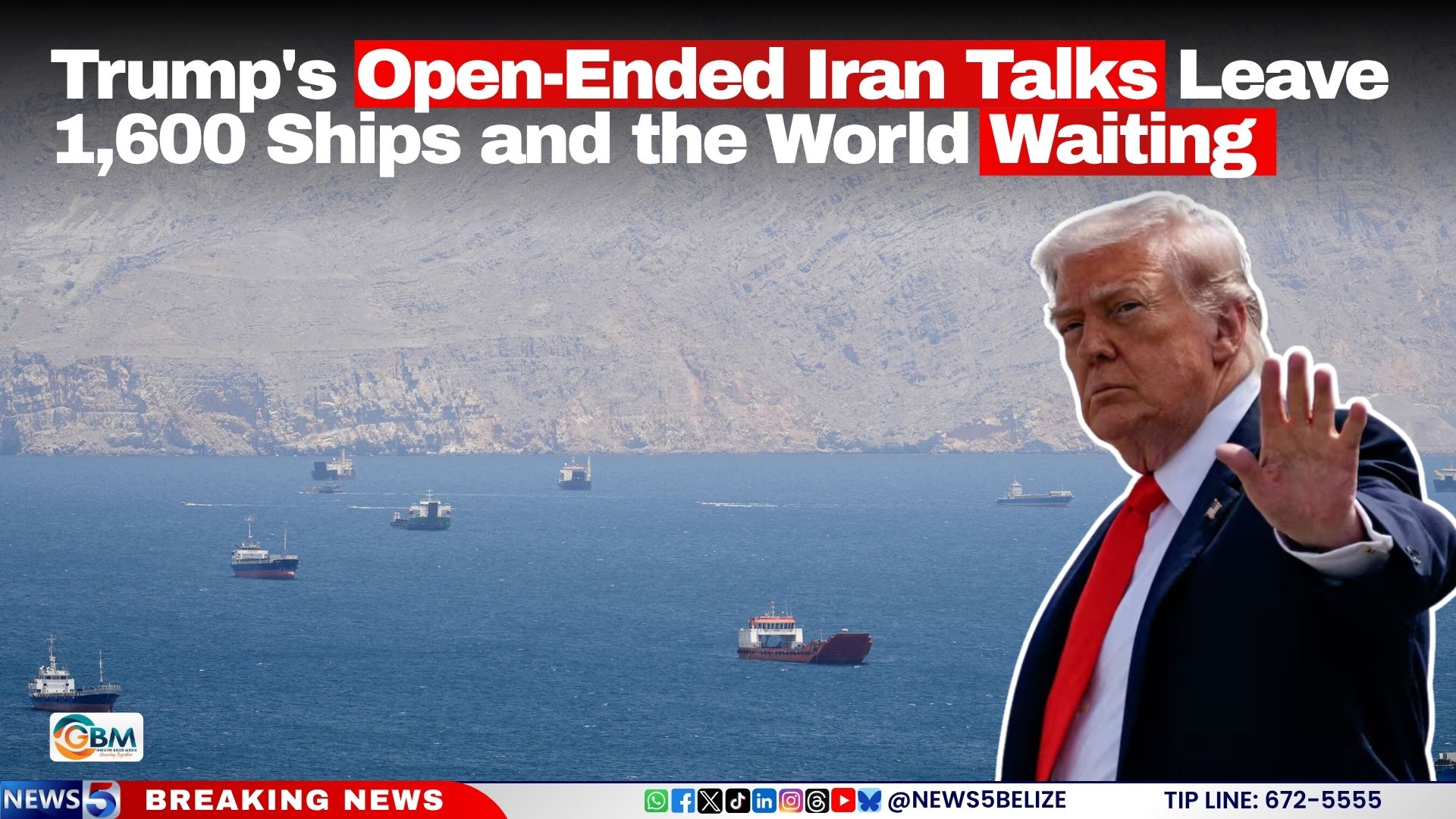
    The disclosure comes amid escalating regional tensions as Iranian Foreign Minister Abbas Araghchi issued a stark warning to the United States during a Beirut seminar on Friday. Araghchi cautioned that Iran would respond “without hesitation with everything we have” to any new attacks against the Islamic Republic, referencing last June’s conflict with Israel. He characterized potential large-scale confrontation as “fierce” and prolonged, with significant regional and global implications.

    Independent verification of casualty figures remains challenging due to internet restrictions and information blackouts. The US-based Human Rights Activists News Agency estimates at least 4,560 deaths based on activist networks within Iran, significantly higher than official figures.

    Meanwhile, US military assets continue redeploying to the region, with the USS Abraham Lincoln carrier strike group transiting from Asia toward the Middle East. Satellite imagery confirms F-15E fighter aircraft and mobile HIMARS rocket systems being positioned throughout the region, coinciding with new travel restrictions for American diplomats visiting bases in Kuwait and Qatar.

    The protests initially sparked by economic grievances rapidly evolved into broad criticism of Iran’s theocratic regime, recalling memories of the 1979 revolution’s chaos. Although demonstrations have subsided in recent days, human rights organizations fear increased fatalities may emerge as information gradually leaks from the information-restricted nation.

    Iranian authorities have arrested approximately 26,500 individuals, warning that “terrorists” linked to Israel and supported by the US will face prosecution. Concerns mount that some detainees may receive death sentences, crossing what US officials previously identified as red lines in tensions with Iran.

    In a significant development, the Kurdish National Army of Kurdistan (PAK) claims Iran conducted its first foreign military operation since the protests began, attacking a base in northern Iraq and killing one fighter. Kurdish dissident groups have long found refuge in Iraq’s autonomous Kurdish region, creating persistent tensions between Baghdad and Tehran.

    The international community continues monitoring the volatile situation, emphasizing the critical importance of protecting human rights and preventing further regional escalation.

  • Switzerland seeks to strengthen energy and mining ties with Dominican Republic

    Switzerland seeks to strengthen energy and mining ties with Dominican Republic

    In a significant diplomatic engagement marking the conclusion of her service, Swiss Ambassador to the Dominican Republic Rita Hämmerli-Weschke articulated Switzerland’s sustained commitment to enhancing bilateral cooperation in energy and mining sectors. The farewell meeting, convened at the Dominican Ministry of Energy and Mines, served as both a retrospective on institutional collaborations and a forward-looking dialogue on future partnerships.

    Ambassador Hämmerli-Weschke commended the work of Energy and Mines Minister Joel Santos and his ministry, recognizing their efforts in advancing the nation’s extractive and energy industries. The discussions centered on identifying concrete opportunities for strengthened technological exchange and investment between the two nations, with Switzerland positioned as a valuable partner in Dominican development initiatives.

    Minister Santos expressed gratitude for the Swiss Embassy’s ongoing support and specifically proposed the promotion of larimar, the Dominican Republic’s distinctive semiprecious national stone, within the Swiss market. He emphasized Switzerland’s global relevance in the gemstone commerce sector, suggesting significant potential for this cultural export.

    The outgoing ambassador confirmed the scheduled arrival of her successor in March, ensuring continuity in diplomatic relations and reaffirming Switzerland’s technical and financial capacity to contribute meaningfully to Dominican progress in these critical sectors. Hämmerli-Weschke shared positive reflections on her tenure in the Caribbean nation, characterizing her diplomatic assignment as personally and professionally rewarding.

    The ceremonial conclusion of the meeting featured the ambassador presenting Minister Santos with a traditional Swiss Army knife—a symbolic gesture representing Swiss craftsmanship and practical innovation. The exchange was witnessed by senior officials from the Ministry of Energy and Mines, underscoring the importance both nations place on their diplomatic and economic relationship.

  • Caribbean nations aim to enhance collaboration with new head of IICA to increase agricultural development and decrease imported foods

    Caribbean nations aim to enhance collaboration with new head of IICA to increase agricultural development and decrease imported foods

    SAN JOSÉ – Caribbean agricultural leaders have voiced strong optimism that the newly inaugurated Director General of the Inter-American Institute for Cooperation on Agriculture (IICA), Guyanese agronomist Muhammad Ibrahim, will spearhead transformative efforts to reduce the region’s dependency on imported food and bolster food sovereignty. The inauguration ceremony in Costa Rica, attended by ministers from 30 nations and international organizations, marked the commencement of Ibrahim’s 2026–2030 term, succeeding Manuel Otero who led the institute through two consecutive terms.

    Saint Lucia’s Minister for Agriculture, Fisheries, Food Security and Sustainable Development, Lisa Jawahir, emphasized IICA’s critical partnership in achieving national and regional self-sufficiency. “Saint Lucia is proud to have IICA as a partner in our goal of becoming self-sustaining and self-sufficient,” Jawahir stated, underscoring the strategic aim to not only ensure food security but also systematically replace imported food staples with regionally produced alternatives.

    Minister Jawahir identified two priority areas for deepened collaboration: climate resilience and digital agriculture. She revealed ongoing discussions for IICA-led assessments of Saint Lucia’s agricultural systems to develop climate-adaptive farming practices capable of withstanding increasingly severe weather events. Furthermore, she highlighted the necessity of employing innovative, science-based techniques to make agriculture more appealing to younger generations, noting that IICA is indispensable for facilitating knowledge exchange with major agricultural producers across the Americas.

    Echoing this sentiment, Belize’s Minister of Agriculture, Food Security and New Growth Industries, Rodwell Ferguson, called for enhanced regional integration. He stressed IICA’s unique position, with its 34 member states, to act as a unifying force. Ferguson expressed confidence in Ibrahim’s leadership, citing his extensive experience as a former IICA representative in Belize. A key expectation from the new leadership is its role in mobilizing crucial funding for agricultural resilience projects by leveraging international financial mechanisms for which IICA holds accreditation.

    The collective outlook from the Caribbean indicates a firm belief that under Ibrahim’s direction, IICA will intensify its support for training small-scale farmers, integrating advanced technologies, and fortifying the region’s agricultural sector against climatic and economic challenges, ultimately forging a path toward collective food independence.

  • Japan suspends restart of world’s biggest nuclear plant

    Japan suspends restart of world’s biggest nuclear plant

    TOKYO — Japan’s ambitious plan to recommission the Kashiwazaki-Kariwa nuclear facility, the world’s largest atomic power station by capacity, encountered a significant setback Thursday when technical complications forced an indefinite suspension of reactor operations.

    The Tokyo Electric Power Company (TEPCO), which operates the Niigata prefecture-based plant, confirmed that an alarm from the monitoring system activated during reactor startup procedures, prompting immediate suspension of the restart process. This development comes just one day after operations commenced following final regulatory approval from Japan’s Nuclear Regulation Authority.

    Site superintendent Takeyuki Inagaki acknowledged the complexity of the situation, stating, “We don’t anticipate resolution within a day or two. The timeline for identifying and addressing the underlying cause remains uncertain at present.” The company has prioritized comprehensive investigation into the malfunctioning electrical equipment that triggered the alarm.

    According to TEPCO spokesman Takashi Kobayashi, control rods were systematically reinserted into the reactor core once it became apparent that resolving the technical issue would require substantial time. Kobayashi emphasized that “the reactor maintains stable conditions with no detectable radioactive emissions beyond facility boundaries.”

    This incident represents the second technical delay in the plant’s planned reactivation. The initial restart scheduled for Tuesday was postponed due to complications with control rod removal detected last weekend, though those issues were reportedly resolved by Sunday.

    The Kashiwazaki-Kariwa facility, boasting seven reactors with combined capacity of 8.2 gigawatts, has remained inactive since Japan’s nationwide nuclear shutdown following the 2011 Fukushima Daiichi catastrophe. The current restart effort involves bringing just one reactor back online initially.

    Japan’s push to revive nuclear energy stems from multiple factors: the nation’s resource scarcity, carbon neutrality objectives by 2050, and escalating energy demands driven partly by artificial intelligence infrastructure requirements. The Kashiwazaki-Kariwa restart marks TEPCO’s first nuclear reactivation since the Fukushima disaster, which the company also operated.

    Public sentiment in Niigata remains sharply divided regarding the plant’s reactivation. A September survey revealed approximately 60% of local residents oppose the restart, while 37% support it. Opposition groups have highlighted seismic concerns, noting the facility’s location on an active fault zone and referencing damage sustained during a 2007 earthquake. Earlier this month, seven activist organizations submitted a petition with nearly 40,000 signatures to regulatory authorities questioning the plant’s safety preparedness.