分类: world

  • CARICOM and Spain sign new agreement to boost regional health response

    CARICOM and Spain sign new agreement to boost regional health response

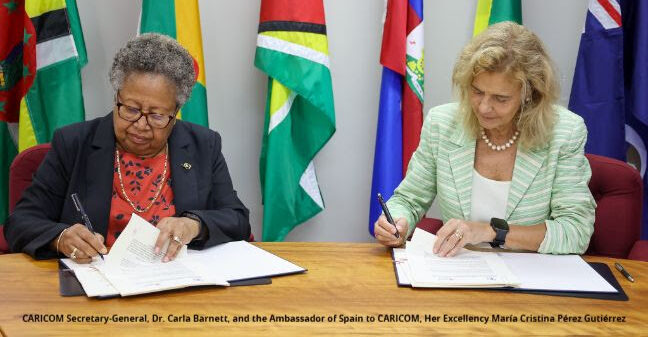
    On May 6, 2026, a landmark new cooperation agreement between the Caribbean Community (CARICOM) and the Government of Spain was formally signed during the 10th convening of the Joint Technical Committee (JTC) for the CARICOM-Spain Joint Fund for Scientific and Technical Cooperation, unlocking expanded regional support for Caribbean healthcare systems and marking a new milestone in decades of cross-regional partnership. Dr. Carla Barnett, CARICOM Secretary-General, and María Cristina Pérez Gutiérrez, Spain’s Ambassador to CARICOM, put their signatures to the agreement in an official signing ceremony held alongside the meeting.

    Under the terms of the new pact, the Spanish government is committing €400,000 in funding to a targeted regional health initiative named “Strengthening Regional Leadership, Governance and Coordinated Action in Health to Address New and Existing Health Challenges in the Caribbean Community (CARICOM).” The multi-stakeholder project will be executed collaboratively by the CARICOM Secretariat and the Caribbean Public Health Agency, with the ultimate goal of shoring up fragmented local healthcare infrastructure and improving regional capacity to respond to both persistent public health gaps and emerging health threats across the bloc’s member states.

    Opening the JTC meeting, co-Chair Elizabeth Solomon, who also serves as Assistant Secretary-General of CARICOM’s Foreign and Community Relations Directorate, emphasized the deep, long-standing collaborative ties between the regional bloc and the European nation. Solomon noted that the CARICOM-Spain Joint Fund has grown far beyond a basic financing mechanism, evolving into a results-driven support program that prioritizes practical, demand-aligned action to advance Caribbean-led regional priorities, delivering measurable, on-the-ground benefits to residents across all CARICOM member states. “The CARICOM-Spain Joint Fund continues to play an important role in advancing regional priorities through cooperation that has evolved into a results-oriented programme of support that is both practical and responsive delivering tangible benefits to the people of the Caribbean Community,” Solomon stated in her opening remarks.

    Ambassador Pérez Gutiérrez echoed these remarks, reaffirming Spain’s unwavering commitment to long-term partnership with the Caribbean bloc. “Spain values its partnership with CARICOM and remains committed to supporting initiatives that strengthen resilience, sustainability and regional cooperation,” she said, underscoring the Spanish government’s continued focus on supporting Caribbean development priorities.

    Beyond the health agreement, meeting participants also conducted a comprehensive review of two additional proposed regional development projects that have a combined total valuation of $700,000 U.S. dollars. The first proposal, the Greening Caribbean Ports Programme (GCPP), centers on advancing sustainable maritime infrastructure across Caribbean Small Island Developing States, and is slated to be implemented by the Caribbean Centre for Renewable Energy and Energy Efficiency in partnership with the Port Management Association of the Caribbean if approved. The second proposal, focused on disaster preparedness, aims to “Strengthen the Caribbean Emergency Response Capabilities through the Next Level Regional Response Mechanism (RRM),” with the Caribbean Disaster Emergency Management Agency tapped as the lead implementing body for the initiative.

    By the close of the meeting, representatives from both CARICOM and Spain issued a joint reaffirmation of the critical role the CARICOM-Spain Joint Fund plays in driving inclusive regional development. Both sides described the fund as an indispensable mechanism for advancing shared development priorities and deepening technical cooperation between the Caribbean bloc and Spain, with future collaborative projects expected to continue targeting climate resilience, public health, and sustainable infrastructure across the region.
  • Stremming Hormuz: Zeelieden vast in een uitzichtloze situatie

    Stremming Hormuz: Zeelieden vast in een uitzichtloze situatie

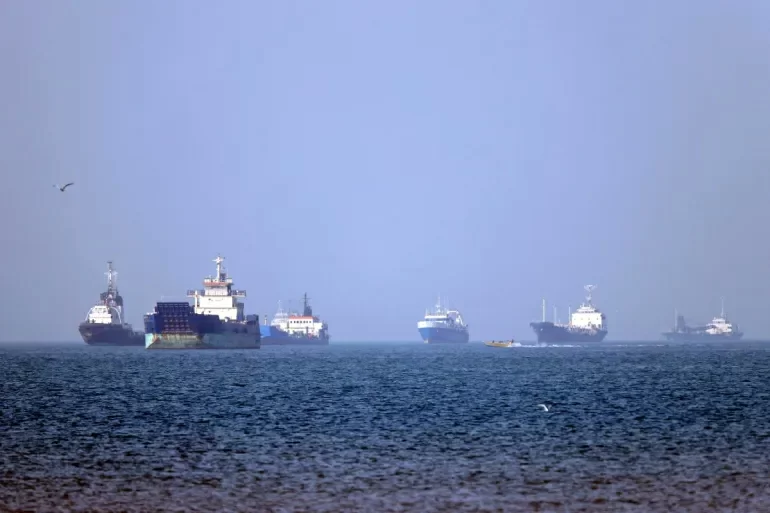
    Nearly 10 weeks have passed since Indian seafarer Anish found himself confined to a docked vessel in an Iranian port, a random twist of fate that turned him into an unintended eyewitness to the escalating open conflict between Iran and the United States. Arriving just days before former U.S. President Donald Trump launched Operation Epic Fury on February 28, Anish and his crew have been trapped in the high-risk waters of the Strait of Hormuz ever since.

    “We experience everything here firsthand: the war, the flying rockets,” Anish shared, speaking under a pseudonym to protect his safety. “Our minds are completely frayed by the constant uncertainty.”

    While a small number of his fellow crew members managed to coordinate an overland escape back to their home countries via the 44-kilometer land border between Iran and Armenia, hundreds like Anish remain stranded. The biggest barrier holding them back is unpaid wages: issues with corrupt Indian intermediaries that manage their salaries, paired with Iranian officials refusing to release the necessary funds for border crossing, have left them with no means to leave.

    Anish survives on simple, repetitive meals of potatoes, onions, tomatoes and flatbread. He has received reports that other stranded vessels in the area are already running critically low on food and clean drinking water.

    Anish’s ordeal is far from an isolated case. International maritime organizations estimate that roughly 20,000 seafarers have been trapped globally since Iran effectively closed the Strait of Hormuz in response to coordinated U.S. and Israeli strikes on Iranian territory. Before the outbreak of active conflict, the strategic waterway was one of the world’s most critical commercial shipping arteries, carrying roughly one-fifth of the world’s total oil and gas supplies, and one-third of global seaborne fertilizer trade.

    Though a fragile ceasefire was announced on April 7, repeated attacks in and around the strait have kept commercial shipping traffic at a near-complete standstill. The U.S. Navy recently announced it has intercepted and responded to multiple attacks on its vessels from Iranian missiles, drones and small fast-attack craft. For its part, Iran says its actions are a defensive response to U.S. strikes on an oil tanker in its territorial waters, and accuses Washington of violating the fragile ceasefire by carrying out bombings on civilian infrastructure.

    In a contradictory move, Iran has offered safe passage to commercial vessels in exchange for payment, but still carries out intermittent strikes on merchant shipping. Since mid-April, the U.S. has further tightened its blockade on Iranian ports, designed to disrupt Iran’s oil exports and cut off its access to foreign currency.

    Maritime experts warn that attacks on civilian vessels are growing more frequent, putting civilian crew members in extreme danger. The United Nations estimates that at least 10 seafarers have been killed since the conflict began; Iranian labor unions report that 44 seafarers and port workers have died within Iranian territory alone.

    For trapped crews, daily life is defined by unrelenting fear. Stephen Cotton, spokesperson for the International Transport Workers’ Federation (ITF), describes the situation as a “constant heightened state of terror.”

    “Military units board civilian ships like it’s the 17th century,” Cotton said. “But these are just ordinary working people just trying to do their jobs and get home to their families.”

    The ITF and other maritime advocacy groups draw a clear divide between large international shipping firms, which typically provide stranded crews with hazard pay and emergency support, and smaller, unregulated operators that often ignore international labor rules. Many small operators leave crews without access to basic supplies and cut off access to earned wages.

    The crisis is compounded by the fact that most foreign seafarers working in Iranian ports are hired through unlicensed intermediaries that do not meet international labor standards. While international law caps consecutive service on a vessel at 12 months, the ongoing closure of the strait has made repatriation impossible for thousands, forcing them to extend their tours indefinitely.

    John Bradford, a former U.S. Navy officer and maritime security analyst, highlighted the far-reaching social toll of the crisis. “Vessels cannot sail, repatriation flights are completely disrupted,” Bradford explained. “Many seafarers are forced to stay far longer than their contracts required, thousands of miles from their families, in an environment that grows more stressful by the day.”

    The mental health of trapped seafarers has suffered dramatically as a result. Steven Jones, founder of the Seafarer Happiness Index, reports that overall seafarer well-being has dropped by roughly 5% since the outbreak of the conflict. Trapped crews regularly report seeing drones and missiles flying near their vessels, and live in constant fear of a direct attack.

    “One captain told me he had to brief his entire crew on how to evacuate and where to jump overboard if the ship came under attack,” Jones said.

    Despite a U.S. announcement of a planned initiative to escort stranded vessels out of the strait, the program was suspended less than 48 hours after it was announced to make space for ongoing peace negotiations.

    Even if the strait were fully reopened tomorrow, global trade would take weeks to return to pre-conflict levels. Damage to port infrastructure, overflowing storage facilities, and a massive backlog of exports have created logjams that will take months to resolve. Compounding these risks are naval mines laid by Iran in the strait’s waters, which have made any navigation extremely dangerous. U.S. maritime experts say Iran deployed large numbers of mines but has failed to keep accurate records of their locations, so clearing the waterway could take anywhere from weeks to months.

    The International Maritime Organization is currently developing an emergency evacuation plan for stranded crews, but emphasizes that all conflict parties must halt attacks to make large-scale evacuation possible. Beyond the physical danger of being trapped in a conflict zone, seafarers also face the crippling uncertainty of not knowing when they will receive their earned pay. Anish has now waited nine months for his salary, and has no guarantee he will ever receive the money he is owed. His current contract is set to expire on May 20, but he has no information about whether he will be paid after that date.

    “Maybe I’ll get my salary then, maybe I won’t,” Anish said.

  • US Awaits ‘Serious Offer’ From Iran as Fighting Continues

    US Awaits ‘Serious Offer’ From Iran as Fighting Continues

    As cross-border fire exchanges continue to roil the Strait of Hormuz and surrounding waters, the United States is waiting for a formal response from Tehran to a diplomatic proposal crafted to de-escalate the ongoing regional crisis, multiple US sources confirmed to CNN on May 8, 2026.

    US Secretary of State Marco Rubio stated Friday that Washington is pressing for what he called a “serious offer” from Iranian officials that would unlock tangible progress in negotiations aimed at ending the conflict. This push for diplomatic progress comes even as open fighting continues, contradicting claims from US President Donald Trump that a ceasefire between the two nations remains in place.

    Hours before the diplomatic push, US Central Command confirmed that American military forces intercepted and disabled two Iranian-flagged oil tankers that attempted to break a US naval blockade off the coast of the Gulf of Oman. According to US military statements, Navy fighter jets carried out precision airstrikes targeting the vessels’ smokestacks to disable their propulsion systems, successfully blocking the tankers from reaching Iranian port facilities. There has been no immediate report of crew casualties from the strikes.

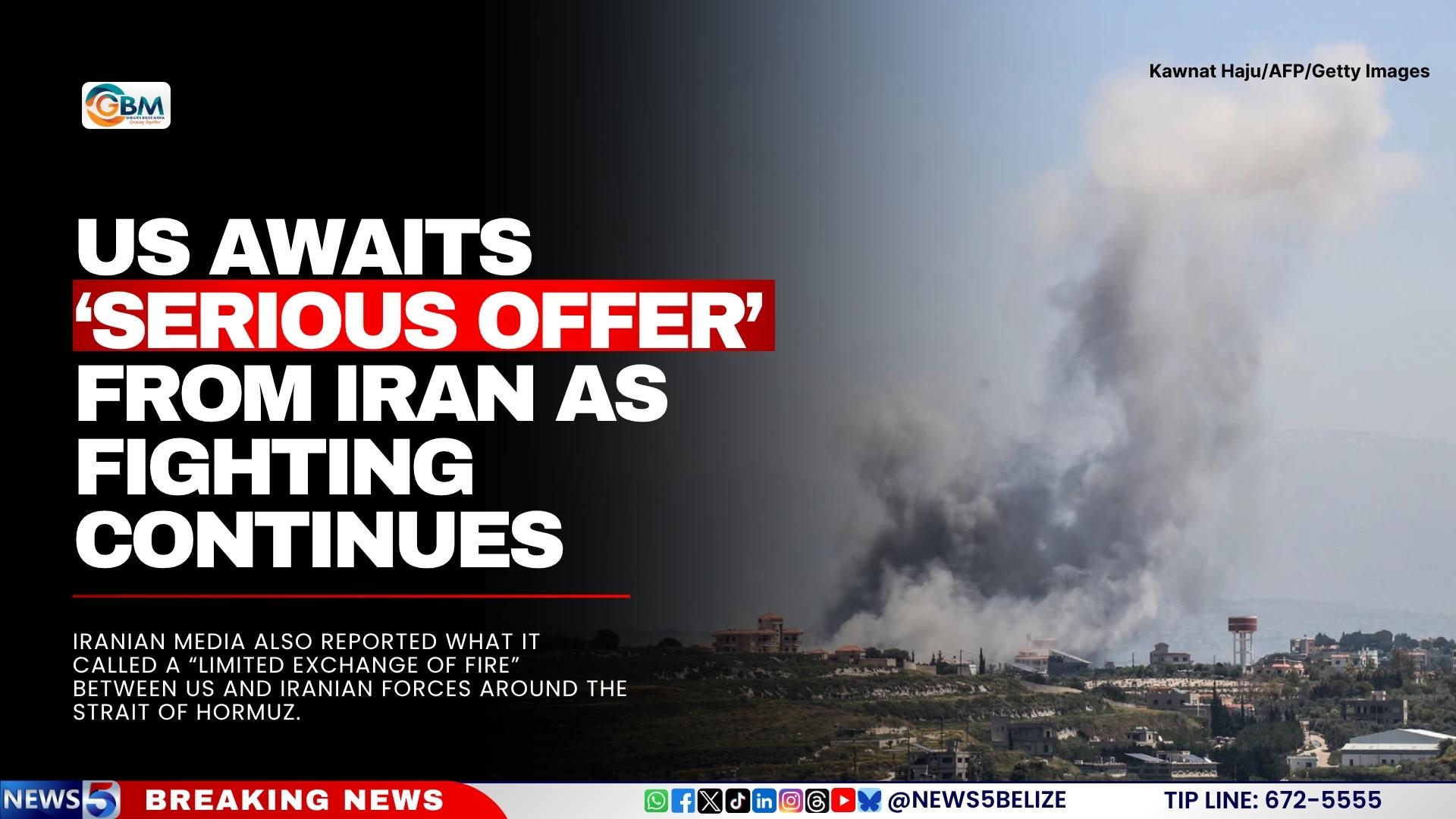
    Tehran has already strongly condemned the interception, with state-run Iranian media acknowledging that a “limited exchange of fire” between US and Iranian forces played out across the Strait of Hormuz on Friday morning. Local witness accounts confirm sustained gunfire and loud explosions echoed across the waterway for multiple hours during the clash. Iranian officials have labeled the latest US military action a “reckless military adventure” that deliberately targets civilian maritime infrastructure and intentionally escalates tensions in the already volatile Persian Gulf region.

    Beyond the direct clashes between Washington and Tehran, the crisis is now spilling across the broader Middle East and pushing the region closer to a full-scale regional war. In the United Arab Emirates, local authorities confirmed three civilians were injured in a new wave of attacks linked to pro-Iranian militant groups, marking the first reported civilian casualties linked to the crisis outside the primary conflict zone in recent days.

    In southern Lebanon, the spillover has already turned deadly: Lebanese officials reported Friday that Israeli airstrikes on southern communities killed at least 10 people and destroyed large swathes of farmland and agricultural infrastructure, a critical source of livelihood for local residents. The Iran-backed militant group Hezbollah quickly claimed responsibility for multiple retaliatory strikes targeting Israeli military positions along the shared border, amplifying fears that the confrontation between the US and Iran will draw in more regional powers and expand into a wider conflict.

    The instability has also already begun to ripple through global markets, with economists warning that persistent disruptions to shipping traffic through the Strait of Hormuz — a chokepoint through which roughly 20% of the world’s daily oil supplies pass — are driving up global energy and fuel prices. Higher energy costs are in turn pushing up prices for basic consumer goods across dozens of developed and developing economies, placing new financial strain on households already grappling with post-pandemic cost-of-living challenges.

    Right now, the eyes of the international community remain fixed on Tehran, waiting to see whether the Iranian government will deliver the substantive response Washington has demanded. All sides are watching closely to see if diplomacy can reverse the current trajectory of escalating violence and head off a catastrophic regional war that would send shockwaves across the global economy.

  • British Virgin Islands official commends OECS, explores full membership

    British Virgin Islands official commends OECS, explores full membership

    Nearly 42 years after joining as an associate member, the British Virgin Islands (BVI) is moving forward with plans to attain full membership in the Organisation of Eastern Caribbean States (OECS), reaffirming its longstanding commitment to regional integration during the bloc’s latest commission gathering.

    BVI Special Envoy and OECS Commissioner Benito Wheatley laid out the territory’s position at the 49th Meeting of the OECS Commission, held April 30, according to an official release from the BVI government. The high-level gathering brought together OECS Director General Didacus Jules, the organization’s senior leadership cohort, and ambassador-level commissioners from all member governments. Wheatley also attended the 3rd Meeting of OECS Associate Members held one month prior on March 31 in his official capacity.

    In his address to the commission, Wheatley highlighted the decades of mutual value BVI has gained from OECS affiliation, dating back to its acceptance as an associate member in 1984. He commended the wide-ranging benefits delivered through the organization’s regional cooperation frameworks, pointing to core OECS institutions and collaborative initiatives as transformative for both the BVI and the broader subregion. These include the Eastern Caribbean Supreme Court, the unified Eastern Caribbean currency system, the OECS Economic Union, and cross-sector partnerships covering public health, education, civil aviation, agriculture, sports, and more.

    Today, the BVI hosts the Commercial Court Division of the Eastern Caribbean Supreme Court, a development that has strengthened the territory’s critical financial services sector, boosted its overall economy, and improved judicial access for the entire OECS subregion, Wheatley explained. He also noted that the BVI’s participation in the OECS Pool Procurement Services allows the territory to source high-quality pharmaceuticals and health supplies at far lower prices than independent procurement, delivering direct, tangible savings and benefits to BVI residents.

    Wheatley also recalled the critical support the OECS extended to the BVI in the aftermath of Hurricanes Irma and Maria, the 2017 category 5 storms that left widespread catastrophic destruction across the territory. Beyond disaster response, he emphasized that the OECS continues to play an indispensable role in coordinated regional action and global advocacy for pressing shared priorities, including climate change adaptation, biodiversity protection, and inclusive sustainable development.

    Formally signaling the BVI’s next step in its relationship with the organization, Wheatley confirmed that the territory now seeks to transition from associate member status to full membership after 42 years of association. He outlined that deeper integration through full membership, including participation in the OECS Customs Union, would open new opportunities for the BVI by expanding the territory’s access to affordable, high-quality agricultural goods and food products from across the entire OECS region.

    “We are very pleased with the ongoing exploratory discussions between the BVI and OECS on Full Membership and grateful to all OECS Member States for their encouragement and support as we continue dialogue on this important endeavour,” Wheatley said. He closed his address by extending formal gratitude to the OECS for its decades of contribution to the BVI’s sustained growth and institutional development.

  • Fruitverwerkingsproject met India moet landbouwsector nieuwe impuls geven

    Fruitverwerkingsproject met India moet landbouwsector nieuwe impuls geven

    In a landmark step advancing bilateral agricultural cooperation, India has formally transferred a state-of-the-art technical fruit processing installation to Suriname, a project designed to strengthen the South American nation’s local agro-industry and unlock new cross-border export opportunities. This initiative forms a core part of ongoing partnership between Suriname and India focused on inclusive agricultural development and small business entrepreneurship. The official handover ceremony took place at the premises of Melk Centrale Paramaribo Agro N.V. in Paramaribo, drawing high-level attendance from both nations. Key dignitaries in attendance included Suriname’s Minister of Foreign Affairs, International Trade and Cooperation (BIS) Melvin Bouva, Suriname’s Minister of Agriculture, Animal Husbandry and Fisheries Mike Noersalim, and India’s External Affairs Minister Subrahmanyam Jaishankar.

    Minister Bouva explained that the fruit processing project originates from a commitment India made back in 2023 during the CARICOM-India Ministerial Meeting, where New Delhi pledged to deliver machinery and technical assistance to support small and medium-sized enterprises across the Caribbean and Latin American region. Suriname made a deliberate strategic choice to prioritize expansion of its fruit processing industry, with a specific focus on passion fruit (locally referred to as markoesa), a high-value cash crop with strong regional and global demand. According to a statement from BIS, Bouva emphasized that the growing fruit processing sector holds significant potential to drive broad-based economic growth, create new formal employment opportunities for local workers, and expand Suriname’s footprint in international export markets.

    While the installation of the core processing line marks a critical milestone for the project, government officials noted that a power converter still needs to be installed before the facility can become fully operational. The Surinamese government has reiterated its firm commitment to completing the remaining construction and deployment work, and ensuring the facility is operated sustainably to deliver long-term benefits to the local agricultural sector.

    Minister Jaishankar framed the new fruit processing facility as a tangible example of the deepening broader partnership between India and Suriname. He stressed that meaningful international development cooperation should deliver visible, real-world improvements to the daily lives of ordinary citizens, particularly through targeted support for smallholder farmers, local small business owners, and domestic agro-processing sectors.

    Following the handover ceremony, officials from both nations expressed shared optimism that the project will deliver multiple layered benefits: it will strengthen Suriname’s overall agricultural competitiveness, add greater value to locally grown agricultural products, and deepen the long-standing bilateral ties between India and Suriname, opening the door for more collaborative development projects in the future.

  • Migration Forum : Minister Marc-Elie Nelson’s intervention in New York

    Migration Forum : Minister Marc-Elie Nelson’s intervention in New York

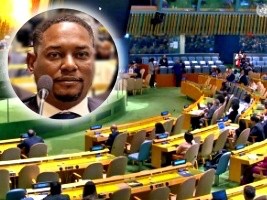
    As the second International Migration Review Forum (IMRF) — hosted by the United Nations at its New York headquarters — drew to a close on Friday, May 8, 2026, Haiti’s Minister of Social Affairs and Labor Marc-Elie Nelson delivered a key address calling on all UN member states to deepen cross-border collaboration to tackle the growing challenges of global migration management.

    Speaking to delegates on Haiti’s behalf, Nelson outlined the unique pressures the Caribbean nation faces, from surging irregular migration flows and devastating brain drain to the urgent need to expand protections for Haitian citizens residing and working outside the country’s borders. Against this backdrop, he highlighted the coordinated domestic reforms and initiatives the Haitian government has rolled out in recent years to bring more structure and fairness to migration movement.

    The cornerstone of these efforts is the National Migration Policy, a formal strategic framework adopted by the administration in 2023 that guides all government action on migration issues. This foundational policy has allowed the government to roll out a targeted contingency plan aligned with the 23 core objectives of the UN Global Compact for Safe, Orderly and Regular Migration, designed specifically to support the arrival and integration of returning Haitian migrants from the Dominican Republic. It also cleared the way for the development of a national care protocol for migrants, funded through a financial partnership with the Inter-American Development Bank (IDB).

    Nelson emphasized that guaranteeing all migrants equal access to critical basic services — including healthcare, primary and secondary education, and formal social protection — is a non-negotiable priority for his government. To advance this goal, Haiti’s 2025-2026 national budget has allocated 152 million gourdes to construct a new transitional accommodation center in the border town of Belladère. Since October 2025, the minister confirmed, the Haitian government has already welcomed and processed more than 170,000 returning migrants, upholding commitments to treat all people with full respect and human dignity throughout the process.

    In closing remarks, Nelson argued that future progress in global migration governance depends on targeted investment in data-driven policy, expanded pathways for regular, legal migration, and more aggressive coordinated action to dismantle transnational human trafficking networks. He concluded by urging the global community to adopt a unified approach to migration that centers humanity, inclusion, and full respect for the human rights of all migrants, regardless of their origin or immigration status.

  • Over US$16 million in emergency food assistance provided to Haiti

    Over US$16 million in emergency food assistance provided to Haiti

    Haiti’s deepening food insecurity crisis has received a critical boost, after the United Nations Food and Agriculture Organization (FAO) announced Wednesday, May 6, that it has secured more than $16 million in new funding from the Regional Humanitarian Fund for Latin America and the Caribbean. The allocation will deliver life-saving emergency food assistance to hundreds of thousands of the most vulnerable people across three of Haiti’s hardest-hit departments: Artibonite, Centre, and West.

    Against a backdrop of spiraling hunger that has pushed millions of Haitians into acute food insecurity, this funding will underpin a targeted emergency humanitarian intervention focused on rapidly cutting rates of severe food insecurity while protecting local food production systems. Unlike traditional food aid distributions that rely on imported delivered food stocks, the FAO’s innovative model centers on supporting small-scale local production to help affected households rebuild their own food access long-term.

    Under the program, FAO teams will distribute custom emergency food production kits to 326,600 people classified as facing acute food insecurity at IPC Phase 3 or higher — a tier that marks significant food consumption gaps and heightened risk of malnutrition. Each kit includes short-cycle crop seeds designed for fast harvests and small livestock including goats, chickens, and ducks, which will help restore the production and food consumption capacity of vulnerable households.

    The model combines fast-acting agricultural inputs with small-scale livestock rearing to deliver immediate improvements to household access to protein and nutrient-dense food, with visible results starting within just days of distribution. To ensure that beneficiaries are able to use the resources effectively, the program also includes ongoing technical guidance and regular follow-up visits from local agricultural experts.

    Designed to deliver tangible outcomes within 90 days of distribution — and in some cases even faster depending on the type of input — each single kit is projected to cover the complete food needs of a five-person household for close to six months. Beyond meeting immediate hunger needs, the kits empower families to grow their own food, helping them regain food sovereignty with dignity rather than relying on long-term external aid.

    Working alongside Haiti’s Ministry of Agriculture, Natural Resources and Rural Development, the FAO will coordinate directly with rural community groups to implement the program, ensuring that assistance reaches the people who need it most and translates quickly into tangible improvements in food access.

    Pierre Vauthier, FAO Representative in Haiti, highlighted the unique value of this community-centered production-focused model. “The importance of these interventions lies in their ability to enable households to quickly meet their own food needs, regardless of the circumstances, while reducing the need for irreversible survival strategies,” Vauthier explained. “They thus help save lives while, in the long term, reducing dependence on external aid.”

  • Presentation of OAS progress in support of Haiti

    Presentation of OAS progress in support of Haiti

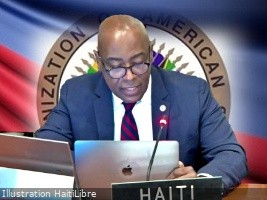
    On Wednesday, May 6, 2026, Organization of American States (OAS) Secretary General Albert R. Ramdin delivered a comprehensive progress update to the bloc’s Permanent Council in Washington, D.C., detailing the hemispheric body’s ongoing work to support stability and development in crisis-stricken Haiti. The update outlined measurable advances across five core priority areas: political mediation, electoral system preparation, security sector assistance, international coordination, and expansion of the OAS’s institutional footprint within Haiti.

    Ramdin emphasized that all OAS initiatives are centered on the principle of Haitian-led solutions, with a core focus on aligning national and international stakeholders and moving toward structured implementation of the widely endorsed Haiti Roadmap for Stability and Peace.

    One of the most critical achievements highlighted by the Secretary General was the OAS’s intervention during the period surrounding February 7, 2026, a window marked by severe institutional uncertainty in the Caribbean nation. Leveraging its formal good offices mandate, behind-the-scenes quiet diplomacy, and coordinated outreach to Haitian authorities, regional bodies, and global partners, the OAS played a key role in preserving executive branch continuity and preventing a far-reaching collapse of state institutions.

    On the electoral front, Ramdin noted that the December 2025 adoption of Haiti’s Electoral Decree marked a key turning point, shifting the process from broad planning to concrete, organized preparation. Through its Department of Electoral Cooperation and Observation, the OAS maintains an ongoing technical working group with Haiti’s Provisional Electoral Council, responding to requests for support in critical areas including electoral technology, voter information systems, and institutional capacity building.

    In the security domain, the OAS has evolved its support from planning to active operational assistance, Ramdin reported. Current engagement includes backing for the civilian component of Haiti’s Gang Suppression Force (GSF), alongside targeted initiatives to upgrade national police capacities, improve security infrastructure, deliver specialized training, strengthen anti-gang financial investigations, and boost security at Haiti’s key maritime ports and coastal borders.

    Ramdin also spotlighted progress on the development of the Haiti Roadmap Dashboard, a transparency and coordination tool designed to provide clearer visibility, full traceability, and greater accountability for all contributions and advances made by the international community. The first phase of the platform, which maps all ongoing OAS-led projects, is already complete, and the second phase will integrate data on bilateral support provided by individual OAS member states. Ramdin called on member state delegations to submit any outstanding contribution data to ensure the platform accurately captures the full scope of collective global support for Haiti.

    Haiti’s Permanent Representative to the OAS, Jean Josué Pierre, confirmed that the Secretary General’s report aligned with on-the-ground conditions in his country. He noted that while progress remains modest, Haiti is now seeing tangible signs of hope, with the capital gradually reclaiming space for normal daily life, peace, and improved security after years of widespread gang violence and institutional collapse. Pierre stressed that the immediate priority is to consolidate current gains and scale up international and national efforts. He also announced that Haiti would submit a draft resolution titled “Support for Haitian-Led Stabilization and Strengthening Coordination of Hemispheric Assistance” for debate at the upcoming OAS General Assembly, scheduled to take place in Panama in June 2026.

    In additional procedural updates, Ramdin confirmed that ahead of the June 22–24 General Assembly in Panama, the OAS will convene a new meeting of the Group of Friends of Haiti. The gathering will serve to review accumulated progress, align on next steps for implementation, and mobilize additional resources and political backing for the priorities laid out in the Haiti stabilization roadmap.

    Closing his presentation, Ramdin noted that the path to long-term stability in Haiti will continue to require consistent determination, coordinated action, and a shared commitment to Haitian sovereignty. “The road ahead will continue to require determination, coordination, and a shared sense of purpose. The OAS stands ready to continue contributing to this effort as a platform for alignment, a facilitator of dialogue, and a partner in implementation,” he said.

  • Saint Kitts and Nevis to establish High Commission in Singapore

    Saint Kitts and Nevis to establish High Commission in Singapore

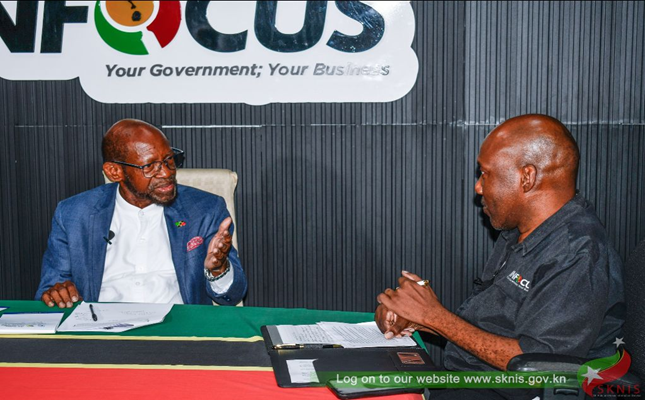
    In a historic move set to reshape Caribbean diplomatic engagement in Southeast Asia, the Federation of Saint Kitts and Nevis has confirmed plans to open a new High Commission in Singapore, marking the first permanent diplomatic facility of any Caribbean nation in the city-state. The announcement was made by Senior Minister and Minister of Foreign Affairs, Right Honourable Dr. Denzil Douglas, during a May 6, 2026 appearance on the public affairs program *InFocus*.

    Dr. Douglas shared that the federation has already received formal agrément — the required approval from the host government for a planned diplomatic mission — and preparations are already underway to open the facility in the near future. Drawing a parallel between the two small nations, the foreign minister highlighted that Singapore’s track record of economic and governance success offers meaningful points of alignment for Saint Kitts and Nevis as it deepens ties with the Southeast Asian region.

    This milestone builds on a foundation of already warm, mutually respectful relations between the two countries. Currently, Saint Kitts and Nevis maintains non-residential diplomatic representation through an appointed Ambassador Extraordinary and Plenipotentiary based in Singapore, which has supported ongoing cooperation across multiple shared priority areas. The new permanent High Commission will expand this capacity, creating a dedicated on-the-ground hub to facilitate deeper dialogue, strengthen people-to-people connections, and unlock new collaborative opportunities.

    The decision to establish a Singapore mission comes on the heels of another recent diplomatic expansion: the opening of Saint Kitts and Nevis’ High Commission in India. In a reflection of the federation’s commitment to authentic global representation, both the upcoming Singapore mission and the already operational Indian mission will be led by resident diplomats who are citizens of the twin-island nation.

    Industry observers note that the move is part of a broader, deliberate strategy by Saint Kitts and Nevis to expand its diplomatic footprint across key fast-growing regions of the Indo-Pacific, opening new pathways for trade, investment, and multilateral cooperation that have previously been out of reach for small island developing states in the Caribbean.

  • Cuba condemns new U.S. sanctions as Washington intensifies pressure campaign

    Cuba condemns new U.S. sanctions as Washington intensifies pressure campaign

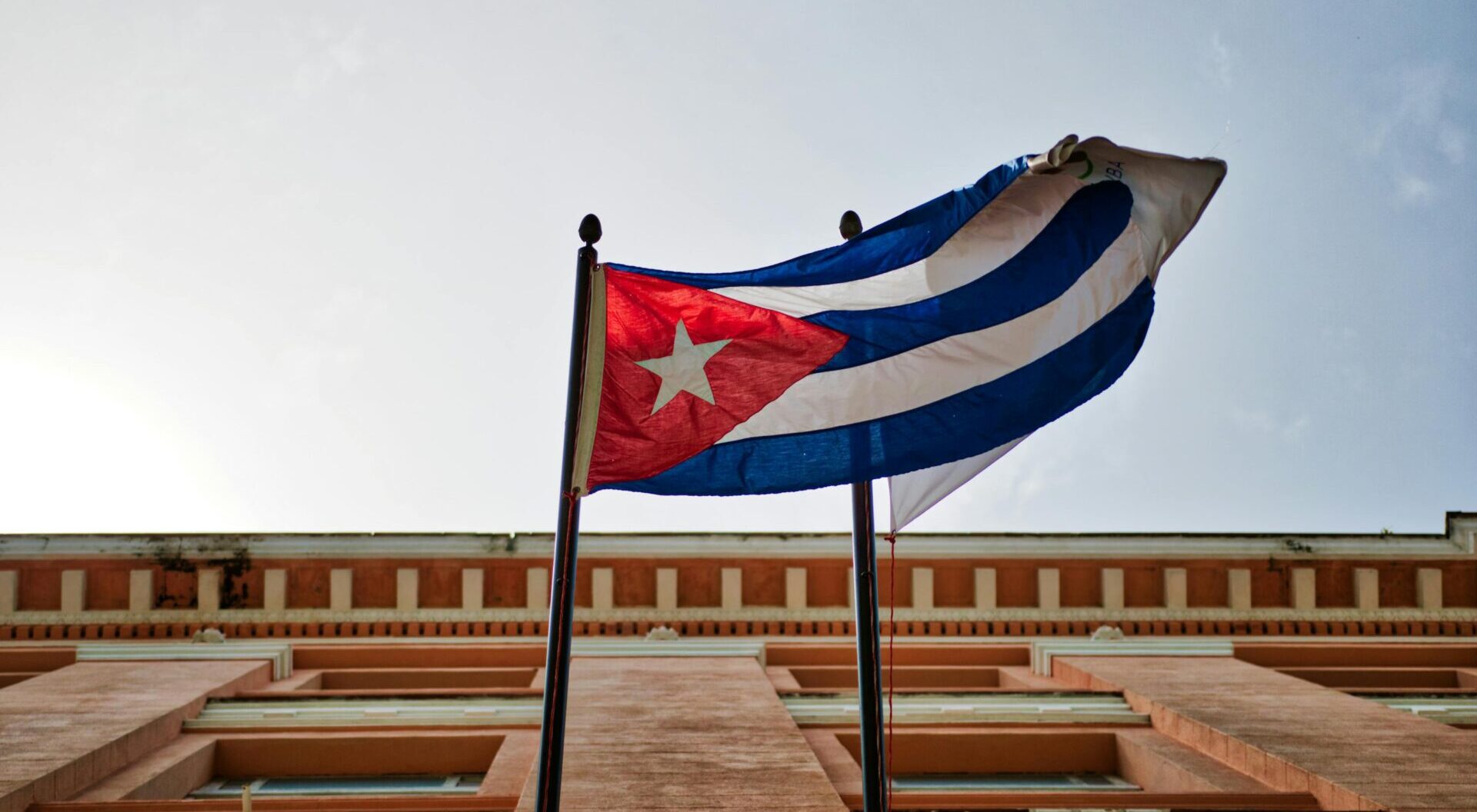
    A fresh round of U.S. sanctions targeting Cuba has deepened a months-long pressure campaign against the Caribbean island nation, announced just hours after United Nations experts slammed Washington’s restrictions on Cuban fuel supplies as a campaign of “energy starvation” that threatens humanitarian catastrophe.

    The new measures, revealed by the U.S. Department of the Treasury on May 7, 2026, mark the first enforcement action stemming from a White House executive order signed on May 1 that escalates Washington’s decades-long economic, financial, and commercial blockade of Cuba to unprecedented levels, according to Cuba’s Ministry of Foreign Affairs. In an official statement released via the Cuban embassy, Havana issued a fierce rejection of both the executive order and the latest sanctions, which add two major Cuban entities — the group Gaesa and mining firm MoaNickel S.A. — to the U.S. Specially Designated Nationals List.

    Cuban officials characterize the move as a brutal act of economic aggression designed to expand the blockade’s impact far beyond U.S. borders, opening the door to secondary sanctions against foreign companies, banks, and third-party entities even when their operations have no legitimate connection to U.S. commercial activity. This extraterritorial overreach, the statement argues, directly violates core principles of international law and the foundational norms of global free trade, while infringing on the sovereign right of all nations to maintain independent economic and diplomatic relations with Cuba.

    The Cuban government links the latest sanctions escalation to restrictive energy measures imposed by the Trump administration in January 2026, which severely disrupted the country’s fuel imports. Together, the combined measures are pushing Cuba’s already fragile economy to the breaking point, exacerbating existing shortages of basic goods and amplifying the risk of a full-scale humanitarian crisis. U.S. diplomatic and financial pressure designed to discourage global engagement with Cuba is a deliberate tactic to cut the island off from global markets, Cuban officials say, part of a broader strategy to weaken the national economy and inflict widespread hardship on the Cuban people in an attempt to force political change.

    Worsening conditions, the ministry warns, could be leveraged by Washington as a pretext for further escalatory actions against the country. Cuba rejects any claim that external pressure justifies interference in its domestic political and economic systems, and stresses that it will continue to defend its sovereignty through diplomatic channels in international forums.

    “We denounce the criminal nature of these aggressive measures aimed at forcing the entire Cuban population to surrender through hunger and desperation and at attempting to create a social, economic, and political catastrophe on a national scale,” the statement reads. “We also reject the U.S. government’s intention to create a humanitarian crisis in order to justify more dangerous actions, including military aggression against Cuba.”

    U.S. restrictions on Cuba have a decades-long history: the original trade embargo was first imposed in 1962, and it remained in place until President Barack Obama normalized relations and lifted most sanctions during his tenure. The Trump administration reimposed sweeping restrictions in January 2026, launching a targeted energy blockade that has been expanded further through the May 1 executive order and this week’s new sanctions designations. The UN experts’ recent warning that U.S. policy has already created a crisis of “energy starvation” adds international condemnation to the escalating standoff, as Cuba calls on the global community to reject Washington’s unilateral measures and defend the principle of national sovereignty.