分类: world

  • UN highlights 2025 results delivering impact across Barbados and the Eastern Caribbean

    UN highlights 2025 results delivering impact across Barbados and the Eastern Caribbean

    The United Nations has officially launched its 2025 Annual Results Report covering Barbados and the Eastern Caribbean subregion, detailing how coordinated multilateral action has delivered tangible development gains across the area amid mounting climate, economic, and social headwinds. Over the course of 2025, the UN mobilized a total of US$73.7 million to advance national development priorities set by local governments across the subregion.

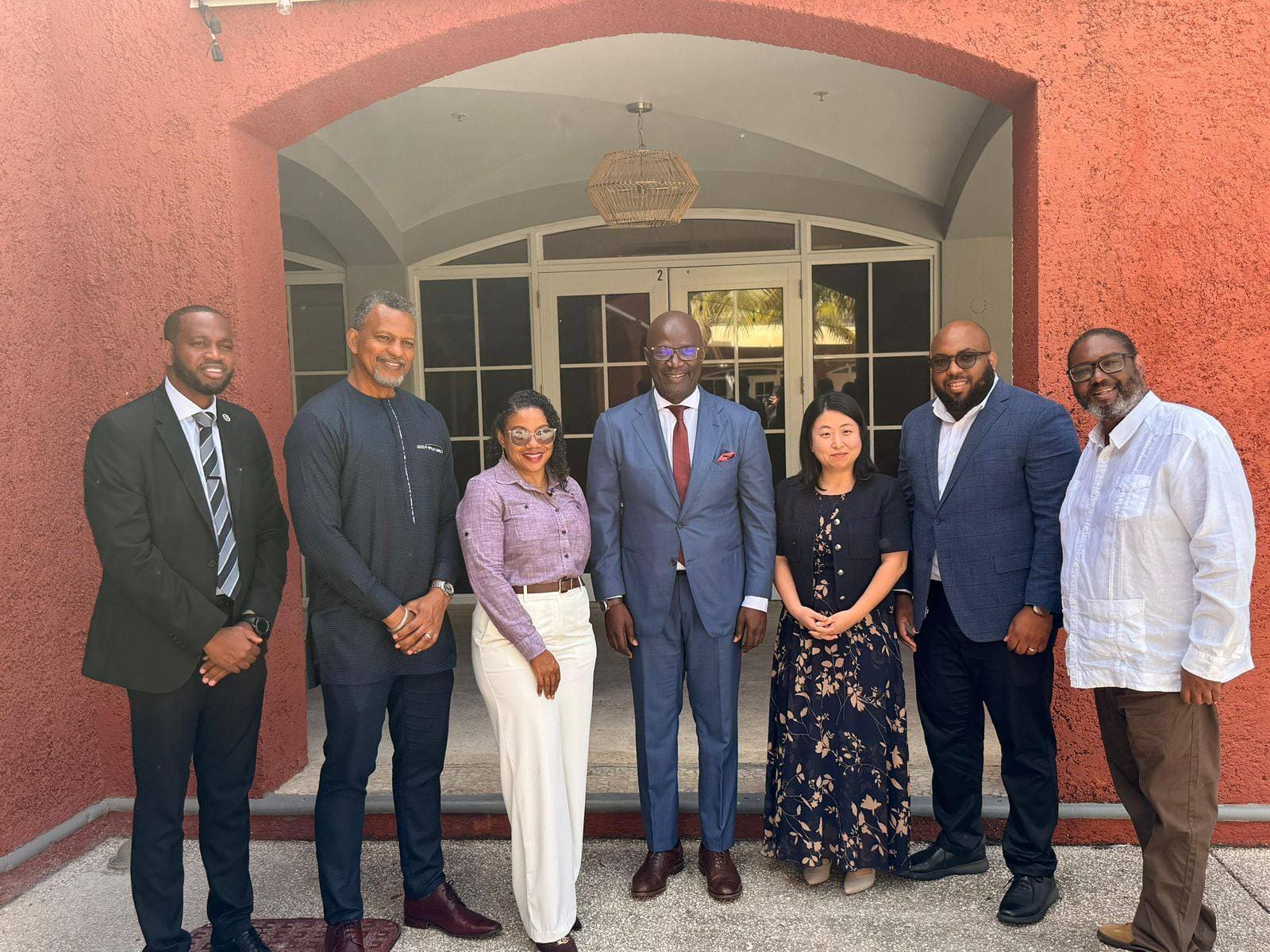
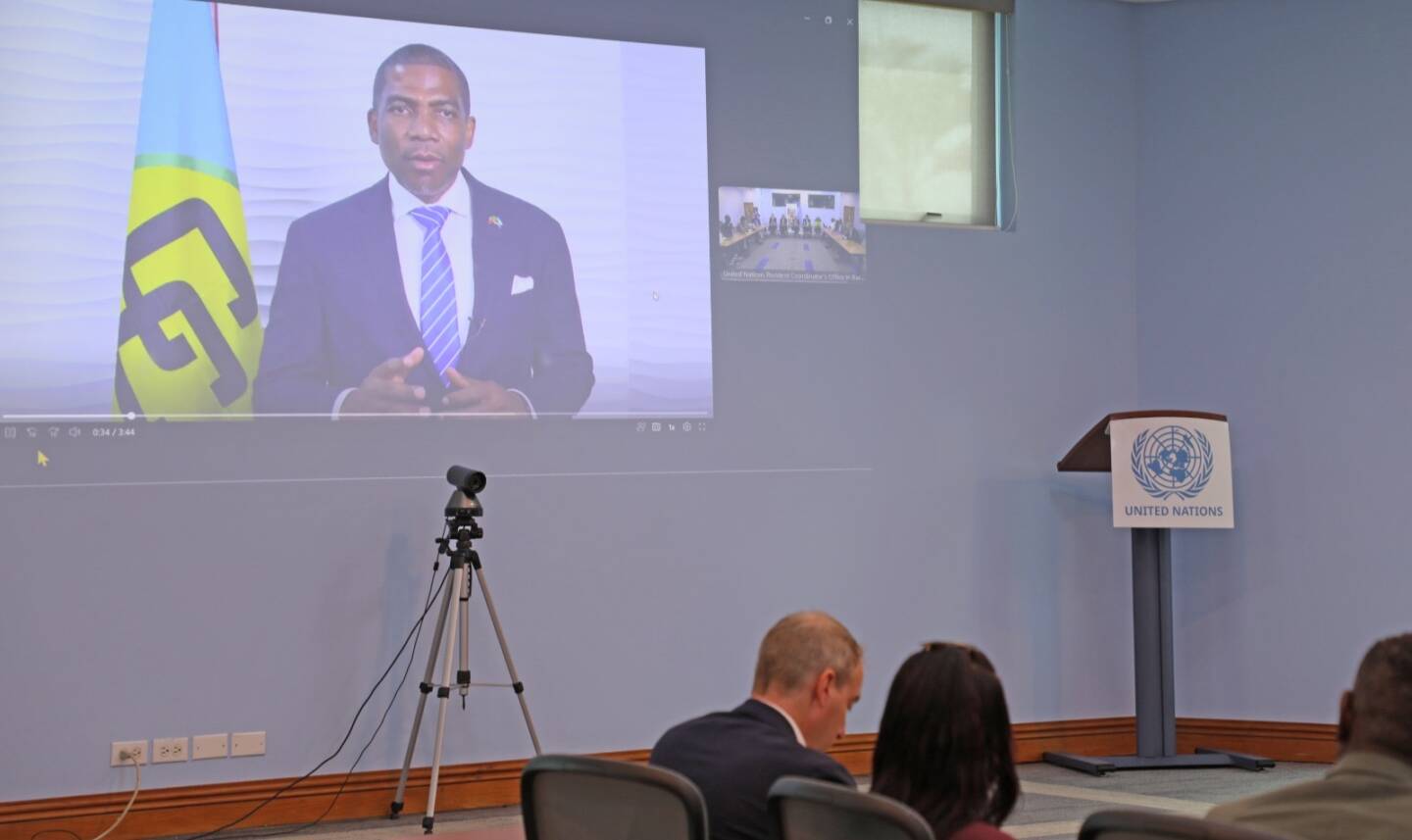
    The report launch was held at a formal press conference attended by senior UN leadership and the Chair of the Caribbean Community (CARICOM), the Hon. Dr. Terrance Drew. During the event, UN representatives reaffirmed the organization’s long-term commitment to supporting Caribbean Small Island Developing States (SIDS) through three core pillars: resilience-building, inclusive economic growth, and people-centered development solutions that align both with national development agendas and the global UN Sustainable Development Goals.

    In his opening address to the conference, UN Resident Coordinator Simon Springett emphasized that climate vulnerability and economic volatility are not distant hypothetical risks for SIDS in the Eastern Caribbean, but daily lived realities that shape local livelihoods, food security, public health systems, and community safety. “This report tells a story—not just of programmes and numbers—but of people, partnership, and resilience. It shows clearly that when strong national leadership is matched with effective multilateral cooperation, real progress is possible, even in the most challenging global environment,” Springett said. “This is also a powerful statement about multilateralism. For Small Island Developing States, multilateral cooperation amplifies Caribbean voices, unlocks financing, strengthens regional systems, and helps transform vulnerability into resilience.”

    Climate action emerged as a top scaling priority for the UN in the subregion in 2025, with more than US$36 million mobilized for climate adaptation projects, ecosystem restoration, climate-smart agricultural practices, and disaster risk reduction initiatives. A key milestone highlighted in the report was the launch of a new Regional Logistics Hub based in Barbados, which has already improved regional disaster response surge capacity and tracking for over 440 metric tons of emergency relief supplies spread across nine participating countries, cutting response times and boosting the effectiveness of disaster relief operations.

    Springett stressed that all UN programming is designed in close collaboration with national governments, rooted in local priorities and structured as integrated solutions that address the interconnected nature of risks facing SIDS. “The United Nations remains fully committed to walking this path with governments and partners across the Eastern Caribbean — delivering together, listening to communities, and ensuring that development progress is resilient, equitable, and lasting. One message stands out above all: partnership matters. Whether responding to hurricanes, mobilizing climate finance, supporting national reforms, or investing in digital transformation, progress has been driven by cooperation — at the national, regional, and international levels,” he added.

    Delivering virtual remarks on behalf of CARICOM, Chairman Dr. Drew praised the UN for its consistent, robust support to Barbados and the Eastern Caribbean at a time when the region has been battered by overlapping external shocks, including climate-fueled natural disasters, persistent economic uncertainty, growing national debt burdens, widespread food and energy insecurity, and the lingering aftereffects of the COVID-19 pandemic.

    Dr. Drew noted that “The 2025 Annual Results Report reinforces what CARICOM has long recognised that multilateral cooperation is most effective when grounded in local realities and aligned with regional priorities.” He further emphasized that for SIDS, development progress cannot be separated from addressing the climate crisis, and welcomed the UN’s tailored approach to programming that centers this connection in 2025. “The UN, under the Multi-country Sustainable Development Cooperation Framework (MSDCF), demonstrated the value of linking climate action, disaster risk reduction, financing and social protection to build practical resilience. This report also underscores the importance of people-centred development and regional collaboration. Investments in health system, youth and women’s empowerment, governance and institutional strengthening are investments in stability, dignity and opportunity for our citizens,” Dr. Drew said.

    The CARICOM Chair also addressed ongoing United Nations reform efforts, specifically the UN80 Initiative, issuing a clear call for reforms to be balanced with the need to preserve targeted, context-specific support for Caribbean SIDS. “While we support efforts to modernise and strengthen the United Nations, we remain concerned that efficiency-driven reforms must not weaken in-country presence or reduce context-specific technical expertise critical to the Caribbean, including support for the Antigua and Barbuda Agenda for SIDS (ABAS). Reforms must strengthen local capacity and ensure predictable, responsive financing for vulnerable states,” he asserted.

    Senior representatives from across multiple UN specialized agencies joined the press conference to outline key results from their 2025 programming in the subregion. Brian Bogart, Representative and Country Director for the WFP Caribbean Multi-country Office, provided an overview of collective UN work on climate resilience and sustainable natural resource management. Stephanie Ziebell, Deputy Resident Representative for UNDP Barbados and the Eastern Caribbean, highlighted progress on advancing peace, public safety, and accessible justice systems. Roberto Telleria, Policy Officer with the FAO Subregional Office of the Caribbean, discussed UN support for expanding economic resilience and shared prosperity across the subregion.

    Amalia Del Riego, PAHO/WHO Representative for Barbados and the Eastern Caribbean Countries, outlined progress in strengthening local health systems and expanding social protection to advance health equity and ensure no community members are left behind. Cleveland Thomas, Area Office Representative for the International Telecommunication Union in the Caribbean, covered UN-backed efforts to advance digitalization and innovation, including projects to expand school connectivity, improve maritime safety, and boost disaster preparedness. Patrice Quesada, IOM Regional Coordinator for the Caribbean and Chief of Mission for Barbados, shared updates on UN support for regional migration governance and policy coordination.

    Following formal presentations, journalists from print, broadcast, and online outlets engaged UN personnel in a question-and-answer session to discuss the practical, on-the-ground impact of 2025 results for ordinary citizens across Barbados and the Eastern Caribbean.

    Consistent with the UN’s people-centered approach to programming, direct support for vulnerable communities remained a core priority in 2025. For example, the UN provided emergency cash assistance to more than 7,700 people displaced or impacted by Hurricane Beryl, helping to protect food security, preserve livelihoods, and uphold human dignity for affected households.

    Looking ahead to 2026, the UN has outlined three key priorities for the subregion: finalizing a new five-year Multi-country Sustainable Development Cooperation Framework, scaling up anticipatory action ahead of the annual Atlantic hurricane season, and deepening alignment between UN programming and the Antigua and Barbuda Agenda for SIDS.

    The full 2025 Annual Results Report is available for public access at easterncaribbean.un.org.
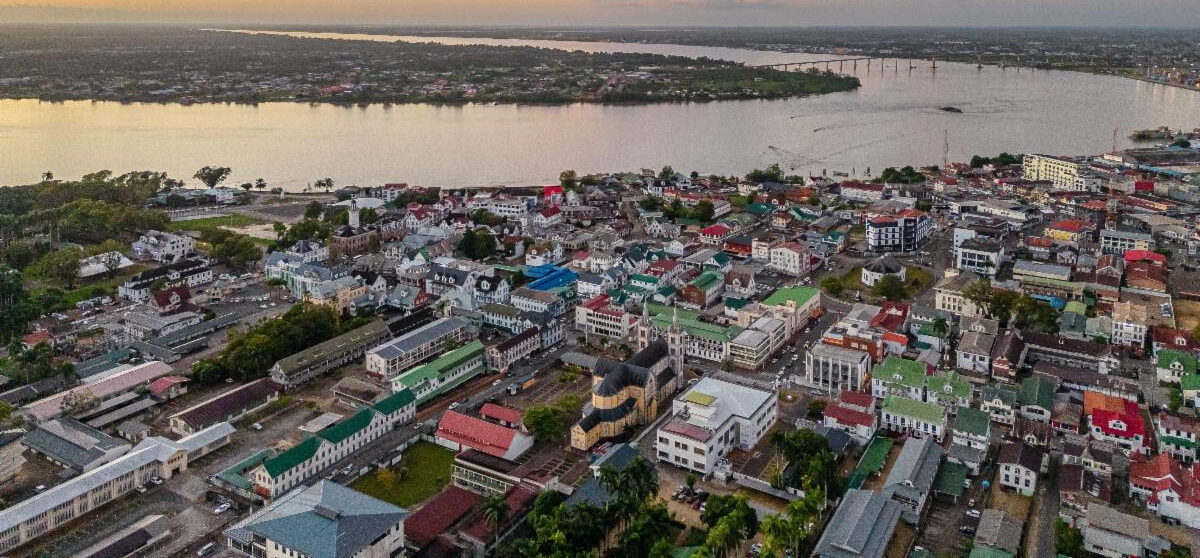
  • CDB and EU approve new funding to strengthen flood early warning systems in Suriname

    CDB and EU approve new funding to strengthen flood early warning systems in Suriname

    The Caribbean Development Bank (CDB) has formally announced a new $698,700 grant, backed by funding from the European Union (EU), designed to shore up Suriname’s capacity to handle climate-driven flood events, the bank confirmed in an official press statement this week.

    This investment will underpin the cross-stakeholder Strengthening Flood Early Warning Systems in Suriname Project, a collaborative effort between the CDB, the EU, and the Surinamese national government. Per the CDB’s announcement, the core goal of the initiative is to boost disaster preparedness and emergency response capacity across Suriname’s high-risk regions that are regularly exposed to extreme rainfall and catastrophic flooding, while safeguarding local populations, livelihoods, and critical economic infrastructure.

    L. O’Reilly Lewis emphasized that the targeted funding will address long-standing structural gaps in the country’s existing flood monitoring and alert infrastructure. “This new investment will close critical gaps by upgrading hydrometeorological monitoring, strengthening forecasting capacity, improving inter-agency coordination, and ensuring that warnings are timely, accurate and actionable at both national and community levels,” Lewis explained.

    The project is financed through the Caribbean Action for Resilience Enhancement (CARE) Programme, which falls under the EU’s broader Intra-African Caribbean Pacific European Union Disaster Risk Reduction Programme. The CDB notes that the upgrade work will focus heavily on low-lying, flood-prone communities across the country, including Brokopondo, Sipaliwini, sections of the capital Paramaribo, the Boven-Suriname watershed, and at-risk coastal zones. These areas have repeatedly faced crippling disruptions to transportation networks, agricultural production, housing, and public services, driven by a combination of heavy rainfall, shifting river system activity, and inherent geographic vulnerability to flooding linked to climate change.

    Fiona Ramsey, speaking for the EU, underscored the urgent regional need to modernize weather forecasting and climate monitoring infrastructure across the Caribbean. “This initiative reflects the European Union’s continued commitment to strengthening climate resilience in the Caribbean, under our renewed partnership with the region on Disaster Risk Management,” Ramsey said. “By advancing weather forecasting capabilities and enhancing early warning systems, we are helping countries like Suriname better anticipate and respond to extreme weather events. Investing in reliable, science-based forecasting and timely alerts is essential to protecting lives, livelihoods and infrastructure, and to supporting sustainable development in the face of a changing climate.”

    Key deliverables for the project include the creation of high-resolution 3D hazard and flood-risk mapping, a major expansion of national meteorological and hydrological monitoring networks, upgrades to data processing and management systems, and the rollout of a standardized Common Alerting Protocol to streamline the distribution of emergency warnings to at-risk populations. The CDB also confirmed that widespread public education and community outreach campaigns will be rolled out to ensure that even residents in remote, underserved vulnerable communities can understand and act quickly on flood alerts when they are issued.

    Once fully implemented, the project is projected to cut flood-related economic and human losses, strengthen national food security, protect critical public and private infrastructure and local employment, reduce unplanned fiscal pressures tied to disaster response and recovery, and bolster investor confidence in the country’s long-term climate stability.

    On-the-ground implementation will be led by Suriname’s Ministry of Public Works and Spatial Planning through the country’s National Meteorological and Hydrological Service, using a coordinated multi-agency governance framework to ensure effective delivery.

    Stephen Tsang, representing the Government of Suriname, expressed gratitude for the collaborative support from the CDB and the EU. “The Government of Suriname welcomes this timely support from the CDB and the EU. Strengthening our flood early warning systems is a critical step in protecting our communities, infrastructure, and economy against the increasing impacts of climate variability. This initiative will enhance our national capacity to anticipate and respond to extreme weather events, while reinforcing our commitment to building a safer, more resilient and sustainable future for all Surinamese,” Tsang said.

    The CDB added that this new financing aligns fully with the institution’s 2026–2035 Strategic Plan, which prioritizes boosting social, economic, and environmental resilience across the entire Caribbean region. The investment also advances the bank’s core mission of cutting poverty and improving quality of life through resilient, inclusive, and sustainable development practices.

  • Chinese Embassy Hosts International Chinese Language Day Event in Antigua and Barbuda

    Chinese Embassy Hosts International Chinese Language Day Event in Antigua and Barbuda

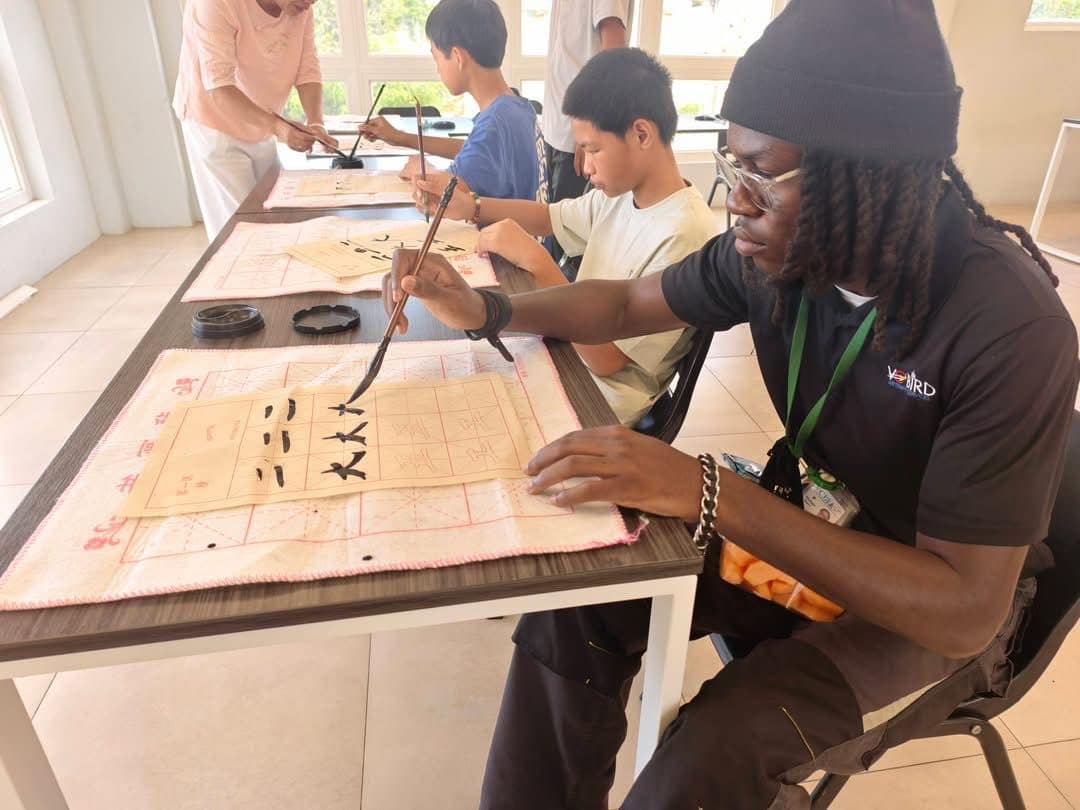
    On May 9, a vibrant celebration of International Chinese Language Day brought together students, cultural lovers, community members and diplomatic representatives in Antigua and Barbuda, co-hosted by the local Chinese Embassy and organized by the Confucius Institute. The cross-cultural gathering drew a diverse crowd, ranging from university students to local Chinese community members and Antiguans and Barbudans with a growing passion for Chinese language and cultural learning, with Chinese Ambassador Jiang Wei gracing the event as a key guest. In her remarks shared by the Chinese Embassy, Ambassador Jiang framed language as far more than a tool of communication: she positioned it as a foundational bridge that fosters deeper mutual understanding between distinct civilizations and creates lasting, close connections between people from different national backgrounds. She further shared her expectation that this inclusive celebration would inspire a growing number of residents across Antigua and Barbuda to start their Chinese language learning journeys, and in turn, lay stronger groundwork for enduring people-to-people and cultural exchanges between China and the Caribbean island nation. Beyond opening remarks, the full day of programming was designed to immerse attendees in tangible Chinese cultural experiences. Scheduled educational lectures covered core themes of traditional Chinese culture, while hands-on activity sessions introduced guests to the structure, history and artistry of Chinese characters and centuries-old traditional Chinese artistic practices. A series of interactive booths spread across the venue let participants try their hand at a wide range of cultural activities: from writing traditional Chinese calligraphy to decorating hand-painted lacquer fans, testing their skill at the ancient pitch-pot throwing game, creating traditional paper rubbing art, and trying on the iconic traditional Hanfu clothing to experience Chinese sartorial culture first-hand. Event organizers emphasized that the gathering was built with a clear dual purpose: to leverage Chinese language and culture as an accessible platform for nurturing wider public appreciation for Chinese traditions, while simultaneously strengthening cross-community connections and bonds among all attendees within the local Antigua and Barbuda community.

  • Antigua and Barbuda Participates in Regional Workshop on Accessing the Fund for Responding to Loss and Damage

    Antigua and Barbuda Participates in Regional Workshop on Accessing the Fund for Responding to Loss and Damage

    As Small Island Developing States (SIDS) continue to grapple with the escalating impacts of climate change, a critical regional training gathering took place this May in Bridgetown, Barbados, focused on unlocking vital funding for climate-related loss and damage. From May 12 to 13, 2026, the Caribbean Training Workshop for National Focal Points and Alternates on Accessing the Fund for Responding to Loss and Damage (FRLD) brought together regional stakeholders, with Antigua and Barbuda among the participating nations.

    The collaborative event was co-hosted by two key institutional actors: the FRLD Secretariat and the Caribbean Development Bank (CDB), designed to equip regional representatives with the knowledge and tools needed to access the new global climate fund. Antigua and Barbuda sent two high-level delegates to the workshop: Mr. Peter Abraham Jr., Director of Debt Management and Climate Finance in the Ministry of Finance and the country’s official National Focal Point for the FRLD, alongside Ambassador Ruleta Camacho Thomas, Climate Ambassador and the nation’s Alternate Focal Point for the fund.

    A core goal of the workshop was to unify Caribbean nations around a clearer understanding of how the FRLD operates, and to guide countries through the process of developing funding requests under the Barbados Implementation Modalities — the fund’s inaugural start-up financing framework. Working sessions centered on key practical topics, including the fund’s governance structure and day-to-day operations, eligibility and access rules, direct budget support pathways, country-led implementation frameworks, and institutional partnership arrangements. A major priority was supporting attendees to craft technically robust, investment-ready proposals ahead of the June 15, 2026 deadline for the FRLD’s first operational funding window.

    During the workshop, participants received key updates on the fund’s initial financing round: the FRLD has officially opened its first $250 million grant window, with individual country requests able to range from $5 million to $20 million. Crucially for vulnerable nations, at least 50 percent of all allocations are reserved for Small Island Developing States and Least Developed Countries, a provision designed to address historical inequities in climate finance access.

    Attendees also got an early look at the upcoming FRLD Country Support System, a tailored assistance mechanism built specifically to help nations with funding proposal preparation, institutional capacity building, and the development of national frameworks for direct access to FRLD financing. Set to become operational after the FRLD Board reviews the plan in July 2026, the support system will allocate up to $250,000 per year to individual countries for technical and institutional strengthening activities.

    To make learning actionable, the workshop integrated peer learning through country case studies, giving Caribbean nations space to share on-the-ground experiences and proven strategies for addressing the full spectrum of climate-driven loss and damage. These discussions covered impacts ranging from damaged critical infrastructure, disrupted food and water security, lost livelihoods, degraded ecosystems, and disproportionate harm to vulnerable coastal communities.

    Following the workshop, Ambassador Camacho Thomas highlighted that the gathering delivered valuable strategic clarity around how the FRLD will function in practice. She reinforced that SIDS like Antigua and Barbuda need fast, efficient access to climate finance that is tailored to their unique climate vulnerabilities and national context, a need that the workshop helped center in regional discussions.

    For his part, Mr. Abraham stressed that coordinated national planning and cross-agency collaboration are essential to putting together competitive funding proposals that align with Antigua and Barbuda’s national priorities and long-term development goals. He noted that these internal efforts will position the country to successfully access the finance it needs when the first window opens.

    Moving forward, the Government of Antigua and Barbuda reaffirmed its ongoing commitment to strengthening national climate resilience systems, and will continue advocating for simplified, equitable, and accessible climate finance frameworks that meet the specific needs of Small Island Developing States on the frontlines of the climate crisis.

  • OPINION: When Good Intentions Do Harm: Why We Must Donate Responsibly

    OPINION: When Good Intentions Do Harm: Why We Must Donate Responsibly

    For the Caribbean region, which is frequently battered by natural hazards, international goodwill and charitable giving are nothing new. But two disaster response specialists are sounding the alarm: even the most well-meaning acts of generosity can spiral into a secondary disaster if they are not properly organized, hampering life-saving response efforts at a time when every second counts for vulnerable communities.

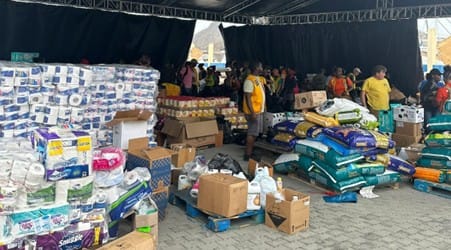
    In a joint opinion editorial, Kevon Campbell, a logistics specialist with the Caribbean Disaster Management Agency (CDEMA), and Jan Willem Wegdam, a shelter advisor with the International Organization for Migration (IOM), outline the persistent challenges created by unsolicited, uncoordinated donations in the aftermath of major catastrophic events. Too often, these unscreened contributions overwhelm already overstretched local ports and storage facilities, they report. Common problematic donations include heavy winter clothing shipped to tropical Caribbean nations, expired food products, unsorted mixed boxes of goods that no staff can organize, and flimsy tarpaulins that cannot hold up to heavy tropical rainstorms.

    Far from supporting communities in crisis, these inappropriate donations create massive logistical backlogs and draw critical resources away from addressing the most urgent, life-threatening needs. Data collected by CDEMA and its participating member states underscores the scale of the problem. Without clear, enforced donation management policies in place, large volumes of unusable or ill-suited goods consume limited, valuable staff time, operational capacity, and emergency funding. This places crippling strain on already strained national logistics networks, which in turn delays the delivery of actually essential supplies: clean drinking water, nutritious food, durable shelter materials, and critical medical equipment and pharmaceuticals.

    Worse still, experts estimate that as much as 60 percent of all unsolicited donated goods end up never being distributed to people in need. Most are ultimately discarded as waste, creating additional environmental damage that compounds the destruction already caused by the original disaster.

    The specialists emphasize that these challenges extend far beyond operational logistical headaches, carrying tangible human costs. When emergency response systems are bogged down by unneeded donations, the most vulnerable populations – including children, elderly residents, and low-income communities already hit hardest by disasters – are forced to wait longer for the life-saving aid that can mean the difference between life and death.

  • The National Electric System continues to operate under extreme pressure

    The National Electric System continues to operate under extreme pressure

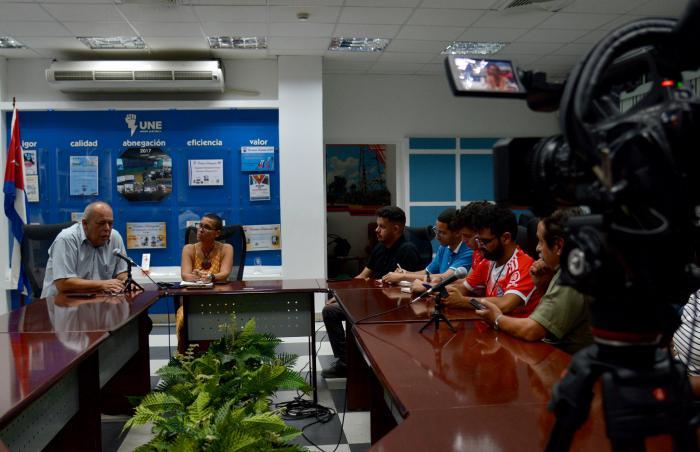
    Millions of Cuban residents continue to grapple with extended, daily blackouts that have upended normal life across the island, pushing the country’s national electric grid into one of the most critical phases in its recent history, according to senior energy official Vicente de la O Levy, Minister of Energy and Mines (Minem). In a public press conference, Minister de la O Levy outlined the multiple overlapping challenges driving the crisis, which first began to escalate in 2019. The top energy official pointed directly to one root cause that has created the current emergency: widespread fuel shortages directly tied to the intensification of economic and energy blockades imposed on Cuba. De la O Levy confirmed that between December 2025 and early April 2026, the country went nearly four full months without receiving any fuel shipments. The only significant delivery the nation received in that period was a 100,000-ton donation of crude oil from the Russian Federation, which arrived after months of empty docks. That single shipment offered only partial, temporary relief for the grid after being processed at Cuba’s Cienfuegos refinery into power generation fuels. It covered just part of April and the first few days of May, and by mid-May 2026, the reserve had been fully exhausted, leaving the nation once again facing an extremely challenging operating environment. The situation has been further worsened by unseasonably early high temperatures that have pushed up residential and commercial electricity demand as summer begins. Today, the National Interconnected System (SEN) relies exclusively on three types of generation: thermoelectric plants, natural gas facilities operated by Energás, and utility-scale photovoltaic solar parks. Beyond the acute fuel shortage, the grid faces a second, long-simmering challenge: widespread structural deterioration of the island’s baseline thermoelectric generation fleet. Decades of use, combined with a persistent lack of access to replacement parts due to trade restrictions, have left most plants operating with severe technological wear that causes frequent, unexpected outages. The minister noted that failures are no longer limited to core boiler systems; critical auxiliary components now also break down regularly, meaning any minor issue can take an entire plant offline. The recent unplanned shutdown of the Antonio Guiteras thermoelectric plant triggered one of the worst weeks for the grid so far this year. Shortly after that outage, operators were forced to take the Felton thermoelectric unit in Holguín offline for urgent work – what was initially reported as routine scheduled maintenance was actually emergency repairs to prevent catastrophic total failure. The Felton unit was suffering from boiler leaks and critical faults in its regenerative air converter, and continuing operations would have destroyed the unit entirely, de la O Levy explained. Every unplanned outage and maintenance shutdown adds more hours of blackouts for residents, as the grid operates with literally no backup generation capacity. Any unexpected failure immediately translates to lost power for communities. While shutting down units for repairs prolongs outages in the short term, failing to complete the work would lead to permanent loss of generation capacity, a risk the government cannot take. Solar power has emerged as a key partial alternative for Cuba, with more than 1,300 megawatts of installed photovoltaic capacity currently in operation. At peak output, solar parks can generate more than 900 megawatts, enough to power a large share of the nation’s demand. However, the inherent instability of the aging grid means operators cannot fully utilize this renewable resource, as unregulated input would cause dangerous frequency fluctuations that could collapse the entire system. Currently, solar generation is capped at an average of just 580 megawatts, a fraction of its full potential. There is progress on the horizon, however: Minister de la O Levy announced that the nation is already in the final phase of a major infrastructure project to install large-scale battery energy storage systems designed to stabilize the grid and unlock more solar generation. Technical teams are already on the ground preparing to launch the first of these new storage systems. When it comes to the distribution of power outages across the country, the grid was never engineered to operate under conditions of permanent rolling blackouts, de la O Levy noted. Energy officials implement daily rotational outages based on available generation capacity, spreading the impact across all territories, but geographic differences mean some regions face longer or more frequent outages than others. Critical infrastructure – including hospitals, water pumping stations, strategic economic facilities, and other vital services – is protected on dedicated circuits that cannot be disconnected, to avoid endangering public safety and core functions. More than 600 protected circuits consume more than 800 megawatts of the nation’s total available generation daily. Additional dedicated frequency stabilization circuits, known as DAF circuits, are also prioritized to keep the grid from collapsing entirely. Each province has a unique mix of demand, number of protected circuits, and technical infrastructure, which leads to uneven outage experiences across the country. For example, some large provincial hospitals have multiple redundant power lines that allow for rotational outages in other parts of their service area without disrupting hospital operations, while smaller or older facilities lack this redundant infrastructure, requiring more outages in surrounding communities to keep the hospital online. Upgrading this infrastructure to equalize outage impacts would require significant capital investment that the nation cannot currently access, the minister added, as the core constraint remains an overall shortage of generated power. Daily outage planning begins at midnight each day at the National Load Dispatch Center, with official estimates released to the public early each morning. But the frequency of unexpected breakdowns means plans are almost always disrupted, as even minor issues – such as a failure in a plant’s on-site water supply – can take a major generation unit offline instantly. In the current tight operating environment, every lost megawatt has a massive, immediate impact on available power. The social cost of this ongoing crisis is impossible to ignore. It has disrupted household life, slowed economic activity, hurt transportation and communications services, and strained public services, leaving the population fatigued, anxious, and uneasy. Ministry officials are actively monitoring public feedback and complaints about uneven outage distribution and fuel access issues, but de la O Levy reiterated that the fundamental problem remains a total lack of available fuel reserves: the country currently has no surplus fuel oil or diesel to draw on for power generation. Today, all power generation relies on domestically produced natural gas and domestic crude oil, and domestic production has been increased as much as possible to offset the import shortfall. Cuba is continuing to advance its long-term energy transition strategy, which aims to diversify generation sources and reduce the nation’s dependence on imported fuel. But these long-term changes require time, access to international financing, and stable technological supply chains that are currently out of reach due to ongoing trade restrictions. For now, Cuban residents are adapting their daily lives around the erratic power supply, with many households completing cooking, laundry, and other essential chores only during the early morning hours when power is most likely to be available.

  • Saint-Martin proposes regional Caribbean network for film and audiovisual industries

    Saint-Martin proposes regional Caribbean network for film and audiovisual industries

    In a landmark presentation at the 49th Meeting of the Organisation of Eastern Caribbean States (OECS) Commission on April 30, 2026, Saint-Martin has put forward a bold proposal to unify the Caribbean’s fragmented film and audiovisual sectors through the establishment of a specialized regional knowledge network. The initiative, which is backed by Saint-Martin President Louis Mussington and First Vice President Alain Richardson, was laid out to assembled OECS commissioners by Saint-Martin’s representative Cyrielle Cuirassier.

    Drawing on latest data from three leading United Nations agencies – UNESCO, the World Intellectual Property Organization, and the United Nations Conference on Trade and Development – Cuirassier highlighted the rapidly expanding global footprint of cultural and creative industries. She underscored that the creative sector has outpaced long-standing traditional industries including automotive manufacturing and pharmaceuticals in annual growth, both on a global scale and within France, setting the context for the Caribbean region to capture similar economic gains.

    “The Caribbean holds unmatched cultural richness and untapped creative potential,” Cuirassier told the full commission. “Film and audiovisual production are powerful catalysts for inclusive economic growth, local job creation, and the strengthening of regional cultural identity. Now is the moment for our bloc to build a coordinated institutional structure that allows us to unlock the full value of this opportunity.”

    As part of the proposal, Cuirassier called for an initial regional benchmarking assessment to map existing production resources, institutional governance frameworks, and key industry stakeholders across all OECS member territories. To kick off the collaborative process, she asked attending commissioners to share dedicated institutional contacts, laying the groundwork for future broad consultations on the plan.

    Cuirassier also held bilateral discussions with OECS Director General Didacus Jules and his senior leadership team, connecting the new proposal to the organization’s existing creative industries study completed in August 2025. She clarified that Saint-Martin’s targeted initiative, focused exclusively on film and audiovisual work, is designed to complement rather than replace the broader creative economy agenda already being advanced by the OECS.

    For Saint-Martin, which gained official Associate Member status in the OECS just over a year ago in March 2025, the proposal is a core component of a wider strategic push to establish the territory as a leading regional hub for film and audiovisual production. According to the joint press release announcing the plan, the initiative will evolve into a formal network cooperation agreement, which will be tabled through official OECS institutional channels following consultations with interested member states. The presentation at the commission meeting also served to reaffirm Saint-Martin’s commitment to active regional engagement, developing cross-border projects that deliver shared economic and cultural benefits across the entire Caribbean.

    Addressing the longstanding challenge of limited regional scale, Cuirassier emphasized: “Individually, Caribbean creative industries do not have the critical mass required to compete effectively in the global marketplace. Working together, we can reverse that reality, and the OECS provides the natural institutional framework to turn this vision into action.”

    The 49th OECS Commission Meeting brought together Director General Dr. Jules, senior OECS leadership, and ambassador-level commissioners from all member governments. The session followed the 3rd Meeting of OECS Associate Members held on March 31, 2026, which Cuirassier also attended as part of Saint-Martin’s delegation.

  • Former Honduran Mayor Arrested in Killing of Environmental Activist

    Former Honduran Mayor Arrested in Killing of Environmental Activist

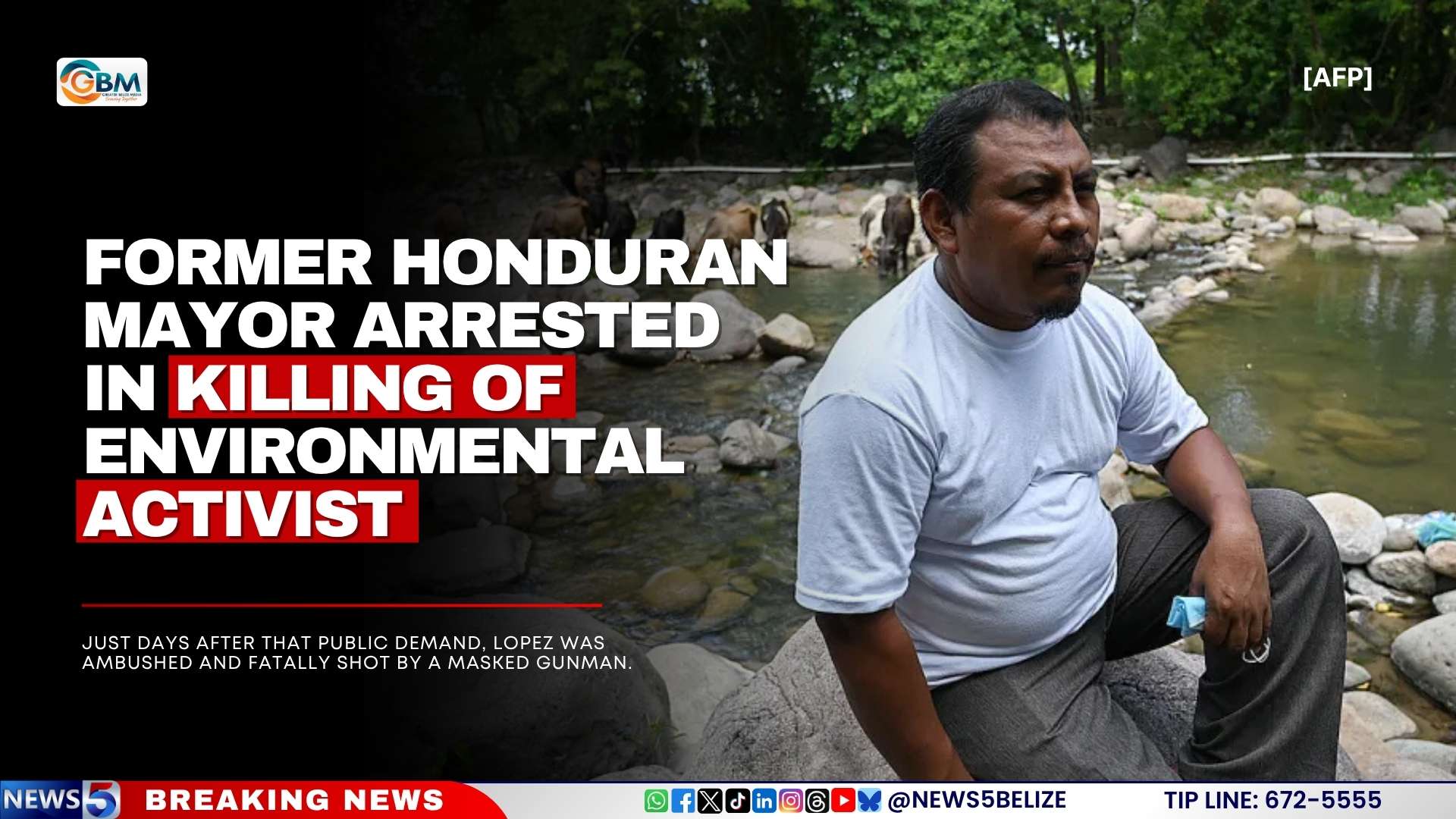
    Four years after high-profile environmental advocate Juan Lopez was gunned down in northern Honduras, law enforcement officials have secured arrests in his killing, with a former local mayor at the center of the conspiracy charges. In an announcement this week, Honduran prosecutors confirmed three men — including Adan Funez, the former mayor of the city of Tocoa — have been taken into custody in connection with Lopez’s September 2024 assassination, marking a long-awaited breakthrough in a case that drew global outrage over risks to environmental defenders across Latin America.

    Funez was arrested at his private residence on Tuesday, with prosecutors alleging he acted as the primary mastermind of the attack that killed Lopez. Two additional co-conspirators have also been detained: local businessman Hector Eduardo Méndez and Juan Angel Ramos Gallegos. Both face charges of criminal association tied to Lopez’s murder. A spokesperson for the Honduran Public Prosecutor’s Office confirmed Wednesday that investigators have concluded all three men are the intellectual authors of the killing, with a trial scheduled to commence as early as June 2026.

    Lopez, a widely respected activist who focused on both environmental protection and anti-corruption accountability, had emerged as the most prominent public opponent of a proposed iron oxide mining project in the Colón department of northern Honduras. The planned development, which Funez publicly supported throughout his tenure as mayor, faced fierce pushback from local activists who warned the mining operation would cause irreversible damage to the region’s old-growth forests, critical river ecosystems, and nationally protected conservation reserves.

    In the weeks before his death, Lopez escalated his public criticism of Funez, issuing a formal, public demand for the then-mayor to resign over a growing corruption scandal tied to the mining project. Just four days after Lopez made that demand public, he was ambushed by a masked gunman on a public street and shot multiple times in the chest and head, killing him instantly.

    The assassination immediately triggered widespread international condemnation, and renewed longstanding global concerns about the deadly violence targeting climate and land defenders in Honduras and across Central America. The killing drew immediate comparisons to the 2016 assassination of Berta Caceres, another iconic Honduran environmental activist whose murder first put the global spotlight on the crisis of violence against land defenders in the region.

    According to data from global environmental watchdog Global Witness, Honduras consistently ranks among the most dangerous countries on Earth for environmental and land rights activists. The organization’s 2024 report found that Latin America as a whole accounted for more than 80% of all global killings of land and environmental defenders that year, with activists working to oppose large-scale mining, logging, and infrastructure development in resource-rich regions disproportionately targeted for violence. Activists note that systemic impunity for these killings has long allowed attackers to act without consequence, though the arrests in the Lopez case mark a rare step toward accountability for attacks on environmental organizers.

  • Canada Warns Travellers Following Belize’s SOE

    Canada Warns Travellers Following Belize’s SOE

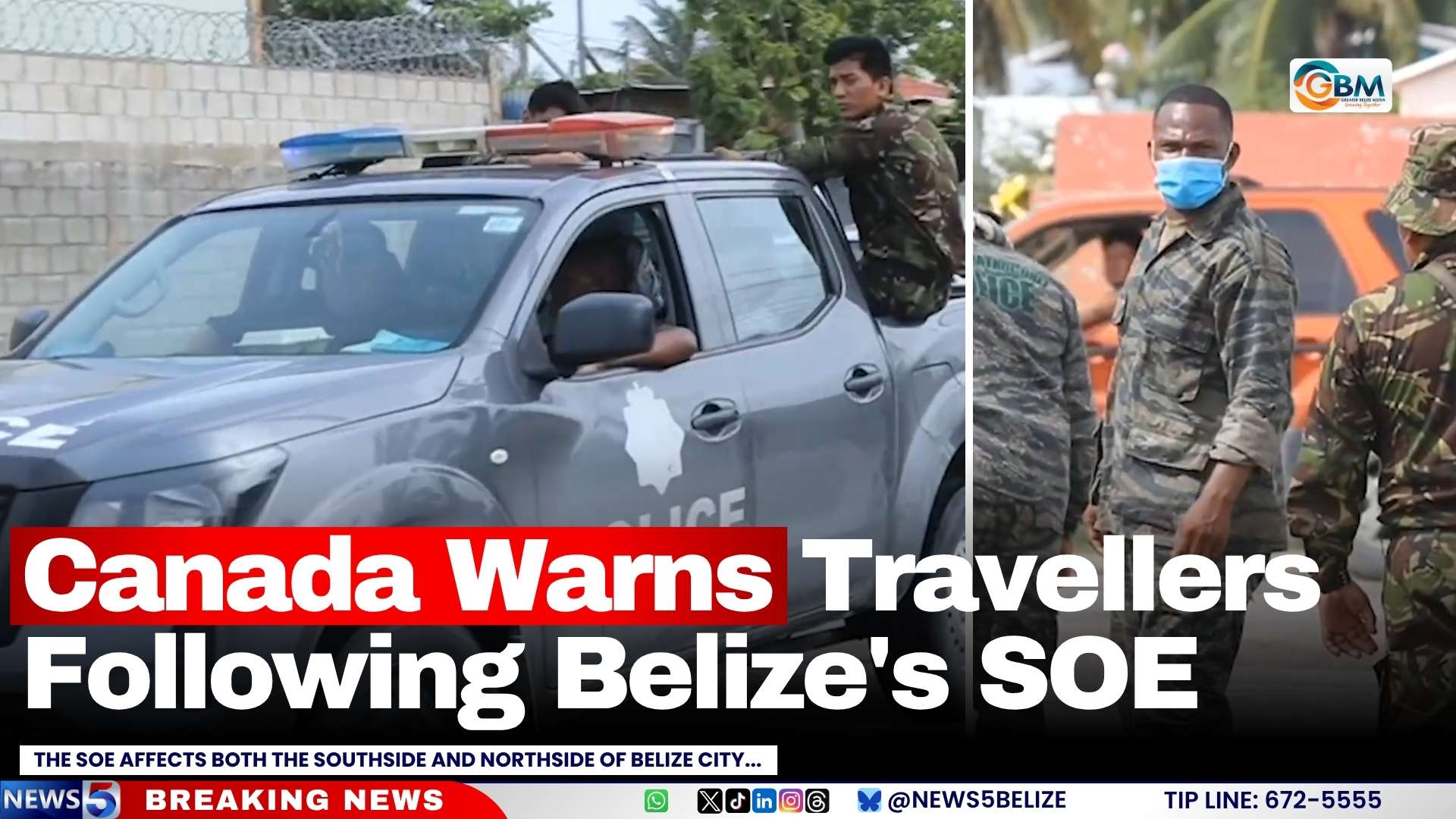
    In response to a sharp escalation in gang-related violent crime and the implementation of a nationwide partial state of emergency (SOE) in Belize, the Government of Canada has issued an updated travel warning, urging Canadian citizens visiting the Central American nation to exercise extreme caution during their trips.

    The one-month state of emergency was officially declared on May 8, 2026, after a sudden spike in shootings and inter-gang conflicts that rattled communities across the region. The extraordinary measures cover the entire northern and southern districts of Belize City, as well as multiple outlying communities in the broader Belize District: Ladyville, Burrell Boom, Fresh Pond, Buttercup Estates, Bermudian Landing, Lemonal, Isabella Bank, Rancho Dolores, and Double Head Cabbage.

    Over the opening weekend of the state of emergency, residents across Belize City woke to a drastically altered security landscape, with intensified joint patrols by local police and the Belize Defence Force (BDF), permanent road checkpoints, mandatory curfews, and expanded security operations designed to halt the spread of tit-for-tat violence. Local authorities confirmed the emergency regulations were rolled out after weeks of retaliatory attacks and lethal shootings tied to long-running rival gang disputes.

    A string of high-profile violent incidents in early May pushed local officials to enact the sweeping measures. On May 5, two prominent local figures, Hubert Baptist and Eric Frazer, were targeted in an ambush shooting along the Philip Goldson Highway; both survived the attack. Just days later, 29-year-old Jamal Samuels was gunned down in what investigating officers have labeled a retaliatory killing tied to ongoing gang tensions. In an incident that sparked widespread public outrage, police also reported that a 16-year-old suspect allegedly entered a local bar and fatally shot a 34-year-old mother of three. These killings are among more than a dozen violent incidents that have left local communities on edge in recent weeks.

    Under Statutory Instrument 50 of 2026, the legislation that formalizes the state of emergency, Belizean security forces have been granted sweeping expanded powers to restore public order and crack down on organized criminal activity. The emergency rules ban loitering, public alcohol consumption, and any gathering of three or more people within the designated restricted zones. Minors in these areas are also required to stay indoors between 8 p.m. and 6 a.m. daily.

    Notably, police and BDF personnel are now authorized to conduct warrantless searches of private homes, vehicles, watercraft, and individual persons if they suspect criminal activity or a potential threat to public safety. Officers also have the power to detain individuals for questioning, seize items deemed to be dangerous, and make warrantless arrests if they suspect a person has committed, plans to commit, or may facilitate criminal activity.

    Canada’s updated travel advisory explicitly outlines the expanded powers granted to security forces under the SOE, noting that authorities can restrict movement, conduct searches and seizures, and detain persons of interest at their discretion. The advisory directs Canadian citizens currently in affected zones to carry valid government-issued identification at all times, maintain constant situational awareness, avoid unpatrolled or unsecured areas, and stay up to date on developments through local news outlets.

    The advisory retains a stronger warning for Southside Belize City, urging Canadian travelers to avoid all non-essential travel to the area due to persistent gang and drug-related violence, including regular murders and shootings. It also adds that violent crime remains a widespread concern across the entire country, including the capital city of Belmopan.

  • Dominican Republic to receive 30 U.S.-deported migrants per month

    Dominican Republic to receive 30 U.S.-deported migrants per month

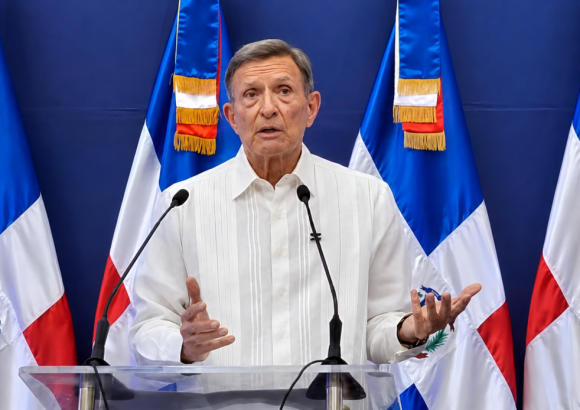
    In a formal announcement made this Wednesday, Dominican Republic Foreign Minister Roberto Álvarez confirmed that the Caribbean nation has entered into a 12-month memorandum of understanding with the United States that will see the country accept roughly 30 deported third-country migrants from U.S. territory each month.

    Under the terms of the agreement, the incoming migrant group will not include Haitian citizens or unaccompanied minor migrants, Álvarez clarified. During their stay in the Dominican Republic, which is projected to last between one and two weeks, local authorities will coordinate logistics for the migrants’ eventual repatriation to their countries of birth or origin.

    Crucially, all costs tied to the transit and repatriation process will be fully covered by the U.S. government, while the International Organization for Migration will provide operational support to Dominican agencies tasked with overseeing the program. At the time of the announcement, Dominican officials had not yet finalized a location to house the incoming deportees, but confirmed that all migrants will be kept under consistent supervision throughout their stay in the country.

    Addressing growing public and political scrutiny of the deal, Álvarez pushed back against claims that the Dominican government was pressured into signing the agreement by U.S. officials. He emphasized that the memorandum is a non-binding arrangement that in no way undermines the Dominican Republic’s national sovereignty.

    The foreign minister also noted that the country is far from alone in adopting this policy framework, pointing to existing similar agreements already in place between Washington and other Latin American nations including Costa Rica, Ecuador, Honduras, and Paraguay. Álvarez repeatedly stressed that the arrangement is designed solely as a temporary transit mechanism, and it will not result in permanent resettlement of these migrants in the Dominican Republic, nor does it open any pathways for formal permanent immigration status for the group under Dominican law.