
On May 14, 2026, local and international stakeholders gathered for the official launch of the EFOSE project, an ambitious seven-year initiative designed to boost food security, local economic growth and improved nutrition across Haiti’s hard-hit Southeast Department. The program, formally named the Project to Improve Food Security through Sustainable Agriculture, Local Economic Development, and Healthy Diets, is backed by a $23.6 million grant from the International Fund for Agricultural Development (IFAD), with the funding agreement originally signed between the Haitian government and IFAD in March 2025. The project will run through 2032, targeting 16 communal sections across five municipalities of the Southeast Department, covering more than 1,500 square kilometers and reaching a total of 24,664 vulnerable households. Currently, 45% of the population in the region lives with chronic food insecurity, a crisis exacerbated by recurring climate disasters and economic volatility that have destabilized local livelihoods for years. At its core, EFOSE seeks to lift communities out of poverty while addressing systemic food and nutrition gaps by expanding and diversifying local production of nutrient-dense foods, with a deliberate focus on building long-term resilience to both climate and economic shocks. The initiative is structured into three core components, each designed to address different layers of the food security crisis. The first component focuses on strengthening territorial resilience, local governance, environmental stewardship and critical infrastructure. It works toward two key outcomes: expanding household participation and decision-making power in local development processes, and improving access to reliable drinking water and agricultural irrigation while enhancing local climate resilience. The second component ties production improvements directly to nutrition and economic opportunity, split into two interconnected sub-components. Sub-component 2.1 invests in on-the-ground production support and nutrition education, encouraging smallholder producers to adopt climate-resilient farming techniques and improved nutrition-focused practices to boost output. Sub-component 2.2, by contrast, invests in value chain infrastructure and support services for participating production systems, with the goal of creating new local employment opportunities, expanding consistent food access, and increasing the diversity of nutritious foods available to regional communities. A third, standalone emergency and disaster response component adds critical flexibility to the project, designed to be activated rapidly in the event of a major crisis that threatens the lives and livelihoods of targeted communities. Eligible crises that can trigger this component include large-scale destructive natural events such as hurricanes or major earthquakes, widespread crop or livestock pest and disease outbreaks that threaten livelihoods, acute public health or food insecurity crises requiring immediate intervention, and large-scale civil unrest that destroys productive infrastructure and community assets. To activate the emergency response, a clear causal link must be established between the event and major negative environmental, economic or social impacts to the target population, ensuring the fund is used to address urgent, crisis-related needs. For Haiti, a country that has long grappled with systemic poverty, repeated climate shocks and persistent food insecurity, the launch of EFOSE marks a major coordinated investment in long-term, community-centered development that addresses both immediate nutritional gaps and the root causes of regional food insecurity.
分类: world
-
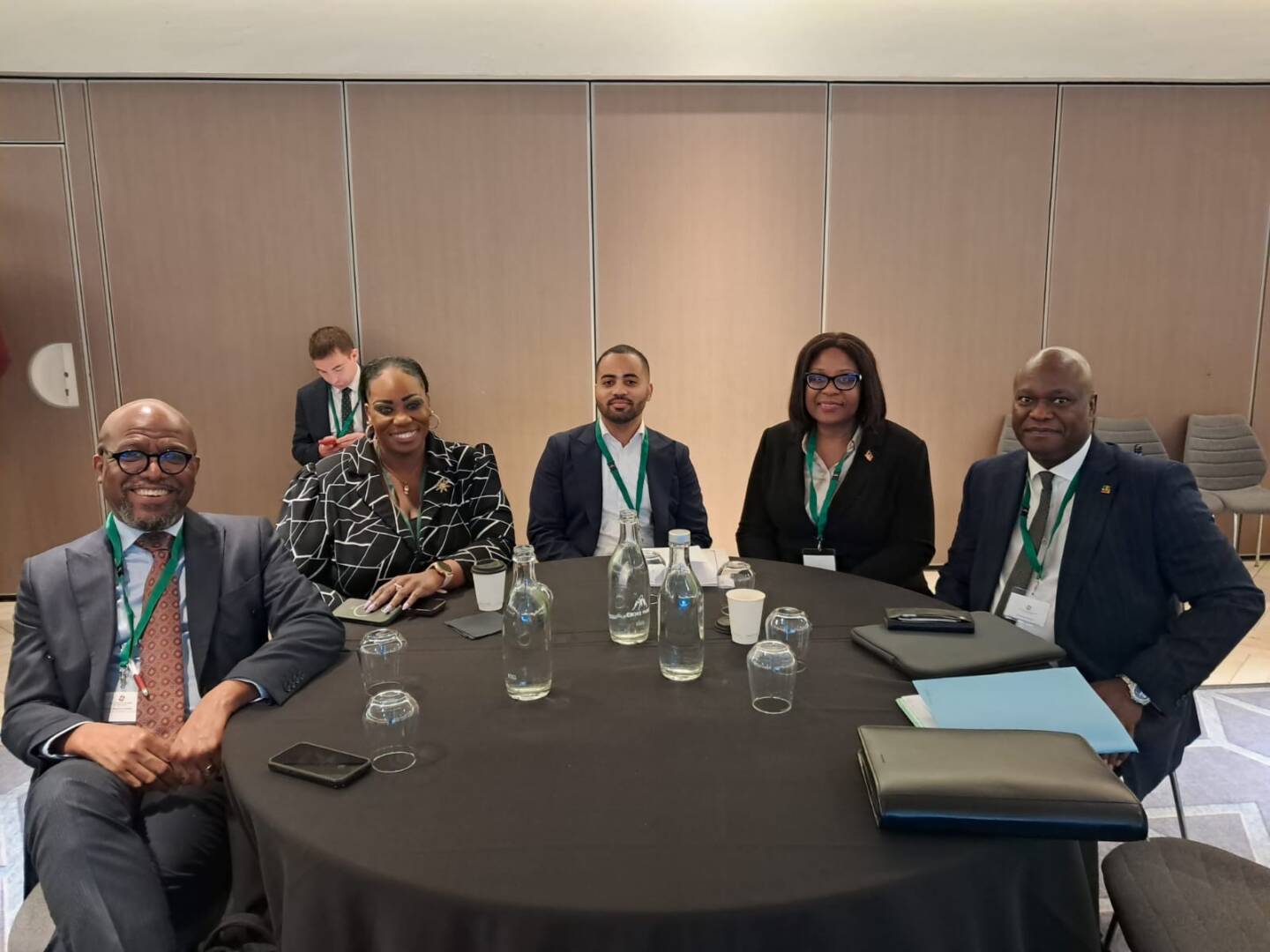
Grenada advances trade and investment agenda in Ireland
Grenada’s newly appointed Ambassador to Ireland, Rachér Croney, who also serves as the country’s High Commissioner to the United Kingdom, has concluded her first official working visit to the Republic of Ireland. The milestone trip centered on her participation in one of the region’s most high-profile annual economic gatherings linking Ireland with the Caribbean and Latin America, where she held in-depth discussions with senior Irish government leaders and pushed forward Grenada’s core trade and investment priorities.
Croney took part in the 2026 Ireland–Latin America and the Caribbean Trade Horizons Forum, hosted on May 13 at Dublin’s iconic Croke Park. The cross-regional gathering was jointly organized by Ireland’s Department of Foreign Affairs and Trade and the Department of Enterprise, Tourism and Employment, built around the central theme of “Trade, Investment, Prosperity: Growing the Ireland–Latin America and the Caribbean Economic Partnership.”
The forum brought together a diverse cross-section of stakeholders, including cabinet ministers, trade agency leaders, C-suite business executives, global investors, and diplomatic representatives from Ireland and 30-plus nations across Latin America and the Caribbean. This year’s agenda focused on four core thematic areas that align directly with Grenada’s long-term economic development goals.
The first thematic track, Partnership in a Changing Global Economy, explored pathways for small developing Caribbean economies to adapt to and capitalize on shifting global trade dynamics through structured bilateral collaboration with Ireland. The second track, Innovation Driving Growth, examined how Ireland’s world-leading innovation ecosystem can open new market and development opportunities for Caribbean nations via targeted foreign investment and cross-border knowledge sharing. The third track, Technology and Collaboration, centered on deepening tech-focused partnerships between Irish and Caribbean private sectors, a priority that matches Grenada’s ongoing push to expand and grow its domestic digital economy. The final track, Food and Agriculture Opportunities, hosted substantive discussions on unlocking untapped agri-food trade potential, with input from top Irish agribusinesses and leading academic researchers, a topic directly tied to Grenada’s efforts to modernize its agricultural sector and boost agricultural export volumes.
In addition to breakout working sessions, the forum featured major keynote addresses from Christopher Sinckler, Minister of Foreign Affairs and Foreign Trade of Barbados, and Delano Seiveright, Minister of State for Industry, Investment and Commerce of Jamaica. Irish Taoiseach Micheál Martin delivered a formal welcome message to attending delegates, while Ireland’s Minister for Foreign Affairs and Trade Helen McEntee TD delivered closing remarks to conclude the two-day gathering.
Croney’s appointment as Grenada’s first resident-connected Ambassador to Ireland marks a key step in deepening longstanding bilateral ties between the two island nations. Her inaugural official visit created a critical opportunity to formalize Grenada’s diplomatic presence in Dublin, establish open communication channels with senior Irish government stakeholders, and raise Grenada’s profile within Ireland’s expanding economic partnership framework with the wider Caribbean region.
During her time in Dublin, Croney held one-on-one and small-group engagements with senior Irish government officials to advance conversations around areas of shared mutual interest, including bilateral trade, targeted foreign investment, and development cooperation. These discussions laid solid foundational groundwork for a more structured, productive bilateral relationship between Grenada and Ireland in the coming years.
Speaking following her participation in the forum, Croney emphasized the strategic value of the gathering for small island developing states: “Ireland presents real, tangible opportunities for Grenada, and participation in this Latin America and Caribbean trade forum ensures that we have a seat at the table. It allows us to actively contribute to shaping the Caribbean SIDS Strategy and the design of future investment initiatives that will benefit our entire region.”
Ireland has emerged as a global hub for high-growth sectors including advanced technology, pharmaceuticals, agri-food processing, and international financial services — all sectors that align directly with Grenada’s goals to attract targeted foreign investment and diversify its traditional tourism-dependent economy. Croney’s active, high-profile participation in the forum sent a clear signal to both the Irish government and Irish business community that Grenada is a committed, proactive, and accessible trade and investment partner.
The outcomes of Croney’s visit, from formal forum sessions to bilateral meetings and cross-stakeholder diplomatic engagement, form part of a sustained, long-term outreach effort led by Grenada’s High Commission in London to ensure the country is represented at key global and regional forums where economic partnerships and policy decisions are shaped.
This report was issued by the High Commission for Grenada, UK.
-
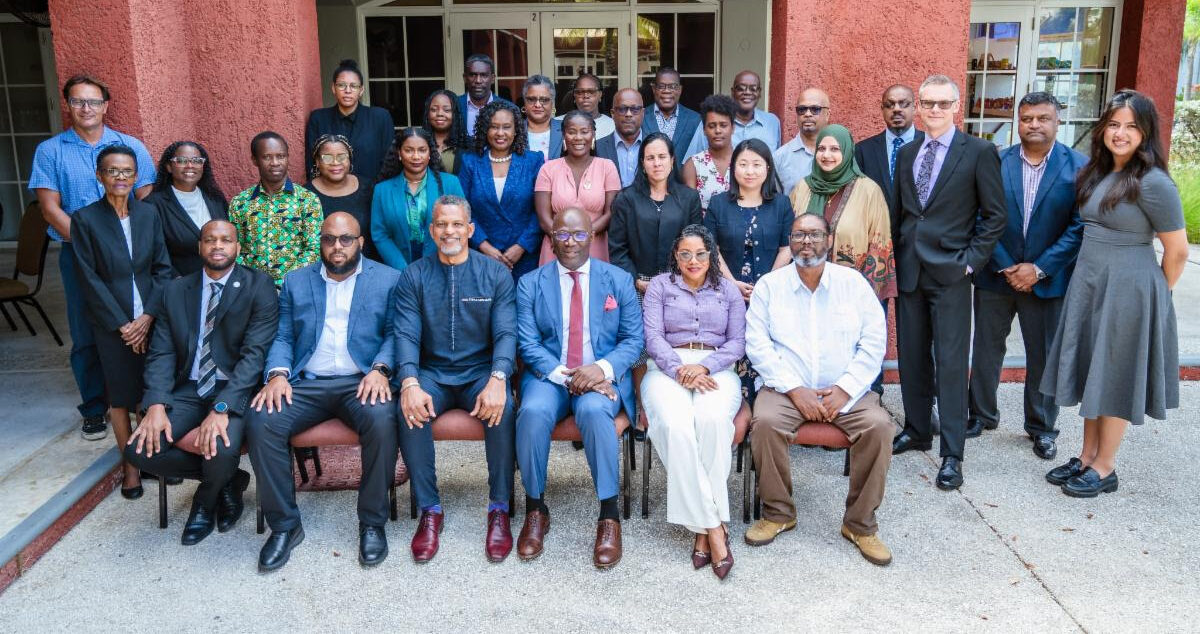
Caribbean strengthens access to climate finance through loss and damage funding workshop ahead of US$250M grant window
Small island developing states across the Caribbean have emerged from a landmark capacity-building workshop with enhanced skills and clear guidance to unlock millions in dedicated climate grant funding, designed to strengthen regional resilience and address the devastating climate impacts that have long held back development across the region.
Hosted jointly by the Caribbean Development Bank (CDB) and the UN-hosted Fund for Responding to Loss and Damage (FRLD), the two-day workshop gathered senior government officials and national focal points from 15 eligible Caribbean nations in Bridgetown, Barbados, from May 12 to 13, 2026, according to an official CDB press statement. The gathering centered on preparing competitive funding proposals for the FRLD’s ground-breaking Barbados Implementation Modalities (BIM), a $250 million pilot grant program with a final application deadline of June 15, 2026.
CDB President Daniel M. Best opened the workshop by emphasizing the urgent need for transformative investment in climate resilience across the region. For decades, major climate-driven disasters including hurricanes Maria, Irma, Dorian, Beryl, and Melissa have inflicted catastrophic damage on Caribbean economies, pushing small nations into development reversals where total losses often amount to multiple times a country’s entire annual gross domestic product. “The real lesson extends beyond the disaster itself; our response must evolve into bankable and scalable investment pipelines that reduce future losses,” Best noted.
With regional climate financing needs estimated at roughly $14 billion per year to address ongoing and future climate impacts, the workshop moved beyond high-level dialogue to deliver hands-on technical support. Attendees walked through proposal development requirements, eligibility guidelines, and priority intervention frameworks, equipping national teams to submit strong, fundable applications ahead of the mid-June deadline. Participating countries spanned the entire Caribbean basin: Antigua and Barbuda, The Bahamas, Barbados, Belize, Cuba, Dominica, the Dominican Republic, Grenada, Guyana, Haiti, Jamaica, Saint Kitts and Nevis, Saint Lucia, Saint Vincent and the Grenadines, and Suriname.
FRLD Executive Director Ibrahima Cheikh Diong reaffirmed the fund’s commitment to correcting the global climate injustice that has left the Caribbean — responsible for less than 1% of global greenhouse gas emissions — bearing a wildly disproportionate share of climate harm. “The FRLD was created precisely to address the critical gap in responding to loss and damage, and the Barbados Implementation Modalities opens a clear pathway to finance,” Diong explained. “We are committed to ensuring that Caribbean countries have the knowledge and support they need to access this fund. Workshops like this one, co-designed with CDB, are central to that mission.”
The workshop also included input and collaboration from key regional climate and disaster institutions, including the Caribbean Community Climate Change Centre (CCCCC), the Caribbean Catastrophe Risk Insurance Facility Segregated Portfolio Company, and the Caribbean Disaster Emergency Management Agency. Their participation is expected to strengthen collaborative cross-border and regional funding proposals, unlocking greater collective impact for shared climate challenges.
Notably, CDB and the CCCCC are the only two regional Caribbean institutions accredited to both the global Adaptation Fund and Green Climate Fund, a status that positions them as trusted, accessible intermediaries for countries seeking to access FRLD resources. The BIM initiative also aligns directly with CDB’s newly launched 10-year Strategic Plan 2026–2035, branded “Transforming the Caribbean for Resilience,” which identifies scaled climate action and expanded access to climate financing as top institutional priorities for the coming decade. By building national capacity to secure and deploy loss and damage funding, CDB officials say the institution is translating its regional resilience vision into direct, tangible support for the vulnerable communities on the front lines of climate change.
As the application deadline approaches, eligible nations are being encouraged to maintain close coordination with CDB and their national focal points to refine priority intervention plans and submit robust, competitive proposals to access the transformational funding on offer. -
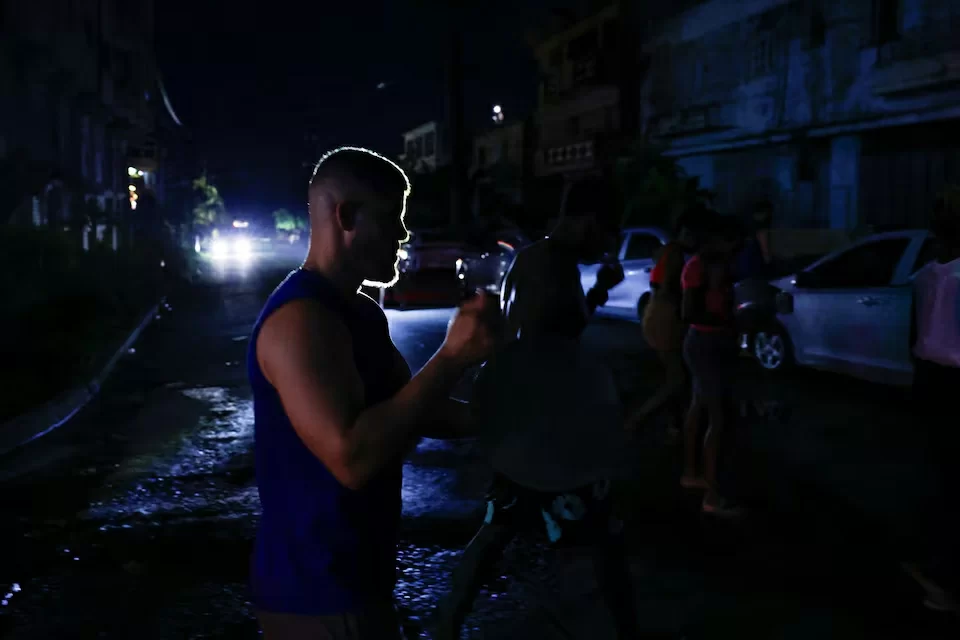
Protesten in Havana escaleren door stroomuitval en brandstoftekort
On Wednesday evening, mass public demonstrations broke out across Havana, Cuba, as the capital grapples with the most severe nationwide electricity outage the country has seen in 60 years. The crisis, rooted in a months-long United States fuel blockade that has cut off the island’s access to critical energy supplies, has sparked widespread anger among hundreds of local residents who gathered in multiple suburban neighborhoods to decry ongoing power shortages.
Protesters took to the streets, blocking roadways with burning debris, banging metal pots and kitchen utensils in a display of public discontent, and chanting slogans including “Turn the lights on!” and “The people, united, will never be defeated!” According to Reuters reporting from the ground, the demonstration marked the largest single night of public unrest in Havana since the deepening energy crisis began earlier this year.
Power outages have grown exponentially worse across Cuba since January, when former US President Donald Trump implemented a full fuel embargo and threatened harsh secondary sanctions against any nations that continue to supply energy to the island. Local Havana resident Rodolfo Alonso shared that his neighborhood has gone more than 40 hours straight without access to electricity, a situation that hits vulnerable groups like the elderly and chronically ill the hardest. “Our food stores are spoiling, and we just ask for a few hours of power a day,” Alonso explained in an interview.
Earlier the same day the protests erupted, Cuba’s Minister of Energy and Mines Vicente de la O released an official statement confirming that the country has exhausted all available stockpiles of diesel and fuel oil, leaving the national power grid in “critical condition.” Currently, most neighborhoods across Havana face 20 to 22 hours of blackout per day, a reality that has pushed public tensions to a breaking point.
The US blockade on fuel imports, now in its fourth month, has brought most public services across the island to a near-standstill. Even after limited negotiations to secure alternative fuel imports, spiking global oil and transportation costs driven by the escalating Israel-Hamas conflict and escalating US-Iran regional tensions have compounded the island’s crisis.
Historically key fuel suppliers for Cuba, Mexico and Venezuela have halted all oil shipments to the country since the embargo took effect. Only one Russian crude oil tanker, the Anatoly Kolodkin, has delivered energy supplies to Cuba since December, providing only temporary relief to the strained system.
Last week, the United Nations officially designated the US blockade as “illegal”, noting that it severely undermines the Cuban people’s fundamental rights to development, food access, education, healthcare, and clean water.
Amid the deepening humanitarian crisis, the US government has offered a $100 million humanitarian aid package to Cuba, contingent on the island’s communist government implementing what Washington calls “meaningful reforms”. In an official statement, the US State Department emphasized that Cuba faces a choice: accept the terms of the aid, or “bear responsibility for blocking life-saving assistance” to its people.
Critics of the US offer have framed it as a pressure tactic designed to advance Washington’s decades-long campaign to destabilize the communist government in Havana. A strict US trade boycott has been in place against Cuba since the 1960s, justified by claims of political repression on the island.
Trump has repeatedly threatened to target Cuba for regime change, particularly after his administration oversaw political shifts in Venezuela. During a recent summit of Latin American leaders, Trump spoke of “the final moments of the old Cuba” and promised a “new beginning” for the island under new leadership. The US has stated it intends to distribute the proposed $100 million aid through independent organizations, primarily the Catholic Church, rather than through Cuban government channels.
The humanitarian situation across Cuba remains critical at present. Public transit has been paralyzed, food prices have skyrocketed, and hospitals struggle to maintain basic operations without consistent access to electricity. At the same time, US pressure on the island has intensified, with new rounds of sanctions and increased military surveillance operations along Cuba’s coasts.
Across Havana and other Cuban population centers, residents continue to voice their frustration with the devastating conditions, with many emphasizing that their grievances are not rooted in partisan politics, but in a basic fight for daily survival.
-
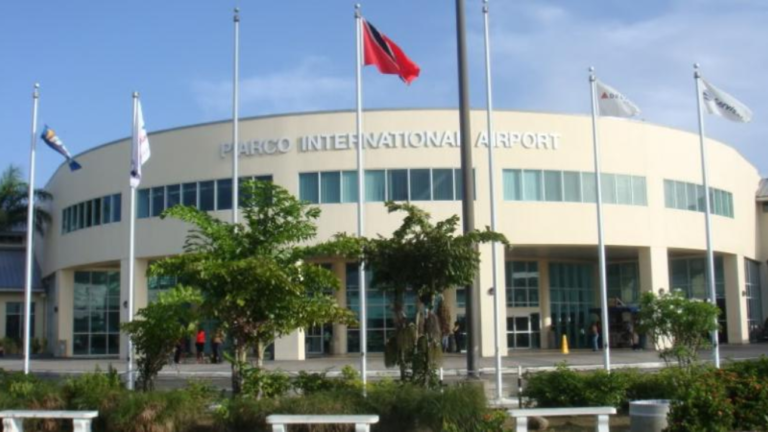
UPDATE: Ukrainian aircraft given green light to leave Trinidad and Tobago
PORT OF SPAIN, Trinidad — After days of multi-agency security investigations into undeclared explosives on board a Ukrainian cargo plane, Trinidad and Tobago’s national aviation authority has granted the aircraft and its crew full clearance to leave the country’s Piarco International Airport. In an official statement released Friday night, the Airports Authority of Trinidad and Tobago (AATT) laid out the full timeline of the incident, which triggered heightened security protocols amid the country’s ongoing State of Emergency.
-

Caribbean countries boosted in push for climate loss and damage funding
BRIDGETOWN, Barbados – Fifteen Caribbean nations have emerged from a targeted regional workshop with the tools and guidance needed to unlock millions in dedicated grant financing for climate resilience and disaster loss recovery, marking a critical step forward for a region disproportionately impacted by climate change despite minimal contribution to global emissions.
Hosted this week by the Caribbean Development Bank (CDB) and the Fund for Responding to Loss and Damage, the two-day working session gathered government delegates and national focal points from all eligible countries, which include Antigua and Barbuda, The Bahamas, Barbados, Belize, Cuba, Dominica, the Dominican Republic, Grenada, Guyana, Haiti, Jamaica, Saint Kitts and Nevis, Saint Lucia, Saint Vincent and the Grenadines, and Suriname. The funding up for grabs is part of the Barbados Implementation Modalities, a pilot $250 million grant program with a final proposal submission deadline set for June 15.
CDB President Daniel Best opened the workshop by underscoring the devastating ongoing toll climate disasters have exacted across the Caribbean. In recent years, major hurricanes including Maria, Irma, Dorian, Beryl, and Melissa have caused catastrophic damage across multiple island nations, with total destruction from single events sometimes exceeding the entire annual gross domestic product of affected countries. To turn the tide of repeated loss, Best emphasized that Caribbean states must prioritize building what he called “bankable and scalable investment pipelines” that can deliver long-term risk reduction and strengthen community and infrastructure resilience against future extreme weather.
The Caribbean region faces an estimated $14 billion in annual climate financing needs to address current damage and build adaptive capacity, a gap that outpaces the ability of most small island developing economies to fill on their own. Workshop organizers structured the event to deliver hands-on, actionable support to participating countries, walking delegates through the process of developing high-quality, competitive funding proposals ahead of the mid-June deadline.
Ibrahima Cheikh Diong, Executive Director of the Fund for Responding to Loss and Damage, noted that the ongoing climate crisis represents a deeply unfair burden for Caribbean nations. While the region accounts for a tiny fraction of global greenhouse gas emissions that drive climate change, it consistently faces some of the world’s worst impacts from rising sea levels, more intense hurricanes, and chronic climate disruption. Diong explained that the Barbados Implementation Modalities framework cuts through red tape to create a straightforward, accessible pathway for countries to access critical resources to recover from past disasters and build resilience for future events.
In addition to national government representatives, the workshop included participation from leading regional climate and disaster agencies, such as the Caribbean Community Climate Change Centre, the Caribbean Catastrophe Risk Insurance Facility, and the Caribbean Disaster Emergency Management Agency, creating an opportunity for coordinated regional action alongside national planning.
For the CDB, the pilot grant initiative aligns directly with the institution’s 2026–2035 Strategic Plan, which identifies regional climate resilience and expanded access to climate finance as core institutional priorities for the coming decade.
-

‘We thought we was going to die’
On a fateful election day flight from Abaco to Grand Bahama, a routine 20-minute journey turned into a devastating fight for survival when a twin-prop Beechcraft King Air 300 suffered dual engine failure amid stormy weather, forcing the experienced pilot to ditch the aircraft into the Atlantic Ocean 80 miles off Florida’s coast. For the 11 people on board, the hours that followed would test every ounce of their will to live — and end in a rescue that survivors call nothing short of a miracle.
Olympia Outten, a Grand Bahama resident who could not swim and carried a lifelong fear of sharks, broke down in tears as she recounted the terrifying moments after the aircraft began its steep nosedive into the water. Outten was traveling with her two sons and niece, all heading home to cast their ballots in the country’s general election, when her niece first spotted the unsettling sight of the plane’s propellers grinding to a halt mid-flight.
Pilot Ian Nixon, a 43-year-old aviator with 25 years of flying experience, told reporters that the failure extended far beyond just the engines: he lost navigation systems, radio communication, and all critical avionics shortly after the emergency began. After making unsuccessful attempts to alert air traffic control in Freeport and Miami, Nixon made the split-second decision to keep the plane airborne as long as possible before intentionally ditching it into the choppy sea. “Once I hit the water, my first thought was, ‘we didn’t die,’” Nixon recalled to CBS News. “That’s one of the things I remembered. We didn’t die, let’s get everyone out.”
The impact of the crash threw the aircraft into chaos. Outten was slammed against the cabin wall and trapped by a jammed seatbelt, only freed after her son worked to loosen the buckle. The emergency door tore off on impact, striking a male passenger in the chest, while Outten’s niece was thrown from the rear of the plane to the front, suffering cracked ribs. Outten sustained a hip injury, and her son, who lives with asthma, suffered a severe attack and began vomiting while the group waited for help. One female passenger suffered a sudden heart attack shortly after escaping the sinking plane, and Outten dragged the non-swimmer into the small life raft, reassuring her “you ain’t gonna sink baby, you gonna live” and urging the group to pray as they waited.
After escaping the flooding fuselage, Outten found herself frozen at the open exit, staring out at what she described as a vast, dark “black sea.” “When I went to the door, I stood still because I thought we were gonna die — all I saw was dark water around us,” she said. When her niece urged her to swim, Outten admitted “I told her I can’t swim.” The young woman then coached her aunt through the water, walking her through how to move her legs to stay afloat until Outten could reach the partial wreckage of the plane’s wing, where survivors clustered to stay out of the frigid water.
After clinging to the wing for as long as the unstable wreckage allowed, the group boarded the limited life raft and drifted for five full hours in open water, pelted by rain from a passing storm and convinced they would never be spotted. Nixon had declared an emergency with air traffic control before contact was lost, triggering a multi-agency search that initially located eight survivors before locating the remaining three. The group’s luck turned when a U.S. military helicopter on a routine training exercise in the area spotted the raft and pulled all 11 people from the water. “We cried and rejoiced when that rescue plane finally came overhead,” Outten said. “I thank God the US Marines saw us and saved us.”
Medical responders confirmed that two passengers arrived with life-threatening injuries, while others were treated for broken bones, lacerations, and pre-existing conditions that worsened during the ordeal. For Tamicka Nixon, the pilot’s wife and an aviation industry worker herself, the hours between the loss of communication and the confirmation that her husband was alive were an agonizing test of nerve. The pair usually stay in contact during routine flights, so when 20 minutes passed after the flight was scheduled to land with no word, she knew something was wrong. She was actually in the process of casting her own vote when air traffic control called to alert her of the emergency.
“It was truly, truly nerve-wracking while I’m trying to make a conscious effort to be strong for my family,” she told reporters. For hours, the situation was a waiting game, as she coordinated with aviation contacts and rescue teams to keep search operations moving. “Communication between contacts and rescue resources became critical during the search,” she noted, adding that the wait for news of the survivors was almost unbearable.
-
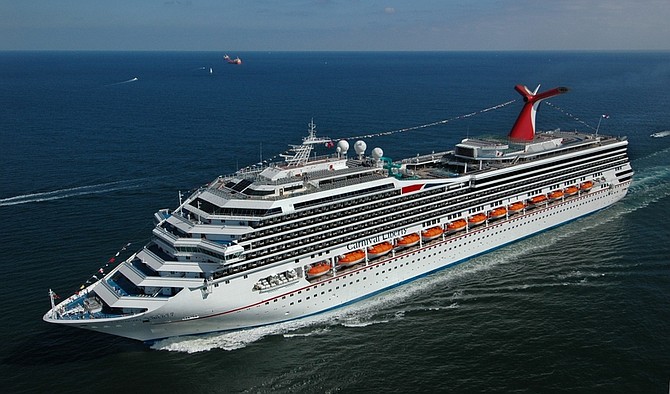
Carnival cruise passenger dies after jumping from balcony
A fatal incident has rocked a Caribbean Carnival Cruise voyage this week, after a male passenger died Wednesday following an overboard jump from his private stateroom balcony, as the vessel traveled toward New Providence island. Carnival Cruise Line has publicly confirmed the event that unfolded aboard the Carnival Liberty, in an official statement obtained by multiple international media outlets.
In the statement, the company detailed that the guest apparently scaled his balcony railing and jumped into the ocean while the ship was making its way from Celebration Key to Nassau, the capital of the Bahamas. Quick-acting crew members immediately launched a comprehensive search operation after the alarm was raised, and managed to recover the passenger from the open water. Despite their rapid response, the man did not survive the incident.
Carnival representatives added that the cruise line is currently extending full support to the man’s travel companions, who are family members accompanying him on the trip. “Our thoughts and prayers are with them and their loved ones,” the statement read.
As of Thursday, details remain unclear on whether the man was pronounced dead at the scene when pulled from the water, or if he passed away after being brought back aboard the Carnival Liberty. Citizen journalism outlet TMZ has released amateur video footage capturing the rescue effort. A married couple traveling on the ship told the outlet that they heard the urgent “man overboard” announcement over the ship’s intercom system, and confirmed that the captain immediately ordered the vessel to turn around to begin the search.
Local authorities in the Bahamas have not yet registered an official report on the incident, a representative for the Royal Bahamas Police Force told The Tribune. No further details on the passenger’s identity, age, or potential motive for the jump have been released to the public as of yet, as the investigation remains in its early stages.
-
OECS workshop advances regional agenda for port reform and maritime digitalisation
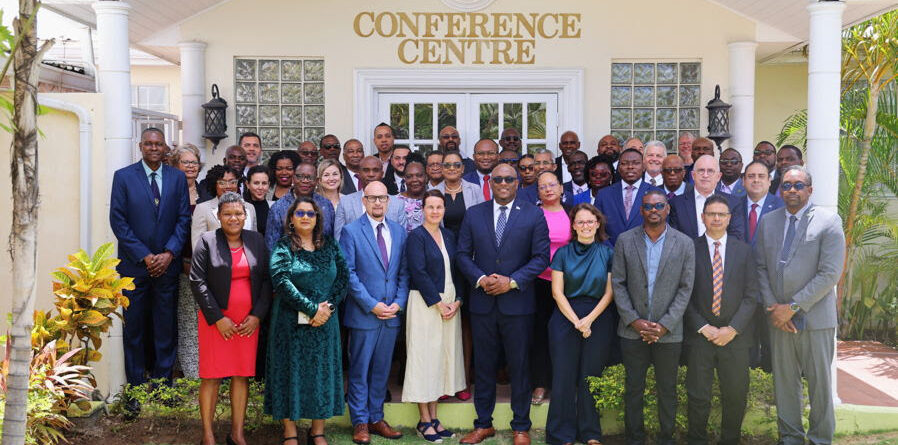
Between April 28 and 30, 2026, key stakeholders from across the Eastern Caribbean gathered in the island nation of Saint Lucia for a landmark high-level workshop focused on catalyzing urgent reform, digital transformation, and cross-border cooperation for the region’s port and maritime sectors. Hosted at the Bay Gardens Hotel, the three-day event was coordinated by the Organisation of Eastern Caribbean States (OECS) Commission, in strategic partnership with the World Bank and the European Union, bringing together cabinet ministers, senior public servants, top port and customs officials, regional maritime and logistics industry leaders, and global technical experts.
This workshop forms a core preparatory step for the upcoming Caribbean Connectivity and Logistics Regional Programme, a major initiative backed by World Bank financing. It also laid critical groundwork for shaping future EU investment in the region’s maritime transport sector under the bloc’s Global Gateway Strategy. Central to all deliberations were two overlapping goals: upgrading outdated Eastern Caribbean maritime infrastructure and gateways, and forging stronger, more integrated collaboration between national customs and port authorities.
Opening the formal proceedings, Shawn Edwards, Saint Lucia’s Minister for Infrastructure, Port Services and Energy, framed port system transformation as an existential priority for small island developing states across the region. “As global shipping shifts toward larger vessels and greater industry consolidation, we are already grappling with exorbitant freight costs, limited shipping route options, and chronic infrastructural gaps,” Edwards explained. “Against this backdrop, reform, digitalization, and cross-sector cooperation are not optional upgrades—they are non-negotiable requirements for our long-term economic growth and resilience.” Edwards emphasized that regional ports must continuously evolve to keep pace with the changing demands of the global economy.
Darwin Telemaque, Chairman of the Port Management Association of the Caribbean, echoed Edwards’ call for urgent, decisive action to overhaul outdated port operations and regulatory frameworks across the region. Telemaque noted that many Eastern Caribbean ports still operate under bureaucratic and structural systems inherited from the mid-20th century, creating unnecessary barriers to growth. “The region is crying out for sweeping regulatory reform,” he said. “It is past time to free the private sector and ordinary citizens from the outdated shackles that have held back our ports for decades.”
Alexander Agosti, Country Representative for Eastern Caribbean Countries at the World Bank, stressed that sustained political commitment is critical to unlocking long-term gains in port efficiency. Agosti pointed out that underperforming port systems drive up the cost of doing business across the Caribbean and limit access to new economic opportunities for local communities. He reaffirmed the World Bank’s ongoing commitment to supporting regional cooperation and building the institutional capacity required to implement durable, far-reaching reforms.
For the European Union, Ambassador-designate Fiona Ramsey used the gathering to announce new financing mobilized through the Global Gateway Strategy to support maritime transport infrastructure modernization across the Eastern Caribbean. Ramsey noted that maritime shipping is the backbone of global trade, carrying 80% of total global trade volume by measure of size—and that figure rises to 90% for intra-regional trade across the Caribbean. She emphasized that coordinated regional integration is key to avoiding wasteful duplication of costly infrastructure projects, while unlocking new economic opportunities for local businesses, smallholder farmers, and emerging entrepreneurs.
Ricardo James, Head of Trade Policy Development at the OECS Commission, also addressed attendees, highlighting the urgent need to strengthen implementation of existing regional trade and transport agreements and frameworks, including those established under the Revised Treaties of Basseterre and Chaguaramas. “We already have strong frameworks in place—now we need to activate and reactivate them,” James said. “We must use these existing agreements to set a clear agenda and work program to address the persistent challenges facing our transport sector.”
Over the course of the three-day workshop, participants engaged in targeted working sessions to map the full range of challenges and opportunities tied to port reform, digital innovation, and enhanced customs cooperation. Port and customs leaders from across the region shared on-the-ground experiences with technological upgrades and cross-agency operational coordination, while representatives from the World Bank, International Maritime Organization, and European Union presented findings from ongoing research and outlined the technical support packages available to OECS member states.
By the close of the event, attendees reached a broad consensus on the need to accelerate legislative, policy, regulatory, and institutional reforms designed to improve maritime transport governance, boost operational efficiency, and attract much-needed private and public investment in port infrastructure and integrated logistics systems. Discussions also repeatedly emphasized the value of breaking down silos between customs and port operations, through updated legal frameworks, restructured core business processes, and the widespread adoption of digital, data-driven management systems.
In their closing statement, participants reaffirmed the urgent need to roll out practical, actionable reforms to strengthen port governance, secure sustainable long-term financing, and advance digital transformation across the entire Caribbean. The workshop also underscored the critical importance of coordinated regional action among OECS members and the wider CARICOM bloc to boost connectivity, transparency, and climate and economic resilience across the regional maritime sector.
-
Antigua and Barbuda Launches US$12.3 Million Project to Improve Disaster Warnings and Emergency Preparedness
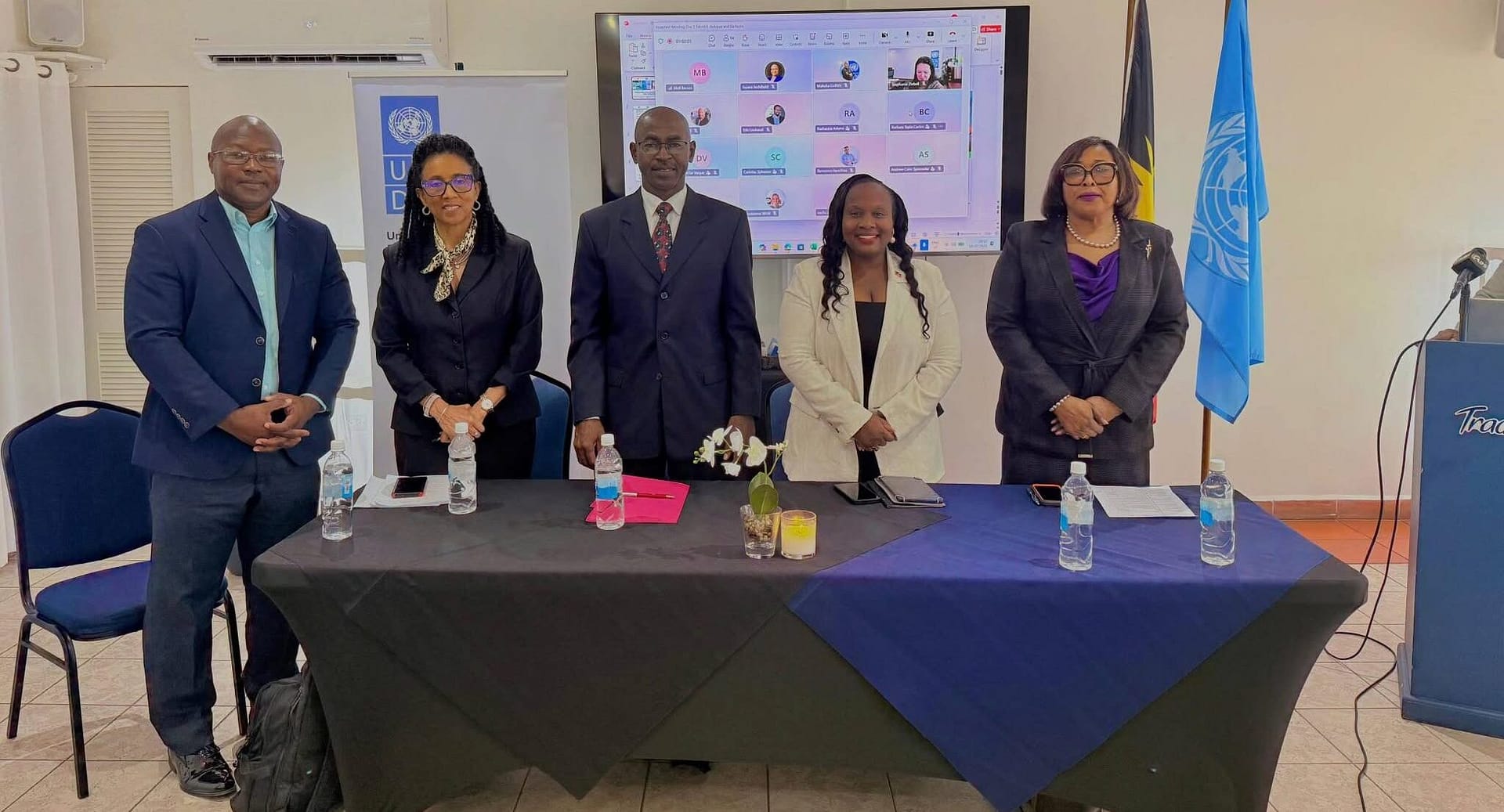
Against a backdrop of escalating climate uncertainty and worsening extreme weather events across the Caribbean, Antigua and Barbuda has formally launched a landmark five-year initiative to transform the nation’s disaster preparedness infrastructure, centered on delivering universal early warning access for all residents. The $12.3 million project, part of the global Early Warnings for All (EW4ALL) movement, is backed by a grant from the Green Climate Fund (GCF) and implemented in partnership with the United Nations Development Programme (UNDP). Its official launch was marked by the National Inception Workshop, hosted at St. John’s Trade Winds Hotel, which brought together senior government leaders, disaster risk management specialists, and representatives from multiple United Nations agencies to align technical strategies and regulatory frameworks for the initiative.
As one of the nations most acutely vulnerable to climate-driven disasters globally, Antigua and Barbuda holds the fifth position on the World Risk Index – a ranking that makes a proactive shift from reactive disaster response to pre-emptive risk mitigation an urgent national priority. Speaking at the workshop’s keynote session, Hon. Kiz Johnson, Minister of State in the Ministry of Social and Urban Transformation, stressed that the project is intentionally designed to close coverage gaps for marginalized and hard-to-reach communities across the twin-island nation. “We are here to ensure that early warning information reaches the last mile,” Johnson said. “Whether it is a fisherman working off the coast of Barbuda or a household in a remote rural area of Antigua, this new system will deliver critical, life-saving updates in a language they understand, through communication channels they regularly use and trust.”
The initiative will deliver two core sets of upgrades to the country’s disaster management ecosystem: first, it will update and modernize the national Disaster Management Act to align with modern resilience standards, and second, it will overhaul outdated monitoring hardware and digital infrastructure for the Antigua and Barbuda Meteorological Service (ABMS). This project is one component of a broader $103 million GCF-funded regional program led by UNDP, which is rolling out universal early warning systems across seven highly climate-vulnerable nations across the globe.
Kristin Lang, GCF Regional Director for Latin America and the Caribbean, explained the urgent rationale for investing in early warning infrastructure across the region. “Communities across the Caribbean are already facing more intense hurricanes, sudden flash floods, and extended, crippling droughts as climate change progresses,” Lang noted. “Reliable early warning systems are non-negotiable for protecting lives, protecting local livelihoods, and preserving the hard-won development gains communities have worked for generations to build. Through this project, GCF is helping strengthen the institutional and information systems that let people anticipate climate risks and act before a disaster makes landfall. This country-led, practical approach to building resilience is exactly what the Caribbean needs as climate impacts continue to intensify.”
A defining strength of the Antigua and Barbuda initiative is its multi-agency collaborative framework, which brings together all four UN lead pillar agencies for the global EW4ALL initiative: the World Meteorological Organization (WMO), the United Nations Office for Disaster Risk Reduction (UNDRR), the International Telecommunication Union (ITU), and the International Federation of Red Cross and Red Crescent Societies (IFRC). This cross-specialty partnership combines global technical expertise with local on-the-ground knowledge to build a system tailored to the unique needs of Antigua and Barbuda. On-the-ground implementation will be coordinated jointly by UNDP and the country’s National Office of Disaster Services (NODS), a government agency established in 1984 to coordinate all disaster management activities across the twin islands.
Stephanie Ziebell, UNDP Deputy Resident Representative for Barbados and the Eastern Caribbean, framed the project as a transformative shift in how climate resilience action is delivered. “By combining the specialized technical expertise of our UN sister agencies with the nuanced local knowledge of national and community stakeholders, we are building a proactive protective shield for these islands,” Ziebell said during the workshop’s opening session.
The two-day inception workshop structured a clear path forward for the initiative’s rollout. On the first day, participants focused on establishing a technical baseline for forecasting upgrades, with specific attention to improving monitoring for high-risk hazards including flash floods and storm surges. The second day is scheduled to include guided site visits to local Community Emergency Response Units (CERUs) and the Crabbs Search and Rescue Training Area, where delegates will observe firsthand how centralized technical data is translated into actionable public safety information at the community level. The workshop will wrap with the inaugural meeting of the EW4ALL Project Board, where the team will review milestones and plans for the first year of implementation.
As climate patterns become increasingly unpredictable around the globe, the EW4ALL initiative stands as a top national priority for Antigua and Barbuda, designed to protect local livelihoods and ensure that no resident is left without life-saving information when a climate hazard approaches. For context, the Green Climate Fund is the world’s largest dedicated climate fund, operating as an independent financial entity under the UN Framework Convention on Climate Change to support the Paris Agreement’s goal of limiting global average temperature rise to well below 2°C above pre-industrial levels. To date, GCF manages a portfolio of 286 projects totaling $15.9 billion in direct investment ($61.3 billion including co-financing) that deliver transformative climate action across 133 developing countries, supporting a shift to low-emission, climate-resilient development pathways.