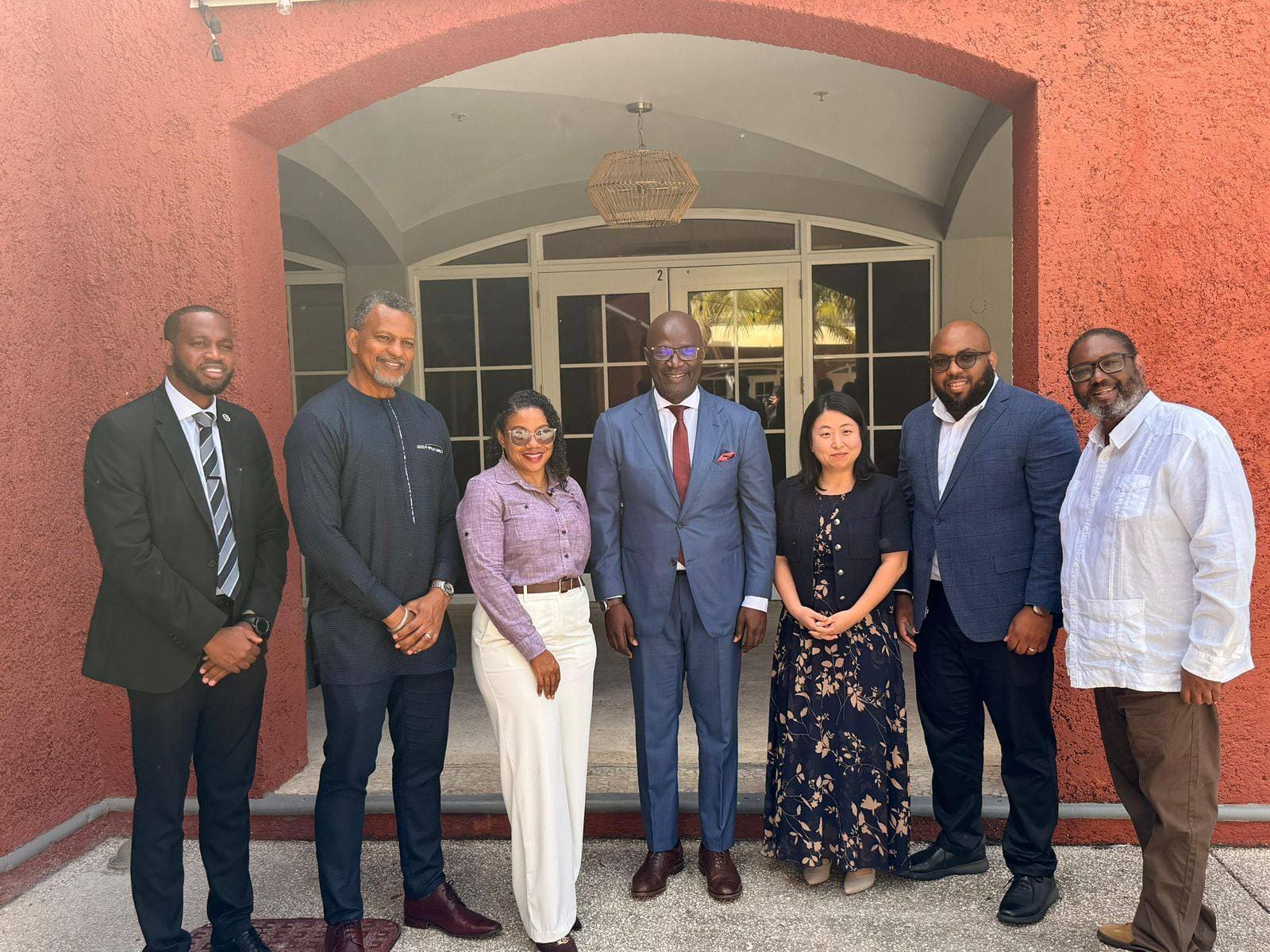
As Small Island Developing States (SIDS) continue to grapple with the escalating impacts of climate change, a critical regional training gathering took place this May in Bridgetown, Barbados, focused on unlocking vital funding for climate-related loss and damage. From May 12 to 13, 2026, the Caribbean Training Workshop for National Focal Points and Alternates on Accessing the Fund for Responding to Loss and Damage (FRLD) brought together regional stakeholders, with Antigua and Barbuda among the participating nations.
The collaborative event was co-hosted by two key institutional actors: the FRLD Secretariat and the Caribbean Development Bank (CDB), designed to equip regional representatives with the knowledge and tools needed to access the new global climate fund. Antigua and Barbuda sent two high-level delegates to the workshop: Mr. Peter Abraham Jr., Director of Debt Management and Climate Finance in the Ministry of Finance and the country’s official National Focal Point for the FRLD, alongside Ambassador Ruleta Camacho Thomas, Climate Ambassador and the nation’s Alternate Focal Point for the fund.
A core goal of the workshop was to unify Caribbean nations around a clearer understanding of how the FRLD operates, and to guide countries through the process of developing funding requests under the Barbados Implementation Modalities — the fund’s inaugural start-up financing framework. Working sessions centered on key practical topics, including the fund’s governance structure and day-to-day operations, eligibility and access rules, direct budget support pathways, country-led implementation frameworks, and institutional partnership arrangements. A major priority was supporting attendees to craft technically robust, investment-ready proposals ahead of the June 15, 2026 deadline for the FRLD’s first operational funding window.
During the workshop, participants received key updates on the fund’s initial financing round: the FRLD has officially opened its first $250 million grant window, with individual country requests able to range from $5 million to $20 million. Crucially for vulnerable nations, at least 50 percent of all allocations are reserved for Small Island Developing States and Least Developed Countries, a provision designed to address historical inequities in climate finance access.
Attendees also got an early look at the upcoming FRLD Country Support System, a tailored assistance mechanism built specifically to help nations with funding proposal preparation, institutional capacity building, and the development of national frameworks for direct access to FRLD financing. Set to become operational after the FRLD Board reviews the plan in July 2026, the support system will allocate up to $250,000 per year to individual countries for technical and institutional strengthening activities.
To make learning actionable, the workshop integrated peer learning through country case studies, giving Caribbean nations space to share on-the-ground experiences and proven strategies for addressing the full spectrum of climate-driven loss and damage. These discussions covered impacts ranging from damaged critical infrastructure, disrupted food and water security, lost livelihoods, degraded ecosystems, and disproportionate harm to vulnerable coastal communities.
Following the workshop, Ambassador Camacho Thomas highlighted that the gathering delivered valuable strategic clarity around how the FRLD will function in practice. She reinforced that SIDS like Antigua and Barbuda need fast, efficient access to climate finance that is tailored to their unique climate vulnerabilities and national context, a need that the workshop helped center in regional discussions.
For his part, Mr. Abraham stressed that coordinated national planning and cross-agency collaboration are essential to putting together competitive funding proposals that align with Antigua and Barbuda’s national priorities and long-term development goals. He noted that these internal efforts will position the country to successfully access the finance it needs when the first window opens.
Moving forward, the Government of Antigua and Barbuda reaffirmed its ongoing commitment to strengthening national climate resilience systems, and will continue advocating for simplified, equitable, and accessible climate finance frameworks that meet the specific needs of Small Island Developing States on the frontlines of the climate crisis.