分类: world

  • Duurzaam ontwikkelingsprogramma West-Suriname gestart

    Duurzaam ontwikkelingsprogramma West-Suriname gestart

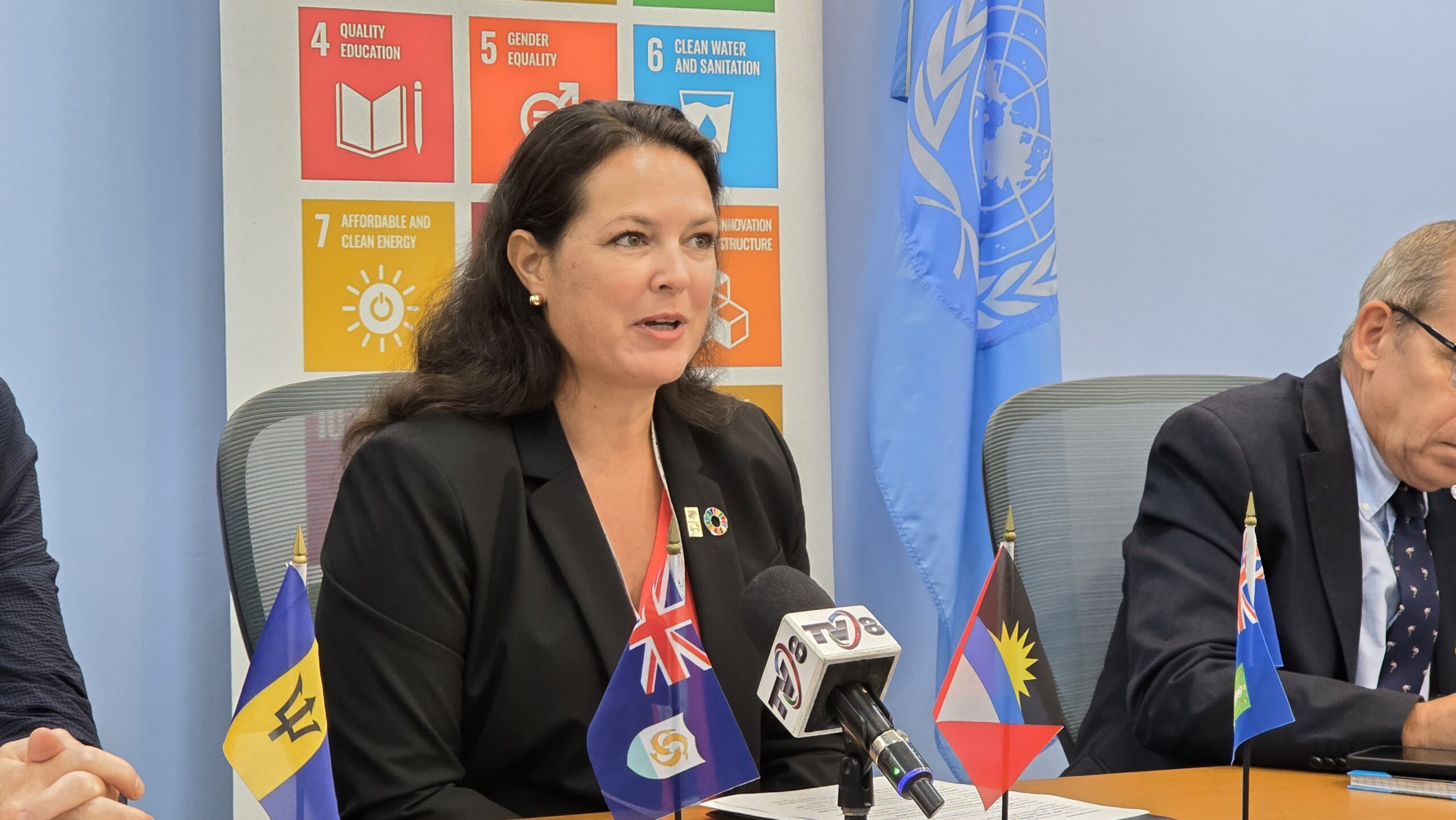
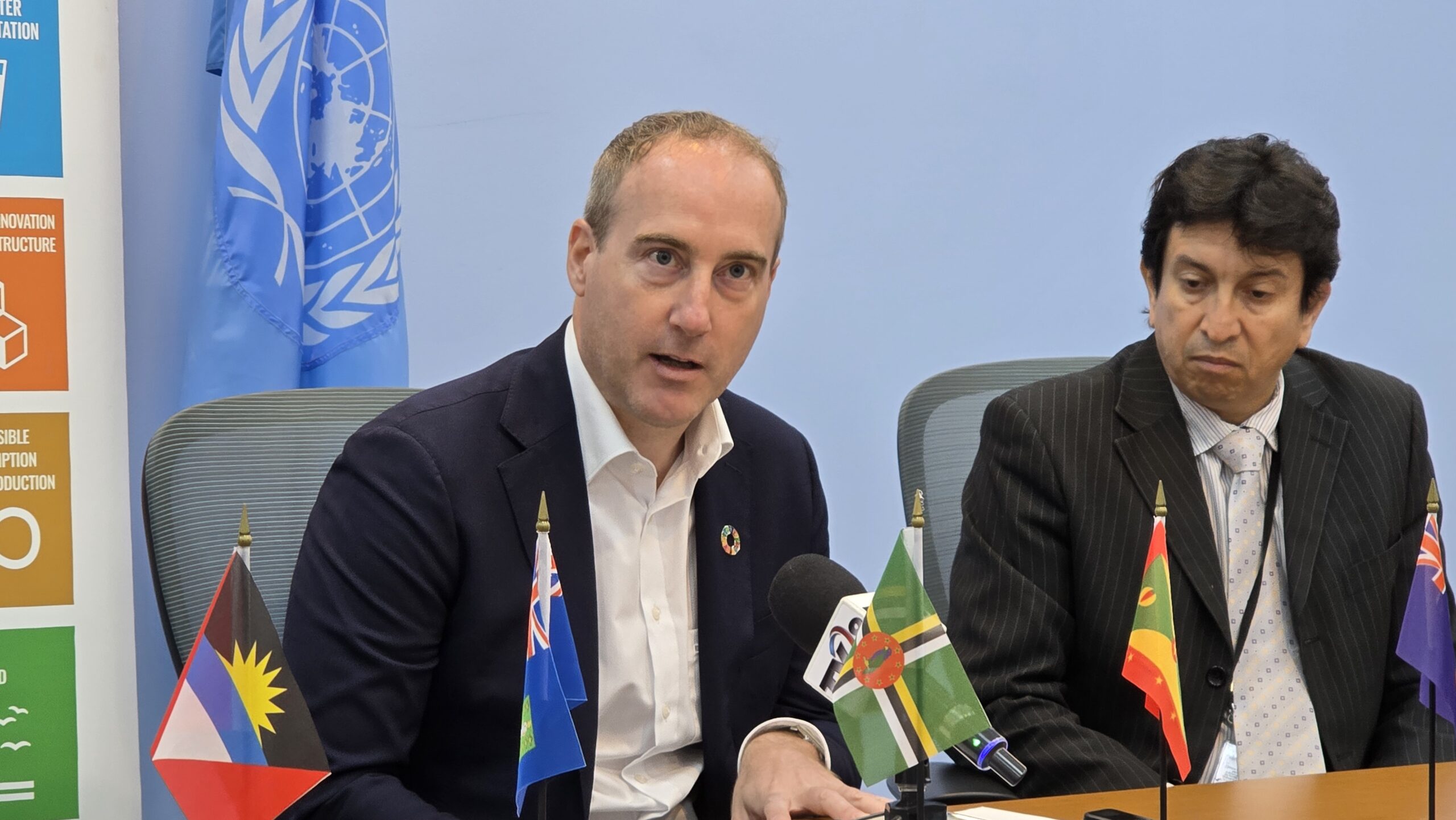
    A comprehensive five-year development program has been officially launched in Western Suriname, marking a significant step toward creating improved opportunities for local communities while simultaneously protecting natural resources and promoting sustainable economic activities. The initiative was formally inaugurated during a high-level gathering that brought together government officials, indigenous community representatives, and international partners.

    During the launch ceremony, project partners, stakeholders, and local community delegates unanimously affirmed their shared objectives and collaborative approach to implementation. Patrick Brunings, Suriname’s Minister of Oil, Gas, and Environment, emphasized that this program aligns perfectly with the nation’s long-term development framework known as Suriname 3.0, which prioritizes biodiversity conservation and sustainable economic expansion as core principles.

    The ambitious program will be coordinated under the administrative oversight of the Ministry of Oil, Gas, and Environment, with the United Nations Development Programme (UNDP) serving as the primary implementing partner. Financial backing for the initiative is being provided by the Global Environmental Facility (GEF), ensuring adequate resources for the multi-year project.

    Strategic implementation will focus on four fundamental pillars: sustainable biodiversity management practices, strengthening nature-friendly economic systems, enhancing governance structures and landscape planning methodologies, and promoting knowledge exchange alongside regional cooperation mechanisms. This integrated approach aims to balance ecological preservation with economic advancement while ensuring local communities benefit directly from development initiatives.

  • Abinader positions Dominican Republic as strategic logistics hub at World Government Summit

    Abinader positions Dominican Republic as strategic logistics hub at World Government Summit

    DUBAI – President Luis Abinader of the Dominican Republic delivered a compelling vision of his nation as an emerging global logistics powerhouse during his address at the 2026 World Government Summit. Addressing an assembly of world leaders, international investors, and corporate executives, Abinader outlined a multi-faceted strategy centered on democratic resilience, economic diversification, and robust public-private collaborations to secure the country’s status as a pivotal trade and investment nexus.

    The president detailed strategic investments in core infrastructure sectors, notably tourism, expansive free trade zones, and modernized port and airport facilities, all designed to amplify the nation’s competitive edge. A landmark development highlighted was the advancement of the Manzanillo Airport initiative, a project bolstered by financing from the Inter-American Development Bank (IDB). This infrastructure endeavor is projected to significantly boost export capabilities and broaden the national logistics framework.

    In a subsequent high-level discussion with Sultan Ahmed bin Sulayem, Chairman and CEO of global logistics giant DP World, President Abinader elaborated on the nation’s inherent geographical advantage. He portrayed the Dominican Republic as a vital conduit linking the Caribbean, Latin America, and the Eastern United States, a position that unlocks substantial potential for international commerce, corporate growth, and employment generation.

    Further cementing its commitment to sustainable development, the administration announced a major energy initiative to integrate 1,200 megawatts of new generating capacity. This project is strategically aimed at achieving energy stability and fueling industrial expansion, particularly in the northern territories. The president pointed to the synergistic model combining cargo logistics with tourism operations as a proven and replicable blueprint for sustainable economic progress.

    Beyond infrastructure, Abinader showcased the country’s successful export diversification into high-value sectors, including medical devices, electrical equipment, and premium tobacco products, while also acknowledging the significant economic impact of its famed baseball industry. Concluding his address, the president firmly reiterated the nation’s unwavering dedication to democratic principles, institutional integrity, and the rule of law, identifying these foundations as indispensable for fostering enduring investor trust and catalyzing long-term economic prosperity.

  • Condolence Message: Dr William Warren Smith, CD, Former President of the Caribbean Development Bank (CDB)

    Condolence Message: Dr William Warren Smith, CD, Former President of the Caribbean Development Bank (CDB)

    The Caribbean Community (CARICOM) has expressed profound sorrow following the passing of Dr. William Warren Smith, CD, the former President of the Caribbean Development Bank (CDB), who died on Tuesday, February 3, 2026. Dr. Smith was celebrated as a distinguished development economist whose career left an indelible mark on the region.

    Throughout his esteemed career, Dr. Smith demonstrated exceptional dedication and visionary leadership across multiple pivotal institutions. He provided strategic direction at the helm of the Caribbean Development Bank and LIAT (Leeward Islands Air Transport), in addition to holding several high-level governmental positions in his native Jamaica. His professional approach was characterized by intellectual rigor, unwavering integrity, and a profound commitment to enhancing the quality of life for Caribbean citizens.

    Widely respected throughout the regional community, Dr. Smith was renowned for his thoughtful counsel and principled governance style that earned him the admiration of colleagues and stakeholders alike. CARICOM has extended its heartfelt condolences to Dr. Smith’s family, friends, and former colleagues during this period of mourning.

    The Caribbean Community, established on July 4, 1973, through the Treaty of Chaguaramas (revised in 2001), represents fifteen Member States and six Associate Members with a combined population of approximately sixteen million. The organization, headquartered in Georgetown, Guyana, operates as one of the developing world’s most successful integration models, focusing on economic integration, foreign policy coordination, human development, and security cooperation.

  • Record-Breaking Cold Swept Across Belize

    Record-Breaking Cold Swept Across Belize

    A severe and unprecedented cold front descended upon Belize on February 2, 2026, shattering long-standing meteorological records for the month of February. The nation experienced a dramatic plunge in temperatures, creating unusually frigid conditions for the region.

    The most extreme cold was concentrated in northern and western territories, with coastal regions including the Belize District experiencing comparatively milder, yet still unseasonably cold, weather. Preliminary meteorological data confirmed that the small communities of Libertad in the Corozal District and Gallon Jug in the Orange Walk District registered the nation’s lowest temperatures, an astonishing 5.4°C (41.7°F). This reading is preliminarily confirmed as a new all-time national low for the month.

    This historic event was not isolated. Multiple weather stations across Belize documented record-breaking lows. The town of Tower Hill recorded 7.8°C (46.1°F), while the official reading at the Philip S.W. Goldson International Airport near Belize City was 10.5°C (50.9°F). In the elevated terrain, Baldy Beacon dropped to 6.6°C (43.8°F), and the station at Melinda also matched the airport’s reading of 10.5°C (50.9°F), all setting new February benchmarks for their respective locations.

    The National Meteorological Service of Belize has provided a forecast indicating that this arctic blast is temporary. Officials anticipate a gradual return to seasonal norms, with temperatures expected to steadily climb over the ensuing days, offering relief from the exceptional chill.

  • CARICOM Highlights Barbuda’s Codrington Lagoon on World Wetlands Day

    CARICOM Highlights Barbuda’s Codrington Lagoon on World Wetlands Day

    ST. JOHN’S, Antigua – The Caribbean Community (CARICOM) marked World Wetlands Day 2026 by emphasizing the ecological significance of Antigua and Barbuda’s Codrington Lagoon, recognized as a wetland of international importance under the Ramsar Convention. This designation places the lagoon among 16 protected Ramsar Sites throughout the Caribbean region.

    The annual observance, celebrated globally on February 2nd, carried the thematic focus ‘Wetlands and Traditional Knowledge: Celebrating Cultural Heritage.’ CARICOM’s official statement underscored the vital functions wetlands serve in maintaining biodiversity, enhancing climate resilience, ensuring food security, and providing coastal protection. These ecosystems create essential habitats for marine and avian species while simultaneously supporting sustainable development and local livelihoods.

    Beyond Codrington Lagoon—Antigua and Barbuda’s sole Ramsar-listed site—CARICOM highlighted multiple protected wetlands across member states. These include Inagua National Park in The Bahamas, Graeme Hall Swamp in Barbados, Crooked Tree Wildlife Sanctuary and Sarstoon Temash National Park in Belize, Levera Wetland in Grenada, and various wetland systems in Jamaica. Saint Lucia’s Mankòtè Mangrove and Savannes Bay, Suriname’s Coppenamemonding Nature Reserve, and several wetland complexes in Trinidad and Tobago complete the regional network of conserved areas.

    CARICOM reiterated its urgent call for enhanced protection, restoration, and sustainable management practices to preserve these critical ecosystems for current and future generations. The organization’s advocacy aligns with global efforts to raise awareness about wetland conservation challenges and opportunities.

  • Cuban Ambassador to Dominica meets with solidarity group and Cuban graduates

    Cuban Ambassador to Dominica meets with solidarity group and Cuban graduates

    In a significant demonstration of international camaraderie, the Cuban Embassy in Dominica orchestrated a diplomatic gathering on January 29th, uniting Ambassador Miguel Fraga with representatives from the Solidarity Group with Cuba and the Association of Graduates in Cuba. The assembly served as a platform for comprehensive dialogue regarding Cuba’s contemporary socio-economic landscape.

    Ambassador Fraga delivered a thorough exposition of Cuba’s ongoing economic and political difficulties, highlighting the profound consequences of the prolonged economic, commercial, and financial blockade. He articulated how these sanctions have precipitated substantial hardships for the Cuban populace and contributed to the nation’s economic constraints and global marginalization.

    The convocation further illuminated the robust educational partnership between the two nations. Since the initiation of academic exchanges in 1979, more than 400 Dominican scholars have completed advanced studies in Cuba. This academic pipeline has yielded exceptional dividends for Dominica’s public health infrastructure, with over 120 medical professionals returning to enhance domestic healthcare services and national development initiatives.

    The timing of this diplomatic engagement holds particular significance, coinciding with two imminent historic milestones: the 30th anniversary of formal diplomatic relations between Dominica and Cuba, and the centennial commemoration of Fidel Castro Ruz’s birth. Attendees deliberated appropriate commemorative activities to honor these occasions and reinforce the nations’ shared historical bonds.

    The proceedings culminated in a mutual reaffirmation of sovereignty, international solidarity, and cooperative partnership. Both parties expressed unwavering commitment to maintaining their bilateral relationship, which remains grounded in mutual respect and enduring friendship despite external pressures and global challenges.

  • CariCOF warns of severe weather activity as early as April

    CariCOF warns of severe weather activity as early as April

    BRIDGETOWN, Barbados – The Caribbean Climate Outlook Forum (CariCOF), headquartered in Barbados, has issued a significant weather advisory warning of severe meteorological events across the region. According to their latest three-month forecast covering February through April, unusually warm temperatures in the Tropical North Atlantic Ocean will trigger extreme weather patterns commencing as early as April.

    The forecast indicates heightened risks for southern Belize, the Guianas, the Greater Antilles, and mountainous regions of the Lesser Antilles. These areas face potentially catastrophic flooding, flash floods, and cascading environmental hazards with impacts expected to intensify after March. The period marks the annual peak of the Caribbean Dry Season in March and transitions into the region’s heat season.

    Simultaneously, the abnormal ocean warmth will create contradictory conditions elsewhere. The ABC Islands (Aruba, Bonaire, and Curaçao) and parts of the Lesser Antilles will experience increasingly frequent short dry spells. Temperature patterns will shift dramatically from comfortable February conditions to episodes of significant heat discomfort by March, particularly affecting inland areas of Belize, the Guianas, and Trinidad.

    The report highlights concerning drought developments. While rainfall totals from February to April are projected to be normal or above average in the Bahamas, Barbados, Grand Cayman, Trinidad and Tobago, and the Windward Islands, this precipitation will prove insufficient to alleviate long-term drought impacts. The ABC Islands, St. Kitts and Nevis, and the Windward Islands continue to suffer from substantial rainfall deficits dating back to the 2023 Wet Season.

    CariCOF identifies specific drought developments: short-term drought is currently evolving in northern Haiti, St. Kitts, and St. Lucia, with potential development in the northwestern Bahamas, northern Dominican Republic, Guadeloupe, Martinique, St. Martin, and St. Barts. More critically, long-term drought has been classified as imminent in the ABC Islands, Grenada, and St. Lucia, while already evolving in Dominica, Martinique, and St. Kitts.

  • Antigua and Barbuda Welcomes Ghanaian Health Workers in Healthcare Partnership

    Antigua and Barbuda Welcomes Ghanaian Health Workers in Healthcare Partnership

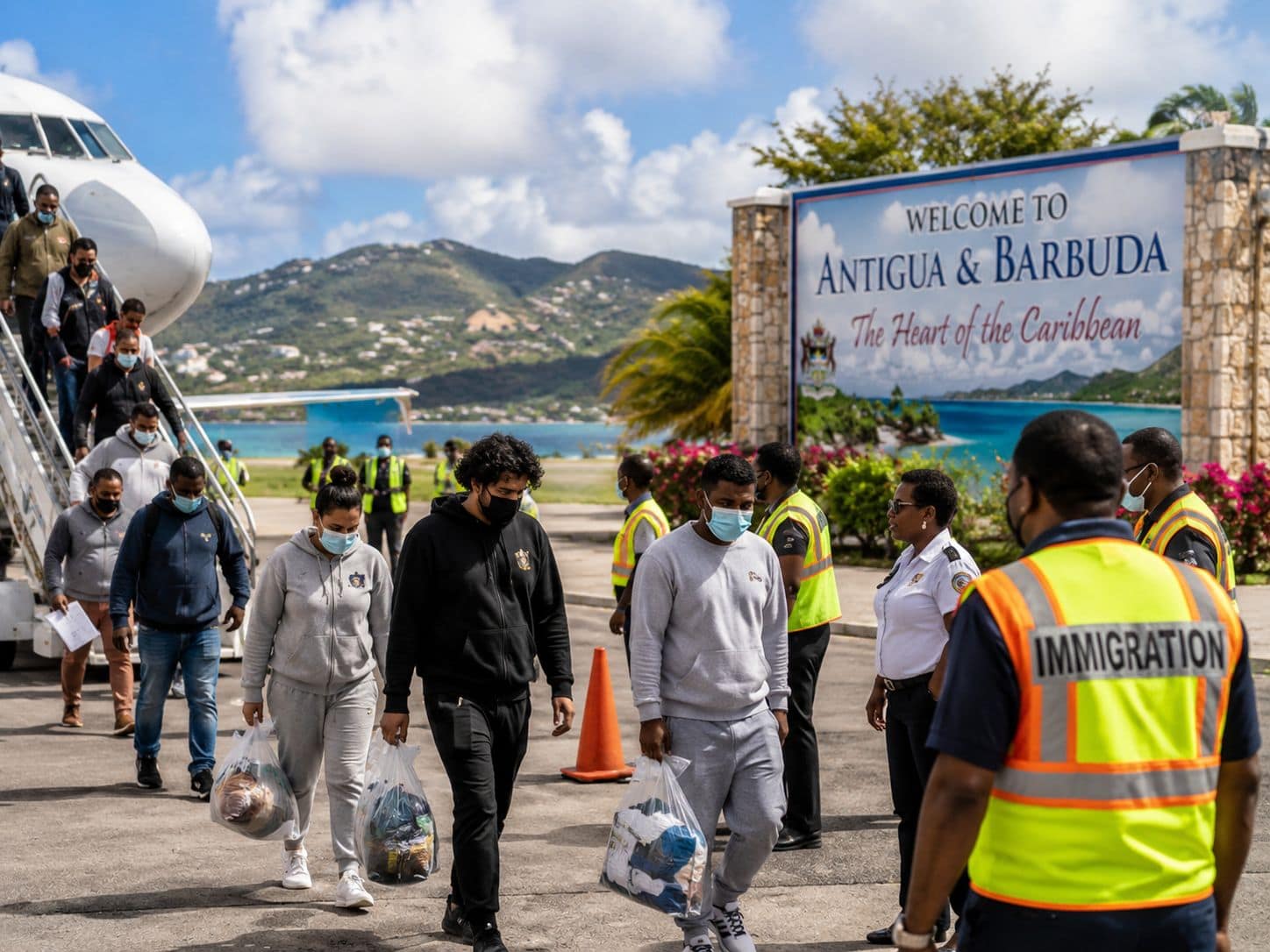
    In a significant move to fortify its national healthcare infrastructure, the Caribbean nation of Antigua and Barbuda has officially welcomed a contingent of more than 100 medical professionals from Ghana. The historic arrival marks a strategic partnership rooted in shared heritage and a common purpose to enhance public health services.

    The formal welcoming ceremony, held on Saturday evening, was attended by a high-level delegation including Governor General Sir Rodney Williams, senior health officials, and members of the diplomatic corps. Speakers at the event underscored the deep historical and cultural connections between Africa and the Caribbean, framing the collaboration as more than a simple workforce transfer.

    Sir Rodney Williams, himself a medical doctor, articulated the profound symbolism of the initiative. He characterized the arrival of the nurses and health workers as a powerful testament to international cooperation and a celebration of a common ancestry, noting that the partnership is fundamentally built upon a foundation of mutual respect and aligned objectives.

    From a operational standpoint, Health Minister Sir Molwyn Joseph outlined the strategic intent behind the deployment. The infusion of approximately 120 skilled professionals is a calculated effort to significantly boost the capacity and resilience of the nation’s hospitals and clinics, addressing critical gaps in the healthcare system.

    Looking beyond immediate healthcare needs, Minister Joseph revealed potential for a broader bilateral relationship, suggesting the collaboration with Ghana could expand into other strategic sectors such as education and trade. This sentiment was reinforced by Permanent Secretary Stacey Gregg-Paige, who personally assured the newly arrived professionals of the government’s full institutional support as they integrate into their new roles within the Antiguan and Barbudan health system.

  • Police say decapitated women found in Elías Piña were killed in Haiti

    Police say decapitated women found in Elías Piña were killed in Haiti

    Dominican authorities have confirmed that the gruesome discovery of decapitated Haitian women’s bodies in border areas originated from crimes committed in Haiti. National Police spokesperson Diego Pesqueira clarified Monday that the victims were murdered in Haitian territory before being discarded in the Binational Caña River, where currents carried them across the border into the Dominican Republic’s Elías Piña province.

    The macabre case involves at least three confirmed instances where dismembered bodies have been recovered on Dominican soil near the town of Macasías. Pesqueira detailed the transnational nature of the investigation, emphasizing that while the crimes occurred in Haiti, the downstream movement of bodies has created a complex binational law enforcement challenge.

    Law enforcement coordination between the two nations has intensified, with three suspects currently under investigation. In a significant development, the Dominican Republic Army apprehended one individual on January 27, who was subsequently transferred to Haitian authorities for questioning. The spokesperson stressed that ongoing cooperation remains essential given the river’s role as a natural border between the two countries.

    Authorities acknowledge that critical questions remain unanswered, including the identities of the victims and the precise circumstances surrounding their deaths. The investigation continues as both nations work to address this disturbing pattern of violence affecting their shared border region.

  • Fighting fuels deepening humanitarian crisis in Sudan’s South Kordofan

    Fighting fuels deepening humanitarian crisis in Sudan’s South Kordofan

    The United Nations has issued a grave warning that escalating military confrontations in Sudan’s South Kordofan state are triggering massive population displacements and creating conditions for a full-scale humanitarian disaster. According to assessments from the UN Office for the Coordination of Humanitarian Affairs (OCHA), civilian populations are enduring intensified violence, critical supply shortages, and the near-total breakdown of essential services as combat persists between the Sudanese Armed Forces (SAF) and the paramilitary Rapid Support Forces (RSF).

    UN Deputy Spokesperson Farhan Haq reported that security conditions in the strategic city of Dilling have deteriorated dramatically in recent weeks, with widespread artillery bombardments and drone strikes targeting residential areas. Communication blackouts throughout the region have prevented independent verification of casualty numbers, though local sources indicate potentially significant civilian fatalities.

    The conflict has forced approximately 117,000 residents—nearly half of Dilling’s population—to flee their homes. Those remaining face severe food shortages, collapsed economic systems, and depleted medical facilities. Similarly, the state capital Kadugli has witnessed the exodus of over 80% of its population, with an estimated 147,000 people displaced to other regions.

    Humanitarian assessment teams visiting Abu Jubaiha documented a continuous stream of displaced families arriving from conflict zones, with 250-300 individuals reaching the area daily. Many survivors reported journeying for weeks under perilous conditions, with some fatalities occurring during escape attempts.

    Across the broader Kordofan region, recent fighting has displaced more than 88,000 people since late October. Relief operations face severe constraints due to security risks, supply chain disruptions, and movement restrictions. A critical aid convoy destined for Dilling and Kadugli remains immobilized in El Obeid, North Kordofan, awaiting security guarantees.

    The crisis extends beyond South Kordofan, with the International Organization for Migration reporting over 127,000 people displaced from North Darfur’s capital El Fasher between October and January. Most remain within North Darfur while others have fled to neighboring states, overwhelming already strained resources.

    UN officials are demanding immediate cessation of attacks on civilian infrastructure and urging all conflict parties to permit safe, unimpeded humanitarian access. With needs escalating across Sudan, OCHA has launched an urgent funding appeal for $2.9 billion to support approximately 20 million vulnerable people throughout 2026.