分类: world

  • Nearly 1 000 tonnes of relief airlifted from Barbados to Jamaica

    Nearly 1 000 tonnes of relief airlifted from Barbados to Jamaica

    The Caribbean Regional Logistics Hub in Barbados has demonstrated its vital role in disaster response, facilitating the rapid delivery of nearly 1,000 metric tonnes of emergency supplies to Jamaica following the devastation of Hurricane Melissa. According to Brian Bogart, Representative and Country Director for the World Food Programme’s Caribbean Multi-Country Office, the hub enabled an unprecedented coordinated response to the most destructive storm in Jamaica’s history.

    The Category 5 hurricane struck the island on October 28, causing widespread destruction across communities from the south coast to Montego Bay, severely damaging housing infrastructure and disrupting access to basic necessities. In response, the Barbados-based hub mobilized 982 metric tonnes of critical supplies—equivalent to 55 shipping containers—within days of impact.

    The consolidated relief effort included contributions from multiple United Nations agencies, international governments, and NGO partners, providing essential shelter materials, water purification systems, sanitation supplies, food provisions, energy equipment, and logistical assets. The strategic positioning of the hub allowed for remarkably efficient coordination, with Bogart revealing that vessel loading operations commenced in Barbados while Hurricane Melissa was still actively affecting Jamaica.

    This multi-partner platform represents a significant advancement in regional disaster response capabilities, leveraging military assets from French and Dutch navies alongside private sector transportation resources. The integrated approach has dramatically reduced traditional lead times that previously required supply lines from distant ports in Panama or Miami.

    The hub’s effectiveness was highlighted during a recent emergency logistics coordination simulation exercise designed to strengthen regional preparedness mechanisms. As climate-related disasters intensify across the Caribbean, the successful response to Hurricane Melissa underscores the critical importance of maintaining strategic logistics infrastructure for future emergency scenarios.

  • Heavy weather: Port operations hit by high waves

    Heavy weather: Port operations hit by high waves

    Significant maritime disruptions have struck the Caribbean as powerful ocean swells continue to batter the region, forcing the complete suspension of operations at Barbados’ primary shipping hub. Since Tuesday, the Port of Bridgetown has been unable to accommodate cargo vessels due to hazardous marine conditions, creating substantial logistical delays and leaving multiple ships stranded offshore.

    Barbados Port Inc. confirmed the operational standstill in an official statement released Thursday, noting that the severe swell conditions represent a regional phenomenon affecting multiple ports across the Caribbean. The situation gained public attention through viral social media footage captured from Trevor’s Way shoreline park, which visually documented the queue of commercial vessels anchored indefinitely off the coast.

    The port authority reported that the deteriorating conditions have already forced operational adjustments, including one vessel that had to abort its berthing attempt on Wednesday morning when conditions within the port became unsafe for continuing operations. Currently, four cargo ships—Tropic Express, CFS Horizon, Seaboard Ocean, and Iremos—remain anchored offshore awaiting clearance. An additional vessel, Orchid Ace, was scheduled for arrival Thursday evening.

    Despite having two vessel operations tentatively planned for Thursday night, port officials emphasized they would prioritize safety over schedule, committing to resume operations only when marine conditions improve to safe levels. The ongoing situation has created a domino effect on supply chains, delaying the critical discharge of imported goods and commodities at the island nation’s primary commercial gateway.

  • Drought Expected Across Antigua and Barbuda by End of February, Meteorological Service Says

    Drought Expected Across Antigua and Barbuda by End of February, Meteorological Service Says

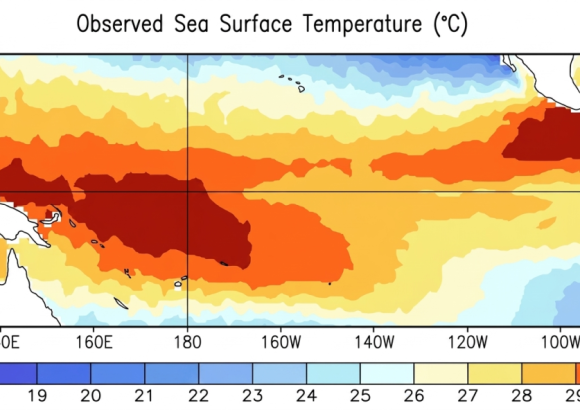
    The twin-island nation of Antigua and Barbuda is confronting a severe drought emergency, with meteorological experts projecting increasingly arid conditions throughout the first half of 2026. The Antigua and Barbuda Meteorological Service’s most recent Monthly Climate Outlook indicates an imminent Drought Warning expected to be issued by late February 2026, primarily attributed to diminished precipitation patterns associated with persistent La Niña phenomena.

    Current projections reveal a substantial 75% probability of below-to-near normal rainfall during February, with comparable dry circumstances forecasted to extend through the February-April trimester. Meteorological analysts indicate these patterns significantly elevate the potential for moderate or more severe short-term drought conditions, especially if prolonged rainless periods continue.

    The preliminary signs of hydrological stress became evident in December 2025, when Antigua documented considerably substandard rainfall measurements while Barbuda endured exceptionally parched conditions, including a concerning 21-day period without measurable precipitation. These meteorological circumstances have subsequently triggered noticeable reductions in soil hydration levels and diminished freshwater reserves.

    Climate scientists caution that the drought threat extends beyond immediate concerns. Six-month precipitation metrics suggest moderate or intensified drought conditions will likely materialize by April 2026’s conclusion, with extended-range models indicating Drought Warning status might prolong into May, particularly affecting central and southern Antigua regions.

    Although daytime temperatures are predicted to remain within seasonal norms, meteorologists highlight that elevated nighttime temperatures will probably exacerbate drought severity through accelerated evaporation processes and compromised soil moisture conservation.

    The Meteorological Service further indicates that precipitation during the initial rainy season (May-July) is also projected to register below-to-near normal levels, generating additional apprehensions regarding postponed hydrological resource recovery. While emphasizing the probabilistic nature of extended forecasts, officials strongly recommend intensified monitoring of water reserves, agricultural operations, and wildfire hazards as arid conditions persist.

  • Duartian Institute member warns of possible mass Haitian migration to the Dominican Republic

    Duartian Institute member warns of possible mass Haitian migration to the Dominican Republic

    SANTO DOMINGO – A prominent Dominican academic has issued a stark warning about potential mass migration from Haiti, citing United States naval deployments in Caribbean waters as a destabilizing factor that could exacerbate the neighboring nation’s political turmoil. Professor Luis de León of the Duartian Institute characterized the US military presence as a “national patriotic alert” that threatens regional stability.

    The scholar expressed particular concern about the expiration of Haiti’s Presidential Council mandate this Saturday, anticipating renewed violent outbreaks that could trigger a refugee crisis. De León questioned whether Dominican authorities have adequately prepared citizens for this contingency, emphasizing that land border crossings would likely become the primary route for those fleeing hunger and institutional collapse.

    Beyond migration concerns, the professor framed the situation as a broader sovereignty challenge. He called for unified response from government institutions, political parties, and civil society, stressing that national defense requires both military readiness and civilian moral support. De León specifically referenced the teachings of Professor Juan Bosch in advocating for cautious engagement with United States foreign policy, which he views as increasingly interventionist.

    The academic concluded that while Dominicans remain committed to peace, this peace must be actively defended through coordinated state action, national unity, and a clear strategic response to Haiti’s escalating crisis and its potential spillover effects across the shared border.

  • Peruvian man gets one year of pretrial detention for false bomb threat at AILA

    Peruvian man gets one year of pretrial detention for false bomb threat at AILA

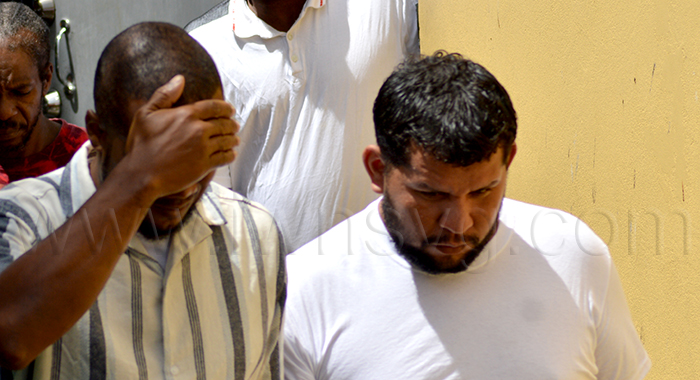
    A Peruvian national has been sentenced to 12 months of preventive detention for triggering a false security alert that severely disrupted operations at Las Américas International Airport (AILA) in Santo Domingo. The Judicial Office of Permanent Attention Services of Santo Domingo Este issued the ruling at the request of the Public Prosecutor’s Office.

    Ángel del Pino Cuya stands accused of activating emergency protocols on January 6, 2026, by falsely reporting an explosive device aboard Copa Airlines flight CM-299 destined for Panama. The aircraft, which was already airborne with passengers and crew, was forced to return to the airport following the threat.

    Investigations reveal that the security breach occurred through a telephone call placed to Aeropuertos Dominicanos Siglo XXI (Aerodom), immediately triggering comprehensive security measures. These protocols included the aircraft’s emergency return, thorough security inspections, temporary suspension of all airport operations, and diversion of incoming flights to alternative terminals. Subsequent investigations confirmed the threat was entirely fabricated.

    Prosecutors Andrés Mena and Ana Sánchez successfully argued before the court that preventive detention was essential to ensure the defendant’s presence throughout judicial proceedings. Law enforcement authorities subsequently apprehended Del Pino Cuya in the Los Girasoles sector of the National District, where crucial evidence related to the case was seized and incorporated into the official investigation.

    The Public Prosecutor’s Office emphasized that such actions transcend mere public alarm, directly impacting critical national infrastructure and aviation security. This elevation of the case to national security significance reflects the serious nature of the offense.

    The defendant faces provisional charges under multiple legal frameworks, including articles 3, 63, and 78 of Law 188-11 on Airport and Civil Aviation Security, which penalize unlawful interference and communication of false information endangering aircraft safety. These charges carry potential sentences of 3 to 10 years imprisonment. Additionally, he is accused of violating articles 11 and 30 of Law 267-08 on Terrorism, which stipulate penalties of up to 40 years incarceration.

    Under the order of Judge Karen Casado Minyety, Del Pino Cuya will serve his pretrial detention at the Las Parras Correction and Rehabilitation Center while judicial proceedings continue.

  • State of the Region Report 2025: ‘Region in its Worse Crisis in 30 Years’

    State of the Region Report 2025: ‘Region in its Worse Crisis in 30 Years’

    A comprehensive regional assessment reveals Central America and the Dominican Republic are confronting their most severe political and social crisis in three decades. The Seventh State of the Region Report 2025, published by the University of Belize Research Office in collaboration with regional partners, presents a stark analysis of the area’s deteriorating conditions between 2018 and 2023.

    The landmark study, compiled by Costa Rica’s National Council of Rectors, identifies a troubling paradox: despite moderate economic expansion, the region experiences deepening development disparities, democratic erosion, and declining regional cooperation. This growth pattern remains fundamentally exclusionary and environmentally unsustainable, failing to translate into broad-based wellbeing for the population.

    Researchers pinpoint five critical, interconnected challenges threatening regional stability. Economic and social inequalities have intensified, particularly between Costa Rica, Panama, and the Dominican Republic versus their regional neighbors. Nations have reverted to pre-pandemic patterns of reduced social investment despite persistent poverty, abandoning the brief post-COVID rebound period.

    The political landscape has deteriorated to its most dangerous state since the era of military conflicts, with rising autocratization fueled by public disillusionment over unmet social expectations. Regional fragmentation severely limits collective response capabilities to global power pressures, diminished foreign aid, and external economic shocks. Additionally, inadequate cooperation mechanisms, aging demographics, escalating organized crime, and poor climate adaptation coordination further undermine collective action.

    The report concludes that post-pandemic governance has systematically weakened the region’s capacity to promote sustainable human development. With poverty, inequality, and institutional fragility persisting alongside declining social investment, researchers urgently call for governments to transcend short-term political calculations and rebuild democratic institutions and regional cooperation frameworks before current pressures solidify into permanent setbacks.

  • IICA reps meet with Bahamas agriculture minister to continue distribution to farmers in wake of Hurricane Melissa

    IICA reps meet with Bahamas agriculture minister to continue distribution to farmers in wake of Hurricane Melissa

    The Bahamas government, in partnership with the Inter-American Institute for Cooperation on Agriculture (IICA), has initiated a comprehensive agricultural support program for farmers devastated by Hurricane Melissa’s October impact. Minister of Agriculture and Marine Resources Jomo Campbell personally oversaw the distribution of critical farming inputs in Exuma district alongside IICA’s Bahamas Representative Mari Dunleavy and her technical team.

    The catastrophic hurricane, which caused significant fatalities and widespread destruction across the Caribbean region, particularly damaged agricultural infrastructure throughout the Bahamian archipelago. Long Island emerged as one of the most severely affected areas, prompting coordinated international response efforts spearheaded by IICA to facilitate procurement and delivery of essential supplies.

    Minister Campbell acknowledged IICA’s crucial support, stating: “This collaboration demonstrates our shared commitment to building agricultural resilience. Our ministry remains dedicated to implementing recovery strategies that will strengthen our food production systems against future climate challenges.”

    The initiative forms part of broader strategic policies aimed at enhancing national food security through reduced import dependency and promoted sustainable agricultural practices. Dunleavy emphasized IICA’s ongoing commitment: “The Bahamas has been advancing strategic initiatives to strengthen local food security and foster sustainable agricultural production, which we fully support through technical cooperation and resource mobilization.”

    Under Minister Campbell’s leadership, the recovery program integrates multiple developmental objectives including employment generation, support for traditional farmers and fisherfolk, and ensuring stable access to affordable fresh produce for the population. Notable components include expansion of sustainable agriculture projects and hydroponics systems across multiple islands, direct producer support through input provision and technical assistance, and value chain reinforcement through improved producer-distributor linkages.

    The Ministry has concurrently intensified focus on agricultural education, developing specialized programs with academic institutions to attract youth to the sector. Enhanced phytosanitary capabilities through mobile laboratories and improved crop protection measures further demonstrate the comprehensive approach to building a competitive, resilient agricultural sector capable of accessing international markets.

  • VN waarschuwt voor humanitaire ineenstorting in Cuba

    VN waarschuwt voor humanitaire ineenstorting in Cuba

    The United Nations has issued an urgent warning about an impending humanitarian collapse in Cuba as the United States intensifies efforts to completely blockade all oil supplies to the Caribbean nation. This alarming development comes amid severe fuel shortages that have triggered prolonged power outages across the island, including in the capital Havana, while simultaneously driving sharp increases in food and transportation costs.

    UN Secretary-General Antonio Guterres’ spokesperson Stéphane Dujarric characterized the situation as ‘extremely concerning’ and cautioned that conditions would deteriorate further unless Cuba’s oil supply chain is secured. The warning follows more than three decades of repeated calls by the UN General Assembly for an end to the American trade embargo against Cuba, with Guterres now urging renewed dialogue and adherence to international law.

    The current crisis stems from the longstanding political enmity between Washington and Havana dating back to the 1959 revolution. The U.S. imposed a comprehensive economic embargo in 1962 after Fidel Castro’s government nationalized American-owned enterprises, and this sanctions regime has remained largely intact ever since.

    Cuba’s economy, already severely impacted by these measures, had previously relied on Venezuelan oil imports. These critical supplies were disrupted following controversial U.S. actions involving Venezuelan President Nicolás Maduro. President Donald Trump subsequently asserted control over Venezuelan oil resources and explicitly pledged to deprive Cuba of fuel, labeling the island nation an ‘unusual and extraordinary threat.’ The administration has further threatened imposing high tariffs on countries attempting to supply Cuba with oil, causing particular concern in Mexico.

    Mexican President Claudia Sheinbaum confirmed her government would employ all diplomatic channels to maintain oil shipments to Cuba while avoiding potential economic repercussions from U.S. tariffs. Mexico has announced plans to send humanitarian assistance and is negotiating with Washington for permission to deliver oil, though no agreement has been reached thus far.

    Cuban President Miguel Díaz-Canel condemned Trump’s threats as an attempt to ‘strangle the Cuban economy under false pretenses’ and declared an ‘international emergency.’ According to data from analytics firm Kpler, Cuba currently possesses sufficient oil reserves for only 15-20 days of consumption.

    The U.S. Embassy in Cuba has additionally advised American citizens to prepare for ‘significant disruptions’ due to power outages and fuel shortages. Despite these tensions, both nations acknowledge maintaining backchannel communications, though these contacts have not yet evolved into formal diplomatic dialogue.

  • CARICOM IMPACS program equips local law enforcement officers to develop digital training material

    CARICOM IMPACS program equips local law enforcement officers to develop digital training material

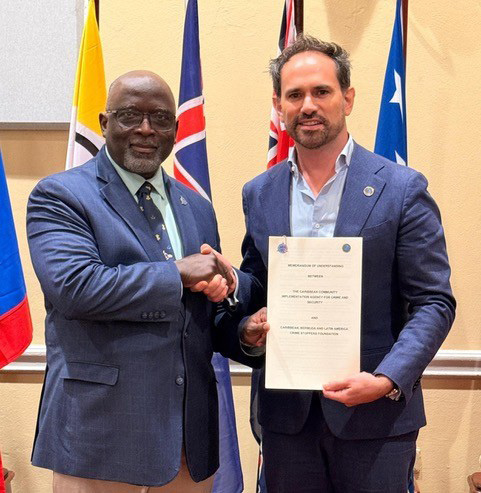
    In a significant capacity-building initiative, eighteen specialized officers from Dominica’s law enforcement sectors have successfully concluded an intensive training program on digital content creation for security education. The week-long workshop, conducted from January 19-23, 2026, was administered by the Caribbean Community Implementation Agency for Crime and Security (CARICOM IMPACS) with strategic partnership from the U.S. Department of State’s Bureau of International Narcotics and Law Enforcement Affairs (INL).

    The comprehensive curriculum equipped personnel from the Commonwealth of Dominica Police Force, Immigration Department, and Customs Division with advanced technical skills to develop sophisticated digital training materials. This initiative represents a crucial advancement in establishing standardized, sustainable, and modernized learning frameworks for security agencies throughout the Caribbean region.

    This training session marked the conclusive phase of the English-speaking Caribbean implementation, following similar programs across twelve CARICOM Member States. The project now prepares to expand to Spanish-speaking partner institutions in the Dominican Republic scheduled for February 2026, demonstrating the program’s continuing regional development.

    According to official statements, CARICOM IMPACS remains committed to broadening capacity-building support, with plans to extend these specialized training opportunities to additional Member and Associate States through future initiatives. This multinational cooperation underscores the growing importance of digital proficiency and standardized training protocols in contemporary law enforcement practices throughout the Caribbean basin.

  • Jamaican-born US Army veteran deported from the US

    Jamaican-born US Army veteran deported from the US

    In a controversial immigration enforcement action, a Jamaican-born U.S. Army veteran has been forcibly returned to Jamaica following nearly five months in Immigration and Customs Enforcement (ICE) custody. Godfrey Wade, who had resided legally in the United States for over five decades, was deported on Tuesday after an emergency stay of removal submitted by his legal representative was rejected by authorities.

    Wade’s American journey began in 1975 when he lawfully entered the country as a teenager. He subsequently demonstrated his commitment to his adopted nation by enlisting in the U.S. Army, serving honorably overseas, and receiving an honorable discharge. For years afterward, Wade built a life as a permanent resident, contributing to his community through diverse professions including culinary arts as a chef, sports instruction as a tennis coach, and creative work as a fashion designer.

    The deportation stems from a sequence of legal events that began with minor infractions. According to reports, Wade faced removal due to a 2014 order originating from a 2007 bounced check incident and a simple assault charge from 2006. The enforcement action was triggered when Wade was arrested in September of last year for operating a vehicle without a valid license, which led to his detention by ICE officials.

    Legal proceedings continue as an appeal remains pending, highlighting the complex interplay between immigration enforcement and the status of non-citizen military veterans. The case has drawn attention to the treatment of long-term legal residents with minor criminal records, raising questions about the proportionality of immigration consequences for relatively minor offenses.