分类: world

  • Severe weather in northeast U.S. impacts air travel to the Dominican Republic

    Severe weather in northeast U.S. impacts air travel to the Dominican Republic

    Santo Domingo witnessed significant aviation disruptions as approximately 25 flights to and from the Dominican Republic were canceled on Sunday, February 22nd, following the onslaught of winter storm Ernesto. The powerful weather system unleashed heavy snowfall across multiple northeastern U.S. states, creating travel chaos for hundreds of passengers.

    The National Weather Service (NWS) had escalated forecasts for the intensifying storm, which particularly targeted the Mid-Atlantic and Appalachian regions. Major metropolitan areas including Philadelphia, Delaware, Boston, and New York faced anticipated snow accumulations ranging from 23 to 45 centimeters. Meteorological authorities cautioned that the storm would gain strength throughout Sunday, delivering persistent heavy snow accompanied by vigorous winds, with weather alerts extending through Monday.

    Aeropuertos Dominicanos Siglo XXI (Aerodom) confirmed that the cancellations primarily impacted JetBlue and Delta Air Lines operations. The disrupted flights involved critical aviation hubs such as John F. Kennedy International Airport, Logan International Airport, and Fort Lauderdale-Hollywood International Airport. Initial reports indicated eight Sunday cancellations, with an additional sixteen JetBlue flights suspended for Monday, February 23rd, specifically affecting air routes connecting the Dominican Republic with New York and Boston.

    New York City officials, under the leadership of Mayor Zohran Mamdani, urgently advised residents to minimize non-essential travel amid forecasts predicting snowfall rates reaching five centimeters per hour. The city experienced its first blizzard warning in nine years, according to Listín Diario. Transportation authorities continued to recommend that travelers vigilantly monitor airline communications as winter conditions persisted throughout the region.

  • Mexicaanse kartelbaas ‘El Mencho’ gedood bij militaire inval

    Mexicaanse kartelbaas ‘El Mencho’ gedood bij militaire inval

    Mexican security forces have confirmed the death of notorious drug cartel leader Nemesio Oseguera Cervantes, widely known as ‘El Mencho,’ during a military operation in western Jalisco state. The high-profile raid marks a significant victory for Mexico’s ongoing battle against powerful drug trafficking organizations.

    According to Mexico’s Defense Ministry, Oseguera sustained critical injuries during an intense firefight with government troops and subsequently died while being airlifted to Mexico City for medical treatment. The operation, which benefited from intelligence cooperation with United States authorities, represents the culmination of increased pressure from the Trump administration on Mexican President Claudia Sheinbaum to intensify anti-narcotics efforts.

    The death of the Jalisco New Generation Cartel (CJNG) leader has triggered immediate retaliatory violence across multiple Mexican states. Criminal elements have responded with coordinated attacks involving burning vehicles and armed highway blockades, creating widespread disruption in more than half a dozen regions. Social media footage shows plumes of black smoke rising from incendiary roadblocks throughout Jalisco and neighboring areas.

    Oseguera, a former police officer, had transformed the CJNG from a regional organization into one of Mexico’s most powerful international criminal enterprises within a remarkably short timeframe. The cartel had been competing with the Sinaloa Cartel, formerly led by imprisoned kingpin Joaquín ‘El Chapo’ Guzmán, for dominance in drug trafficking operations.

    United States Deputy Secretary of State Christopher Landau characterized Oseguera’s demise as a “major development” for both nations and the broader Latin American region. However, security experts warn that the power vacuum created by his death could unleash prolonged violence as competing factions struggle for control.

    In response to the security crisis, Jalisco Governor Pablo Lemus Navarro has urged residents to remain indoors while authorities work to restore order. The U.S. Embassy has issued similar precautions for American citizens, and multiple airlines including Air Canada, United Airlines, and American Airlines have suspended or canceled flights to popular tourist destinations Puerto Vallarta and Guadalajara.

  • Chaos in Mexico : Important notice to the Haitian community

    Chaos in Mexico : Important notice to the Haitian community

    Mexico has been plunged into widespread violence and chaos following the death of Nemesio Oseguera Cervantes, the notorious drug lord known as ‘El Mencho.’ The leader of the Jalisco New Generation Cartel (CJNG) was fatally wounded during a major military operation on February 22, 2026, in Tapalpa, Jalisco state. He succumbed to his injuries while being transported by air to Mexico City.

    In retaliation for their leader’s death, cartel members have unleashed a wave of violence across at least eight Mexican states. The unrest has included arson attacks on businesses and public transportation, road blockades, and temporary airport closures, creating widespread disruption and endangering civilians.

    The Haitian Embassy in Mexico has issued an urgent security alert to its citizens residing in or visiting the affected regions. The advisory specifically warns about ongoing security operations in Jalisco state, particularly in Guadalajara, Puerto Vallarta, and Tapalpa, where armed clashes and vehicle fires have been reported.

    Additional states experiencing cartel-related violence include Michoacán, Guanajuato, Nayarit, Colima, Aguascalientes, and Tamaulipas. The embassy has instructed Haitian nationals to exercise extreme caution, shelter in place, and avoid all non-essential travel. Other recommendations include strictly avoiding areas where law enforcement operations are underway, maintaining heightened situational awareness, and monitoring reliable local media for updates.

    The embassy further advised citizens to follow instructions from local authorities, use emergency services by dialing 911 when necessary, and regularly communicate their whereabouts and safety status to family members through various communication channels. Haitian diplomatic officials confirmed they are closely monitoring the evolving security situation and emphasized the importance of caution and personal responsibility during this period of heightened instability.

  • Studying in the dark Saint Lucian medical students face uncertain futures in Cuba

    Studying in the dark Saint Lucian medical students face uncertain futures in Cuba

    Saint Lucian medical students pursuing education in Cuba find themselves at the center of a growing geopolitical crisis as intensified US sanctions create severe infrastructure challenges on the island nation. The tightened embargo has exacerbated fuel shortages, leading to prolonged power outages exceeding 16 hours daily and crippling public transportation systems.

    Multiple students speaking anonymously to St Lucia Times describe an environment of heightened anxiety as they witness Cuba’s deteriorating conditions firsthand. Educational institutions have transitioned to virtual learning while healthcare professionals struggle with transportation barriers. The situation has created visible socioeconomic divisions between those with resources to mitigate the hardships and those without.

    More than 50 Saint Lucian students currently study in Cuba through government scholarships, with their future now hanging in the balance. Education Minister Kenson Casimir confirmed during a February Cabinet briefing that contingency and evacuation plans have been developed, including potential transfers to alternative institutions such as the University of the West Indies, Ross University, and St George’s University.

    Students express primary concerns regarding scholarship security, degree completion possibilities, and international recognition of Cuban medical qualifications. While Saint Lucian officials have committed to recognizing degrees obtained in Cuba, they acknowledge that other jurisdictions might not extend similar recognition.

    Cuban Ambassador Yenielys Vilma Regueiferos Linares addressed the energy crisis, noting that power outages have significantly impacted food production, water distribution, healthcare services, and education. She detailed Cuba’s ongoing transition toward renewable energy, including installation of 40 photovoltaic parks and distribution of thousands of solar systems to critical facilities and vulnerable communities.

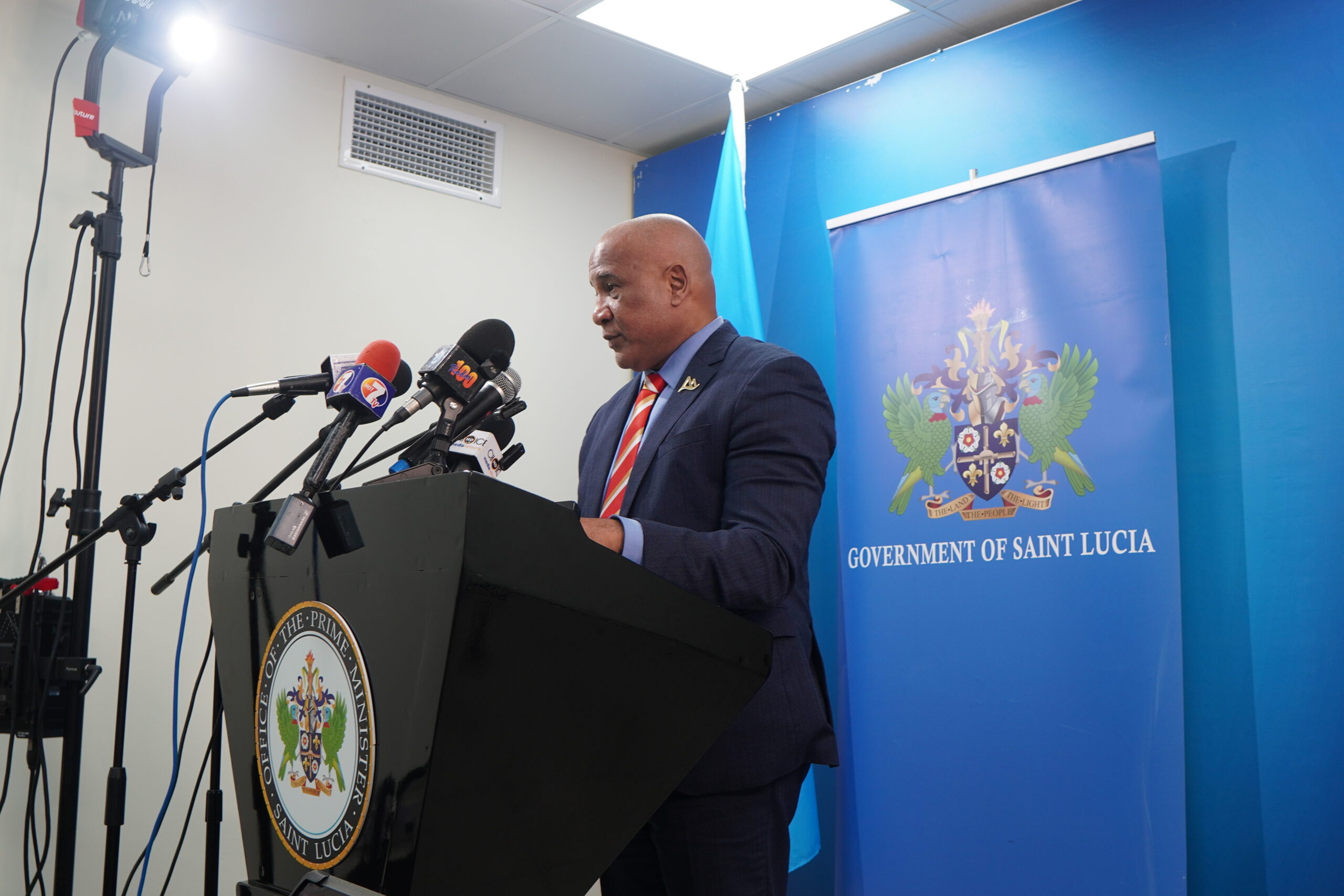
    Prime Minister Philip J. Pierre acknowledged that both the medical scholarship program and Cuba’s medical brigade in Saint Lucia face potential risks, though he emphasized there is “no imminent withdrawal” of students currently. Meanwhile, self-funded medical specialists express additional concerns about Saint Lucia’s healthcare sustainability should Cuban-trained doctors become unavailable to offset migrating local physicians.

    The situation remains fluid, with students reporting widespread panic despite government reassurances. Many maintain hope that their educational investments will be preserved while calling for greater transparency regarding diplomatic decisions affecting their academic futures.

  • Chinese Embassy Thanks Antiguans for Assisting During Vehicle Emergency

    Chinese Embassy Thanks Antiguans for Assisting During Vehicle Emergency

    The Chinese Embassy in Antigua and Barbuda issued a formal acknowledgment on Saturday, expressing profound appreciation to local citizens who provided immediate assistance during an unforeseen vehicular incident. Through an official social media communiqué, the embassy highlighted the spontaneous support rendered by community members, emphasizing the significance of their timely intervention. ‘Your willingness to assist during our moment of need reflects remarkable compassion and solidarity,’ the statement noted. Accompanying visual documentation depicted multiple individuals collaborating to resolve a situation involving a vehicle positioned precariously near roadside drainage infrastructure. While specific details regarding the incident’s cause or circumstances remain undisclosed, embassy representatives characterized the response as a testament to strong community bonds and cross-cultural cooperation. This gesture underscores the deepening diplomatic and social ties between Chinese diplomatic missions and Caribbean communities, fostering mutual respect and collaborative spirit.

  • Mayhem as top Mexican drug cartel leader killed

    Mayhem as top Mexican drug cartel leader killed

    In a significant blow to organized crime, Mexican armed forces confirmed the death of Nemesio Oseguera Cervantes, widely known as ‘El Mencho,’ during a military operation in Jalisco state on Sunday. The 59-year-old leader of the Jalisco New Generation Cartel (CJNG) sustained fatal injuries during an armed confrontation with soldiers near Tapalpa before succumbing en route to a Mexico City medical facility.

    The operation, conducted with supplementary intelligence provided by United States authorities, represents one of Mexico’s most substantial victories in its prolonged campaign against drug cartels. Oseguera, who carried a $15 million bounty from U.S. authorities, ranked among Mexico’s most wanted criminals alongside recently captured Sinaloa Cartel leaders Joaquin ‘El Chapo’ Guzman and Ismael Zambada.

    Retaliatory violence erupted across western Mexico following the operation, with CJNG militants blocking over twenty major transportation routes using burning vehicles. The widespread disruptions prompted Jalisco officials to cancel public events and suspend in-person educational activities. Violence subsequently spread to neighboring Michoacán state and the popular resort destination of Puerto Vallarta.

    International responses included shelter-in-place advisories from the U.S. State Department for American citizens in affected regions, while Canadian authorities issued travel warnings citing ‘shoot-outs with security forces and explosions.’ Multiple airlines from both nations cancelled flights to Mexican destinations due to security concerns.

    Mexican President Claudia Sheinbaum addressed the nation, urging calm while emphasizing federal coordination with state governments to restore order. The operation resulted in six additional cartel casualties and three soldiers wounded, according to official military statements.

  • Violence sweeps Mexico after most-wanted drug cartel leader killed

    Violence sweeps Mexico after most-wanted drug cartel leader killed

    Mexico is confronting a severe security crisis as the Jalisco New Generation Cartel (CJNG) unleashed coordinated retaliatory violence across multiple states. This wave of chaos erupted immediately after the Mexican army confirmed the death of the cartel’s leader, Nemesio “El Mencho” Oseguera, during a military operation on Sunday.

    The high-stakes raid, which resulted in the fatal wounding of Oseguera as he was transported to Mexico City, also left six cartel gunmen dead and three soldiers wounded. Authorities reported the seizure of an extensive arsenal, including rocket launchers capable of targeting aircraft and armored vehicles. The operation was conducted with crucial intelligence support from United States authorities, according to statements from both governments.

    In response to their leader’s demise, CJNG members implemented a campaign of terror involving widespread road blockades, arson attacks on businesses and vehicles, and armed intimidation of civilians. The violence paralyzed daily life in Guadalajara, where deserted streets and shuttered establishments became the norm, while the unrest extended to neighboring Michoacán and the resort destination of Puerto Vallarta.

    The international community has responded with heightened travel advisories. The United Kingdom issued warnings against non-essential travel to affected regions, while the United States instructed its citizens to shelter in place. Canada advised maintaining a low profile amid reports of shootouts and explosions, resulting in numerous flight cancellations to and from Mexico.

    President Claudia Sheinbaum has appealed for public calm as experts warn of impending turmoil within the cartel’s leadership structure. With Oseguera’s son already facing conviction in the United States, analysts predict a violent power struggle that could further destabilize Mexico’s security situation. The crisis has prompted Guatemala to reinforce its border with Mexico amid concerns about cross-border criminal incursions.

    The elimination of Oseguera, who carried a $15 million U.S. bounty and was classified as a terrorist by American authorities, represents a significant blow to one of Mexico’s most powerful criminal organizations. However, the immediate aftermath demonstrates the CJNG’s continued capacity for nationwide violence and disruption.

  • Saharan Dust advisory: Sunday, 22 February 2026

    Saharan Dust advisory: Sunday, 22 February 2026

    The Grenada Meteorological Service has issued an environmental advisory as a significant Saharan dust mass traverses the Atlantic Ocean. Originating from North Africa’s Sahara Desert, this atmospheric phenomenon is propelled by prevailing easterly winds toward the Caribbean region.

    Meteorological analysis indicates Grenada lies near the northern edge of the dust concentration, with the southern Windward Islands expected to experience the most substantial impact. Satellite observations and atmospheric modeling predict deteriorating air quality conditions beginning later today, reaching peak density overnight before anticipated improvement by Monday afternoon.

    The meteorological agency forecasts air quality indices ranging from moderate to dense concentration levels. This environmental event presents two primary concerns: significantly reduced atmospheric visibility and potential health complications for vulnerable populations. Specifically, individuals with pre-existing respiratory conditions such as asthma or chronic bronchitis are advised to implement precautionary measures.

    The official advisory remains active from this afternoon through Monday, February 23rd. Meteorological authorities have committed to continuous monitoring of the dust plume’s progression and will issue updated communications should conditions deteriorate beyond current projections. The public, particularly sensitive groups, is encouraged to stay informed through official channels and limit unnecessary outdoor exposure during peak concentration periods.

  • The “fridge” struck again: Valle Nuevo woke up almost below zero and covered in white.

    The “fridge” struck again: Valle Nuevo woke up almost below zero and covered in white.

    Valle Nuevo National Park, renowned as the Dominican Republic’s natural “icebox,” experienced a dramatic return of Arctic conditions early Saturday morning. The protected area witnessed temperatures plunging to near-freezing levels, compelling campers to abandon their tents in search of warmth around crackling campfires.

    According to park administrator Julio César de los Santos, the Automatic Meteorological Station operated by the Dominican Institute of Meteorology (Indomet) recorded a startling 0.2°C at 5:58 AM at its Rancho en Medio location. This temperature reading proved sufficient to generate widespread frost formation across the park’s vegetation as dew particles crystallized into delicate ice formations.

    Meteorological data revealed that even by 7:10 AM, temperatures remained at a frigid 1.6°C with a wind chill factor making it feel like 0.5°C. The mercury gradually climbed to 3.1°C by 7:59 AM, though the persistent wind chill maintained a biting sensation of 1.9°C throughout the morning hours.

    Photographic evidence captured the extraordinary transformation of the typically tropical landscape. Vegetation appeared dusted with hoarfrost—a thin, crystalline layer of ice—while metal containers and exposed surfaces developed freezer-like coatings. The mountainous terrain temporarily adopted the appearance of a winter wonderland, creating surreal visual contrasts against the Caribbean backdrop.

    This meteorological phenomenon represents a recurring weather pattern for Valle Nuevo, which maintains its reputation as one of the coldest regions in the Caribbean nation. The park’s high elevation and unique microclimate regularly produce temperature inversions that create these uncharacteristically cold conditions for the tropical region, offering both challenges for visitors and opportunities for unique ecological observations.

  • Critical minerals and rare earths: the Dominican Republic’s new strategic bet

    Critical minerals and rare earths: the Dominican Republic’s new strategic bet

    SANTO DOMINGO, Dominican Republic – In a strategic address that positions the Caribbean nation at the center of global resource geopolitics, Foreign Minister Roberto Álvarez has articulated the Dominican Republic’s emerging role in the critical minerals sector. Speaking at the Corripio Communications Group Luncheon, Álvarez provided crucial conceptual distinctions while outlining the nation’s substantial geological advantages.

    The diplomatic leader clarified the fundamental difference between rare earth elements and critical minerals, noting that while all 17 rare earth elements fall under the critical minerals umbrella, the broader category encompasses any mineral deemed strategically vital to national security and industrial needs by individual countries.

    These resources form the backbone of advanced technological manufacturing, enabling production across aerospace, defense, automotive, computing, semiconductor, and quantum computing industries. Minister Álvarez illustrated this critical dependency with a compelling example: a single sophisticated aircraft may require up to 2,000 mineral-dependent components, with the absence of just one rendering the entire system inoperable.

    Among the most prized elements discussed were neodymium for permanent magnets in electric motors and wind turbines, scandium for ultra-strong lightweight aluminum alloys, and gallium for semiconductor applications – each representing specialized niches within the broader critical minerals spectrum.

    The address revealed significant international developments, including a U.S.-led initiative involving 55 nations working to secure critical mineral supply chains. This collaboration may yield an international framework agreement potentially establishing minimum price floors for certain minerals – a stabilization mechanism historically applied to commodities like sugar that would enable producing nations to make secure economic projections and attract investment under predictable conditions.

    Geological surveys have identified exceptional Dominican potential, particularly in the Pedernales province where 84 deposits have been documented, though only 15 have undergone comprehensive exploration. Preliminary estimates suggest approximately 65 million metric tons of resources, primarily rare earth elements, alongside other internationally recognized critical minerals including bauxite and strategic metals.

    Minister Álvarez emphasized that the nation faces “very carefully considered” decisions regarding exploration and exploitation frameworks, given the escalating strategic value of these resources. The initiative enjoys presidential endorsement, with President Luis Abinader reportedly committed to developing this sector as a cornerstone of the nation’s economic and geopolitical future.