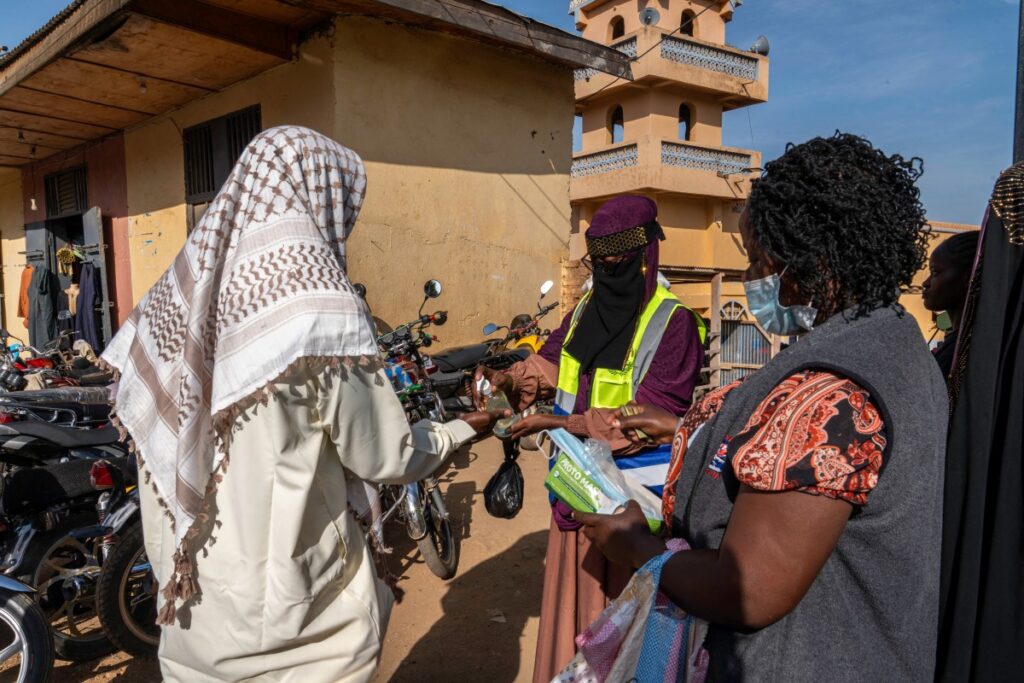
GENEVA, Switzerland – In an urgent public appeal posted to the social platform X on Wednesday, World Health Organization (WHO) Director-General Tedros Adhanom Ghebreyesus sounded the alarm over the escalating Ebola crisis in the eastern Democratic Republic of the Congo (DRC), warning that ongoing armed conflict has severely criiled global and local efforts to curb the deadly outbreak and demanding an immediate halt to all hostilities.
Tedros described the situation in Ituri province as a catastrophic convergence of two humanitarian disasters: unregulated spread of the Ebola virus and persistent, large-scale violence. Currently, he noted, the outbreak is outpacing all response initiatives launched by health authorities.
Since the DRC government formally declared the outbreak on May 15, the UN health agency has documented 10 confirmed Ebola deaths and 220 suspected fatalities, alongside more than 900 reported suspected cases across the country. WHO officials emphasize that these official numbers almost certainly underrepresent the true scale of the virus’s spread, as experts believe the pathogen has been circulating undetected in the region for weeks before the official declaration.
Complicating response efforts further, the strain circulating in the DRC – the Bundibugyo Ebola variant – has no globally approved vaccine or specific, targeted treatment available. Unlike other Ebola strains that have been successfully contained with approved medical countermeasures, stopping transmission of this variant relies entirely on unimpeded access for humanitarian and medical teams to reach affected communities.
That critical access has been blocked by widespread insecurity that has plagued eastern DRC for nearly 30 years, where dozens of armed groups operate in a long-running, fragmented conflict. In rural areas of Ituri province, core state services have been non-existent for decades, leaving local populations without basic health infrastructure even before the outbreak began.
Tedros explained that ongoing armed clashes have triggered mass population displacement, forcing people who may have been exposed to the virus to crowd into overcrowded displacement camps where the risk of rapid viral spread is drastically amplified. The violence has also cut off key routes that health teams rely on to reach affected areas and implement containment measures.
“Frontline workers are risking everything, while attacks on health facilities make tracking cases and their contacts nearly impossible,” Tedros warned. “We cannot build community trust or isolate the sick while bombs are falling.”
In closing his appeal, the WHO chief reiterated the global health body’s demand for all warring factions to agree to an immediate ceasefire to allow health teams to carry out their life-saving work. “We urge all warring parties to agree to an immediate ceasefire to contain this outbreak. To allow us safe and sustained access for medical teams,” he said. “We plea to prioritise human survival above everything else.”