分类: world

  • Police armoury breach ‘exposes security gaps’

    Police armoury breach ‘exposes security gaps’

    A brazen weekend break-in at the San Fernando Municipal Police armoury in Trinidad and Tobago has left one officer dead and triggered urgent warnings about systemic security gaps and potential infiltration by global criminal networks. On Sunday, attackers gained access to the facility and stole an unspecified number of firearms alongside thousands of rounds of ammunition, with investigators now pointing to missing, inadequate inventory records as a key vulnerability that allowed the theft to unfold. The incident also claimed the life of on-duty municipal police officer Anuska Eversley, who was murdered inside the station compound during the attack.

    In the aftermath of the heist, two leading criminologists have offered divergent analyses of the event’s root causes and broader implications, raising critical questions about the integrity of the country’s national security apparatus. Speaking in a recent telephone interview, leading criminologist Daurius Figueira argued that the coordinated nature of the attack leaves little doubt that transnational criminal organizations are responsible. He noted that the perpetrators moved with precise, targeted knowledge of the facility, demonstrating they “knew exactly what they were doing” when they struck. Figueira outlined two potential end uses for the stolen munitions: arming local insurgent factions, or diverting the cache to the thriving global illicit arms market. But building on comments from the national Police Commissioner, he pushed forward a more alarming thesis: the heist was a deliberate operation to undermine and destabilize Trinidad and Tobago’s security institutions, and by extension, the sovereign state itself.

    Figueira emphasized that the successful breach lays bare severe, exploitable weaknesses in the facility’s security protocols, which criminal actors likely scouted for months before launching their attack. Contrary to popular framing that most armoury thefts are driven by immediate profit or local gang expansion, he explained that transnational criminal networks often pursue broader strategic goals that go beyond short-term gains. A core part of his assessment is the claim that insiders embedded within the national security apparatus are collaborating with these global networks, providing critical intelligence that makes such targeted attacks possible. He also pushed back against widespread public calls for a national curfew as a response, arguing that the blunt measure would not prevent future targeted attacks like this heist, and would only further highlight existing weaknesses in the country’s security architecture.

    Offering a contrasting perspective, fellow criminologist Dr. Randy Seepersad has called for targeted systemic reform rather than broad conclusions about institutional infiltration. Seepersad urged an immediate full review of weapons storage and inventory accountability protocols across all national law enforcement agencies, stressing that the core failure of the incident was not the presence of munitions in the station, but the lack of effective systems to track and control those stockpiles. He pushed back against assumptions that widespread corruption or institutional misconduct is baked into the system, arguing that the priority should be strengthening operational protocols rather than jumping to conclusions about insider complicity. “I don’t think it’s so much a matter of the ratio of weapons to personnel in the station,” he noted, explaining that even well-staffed facilities fail without consistent monitoring and clear accountability rules. Seepersad emphasized that while secure physical storage is a non-negotiable baseline, its effectiveness depends entirely on consistent audit processes and accountability for personnel responsible for managing armoury stockpiles.

    Seepersad also cautioned against premature speculation surrounding recent incidents of police-marked ammunition being found at crime scenes across the country, warning against rushed conclusions that could derail formal investigations. He noted there are multiple explanations for how such ammunition can end up in criminal hands, ranging from unaddressed gaps in old munitions disposal processes to deliberate planting of evidence by criminals to mislead law enforcement. Drawing quick, unsubstantiated conclusions, he argued, risks both skewing ongoing investigations and distorting public understanding of the real challenges facing national security. Unlike Figueira, Seepersad characterized the San Fernando heist as an isolated incident, rather than evidence of broad infiltration of the country’s security institutions by transnational criminal networks.

  • VS verlengt wapenstilstand met Iran, militaire top over Hormuz

    VS verlengt wapenstilstand met Iran, militaire top over Hormuz

    On Wednesday, military planners from over 30 countries convened in London for a two-day summit focused on laying the groundwork for an international mission aimed at reopening and securing the strategically critical Strait of Hormuz, a global chokepoint for maritime oil trade. The UK Ministry of Defense confirmed that more than 12 nations have already committed to joining the operation, which will be led jointly by the United Kingdom and France once operational conditions allow for deployment.

    This London conference builds on diplomatic progress achieved just one week prior, during a video call attended by roughly 50 nations spanning Europe, Asia, and the Middle East. That earlier diplomatic push was partly intended to send a clear message to Washington, coming after former U.S. President Donald Trump stated that the U.S. did not require any assistance from allied partners for security efforts in the region.

    British Defense Secretary John Healey outlined that the core objective of the London gathering is to translate preliminary diplomatic agreements into tangible military plans. These plans center on guaranteeing unimpeded, free passage for all commercial and civilian vessels through the Strait of Hormuz, while also supporting the establishment of a lasting, durable ceasefire between conflict parties. Delegates are set to discuss a range of critical operational details, including contributing military capabilities, establishing unified command structures, and evaluating potential troop deployments to the region.

    In an unexpected twist that reshapes regional diplomatic dynamics just one day ahead of the London summit, President Trump announced Tuesday that he would extend the temporary ceasefire with Iran indefinitely. The ceasefire had been set to expire imminently, and the extension opens space for continued peace negotiations amid rising regional tensions. This decision came only hours after Trump had publicly stated he was unwilling to extend the truce, and had confirmed that U.S. military forces were “ready for action” if the ceasefire lapsed.

    Trump, who jointly launched the war against Iran alongside Israel on February 28, explained his reversal by noting that the Iranian government is “seriously divided, which is not unexpected”. His comment references recent U.S. and Israeli assassination strikes that killed multiple senior Iranian leaders, including former Supreme Leader Ayatollah Ali Khamenei, who has since been succeeded by his son.

    Negotiations mediated by Pakistan in its capital Islamabad have hit a key stumbling block over the ongoing U.S. blockade of Iranian ports, though a second round of talks is currently being planned. The ceasefire extension came at the formal request of Pakistan, which serves as the neutral mediator for the ongoing peace talks.

    Earlier, United Nations Secretary-General António Guterres and other global leaders had condemned Trump’s repeated threats to bomb Iranian energy infrastructure, noting that international humanitarian law explicitly prohibits attacks on civilian populations and critical civilian infrastructure.

    In a post on social media, Pakistani Prime Minister Shehbaz Sharif thanked Trump for agreeing to the ceasefire extension request. Sharif expressed hope that both Iran and the U.S.-Israel coalition would uphold the terms of the truce, and that a comprehensive peace deal could be reached during the upcoming second round of negotiations. As of Wednesday, no firm date has been set for the next negotiating session.

  • URGENT : Flood threat on 5 departments of Haiti

    URGENT : Flood threat on 5 departments of Haiti

    On Wednesday, April 22, 2026, Haiti’s civil defense authorities issued an urgent warning, alerting residents across multiple regions of the country to an imminent threat of flash flooding driven by lingering adverse weather conditions. The announcement from the Directorate of Civil Protection (DPC) confirms that a stationary cold front positioned over northern Haiti, paired with broader unstable atmospheric conditions, will sustain steady rainfall and severe thunderstorms across eight national departments through the late afternoon and overnight hours. The affected departments include North, Northwest, Artibonite, South, Southeast, Nippes, Grand’Anse, and West.

    Haiti’s national Hydrometeorological Unit has tracked worsening soil conditions across most of these monitored regions, noting that saturated ground has lost its ability to absorb additional precipitation. This environmental state elevates the risk of sudden, dangerous flash flooding specifically across five departments: North, Northwest, South, Nippes, and Grand’Anse, where low-lying and river-adjacent communities face the highest danger.

    In response to the escalating threat, the National System for Risk and Disaster Management (SNGRD) has partnered with the DPC to roll out public safety guidance, urging all residents in high-risk flood zones to prioritize preparedness and follow official instructions closely. The joint advisory outlines three core safety measures for at-risk communities: first, secure all personal belongings and critical official documents in elevated, water-safe locations to avoid irreparable damage. Second, avoid unnecessary long-distance travel to remote mountainous areas or riverbanks far from residential zones, particularly for trips that require an extended half-day or longer return journey during active storm conditions. Third, never attempt to cross overflowing or swollen waterways by any means of transport, including on foot, motorcycle, horseback, or passenger vehicle, as fast-moving floodwaters pose severe drowning and injury risks.

    The urgent warning comes as Haiti continues to grapple with recurring climate-driven disasters, with vulnerable communities disproportionately exposed to extreme weather events that strain the country’s limited disaster response infrastructure. Authorities are continuing to update weather conditions and safety guidance as the storm system progresses.

  • 72 Dominicans repatriated from the U.S. arrive at AILA after serving prison sentences

    72 Dominicans repatriated from the U.S. arrive at AILA after serving prison sentences

    Santo Domingo, the capital city of the Dominican Republic, has received a plane carrying 72 Dominican citizens who were deported from the United States. The chartered flight, arranged by the U.S. government, touched down at Las Américas International Airport, carrying 65 male and seven female deportees. The vast majority of this group had already completed court-mandated prison sentences in correctional facilities across multiple U.S. states.

  • Dominican Republic and Haiti discuss security measures amid gang expansion

    Dominican Republic and Haiti discuss security measures amid gang expansion

    In a significant step toward addressing the spiraling security crisis engulfing neighboring Haiti, the governments of the Dominican Republic and Haiti have launched joint working committees focused on curbing the expanding power of criminal gangs and resolving shared cross-border security concerns. The collaborative initiative emerged from a high-level working meeting held in Santo Domingo, where Dominican Republic Foreign Minister Roberto Álvarez held in-depth discussions with Jack Christofides, covering the full scope of cooperative goals and on-the-ground operational details for the multinational Gang Suppression Force mission. A delegation of senior Dominican government officials and top security sector representatives also took part in the strategic talks, laying the groundwork for coordinated action against organized criminal violence.

    The current emergency in Haiti did not develop overnight. As global human rights organization Amnesty International points out, decades of deep-rooted political and economic fragility, rooted in historical systemic inequality, have created the conditions for criminal groups to flourish. This preexisting instability has been severely exacerbated by a cascade of recent overlapping crises: acute fuel shortages that have paralyzed basic public services, devastating natural disasters that destroyed critical infrastructure and displaced thousands of people, and the lingering socioeconomic fallout of the COVID-19 pandemic. Together, these shocks have allowed gang-related violence to spread rapidly across most of Haiti’s populated areas.

    The security situation deteriorated dramatically following the 2021 assassination of sitting Haitian President Jovenel Moïse, an event that shattered already fragile governance and pushed political instability to new heights. Moïse’s successor, interim Prime Minister Ariel Henry, struggled to gain control over expanding armed groups that quickly consolidated their control over large swathes of the capital, Port-au-Prince. By 2024, international pressure and domestic outcry led to the formation of a new transitional presidential council, mandated to lead the country back to constitutional order and institutional stability.

    Today, Haitian national authorities remain under intense international and domestic pressure to advance security sector reforms, rein in violent criminal groups, and uphold fundamental human rights, as the country continues to grapple with persistent widespread violence and deep-seated institutional challenges that have left millions of ordinary Haitians facing daily insecurity.

  • 396 kilos of cocaine found on boat in SVG

    396 kilos of cocaine found on boat in SVG

    Authorities in the Caribbean island nation of St. Vincent and the Grenadines have placed two individuals in custody as part of an ongoing probe into a major narcotics bust uncovered earlier this week. The seizure, which unfolded on Monday, netted a total of 396 kilograms of cocaine, one of the more substantial drug hauls recovered in the region in recent months.

    Local independent outlet iWitness News has confirmed from credible internal sources that the illicit contraband was discovered aboard a marine vessel intercepted by law enforcement. Despite multiple requests for comment, members of the police force have declined to release additional operational details, keeping all strategic information closely held as the investigation progresses.

    Preliminary identification of the two detainees confirms one is a citizen of Grenada and the other holds Venezuelan nationality. Sources close to the case have refused to expand on details including the intended destination of the cocaine, the ownership of the intercepted vessel, or any potential links to larger transnational drug trafficking organizations, noting that premature disclosure could undermine ongoing investigative work and derail efforts to take down connected criminal networks.

  • World Bank mission completed for Grenada Resilience Improvement Project

    World Bank mission completed for Grenada Resilience Improvement Project

    Grenada’s ambitious climate resilience infrastructure initiative, the Grenada Resilience Improvement Project (GRIP), has moved into a critical advanced phase, marking multiple key milestones for the $15 million World Bank-backed program. The project, which focuses on strengthening disaster preparedness and climate-resilient infrastructure for three local communities, recently held a productive implementation support mission that brought together GRIP’s project team, Grenadian government officials, and World Bank representatives. The meeting, which included both in-person site visits on the island and virtual working sessions, saw the GRIP team share comprehensive progress updates, while the World Bank team provided targeted feedback and strategic guidance to shape the project’s next phase. Attendees described the discussion as a constructive exchange that aligned all stakeholders on the path forward.

    This collaborative session came at a particularly pivotal moment for the project, as on-the-ground civil work has officially commenced at the Balthazar Bridge site. The first component of work to launch is construction of a temporary pedestrian bridge, designed to keep local residents safely crossing the adjacent river during full reconstruction of the main permanent bridge. Local contractor Farray Construction Ltd. has already begun building the bridge’s abutments, with installation of the full pedestrian bridge set to begin once foundation work is complete.

    Several major components of the project have already hit key milestones in recent weeks. Procurement for both coastal infrastructure upgrades and the full Balthazar Bridge reconstruction has been successfully wrapped up, with formal contract awards set to be announced in the near term. Additionally, four new permanent homes have already been completed for Project Affected Persons (PAPs) in Saab, St. Andrew, where existing residential properties fall within the footprint of the new bridge development. These new homes were constructed under the project’s Build Back Better Initiative, which prioritizes safer, more resilient housing for impacted community members.

    Looking ahead, the GRIP project management team, hosted by Grenada’s Ministry of Mobilisation, Implementation and Transformation (MIT), will maintain its close coordination with the World Bank team to keep progress on track. The next phase of the project will include expanded community engagement sessions to share regular progress updates with local residents, and significant increases in on-site mobilization are expected throughout the second quarter of this year.

    First launched as a government-led initiative backed by $15 million in World Bank funding, GRIP’s core mission is to boost Grenada’s ability to withstand climate-related disasters by upgrading critical infrastructure and strengthening local community disaster preparedness capacity. When complete, the project will deliver long-term benefits to three targeted Grenadian communities: Balthazar, Soubise, and Marquis.

  • Caribbean urged to prepare for hotter, drier conditions

    Caribbean urged to prepare for hotter, drier conditions

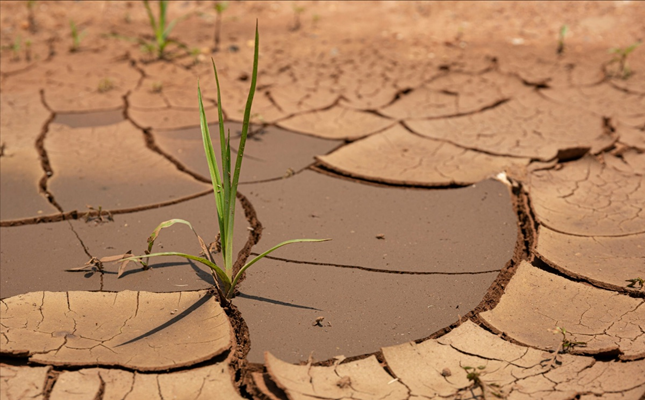
    Two leading Caribbean climate research institutions, the Caribbean Institute of Meteorology and Hydrology (CIMH) and the University of the West Indies Climate Studies Group Mona (UWI CSGM), have issued an urgent early call for regional governments, private enterprises, agricultural producers and households to implement proactive preparations for extreme climate events. Forecasters project a developing El Niño will bring prolonged hotter, drier conditions across the Caribbean throughout 2026 and 2027, bringing cascading, compound climate risks that threaten lives, livelihoods and regional economies.

  • Region moves to strengthen disaster response data systems

    Region moves to strengthen disaster response data systems

    As climate change intensifies the frequency and severity of natural hazards across the Caribbean, the region’s growing exposure to catastrophic disaster impacts has pushed regional cooperation bodies and national governments to prioritize improvements in how they track and respond to population displacement. Over the past 10 years alone, more than 5 million people in the region have been forced to leave their homes following major disasters, a statistic that underscores the urgent gap in consistent, actionable data for response efforts. To address this critical shortcoming, a two-day collaborative workshop opened this week at Bridgetown’s Courtyard by Marriott, bringing together a cross-sector group of stakeholders from 13 member states of the Caribbean Disaster Emergency Management Agency (CDEMA). Attendees include representatives from national disaster management offices, regional intergovernmental agencies, United Nations partnership bodies, and independent technical experts, all united by a shared goal: drafting universal standard operating procedures (SOPs) for collecting and analyzing displacement data as part of end-to-end disaster management.

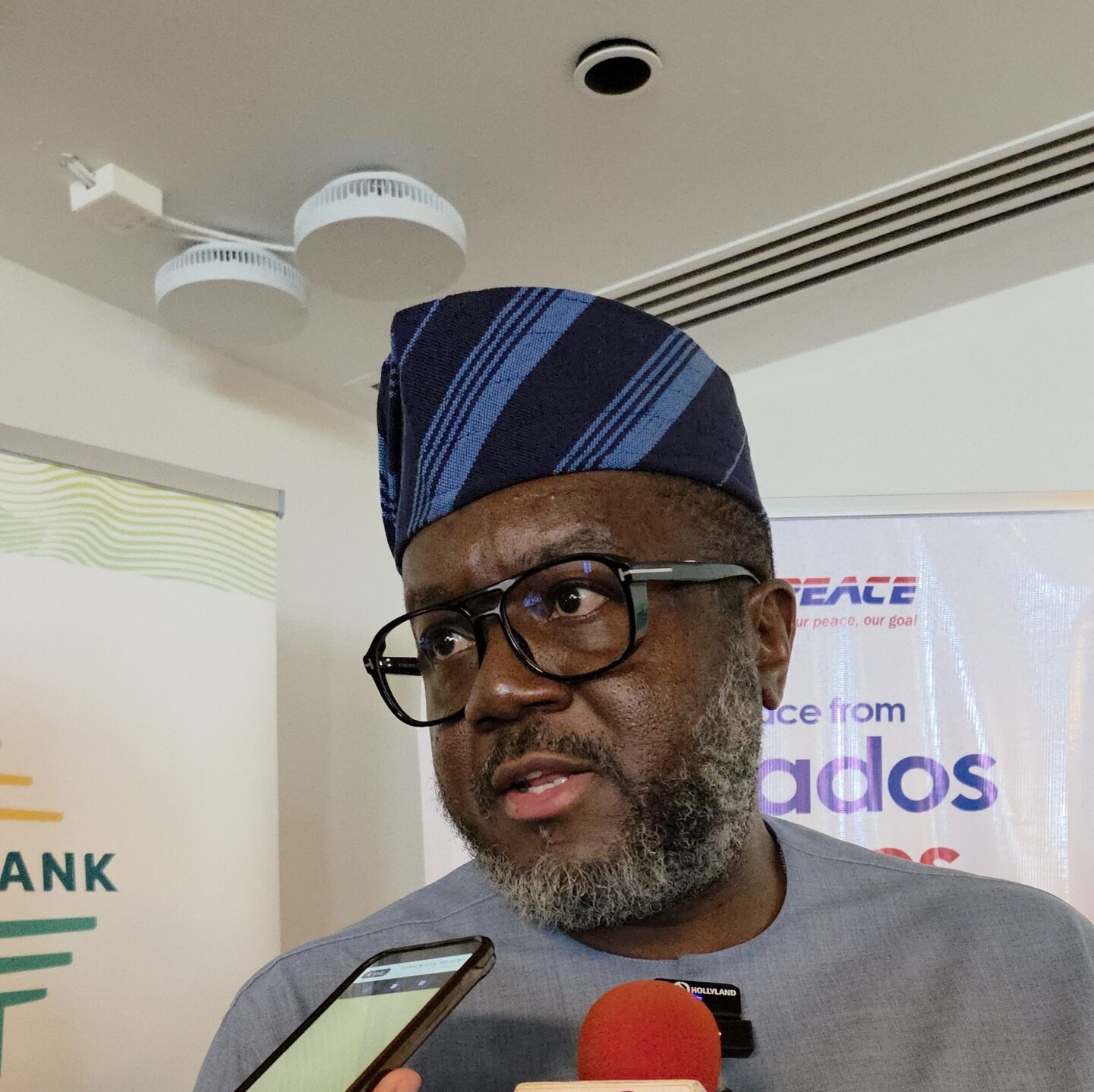
    Barbados’ Minister of Home Affairs and Information Gregory Nicholls opened the workshop with official endorsement of the initiative, outlining Barbados’ existing approach to integrated disaster displacement management. “Comprehensive disaster management in Barbados addresses the displacement of individuals through a coordinated, policy-driven system that integrates preparedness, emergency response and long-term recovery,” Nicholls stated.

    Mandela Christian, CDEMA’s Programme Manager for Preparedness and Response, emphasized that the lack of standardized displacement data has long created bottlenecks for effective response across the region. After every major hazard event, he explained, the same fundamental questions go unanswered without consistent tracking: How many people have been displaced? Where are they currently residing — in official emergency shelters, informal community settlements, or with host families across the island or national boundaries? What specific humanitarian needs do they have, and what planning is in place to address those needs and make displacement more manageable? “These are things that we need to know in order to provide critical support to our population or citizens,” Christian noted. He added that reliable standardized data is not only critical for immediate humanitarian aid delivery, but also for logistics coordination, civilian protection, public health response, and the dignified long-term recovery that must follow any emergency.

    Christian detailed the core objectives of the workshop, explaining that the new SOPs will be embedded within CDEMA’s existing damage assessment and needs analysis data framework. The protocols will cover three key stages of disaster response: pre-impact baseline data assessment, initial shelter operations management, and early post-disaster damage and humanitarian needs evaluation. The SOPs will also establish common terminology for displacement tracking, uniform data collection standards, cross-system interoperability rules, and clear delineation of roles and responsibilities for everyone from local shelter managers to national emergency operation centers and regional coordination bodies. “It will establish common definitions, data collection standards, interoperability protocols, and enhance clarity on lines of responsibilities across shelter managers, emergency operation centres, and regional systems that depend on that information to coordinate an effective response,” Christian said. He added that the harmonized protocols will also directly strengthen the information management infrastructure of the Caribbean Development Partners Group and regional coordination centers, ensuring that when regional response mechanisms are activated, the data shared across coordination structures is consistent, reliable, and usable for immediate action.

    Nicholls echoed the importance of people-centered data practices, stressing that reliable displacement data exists first to serve affected communities, not bureaucratic processes. “Good data helps respondents locate families faster, match assistance to real needs, and protects dignity. Especially when systems are under stress, displacement data must always serve people and not processes,” he said. Standardized data also eases the burden on frontline communities and responders, he explained, by allowing for more targeted aid distribution, more efficient management of shelter occupancy flows, and reduced strain on both host families that take in displaced people and the first responders working on the ground.

    The minister also highlighted the often-overlooked impact of disaster displacement on education, noting that most emergency shelters in the region are repurposed school buildings. While using school facilities as shelters is sometimes unavoidable, Nicholls explained, the government of Barbados prioritizes minimizing disruption and returning schools to their core educational function as quickly as possible. “Recovery is not only about infrastructure but also about children returning to safe, stable learning environments without delay. Better displacement and shelter data is key to enabling that transition,” he stressed.

    Looking ahead, Nicholls outlined Barbados’ ongoing work to link disaster displacement management with broader regional migration governance and the CARICOM free movement framework. As climate change increasingly drives cross-border mobility across the Caribbean, the country is developing a new modernized facility to support displaced people from across the region. “We have deliberately streamlined our integration processes, strengthening coordination with disaster preparedness, response and recovery frameworks, recognising that climate-related hazards increasingly shape mobility across our region as we move forward together with continued collaboration to address the remaining vulnerabilities,” he said.

  • Dominica revokes citizenship of second son of Iranian political adviser

    Dominica revokes citizenship of second son of Iranian political adviser

    The Caribbean island nation of Dominica has taken the unusual step of revoking citizenship from Abolfazl Shamkhani, the younger son of the late Iranian political adviser Ali Shamkhani. This move marks the second time in eight months that a member of the high-profile Shamkhani family has lost their citizenship obtained through Dominica’s controversial Citizenship by Investment (CBI) program.

    According to an official document obtained by the Organized Crime and Corruption Reporting Project (OCCRP), the revocation order was formally signed on March 27, 2026 by Daren Pinard, Dominica’s State Minister. Dominican authorities have formally accused Abolfazl of failing to disclose critical material information when he secured citizenship through the CBI pathway back in 200, applying under the false alias “Sami Hayek”. Under local regulations, Abolfazl retains the right to file a formal request for an official inquiry into the revocation order within a 25-day window from the notification date.

    This action follows a nearly identical decision taken against Abolfazl’s older brother, Hossein Shamkhani, who was stripped of his Dominican citizenship back in August 2025. As first reported by Dominica News Online at the time, Hossein had also obtained his citizenship through the same investment program operating under an assumed name, “Hugo Hayek”. Just weeks before Hossein’s citizenship was revoked, Western governments had imposed sweeping sanctions on him, alleging that he oversaw a multibillion-dollar transnational oil smuggling network that generates illicit revenue for both the Iranian and Russian governments.

    The U.S. Treasury’s Office of Foreign Assets Control (OFAC) has publicly outlined that members of the Shamkhani family systematically use investment-based citizenship programs to obtain second passports, allowing them to hide their direct connections to Iran while carrying out large-scale international commercial activities that violate global sanctions regimes.

    An independent OCCRP investigation published in March 2026 uncovered that the two brothers collectively own at least four high-end luxury villas in Dubai, with a combined estimated value of nearly 29 million U.S. dollars. All of these properties are registered under the false Dominican aliases the brothers used to obtain their citizenship. Cross-referenced corporate records also link the alias “Sami Hayek” to a Cyprus-based investment fund, while both brothers share ties to a Turkish chemical manufacturing company that was later added to OFAC’s sanctions list.

    On March 6, 2026, the U.S. Department of Justice filed civil forfeiture complaints seeking to seize more than 15.3 million U.S. dollars in assets that prosecutors have linked directly to the Shamkhani network. Court documents name Abolfazl as the manager of multiple corporate entities tied to his older brother’s sanctioned operations, though Abolfazl himself has not yet been personally sanctioned or criminally charged by U.S. authorities.

    In a policy shift implemented just days before Abolfazl’s revocation order was signed, Dominica moved to suspend all new citizenship applications from Iranian nationals through its CBI program, with the new rule taking effect on March 24. Under the updated policy, Iranian nationals are only eligible to apply for CBI citizenship if they have maintained residency outside Iran for a minimum of 10 consecutive years, hold no tangible assets within Iranian borders, and have not conducted any commercial activity with Iranian entities over that period.

    Since June 2024, Dominican authorities have revoked a total of 68 CBI passports on the grounds of fraud or intentional misrepresentation on applications. Data shows that Iranian applicants account for six percent of these revocation cases.

    Dominica’s CBI program, which grants citizenship in exchange for qualifying investment into the country, has recently faced growing international pressure and heightened scrutiny from both the United States and the European Union. In response to concerns over misuse of the program for illicit activity, Washington has implemented new visa restrictions on Dominican citizens traveling to the United States, while Brussels has issued formal warnings that the operation of the program as currently structured could lead to Dominica being removed from the EU’s visa-free travel scheme.