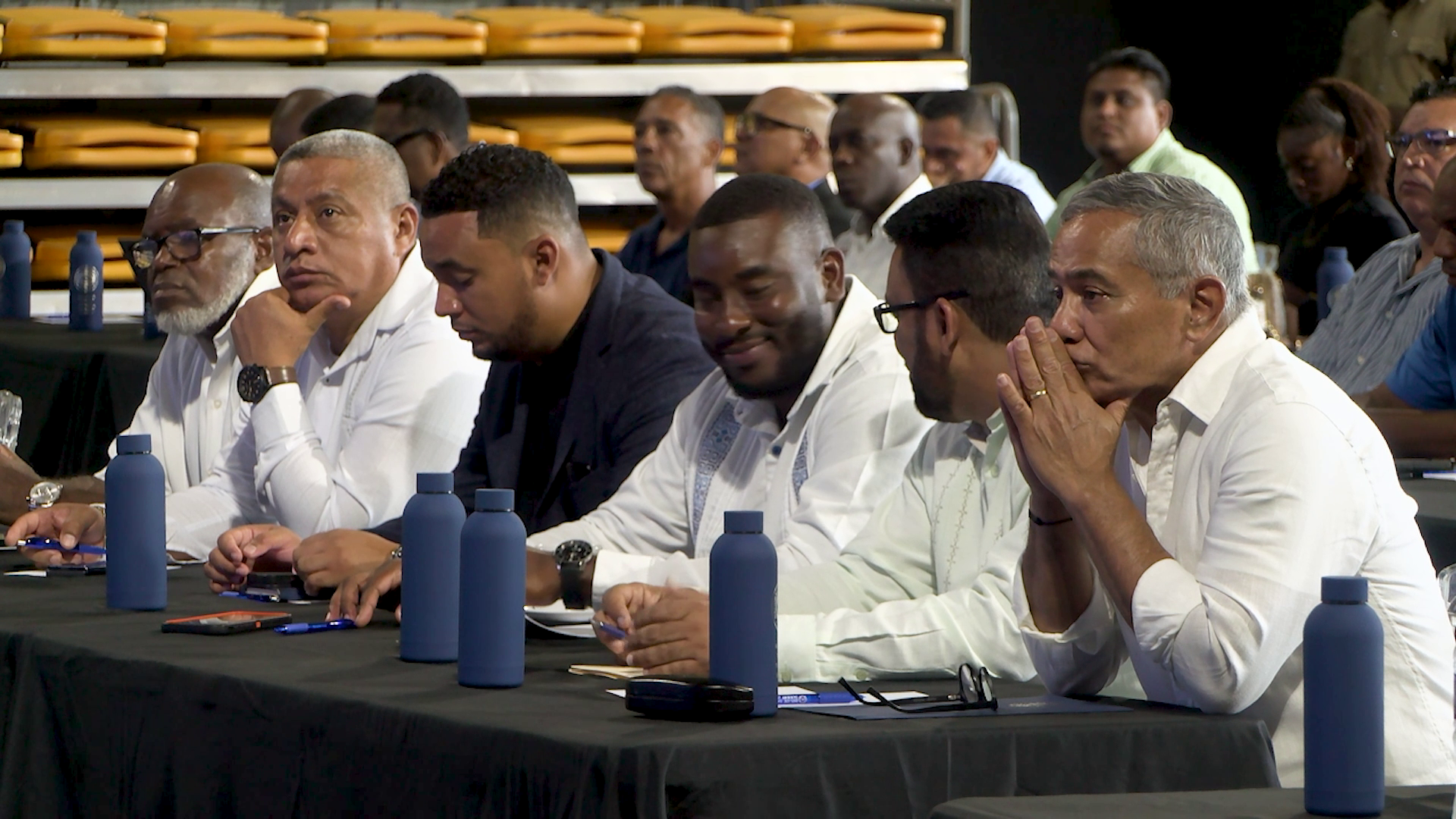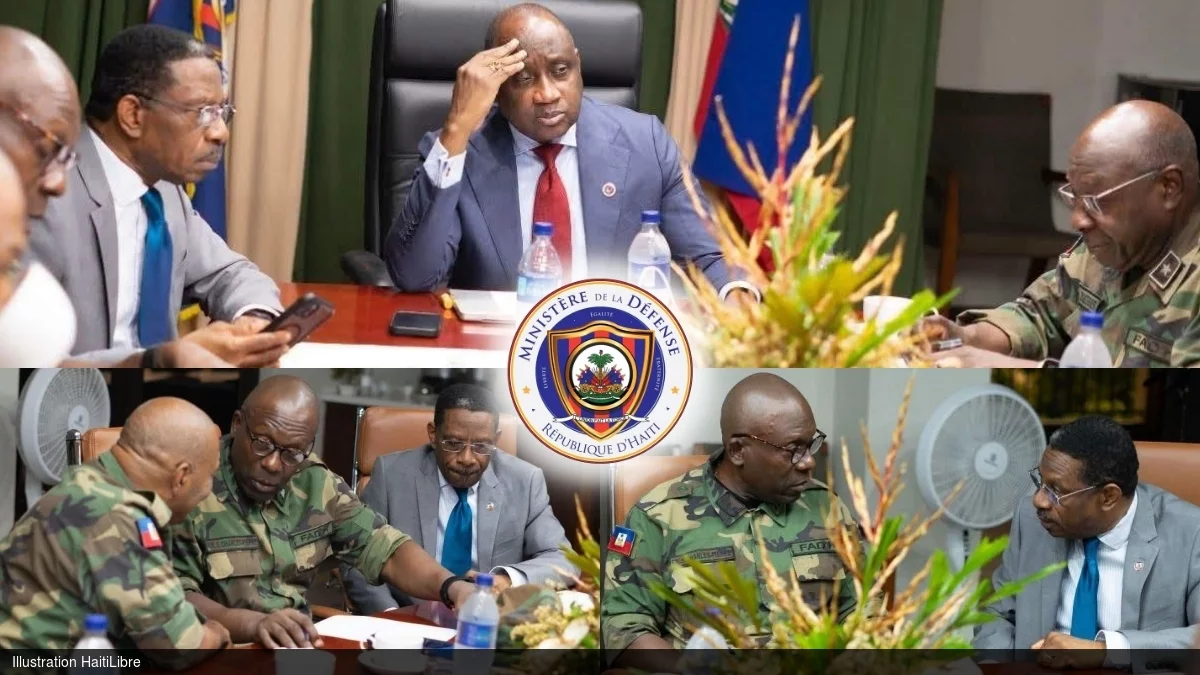
Amid a sharp deterioration of public safety across Haiti, the nation’s top defense official gathered with senior military leaders this week to align on priorities for strengthening the country’s armed forces and responding to mounting violent unrest. On Wednesday, September 2, 2026, Defense Minister Mario Andrésol led a strategic working meeting with members of the High Command of the Armed Forces of Haiti (FAd’H), joined by several members of his own cabinet, as part of a routine review of institutional activities and core national security priorities.
The three core focus areas of the closed-door talks were evaluating critical unmet needs of the FAd’H, expanding the institution’s operational capacity, and conducting a full analysis of the rapidly shifting security landscape across every region of Haiti. In addition to these overarching topics, attendees also advanced discussions on two key upcoming initiatives: the finalization of the FAd’H’s updated official military doctrine, and a planned training deployment for 114 Haitian military personnel to Mexico.
During the meeting, senior FAd’H leadership presented a comprehensive breakdown of the institution’s current operating status, and laid out its most pressing needs. Top among these demands were updated equipment and additional resources tailored to the unique challenges of Haiti’s diverse operational environments, where armed gang violence continues to spread. Participants also flagged gaps in the training infrastructure and conditions for new recruits currently undergoing basic instruction at the country’s Vertières military base, highlighting the need for targeted improvements to support the development of new service members.
In his opening remarks to the assembled command team, Minister Andrésol openly voiced deep concern over the ongoing unravelling of Haiti’s security situation. He specifically called out the recent wave of brutal violence in the commune of Kenskoff, where a recent mass killing has left at least 60 people dead, left dozens of families grieving, and pushed local communities into widespread uncertainty.
Facing this growing crisis, Andrésol underscored that the Armed Forces of Haiti must continue accelerating efforts to expand its operational readiness, and fully exercise its constitutionally mandated role in national security operations. He stressed that equipping the FAd’H to operate at full capacity is critical to enabling the institution to more effectively protect civilian populations and uphold the territorial integrity of the Haitian nation.
By the close of the meeting, the defense minister issued a clear call to action for every level of the FAd’H command structure: maintain constant, high-level mobilization, and sustain ongoing progress toward three core national imperatives. These goals are building a more capable, ready armed forces, mounting a more effective response to the country’s urgent security challenges, and working alongside other Haitian government institutions to gradually restore public safety and protect the Haitian people.