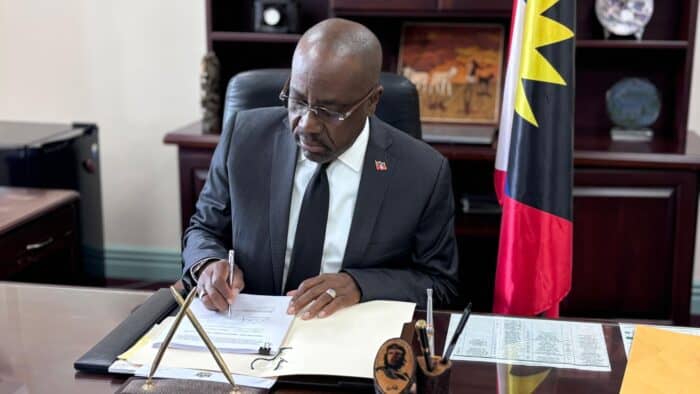
The annual United Nations General Assembly, a platform where world leaders convene to address global challenges, took a disappointing turn this year. The anticipation for a unifying message and a shared vision was met with a speech that starkly deviated from the expected tone of multilateralism and cooperation. Delivered by a major power, the address was criticized for its transactional and boastful cadence, which seemed ill-suited for a forum founded on the principles of mutual respect and collective action. The speech’s focus on narrow self-interest and rivalry, rather than collaborative solutions, left a void in addressing pressing global issues such as climate change, displacement, and geopolitical strife. The absence of a reaffirmation of universal human rights, empathy for vulnerable populations, and a unifying vision further underscored the speech’s shortcomings. This approach risks encouraging isolationism at a time when complex interdependence demands sophisticated engagement. The critique highlights the need for nations to fill this void with a renewed commitment to dialogue, peace, and shared responses to global challenges.
分类: politics
-
New US$250 visa “Integrity Fee” takes effect today
The United States has unveiled a comprehensive hike in immigration and visa fees, set to take effect this October. The new fee structure introduces substantial increases across various categories, impacting foreign travelers, immigrants, and visa applicants.
-
COMMENTARY: My friend Grenadian revolutionary Lt. Col.Liam James, a personal memoir of the Grenada Revolution, Dominica & the Douglas brothers
The Grenada Revolution, a pivotal chapter in Caribbean history, remains a subject of deep reflection and analysis. At its heart was Lieutenant Colonel Liam James, a key figure whose life and actions offer profound lessons on leadership, revolution, and the rule of law. This narrative revisits the revolution through the lens of personal encounters, political dynamics, and the broader implications for Caribbean governance.
Liam James first emerged as a revolutionary leader during the 1979 Grenada Revolution, which sought to overthrow the authoritarian regime of Eric Gairy. His journey began in 1978 at the 11th World Festival of Youth and Students in Havana, Cuba, where he forged bonds with fellow Caribbean activists, including the author. Their discussions, fueled by revolutionary zeal, envisioned a socialist future for the region.
James played a central role in the revolution’s early days, accompanying Prime Minister Maurice Bishop on missions to assist Dominica after Hurricane David in 1979. However, the revolution soon faced internal fractures. Ideological purity and personal rivalries overshadowed the movement’s initial idealism, leading to the tragic massacre of Bishop and others in October 1983. The subsequent U.S. invasion marked the revolution’s collapse, with James and other leaders arrested and sentenced to death, later commuted to imprisonment.
The Grenada Revolution’s downfall was rooted in its disregard for democratic norms and civil liberties. The People’s Revolutionary Government (PRG) closed parliament, suspended elections, and detained critics without due process, eroding its legitimacy. This ‘heavy manners’ approach starkly contrasted with the constitutional and inclusive strategies advocated by leaders like Rosie and Michael Douglas in Dominica.
Rosie Douglas, a prominent Pan-Africanist, championed the Committee of National Salvation (CNS), which united diverse political factions to ensure a peaceful transition of power in Dominica. His brother, Michael, emphasized the importance of education, temperance, and respect for democratic institutions. Their leadership underscored the value of dialogue, compromise, and the rule of law in achieving lasting political change.
As the Caribbean reflects on this tumultuous period, the lessons are clear. Revolutions that abandon constitutional safeguards risk descending into tyranny. The Grenada Revolution’s failure serves as a cautionary tale, highlighting the need for leadership grounded in humility, education, and respect for individual rights. The Golden Rule—treating others as one wishes to be treated—remains a timeless principle for governance and justice.
This narrative, drawn from personal experiences and historical analysis, underscores the enduring relevance of these lessons as the Caribbean continues its journey toward democracy and social progress.
-
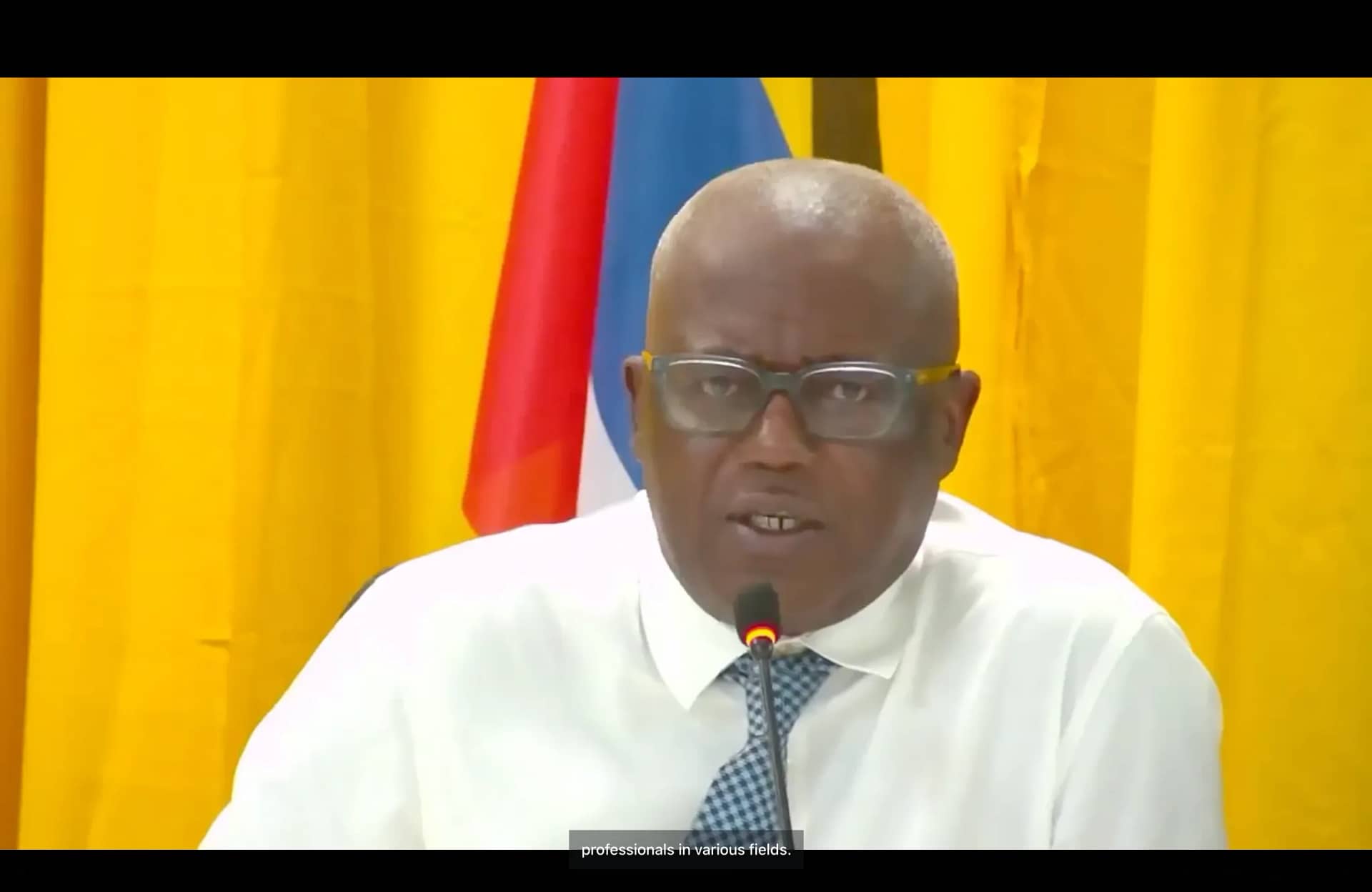
Sherfield Bowen wants authorities to prioritize how illegal guns are entering the country
Opposition MP Sherfield Bowen has called for a strategic focus on tracing the origins of illegal firearms entering Antigua and Barbuda, emphasizing the need for advanced container scanning technologies at the border. Speaking at a United Progressive Party town hall, Bowen criticized reactive measures to violent incidents, advocating instead for a comprehensive, multi-sectoral approach to crime prevention. He highlighted the alarming rise in gun-related crimes as a critical national issue, urging authorities to identify and disrupt the channels through which firearms are smuggled into the country. Bowen speculated that weapons might be entering via sea routes or concealed in shipping containers, stressing that enhancing container inspections and investing in detection technologies should be top priorities. He also underscored the importance of a long-term strategy involving collaboration between law enforcement, educators, social workers, and communities to achieve sustainable crime reduction. Bowen concluded that since Antigua and Barbuda does not manufacture firearms, addressing the external sources of these weapons is essential to curbing the escalating violence.
-
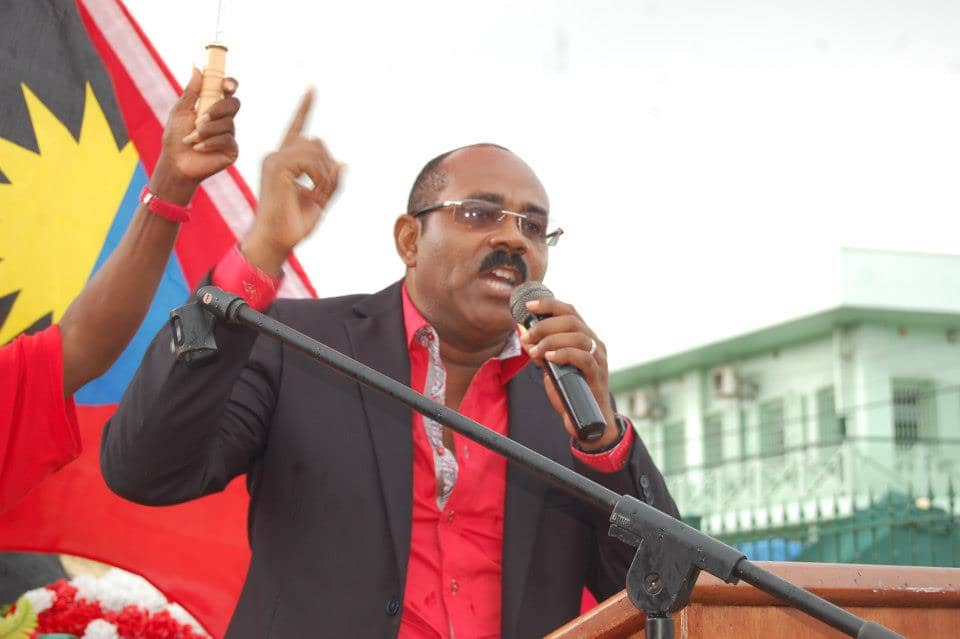
LETTER: Open Letter to the Prime Minister | Time for Reflection Before Early Elections
In a scathing open letter addressed to the Prime Minister of Antigua and Barbuda, a concerned citizen has voiced deep-seated frustrations over the nation’s trajectory under the current administration. The letter questions the rationale behind the Prime Minister’s consideration of early elections, challenging the administration to demonstrate tangible achievements that would justify another term in office. The writer highlights widespread disillusionment among citizens, citing unmet promises, deteriorating public services, and worsening socio-economic conditions. Key issues such as crumbling infrastructure, a struggling education system, an overburdened healthcare sector, and rising crime rates are emphasized as evidence of governmental neglect. The letter accuses the administration of prioritizing political maneuvering over genuine progress, urging the Prime Minister to focus on delivering measurable improvements rather than relying on rhetoric. It concludes with a call for accountability, asserting that the people of Antigua and Barbuda are no longer willing to accept empty promises and are prepared to demand real change.
-
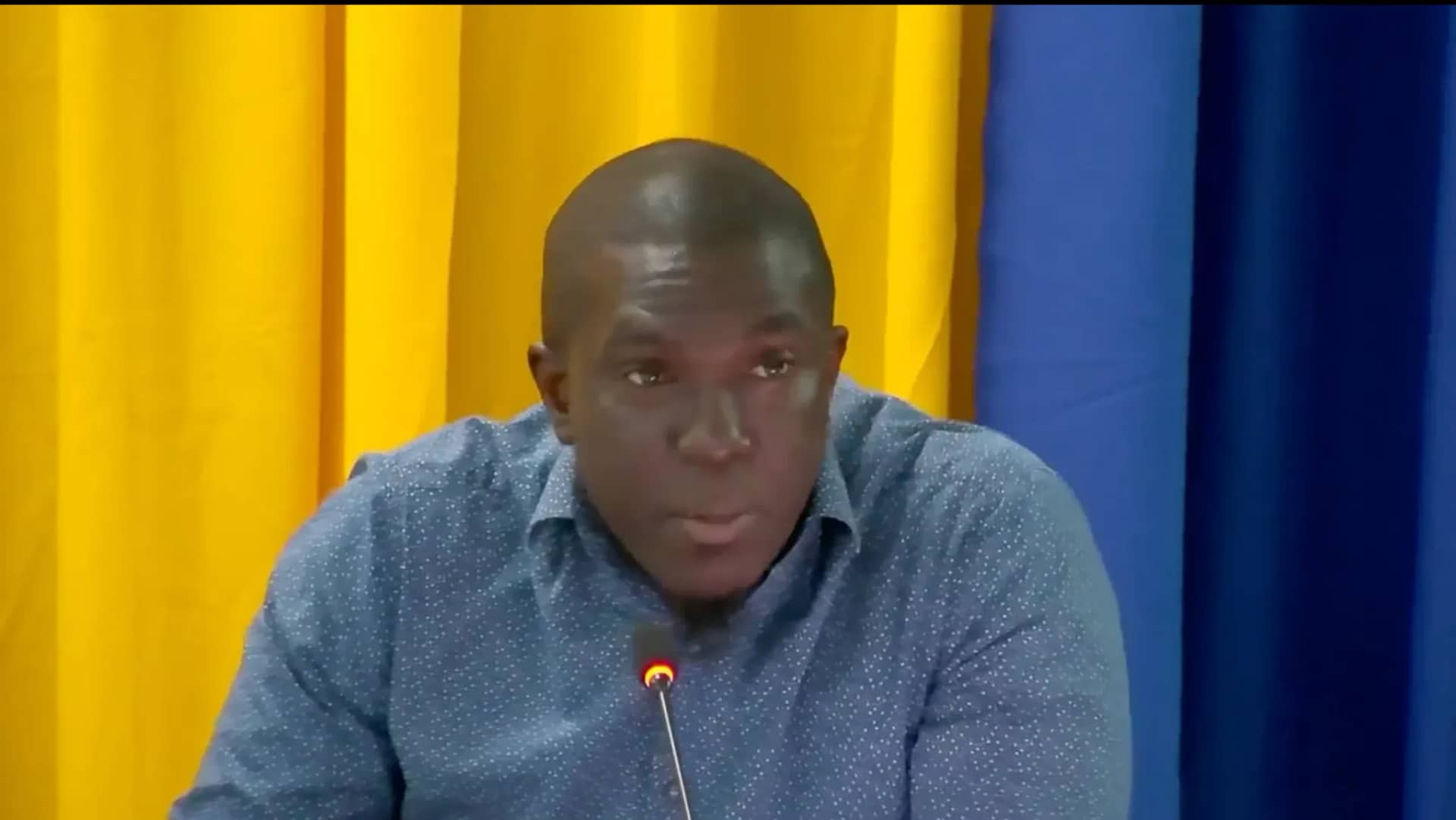
UPP Weighs Writ of Mandamus to Compel Government Transparency
Opposition Leader Jamale Pringle has announced that his party, the United Progressive Party (UPP), is contemplating the use of a writ of mandamus to compel the government to adhere to financial disclosure laws. Pringle accused Prime Minister Gaston Browne of withholding crucial financial reports from Parliament, thereby undermining transparency and accountability. Speaking at a UPP town hall meeting, Pringle highlighted the 2006 Finance Administration Act, which mandates the Minister of Finance to submit detailed investment reports and related agreements to Parliament. He pointed out that these reports, including those concerning the government’s Jolly Beach investment and Social Security financials, have not been made available to the public. Pringle criticized the Prime Minister for allegedly blocking access to audit opinions that were unfavorable, describing the move as unlawful. The writ of mandamus, a court order requiring a public official to perform a legal duty, is one of several legal avenues the UPP is exploring to ensure compliance. Pringle emphasized the importance of public pressure in holding the government accountable, regardless of the court’s decision. He framed this legal action as part of a broader effort to restore confidence in public financial management and strengthen accountability.
-
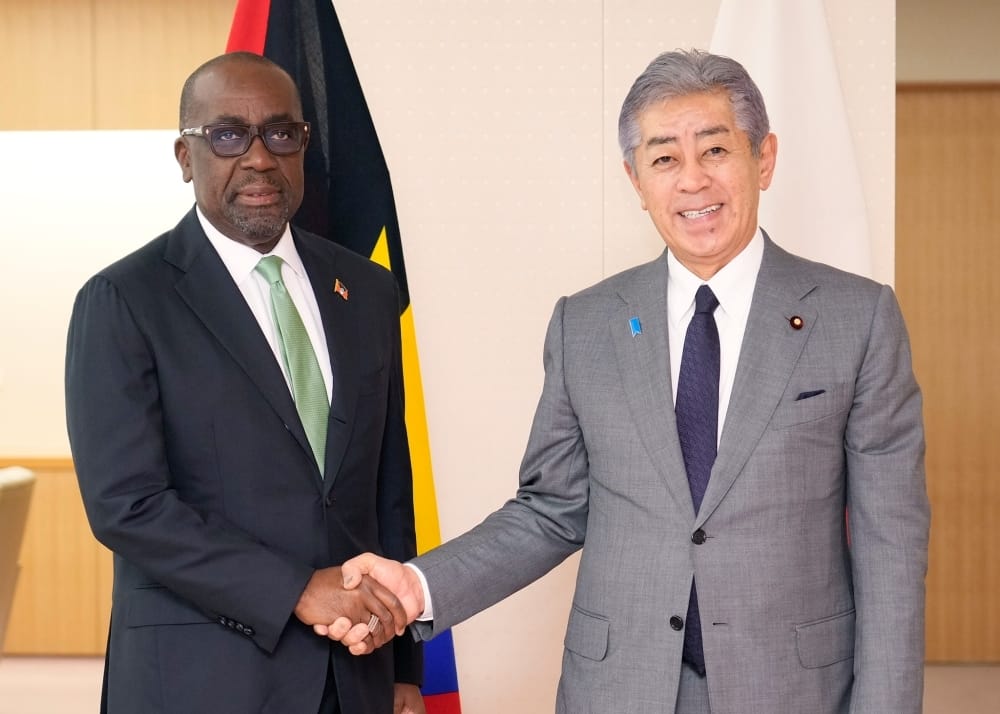
FM Greene meets Japanese counterpart
On September 30, 2025, Japanese Foreign Minister IWAYA Takeshi held a significant meeting with Antigua and Barbuda’s Foreign Minister, the Hon. Everly Paul Chet Greene, during the latter’s visit to Japan for Expo 2025 Osaka, Kansai. The 35-minute discussion marked Minister Greene’s third visit to Japan and underscored the growing diplomatic ties between the two nations. Minister IWAYA highlighted the importance of Antigua and Barbuda’s National Day celebration at the Expo, held on September 28, as a pivotal moment to showcase the Caribbean nation’s culture and identity on a global stage. Minister Greene expressed gratitude for Japan’s multifaceted support and reiterated his commitment to deepening bilateral relations and international collaboration. Both ministers emphasized their shared goals of addressing the unique challenges faced by small island states, leveraging Japan’s technological expertise and private sector involvement to foster sustainable development. The dialogue also extended to regional security concerns, particularly policies toward North Korea, including nuclear and missile issues and the abductions problem. The ministers agreed to enhance cooperation in upholding a free and open international order grounded in the rule of law. This meeting not only reinforced the existing partnership but also set the stage for future collaborative efforts in addressing global and regional challenges.
-
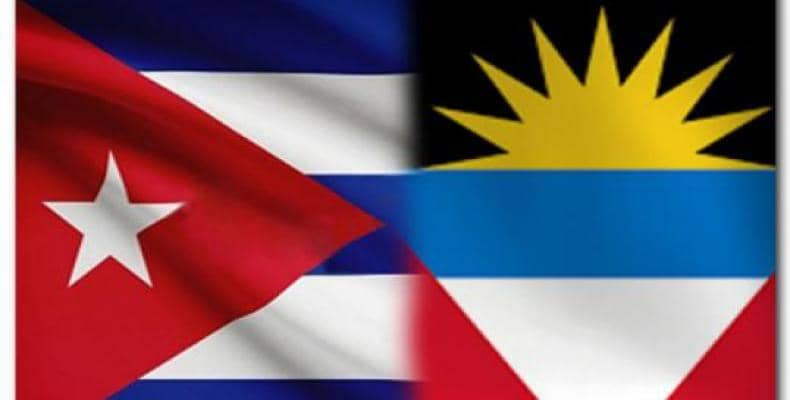
Antigua joins More than 40 United Nations calling to lift the blockade against Cuba
The 80th session of the UN General Assembly concluded with resounding calls to lift the US blockade against Cuba, a topic that was raised over 40 times during the High-Level Segment. Ambassador Dionisio Da Costa Babo Soares of Timor-Leste, in his closing remarks, condemned the longstanding unilateral sanctions imposed on the Caribbean nation. Nicaraguan Foreign Minister Denis Moncada echoed this sentiment, denouncing the ‘horrific, odious, and execrable policies of criminal economic blockade’ and reaffirming solidarity with Cuba and Venezuela. A coalition of nations, including Brazil, South Africa, Vietnam, Russia, and Mexico, voiced their support for Cuba, highlighting the global consensus against the blockade. Cuban Foreign Minister Bruno Rodríguez emphasized the blockade’s devastating impact, describing it as a ‘comprehensive and prolonged economic war’ aimed at undermining Cuba’s sovereignty and livelihood. He also criticized the US for labeling Cuba as a state sponsor of terrorism, a claim he called ‘cynical’ and unsupported by the international community. The session underscored the growing international pressure on the US to reconsider its policies toward Cuba.
-
Abinader appeals to Russia and China for support in Haiti crisis response
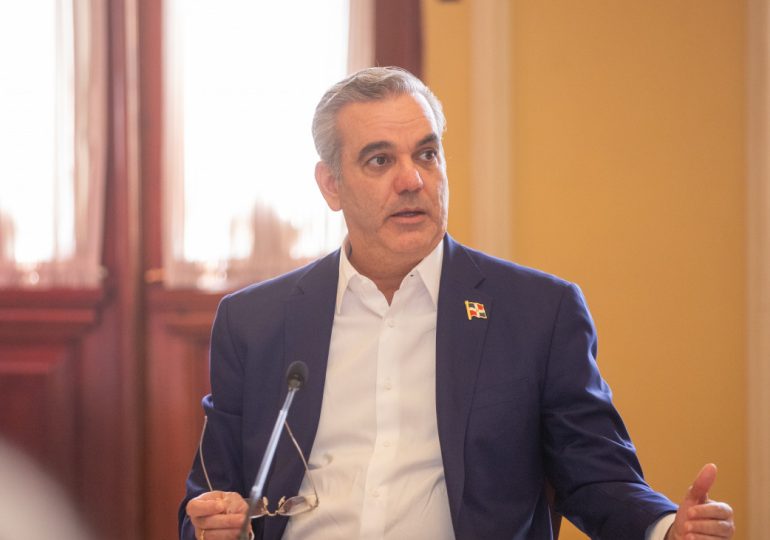
Santo Domingo – Dominican President Luis Abinader has reached out to global leaders, including Russian President Vladimir Putin and Chinese President Xi Jinping, to garner support for the Multinational Security Support Mission (MSS) in Haiti. The mission, recently sanctioned by the UN Security Council, aims to address the escalating crisis in Haiti, which Abinader warns is increasingly threatening regional stability and Dominican national security. In his correspondence with Putin, Abinader highlighted the necessity of Russia’s involvement to bolster the mission’s capabilities and mandates in dismantling criminal networks. Similarly, in his letter to Xi, he underscored the critical role of China’s support in advancing the initiative. The MSS, introduced by the United States and Panama, was approved on Tuesday with 12 votes in favor and three abstentions. The mission seeks to empower Haitian authorities to confront armed gangs, restore public order, and lay the groundwork for sustainable peace and democratic governance. Abinader emphasized that the resolution is vital to mitigating the cross-border spillover of Haiti’s crisis, which poses a direct threat to the Dominican Republic and the broader region.
-
U.S. Embassy in Haiti responds to UN resolution approval
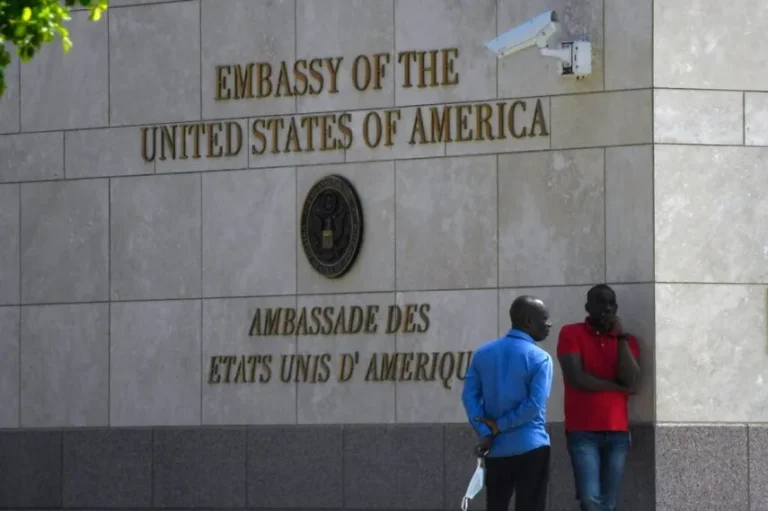
The United Nations Security Council has taken a significant step toward addressing Haiti’s escalating security crisis with the adoption of Resolution 2793, which establishes a new Gang Suppression Force (GSF). The U.S. Embassy in Haiti lauded the resolution as a ‘positive step toward restoring basic security’ and pledged to collaborate with international partners to deploy the force. The embassy also emphasized the urgent need to establish the UN Support Office in Haiti to ensure the provision of essential resources. France echoed this sentiment, describing the resolution as crucial for dismantling criminal gangs and reinstating the rule of law, while reaffirming its support for Haiti’s National Police and Armed Forces. U.S. UN representative Mike Waltz highlighted the expanded scope of the mission, noting it is five times larger than its predecessor and equipped with a stronger mandate to combat gang activity. Albert Ramdin, Secretary General of the Organization of American States (OAS), praised the resolution as a pivotal move toward achieving security, credible elections, humanitarian aid, and sustainable development in Haiti. The resolution passed with 12 votes in favor and three abstentions (China, Russia, and Pakistan), authorizing a 12-month mandate for a force of 5,500 troops and police officers, supported by civilian personnel. This initiative marks a decisive effort to end impunity and bolster stability in the Caribbean nation.