分类: politics

  • Tancoo: Not a ‘beep’ over salaries and back pay paid on time

    Tancoo: Not a ‘beep’ over salaries and back pay paid on time

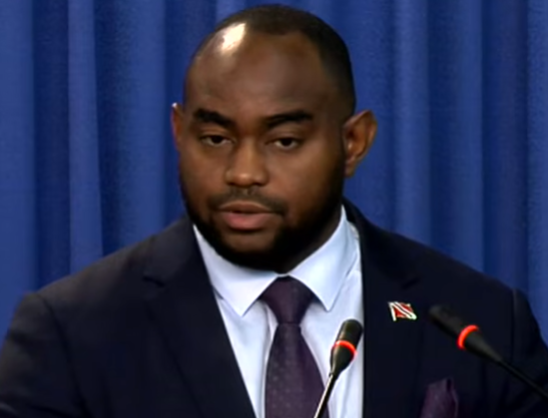
    Trinidad and Tobago’s Finance Minister Davendranath Tancoo has ignited controversy through his unconventional use of WhatsApp status updates to address media relations and government payments. The minister utilized the platform’s status feature to assert that public servant salaries and partial back pay had been disbursed promptly as committed, while simultaneously accusing local media outlets of biased reporting.

    The digital confrontation emerged when Newsday journalists attempted to obtain clarification regarding the $3.8 billion back pay owed to Public Services Association (PSA)-represented employees. Despite multiple attempts to contact the minister directly between December 16-19, Tancoo remained unresponsive to media inquiries until choosing to communicate via social media platforms.

    According to verified WhatsApp timestamps, the minister’s message declaring successful payments was delivered and read at 2 AM on December 17, though no official ministry updates or press releases confirmed the transaction details. The Treasury Division had previously announced on December 1 that government employee salaries would be processed on December 18.

    PSA President Felisha Thomas, when contacted on December 18, referenced a posted notice regarding agreed payment timeframes but subsequently became unreachable for further commentary. The December 2 agreement between the PSA and Chief Personnel Officer stipulated partial back pay distribution in December, with the promised 10% salary increase—a key campaign commitment of the ruling UNC party—scheduled to take effect in January.

    Critical questions regarding the exact proportion of the $3.8 billion debt addressed this month and the number of benefiting public servants remain officially unanswered, highlighting ongoing transparency concerns within the government’s communication strategy.

  • Argentina’s president welcomes Trump pressure ‘to free the Venezuelan people’

    Argentina’s president welcomes Trump pressure ‘to free the Venezuelan people’

    FOZ DO IGUAÇU, Brazil — Argentine President Javier Milei publicly endorsed former U.S. President Donald Trump’s escalating pressure campaign against Venezuela during his address at the Mercosur regional summit on Saturday. Milei’s remarks signaled strong support for potential U.S. military posturing near the Venezuelan coast, which Caracas perceives as a direct threat to the Maduro administration.

    In a decisive statement that broke with diplomatic caution, Milei declared: “Argentina welcomes the pressure from the United States and Donald Trump to free the Venezuelan people. The time for a timid approach on this matter has run out.” This endorsement comes amid heightened tensions following Trump’s recent NBC News interview where he refused to dismiss the possibility of military confrontation with Venezuela.

    The Argentine leader’s comments align with Trump’s accusations against Venezuelan President Nicolás Maduro, whom the former U.S. president has repeatedly accused of involvement in international drug trafficking operations. Milei’s position marks a significant shift in regional diplomacy, potentially fracturing unified South American approaches to the Venezuelan political crisis.

    The summit, traditionally focused on economic cooperation, became an unexpected platform for Milei to advance his alignment with Trump’s foreign policy objectives, suggesting a realignment of Argentina’s international alliances and a hardening stance against left-wing governments in the region.

  • Trinidad PM says Caricom has ‘lost its way’

    Trinidad PM says Caricom has ‘lost its way’

    PORT OF SPAIN, Trinidad – In a striking diplomatic rupture, Trinidad and Tobago’s Prime Minister Kamla Persad-Bissessar has publicly denounced the Caribbean Community (CARICOM) as an unreliable partner, signaling a profound fracture within the regional bloc. The condemnation emerged amidst a contentious dispute regarding U.S. visa restrictions and the organization’s perceived alignment with Venezuela’s government.

    Prime Minister Persad-Bissessar issued a formal statement distancing her nation from CARICOM’s collective position on recent U.S. immigration measures. She asserted that the 15-member integration grouping ‘will not determine the future’ of Trinidad and Tobago, characterizing the organization as having ‘lost its way’ in its foreign policy orientations.

    The diplomatic schism centers on contrasting responses to the United States government’s December 2025 announcement of enhanced entry restrictions for certain foreign nationals. While the CARICOM Bureau – comprising the prime ministers of Jamaica, Barbados, and Grenada – expressed concern about the visa limitations’ potential adverse effects on regional travel and economic stability, Trinidad’s leadership adopted a distinctly different stance.

    Persad-Bissessar emphasized her government’s recognition of Washington’s sovereign right to implement policies advancing its national security interests. ‘Every sovereign state is responsible for its foreign and domestic policy choices and must be prepared to accept the concomitant consequences,’ she stated, framing the U.S. decision as a ‘measured response’ to international circumstances.

    The Trinidadian leader delivered particularly sharp criticism regarding CARICOM’s approach to Venezuela, accusing the organization of ‘lending support to the Maduro narco-government’ while ‘disparaging our greatest ally the United States.’ She referenced the Venezuelan government’s human rights record and its threats against two CARICOM member states as evidence of the regional body’s misguided trajectory.

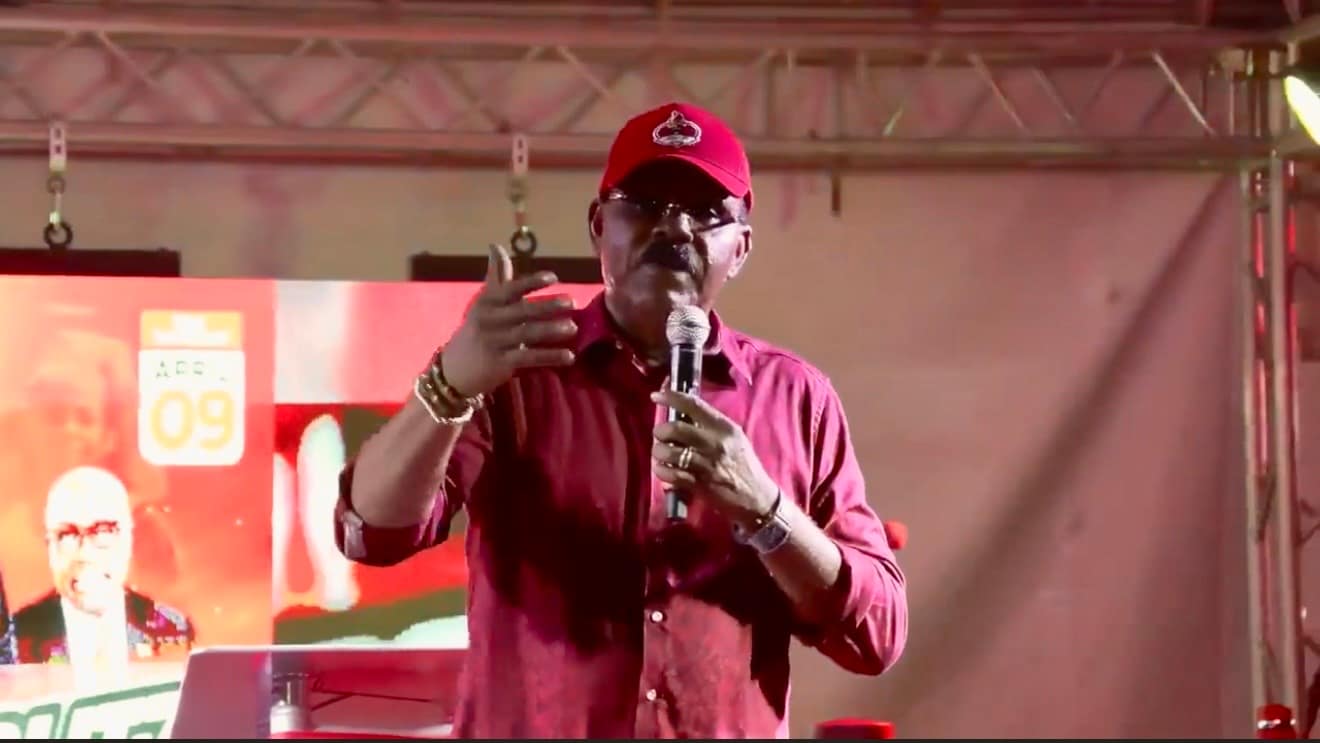
    Further exposing internal divisions, Antigua and Barbuda Prime Minister Gaston Browne separately criticized CARICOM’s handling of the situation, referencing ‘inertia and insularity’ within the organization. Browne revealed that despite his advice that the visa matter was resolved, CARICOM proceeded with issuing its critical statement, highlighting coordination failures within the bloc.

    Persad-Bissessar concluded with a stark warning about CARICOM’s institutional viability, citing ‘widening fissures’ beneath ‘the thin mask of unity’ that threaten to cause its ‘implosion.’ She identified poor management, factional divisions, and inappropriate meddling in member states’ domestic politics as existential challenges requiring transparent acknowledgment and reform.

  • Caricom urges quick resolution to visa issue with United States

    Caricom urges quick resolution to visa issue with United States

    GEORGETOWN, Guyana—Heads of Government from the Caribbean Community (Caricom) have formally expressed deep concern regarding a recent United States proclamation imposing partial entry restrictions on nationals from Antigua and Barbuda and the Commonwealth of Dominica. The Bureau of the Conference of Caricom Heads of Government, which includes the prime ministers of Barbados, Grenada, and Jamaica, issued a statement late Friday highlighting the disruptive potential of the policy on legitimate travel, regional economic stability, and longstanding people-to-people exchanges.

    While acknowledging the sovereign right of any nation to regulate its borders, the Bureau emphasized its dismay that the significant decision was enacted unilaterally without prior diplomatic consultation. The leaders pointed to the particular vulnerability of small island states, where such policies can disproportionately impact social well-being and economic vitality.

    The US policy, enacted via an executive order, specifically suspends entry for immigrants and nonimmigrants on B-1, B-2, B-1/B-2, F, M, and J visas from these nations. The justification centers on concerns over Citizenship by Investment (CBI) programs, which allow foreign investors to obtain citizenship through financial contributions without mandatory residency. US authorities argue these programs present significant security challenges, potentially enabling individuals to circumvent existing travel restrictions or conceal their identities and assets.

    In a positive development following the Caricom statement, both affected nations announced that Washington had agreed to temporarily suspend the policy’s implementation. Antigua and Barbuda’s Ambassador to the US confirmed that all existing visas for its nationals would remain valid and not be revoked. Future visa applications submitted after January 1, 2026, will be subject to new, yet-to-be-finalized arrangements focused on enhancing biometric data collection to ensure compatibility with US systems.

    Caricom leaders have called for urgent engagement with US officials to clarify the proclamation’s details and address outstanding concerns, reaffirming their commitment to a partnership built on mutual respect and the rule of law.

  • Senator praises Gov’t for ‘largest crime management strategy ever’

    Senator praises Gov’t for ‘largest crime management strategy ever’

    Jamaica’s governing administration has implemented what it describes as one of the most comprehensive crime management initiatives ever witnessed in the Western Hemisphere, resulting in unprecedented reductions in violent crimes. Government Senator Christian Tavares-Finson revealed Friday that strategic investments exceeding $87 billion in national security since 2016 have driven a remarkable 43.3% decrease in murders compared to previous years.

    The transformative security blueprint, developed by the Jamaica Labour Party (JLP) Administration, represents a fundamental restructuring of the nation’s approach to law enforcement. Senator Tavares-Finson emphasized that while political opponents repeatedly demanded public disclosure of crime prevention strategies, the government had been systematically executing a multi-faceted plan focusing on three critical domains: personnel expansion, technological modernization, and infrastructure enhancement.

    Human capital development has been paramount to the strategy’s success. The Jamaica Constabulary Force has grown from under 11,000 officers to more than 14,000, with approximately 6,000 recruits trained even during the COVID-19 pandemic. This substantial workforce increase has significantly improved police visibility, community engagement capabilities, and rapid response effectiveness across all parishes.

    Technological advancement has equally been a cornerstone of the security overhaul. In 2025 alone, the government deployed over $650 million worth of cutting-edge equipment including portable data radios, hand-held devices, and mobile printers to police personnel nationwide. The JamaicaEye CCTV network expansion, vehicle fleet modernization, and digital transformation of station records have revolutionized information sharing and operational coordination.

    The infrastructure revitalization program has seen numerous police stations constructed or refurbished, creating professional environments that enhance officer morale and community trust. These physical improvements complement the technological and personnel investments, forming an integrated ecosystem of crime prevention.

    The results speak unequivocally: Jamaica is projected to record fewer than 700 murders in 2025—the first time this threshold has been breached in three decades. This represents a dramatic decline from the period when annual murders exceeded 1,000. Senator Abka Fitz-Henley, while acknowledging that any murder remains unacceptable, characterized these developments as a monumental step toward establishing lasting public safety.

    Government officials specifically commended Police Commissioner Dr. Kevin Blake, security personnel, and National Security Minister Dr. Horace Chang for their pivotal roles in achieving these historic crime reduction milestones through coordinated intelligence-led operations and sustained strategic investment.

  • What you need to know re: U.S. travel restriction

    What you need to know re: U.S. travel restriction

    The United States government has enacted a significant revision to its international travel policy through a presidential proclamation that will take effect on January 1, 2026. This regulatory update specifically targets nationals from Dominica, imposing partial entry restrictions that will significantly impact visa accessibility for certain categories.

    Under the new provisions, Dominican citizens will face limitations in obtaining several key visa classifications. The restrictions apply to B-1/B-2 visas for business and tourism purposes, F and M visas for academic studies, J visas for exchange programs, and all categories of immigrant visas. This policy shift represents a substantial change in U.S.-Dominica travel relations.

    Critical clarification has been provided regarding existing visa holders: individuals who possess valid U.S. tourist visas (B-2 category) in their passports as of January 1, 2026, will not experience automatic revocation of their travel documents. These pre-issued visas generally maintain their validity and can be utilized for entry into the United States beyond the effective date. The restrictions primarily affect nationals outside U.S. territory without valid visas as the new policy takes effect.

    Travelers should anticipate enhanced screening procedures at ports of entry, as airlines and U.S. Customs and Border Protection officers are expected to implement additional scrutiny consistent with the updated regulations. Furthermore, consular officials have received instructions to restrict future visa issuances and renewals for Dominican applicants after the implementation date, potentially creating long-term challenges for those seeking new or extended travel authorization.

    The proclamation does include specific exemptions: dual citizens may utilize passports from non-restricted countries for travel purposes, while lawful permanent residents (green card holders) and certain diplomatic or official visa holders remain unaffected by these new measures. Limited case-by-case exceptions based on national interest considerations may be available, though these are expected to be exceptionally rare.

    This policy development underscores the evolving nature of international travel regulations and highlights the importance for affected individuals to verify their specific circumstances well in advance of planned travel.

  • Russian deputy FM rules out commitments on NATO presence in Ukraine

    Russian deputy FM rules out commitments on NATO presence in Ukraine

    Russia has emphatically reaffirmed its categorical opposition to Ukraine’s potential accession to NATO and the deployment of alliance military assets on Ukrainian territory. Deputy Foreign Minister Alexander Grushko declared this position “absolutely unacceptable” during recent statements to Sputnik news agency, emphasizing that Moscow’s stance on this security red line remains consistent and well-documented.

    The ongoing diplomatic efforts to resolve the Ukraine conflict have brought this fundamental disagreement to the forefront of negotiations. Representatives from Kyiv, Brussels, and Washington are currently engaged in intensive discussions to formulate a peace arrangement that might prove acceptable to Moscow while addressing Ukraine’s security concerns.

    A significant development occurred on December 14 when high-level talks convened in Berlin involving Ukrainian President Volodymyr Zelensky, White House Special Envoy Steve Witkoff, and Jared Kushner, former senior advisor to the Trump administration. The five-hour deliberation focused on a comprehensive 20-point peace framework, with participants reporting substantive progress toward consensus.

    Following these consultations, European Union leadership advanced a proposal involving the deployment of a multinational security force to Ukraine. The initiative additionally recommends maintaining Ukrainian armed forces at a strength of no fewer than 800,000 personnel. These measures are designed to address regional stability concerns while simultaneously countering perceived security threats associated with NATO’s continued eastern expansion, which Russia identifies as a primary national security challenge.

    The diplomatic impasse continues to center on reconciling Ukraine’s sovereign aspirations with Russia’s security objections, creating a complex negotiation landscape that requires careful balancing of competing geopolitical interests.

  • Brazil: MERCOSUR assesses future after delay in deal with EU

    Brazil: MERCOSUR assesses future after delay in deal with EU

    The landmark trade agreement between the European Union and South America’s MERCOSUR bloc faces potential collapse following Brussels’ decision to postpone ratification. The development emerged during the MERCOSUR Summit in Foz do Iguaçu, Brazil, where member nations Argentina, Brazil, Paraguay, and Uruguay had anticipated finalizing the treaty that has been under negotiation for nearly three decades.

    The postponement, resulting from insufficient consensus among European nations, has triggered significant discontent among South American governments. The EU has deferred its decision until January, citing the need for additional assessment time, particularly for Italy to evaluate the agreement’s domestic implications.

    In response to the delay, MERCOSUR leadership issued stark warnings about the future of negotiations. Brazil, which is transferring the bloc’s pro tempore presidency to Paraguay, joined with its successor in indicating that further delays could terminate the protracted talks permanently.

    Brazilian Foreign Minister Mauro Vieira articulated the bloc’s contingency strategy, stating that failure to secure the EU agreement would prompt MERCOSUR to pivot toward alternative strategic markets. Potential trading partners identified include Canada, the United Kingdom, Japan, and various Asian nations. Additionally, the bloc plans to pursue updated agreements with existing partners such as India.

    The postponement represents another setback for one of the world’s most ambitious trade pacts, which would create a market encompassing nearly 800 million consumers and reshape transatlantic economic relations.

  • Bangladesh in crisis na dood 2024-opstandleider

    Bangladesh in crisis na dood 2024-opstandleider

    Bangladesh faces escalating political turmoil following the tragic death of prominent youth activist Sharif Osman Hadi, whose passing has triggered widespread violence and raised concerns about national stability ahead of February’s critical elections.

    Hadi, the 32-year-old spokesperson for the Inquilab Mancha student movement, succumbed to injuries in a Singapore hospital after being shot in the head during his campaign launch in Dhaka last week. His six-day intensive care battle ended tragically, sparking immediate outrage across the nation.

    The capital city Dhaka and other major urban centers have witnessed violent demonstrations, with protesters attacking and setting fire to offices of major publications including Prothom Alo and The Daily Star. The interim government led by Nobel laureate Muhammad Yunus has declared Saturday a national day of mourning while appealing for calm and promising a transparent investigation into the shooting.

    Complicating the situation, anti-India sentiments have emerged among demonstrators who believe the perpetrators fled to neighboring India. This development has triggered diplomatic tensions, with India summoning Bangladesh’s ambassador to discuss security concerns for its diplomatic mission in Dhaka.

    The political landscape has been further destabilized by the exclusion of the Awami League—the party of ousted Prime Minister Sheikh Hasina—from the February 12 elections. Security forces have heightened vigilance nationwide as protests continue, creating an atmosphere of uncertainty during this critical pre-election period.

  • Putin highlights importance of taking Krasnoarmeisk

    Putin highlights importance of taking Krasnoarmeisk

    Russian President Vladimir Putin has characterized the seizure of Krasnoarmeisk as a pivotal military achievement during a major public address in Moscow. Speaking at the combined Direct Line with Citizens event and press conference held at the Gostiny Dvor exhibition complex, the leader framed this territorial gain as a critical strategic asset.

    President Putin elaborated on the tactical advantages gained, describing the captured city as “an optimal operational base for subsequent offensive maneuvers.” This assessment positions Krasnoarmeisk as more than just another territorial acquisition, but rather as a forward operating position essential for sustaining military momentum.

    The Russian commander-in-chief simultaneously dismissed Ukrainian counteroffensive efforts, asserting that attempts to reclaim portions of Krasnoarmeisk have resulted in substantial personnel and material losses without meaningful progress. According to his battlefield assessment, Ukrainian forces continue to encounter formidable resistance despite their persistent counterassaults.

    In his broader operational overview, President Putin maintained that Russian armed forces continue to exercise strategic dominance across the conflict zone. He emphasized that units engaged in the special military operation not only maintain initiative but are consistently achieving forward progression along the entire contact line, suggesting a sustained offensive posture rather than reactive defensive operations.