
The Government of Barbados has announced plans to expand freedom of movement within the Caribbean Community (CARICOM) by opening its borders to at least three additional states, including two from the Organisation of Eastern Caribbean States (OECS) and Belize. While this move is framed as a step toward regional integration, it has sparked significant criticism among Barbadians who feel it is ill-timed given the country’s pressing domestic challenges. Barbados is grappling with a soaring cost of living, stagnant wages, and overstretched public services. Many citizens argue that prioritizing border expansion before addressing these issues raises concerns about whose interests are truly being served. The potential influx of migrants, whether immediate or gradual, could exacerbate existing economic and social pressures. Critics liken the move to pouring water into a leaking bucket, emphasizing that it may worsen rather than alleviate the country’s problems. Unemployment and underemployment, particularly among the youth, remain high, and opening the labor market to more competition could further depress wages. Additionally, long healthcare wait times, scarce affordable housing, and inadequate schools and transportation systems are already straining the population. The Barbados Consumer Empowerment Network (BCEN) has expressed support for regional integration but insists it must be fair, reciprocal, and sustainable. They urge the government to focus on stabilizing the economy, reducing living costs, and improving public services before pursuing symbolic gestures of integration. BCEN emphasizes that leadership should be measured by how well it cares for its people, not by how quickly it opens its borders.
分类: politics
-
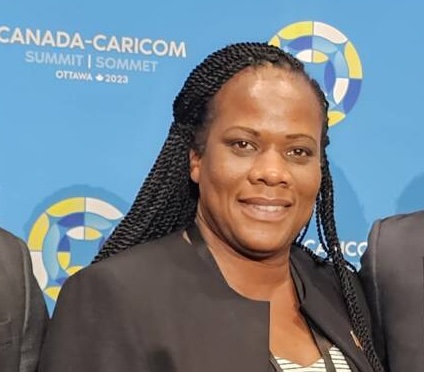
Grenada concludes 4th cycle of UN Human Rights Review
The Government of Grenada has successfully completed its participation in the 4th Cycle of the Universal Periodic Review (UPR) at the United Nations Human Rights Council in Geneva. The delegation, led by Permanent Secretary Roxie McLeish-Hutchinson from the Ministry of Foreign Affairs, Trade and Export Development, presented the national outcome report, emphasizing Grenada’s steadfast dedication to human rights, democratic governance, and sustainable development. The report showcased significant advancements in justice, education, gender equality, and climate resilience, while highlighting ongoing efforts to strengthen institutional frameworks and protect vulnerable populations. During the review, Grenada received 171 recommendations and, following extensive national consultations facilitated by the National Mechanism for Implementation, Reporting and Follow-up (NMIRF), formally accepted 103. These recommendations now form the cornerstone of Grenada’s reform agenda, reflecting broad national consensus and legitimacy. Key priority areas identified include correctional reform, human rights and climate resilience, protection of vulnerable groups, advancing gender equality, and establishing a national human rights institution. Grenada expressed gratitude to the Commonwealth Secretariat and its multilateral and bilateral partners for their technical and financial support. The international community lauded Grenada’s transparency, engagement, and commitment to multilateralism. The government remains resolute in implementing the accepted recommendations, working closely with civil society, regional institutions, and international partners to ensure a rights-based future for all Grenadians.
-
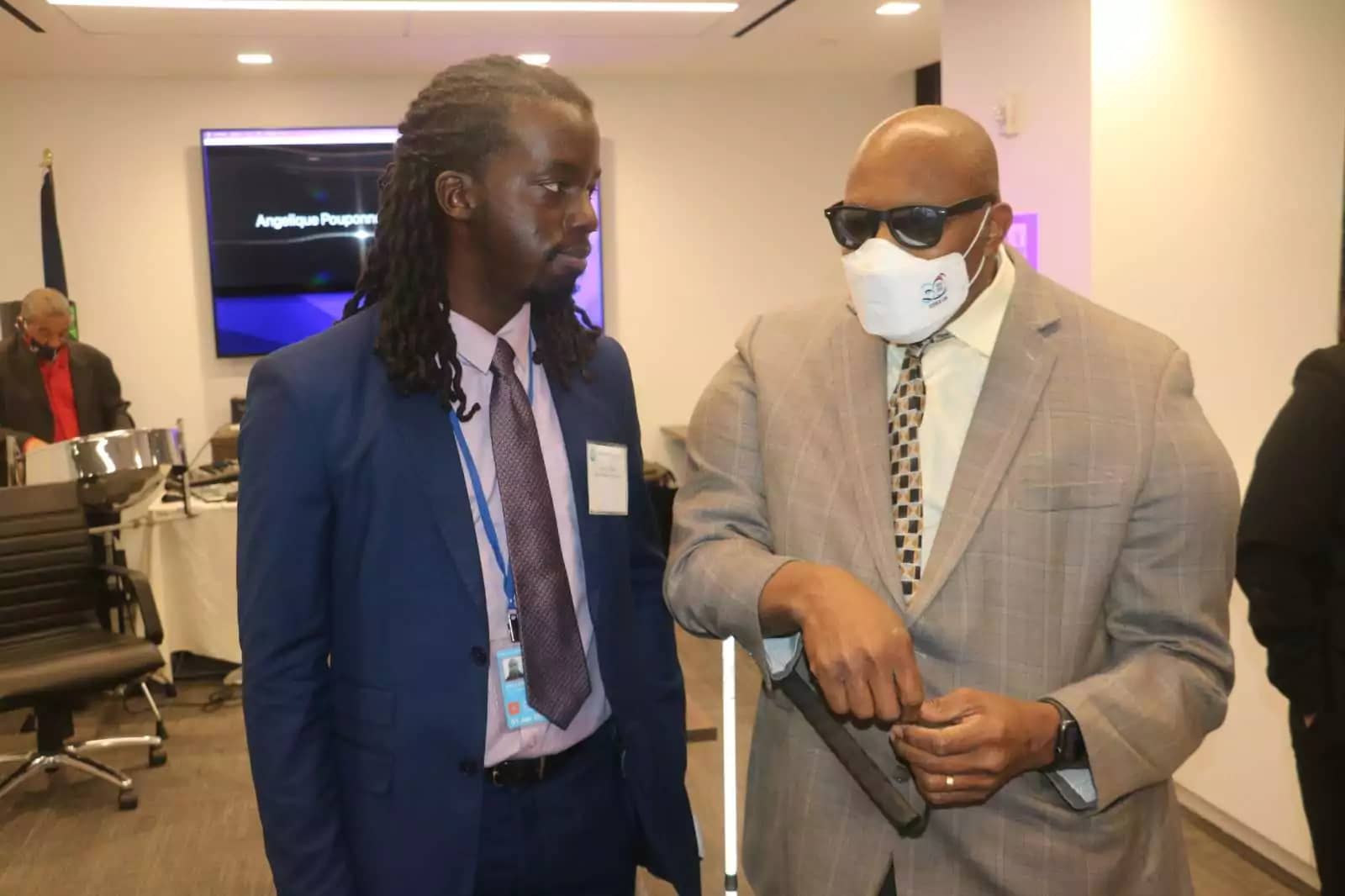
Antiguan Lawyer Zachary Phillips Appointed as Legal Coordinator for AOSIS at COP30
ST. JOHN’S, Antigua — Antigua and Barbuda has taken a significant step forward in international climate diplomacy with the appointment of Crown Counsel Zachary Phillips as the Legal Coordinator for the Alliance of Small Island States (AOSIS) during the upcoming United Nations Climate Change Conference (COP30). The conference is scheduled to take place in Belém, Brazil, from November 6 to 21, 2025. Phillips, who currently serves in the Attorney General’s Chambers, will play a pivotal role in advising the AOSIS Chair and lead negotiators on legal and strategic matters. His responsibilities will include coordinating positions across the negotiation agenda and assisting in the drafting and review of legal texts. This appointment highlights both Phillips’ legal expertise and Antigua and Barbuda’s increasing influence in global climate negotiations. Attorney General and Minister for Legal Affairs Sir Steadroy Benjamin announced the appointment to the Cabinet, describing it as a moment of national pride. He emphasized that Antigua and Barbuda’s growing presence in international forums reflects its strong advocacy for the interests of small island developing states, particularly in the realms of climate resilience and justice. The Cabinet extended its congratulations to Phillips and pledged continued support for nationals serving in high-profile international roles. This development underscores the nation’s commitment to addressing global climate challenges and its leadership in advocating for vulnerable states.
-
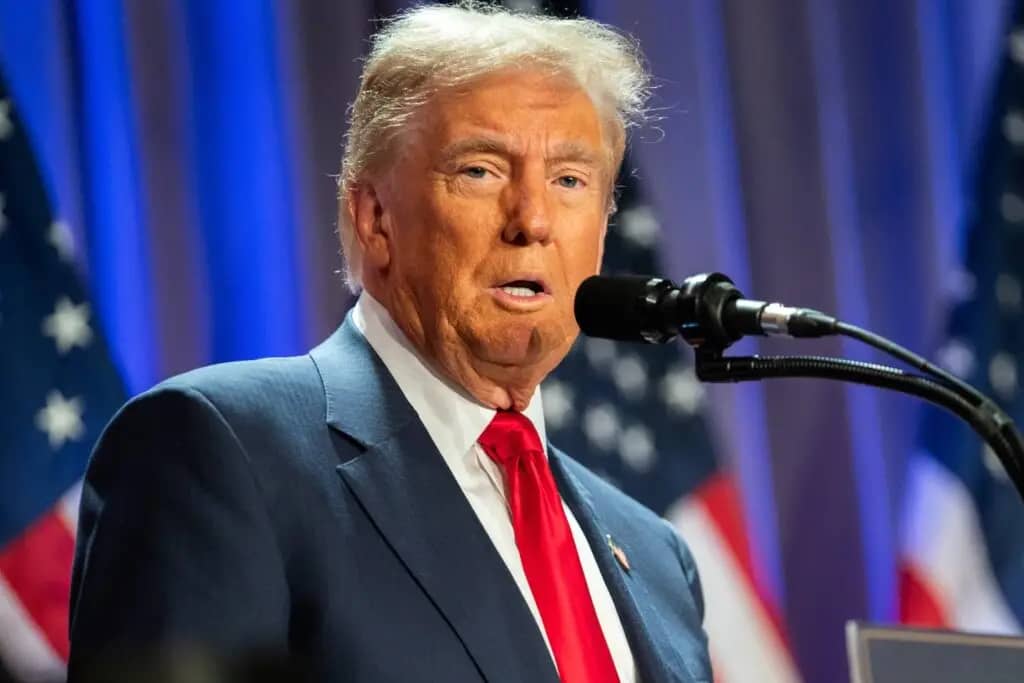
Trump declares drug cartels operating in Caribbean unlawful combatants
In a bold move that has sparked significant debate, President Donald Trump has officially declared drug cartels as unlawful combatants, asserting that the United States is now engaged in an ‘armed conflict’ with these organizations. This declaration, outlined in a memo obtained by The Associated Press, marks a dramatic escalation in the administration’s approach to combating drug trafficking. The memo justifies the use of military force under the law of armed conflict, signaling a shift in how the U.S. addresses the flow of illicit narcotics into the country.
-
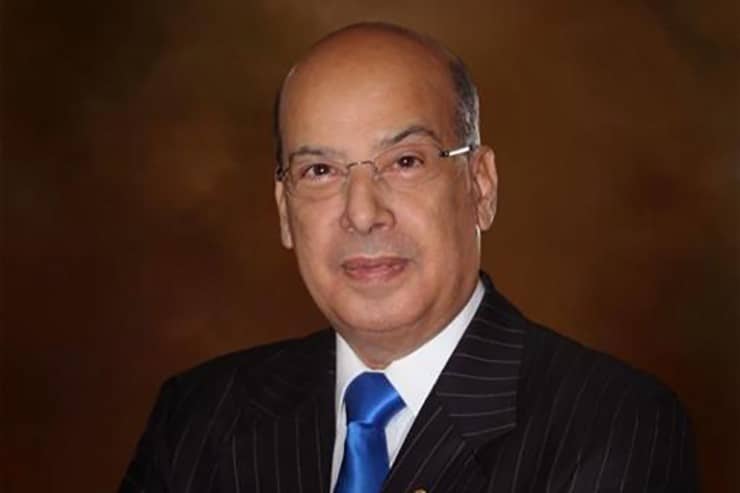
COMMENTARY: No Empty Chairs: The Case for Attending the 2025 Summit of the Americas
The Dominican Republic (DR) is set to host the 2025 Summit of the Americas, a pivotal gathering of 32 Western Hemisphere nations. However, the event has already sparked controversy with the DR government’s announcement on September 30 that Cuba, Nicaragua, and Venezuela will not be invited. The decision, framed as necessary to ensure broad political dialogue and summit success, mirrors the 2022 Summit in Los Angeles, where the exclusion of these nations led to protests and boycotts by some leaders. The DR emphasized that this move does not affect bilateral relations with the excluded countries. The exclusion is likely to reignite debates over ideological rifts within the hemisphere, particularly as global and regional challenges—such as conflicts in the Middle East and Europe—cast economic and security shadows over the Americas. The Summit’s agenda focuses on four critical security pillars: citizen security, energy security, water security, and food security. Latin America and the Caribbean face significant challenges in these areas, including the world’s highest homicide rates, water insecurity, and elevated food prices. The DR has been preparing for the Summit since February, with a draft declaration issued in June and negotiations among the 32 participating countries ongoing since September 11. A key initiative is the CEO Convocation, co-hosted with the Inter-American Development Bank, aimed at fostering public-private partnerships to address these challenges. Additionally, the Summit seeks to advance trade and economic integration across the region, with a focus on customs facilitation, reliable transportation links, and infrastructure development. Caribbean leaders are urged to attend to address specific regional concerns, such as the UN Security Council’s decision on Haiti and climate change negotiations. Despite the political controversy, the Summit offers an opportunity for leaders to engage in constructive dialogue, manage differences, and advance hemispheric cooperation. The DR government has framed the exclusions as a Summit-specific decision, encouraging leaders to attend and advocate for their national interests. Absence, it argues, only diminishes their influence in shaping decisions that impact the entire region.
-
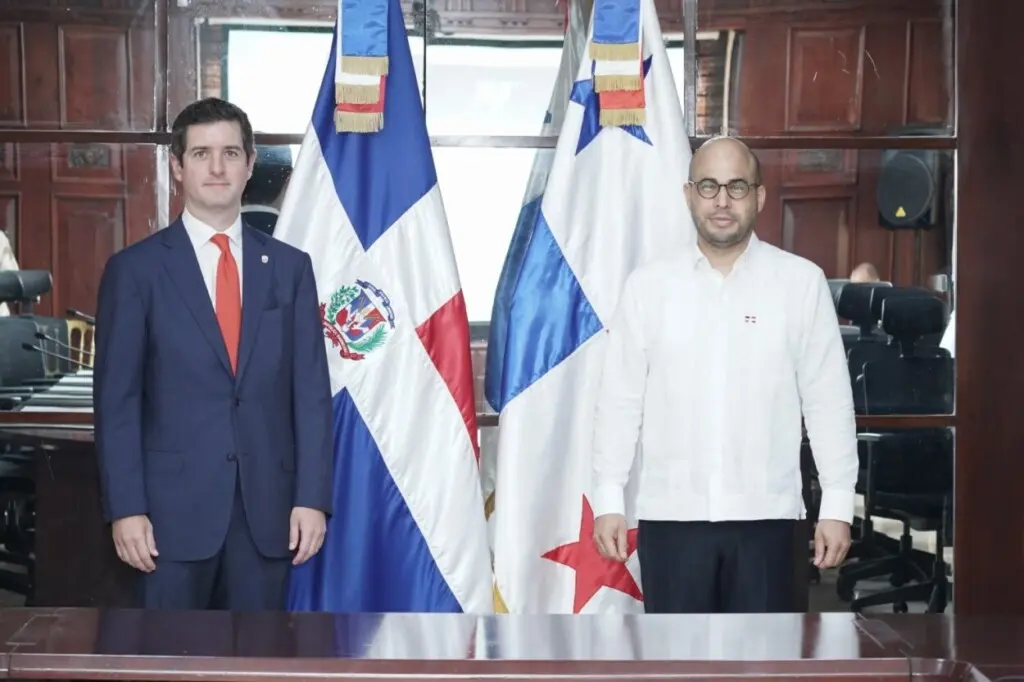
Dominican Republic and Panama strengthen academic and educational cooperation
In a significant move to bolster bilateral relations, the Dominican Republic and Panama have agreed to enhance collaboration in education and academic training. This decision was reached during a high-level Political Consultation Meeting held at the Dominican Ministry of Foreign Affairs (MIREX). The meeting was co-chaired by Francisco Caraballo, the Dominican Deputy Minister of Bilateral Foreign Policy, and Carlos Hoyos, the Panamanian Deputy Minister of Foreign Affairs. Both parties reviewed their bilateral agenda, reaffirmed existing commitments, and explored new opportunities in key areas of mutual interest. Additionally, the Dominican Republic acknowledged Panama’s influential role at the United Nations, particularly its leadership in transforming the Multinational Support Mission in Haiti (MSS) into a 5,500-strong ‘Gang Suppression Force.’ As a tangible outcome of the visit, the two nations signed a Memorandum of Understanding on Academic Cooperation. This agreement involves MIREX’s Institute of Higher Education in Diplomatic and Consular Training (INESDYC) and Panama’s Ministry of Foreign Affairs, aiming to foster advanced training and academic exchanges between the two countries.
-
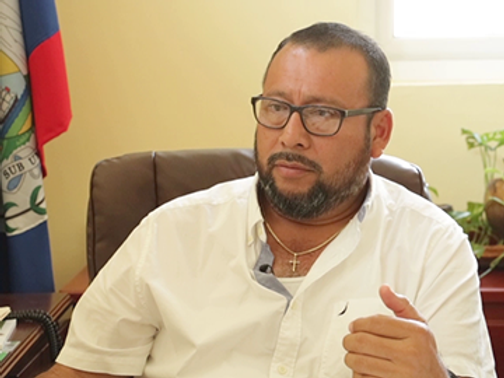
Agriculture Ministry Rejects ‘Defamatory’ Post, and threatens Legal Action
The Ministry of Agriculture, Food Security and Enterprise has issued a firm rebuttal to a social media post accusing Minister Jose Abelardo Mai of involvement in local and cross-border criminal activities. In a statement released on October 2, 2025, from Belmopan, the ministry dismissed the allegations as baseless and part of a coordinated campaign of ‘fake news’ orchestrated by political adversaries. The ministry emphasized that the post is a deliberate attempt to divert public attention amid escalating political tensions.
The ministry has vowed to pursue all available legal avenues against those responsible for the publication and dissemination of the defamatory content. It warned that individuals who repost or republish such false information could face similar legal consequences as the original publisher. The statement highlighted the legal principles of defamation, stressing that false or unverifiable claims about individuals are not protected under the law and that repeating such claims does not legitimize them.
Additionally, the ministry referenced Section 15 of the Cyber-Crimes Act (Revised Edition 2020), which criminalizes the dissemination of false information intended to harm a person’s reputation. This suggests that the ministry may pursue both civil and criminal actions against the perpetrators. While the specific content of the post and its original publisher were not disclosed, the ministry urged the public to exercise caution and avoid spreading unverified information. It reaffirmed its commitment to safeguarding the minister’s reputation through all legal means.
-

Churches: Caye Caulker Vote Isn’t Breach of 2022 Referendum Pact
Church leaders in Belize have clarified that the recent cannabis referendum in Caye Caulker does not contravene their 2022 agreement with the government. They assert that the referendum is a localized initiative and not a national policy shift. Senator Pastor Louis Wade, a key figure in the churches’ “No” campaign, emphasized that the 2022 pact with the Government of Belize—which mandates a national referendum before any legalization of cannabis—remains unbroken. Wade explained that the Caye Caulker vote is not driven by the Cabinet and lacks unified ministerial support, thus it does not breach the agreement. He stated, “Absolutely not, because there are ministers who have clearly expressed their opposition and have called for amendments to the Referendum Act to prevent such occurrences in the future. However, if the government proceeds with legalization based on a ‘yes’ vote, that would constitute a breach, and we would address it accordingly.” Wade further noted that the churches became formally involved after the Elections and Boundaries Commission restricted recognized participation to organizations represented by the four Senate social-partner seats. While the churches would have preferred a community-led “No” campaign, their formal recognition was necessary to ensure the effort’s legitimacy. Operationally, the churches are deploying scrutineers and a volunteer committee to oversee the election process, underscoring the localized nature of the exercise. Additionally, the churches have requested the petition signatures that initiated the referendum, citing concerns from island residents who claim their names were included without consent. The 2022 agreement between church leaders and the government explicitly requires a national referendum before any legalization of cannabis. Wade maintains that only Cabinet action to legalize based solely on the Caye Caulker results would violate this pact. In the absence of such action, the referendum serves as a local gauge of public opinion rather than a precursor to national policy change.
-

UDP Slams Government Over Free Movement Rollout
The United Democratic Party (UDP) has launched a scathing critique of the Belizean Government’s management of the October 1 implementation of the CARICOM Free Movement of Nationals policy, which includes Belize, Barbados, Dominica, and St. Vincent and the Grenadines. The UDP claims that Belizeans were inadequately informed about the policy’s practical implications, leaving both citizens and employers in the dark. During a press conference, UDP leader Hon. Patrick Faber highlighted that while Barbados conducted detailed briefings to prepare its citizens, Belize failed to provide comparable information. Faber argued that the lack of communication has created widespread confusion, with many Belizeans unaware of the policy’s full-scale effects. The Government, however, has outlined that the policy permits indefinite stays for nationals of the four countries, with registration systems in place for accessing healthcare and education. Security measures include vetting by CARICOM’s IMPACS and the Advanced Passenger Information System (APIS) to screen for potential threats. Despite these assurances, Faber expressed concerns about Belize’s readiness to handle the additional pressures, citing existing challenges such as crime, healthcare deficiencies, and economic strain. The UDP emphasized the need for clear communication, consultation, and safeguards to protect Belizeans and the economy, warning that the current approach risks fueling uncertainty and undermining public confidence.
-

GY$5 billion PPP election campaign spending “a blatant lie” – PPP General Secretary
In a recent press interaction, People’s Progressive Party (PPP) General Secretary Bharrat Jagdeo vehemently refuted allegations that his party spent GY$5 billion on its campaign for the September 1 general and regional elections. Labeling the claim as a ‘blatant lie,’ Jagdeo asserted that the PPP’s expenditure was only slightly higher than the GY$300 million reportedly spent by the opposition coalition, A Partnership for National Unity (APNU). He emphasized, ‘We didn’t spend much more than APNU, so let that be your guide.’ When questioned about the potential advantages of incumbency, Jagdeo countered that such benefits were also utilized by the previous APNU+Alliance For Change administration, including the use of a Guyana Defence Force (GDF) helicopter by then-President David Granger. Jagdeo also addressed concerns about access to publicly-funded state media, questioning how it could have disadvantaged opponents financially. He highlighted the PPP’s strategic shift to a digital campaign, citing its cost-effectiveness compared to traditional newspaper advertising. ‘We didn’t advertise in the newspapers much. Nobody reads the newspapers, and our digital campaign cost us an unbelievably low sum,’ he stated. Jagdeo further noted that the PPP’s 2025 campaign spending was significantly lower than in 2020, when the party heavily invested in high-priced newspaper ads. The PPP General Secretary criticized the media for not disclosing the source of the GY$5 billion claim, stating, ‘That’s what people do, they hide behind sources. If I was to come here every time and hide behind a source, then we would never find the truth.’ International election observer missions have previously raised concerns about the PPP’s incumbency advantage, but Jagdeo dismissed these as unfounded.