分类: politics

  • Bus Operators Seek Relief, Government Hits Pause

    Bus Operators Seek Relief, Government Hits Pause

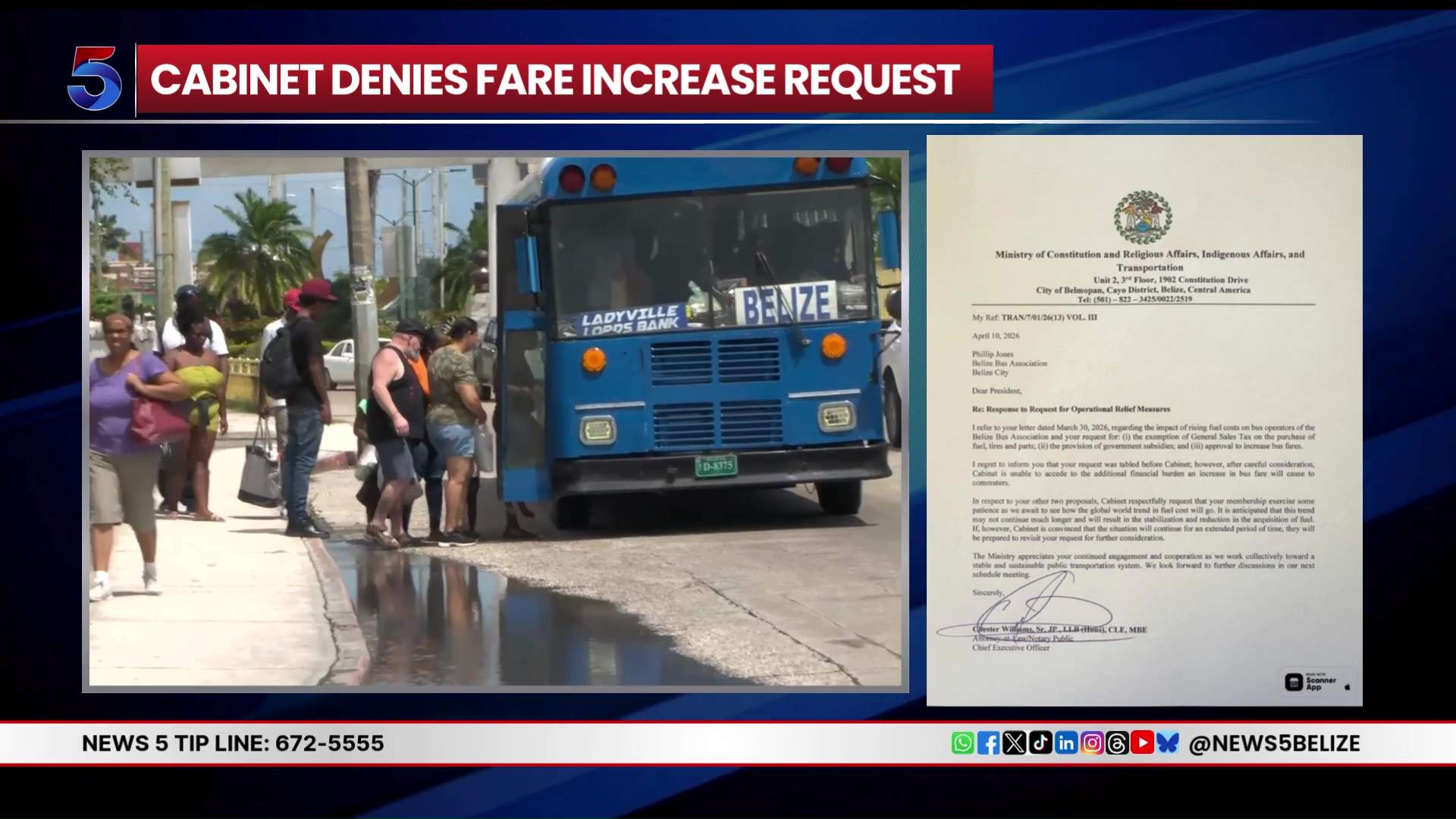
    Dated April 10, 2026, a developing policy standoff has emerged in Belize, where domestic public bus service providers are pushing for urgent government support, but top transportation officials have opted for a delayed decision to monitor shifting global energy markets.

    The Belize Bus Association (BBA), the industry body representing local bus operators, has formally submitted an appeal for government intervention, sounding the alarm that skyrocketing diesel costs have sent their day-to-day operating expenses soaring. If the cost pressure remains unaddressed, the association warns, the continuity and affordability of public transportation services across the country could face serious disruption.

    In an official statement following a Cabinet deliberation, Belize’s Minister of Transport Dr. Louis Zabaneh confirmed that government decision-makers have received and reviewed the BBA’s request, but have no immediate plans to approve relief measures. Dr. Zabaneh outlined that the administration is adopting a cautious wait-and-see approach, with officials closely tracking daily shifts in international fuel price trends to gauge future cost directions.

    “We reported back to the BBA Cabinet’s decision: we will continue observing global fuel prices over the coming weeks to map out how the trend develops,” Dr. Zabaneh explained. “Like nations across the globe, we are optimistic that prices will stabilize and fall back to the lower levels we saw just a few months ago. Only if we fail to see that downward trajectory will Cabinet revisit the association’s request. At this stage, we have asked the BBA to give us a few more weeks to monitor market movements before any final call.”

    In response to the government’s delay, the BBA has moved quickly to convene an emergency general meeting with its member operators to brainstorm and agree on next steps for the industry, as stakeholders await further developments in global fuel markets and government policy.

    This report is adapted from a transcribed evening television newscast originating from Belize.

  • Galen Training Prepares Elections Officers for Upcoming Votes

    Galen Training Prepares Elections Officers for Upcoming Votes

    As Belize gears up for its upcoming critical local elections, a key step has been taken to reinforce the country’s democratic framework: 16 dedicated Elections and Boundaries Department officers have graduated from an intensive, university-led professional certification program designed to strengthen the integrity and efficiency of the voting process.

    The collaborative initiative between Galen University and Belize’s government focused on building core competencies in three critical areas for electoral management: up-to-date interpretation of national electoral law, upholding ethical and procedural integrity, and practical on-the-ground logistics of running a smooth, transparent election.

    In remarks following the certification ceremony, Dr. Eve Aird, Provost of Galen University, emphasized the program’s core mission: to equip participating officers with the specialized skills and institutional knowledge needed to protect democratic processes and sustain public confidence in Belize’s electoral system. “The certificates awarded today confirm that these successful candidates have the professionalism, expertise and core attributes required to oversee all stages of election administration, maintain the accuracy of electoral boundaries, and deliver consistent, high-quality service to the voting public,” Aird stated.

    Kareem Musa, Belize’s Minister of Immigration, Governance & Labor, also praised the officers for their commitment to professional development. Musa noted that participants completed the rigorous coursework while balancing their full-time existing responsibilities across the country. “Your ability to follow through on this training while continuing to serve communities nationwide reflects the same discipline and focus that makes your work for the Elections and Boundaries Department so vital,” Musa said.

    For Noe Bonilla, one of the participating officers, the training offered more than just procedural skills—it reinforced the importance of ongoing growth for public servants. “This experience has reminded us of the value of continuous learning and self-improvement,” Bonilla shared. “It challenged us to think critically, adapt to evolving electoral standards, and strive for excellence in every part of our work.”

    With local election dates drawing near, government and university leaders alike confirm that the newly certified cohort is now far better prepared to deliver transparent, accessible voting services to the public, while guarding against procedural irregularities and protecting the fundamental integrity of Belize’s democratic process.

    This report is adapted from a transcript of an evening television news broadcast from Belize.

  • Caye Caulker Preparing to Protest Rumored Sale of Police Station Land

    Caye Caulker Preparing to Protest Rumored Sale of Police Station Land

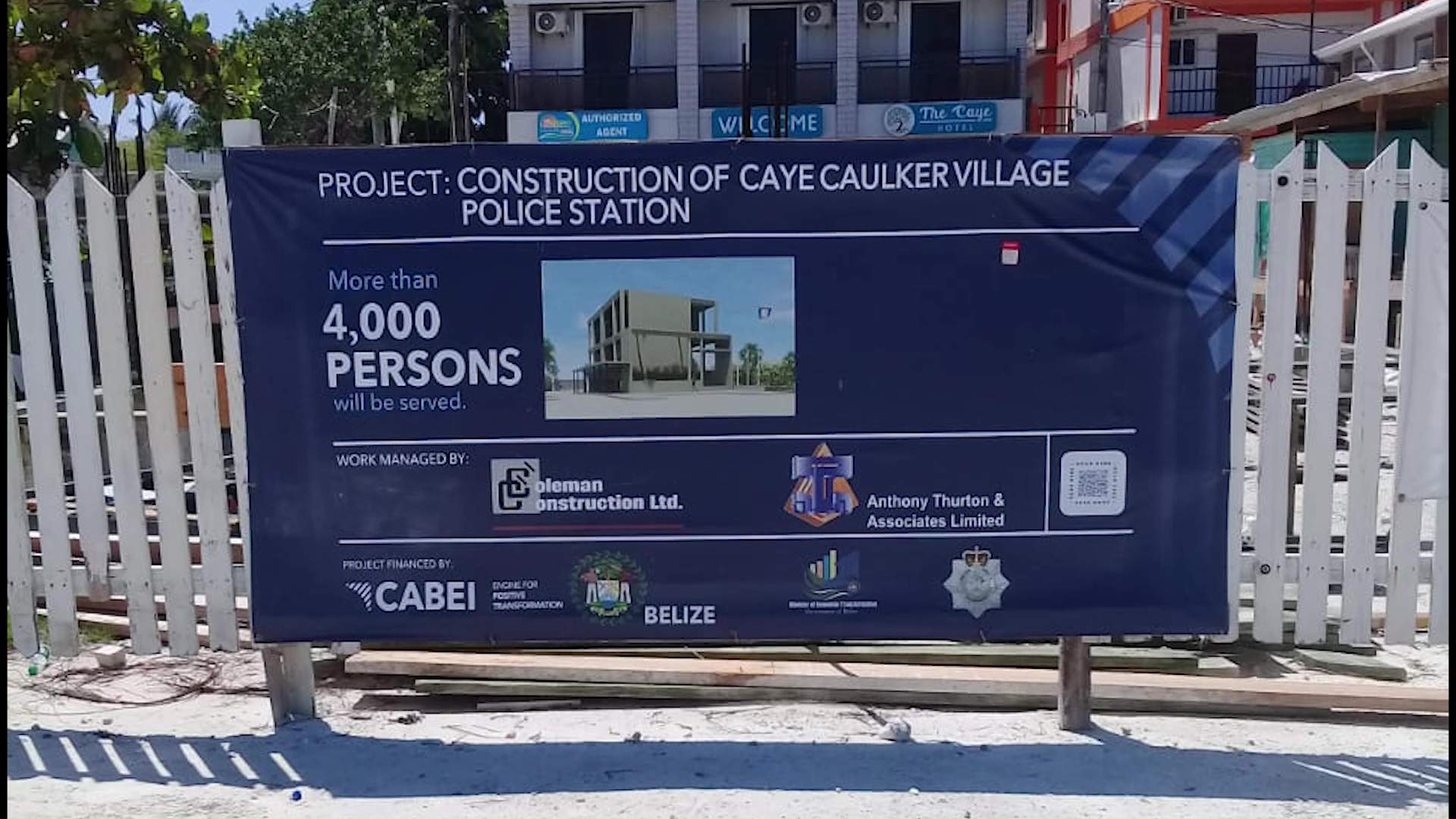
    On the small Caribbean island of Caye Caulker, a growing local conflict over public land ownership has emerged, with the village’s governing body prepared to mobilize residents and pursue formal action to block a rumored sale of key public property. As of April 10, 2026, the Caye Caulker Village Council has issued a firm public statement rejecting any proposal to sell, lease, or transfer ownership of Parcel 815, a plot of land currently officially designated for police department use.

    In its strongly worded release, the council describes the parcel as irreplaceable communal land that underpins the island’s public safety framework. The land is located adjacent to a community basketball court and a popular shared public recreational space, and the council argues that any shift to private ownership or non-public use would cause widespread disruption to local life. Beyond the direct threat to public safety, officials warn that losing public control of the site would undermine youth engagement programs that rely on access to the surrounding community space, slow emergency response times across the island, and erode the quality of life for all local residents.

    A major point of contention for the village council is the total lack of community engagement surrounding the rumored plans. According to the council’s statement, neither elected local leaders nor ordinary residents have been included in any discussions about the future of the parcel, a omission that has amplified local frustration over the potential deal. The council has laid out three clear demands for national authorities: an immediate halt to any ongoing processes related to the transfer of the land, full public disclosure of all government plans for the property from Belize’s central government, and inclusive, meaningful consultation with local stakeholders before any final decisions are made.

    Despite widespread rumors of an impending sale, a public search of Belize’s national land registry confirms that as of the publication date, Parcel 815 remains formally owned by the Belize Police Department. Even so, local officials are moving forward with plans to push back against any potential future transfer. Reliable local sources confirm that the village council has already submitted the required paperwork to secure official permission for a public protest to demonstrate widespread community opposition to the sale.

    Council leaders have emphasized that they are open to all available avenues to keep the land in public hands, including pursuing formal legal and administrative challenges to any unauthorized transfer attempt. To align on next steps and gather input from local residents, the council has scheduled an open community meeting for 6:30 p.m. the following day, where all island residents will have the opportunity to share concerns and weigh in on the planned actions.

  • PM Calls Mass ‘Sick‑Out’ by Immigration Officers “Illegal”

    PM Calls Mass ‘Sick‑Out’ by Immigration Officers “Illegal”

    A brewing labor and political conflict has emerged in Belize’s Cayo District after a mass coordinated absence by immigration officers at the country’s busiest western border crossing drew harsh condemnation from Prime Minister John Briceño, who has labeled the action an illegal work stoppage.

    On April 10, 2026, reports emerged that roughly 8 to 12 immigration officers assigned to the critical crossing all submitted sick leave notifications on the same day, bringing normal operations to a grinding halt and causing major disruptions for cross-border travel and trade. The Belizean Ministry of Immigration has already launched a formal internal investigation and initiated administrative action against multiple officers involved, based on suspicions that the simultaneous sick leave was not triggered by a genuine public health event, but rather a coordinated act of industrial action to protest unstated workplace grievances.

    The Public Service Union, which represents the affected officers, has pushed back aggressively against the government’s claims. Union leadership insists that every officer followed official sick leave protocols correctly when submitting their absences, and has issued a formal warning that the union will pursue legal action against the government over the punitive administrative steps taken against its members.

    Prime Minister Briceño has flatly rejected the union’s defense, calling the simultaneous outbreak of illness deeply suspicious. “You have to question why eight or ten officers all get sick at the exact same time,” Briceño stated to reporters. “It is statistically impossible for that to happen by coincidence. There is clearly something else driving this action.” He also flagged lingering concerns over the validity of submitted medical documentation, noting widespread claims that some certificates may be fraudulent, even as he acknowledged he has not personally reviewed the documents in question.

    The Prime Minister went a step further by directly criticizing Public Service Union President Dean Flowers, pointing out Flowers’ well-documented public support for the opposition United Democratic Party. Briceño argued that political loyalties have no place in managing workplace disputes between public employees and the sitting government. “Flowers should set his political allegiances aside and work collaboratively with the government to resolve outstanding issues,” Briceño said. “Instead of encouraging his members to follow proper channels and telling them this kind of action is inappropriate, he has seemingly celebrated their action. That is deeply unfortunate.”

    Briceño emphasized that public servants with formal workplace grievances have clear, established avenues to raise concerns: they can bring issues to direct supervisors, the Chief Executive Officer of the Immigration Ministry, or even cabinet ministers for resolution. He rejected the mass sick-out as an underhanded and unlawful tactic, noting “Public servants cannot simply abandon their posts and claim illness whenever they are dissatisfied with some workplace outcome.”

  • T&T, Guyana agree to establish working group on investment

    T&T, Guyana agree to establish working group on investment

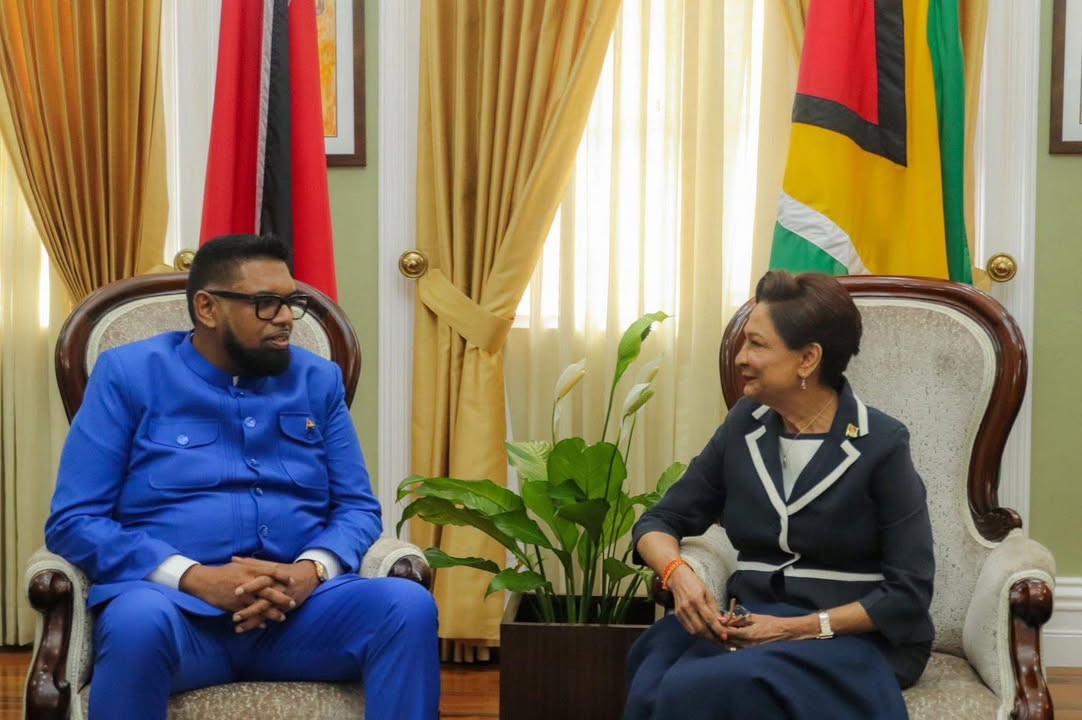
    On Friday, April 10, 2026, Guyana’s President Irfaan Ali held a high-stakes one-day bilateral meeting with Trinidad and Tobago’s newly installed Prime Minister Kamla Persad-Bissessar in Port-of-Spain, with the two leaders aligning on a sweeping set of agreements to deepen economic integration, resolve long-standing cross-border bottlenecks, and unlock untapped collaborative opportunities between the two Caribbean nations.

    In an official joint statement released after the talks, both governments confirmed two core outcomes of the summit: the establishment of a cross-border working group with representation from both the public and private sectors of both countries, and a commitment for Persad-Bissessar to undertake a reciprocal official visit to Guyana, with details of the visit’s timing still being finalized.

    The working group’s core mandate is to identify and eliminate trade barriers, streamline bureaucratic hurdles, and boost competitiveness between the two countries, while exploring and advancing joint development opportunities across a wide range of priority sectors. During the closed-door negotiations, the two leaders mapped out a shared development, trade and economic agenda designed to bring closer alignment of the two nations’ economies and improve people-to-people connectivity. Key areas of discussion included strengthening regional food security and attracting cross-border investment in the sector, advancing cross-grid energy integration, facilitating technology sharing, supporting human capital development initiatives, and boosting collaborative security efforts.

    President Ali opened the meeting by formally thanking Persad-Bissessar and the Trinidad and Tobago government for its unwavering public support for Guyana’s territorial integrity and national sovereignty, a gesture of alignment that he noted carries deep meaning for the people of Guyana. Both sides reaffirmed their commitment to ongoing close collaboration across all agreed priority areas to progressively deepen the bilateral partnership. The Guyanese delegation accompanying Ali to Port-of-Spain included senior cabinet officials: Natural Resources Minister Vickram Bharrat, Public Utilities and Aviation Minister Deodat Indar, Public Service, Government Efficiency and Implementation Minister Zulfikar Ally, and Labour and Manpower Planning Minister Keoma Griffith, alongside a cohort of private sector representatives from Guyana. On the Trinidad and Tobago side, Persad-Bissessar was joined by her own senior leadership team, including Attorney General John Jeremie, Foreign and CARICOM Affairs Minister Sean Sobers, Public Utilities Minister Barry Padarath, and Energy and Energy Industries Minister Roodal Moonilal.

    Speaking at a business forum hosted by the Trinidad and Tobago Chamber of Industry & Commerce following the leaders’ meeting, President Ali pressed for urgent action to cut through bureaucratic red tape that he said is holding back the full potential of the bilateral partnership. In blunt remarks to the business audience, Ali argued that if both nations are committed to building collaborative cross-border consortiums and a unified regional economic front, leaders must prioritize resolving long-standing frictions. “If we care about partnership, if we care about building consortiums, if we care about building a joint economic front between Guyana & Trinidad and Tobago then we must care about fixing the problem and let’s get in that room, lock ourselves up for 72 hours and fix the damn problem,” Ali stated.

    The Guyanese president also highlighted that partnership opportunities extend far beyond the energy sector, pointing to existing collaborative potential in agriculture: Guyana’s growing soya bean export sector and Trinidad and Tobago’s globally renowned cocoa production present immediate avenues for joint growth. He praised regional conglomerate ANSA McAL for its early and successful investment in Guyana, including the development of a new large-scale shopping mall, but noted that Trinidad and Tobago investors have so far missed out on major opportunities in Guyana’s booming gold mining sector, where no Trinidadian consortium has yet established a meaningful presence. Ali also called out unnecessary immigration bureaucracy in Trinidad and Tobago, noting that lengthy, cumbersome entry processes are holding back Caribbean Airlines from reaching its full operational potential in the region.

  • CARICOM Heads Met on Trinidad’s Push to Remove Belizean Secretary General

    CARICOM Heads Met on Trinidad’s Push to Remove Belizean Secretary General

    A regional political dispute has erupted within the Caribbean Community (CARICOM) as Trinidad and Tobago advances a public campaign to oust sitting Secretary-General Dr. Carla Barnett, a Belizean national. Belize’s Prime Minister John Briceno has swiftly announced his country’s unwavering full support for Barnett, pushing back against Trinidad’s unprecedented public move to remove the bloc’s top administrative leader.

    In an exclusive interview with local outlet News Five, Briceno emphasized that the public campaign against Barnett is a regrettable departure from appropriate regional diplomatic protocols. He stressed that Barnett’s decades of expertise and deep knowledge of Caribbean regional affairs make her a highly qualified leader for the integration bloc, and her position as a Belizean public servant guarantees her continued, unshakable support from the Belizean government.

    Addressing widespread political speculation that his government’s stance is shaped by Barnett’s past ties to Belize’s opposition United Democratic Party, Briceno rejected the narrative. He underscored that domestic political divisions in Belize do not extend to the international stage: regardless of internal partisan differences, all Belizeans stand in solidarity when one of their own holds a key regional role, he said.

    Briceno further outlined that while all CARICOM leaders hold the right to raise legitimate concerns over administrative performance, any such grievances should be addressed through private, established channels within the heads of government, not through a public pressure campaign targeting the secretary-general. He also noted a key procedural irregularity in Trinidad’s push: the country’s own prime minister declined to attend the most recent in-person CARICOM Heads of Government meeting, where the bloc was set to discuss Barnett’s reappointment process.

    To resolve the escalating standoff, CARICOM heads of government have scheduled a virtual emergency meeting for Friday noon to deliberate on the dispute. Briceno told reporters he remains cautiously optimistic that regional leaders will reach a mutually acceptable, amicable resolution that preserves both the integrity of the bloc and the standing of its secretary-general.

  • Michael Joseph to be given full ministerial portfolio, ABLP Leader says

    Michael Joseph to be given full ministerial portfolio, ABLP Leader says

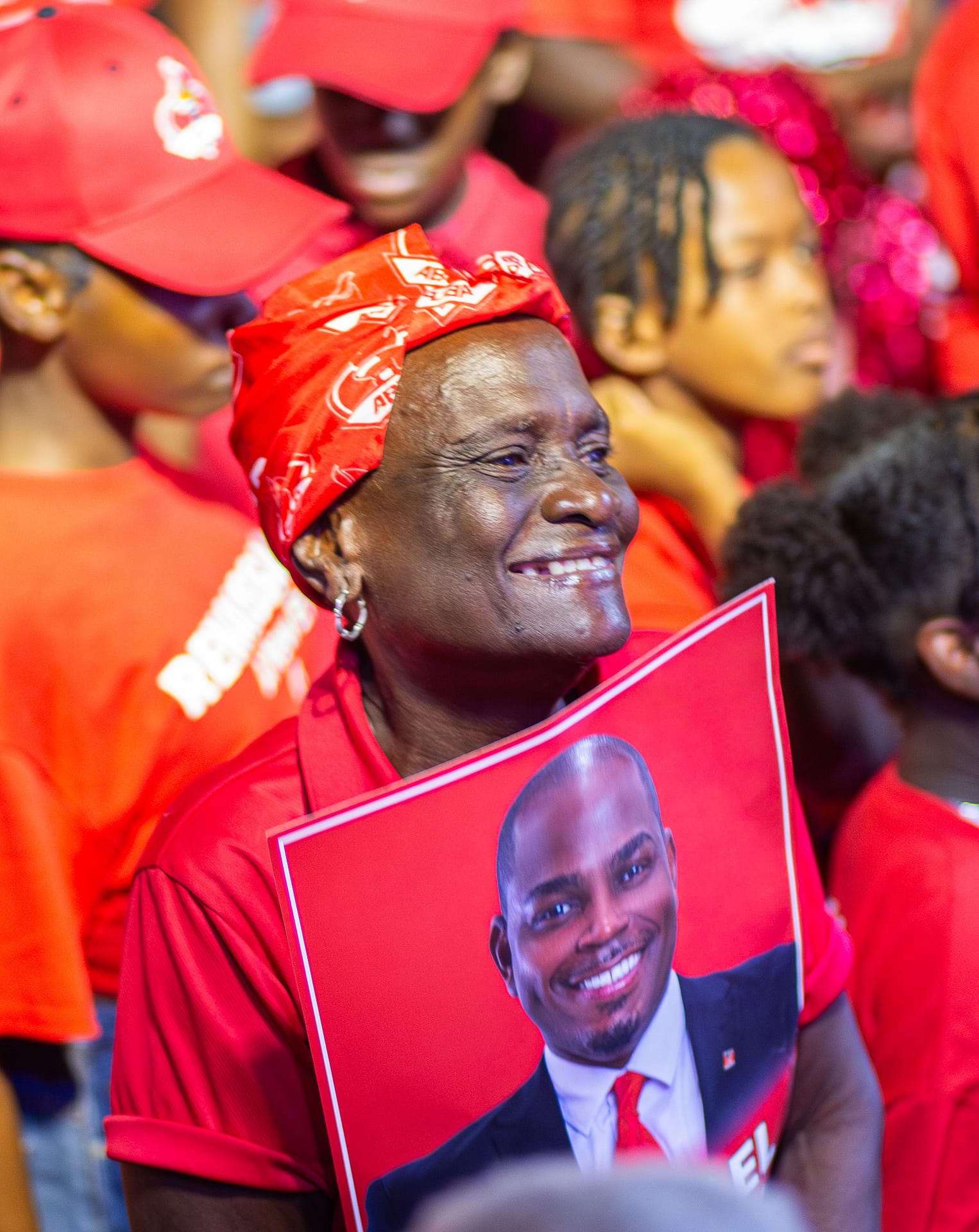
    In a significant political development that reshapes the cabinet landscape of Antigua and Barbuda, the leader of the Antigua Barbuda Labour Party (ABLP) has formally announced that Michael Joseph will be entrusted with a complete, full ministerial portfolio, ending weeks of speculation over his role in the new administration.

    Political observers have noted that this appointment marks a key strategic move for the ABLP, which has prioritized putting forward experienced and trusted figures to lead critical government departments. Michael Joseph, who has long been regarded as a reliable party stalwart with deep roots in community advocacy, has already built a reputation for pragmatic policy approach and close engagement with grassroots constituents across the country.

    The ABLP leader made the confirmation during a recent press briefing, where he emphasized that the decision to grant Joseph a full portfolio reflects the party’s confidence in his ability to deliver on the government’s campaign promises. While the specific department that Joseph will oversee has not yet been officially disclosed, insiders close to the party suggest that it will be a key economic or infrastructure-focused portfolio, areas that the current administration has identified as central to driving post-pandemic recovery and long-term national growth.

    Prior to this announcement, Joseph had been serving in a caretaker capacity for the ministry, leading interim projects and coordinating with departmental staff to maintain operational continuity. The transition from an acting role to a full ministerial appointment is expected to bring greater stability to the department, allowing for long-term policy planning and the implementation of key infrastructure and social projects that have been pending approval.

    Political analysts point out that this cabinet adjustment also signals the ABLP’s efforts to strengthen its internal unity ahead of upcoming local electoral cycles, by rewarding party loyalty and recognizing the contributions of long-serving members. Local business groups and civil society organizations have expressed cautious optimism, stating that they look forward to seeing Joseph’s policy priorities once the portfolio is officially announced, and hope that his tenure will bring increased transparency and progress to the assigned government department.

  • Adhin bij rouwzitting Santokhi: Politiek moet buigen voor het mens-zijn

    Adhin bij rouwzitting Santokhi: Politiek moet buigen voor het mens-zijn

    On Friday, the National Assembly of Suriname (DNA) convened a special memorial sitting to honor the life and legacy of Chan Santokhi, a sitting member of the assembly who passed away suddenly on March 30.

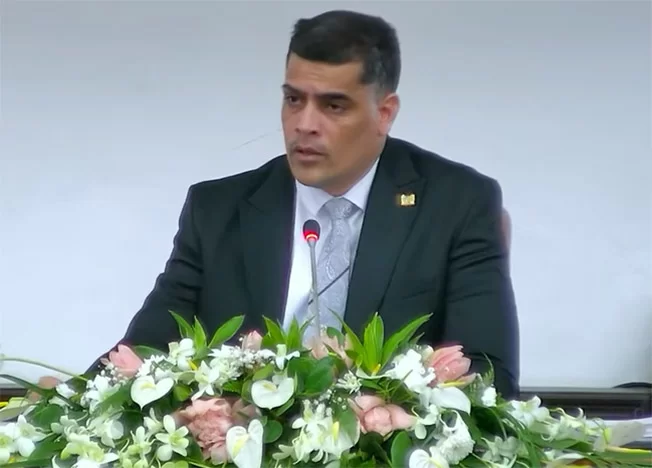
    Leading the tribute, DNA Speaker Ashwin Adhin delivered an address reflecting on Santokhi’s life, his public service contributions, and the lasting mark he left on Suriname’s political landscape. Adhin opened his remarks by noting that even in a chamber where political disagreements are a daily part of operations, the entire body had come together in collective reflection and mourning. “There are moments when politics must step aside, to let our shared humanity take center stage,” Adhin told the assembled lawmakers.

    The speaker emphasized that when a public figure passes, their legacy is not measured by the office they held or the power they wielded, but by the positive impact they had on fellow citizens and the broader development of the nation. He spoke on behalf of the entire National Assembly, pointing out that while differing political views are common within the body, these divisions are actually a core strength of Suriname’s democratic system.

    “Above all our differences, one unifying truth remains: we share the same nation, the same future, and the same responsibility to build it for the next generations,” Adhin said. He framed Santokhi’s life and career as an important chapter in Suriname’s modern national history, noting that every contribution to public life — whether made through periods of political struggle or national development — forms a key part of the country’s collective national narrative.

    Adhin closed his address by calling on all present lawmakers to carry on Santokhi’s legacy by continuing the work of governing with responsibility, mutual respect, and unwavering dedication to public service. “The story of Suriname does not stop. It demands that we keep building and keep serving for the good of the entire nation,” he stated. Finally, he extended the entire assembly’s deepest condolences to Santokhi’s widow Mellisa, daughter Shanylla, and the rest of his family, wishing them strength in the face of their loss.

  • U.S. moves to automatic military draft registration for eligible men starting December 2026

    U.S. moves to automatic military draft registration for eligible men starting December 2026

    A landmark shift is coming to the United States’ long-standing military draft registry system, with automatic nationwide enrollment for eligible men set to launch in December 2026. The change, first reported by CNN, comes from the Selective Service System (SSS), the federal agency tasked with maintaining a database of potential conscripts in the event of a national emergency requiring a draft.

    For decades, the SSS has relied almost entirely on voluntary self-registration by 18 to 25-year-old men, a requirement put into federal law by former President Jimmy Carter in 1980. While 46 U.S. states and territories already offered limited automatic registration tied to driver’s license applications, this patchwork system was never implemented uniformly across the country. Last month, the SSS formally submitted a proposal for full nationwide automatic enrollment to the Office of Information and Regulatory Affairs for final review, after the policy was included as a provision in the fiscal year 2026 National Defense Authorization Act, signed into law by President Donald Trump in December 2025.

    Under the new framework, the federal government will handle all registrations automatically by pulling verified information from existing federal databases, eliminating the need for individual action to meet the legal requirement. Administration officials frame the change as a cost-cutting and efficiency measure, designed to boost compliance rates and streamline the SSS’s administrative operations.

    The shift has reignited public debate around conscription amid rising global tensions, particularly the ongoing conflict with Iran. However, multiple official sources have emphasized that the new registration system is in no way linked to the current conflict, and the policy received bipartisan support months before hostilities with Iran escalated. Legal experts quoted by The Hill also note that even if the White House sought to activate a draft, President Trump cannot enact such a change unilaterally. Any reinstatement of active conscription would require explicit congressional legislation amending the Military Selective Service Act.

    The U.S. has not operated an active military draft since the end of the Vietnam War, when it transitioned to an all-volunteer military force in 1973. The U.S. Military’s official online portal confirms that no active draft is in place today, and the SSS registry only exists as a contingency for extreme national emergencies.

    Even without an active draft, registration remains a mandatory legal requirement for nearly all male citizens and male immigrants between the ages of 18 and 25, who must register within 30 days of turning 18 or entering the U.S., according to Time. Failure to comply carries severe penalties: it is a federal criminal offense that can result in fines up to $250,000, prison sentences of up to five years, and loss of access to federal benefits including student aid, job training programs, and government employment. Non-compliance can also jeopardize immigration status and applications for U.S. citizenship. Currently, the requirement still only applies to men; women are exempt from registration but eligible to enlist voluntarily.

    In late March, reporting from The Guardian argued that any actual reinstatement of the draft remains highly unlikely, framing it as a major political liability for President Trump ahead of upcoming elections. Trump himself publicly pushed back on speculation in a June 11 post on Truth Social, rejecting a Washington Post report citing a former defense department official that claimed he was considering mandatory military service. “The Story is completely untrue. In fact, I never even thought of that idea,” Trump wrote.

  • Town Clerk, PPP Councillor distance themselves from lawsuit over Constabulary Training Complex

    Town Clerk, PPP Councillor distance themselves from lawsuit over Constabulary Training Complex

    A brewing ownership dispute over a prime Georgetown waterfront property has erupted into open controversy, with Georgetown’s top municipal administrator publicly distancing herself from an unauthorised High Court lawsuit filed against the Guyanese government and a private security firm.

    In a statement issued to Demerara Waves Online News on Friday, Town Clerk Candace Nelson clarified that court documents naming her as the applicant in the legal action against the Attorney General and RK Security do not carry her signature, nor do they reflect any formal decision by the Georgetown City Council. Nelson, who is currently on official leave, emphasized that the listing of her name on the filing is only a procedural legal convention that places council-related legal actions under the office of the Town Clerk, not an indication of her personal or official involvement.

    Nelson detailed that when she was first approached about the potential lawsuit last Thursday, she immediately flagged concerns about the validity of the claim and pushed for formal procedural steps to be followed. She instructed Councillors Clayton Hinds and Lelon to consult with Mayor Alfred Mentore, submit an official memorandum, and circulate a round-robin poll among council members to authorize another official to sign the required court documents. To date, that signed round-robin has never been delivered to her office, she said.

    “I never signed that document. I had nothing to do with it,” Nelson reiterated, noting she had already been formally recused from the matter after the council assigned another representative to handle related issues. The lawsuit, which was filed in the Town Clerk’s name, demands High Court orders and injunctions to force the government and RK Security to vacate the Water Street property that formerly housed the City Constabulary Training Complex, claims GY$5 million in damages, and alleges the defendants trespassed on land the council says it has owned since the 1800s.

    Nelson also directly disputed a key claim laid out in the court filings: that the Georgetown Municipality passed a formal resolution at an extraordinary March 27, 2026 meeting authorizing the mayor to pursue legal action to protect the council’s claim to the training complex. According to Nelson, the extraordinary meeting was convened exclusively to address the central government’s takeover of several municipal roads, and no resolution related to the Water Street training complex was ever approved by the full council. While the mayor briefly raised the property issue during the session, no vote or formal decision to proceed with litigation was taken, she said.

    The controversy has deepened with other council members also denying knowledge of the legal action. Don Singh, a People’s Progressive Party Civic (PPPC) representative on the city council, told reporters none of the PPPC councillors were notified of the lawsuit or received the round-robin poll for approval. “As a councillor of Georgetown, I have no knowledge of this. No action was taken by the council to officially vote, that I am aware of, to proceed with legal proceedings,” Singh stated.

    Attempts to reach acting Town Clerk Carlyn Joseph to ask whether she authorized or signed the court filing have been unsuccessful to date.

    The legal action was launched after Mayor Mentore discovered members of the Guyana Police Force and representatives of RK Security on the property on March 27, with a new official sign posted on the site’s perimeter fence. The dispute has roots in competing claims of ownership: Local Government Minister Priya Manickchand has recently affirmed that the property is state-owned, with title dating back to the colonial era, while Mentore maintains the city council holds formal documentation proving its ownership.