分类: politics

  • Church and State Deepen Partnership at Religious Affairs Retreat

    Church and State Deepen Partnership at Religious Affairs Retreat

    In a significant move to fortify institutional collaboration, Belizean religious leaders convened with government officials in Belize City on February 20, 2026, for a ministerial retreat focused on enhancing church-state cooperation. The event, orchestrated by the Ministry of Religious Affairs under the leadership of Minister Dr. Louis Zabaneh and CEO Chester Williams, brought together diverse faith representatives to establish a framework for addressing national challenges through unified action.

    Minister Zabaneh emphasized the established foundation guiding their collaborative efforts in both public and private spheres, particularly regarding nation-building objectives. “I look forward to us continuing to define and prioritize those special areas that we need to work on together,” Zabaneh stated, highlighting the progressive nature of this governmental partnership with religious institutions.

    Archbishop Philip Wright, President of the Belize Council of Churches, articulated the complementary roles of religious and governmental entities, asserting that “the church’s role in society has never been to replace the state, nor to compete with it.” Instead, Wright emphasized the church’s mission to foster community connections, uphold human dignity, and advocate for truth with compassion, while acknowledging the state’s responsibility to ensure justice, peace, and protection for vulnerable populations.

    CEO Chester Williams presented a nuanced perspective on religious inclusion, recognizing Belize’s Christian foundation while advocating for broader representation. “As a government, we represent everybody, and not just a fraction of society,” Williams noted, emphasizing the need to balance Christian traditions with the rights and perspectives of non-Christian communities.

    Reverend Lloyd Stanford of the Belize Association of Evangelical Churches highlighted the ongoing pursuit of unity despite doctrinal differences, expressing hope that the forum would enhance understanding of societal challenges. The retreat concluded with reinforced commitments to ongoing dialogue and a clearer roadmap for collaborative action between religious and governmental entities for the nation’s benefit.

  • USA : Haitians in the Top 3 of illegal immigration under Biden

    USA : Haitians in the Top 3 of illegal immigration under Biden

    Newly released data from the Department of Homeland Security reveals a significant demographic shift in U.S. immigration patterns during the Biden administration, with Caribbean and Latin American nations showing disproportionately high rates of illegal border crossings relative to their populations.

    According to Customs and Border Protection statistics covering February 2021 through January 2025, Nicaragua led all nations with 8% of its total population having entered the United States illegally. Cuba followed closely at 7%, with Haiti ranking third at 6% of its population, and Honduras fourth at 5%.

    The Trump administration, now back in power, has dramatically altered the official stance on border security. Homeland Security Secretary Kristi Noem characterized the previous administration’s policies as having created “a driver of national insecurity” that benefited criminal cartels and human traffickers. In a Fox News interview, Noem claimed the border has transformed from a state of “invasion” to “the safest border in the nation’s history” since Trump’s return to office.

    The current administration has launched an extensive deportation initiative targeting undocumented immigrants who entered during Biden’s term, sparking intense congressional debate over Immigration and Customs Enforcement funding. This immigration battle now unfolds amid a partial government shutdown, with nearly 90% of border agents working without pay due to stalled Department of Homeland Security funding legislation.

    Border Security Chief Tom Homan maintains that operations continue unimpeded thanks to provisions in the “One Big Beautiful Bill,” while White House Press Secretary Karoline Leavitt accuses Democrats of withholding budget approval to politically damage President Trump at the expense of FEMA and Coast Guard personnel.

    The fundamental disagreement over border security strategy and undocumented immigrant deportation continues to dominate American political discourse in early 2026.

  • Political Tensions Flare in San Pedro as Andre Perez Defends Mayor Nuñez

    Political Tensions Flare in San Pedro as Andre Perez Defends Mayor Nuñez

    A significant political confrontation has emerged in San Pedro, Belize, following allegations of a coordinated smear campaign against Mayor Wally Nuñez. The controversy ignited when Wave Radio and TV, a media outlet with ties to the opposition United Democratic Party (UDP), published accusations on social media questioning Nuñez’s transparency and implying involvement in questionable dealings.

    Mayor Nuñez responded vehemently to these claims, characterizing them as entirely baseless and personally damaging. In an emotional social media statement, he expressed particular concern for his family’s wellbeing amid what he described as unfounded allegations. Nuñez detailed his humble beginnings, recounting his journey from selling tortillas with his grandfather to becoming a pilot before entering public service. He emphasized his administration’s commitment to substantive progress for San Pedro rather than engaging in political maneuvering.

    The situation intensified when Area Representative Andre Perez publicly defended Mayor Nuñez, condemning the UDP’s tactics as evidence of a weak opposition strategy. Perez suggested that Nuñez pursue legal recourse against the media outlet, stating that such unfounded allegations demonstrate the opposition’s lack of substantive criticism. The representative characterized the UDP’s approach as fundamentally flawed and indicative of their political desperation.

    This developing political drama highlights the increasingly polarized climate in San Pedro politics and raises questions about appropriate political discourse in the community.

  • Guyana tells Exxon Mobil no exploration in area nearer Venezuela until World Court ruling

    Guyana tells Exxon Mobil no exploration in area nearer Venezuela until World Court ruling

    In a significant geopolitical move, Guyana has formally denied ExxonMobil permission to conduct exploratory drilling in the northwestern sector of the prolific Stabroek Block, citing ongoing border tensions with Venezuela. The decision, announced by Natural Resources Minister Vickram Bharrat on February 20, 2026, mandates that all exploration activities in the contested maritime zone must await the International Court of Justice’s ruling on the validity of the 1899 Arbitral Tribunal Award.

    Minister Bharrat clarified the government’s position during the Youth Forum of the Guyana Energy Conference, stating, “Exxon sought authorization to commence drilling operations, but we explicitly instructed them to pause until the ICJ delivers its judgment. Our priority is to avoid escalating regional tensions or provoking military aggression.” The World Court is expected to issue its decisive ruling on the century-old territorial dispute by the end of 2026.

    The minister simultaneously refuted claims by Guyanese attorney Christopher Ram regarding multiple force majeure declarations, confirming that ExxonMobil had invoked the clause only once in response to Venezuelan naval interventions. Other international energy companies operating in the region have similarly activated force majeure provisions following incidents where Venezuelan military vessels expelled seismic research ships from contested waters.

    ExxonMobil’s leadership has characterized the pending ICJ decision as a “critical milestone” for determining the company’s future operations in the Stabroek Block, which has already yielded over 50 hydrocarbon discoveries. The northwestern portion remains under force majeure status due to the unresolved border demarcation issue between Guyana and Venezuela.

    Historical precedents underscore the operational risks, with Venezuelan forces detaining the MV Teknik Perdana in 2013 and expelling the MV Ramform Tethys in 2018 from waters off Guyana’s Essequibo Region. These incidents demonstrate the persistent volatility in the disputed maritime territory that continues to impact energy development timelines.

  • Perez Rejects Claims That He Is Neglecting Caye Caulker

    Perez Rejects Claims That He Is Neglecting Caye Caulker

    BELIZE – In a robust rebuttal to political opponents, Area Representative Andre Perez has vehemently denied allegations of neglecting his constituency in Caye Caulker. The accusations emerged earlier this week from a member of the UDP Belize Rural South team during a press conference, claiming insufficient engagement with local residents.

    Perez responded with forceful rhetoric, characterizing the claims as baseless political maneuvering. “I want to shoot that down instantly and call it a pile of hogwash,” stated the representative, dismissing what he termed as fabricated narratives designed to create political discord.

    The representative provided substantive evidence of his active presence on the island, documenting six official visits since January alone. These visits encompassed multiple community engagements including attendance at high school functions and participatory village council meetings. “Whosoever came up with that story there is just trying to create political mischief,” Perez asserted during his response.

    Beyond personal engagements, Perez highlighted ongoing infrastructure initiatives demonstrating his commitment to regional development. He detailed current efforts to transport essential raw materials from San Pedro to Caye Caulker to facilitate substantial improvements to local road networks. This cross-community collaboration, already in progress, represents a strategic approach to resource allocation that benefits multiple constituencies within his jurisdiction.

    “So, I don’t know where they’re getting this idea that the minister is missing in action. I think that is false,” Perez concluded, reinforcing his position that the criticism lacks factual foundation amid demonstrable evidence of his active representation and development projects in the region.

  • NOTICE: Writ of By-Election, Appointment of Returning Officer, Notice of Election

    NOTICE: Writ of By-Election, Appointment of Returning Officer, Notice of Election

    The Electoral and Boundaries Commission of Barbados has formally commenced the procedural machinery for a parliamentary by-election in the constituency of St. Philip North. This administrative action was set in motion through the official publication of three critical electoral documents.

    The process was initiated with the issuance of a ‘Writ of Election,’ a legal instrument formally commanding the holding of an election to fill a vacant seat in the House of Assembly. This was promptly followed by the ‘Notice of Appointment of Returning Officer,’ which designates the independent official responsible for overseeing the electoral process within the constituency to ensure fairness and adherence to the law. Concurrently, the publication of ‘Form 2 – Notice of Election’ serves as the public declaration, marking the official start of the election period and outlining key timelines for prospective candidates and electors.

    This procedural sequence indicates that the vacancy, which may have resulted from the resignation, incapacitation, or passing of the previous representative, has triggered a constitutional requirement for a by-election. The publication of these documents opens the nomination period, allowing political parties and independent candidates to formally submit their applications to contest the seat. The electoral timeline will now progress through stages of nomination, campaigning, and ultimately, polling day, where constituents will determine their new parliamentary representative.

  • Suriname mikt op sterkere regionale rol tijdens jubileumeditie Caricom-top

    Suriname mikt op sterkere regionale rol tijdens jubileumeditie Caricom-top

    Suriname is poised to enhance its regional standing during the landmark 50th Regular Meeting of the Conference of Heads of Government of the Caribbean Community (CARICOM), scheduled from February 24-27 in Saint Kitts and Nevis. President Jennifer Simons will make her inaugural appearance at this annual gathering of Caribbean leaders, marking a significant diplomatic debut.

    According to Foreign Minister Melvin Bouva, Suriname will dispatch a compact yet highly functional seven-member delegation to the summit. This meeting not only commemorates CARICOM’s golden anniversary but also serves as the first direct introductory platform for President Simons to engage with her regional counterparts.

    Minister Bouva emphasized to the Communication Service Suriname that participation holds critical importance amid rapidly shifting global geopolitical dynamics. He articulated that robust regional cooperation represents Suriname’s strategic pathway to fortifying its international position.

    The minister asserted that regional integration is essential for effectively responding to global developments in trade, security, and climate challenges. ‘The world is in constant motion. Within this dynamic environment, Suriname must chart its course collaboratively with the region,’ Bouva stated.

    A central focus for the Surinamese delegation will be deepening regional integration, particularly through enhanced Caribbean connectivity. This includes facilitating smoother transport networks, trade mechanisms, and movement of people between member states.

    Bouva indicated the government intends to approach international challenges through more coordinated efforts. CARICOM collaboration, he noted, should contribute to greater economic resilience and more efficient management of transnational issues.

    The government also identifies substantial economic opportunities for Suriname within the region. CARICOM nations annually import billions of dollars worth of goods from outside the Caribbean. Thanks to its geographical positioning and agricultural potential, Suriname could assume a larger role in regional food security.

    Beyond economic cooperation, President Simons will advocate for the Caribbean as a zone of peace, stability, and sustainable development during the summit.

    The meeting additionally serves as preparatory groundwork for Suriname’s upcoming CARICOM chairmanship in 2027. Bouva characterized this first physical participation by Suriname’s new government as a crucial step toward strengthening relationships and aligning priorities in advance.

    ‘We will soon shoulder significant responsibility within the region. Therefore, we are already preparing to deliver optimal outcomes for both Suriname and CARICOM,’ Bouva concluded.

  • Coye Appointed Special Envoy for Finance and Investments

    Coye Appointed Special Envoy for Finance and Investments

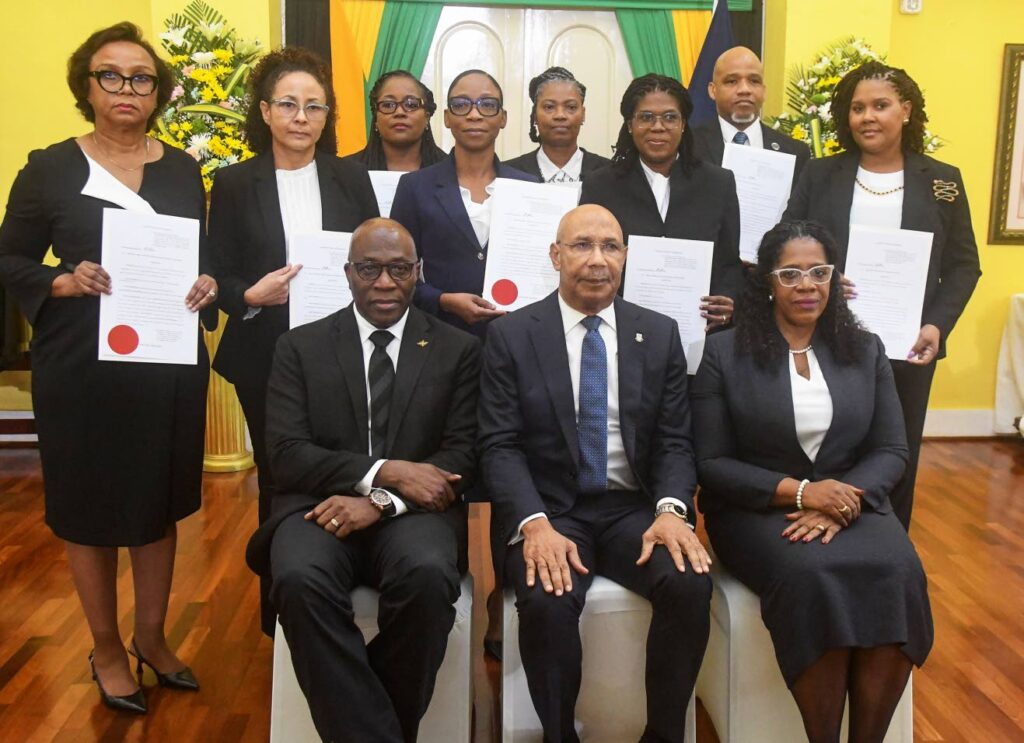
    The Government of Belize has formally designated Christopher Coye as the nation’s Special Envoy for Finance and Investments through an official proclamation in the Belize Gazette. This strategic appointment, formally executed by Governor-General Froyla Tzalam on February 9, 2026, carries retroactive effect from January 1st and establishes a four-year mandate.

    The appointment confers upon Coye full authority to represent Belize’s governmental interests in all financial and investment-related matters. The published instrument specifically directs all relevant authorities to provide comprehensive operational support and grant necessary privileges to facilitate his duties. Coye will operate under the jurisdictional umbrella of the Ministry of Finance, Investment, Economic Transformation, Civil Aviation and E-Governance.

    This development follows Coye’s September 2025 resignation from his position as Minister of State within the Finance Ministry. His departure from the cabinet occurred merely seven months after rejoining Prime Minister Briceño’s administration following the People’s United Party’s decisive electoral victory. Despite stepping down from executive responsibilities, Coye maintained his legislative role as a government senator while returning to private professional practice prior to this new diplomatic assignment.

  • Venezuela verleent amnestie, honderden politieke gevangenen kunnen vrijkomen

    Venezuela verleent amnestie, honderden politieke gevangenen kunnen vrijkomen

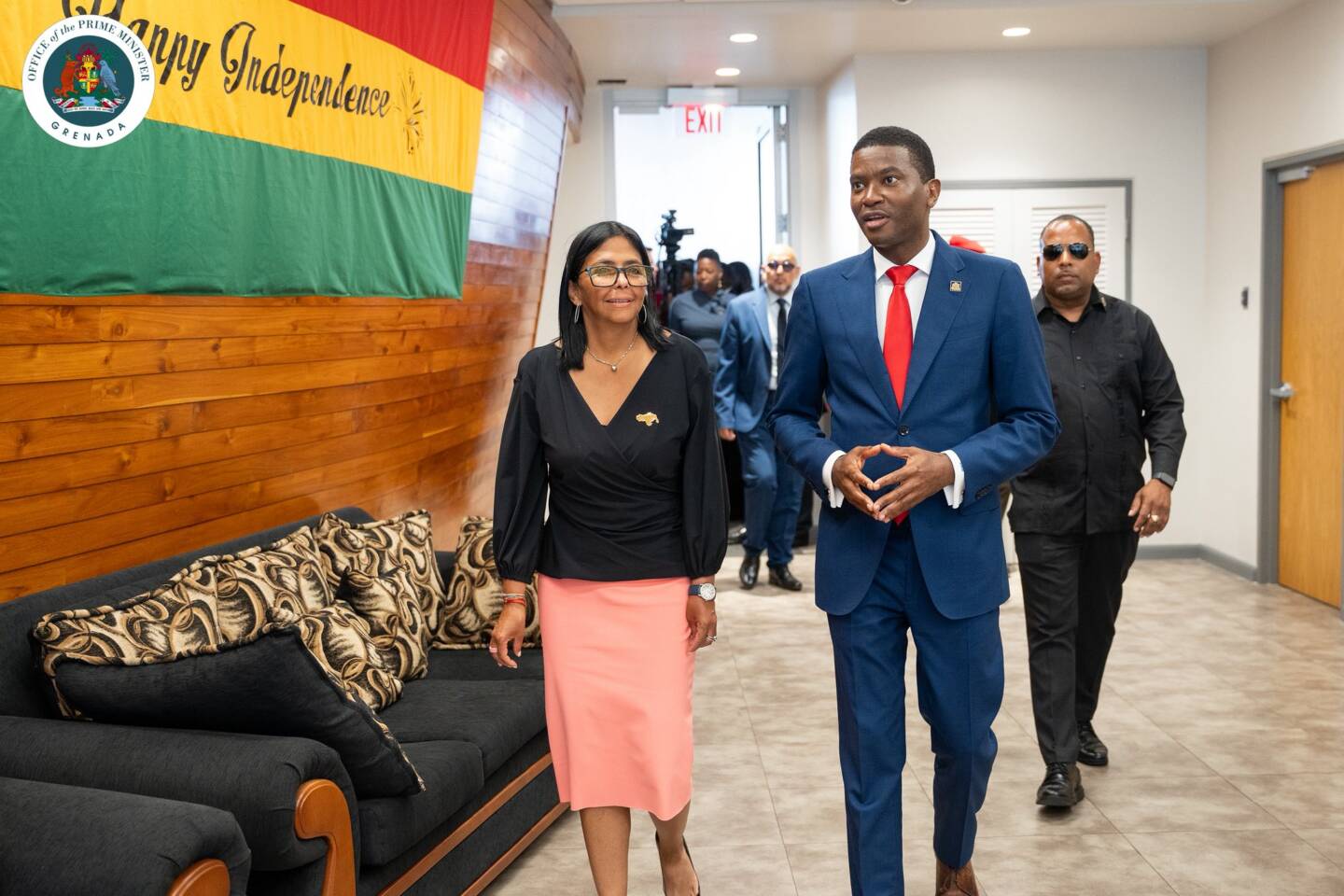
    In a significant policy reversal, Venezuela’s acting president has enacted sweeping amnesty legislation that could result in the release of hundreds of politicians, activists, and legal professionals detained for political reasons. This move represents an implicit acknowledgment of what the government had denied for decades: the existence of political prisoners within its penal system.

    The newly signed law, ratified on Thursday, effectively overturns years of official denial and marks another strategic shift by the administration following the January 3rd military incursion by American forces in Caracas and the subsequent abduction of President Nicolás Maduro.

    Under the provisions of this legislation, opposition figures, human rights defenders, journalists, and other individuals targeted by the ruling party over the past 27 years may qualify for release. However, families awaiting the freedom of their relatives express skepticism, noting that Acting President Delcy Rodríguez has previously failed to fulfill promises regarding prisoner releases. Many have maintained vigil outside detention centers for weeks.

    According to the Venezuelan Prison Rights Organization Foro Penal, 448 releases have been documented since January 8, though estimates suggest over 600 individuals remain detained for political reasons.

    The amnesty law covers involvement in political protests and “violent actions” occurring during the brief 2002 coup attempt, as well as during demonstrations or electoral processes during specific months dating back to 2004. While the legislation doesn’t explicitly specify which offenses qualify, earlier drafts included incitement to illegal activities, resistance to authorities, rebellion, and treason.

    Notably excluded are those convicted of “military rebellion” for their involvement in 2019 events. The law also doesn’t provide for property restitution, reverse suspensions from public office imposed for political reasons, or lift sanctions against media outlets.

    The opposition remains divided on the legislation. Nora Bracho, an opposition politician, described it during parliamentary debates as “imperfect but undoubtedly a major step forward for reconciliation in Venezuela.” Conversely, Pedro Urruchurtu, international relations director for opposition leader and Nobel laureate Maria Corina Machado, criticized the measure as “not just invalid and unlawful, but a trap to buy time and re-victimize the persecuted.”

    Since Maduro’s abduction, U.S. President Donald Trump has praised Rodríguez while downplaying potential support for opposition forces. Rodríguez has made several concessions to the U.S., including halting oil deliveries to Cuba and supporting legislation to open the state oil industry to foreign companies. The United States has indicated it will monitor revenues from Venezuelan oil sales until a “representative government” is established.

  • Prime Minister Friday to attend 50th CARICOM Summit in St. Kitts

    Prime Minister Friday to attend 50th CARICOM Summit in St. Kitts

    Vincentian Prime Minister Dr. Godwin Friday is scheduled to undertake a significant diplomatic mission to St. Kitts and Nevis next week, where he will participate in the historic 50th Regular Meeting of the CARICOM Heads of Government Conference. The high-level gathering, scheduled from February 24-27, 2026, represents a milestone moment for regional cooperation and governance in the Caribbean basin.

    The upcoming summit will be convened under the distinguished chairmanship of St. Kitts and Nevis Prime Minister Dr. Terrance Drew, who will host fellow regional leaders at this quadrennial event. The conference agenda is expected to address pressing regional concerns including climate resilience, economic integration, security cooperation, and sustainable development initiatives unique to Caribbean nations.

    In preliminary statements, Prime Minister Friday emphasized the critical importance of this diplomatic engagement, noting that the summit provides an essential platform for collaborative problem-solving among member states. ‘I anticipate substantive dialogues with my regional counterparts on matters of mutual importance to CARICOM’s continued development and prosperity,’ Friday stated, highlighting the conference’s role in shaping the region’s strategic direction.

    The 50th anniversary summit marks a significant evolution in CARICOM’s institutional development since its establishment in 1973, representing one of the developing world’s most enduring regional integration movements. This gathering occurs amid global economic uncertainties and evolving geopolitical dynamics that particularly affect small island developing states.