分类: politics

  • Chilean lawmakers slam granting president power to dissolve Congress

    Chilean lawmakers slam granting president power to dissolve Congress

    Chile’s political landscape has been plunged into turmoil following the introduction of controversial legislation that opponents claim threatens the nation’s democratic foundations. The proposed bill, put forward by independent lawmaker Gaspar Rivas—a former member of the conservative People’s Party—would grant the president unprecedented authority to dissolve Parliament under specific circumstances.

    The legislation stipulates that if Parliament either rejects a presidential message or introduces modifications that substantially alter its core intent, the president would obtain the power to dissolve the legislative body. Following such dissolution, the president would be authorized to govern exclusively by decree with the force of law for a period of up to six months, effectively bypassing traditional legislative oversight.

    This proposal has triggered immediate and widespread condemnation across Chile’s political spectrum. Legislator Lorena Fries of the left-leaning Broad Front (Frente Amplio-FA) characterized the initiative as marking ‘the beginning of the erosion of democracy and the Rule of Law,’ warning that it opens ‘a dangerous path’ by undermining essential checks and balances between governmental branches.

    Fries emphasized that the proposal fundamentally disrupts one of the foundational pillars of Chile’s political system—the existence of three independent branches of government with mutual controls. Her concerns were echoed by fellow FA lawmaker Emilia Schneider, who declared the initiative ‘extremely serious’ and cautioned that its approval ‘would imply a great deterioration for democracy’ that Chile neither needs nor deserves.

    The legislation has generated unusual unity in opposition, drawing criticism from political parties representing diverse ideological positions who share concerns about the potential concentration of executive power and the erosion of democratic safeguards.

  • Syria denounces Israeli violations before the UN

    Syria denounces Israeli violations before the UN

    During a dedicated United Nations Security Council session reviewing the Syria-Lebanon mission report, Syrian representative Alabi delivered a sharp condemnation of Israel’s ongoing military activities. The diplomat asserted that while Damascus consistently adheres to international law and Security Council resolutions, Israel systematically violates these established norms, thereby destabilizing regional peace efforts.

    Alabi highlighted the critical need for Syrian security forces to maintain a presence along the Israeli border to reinforce sovereign control. He pointed to significant improvements in Syria’s domestic security situation, noting that over three million refugees and internally displaced persons have returned to their homes since the fall of the previous government structure in December 2014.

    The historical context of water resource control dates to 1967 when Israel occupied the Golan Heights, a strategically vital plateau containing substantial freshwater reserves in southern Syria. From late 2014 onward, Tel Aviv has substantially escalated military operations within Syrian territory under the declared objective of countering Iranian influence and allied militia presence—a campaign formally initiated in 2018.

    The Syrian delegation’s statement contrasts Israel’s assertive military posture with what it characterizes as Damascus’s compliance with international legal frameworks, creating a diplomatic confrontation at the highest level of global security discourse.

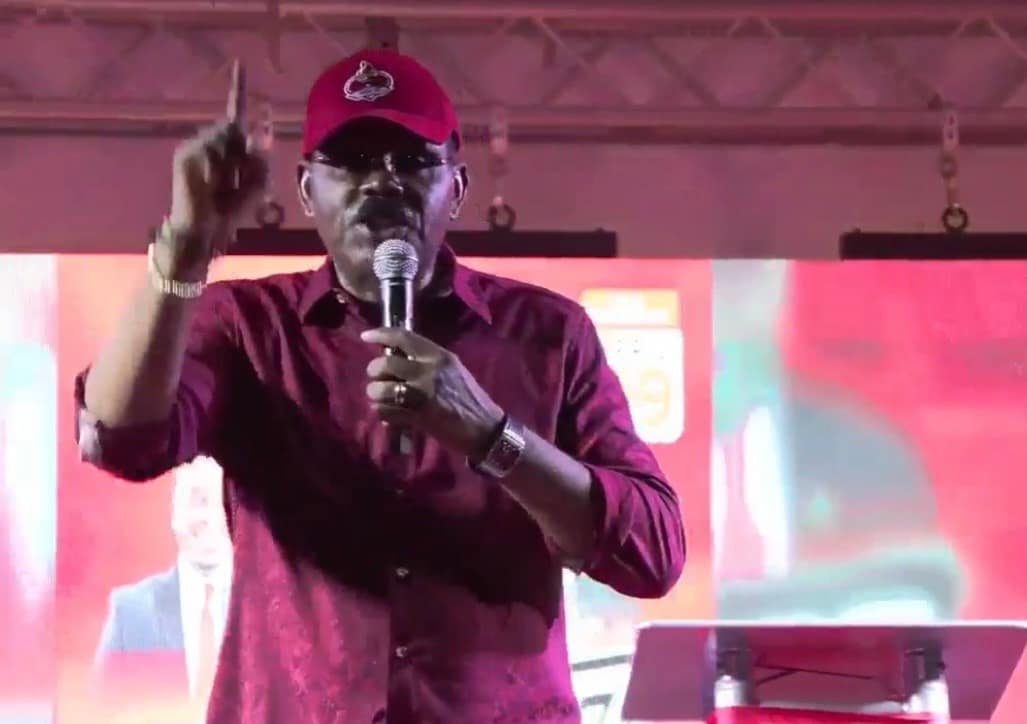
  • Griffith defends US, slams Venezuela:‘Some people love Caracas more than Maracas’

    Griffith defends US, slams Venezuela:‘Some people love Caracas more than Maracas’

    In a striking intervention into regional geopolitics, former Trinidad and Tobago Police Commissioner Gary Griffith has issued a forceful call for national defense strengthening while offering a robust defense of United States positioning in escalating tensions with Venezuela.

    The retired official, who previously served as both National Security Minister and security advisor, delivered his assessment through a December 19th Facebook video address. Griffith framed the current situation as one where Venezuela, unable to directly confront the United States, is instead targeting smaller neighboring nations like Trinidad and Tobago through intimidation tactics.

    ‘Let’s be unequivocal: Trinidad and Tobago has not threatened Venezuela. The United States has,’ stated Griffith, drawing an analogy to boxing weight classes. ‘This represents the geopolitical equivalent of a heavyweight boxer striking a middleweight, and that middleweight, too intimidated to respond to the heavyweight, subsequently turns to threaten a lightweight who never attacked him.’

    Griffith systematically addressed several claims advanced by Venezuelan officials, including allegations that Trinidad serves as a operational base for destabilizing Venezuela, facilitates U.S. military activities, and participated in the seizure of a Venezuelan oil tanker. He contextualized these developments within historical patterns, noting that territorial claims frequently precede concrete actions.

    The former security chief referenced Venezuela’s previous declaration of Prime Minister Kamla Persad-Bissessar as persona non grata and termination of bilateral gas agreements as evidence of escalating tensions. He characterized Venezuela’s recent warning to Trinidad regarding potential U.S. actions as ‘perhaps the most reckless statement yet.’

    Griffith advocated for immediate high-level diplomatic engagement with the United States explicitly focused on safeguarding Trinidad’s security interests. His recommendations encompassed substantial military enhancements including helicopter acquisitions for the Air Guard, armed and surveillance drone capabilities, and modernization of Coast Guard vessels allegedly neglected by previous administrations.

    The proposed defense package additionally includes surface-to-air missile systems, establishment of a national operational war room, and support for expanded defense force recruitment. Griffith emphasized the necessity of strategic planning to manage illegal immigration flows while warning that delayed action could prove catastrophic.

    He concluded with an urgent appeal for national unity, asserting that without United States support, Trinidad would face severe limitations in defending itself against potential aggression.

  • PM: Not one cent of State $$ spent on celebrations

    PM: Not one cent of State $$ spent on celebrations

    Prime Minister Kamla Persad-Bissessar has categorically refuted allegations that government funds were utilized to finance her political party’s holiday festivities. The United National Congress (UNC) leader addressed these claims during the party’s Christmas Supper event held at the Diplomatic Centre in St. Ann’s on December 18.

    In her definitive statement to attendees, Persad-Bissessar declared, ‘Not one cent of government money has been expended on this Christmas Supper.’ She further challenged critics who accused her administration of extravagant spending and insensitivity toward ordinary citizens amid ongoing economic challenges.

    The Prime Minister elaborated on the funding mechanism, revealing that proceeds from a previous UNC fundraising dinner in Couva on December 13 directly financed the current event. ‘Every attendee who purchased tickets for that occasion essentially funded tonight’s gathering through their contributions,’ she explained, emphasizing the self-sustaining nature of the party’s celebrations.

    Addressing concerns about perceived neglect since the UNC’s electoral victory on April 28, Persad-Bissessar offered a public apology while defending her government’s intensive workload. ‘The work was intense and the time was so short,’ she acknowledged before assuring citizens, ‘We will never ever forget you.’ The remarks come amid heightened scrutiny of government spending and political accountability in Trinidad and Tobago.

  • Beckles accuses PM reducing national security to ‘political theatre’

    Beckles accuses PM reducing national security to ‘political theatre’

    Opposition Leader Pennelope Beckles has launched a scathing critique against Prime Minister Kamla Persad-Bissessar’s administration, accusing the government of transforming Trinidad and Tobago’s national security into political theater. The focal point of contention revolves around the controversial installation of a US military radar system at Tobago’s ANR Robinson International Airport and broader US-Trinidad security cooperation matters.

    In a strongly-worded video statement, Beckles emphasized that national security must transcend political maneuvering, asserting that citizens deserve transparent explanations regarding foreign military installations on sovereign territory. While acknowledging that certain security matters require confidentiality, she maintained that the current administration has created unacceptable opacity around critical defense decisions.

    The controversy erupted when Prime Minister Persad-Bissessar initially concealed, then subsequently disclosed the radar’s establishment between November 26-28. The PM justified the deployment as enhancing surveillance capabilities against narco-traffickers in territorial waters. However, Beckles revealed that the radar manufacturer contradicted this narrative, confirming the G/ATOR system is designed for aerial threat detection—not maritime surveillance—capable of identifying unmanned systems, cruise missiles, and artillery.

    Further complicating matters, Persad-Bissessar credited the radar with assisting a major drug bust involving $171 million worth of marijuana, despite the system’s technical specifications not aligning with this claimed functionality. The Prime Minister additionally suggested that criticizing US military presence might incur negative consequences for Trinidadian citizens.

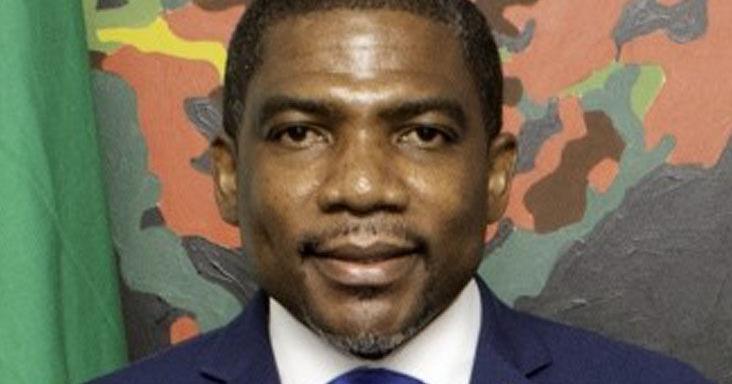
    The radar deployment mirrors similar US initiatives in the region, including August approaches to Grenada regarding Maurice Bishop International Airport. Grenadian Prime Minister Dickon Mitchell has proceeded cautiously with US deadlines, contrasting with Trinidad’s apparent rapid compliance.

    Beckles condemned the government’s inconsistent explanations as undermining public trust and national sovereignty, emphasizing that proper security management requires competence and honesty rather than political performance.

  • EBC: 42 candidates file for THA elections

    EBC: 42 candidates file for THA elections

    The political landscape in Tobago is poised for a significant electoral contest as 42 candidates officially enter the race for the Tobago House of Assembly (THA) elections scheduled for January 12. According to an official disclosure from the Elections and Boundaries Commission (EBC) on December 19, the nomination process concluded successfully across the island following established electoral protocols.

    Four distinct political parties have thrown their hats into the ring, setting the stage for a multifaceted competition. The People’s National Movement (PNM) and the Tobago People’s Party (TPP) have demonstrated comprehensive electoral ambitions by fielding candidates in all 15 available constituencies. Meanwhile, the Innovative Democratic Alliance has entered the fray with 11 nominated candidates, indicating strategic participation across key districts. The Unity of the People party completes the political spectrum with a single candidate nomination.

    The EBC confirmed that Nomination Day proceedings on Friday unfolded without incident, reflecting the commission’s adherence to transparent and efficient electoral management. This smooth operational execution underscores the commission’s commitment to maintaining electoral integrity throughout the pre-election period.

    This election represents a crucial political event for Tobago’s governance structure, with the outcome determining the assembly’s composition and leadership direction for the coming term. The substantial candidate participation across multiple parties suggests a robust democratic process and potentially competitive outcomes across various electoral districts.

  • Nomination Day over – Fight for Tobago truly underway

    Nomination Day over – Fight for Tobago truly underway

    The political contest for control of the Tobago House of Assembly (THA) officially commenced on Friday as candidates from the Tobago People’s Party (TPP) successfully submitted their nomination documents at the Glamorgan Multipurpose Facility.

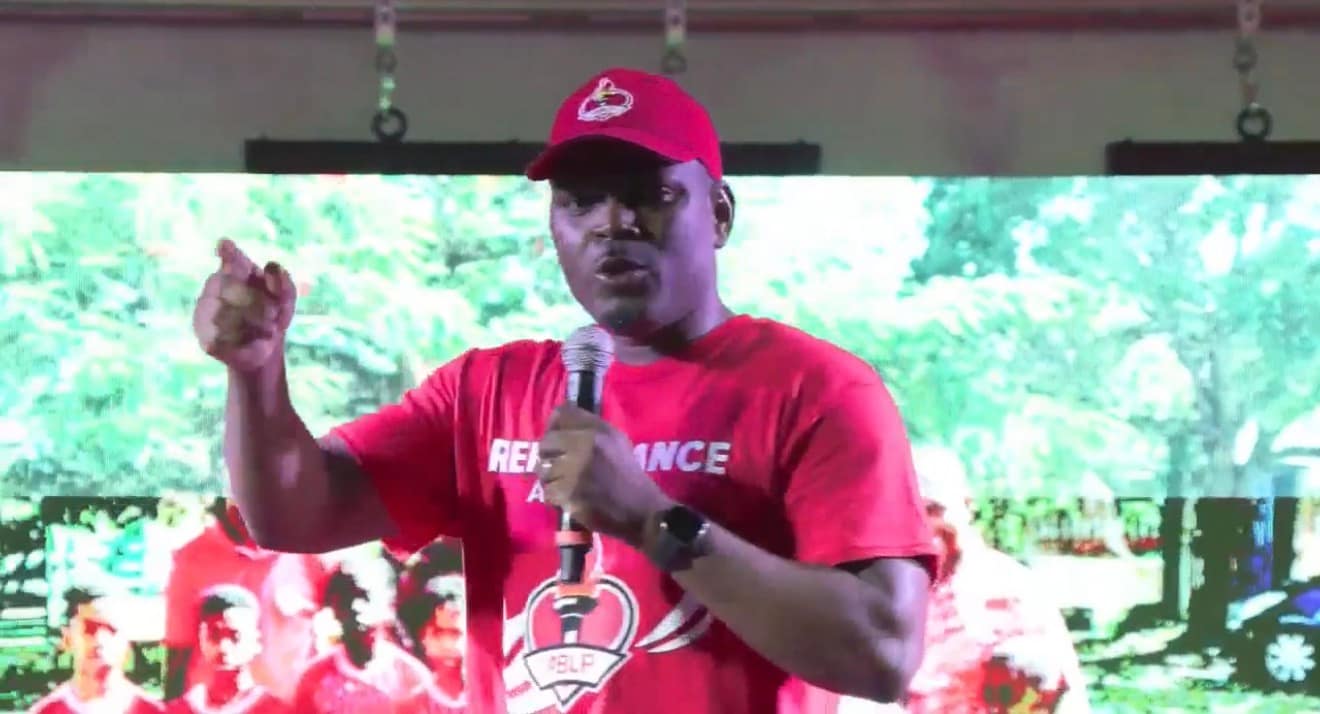
    Chief Secretary and TPP political leader Farley Augustine expressed satisfaction with the efficient nomination process, describing it as thoroughly organized. ‘All prospective candidates underwent a preparatory session with the Election and Boundaries Commission (EBC) last week,’ Augustine revealed. ‘This preliminary review ensured all documentation was properly certified and helped alleviate any pre-filing apprehensions.’

    Augustine, who filed his nomination for the Parlatuvier/L’Anse Fourmi/Speyside electoral district, conveyed strong confidence in his party’s electoral prospects. The TPP has implemented strategic measures by pairing candidates with experienced campaign managers and election agents to optimize their electoral performance.

    Addressing voter participation expectations, Augustine projected significantly higher turnout rates compared to April’s general elections. ‘Tobagonians demonstrate greater engagement in THA elections because the assembly directly impacts their daily lives—from road maintenance and healthcare to educational services and social support systems,’ he explained.

    When questioned about governance challenges during his administration’s tenure, Augustine acknowledged difficulties but emphasized his team’s resilience. ‘We faced numerous tests of our capabilities, but our consistent stability throughout these challenges demonstrates the strength of Tobago’s leadership,’ he stated.

    The TPP’s complete candidate roster includes fifteen contenders across various electoral districts, with the critical assembly election scheduled for January 12, which will determine Tobago’s governance for the forthcoming four-year term.

  • PNM, IDA candidates file papers

    PNM, IDA candidates file papers

    Political factions in Tobago have formally initiated their campaigns for the upcoming Tobago House of Assembly (THA) elections scheduled for January 12. The nomination process unfolded smoothly across multiple venues on Friday, setting the stage for a highly contested political battle.

    Ancil Dennis, Political Leader of the PNM Tobago Council and candidate for Buccoo/Mt Pleasant, expressed unwavering confidence in his party’s prospects. Following the submission of his nomination papers at the Buccoo Multipurpose Centre, Dennis declared that the Progressive National Movement (PNM) anticipates reclaiming governance. He launched a sharp critique against the incumbent Tobago People’s Party (TPP), alleging significant regression across all developmental sectors during their four-year tenure. “Every sector in Tobago has gone backwards significantly – tourism, agriculture, construction – you name it. I believe the people of Tobago would make the right decision, which is a change,” Dennis asserted.

    The PNM’s campaign received bolstering support from party stalwart Pennelope Beckles, who emphasized the party’s positive energy and expectation of victory. Beckles highlighted the strength of the PNM’s candidate roster, which includes Dexter Miller (Bagatelle/Bacolet), Carl McEwen (Belle Garden/Glamorgan), and Karyn Forbes (Plymouth/Black Rock) among others.

    Simultaneously, at the Calder Hall Multipurpose Facility, the Innovative Democratic Alliance (IDA) completed its nomination process with equal optimism. Political Leader Denise Tsoiafatt-Angus praised the Election and Boundaries Commission (EBC) for their professional handling of the application procedure, awarding them perfect marks for efficiency. The IDA is contesting with eleven candidates across various electoral districts, including Tsoiafatt-Angus herself in Scarborough/Mt Grace, Stacy Herbert in Buccoo/Mt Pleasant, and Mauricia Douglas in Signal Hill/Patience Hill.

    The convergence of these political activities signals Tobago’s readiness for a transformative electoral process that will determine the island’s administrative direction for the coming term.

  • Danny Guerra’s SoE detention review stalled

    Danny Guerra’s SoE detention review stalled

    The legal challenge mounted by businessman Danny Guerra against his preventive detention under Trinidad and Tobago’s state of emergency has encountered procedural delays. The Emergency Review Tribunal adjourned proceedings on December 18 to accommodate attorneys representing the Minister of Homeland Security, who requested additional time to prepare written submissions.

    Led by Senior Counsel Anand Ramlogan, the ministerial legal team’s request for extension faced strong opposition from Guerra’s defense counsel. Richard Thomas, KC, heading a legal team comprising Nerisa Bala and Emily Rampersad, contended that the minister’s representatives failed to adhere to established practice directions governing such review proceedings.

    The tribunal ultimately granted the extension, setting December 23 as the deadline for the minister’s submissions, with Guerra’s legal team afforded until the following day to formulate their response. No subsequent hearing date has been scheduled.

    Guerra’s detention stems from his November 20 arrest by the Special Investigations Unit, which alleges his leadership of an organized criminal network engaged in arms trafficking, money laundering, and illegal quarry operations. Homeland Security Minister Roger Alexander’s detention order further references an alleged assassination plot targeting a government minister.

    Notably, Thomas received special authorization through Legal Notice 459, gazetted on December 17, enabling his representation in Trinidad and Tobago courts despite not being locally admitted.

    This case represents another chapter in Guerra’s legal difficulties, following previous charges filed on October 11 against both him and his son for unlicensed aggregate processing. Those charges resulted in $50,000 bail for each defendant granted by a justice of the peace.

    The current state of emergency, initially declared on July 18 and extended for three months in October, remains in effect until January 2026, providing the legal framework for Guerra’s ongoing detention without formal charges.

  • Zelensky says US must pile pressure on Russia to end war

    Zelensky says US must pile pressure on Russia to end war

    MIAMI – Ukrainian President Volodymyr Zelensky has intensified his appeal for heightened American pressure on Moscow to terminate the ongoing conflict, even as diplomatic envoys assembled in Miami for renewed peace negotiations. Speaking from Kyiv, Zelensky emphasized that only the United States possesses the influence necessary to compel Russia toward a resolution, advocating for enhanced military support and comprehensive economic sanctions against Moscow.

    The diplomatic developments unfolded as Russian representative Kirill Dmitriev arrived in Miami, joining Ukrainian and European delegations for talks mediated by U.S. Special Envoy Steve Witkoff and Jared Kushner, son-in-law of former President Donald Trump. Dmitriev signaled his participation with a symbolic social media post featuring a peace dove emoji and sunrise imagery, though Russian sources maintained anonymity regarding specific dialogue agendas.

    This gathering marks a notable shift in negotiation formats, as it represents the first instance of simultaneous Russian and European presence at U.S.-mediated talks. Previous discussions had been conducted separately with each party in different locations. The proposed American peace framework reportedly includes security guarantees for Ukraine in exchange for territorial concessions – a condition that has generated significant opposition among Ukrainian citizens.

    U.S. Secretary of State Marco Rubio sought to alleviate concerns by affirming that Washington would not impose any agreement without Kyiv’s consent, stating that Ukrainian approval remains prerequisite to any potential settlement.

    Despite these diplomatic efforts, military operations continued unabated. Russian forces announced the capture of two Ukrainian villages in the Sumy and Donetsk regions, while Ukrainian officials reported eight fatalities from a ballistic missile strike on port infrastructure in the Odesa region. Simultaneously, Ukraine claimed successful operations against Russian military assets in occupied Crimea and the Caspian Sea.

    President Vladimir Putin reiterated his commitment to military objectives during his annual news conference, though he suggested a potential temporary cessation of attacks to facilitate Ukrainian presidential elections – an offer promptly dismissed by Zelensky. The conflict continues to represent the most devastating military engagement on European soil since World War II, with profoundly divergent narratives regarding its origins and objectives persisting between Moscow and Western allies.