
A planned new police station for the small Belizean island of Caye Caulker has escalated from a local community disagreement to a growing political controversy, after recent electoral redistricting shifted the island into the Fort George parliamentary constituency, drawing regional political attention to the conflict. While local residents do not oppose the construction of a new police facility itself, widespread frustration has emerged over the lack of transparent engagement and early consultation from central authorities, turning procedural disagreements into a test of local governance. Henry Charles Usher, the elected Area Representative for the newly reconfigured Fort George constituency, has confirmed he is closely tracking the evolving situation as community concerns continue to mount. In comments carried on local broadcast news, Usher acknowledged that critical missteps from the start of the planning process created the current rift. “I certainly agree that there was a lack of communication in the beginning,” Usher stated. “I do believe that the duly elected village council should have been consulted. There should have been a meeting to discuss the plans.” Usher emphasized that the core project itself enjoys broad support, noting that a modern, upgraded police presence is a needed addition for the island community. “I don’t necessarily think that it’s a bad idea what is happening. I think that the police station will be built. Whether it is built there or built somewhere else, the island will be getting a modern police station,” he explained. The representative also noted that local residents have raised separate requests for additional public amenities, including a new visitor welcome center, and that these priorities will require separate, dedicated discussion with community leaders. “Now, if you want to look at other amenities at the island that the residents of Caye Caulker are looking at, ’cause I’ve heard that they’re speaking about a welcome center or something to that effect then certainly that discussion has to happen,” Usher said. “But where the police station is built is less important than the fact that it’s going to be built. And I think that is important. But in the beginning, that information should have been communicated and there should have been a proper dialogue with the relevant authorities out there.” This report is adapted from a transcribed evening television news broadcast, with all quoted content retained in its original context for accuracy.
分类: politics
-
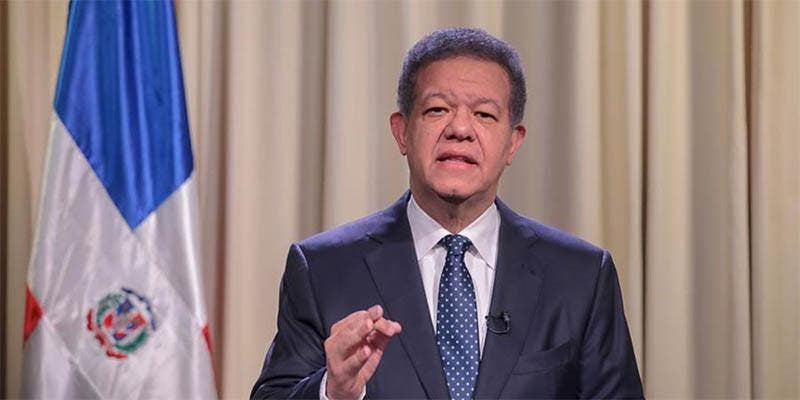
Government meets today with Leonel Fernández to address global crisis
In the Dominican capital of Santo Domingo, a high-stakes cross-party gathering is set to take place Thursday evening, bringing top government officials together with former head of state Leonel Fernández and senior leadership of the opposition People’s Force party. The core purpose of the closed-door meeting, hosted at the Global Democracy and Development Foundation starting at 6:00 p.m., is to outline the full parameters of President Luis Abinader’s national preparedness initiative, which has been developed to shield the country from fallout linked to escalating international tensions between the United States, Israel, and Iran.
The official government delegation will be led by José Ignacio Paliza, Minister of the Presidency, and will include two senior advisors, Magín Díaz and Eduardo Sanz Lovatón. Details of the planned consultation were officially verified by Omar Fernández, spokesman for former president Leonel Fernández, confirming that both government technical experts and opposition policy specialists will participate in the discussion.
This cross-sector dialogue forms a central pillar of the Abinader administration’s broader strategy to build unified national consensus around risk mitigation. The government is working to shore up domestic resilience ahead of any potential economic and social shocks that could ripple out from the worsening geopolitical standoff in the Middle East. Prior to this meeting, administration officials already held an identical consultation session with another former Dominican president, Danilo Medina, and key representatives from the Dominican Liberation Party, one of the country’s largest opposition blocs. The ongoing series of conversations reflects a deliberate push to include all major political, economic, and social stakeholder groups in national preparedness planning, rather than advancing policy unilaterally.
-
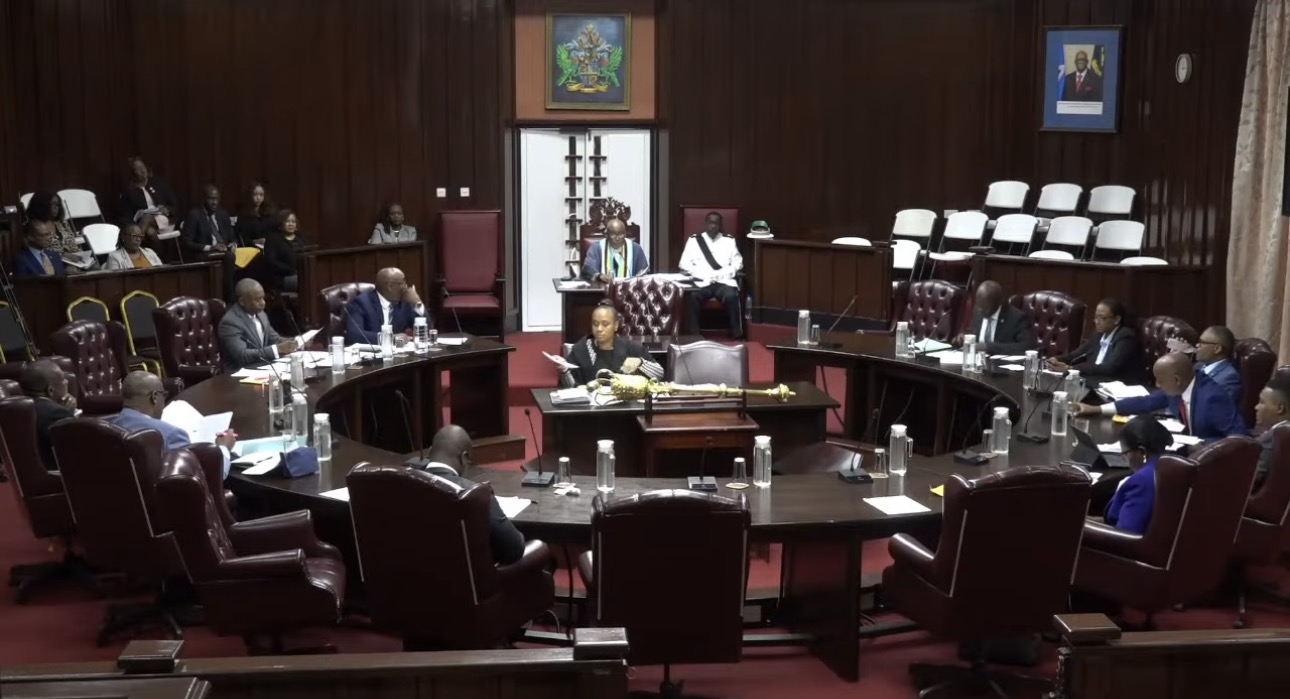
House passes changes to antiterrorism laws
In a unanimous vote held on Tuesday, Saint Lucia’s House of Assembly has thrown its full weight behind sweeping amendments to the island nation’s existing anti-terrorism legislation, a move designed to shore up the country’s legal framework countering extremism and bring domestic regulations in line with global best practices.
The package of reforms was tabled before parliament by Attorney General Leslie Mondesir, who laid out that the changes target long-standing gaps in the current legal structure and will boost domestic authorities’ capacity to tackle both terrorist activity and its financial networks.
Addressing legislative members, Mondesir stressed that the updated rules are a critical step to ensure Saint Lucia meets its binding international commitments, most notably the requirements set by the Financial Action Task Force (FATF) — the global standard-setting body that assesses nations’ efforts to crack down on money laundering and terrorist financing.
“This piece of legislation will meaningfully bolster Saint Lucia’s capacity to respond to acts of terrorism and the financing that enables these activities, while guaranteeing we align with established international standards,” Mondesir told the chamber.
He further outlined that previous international assessments had pinpointed critical shortcomings across three core areas: inter-agency coordination, enforcement capabilities, and the speed of responses to suspected threats. The new amendments directly resolve these issues by outlining far clearer operational procedures and codifying more defined institutional responsibilities for all involved government bodies.
Among the most notable changes is a new mandate for timelier action in investigations into suspected terrorist activity. Specifically, the reforms introduce a provision that requires the Attorney General to advance proposals related to international sanctions regimes within a strict 48-hour window. The legislation also expands the powers of the Royal Saint Lucia Police Force, granting the service explicit authority to freeze suspected terrorist-linked assets when urgent action is required.
Alva Baptiste, Parliamentary Representative for Laborie, added his voice to cross-party support for the bill, noting that the reforms extend far beyond basic national security. He cautioned that jurisdictions that fail to meet global counter-terrorism and anti-money laundering standards face heightened international scrutiny and far-reaching negative economic consequences.
“Regions that are labeled as non-compliant have repeatedly faced higher costs for cross-border business activity, as well as lasting reputational damage that hits foreign investment, the tourism sector, and international trade,” Baptiste explained. He also echoed the need for stronger inter-agency collaboration, underlining that improved information sharing and clearly demarcated institutional roles will be foundational to successfully rolling out and enforcing the new measures.
-

Crime crisis demands urgent action, Dems warn
On Tuesday, Barbados’ main opposition Democratic Labour Party (DLP) ramped up pressure on the ruling government, calling for immediate, accelerated intervention to tackle what the party has labeled a full-blown national crime crisis that has upended public safety across the island nation.
Corey Greenidge, the DLP’s shadow legal affairs minister, told reporters that incremental policy moves and empty promises have failed to curb the rapid escalation of criminal activity, leaving communities across the country exposed to growing danger. He emphasized that Barbados is now confronting an unavoidable, transformed security reality that cannot be downplayed through vague political rhetoric.
“What we are witnessing is not just a numerical rise in crime — it is a fundamental shift in the nature of illegal activity, particularly gun-related violence, that has become more targeted, better organized, and increasingly embedded in the everyday spaces where Barbadians live, work, and gather for community events,” Greenidge said.
To illustrate the scope of the crisis, Greenidge pointed to three high-profile shooting incidents that unfolded across the country in just one week: a fatal shooting in St Lucy, another violent attack in Christ Church that followed the popular Oistins Fish Festival, and a third gun-related incident at a downtown public housing complex that houses between 300 and 400 residents. He warned that once-rare acts of gun violence have now become normalized across Barbadian communities, with annual gun-related homicides now climbing past 50, a threshold that would have been unthinkable in previous years.
While Greenidge acknowledged that the incumbent government has identified high-crime hotspots and outlined a series of policy proposals — including the creation of a specialized gun court, the reopening of community police outposts, and expanded investment in forensic capabilities — he argued that the government’s overall response remains fragmented, slow-moving, and lacking the urgency the crisis demands. Many of the measures currently being promoted by the administration are not new solutions, he noted: the need for a dedicated gun court, strengthened forensic capacity, and expanded community policing have all been recognized as critical priorities for decades.
“The question is not whether these are the right policy ideas,” Greenidge said. “The question is why they are still being discussed as future plans, rather than functioning core components of a robust national crime strategy that is already protecting Barbadians.”
Greenidge stressed that ongoing delays in rolling out these promised measures are directly costing lives. For example, the years-long delay in opening a fully operational national forensic laboratory has undermined the speed and effectiveness of criminal investigations and prosecutions, leaving repeat violent offenders on the streets. He added that identifying a location for the long-promised gun court is only the first step; what Barbadian residents need to see immediately is concrete progress: enabling legislation passed, court systems activated, and urgent hearings held for gun-related cases.
At its core, Greenidge said the crisis stems from a lack of clear policy direction, inter-agency coordination, and accountability from the ruling government. Drawing on the DLP’s own official Commission on Crime report, he explained that the current crisis cannot be addressed through law enforcement action alone. The report identifies deep systemic weaknesses across the entire national justice system, from persistent court backlogs to chronically under-resourced institutions, all of which have contributed to the growing normalization of gun-fueled crime.
An effective, long-term response must be coordinated and sustained across all levels of government, Greenidge argued. It should start with intelligence-led policing that specifically targets organized criminal networks and repeat violent offenders, backed by swift legislative reform that delivers on the promised gun court and updates outdated gun control laws. The government must also crack down on the illicit flow of illegal firearms into the country and dramatically strengthen national investigative capacity. Most importantly, lasting change requires long-term prevention strategies that address the root causes of crime: youth vulnerability, widespread substance abuse, unmet mental health needs, community breakdown, and comprehensive education reform, he added.
Greenidge noted that Barbadians understand crime is a deeply complex social issue that will not be solved overnight. But despite that understanding, he said, residents are fully entitled to demand clear policy direction, urgent action, and visible progress from their leaders. “They are entitled to know that what politicians promise is actually being delivered,” Greenidge said. “And above all, they are entitled to feel safe in their own homes and communities.”
-
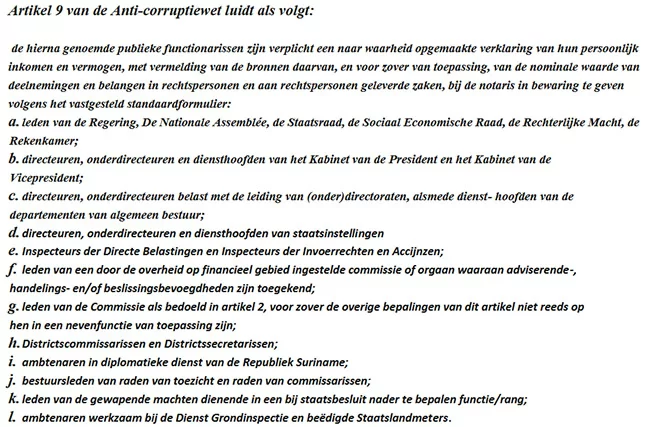
Deadline nadert: publieke functionarissen riskeren straf bij niet indienen VIV
On April 14, the Dutch Anti-Corruption Commission (ACC) launched an urgent reminder to a wide range of public sector officials, urging them to complete their mandatory Income and Assets Declaration (VIV) before the final August 16, 2026 submission deadline. The mandatory filing requirement applies to a broad cohort of public servants, including cabinet ministers, members of parliament, senior civil servants, and other leading officials across all levels of the public sector. As the commission confirmed, a significant share of covered officials have not yet completed and submitted their required declarations.
ACC chair Ilse Krenten emphasized that the VIV mandate is a core pillar of the Netherlands’ national anti-corruption legislation, designed to entrench transparency and uphold ethical integrity across all branches of public governance. Despite the clear legal requirement for all eligible officials to file, a notable share of those covered have yet to fulfill this obligation. Krenten has issued a stark warning that non-compliance carries far-reaching legal and professional consequences. Criminal prosecution is one of the potential outcomes for officials who fail to submit their declarations on time, carrying a maximum penalty of four years’ imprisonment and a substantial monetary fine. A conviction for non-compliance would also result in a permanent criminal record.
Beyond criminal penalties, non-compliant public officials can also face severe administrative and professional repercussions, including formal disciplinary action, blocked future appointments or promotions, and lasting reputational harm for both the individual involved and the public agency they represent. The commission clarified that it does not function as a prosecuting body; instead, its core mandate centers on preventive oversight and monitoring of compliance with anti-corruption rules. Acting from this oversight role, the ACC is urging all required officials to avoid last-minute rushes and complete their submissions well in advance of the deadline.
For officials who have not yet initiated the filing process, the commission has outlined clear next steps: they are advised to contact a civil-law notary as soon as possible to deposit their completed declaration, then complete the formal registration process with the ACC. With several months remaining before the deadline expires, the commission has reaffirmed that early, timely submission is the only way for public officials to avoid avoidable legal and administrative complications down the line.
-
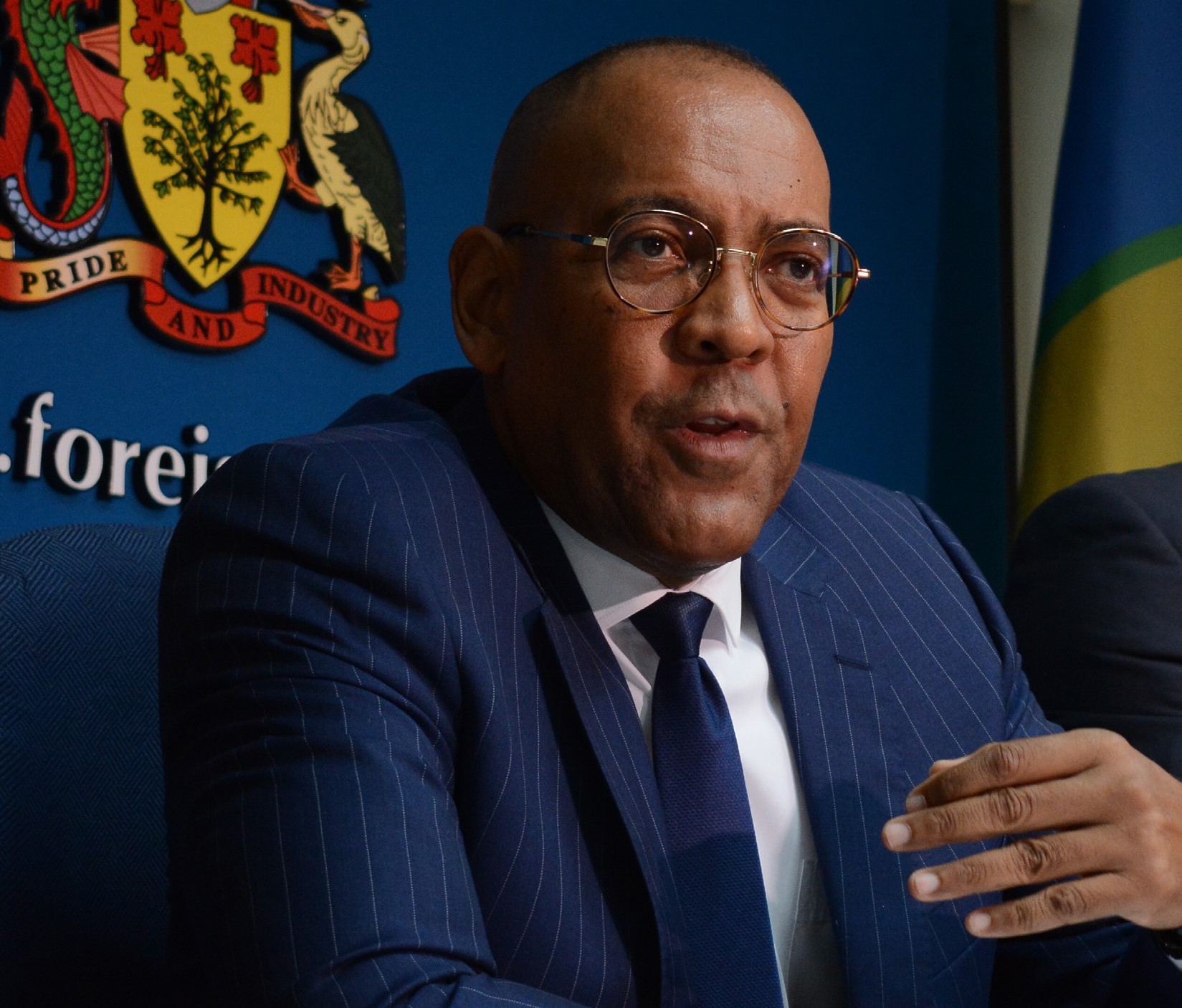
Exclusive: Solar backlog, battery storage ‘now national security matter’
Barbados has elevated longstanding delays in residential and commercial solar panel installations and global competition for critical battery storage technology to a formal national security issue, Energy Minister Kerrie Symmonds has revealed in an exclusive interview with Barbados TODAY. The unprecedented designation has sparked sweeping, urgent restructuring of the island nation’s renewable energy sector, after years of gridlock that left both homeowners waiting for distributed energy systems and private investors facing costly, frustrating project hold-ups.
Symmonds openly acknowledged the depth of the sector’s bottlenecks, confirming that residents and businesses currently face a two-year waiting list for residential solar installation approvals and deployment. He told Barbados TODAY that the single largest external barrier to progress is the global race to secure battery storage technology, a critical component of reliable renewable energy systems that allows solar-generated power to be used after sunset. As a small island developing nation, Barbados’ relatively modest total demand for battery storage puts it at a distinct disadvantage against larger economies competing for the same limited global supply, the minister explained.
“Our demand requirements in the international market are not at a scale which commands the urgent attention of the suppliers, in other words our small size has been a problem in this matter,” Symmonds said.
To counter these external supply challenges, the Ministry of Energy has launched targeted internal regulatory and legislative reforms designed to streamline the entire approval and deployment process. Under direct oversight from Prime Minister Mia Amor Mottley, the sector has entered a period of intensive stakeholder consultation to modernize what many industry leaders have long criticized as an outdated, slow-moving regulatory framework.
Key reforms currently underway include the standardization of core industry documentation to cut down on negotiation and approval delays. This includes standardized templates for power purchase agreements, interconnection contracts that allow renewable energy systems to connect to Barbados’ national grid, and processes to facilitate the assignment of power purchase agreements between parties.
In addition to procedural overhauls, the government has initiated a full top-to-bottom review of the island’s existing renewable energy legislation, with the goal of creating a more flexible, comprehensive regulatory framework that opens up green energy investment to a broader cross-section of Barbadian society. Stakeholders are also working to resolve routine day-to-day operational barriers that have slowed the sector’s growth for years.
A central priority of the new legislative package, which fulfills a key campaign promise from the re-elected Mottley administration, is the formalization of fractional ownership for large-scale renewable energy projects. To expand access to the financial benefits of the green transition, the government plans to introduce a unit trust structure that will allow ordinary Barbadian citizens to purchase small stakes in utility-scale solar and wind energy projects, rather than restricting investment to large corporations or high-net-worth individuals.
“We are paying some attention to the need for our legislation to now reflect fractional ownership,” Symmonds said. “Our goal is broadening the base of inclusion so that the financial returns of the green economy reach all sectors of the Barbados community.”
Since the Mottley administration won re-election on February 11 and formed a new cabinet, senior government officials have held direct working sessions with renewable energy industry stakeholders to identify and resolve decades of accumulated backlogs and unaddressed concerns, the minister added.
“I am sending a clear signal that much work has been done and continues to be done to correct this situation,” Symmonds said. “Collectively the delay has been analysed and assessed and the difficulties are being identified and unraveled.”
While ongoing global energy market volatility and supply chain disruptions continue to create headwinds for the Caribbean nation, Symmonds said he confidently expects that the aggressive industry restructuring will deliver significant, tangible improvements to solar rollout timelines in the near term.
Barbados TODAY attempted to secure comment from the Barbados Renewable Energy Association on the government’s reform plans, but multiple requests for comment went unanswered as of publication.
-

Labour Department Confirms $11.50 Minimum Wage Effective April 1
A landmark policy update to Antigua and Barbuda’s labor regulations has officially been announced, with a new national minimum basic wage set to take effect across the twin-island nation starting April 1, 2026.
Issued as Statutory Instrument No. 30 of 2026 by the nation’s Attorney General and Minister of Labour, the new wage order is rooted in amended provisions of the Antigua and Barbuda Labour Code Cap. 27, specifically Section C21 subsection (10), which grants the minister the authority to adjust national wage standards. Under the new regulation, all eligible workers in Antigua and Barbuda will be entitled to a minimum hourly base wage of $11.50, a formal mandate that binds all employers operating within the country’s jurisdiction.
The Labour Department has issued a formal reminder to all business owners and hiring managers regarding additional compliance requirements laid out in existing labor legislation. Per Section C22 subsection (5) of the amended Labour Code, employers are legally obligated to display the updated official national minimum wage rate on a clearly accessible notice board in every workplace, ensuring all staff have full, transparent access to information about their wage entitlements.
Non-compliance with the new wage mandate carries formal legal consequences. The department confirmed that failure to pay the mandated national minimum basic wage constitutes a criminal offense, which can result in a financial penalty following a summary conviction.
For employers and workers seeking clarification on the new regulation, compliance protocols, or wage entitlements, the Labour Department has opened multiple channels for public inquiry. Interested parties can visit the department’s physical office located at the intersection of Long and Thames Streets, or contact the administrative team directly via telephone at 462-9200 for assistance. The office of the Labour Commissioner has urged all stakeholders to familiarize themselves with the new rules ahead of the 2026 implementation date to ensure a smooth transition to the updated wage structure.
-
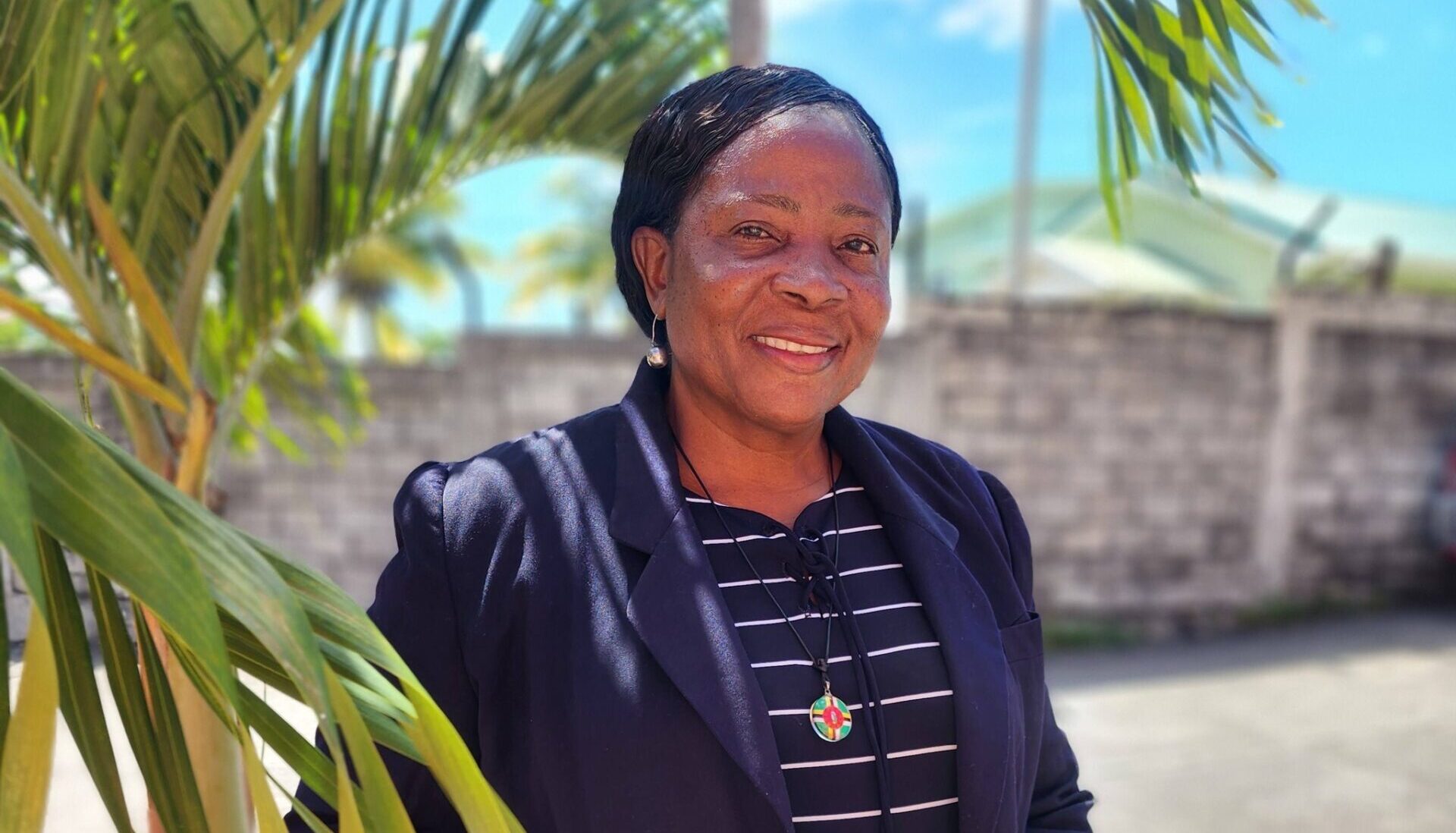
New Roseau mayor installed this week
A new chapter of local governance is set to begin for the Commonwealth of Dominica’s capital city of Roseau, after political newcomer Lucy Belle-Matthew was confirmed as the city’s next mayor in an unopposed vote by the newly seated city council this week.
Belle-Matthew, a resident of the Roseau suburb Fond Cole, first secured her path to the mayor’s office after winning a competitive race for the city’s Ward 4 seat in the March 2026 Roseau City Council Elections. In that head-to-head contest, she earned 408 votes, defeating challenger Sherman Boston who garnered 267 ballots cast in his favor.
Her ascension to the top municipal role brings an end to the six-year tenure of outgoing mayor Sandra Irmine Royer, who held the position for two consecutive full terms. Royer first took office in January 2020 and won re-election to a second term in the March 2023 council vote.
In her first public remarks following her confirmation as mayor-elect, Belle-Matthew expressed deep gratitude to her fellow council members for entrusting her with the leadership role. “Profoundly grateful to my fellow councillors for having placed their confidence and given this opportunity,” she said. “As Mayor elect for the City of Roseau, with a unified approach and hard work we will make that difference to move our City and municipality forward. Sleeves rolled back… Work will start.”
As of this week, municipal officials have not yet announced a formal inauguration date for the newly elected council and incoming mayor, leaving the timeline for the official leadership transition unconfirmed.
-

Lovell Says All Saints West Has Potential to Become ‘Model Constituency’ with Targeted Development
At a packed town hall meeting held in Buckleys, United Progressive Party (UPP) All Saints West parliamentary candidate Harold Lovell has laid out an ambitious development roadmap that he says would unlock the constituency’s untapped potential and position it as a benchmark for sustainable growth across Antigua and Barbuda.
Lovell opened his address by underscoring the outsize strategic importance of All Saints West, noting that the constituency holds unmatched weight in both national geography and electoral politics. Covering roughly 20% of Antigua and Barbuda’s total land area and home to nearly 10% of the country’s entire registered voter base, its unique landlocked geographic footprint spans across nearly every parish in the nation — a trait that Lovell argues gives it exceptional, underutilized development advantages.
“It is a large constituency with tremendous untapped potential,” Lovell told gathered supporters. “We have everything we need to build All Saints West into the model constituency for all of Antigua and Barbuda.”
To turn that vision into reality, Lovell emphasized that coordinated, cross-sector investment is non-negotiable. He outlined a holistic development framework that integrates upgrades to core infrastructure, expanded access to public health services, intentional community-building initiatives, and targeted programming for young residents. Lovell stressed that the constituency’s young people must be the central focus of any forward-looking development plan, as they represent the future of All Saints West.
A large share of Lovell’s critique of the incumbent administration centered on the poor state of the constituency’s road networks, which he described as unacceptably substandard despite significant growth in national public revenue in recent years. “There is simply no excuse for All Saints West to remain in the condition it is in today, especially when it comes to our road infrastructure,” he said.
Lovell pushed back against the government’s recent 40% hike to vehicle licensing fees, challenging residents to question where all the increased revenue collected from motorists across the constituency has gone. He also raised sharp questions around the transparency of the administration’s $100 million borrowing package earmarked for national road improvements, noting that no formal public spending plan has been released for the initiative to date.
Lovell drew a parallel between the government’s unplanned borrowing and applying for a personal bank loan without a formal spending proposal: “The first question any bank would ask you when you ask for a loan is, ‘What is your plan?’ Right now, this government has no plan for these hundreds of millions in borrowed funds.”
He acknowledged that local residents have already invested their own time and money into upgrading their private homes and neighborhood spaces, but argued that public sector development has failed to keep pace with these private efforts. If elected in the upcoming contest, Lovell pledged to implement a far more structured, transparent and accountable approach to governance that would deliver the tangible development improvements All Saints West residents have long waited for.
-
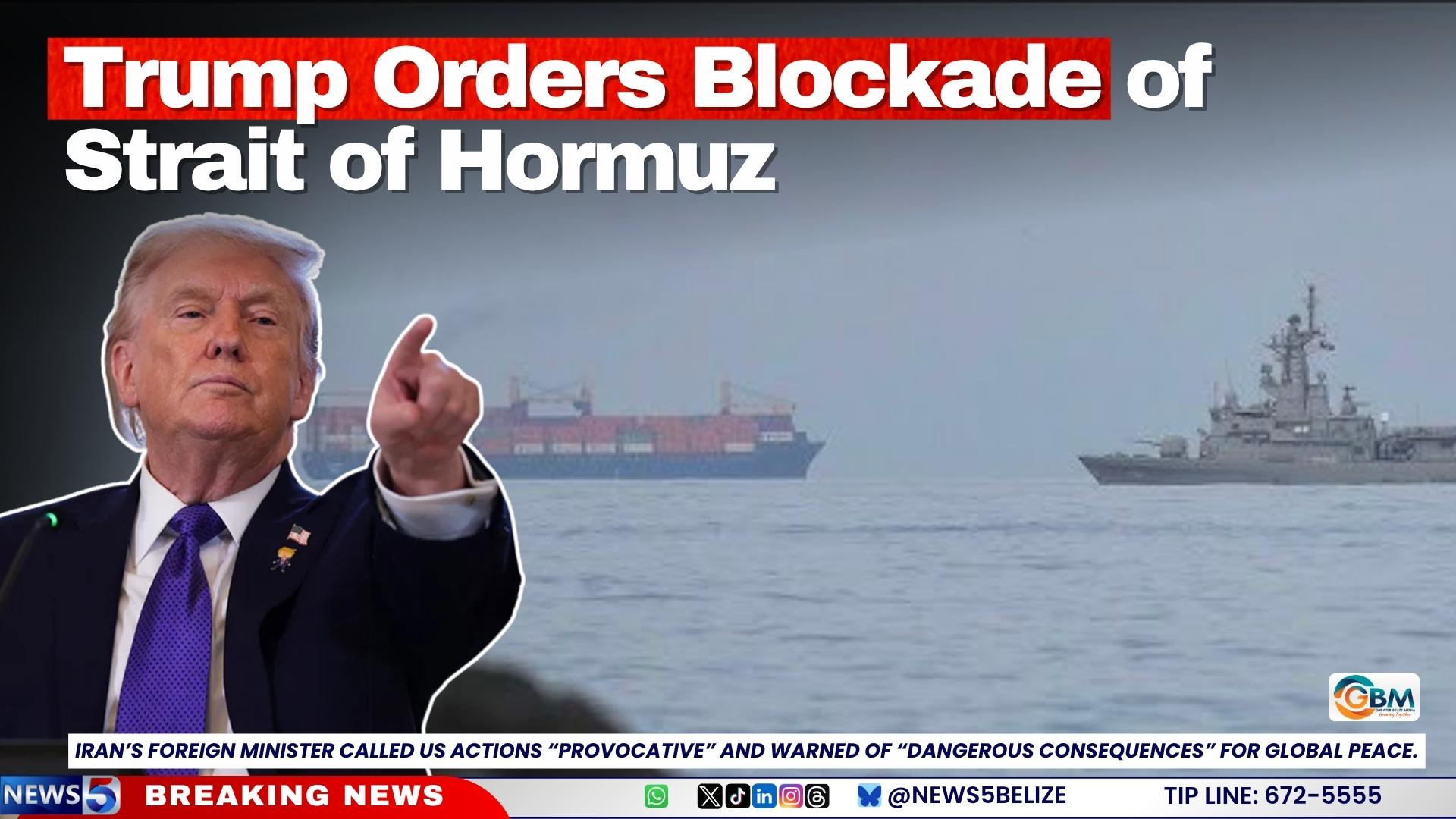
Trump Orders Blockade of Strait of Hormuz
A major escalation in US-Iran tensions has erupted in the Strait of Hormuz, after a new round of high-stakes negotiations between the two nations broke down in early April 2026. US President Donald Trump has ordered a full naval blockade barring all Iranian-flagged ships from passing through the critical global waterway, bringing the long-running standoff between Washington and Tehran to a new, dangerous boiling point.
The collapse of weekend peace talks hosted in Pakistan paved the way for the immediate implementation of the blockade, which launched at the start of Monday local time. Speaking publicly to Fox News, US Vice President JD Vance framed the American action as a direct response to Iranian actions that the Biden administration previously labeled as a threat to global maritime commerce. Vance accused Iran of engaging in what he called “economic terrorism” by disrupting shipping through the strait, and justified the reciprocal US blockade with a straightforward warning: “If the Iranians are going to try to engage in economic terrorism, we’re going to abide by the simple principle that no Iranian ships are getting out, either.”
President Trump amplified the aggressive tone of the US move in his own public remarks, issuing a stark military warning: any Iranian fast-attack craft that approaches the US blockade line will be sunk by American forces. According to reporting from CNN, a senior anonymous US official has confirmed that roughly 15 American naval vessels, led by a full-sized nuclear-powered aircraft carrier strike group, are currently deployed in the Hormuz region to enforce the new restrictions.
Tehran has responded swiftly and furiously to the US action, with senior Iranian officials condemning the blockade as an unauthorized and destabilizing act of aggression. Iran’s Foreign Minister Abbas Araghchi labeled the US move openly provocative, warning that it carries severe “dangerous consequences” for broader global peace and energy security. In a flurry of urgent diplomatic calls with his counterparts from Russia, Saudi Arabia, and Qatar, Araghchi emphasized that the unilateral blockade risks upending security across the entire Middle East. Following the foreign ministry’s statement, Iranian military command confirmed that all of the country’s armed forces have been placed on the highest possible level of combat alert in response to the US deployment.
Despite the sharp escalation and failed first round of talks, US officials have confirmed that diplomatic channels between the two nations remain open. Senior administration sources told CNN that plans for a second in-person negotiation round are already under preliminary discussion, leaving a narrow path for de-escalation even as military forces stand off in one of the world’s most strategically vital shipping lanes.